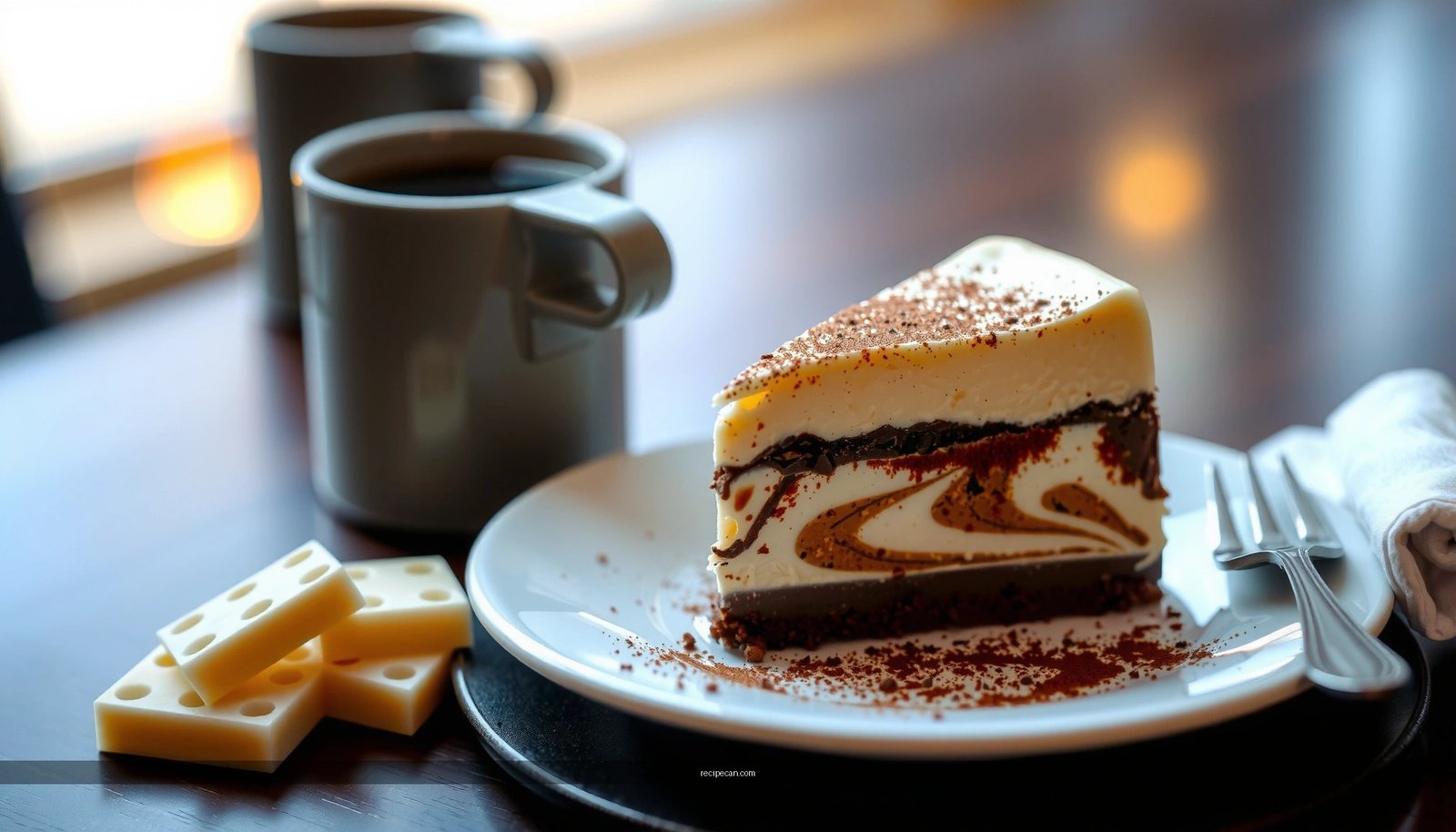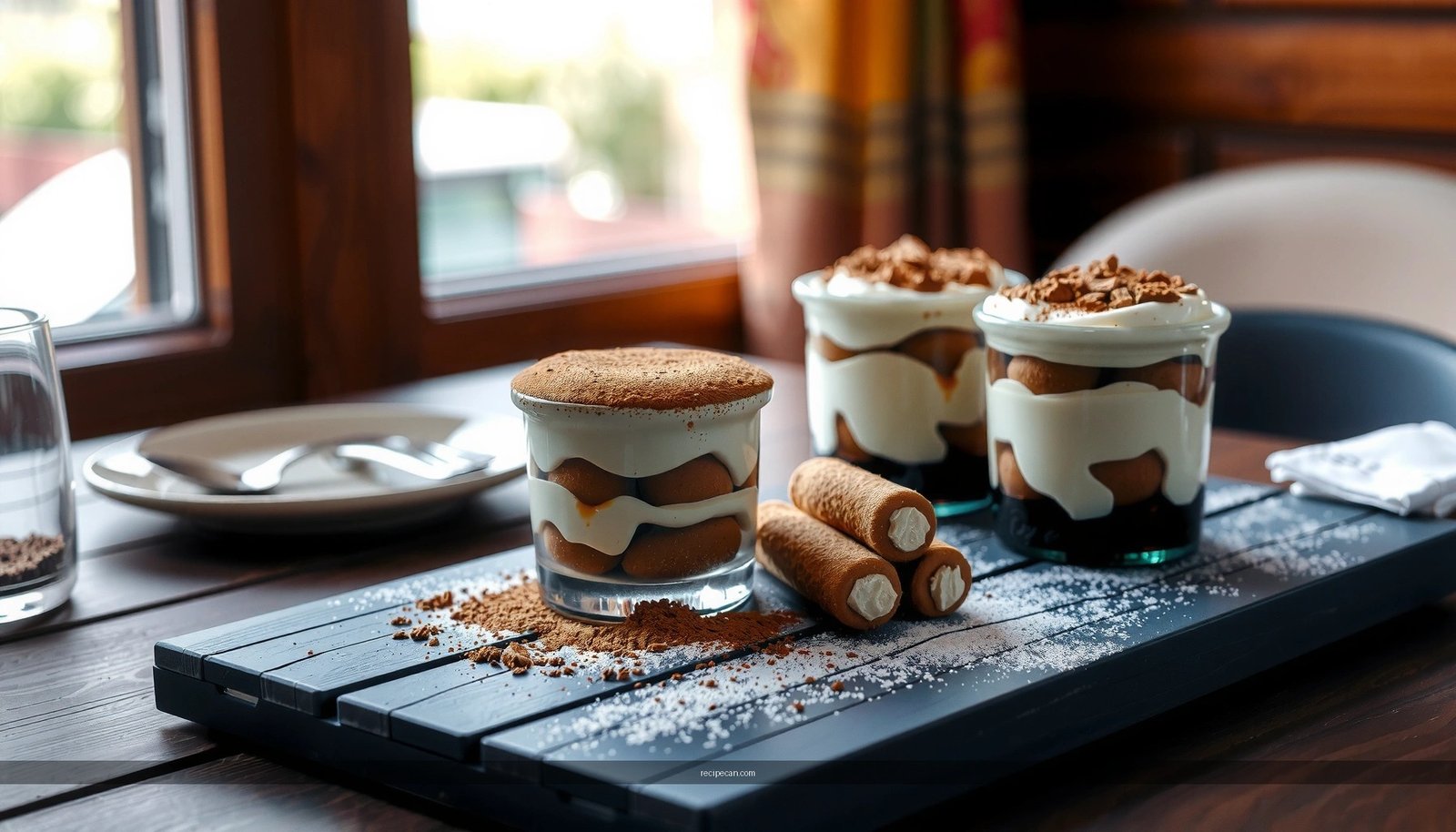
Get Ina Garten’s tiramisu recipe for classic mascarpone coffee dessert results that come out silky, not sloppy, with the right balance of espresso punch and creamy richness. This version is the clear winner if you want a traditional, crowd-pleasing tiramisu with a straightforward method you can execute without guesswork. You’ll learn exactly how to layer the mascarpone mixture and soak the ladyfingers so every bite lands in that perfect coffee-and-cream zone.
Ina Garten’s tiramisu formula is a reliably elegant method: rich mascarpone cream, quick coffee dipping, and a full chill so the layers set without turning soggy. If you follow the key mechanics—properly whipped dairy, cooled strong coffee, and disciplined assembly—you’ll get clean slices with the classic coffee-and-cocoa payoff every time.
In this guide, you’ll learn not only the “what,” but the “why” behind each step, so your tiramisu has the right texture (light, not heavy), the right intensity (bold, not bitter), and the right structure (firm enough to slice after chilling).
Ingredients You’ll Need
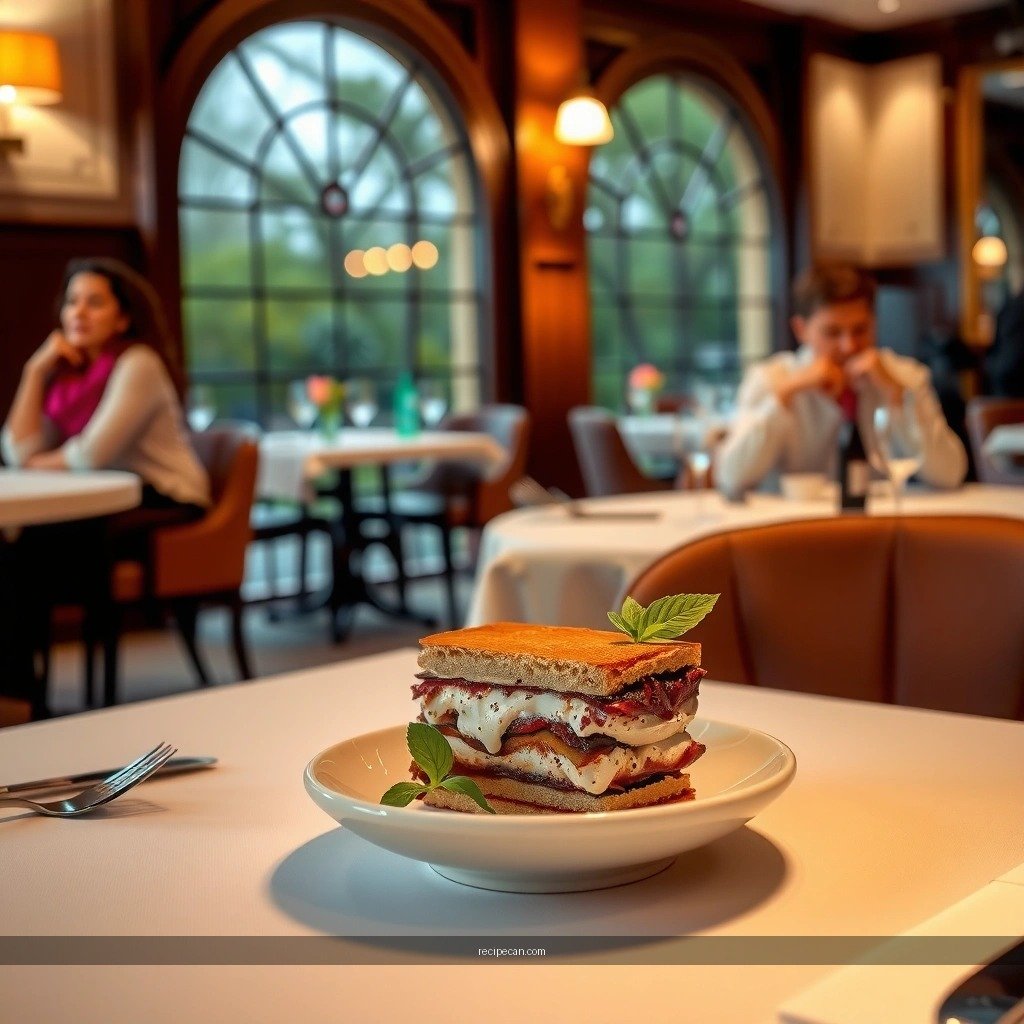
A great tiramisu is less about exotic ingredients and more about using dependable building blocks in the right form. Think of it as a layered system: a creamy base (mascarpone + egg yolks + whipped egg whites), a flavor liquid (strong coffee, optionally with liqueur), and a texture/binding surface (ladyfingers + cocoa).
Use these core ingredients to match the classic Ina Garten style:
– Mascarpone for the signature creamy body and mild tang
– Eggs and sugar to create a stable, airy custard-like cream
– Vanilla for warm, aromatic depth
– Strong brewed coffee, cooled (optionally coffee liqueur like Marsala or Kahlúa) for balanced bitterness
– Ladyfingers (savoiardi) to hold the coffee and maintain layer integrity
– Unsweetened cocoa powder for the final aroma and visual contrast
> Practical sourcing tip: choose mascarpone labeled as “Italian-style” or “cream cheese style” but avoid “low-fat” versions if possible—full-fat mascarpone provides the richest mouthfeel and best slice stability.
Tiramisu Success Factors (What Moves the Needle Most)
| # | Factor | Target Range | Why It Matters | Impact Score |
|---|---|---|---|---|
| 1 | Coffee temperature | Room temp / cool to touch | Prevents melt + watery layering | +9/10 |
| 2 | Ladyfinger dip time | ~1–2 seconds per side | Avoids sogginess and puddles | +8/10 |
| 3 | Whites whipped to | Soft-to-medium peaks | Light cream without collapsing | +8/10 |
| 4 | Mascarpone incorporation | Fold, don’t beat | Preserves thickness + aeration | +7/10 |
| 5 | Coffee strength | Bold brew (e.g., 1:12–1:15 ratio) | Tiramisu needs contrast to sweetness | +7/10 |
| 6 | Chill time | ≥ 4 hours; ideal overnight | Lets layers hydrate and set | +6/10 |
| 7 | Cocoa timing | Right before serving | Prevents moisture from dulling the top | +6/10 |
Make the Mascarpone Cream
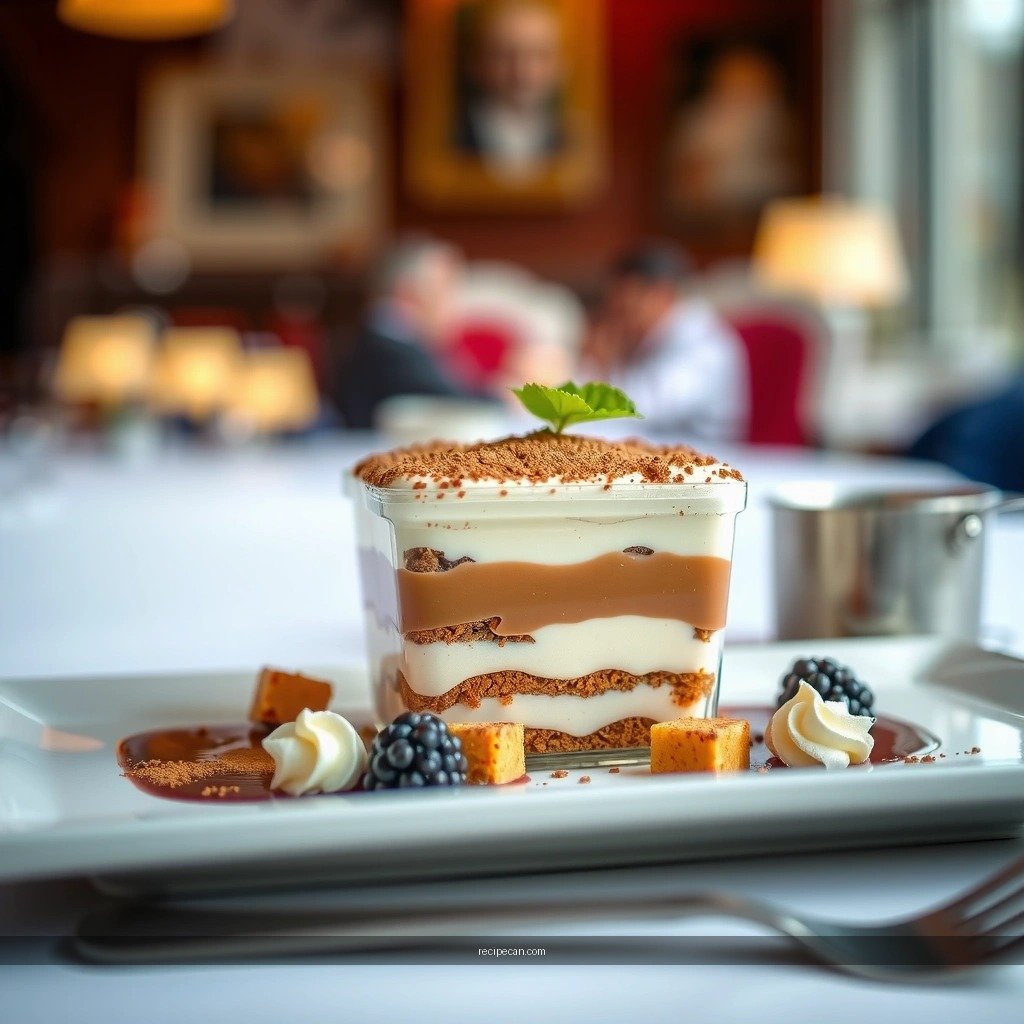
The mascarpone cream is where Ina Garten tiramisu recipe earns its “classic” reputation. The goal is a thick, spreadable filling that’s still light enough to feel luxurious rather than heavy. That comes from two elements: a custard-like yolk base and folded whipped whites.
1) Whisk yolks with sugar until light and smooth
Start by whisking egg yolks and sugar until the mixture looks paler and slightly thicker. This step dissolves sugar and aerates the yolks, creating a smoother base for mascarpone. If your yolk mixture looks grainy, keep whisking—tiramisu cream should be silky, not gritty.
2) Fold in mascarpone gently for thickness + air
Add mascarpone and fold gently. Overmixing can cause the cream to loosen or become dense, depending on technique. Fold with a spatula using slow, deliberate strokes, scraping the bowl to ensure the mascarpone is fully incorporated without deflating the texture you’re building.
3) Whip whites separately, then combine to keep it fluffy
Whip egg whites to soft-to-medium peaks—when you lift the whisk, the peaks should hold shape but still look glossy. This is the “lift.” Folding is crucial: add whites gradually and fold just until no streaks remain. The result should be airy but stable enough to mound and spread.
Chef-level insight: If your cream seems too thick, you likely overfolded the whites or whipped them too far (stiff peaks). If it seems too loose, mascarpone may be too warm or the yolk mixture wasn’t aerated properly. Both issues are fixable in technique, but chilling the cream briefly can also stabilize it.
Brew and Prep the Coffee Mixture

Tiramisu coffee is not a “flavor note”—it’s a structural element. Too weak, and the dessert tastes sweet and one-dimensional. Too hot, and you risk melting the cream and creating pooling moisture.
Use cooled, strong coffee for flavor without excess heat
Brew coffee (or espresso) strong enough to stand up to mascarpone. Then cool it to room temperature or cool to the touch. If you dip ladyfingers into warm liquid, you’ll accelerate saturation and compromise the layer separation.
Dip ladyfingers quickly to avoid over-soaking
Dip each ladyfinger briefly—think seconds, not immersion. You want them to absorb coffee and soften, but not collapse into mush. When you assemble layers, the ladyfingers should still provide a recognizable boundary between cream layers.
Balance sweetness and intensity so the dessert isn’t bitter
If the coffee tastes harsh on its own, tiramisu will amplify that impression. You can soften bitterness by:
– using a smoother roast,
– adding a small amount of sugar to the coffee (to taste),
– or adding a splash of coffee liqueur to round the edges.
If you’re making a classic Ina Garten tiramisu recipe for guests, remember: many people don’t interpret “coffee” as “espresso bitterness.” They want aroma, depth, and contrast.
Assemble the Tiramisu Layers
Layering is where cleanliness matters. Clean assembly yields consistent bites, sharp edges, and a beautiful cocoa top.
Layer ladyfingers, then mascarpone cream, then repeat
Use a dish appropriate for slicing—typically a rectangular baking dish for traditional presentation. Start with a layer of coffee-dipped ladyfingers, then spread mascarpone cream evenly, then repeat until you reach the top.
Spread evenly to create consistent bites throughout
Uneven spreading causes some portions to taste more coffee-forward while others feel cream-heavy. Take a few extra minutes to spread the mascarpone in a uniform thickness. An offset spatula helps, but a standard spatula works if you rotate the dish and smooth methodically.
Keep the top layer smooth for a clean cocoa finish
Before cocoa dusting, level the final cream layer. Cocoa sits best on a smooth surface; it also photographs better and tastes more aromatic.
Assembly best practice: If you want perfectly straight layers, lightly press the cream layer after spreading—gentle pressure only—to remove air gaps that can show up later as holes when sliced.
Chill and Serve for Best Results
Chilling is not optional in a classic mascarpone coffee dessert. It’s the step that transforms separate components into one cohesive texture.
Refrigerate several hours (or overnight) to set properly
For best results, refrigerate until firm. Several hours will improve the structure, but overnight chilling typically produces the cleanest slicing and the most integrated flavor.
Dust generously with cocoa right before serving
Cocoa can absorb surface moisture and become muddy if applied too early. Dust just before serving for the signature classic tiramisu look and maximum aroma.
Slice with a sharp knife and wipe between cuts if needed
Use a sharp knife and clean it between slices. This keeps the layers intact and prevents smearing mascarpone into the cocoa.
Serving strategy for hosts: Plan to remove tiramisu from the refrigerator just 5–10 minutes before serving. It should remain cold, but slightly softened for easier cutting and a better mouthfeel.
Common Mistakes to Avoid
Tiramisu is forgiving in flavor but unforgiving in technique. The following pitfalls are the usual reasons people describe tiramisu as “watery,” “dense,” or “too bitter.”
– Over-dipping ladyfingers can make tiramisu watery.
If your ladyfingers look swollen or break apart when handled, you’ve likely dipped too long. Dip quickly and assemble promptly.
– Not whipping/folding gently can lead to a dense texture.
Overmixing mascarpone or aggressively stirring whites collapses the air you worked to create. Fold to combine; stop once streaks disappear.
– Skipping chilling time prevents the flavors from melding.
Early serving can taste separate—coffee sharpness, mascarpone heaviness, and cocoa bitterness may not balance. Chill until firm.
In short: tiramisu is at its best when the cream is light, the coffee is strong (but not hot), and the layers have time to set in the fridge. Follow these steps closely, chill until firm, then dust with cocoa and serve—then make it again for your next dinner party.
This Ina Garten tiramisu recipe works because it treats tiramisu as a process, not a shortcut: aerated mascarpone, disciplined coffee dipping, and adequate refrigeration. If you nail those three mechanics, you’ll consistently produce a classic mascarpone-filled tiramisu with clean layers, balanced coffee flavor, and a professional, elegant finish that holds up from first slice to the last bite.
Frequently Asked Questions
What is Ina Garten’s tiramisu recipe and what ingredients does it call for?
Ina Garten’s tiramisu recipe typically uses mascarpone, espresso or strong brewed coffee, ladyfingers, eggs, sugar, and vanilla. You’ll also need cocoa powder for dusting and often a splash of coffee liqueur if you want a more classic flavor. Using real mascarpone and fresh eggs is key to getting the creamy, sliceable texture Garten is known for.
How do you make Ina Garten tiramisu without soggy ladyfingers?
The secret is to quickly dip the ladyfingers in espresso—just a brief soak—so they absorb flavor without collapsing. Let the mascarpone mixture spread evenly in layers, and assemble the tiramisu in a dish that allows it to chill properly. After assembling, refrigerate it at least several hours (or overnight) so the ladyfingers set and become tender rather than wet.
Why does Ina Garten’s tiramisu require eggs, and how do you temper them safely?
Ina Garten uses eggs to create a rich custard-like mascarpone filling that sets while staying creamy. To avoid scrambled eggs, you’ll temper by slowly adding warm sugar mixture to the yolks while whisking continuously. Then cook gently until it thickens, and cool before folding in mascarpone and other ingredients for a smooth tiramisu cream.
What’s the best coffee or espresso to use for Ina Garten’s tiramisu recipe?
Use a strong espresso or concentrated coffee so the coffee flavor stands up against the sweetness of the mascarpone and sugar. Freshly brewed coffee is ideal, and chilling it first can help prevent the ladyfingers from becoming too wet. If you prefer a deeper flavor, consider using espresso plus a small amount of coffee liqueur for an authentic tiramisu taste.
Which make-ahead method works best for Ina Garten tiramisu, and how long should it chill?
Ina Garten tiramisu is best when made ahead because the flavors develop and the ladyfingers soften into the perfect texture. Assemble it, cover it tightly, and refrigerate for at least 6 hours, but overnight is even better for clean slices. Keep it covered to prevent the top from drying out, and dust with cocoa powder right before serving if you want the most vibrant finish.
References
- Tiramisu
https://en.wikipedia.org/wiki/Tiramisu - https://en.wikipedia.org/wiki/Mascarpone
https://en.wikipedia.org/wiki/Mascarpone - Tiramisu | Meaning, Ingredients, Origin, Desserts, & Taste | Britannica
https://www.britannica.com/topic/tiramisu - https://pubmed.ncbi.nlm.nih.gov/?term=tiramisu
https://pubmed.ncbi.nlm.nih.gov/?term=tiramisu - https://pubmed.ncbi.nlm.nih.gov/?term=mascarpone
https://pubmed.ncbi.nlm.nih.gov/?term=mascarpone - https://www.fda.gov/food/people-risky-foods/which-foods-are-most-likely-cause-foodborne-illness
https://www.fda.gov/food/people-risky-foods/which-foods-are-most-likely-cause-foodborne-illness - https://www.fsis.usda.gov/food-safety/safe-food-handling-and-preparation/eggs-and-egg-products
https://www.fsis.usda.gov/food-safety/safe-food-handling-and-preparation/eggs-and-egg-products - Google Scholar Google Scholar
https://scholar.google.com/scholar?q=tiramisu+recipe+mascarpone+espresso+egg+yolks - Google Scholar Google Scholar
https://scholar.google.com/scholar?q=tiramisu+chemical+composition+analysis+coffee+ladyfingers - Google Scholar Google Scholar
https://scholar.google.com/scholar?q=ina+garten+tiramisu+recipe