Find a reliable amaretto tiramisu recipe that delivers classic, coffee-soaked layers with unmistakable amaretto flavor—every time. This easy recipe shows the exact method for whipping mascarpone, soaking ladyfingers, and building clean, creamy stacks without guesswork. If you want tiramisu that tastes like a small-batch Italian dessert, follow this winner.
This amaretto tiramisu recipe delivers a creamy, coffee-soaked classic with a noticeable almond character from amaretto—without complicated techniques. You’ll layer mascarpone cream, properly dunked ladyfingers, and cocoa for a dessert that slices cleanly and tastes even better after chilling.
Ingredients for Amaretto Tiramisu
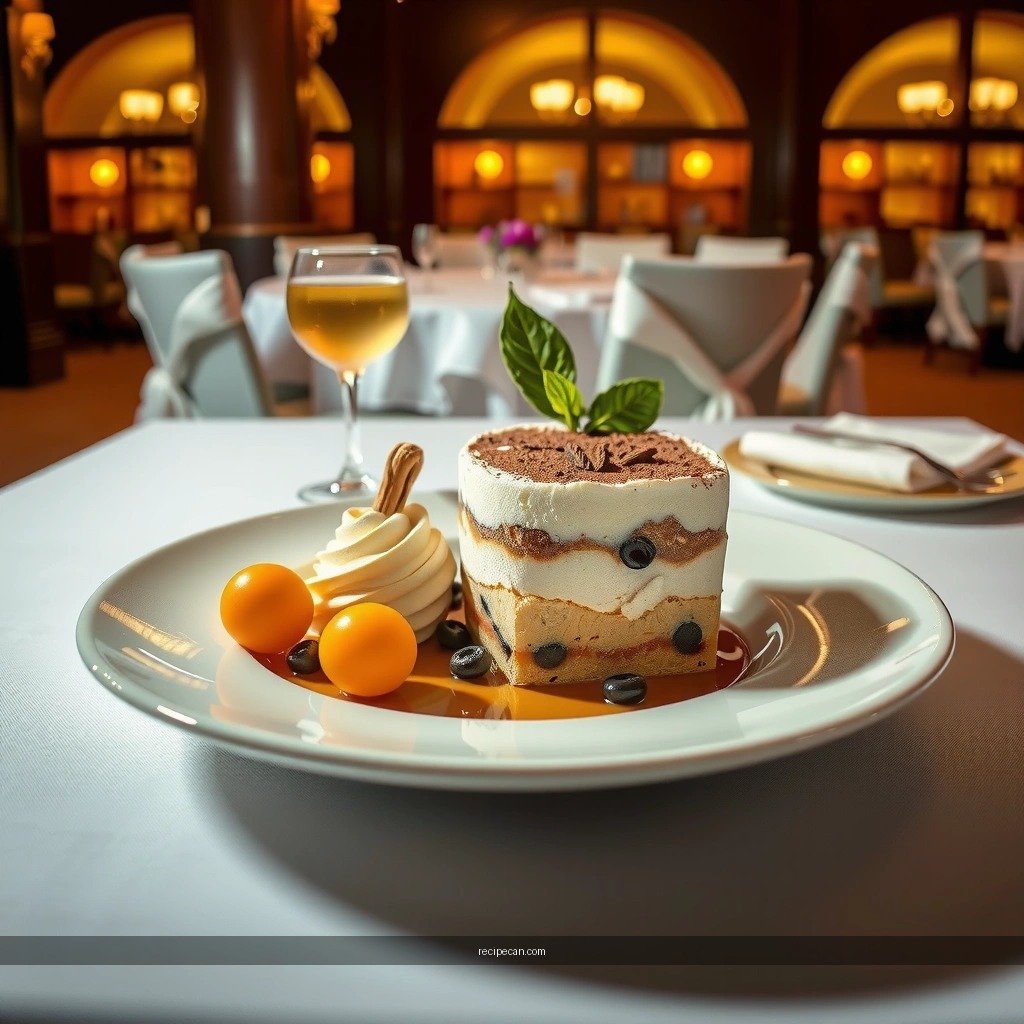
– Gather mascarpone, eggs (or pasteurized alternative), sugar, amaretto, espresso/coffee, and ladyfingers
– Add cocoa powder and optional vanilla or salt to balance sweetness
To make authentic tiramisu, it helps to think in “flavor components”: the cream (mascarpone + amaretto), the dunking liquid (espresso/coffee + amaretto), and the top note (cocoa). The ingredient list below is designed to keep the almond flavor present but not overpowering, so the coffee still reads clearly.
Core ingredients and what they do
– Mascarpone (about 16 oz / 450 g): Provides the signature dense, creamy base.
– Eggs (yolk + white): Creates richness and—when combined correctly—gives body and lightness.
– If you’re using eggs, choose pasteurized when available (especially for no-bake tiramisu).
– Sugar: Sweetens and stabilizes the yolk mixture so it blends smoothly.
– Amaretto (almond liqueur): Adds the distinctive almond flavor and aromatic sweetness.
– Espresso or strong coffee: Supplies bitterness and depth that balances the creamy sweetness.
– Ladyfingers (savoiardi): The structural “layers” that become cake-soft after dunking.
Finishing
– Unsweetened cocoa powder: Adds a classic chocolate aroma and slight bitterness on top.
– Optional vanilla and a pinch of salt: Vanilla rounds out the almond note; salt makes the flavors taste more “complete.”
Amaretto Strengths: Flavor Impact vs. Recommended Use in Tiramisu
| # | Amaretto style | Typical ABV | Best role in tiramisu | Flavor intensity (1–5) | Balance score |
|---|---|---|---|---|---|
| 1 | Classic almond liqueur | 21%–28% | Primary almond flavor | 4 | 9/10 |
| 2 | Drier amaretto | 24%–30% | Cleaner almond top note | 3 | 8/10 |
| 3 | Cherry-leaning amaretto | 20%–26% | Add fruit nuance to coffee | 4 | 7.5/10 |
| 4 | Low-sugar amaretto | 22%–28% | Control sweetness | 3 | 8.5/10 |
| 5 | High-ABV “bar strength” | 28%–33% | Use slightly less for aroma | 5 | 6.5/10 |
| 6 | Vanilla-amaretto blend | 20%–27% | Smooth, dessert-forward profile | 3 | 8/10 |
| 7 | Almond essence (non-liqueur) | — | Use in small amounts only | 5 | 5/10 |
Make the Amaretto Mascarpone Cream
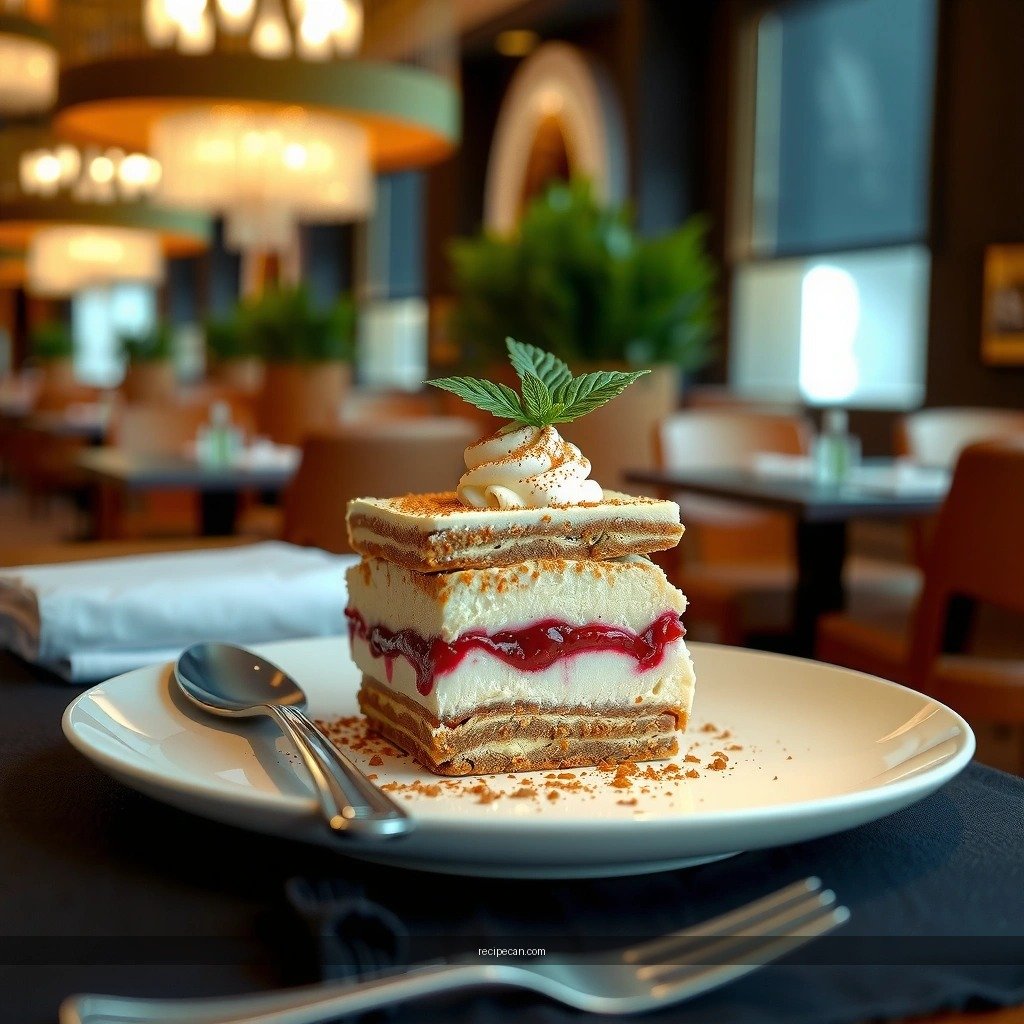
– Whisk or beat egg yolks with sugar until smooth, then fold into mascarpone
– Stir in amaretto for flavor, then incorporate whipped egg whites (optional method) for extra lightness
The cream is the heart of an easy amaretto tiramisu. You want it thick enough to hold layers but smooth enough to spread evenly—no graininess, no watery separation.
A reliable approach (yolks + mascarpone)
1. Beat egg yolks and sugar until the mixture becomes paler and glossy. This matters: it dissolves sugar and creates a stable, creamy base.
2. Fold yolk mixture into mascarpone. Use a gentle hand to keep mascarpone silky rather than overworked.
3. Add amaretto and mix just until evenly distributed. At this stage, you should smell almond clearly, but the cream should remain creamy—not loose.
For extra lightness (optional whipped whites)
– Whip egg whites to soft or medium peaks (not stiff as a meringue dome).
– Fold into the mascarpone gently so you keep air. This improves mouthfeel, making your almond tiramisu feel more like a mousse while still setting in the fridge.
Quality checkpoints
– If your cream looks slightly thick and holds “ribbons,” you’re on track.
– If it seems loose, you may have undermixed the mascarpone or used room-temperature dairy inconsistently—chill the bowl briefly and continue folding.
Prepare the Coffee-Amaretto Soak
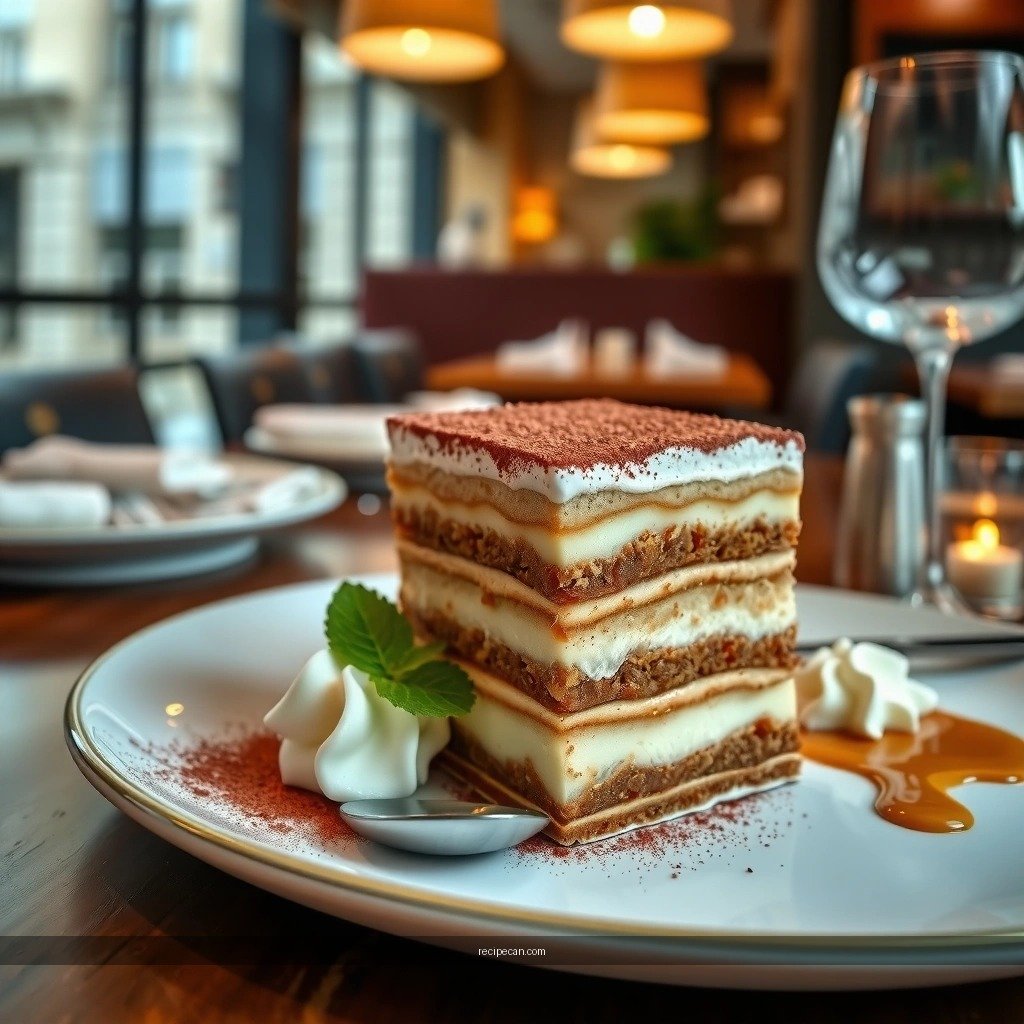
– Brew espresso and let it cool slightly for better absorption
– Mix coffee with amaretto (and a splash of water if needed) for the right dunking consistency
The soak controls the balance between “soft ladyfingers” and “soggy dessert.” For best results, you’re aiming for quick dunking and even saturation.
Step-by-step
1. Brew espresso or strong coffee. Let it cool for a few minutes so it doesn’t melt the ladyfingers instantly.
2. Mix coffee with amaretto. Start with a modest ratio (for example, about 2:1 coffee to amaretto) and adjust based on the strength of your liqueur.
3. Adjust dunking viscosity. If your mixture is very concentrated, add a teaspoon or two of water. You want it to coat the surface and penetrate fast, not pool.
Why cooling matters
Hot liquid can cause the ladyfingers to break down immediately, turning your layers into a single custardy mass. Slightly cooled coffee improves absorption time so you get tender, sliceable structure.
Assemble the Layers
– Quickly dip ladyfingers—don’t soak too long—to avoid sogginess
– Layer cream and ladyfingers, then finish with a cocoa dusting
Layering is where many home versions drift from “classic tiramisu” to “dessert salad.” Use speed and restraint: the goal is even layering, not fully soaking.
Best assembly method
1. First cream layer: Spread a thin layer of mascarpone cream in your dish. This prevents the bottom from soaking too quickly.
2. Dip ladyfingers fast: Dip each side briefly—think “seconds,” not “minutes.” You want them flexible but intact.
3. Create even coverage: Place soaked ladyfingers in a single layer without gaps if possible.
4. Add cream: Spread a generous layer of amaretto mascarpone cream on top.
5. Repeat: Add another ladyfinger layer, then finish with cream.
Finish with cocoa correctly
– Dust cocoa powder right before serving or shortly before chilling, depending on your preference.
– Cocoa gradually hydrates and can dull texture. A dry, fresh dust gives the cleanest “classic tiramisu” finish.
Practical visual cue
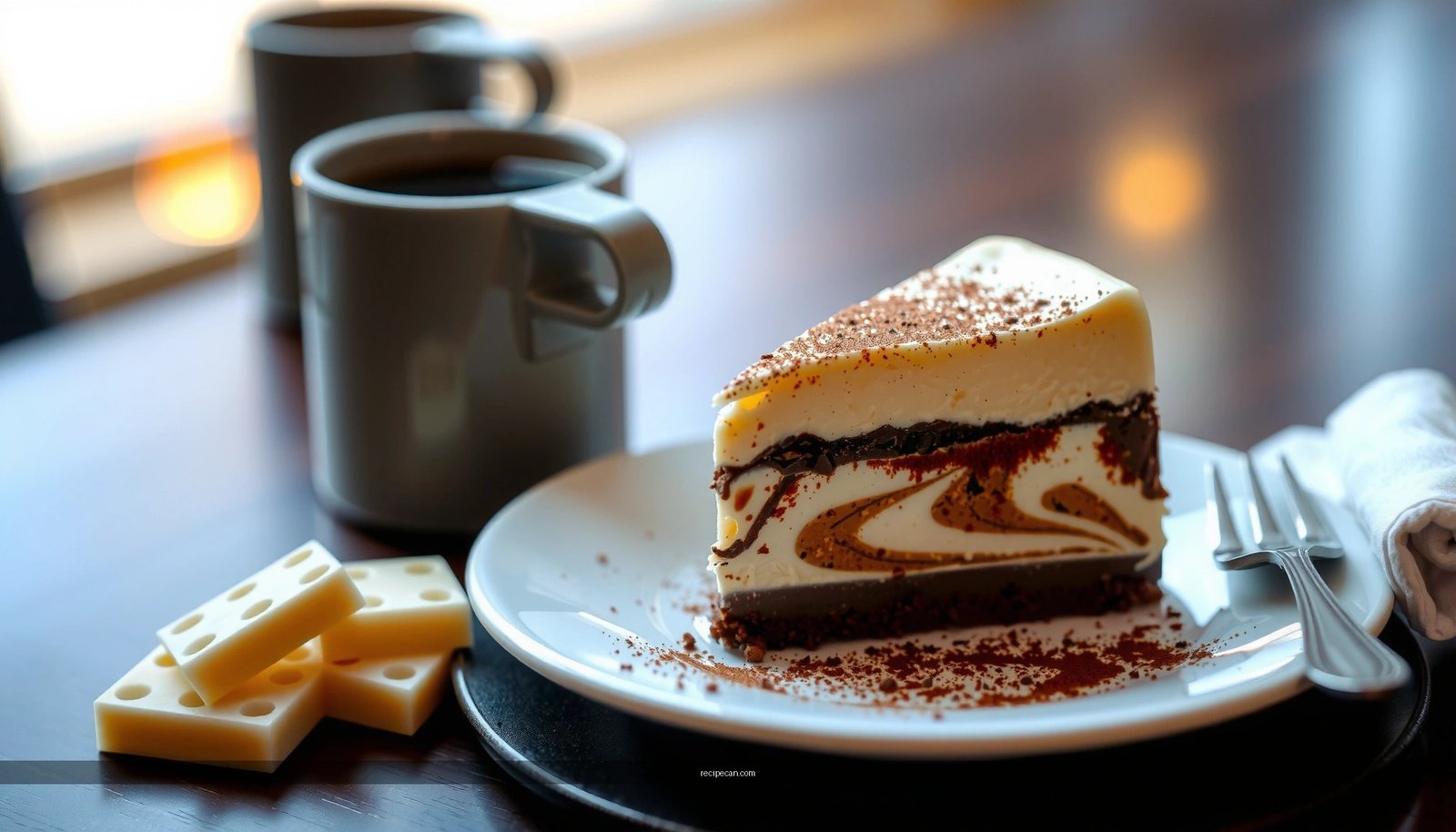
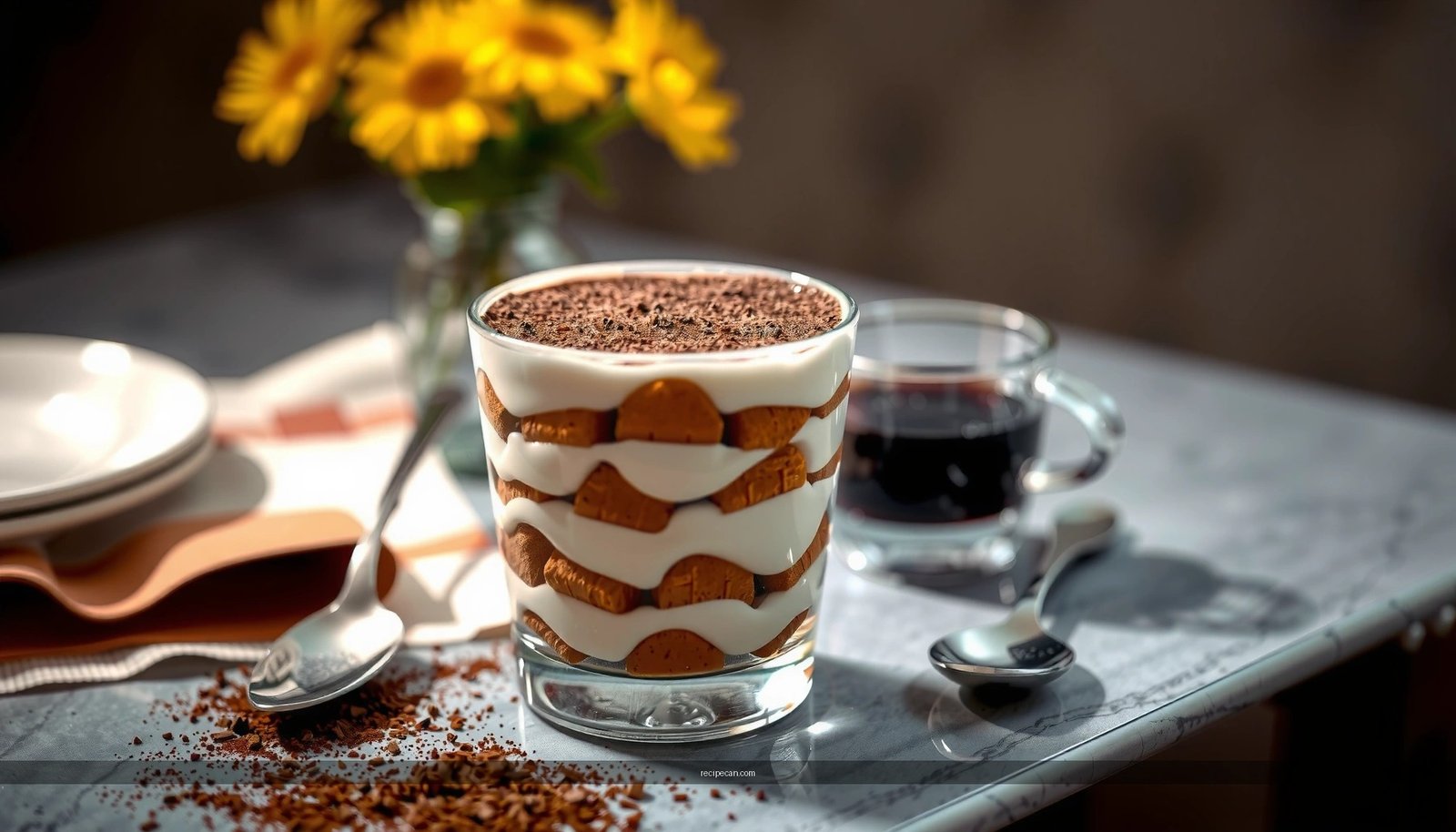
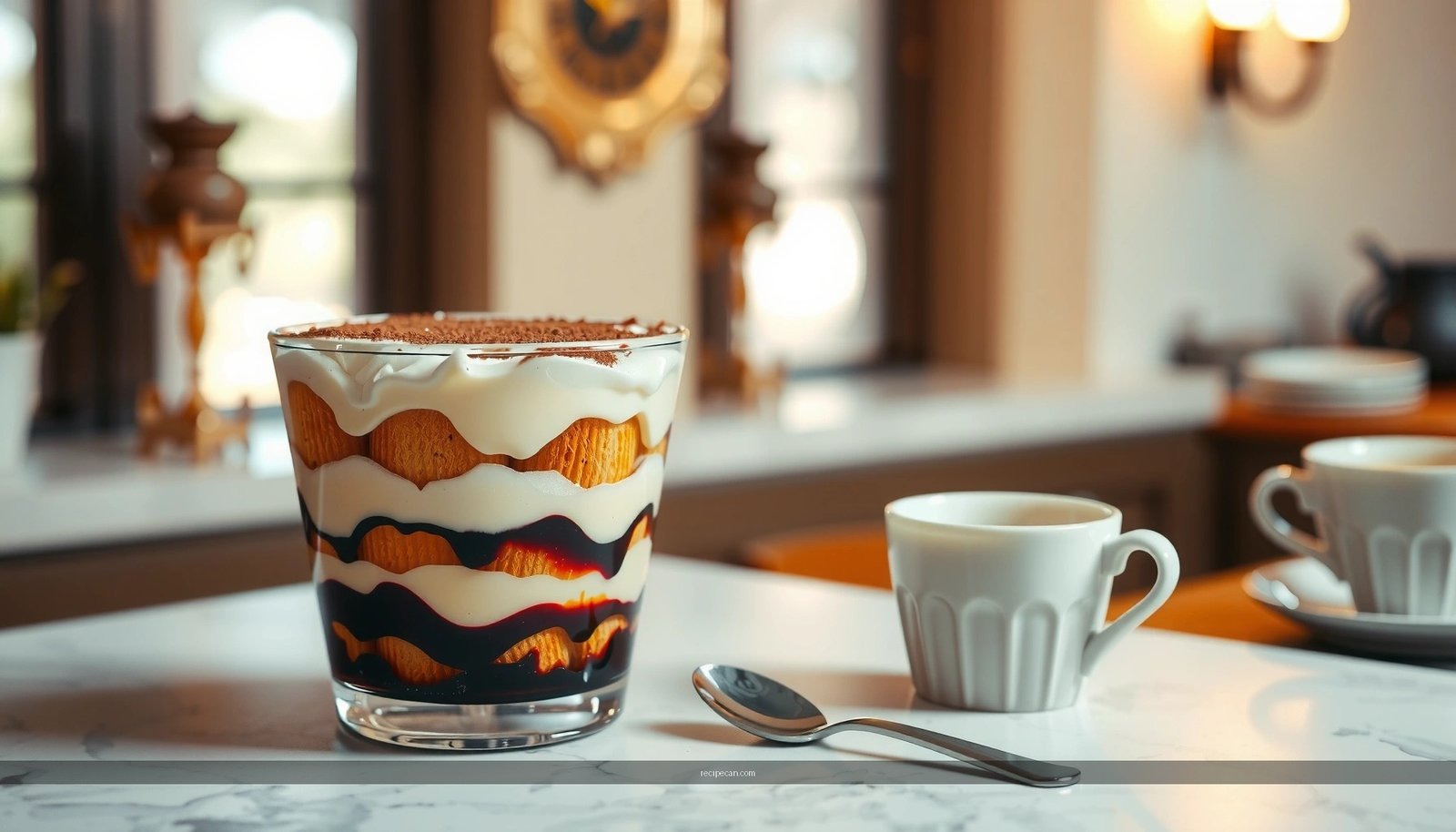
When you cut a chilled slice, the layers should be distinct: ladyfingers soften into sponge-like ribbons inside, while the top remains set and cocoa-dry.
Chill and Set for Best Texture
– Refrigerate at least 4–6 hours (overnight is best) to firm up the layers
– Keep covered to prevent the top from drying out
Tiramisu improves with time because flavors meld and the cream firms up. Chilling is not optional if you want a professional texture and clean slices.
How long to chill
– Minimum: 4–6 hours for a noticeable set.
– Best: Overnight for the most cohesive structure and balanced almond-coffee flavor.
Covering matters
– Use plastic wrap lightly pressed over the top (not tight enough to disturb cocoa) or cover with a lid.
– Exposure to air can dry the top and create a faint “skin” on cream edges.
Serving temperature
For the best mouthfeel, serve slightly cold—not ice-cold. Let the dish sit at room temperature for about 10 minutes before portioning.
Tips for Serving and Flavor Variations
– Use fresh cocoa powder for a cleaner finish and stronger chocolate aroma
– Try variations like adding chopped almonds, using espresso instead of coffee, or adjusting sweetness to taste
Once your classic amaretto tiramisu works reliably, you can tune it like a chef while keeping the structure intact.
Serving tips
– Use a sharp knife and wipe clean between cuts for crisp slices.
– Portion consistently: Each slice should include ladyfinger ribbon sections, not just cream.
Flavor variations (easy upgrades)
– Chopped almonds: Fold a small amount into the cream or sprinkle lightly between layers for extra texture.
– Stronger coffee (espresso): More espresso intensity amplifies the contrast against sweet mascarpone and amaretto.
– Lower sweetness: Reduce sugar slightly in the yolk mixture if your amaretto is sweet or you prefer a drier finish.
– Vanilla + salt: If your almond flavor feels muted, a few drops of vanilla extract and a pinch of salt can sharpen the overall profile.
Alcohol balance (analytical guidance)
– If your amaretto is very fragrant, keep the amount steady and let the coffee provide bitterness.
– If your amaretto is mild, increase slightly—but avoid flooding the soak, which can soften ladyfingers too aggressively.
This amaretto tiramisu recipe delivers rich mascarpone cream, perfectly dunked ladyfingers, and a bold almond kick from amaretto. Make the cream, assemble the layers, then chill long enough for the ideal texture. Try it this week—and if you want, experiment with a slightly stronger espresso or a touch more amaretto for your perfect balance.
By following the dunking timing, chilling window, and cocoa finish tips above, you’ll consistently get that signature “classic dessert” experience—creamy, layered, and confidently almond-forward.
Frequently Asked Questions
What is an amaretto tiramisu recipe and how is it different from classic tiramisu?
An amaretto tiramisu recipe is a variation of classic tiramisu where amaretto liqueur (almond-flavored) is added to the coffee soak and/or the cream mixture. The result is a sweeter, nutty, and more aromatic dessert compared to traditional tiramisu made only with espresso and mascarpone. It still uses the same core ingredients—mascarpone, eggs, sugar, and ladyfingers—just with amaretto as the signature flavor.
How do I make an amaretto tiramisu recipe without soggy ladyfingers?
To prevent sogginess, quickly dip or spoon the coffee-amaretto mixture onto the ladyfingers rather than soaking them for long. Use a thicker soak by reducing the liquid slightly or mixing coffee with less liqueur so it clings instead of pools. Also, assemble and chill for several hours so the tiramisu sets properly and the ladyfingers absorb moisture evenly.
Why does my amaretto tiramisu cream turn runny, and how can I fix it?
Runny tiramisu cream usually happens if the mascarpone mixture is overmixed, the eggs weren’t tempered correctly, or the mixture is too warm when combined. If your cream is loose, chill it briefly to firm up before assembling, and ensure your mascarpone is cold and your egg mixture is at a controlled temperature. For future batches, temper eggs slowly and fold gently so the texture stays thick.
Which amaretto should I use for tiramisu—sweet, low-alcohol, or any brand?
Most people use sweet amaretto liqueur for an amaretto tiramisu recipe because it balances the bitterness of espresso and complements the mascarpone. A standard amaretto (around 21–28% ABV) is ideal for flavor without making the dessert overly wet. If you prefer a lighter option, you can reduce the amount of liqueur in the coffee soak while keeping the same overall ratio of liquid.
What’s the best way to serve and store an amaretto tiramisu recipe for optimal flavor?
For the best flavor and texture, refrigerate your amaretto tiramisu for at least 4–6 hours, or overnight, so the ladyfingers fully soften and the flavors meld. Store it covered in the fridge for up to 2–3 days for best quality, since the cream and ladyfingers can degrade over time. Serve cold and consider dusting with cocoa powder right before serving for a fresh finish.
References
- Google Scholar Google Scholar
https://scholar.google.com/scholar?q=amaretto+tiramisu+recipe - Google Scholar Google Scholar
https://scholar.google.com/scholar?q=tiramisu+mascarpone+recipe - Google Scholar Google Scholar
https://scholar.google.com/scholar?q=amaretto+almond+liqueur+tiramisu - Tiramisu
https://en.wikipedia.org/wiki/Tiramisu - Amaretto
https://en.wikipedia.org/wiki/Amaretto - Mascarpone
https://en.wikipedia.org/wiki/Mascarpone - https://en.wikipedia.org/wiki/Ladyfinger_(biscuit
https://en.wikipedia.org/wiki/Ladyfinger_(biscuit - Espresso
https://en.wikipedia.org/wiki/Espresso - Tiramisu | Meaning, Ingredients, Origin, Desserts, & Taste | Britannica
https://www.britannica.com/topic/tiramisu - Cookbook:Tiramisù – Wikibooks, open books for an open world
https://en.wikibooks.org/wiki/Cookbook:Tiramisu