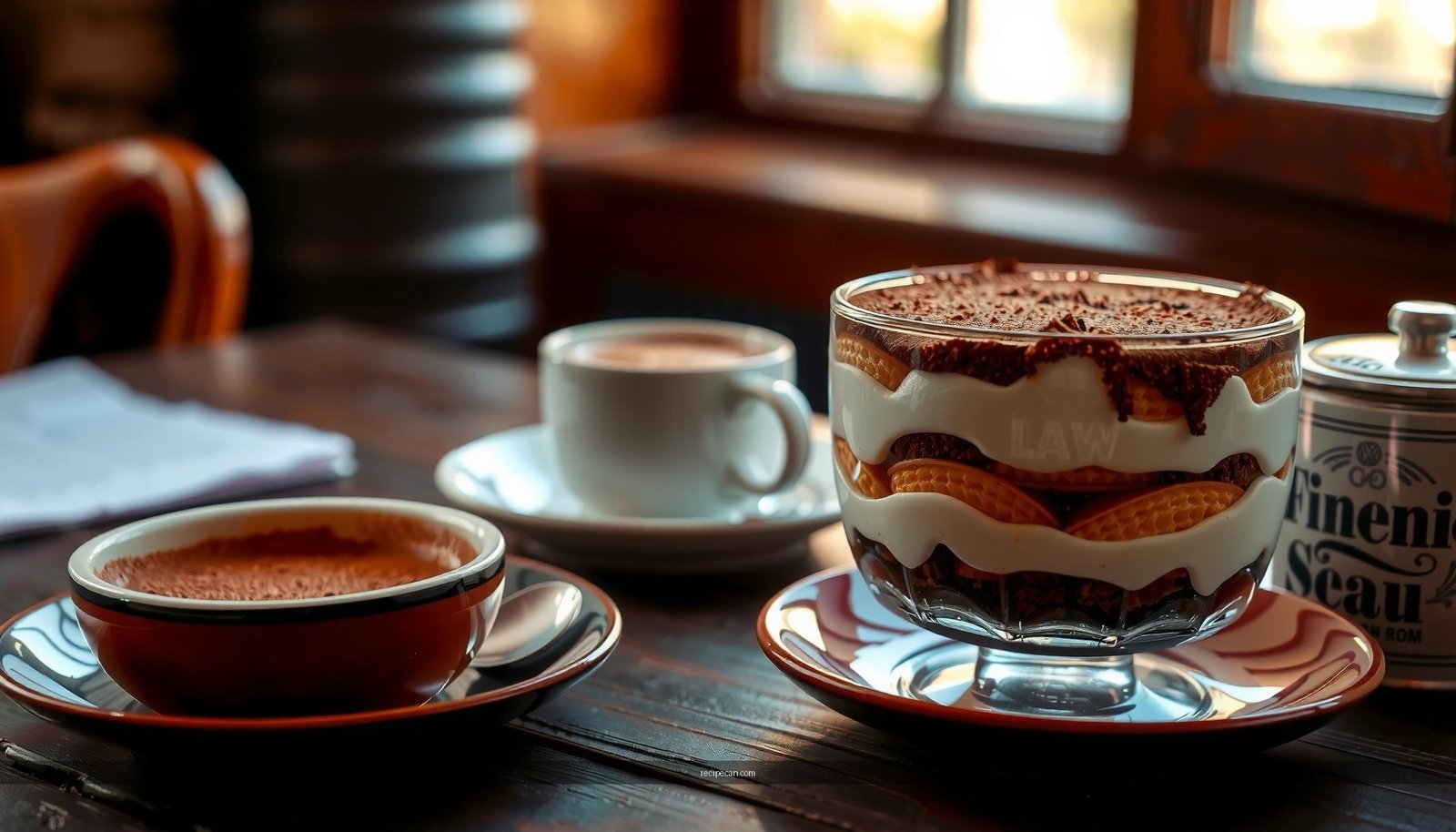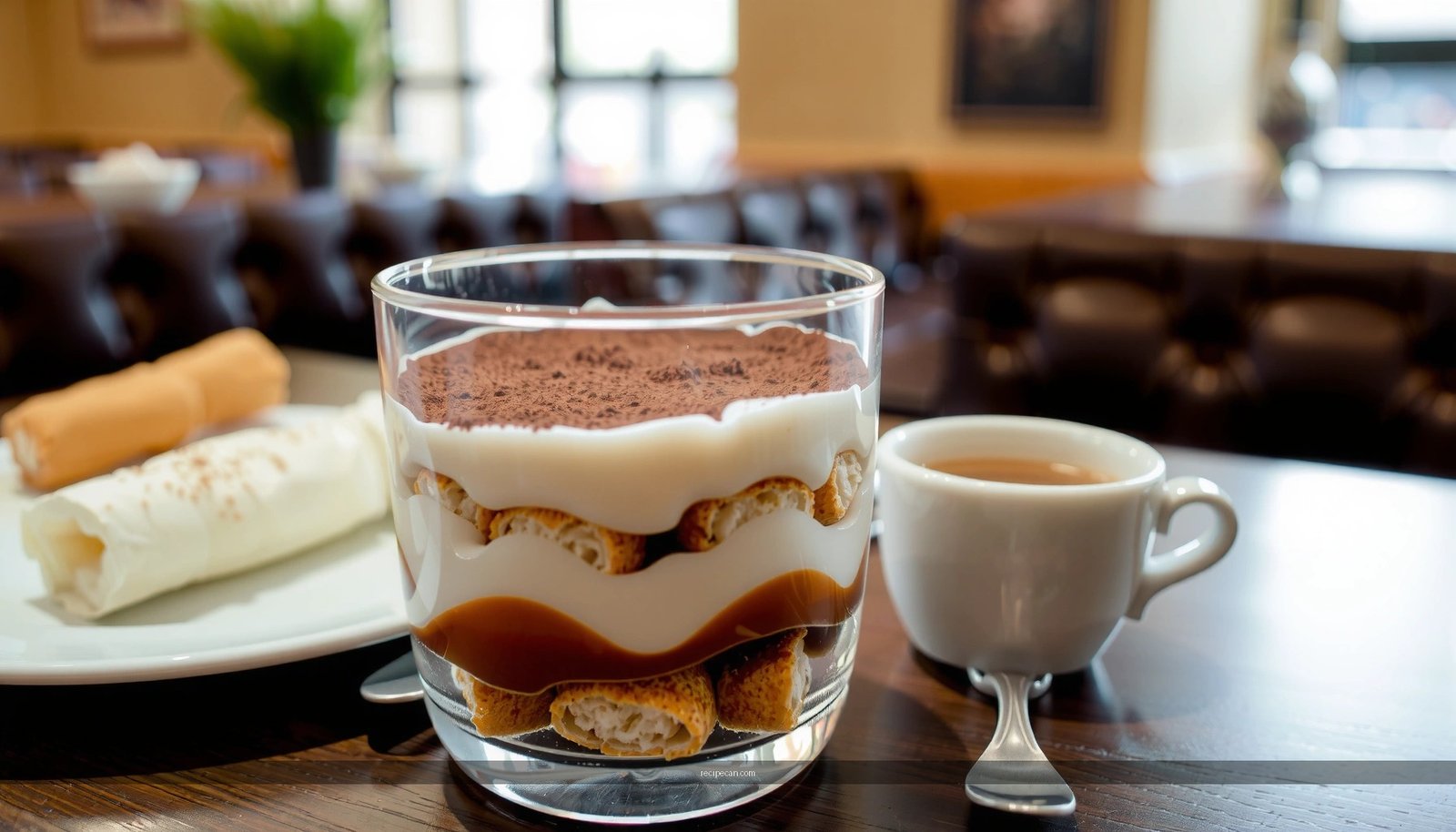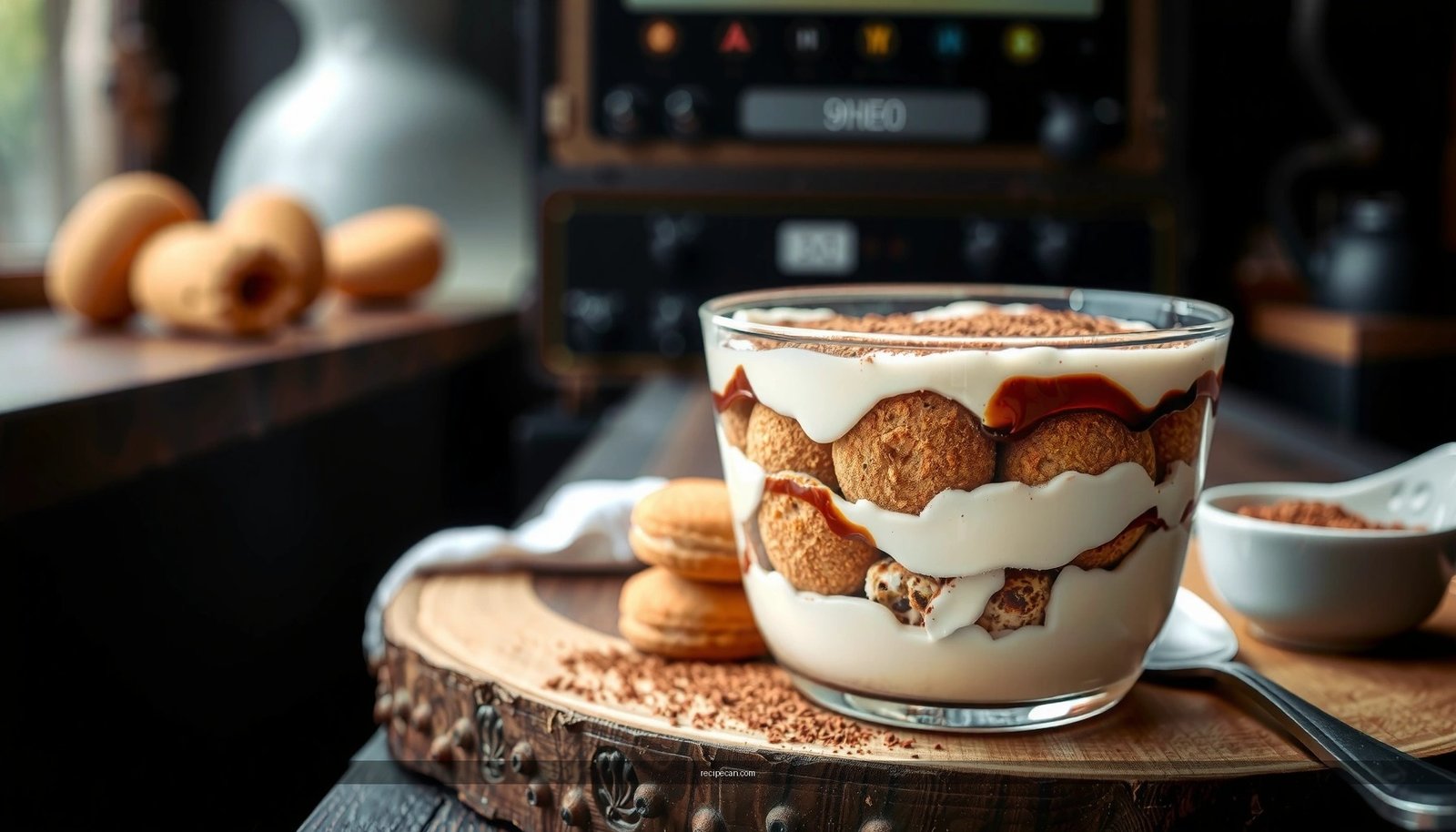
Get the tiramisu espresso martini recipe you can actually nail at home: a creamy, coffee-forward cocktail built on espresso, coffee liqueur, and mascarpone-style richness. This version delivers a dessert-in-a-glass finish with bold crema flavor and the smooth, sweet snap that makes traditional tiramisu taste right in a martini. If you want the clearest win—restaurant-style tiramisu vibes without the guesswork—follow this method and you’ll land it fast.
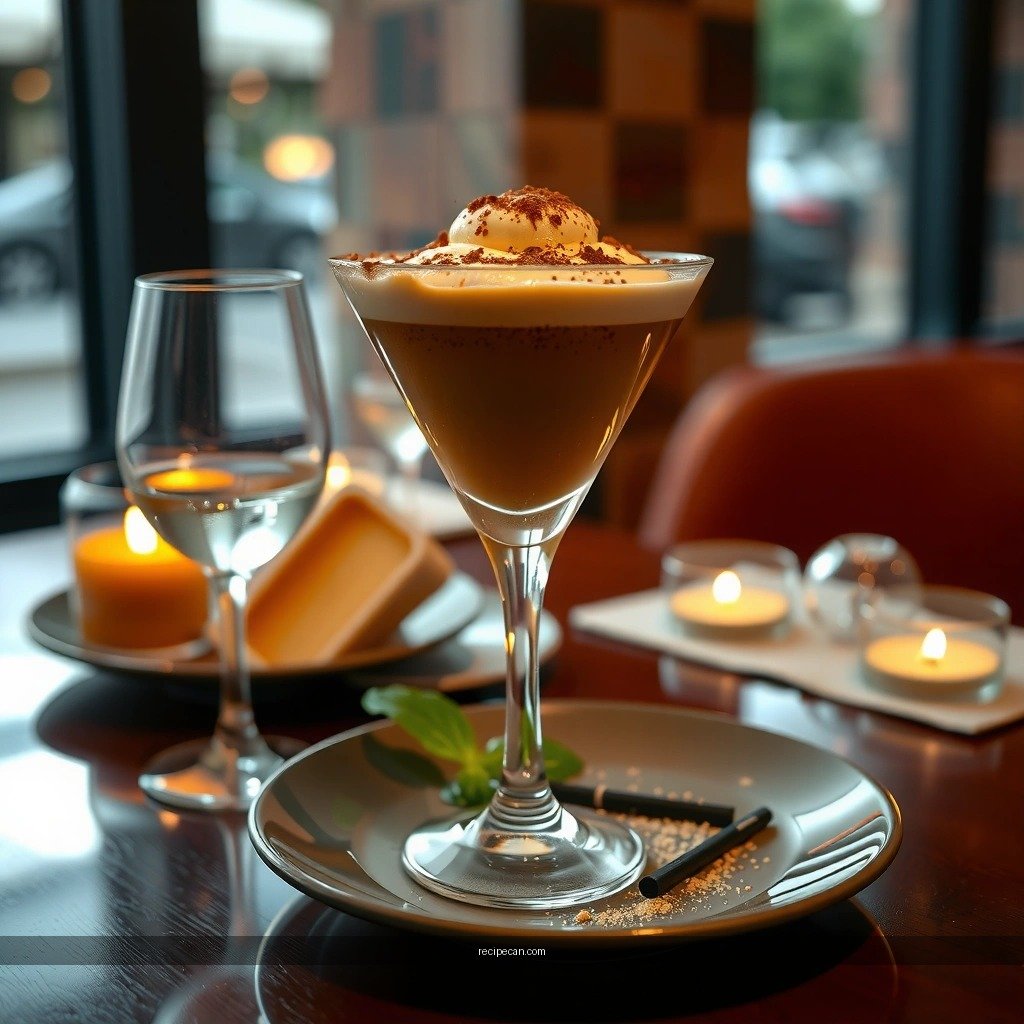
This tiramisu espresso martini recipe delivers a rich, coffee-forward cocktail with a creamy, mascarpone-style finish—balanced sweetness, strong espresso character, and a cocoa-dusted “café” look. You’ll brew (or pull) espresso, blend for a smooth texture, shake for froth, then serve it chilled with a cocoa garnish.
What You’ll Need (Ingredients)
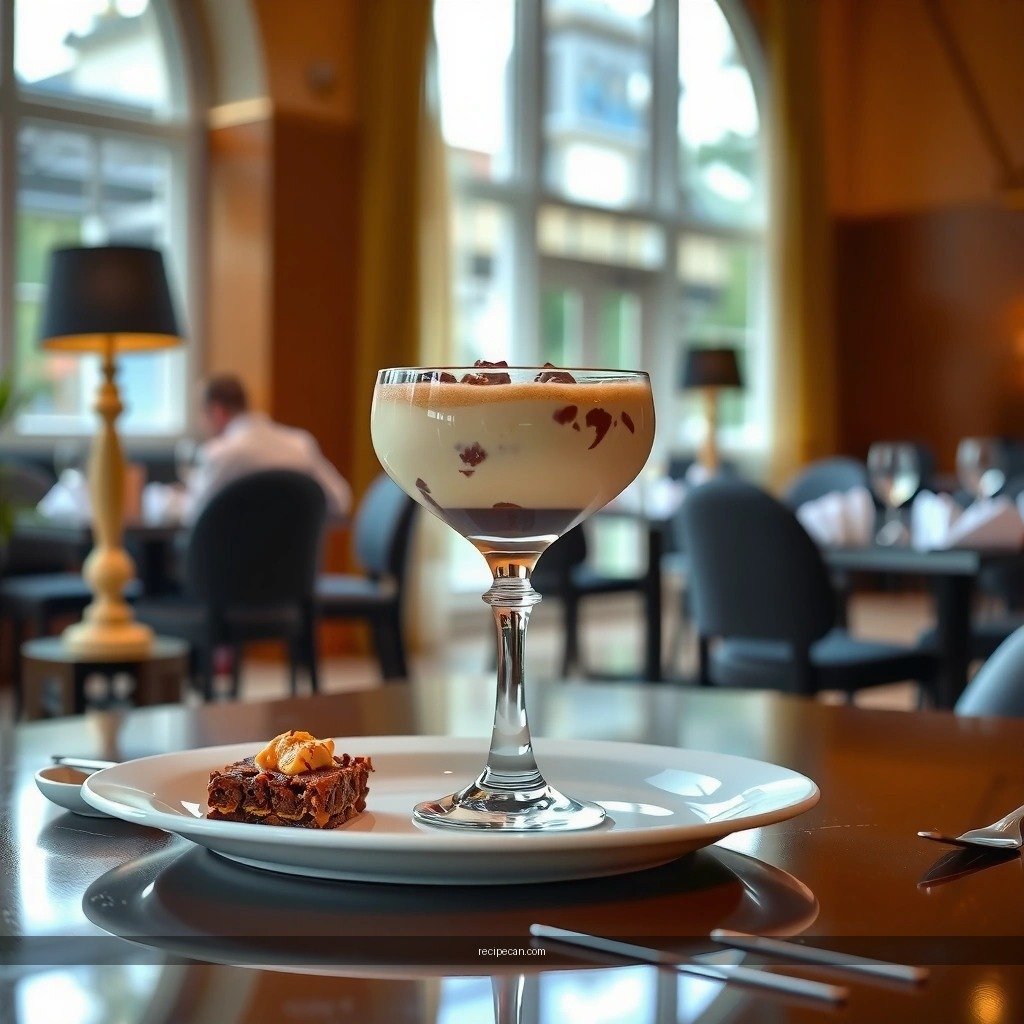
To nail the tiramisu espresso martini at home, focus on two things: a true espresso flavor base and a creamy component that mimics mascarpone’s richness. Unlike sweeter espresso cocktails, this version keeps coffee at the center—then wraps it in a silky, dessert-inspired cream layer.
Core ingredients (typical 1 serving):
– Fresh espresso (or strong brewed coffee) for the signature coffee flavor
– Best practice: use 1–2 oz (30–60 ml) espresso. If you’re substituting, choose a concentrated coffee concentrate rather than regular drip.
– Creamy tiramisu components like mascarpone, coffee liqueur, or cream-based substitutes for the tiramisu vibe
– Common approach: mascarpone for authenticity, plus coffee liqueur (Kahlúa-style) to reinforce the tiramisu notes.
– Cocoa powder and optional chocolate shavings for garnish
– Cocoa provides the classic tiramisu finish—slightly bitter, aromatic, and visually compelling.
Recommended ingredient blueprint (1 cocktail):
– 1.0–1.5 oz (30–45 ml) espresso (double-shot strength is typical)
– 1.0 oz (30 ml) coffee liqueur (e.g., Kahlúa-style)
– 1.0 oz (30 ml) mascarpone (or mascarpone-style cream)
– 0.5 oz (15 ml) simple syrup (adjust to taste)
– Optional: 0.25 oz (7 ml) vanilla extract (for a tiramisu-friendly aroma)
– Optional: 0.5 oz (15 ml) heavy cream for extra silk if your mascarpone is thick
Why this works: tiramisu flavor isn’t just “coffee + cream.” It’s aromatic sweetness + dairy richness + cocoa bitterness. Espresso delivers the roast; coffee liqueur adds caramel-like depth; mascarpone-style cream adds body; cocoa ties the whole profile together.
Essential Equipment
The right tools make a noticeable difference in texture and presentation—especially for espresso martinis, where froth and emulsification are key.
– Cocktail shaker for proper chilling and blending
– A shaker with a tight seal helps you emulsify the mascarpone and liquor quickly while chilling the drink to a “café cold” level.
– Fine strainer (optional) to keep the texture silky
– Useful if your espresso is grainy, or if your creamy ingredient doesn’t fully emulsify during the shake. A strainer helps prevent specks and improves mouthfeel.
– Martini glass or coupe for the classic presentation
– This isn’t just aesthetics: a coupe helps you taste aromatics at the right moment and showcases the cocoa dusting.
Quick quality check: If you want the cocktail to taste like a dessert you’d actually order in a bar, chill the glass and ingredients. Temperature strongly influences how creamy components and espresso aromas present.
Espresso Martini Base (Step-by-Step)

This step builds the coffee backbone of your tiramisu espresso martini. The goal is to extract maximum espresso character, then rapidly chill and emulsify the mixture before the cream layer dominates.
– Chill your glass and prepare a double shot of espresso
– Place your martini glass or coupe in the freezer while you pull espresso. Cold glassware slows dilution and helps maintain a thick, creamy look.
– Shake espresso, ice, and espresso-martini ingredients until well combined
– Use a shaker packed with ice. Shake aggressively for 15–25 seconds so the drink becomes cool, slightly foamy, and evenly integrated.
– Taste and adjust sweetness or strength to match your preference
– Espresso intensity varies by bean and machine. If it tastes flat, add 0.25 oz (7 ml) more espresso-concentrate. If it tastes too bitter, add 0.25–0.5 oz (7–15 ml) simple syrup and shake again briefly.
Pro tip for consistency: If you’re serving multiple guests, pre-measure your ingredients and run espresso first. Espresso is best used immediately—within a few minutes of pulling—so the flavor remains bright and aromatic.
Espresso Intensity Targets for a Tiramisu Espresso Martini (Home Batch Guidelines)
| # | Coffee Basis | Recommended Espresso / Coffee | Flavor Result | Adjustment Suggestion |
|---|---|---|---|---|
| 1 | Single-origin espresso (balanced) | 2 oz (60 ml) double shot | Bright roast + caramel notes | Start syrup at 0.5 oz (15 ml) |
| 2 | Dark roast espresso | 1.5 oz (45 ml) double shot | Deep bitterness + cocoa-like body | Use syrup 0.25–0.5 oz (7–15 ml) |
| 3 | Medium roast espresso | 2 oz (60 ml) double shot | Classic espresso punch | Add 0.25 oz (7 ml) vanilla (optional) |
| 4 | Strong brewed coffee concentrate | 2 oz (60 ml) concentrate (not drip dilution) | Robust coffee flavor, slightly less crema | Reduce syrup to 0.25 oz (7 ml) |
| 5 | Cold brew (concentrated) | 3 oz (90 ml) cold brew concentrate | Smoother roast, less sharpness | Increase coffee liqueur by 0.25 oz (7 ml) |
| 6 | Espresso shot with high bitterness | 1.5 oz (45 ml) | Extra bite, risks tasting harsh | Add 0.5 oz (15 ml) mascarpone-style cream |
| 7 | Light roast espresso | 2 oz (60 ml) double shot | More acidity, more aromatic clarity | Add 0.25–0.5 oz (7–15 ml) syrup for balance |
Building the Tiramisu Cream Layer
Now you’re creating the dessert-like body that makes this drink more than a standard espresso martini. The mascarpone-style cream is the “tiramisu” component: thick enough to feel luxurious, but not so heavy that it overwhelms espresso.
– Whisk or blend the creamy ingredient until smooth and lump-free
– Mascarpone can seize if cold or if mixed too slowly. Blend with a splash of liqueur or cream until silky.
– Add it gradually to keep the drink rich but not too thick
– If you add all at once, you can end up with uneven texture. Gradual mixing helps emulsify the cream into the coffee base.
– Shake briefly (or stir gently) to maintain a layered, tiramisu feel
– If you want a subtle layer effect, do a short, controlled shake—just enough to incorporate while keeping visual richness.
Consistency targets (what it should look like):
– A light tan/creamy caramel color, not chalky white.
– A thin foam cap at the top after shaking—never watery foam.
– A spoon test: the drink should coat the back of a spoon, then flow slowly back.
Business-friendly accuracy tip: If your mascarpone is too thick, don’t “fix it” with more ice (that dilutes espresso). Instead, adjust with a controlled amount of heavy cream or a small splash of coffee liqueur to re-emulsify.
Shaking, Straining, and Serving
This is where the espresso martini becomes “café-style.” Proper chilling, enough ice, and vigorous shaking create the signature froth and a smooth mouthfeel.
– Use plenty of ice and shake hard for a frothy top
– Fill the shaker generously; the drink must drop into a colder temperature quickly. Shake hard enough to thicken the foam, typically 15–25 seconds.
– Strain into a chilled martini glass
– Straining controls grit and ensures the creamy finish looks polished. Use a fine strainer if your cream or espresso has small solids.
– Finish with a cocoa dusting (and optional chocolate curls)
– Dust cocoa at the end so it clings to the surface. For garnish, use a vegetable peeler on dark chocolate to create thin curls.
Serving suggestion: Pair immediately with a small bite (e.g., biscotti or dark chocolate). This amplifies the tiramisu profile—coffee aroma meets crunchy texture—without making the cocktail taste overly sweet.
Flavor Tips and Variations
Once the base recipe is consistent, variations are the easiest way to tailor your tiramisu espresso martini to different customer preferences—or your own.
– Try a splash more vanilla or mascarpone for extra “tiramisu” depth
– Vanilla amplifies dessert aromatics; extra mascarpone increases body and smoothness. Add in small increments (0.25 oz / 7 ml at a time) to preserve espresso balance.
– Use decaf espresso for a late-night version without the jitters
– Decaf keeps the flavor profile while making the drink more socially flexible for evening gatherings. Keep your cocoa garnish and liqueur level consistent so the taste doesn’t “thin out.”
– Swap liqueurs (e.g., Kahlúa-style) to customize sweetness
– Some coffee liqueurs are sweeter or more syrupy. If your chosen liqueur is sweet, reduce simple syrup accordingly. If it’s drier, increase syrup slightly or add vanilla.
If you want a more “dessert-forward” version: slightly reduce the espresso concentrate (e.g., 1.5 oz instead of 2 oz) and add a touch more mascarpone/cream for a softer coffee presence.
If you want a more “coffee-forward” version: keep mascarpone constant, increase espresso by 0.25–0.5 oz (7–15 ml), and reduce syrup.
Summary
This tiramisu espresso martini recipe is all about balancing bold espresso with creamy tiramisu flavors and a cocoa finish. Brew concentrated espresso, emulsify the mascarpone-style cream until smooth, shake hard with plenty of ice for froth, and serve chilled with a final cocoa dusting—then adjust sweetness and creaminess based on your espresso intensity to dial in your perfect cup.
At home, the “café result” comes down to two disciplines: proper espresso strength and controlled emulsification. Follow the steps, use the ingredient ratios as your baseline, and—most importantly—taste as you go so your tiramisu espresso martini matches your preferred level of sweetness, roast intensity, and creamy texture.
Frequently Asked Questions
What are the ingredients for a tiramisu espresso martini recipe?
A classic tiramisu espresso martini typically includes vodka (or vanilla vodka), freshly brewed espresso, coffee liqueur (like Kahlúa), and a creamy element such as mascarpone or mascarpone-style cream. For the tiramisu flavor, you’ll also want a touch of sweetener (simple syrup or sugar) and cocoa powder plus a dusting for garnish. Some recipes add amaretto or vanilla extract to deepen the coffee-caramel notes that mimic tiramisu.
How do you make a tiramisu espresso martini without clumping or separating?
The key is to use well-chilled ingredients and to shake thoroughly with ice so the mascarpone (or cream base) emulsifies properly. If your base is thick, strain it through a fine mesh sieve after shaking to remove any lumps. You can also use mascarpone + a small amount of cream or milk, and blend briefly before shaking to ensure a smooth tiramisu espresso martini texture.
Why does my espresso martini taste bitter even when I use good espresso?
Bitterness often comes from over-extracted espresso, too much coffee liqueur, or adding espresso while it’s too hot. Let your espresso cool before shaking, and measure the coffee liqueur carefully—too much can push the drink toward a harsher roast flavor. If you’re aiming for a true tiramisu espresso martini, balance with sweetness and creaminess (such as mascarpone or vanilla cream) so the espresso stays smooth rather than sharp.
What is the best espresso-to-liqueur ratio for a tiramisu espresso martini?
A popular starting point is about 1.5–2 oz (45–60 ml) espresso with 1/2–3/4 oz (15–22 ml) coffee liqueur, then adjust sweetness to taste. Because tiramisu is dessert-like, you’ll usually need a bit more balance than a standard espresso martini—especially if you’re using less sweet espresso. For a smoother tiramisu espresso martini, keep the espresso dominant but not overpowering, and top with cocoa for that dessert finish.
Which vodka works best for a tiramisu espresso martini?
Vanilla vodka is usually the best match because it mirrors the dessert’s vanilla-creamy flavor and rounds out the espresso. You can also use a neutral vodka if you prefer the coffee flavor to lead, but you’ll likely want to add a small amount of vanilla extract or a touch of sweetness to get the tiramisu vibe. For the most authentic tiramisu espresso martini profile, choose a vodka that complements coffee rather than introducing strong, competing flavors.
References
- Google Scholar Google Scholar
https://scholar.google.com/scholar?q=tiramisu+espresso+martini+recipe - Google Scholar Google Scholar
https://scholar.google.com/scholar?q=espresso+martini+tiramisu+coffee+liqueur+recipe - Google Scholar Google Scholar
https://scholar.google.com/scholar?q=tiramisu+cocktail+recipe+espresso+martini - Tiramisu
https://en.wikipedia.org/wiki/Tiramisu - Espresso martini
https://en.wikipedia.org/wiki/Espresso_martini - Espresso
https://en.wikipedia.org/wiki/Espresso - Mascarpone
https://en.wikipedia.org/wiki/Mascarpone - Tiramisu | Meaning, Ingredients, Origin, Desserts, & Taste | Britannica
https://www.britannica.com/topic/tiramisu - tiramisu espresso martini recipe – Search results
https://en.wikipedia.org/wiki/Special:Search?search=tiramisu+espresso+martini+recipe