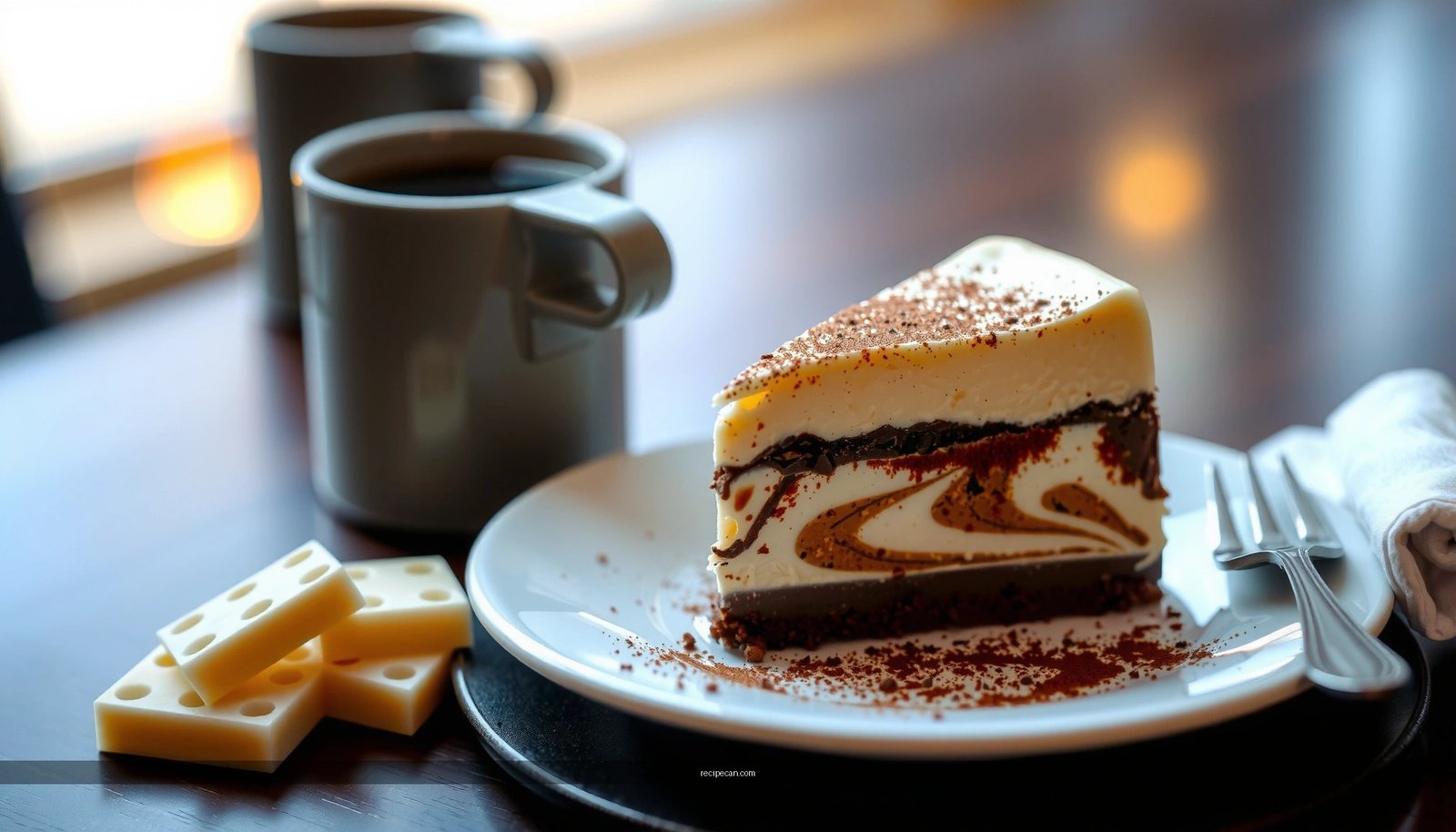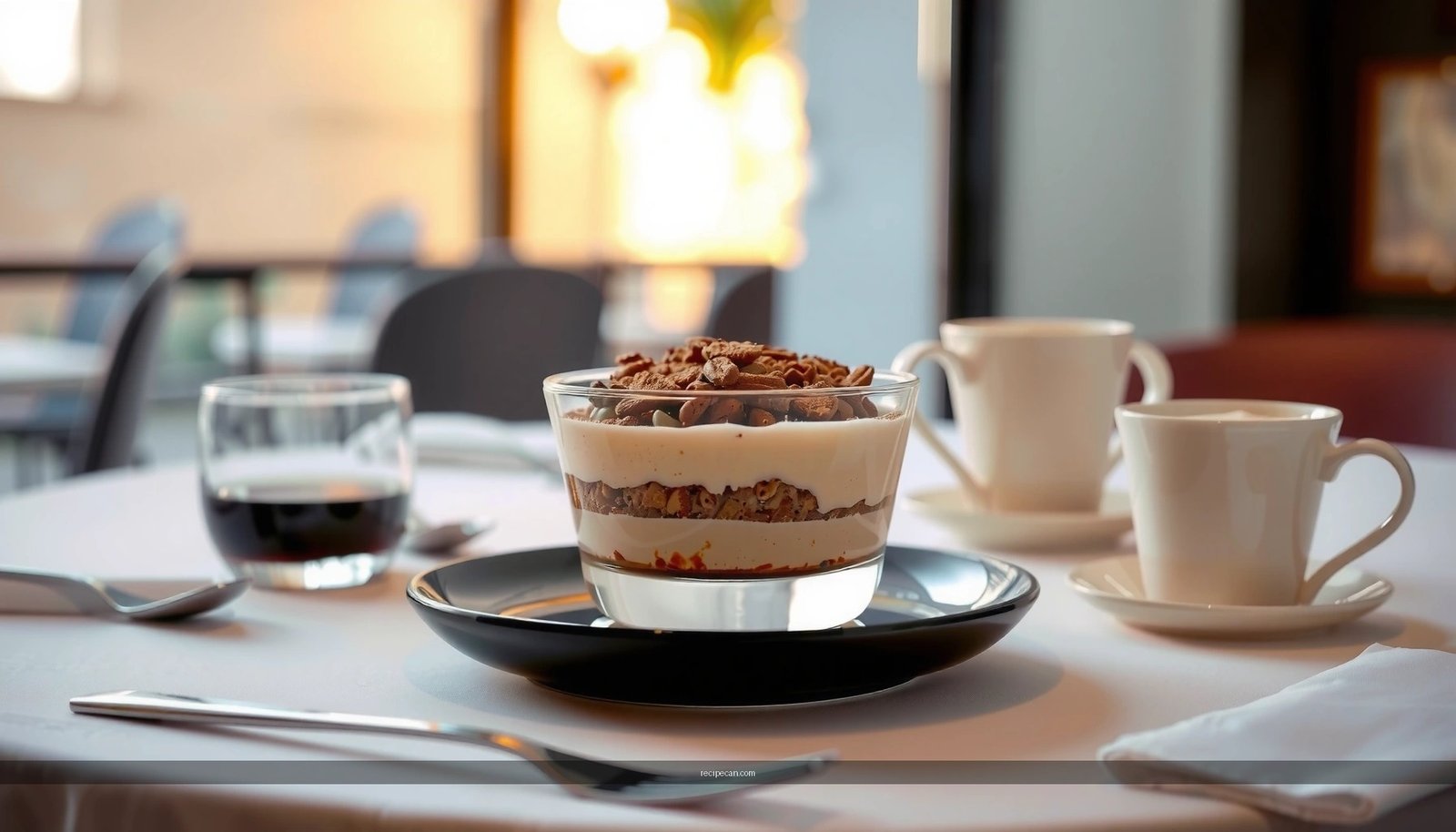
Looking for an Olive Garden tiramisu recipe that tastes like the restaurant classic? This recipe delivers the best match with a creamy mascarpone base, espresso-soaked ladyfingers, and a cocoa finish you’ll recognize in every bite. Follow the steps exactly and you’ll know whether you can pull off that same signature flavor at home—fast.
Make Olive Garden tiramisu at home by layering coffee-soaked ladyfingers with a light mascarpone cream and finishing with a cocoa dusting—then chilling until it sets. The key to the “signature” flavor and texture is controlling how quickly you dip the ladyfingers and giving the dessert enough refrigeration time for the coffee and cream to meld.
Ingredients for Olive Garden Tiramisu

A classic tiramisu is simple in concept but precise in composition. For this Olive Garden tiramisu recipe approach, you’ll focus on the fundamentals: coffee, ladyfingers, mascarpone, sweetener, and a dependable topping. The structure matters as much as the ingredients, because each component contributes a distinct role—bitterness from coffee, richness from mascarpone, and sweetness from sugar and vanilla.
– Ladyfingers (savoiardi-style), preferably crisp—these hold their shape during brief dipping
– Strong brewed coffee or espresso, cooled slightly so it doesn’t warm the cream
– Mascarpone, the core dairy component for the silky filling
– Eggs (commonly separated into yolks and whites) *or* an egg-free alternative if preferred
– Sugar to balance bitterness and enhance cream flavor
– Vanilla extract for a rounded, bakery-style aroma
– Cocoa powder (unsweetened) for the final cocoa topping
Optional add-ins can fine-tune your results:– Espresso (extra intensity) if you want a more pronounced coffee finish
– Coffee liqueur (e.g., 1–2 tsp per layer) for a deeper, “restaurant” note
– Pinch of salt (especially helpful if your cocoa or coffee tastes flat) to balance sweetness
If you’re planning for consistent outcomes, the table below maps ingredient choices to what they improve—so you can intentionally build the texture and flavor you want.
Key Ingredient Choices for Better Olive Garden-Style Tiramisu (Practical Impact Index)
| # | Ingredient/Method | Flavor Boost | Texture Reliability | Overall Rating |
|---|---|---|---|---|
| 1 | Strong coffee/espresso (cooled) | 9.2/10 | 8.6/10 | ★★★★★ |
| 2 | Brief dip (1–2 seconds) | 8.4/10 | 9.4/10 | ★★★★★ |
| 3 | Mascarpone at room temp (softened) | 7.9/10 | 8.8/10 | ★★★★☆ |
| 4 | Whipped egg whites (lightness) | 8.1/10 | 9.0/10 | ★★★★★ |
| 5 | Vanilla + pinch of salt | 8.0/10 | 7.8/10 | ★★★★☆ |
| 6 | Cocoa dusted right before serving | 7.6/10 | 8.4/10 | ★★★★☆ |
| 7 | Over-soaking ladyfingers | 3.8/10 | 2.9/10 | ★☆☆☆☆ |
Prep the Coffee Soaked Layer
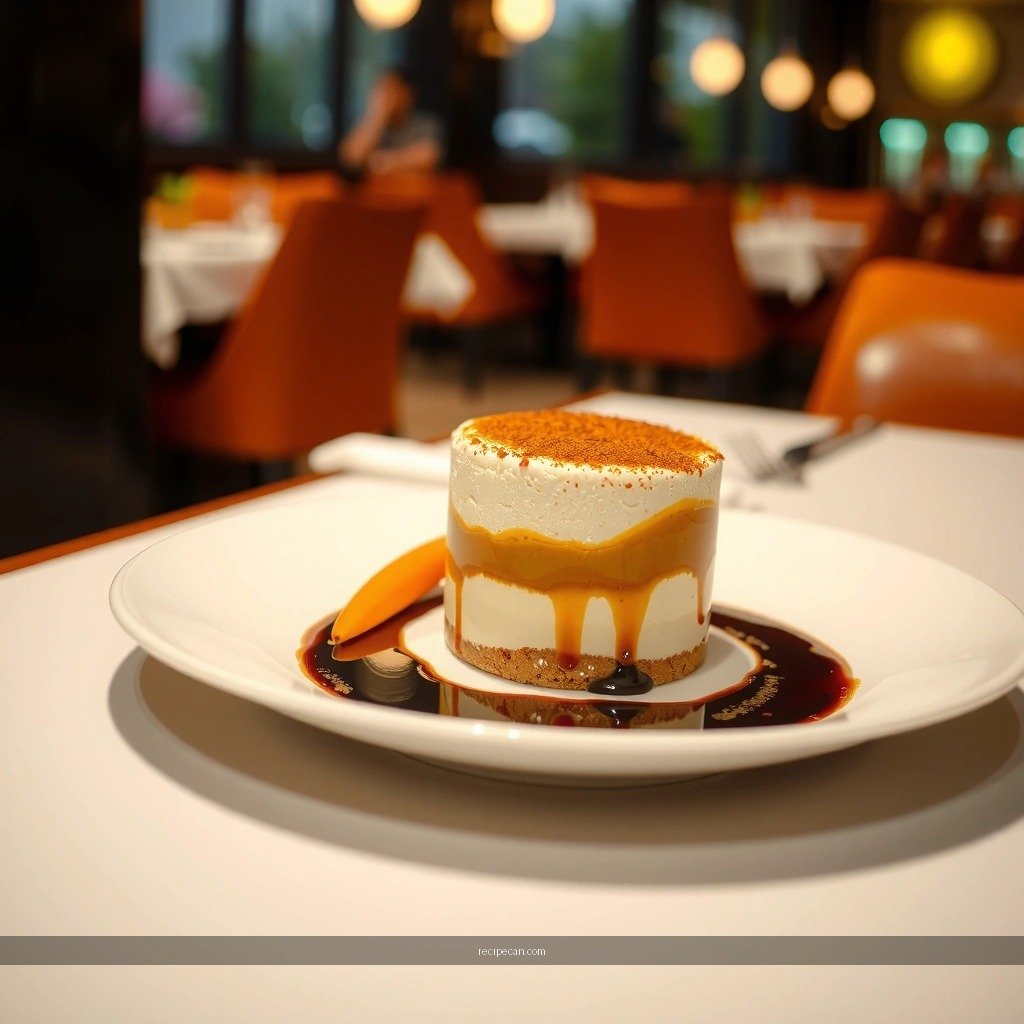
The coffee layer is where many home versions accidentally drift from “restaurant-style” into “soggy.” To avoid that, you’ll brew something strong and cool it slightly, then dip ladyfingers briefly—just enough to flavor the sponge, not drown it.
1. Brew strong coffee or espresso. If you use drip coffee, aim for a bolder ratio (more grounds or longer brewing) so it doesn’t taste weak once chilled.
2. Cool it to slightly warm or room temperature. This matters for cream consistency; warm coffee can loosen mascarpone and soften layers unevenly.
3. Dip ladyfingers quickly (1–2 seconds per side). You’re targeting surface saturation. If they bend or tear easily, dip even less time.
4. Arrange a consistent first layer. Choose a serving dish that matches your intended slice size—commonly a rectangular dish for clean layers.
Practical technique: hold each ladyfinger above the coffee for a moment after dipping. That short drain step prevents pooling and helps maintain a “stacked” tiramisu structure.
Make the Mascarpone Cream

Olive Garden tiramisu-style cream is smooth, rich, and airy—never grainy and never heavy. The goal is to emulsify mascarpone with sugar and vanilla while introducing lift, commonly through whipped egg whites. If you prefer an egg-free alternative, you can still achieve a light feel, but you’ll want to select a method that stabilizes the filling.
Classic approach with eggs
– Soften and whisk mascarpone with sugar and vanilla until fully smooth. Cold mascarpone tends to clump.
– Separate eggs if you’re using the traditional method. Whisk egg whites to soft or medium peaks so they fold in without deflating.
– Fold gently. Folding (not stirring) preserves trapped air. Fold until you no longer see streaks, but stop early enough to keep the cream fluffy.
Egg-free alternative (high-level guidance)
– Use an egg-free stabilizing approach (commonly a stabilized whipped dairy component or a mascarpone-friendly technique) and focus on achieving the same target: a thick, spoonable cream that holds its shape after chilling.
– Because recipes vary by brand and method, treat the folding step as the core principle: incorporate air slowly and avoid overmixing.
Analytical note: the cream’s texture is influenced by three variables—mascarpone temperature, mixing intensity, and time. Overmixing can reduce lift; under-softened mascarpone can create texture issues. Proper chilling then “sets” the foam structure and makes slicing possible.
Assemble and Layer Like Olive Garden
Layering is where the dessert becomes both visually impressive and structurally sound. Your job is to distribute cream evenly and keep the coffee-soaked ladyfingers from shifting.
– Spread half the mascarpone cream over the first ladyfinger layer. Use an offset spatula or the back of a spoon to smooth it to the edges.
– Add a second dipped ladyfinger layer. Dip consistently so thickness remains uniform across the dish.
– Finish with the remaining cream, smoothing the top thoroughly. This matters because the cocoa dusting adheres more evenly to a flatter surface.
When you’re aiming for “signature” tiramisu presentation, consistency wins. Pressing too firmly can squeeze coffee and create muddy layers; avoid heavy-handed leveling.
Quality checkpoints during assembly:
– Edges should look sealed—cream reaching near the dish sides prevents exposed ladyfingers from drying.
– No visible puddles—if coffee pooling occurs, shorten the dip duration next time.
Chill for Best Texture
Chilling is not an optional step—it’s the transformation phase where coffee flavor diffuses, cream sets, and clean slices become possible.
– Refrigerate at least 4–6 hours. This is the minimum to set the cream properly.
– Overnight is best. For best flavor integration and a more unified slice, chill 8–12 hours.
– Keep it covered. Covering prevents the cocoa-top surface from drying and reduces absorption of refrigerator odors.
Serving readiness tip: if you’ve chilled overnight, allow the dish to sit at refrigerator temperature for 10–15 minutes before slicing. Cold tiramisu slices more sharply, but extreme cold can make the cream feel slightly firmer than ideal.
Serving Tips and Storage
Even the best Olive Garden tiramisu recipe can lose points if it’s served or stored incorrectly. Use these steps to preserve flavor, moisture, and slicing integrity.
Right before serving
– Dust generously with cocoa powder. Add it close to serving so it stays aromatic and doesn’t turn wet.
– Use a fine sieve for a lighter, even cocoa layer that looks like a restaurant finish.
Slicing
– Wipe your knife between cuts. This prevents smeared mascarpone and keeps layers crisp.
– Use a clean, sharp knife and apply steady pressure—avoid sawing aggressively, which can tear ladyfingers.
Storage
– Refrigerate up to 2–3 days for best flavor and texture. After that, ladyfingers can soften further and the dessert becomes less “stacked.”
– Keep it covered to avoid dryness at the top.
If you’re preparing for an event, dust with cocoa immediately before the meal so the surface looks fresh and the aroma reads at first bite.
No-fuss Olive Garden tiramisu is all about quick-dipped ladyfingers, a fluffy mascarpone cream, and plenty of chilling time. Follow the layering steps, refrigerate until set, and finish with cocoa for that classic look—then make your next batch tonight and share it with family or friends.
Make your next batch tonight and share it with family or friends.
Frequently Asked Questions
What is the closest Olive Garden tiramisu recipe copycat at home?
A classic Olive Garden–style tiramisu uses espresso-soaked ladyfingers layered with a creamy filling made from mascarpone (or a mascarpone-cream cheese blend), whipped cream, sugar, and vanilla. The flavor depends on strong espresso or very concentrated coffee plus a generous dusting of cocoa powder on top. For best results, assemble in a dish where you can create even layers and chill the dessert several hours so it sets properly.
How do I make an Olive Garden tiramisu without raw eggs?
Many homemade tiramisu variations use eggs for richness, but you can keep it egg-free by using mascarpone combined with whipped cream and vanilla, then sweetening with sugar. If your goal is closest to restaurant-style creaminess, whip the cream to soft peaks and fold it gently into mascarpone to maintain a light texture. Let the layered dessert chill for at least 4–6 hours (overnight is ideal) so the filling firms and the ladyfingers soften.
Why does my tiramisu turn watery or runny, and how can I fix it?
Tiramisu can become watery when the ladyfingers are soaked too long or when the coffee mixture is too thin and drips into the layers. Use concentrated espresso or strong coffee and dip the ladyfingers quickly—typically 1–3 seconds per side—so they absorb flavor without collapsing. Also, chill thoroughly; if it’s still loose after chilling, consider using full-fat mascarpone and whipped cream rather than low-fat substitutes.
Which coffee should I use for the best Olive Garden tiramisu flavor?
The best results come from strong espresso or very concentrated coffee, because tiramisu needs bold, bitter notes to balance the sweetness of the mascarpone filling. If you don’t have espresso, brew dark roast coffee using extra grounds or a stronger brew setting, then cool it before assembling. Keep the coffee at room temperature or slightly cool so the ladyfingers soak evenly without melting the creamy layers.
Best tips for making and serving tiramisu like Olive Garden—how far in advance should I prepare it?
For the most authentic texture, prepare tiramisu at least 6 hours ahead and ideally overnight so the ladyfingers fully soften and the flavors meld. Slice and serve straight from the fridge for cleaner cuts, and dust cocoa powder right before serving if you want a more vibrant, less absorbed cocoa top. If you’re making it for guests, allow it to sit 5–10 minutes at cool room temperature before serving so the cream tastes smooth and not overly firm.
References
- Tiramisu
https://en.wikipedia.org/wiki/Tiramisu - Tiramisu | Meaning, Ingredients, Origin, Desserts, & Taste | Britannica
https://www.britannica.com/topic/tiramisu - https://www.theguardian.com/food/2020/mar/16/olive-tree-tiramisu-recipe
https://www.theguardian.com/food/2020/mar/16/olive-tree-tiramisu-recipe - https://cooking.nytimes.com/recipes/101931-tiramisu
https://cooking.nytimes.com/recipes/101931-tiramisu - https://pubmed.ncbi.nlm.nih.gov/?term=tiramisu
https://pubmed.ncbi.nlm.nih.gov/?term=tiramisu - https://www.sciencedirect.com/search?qs=tiramisu
https://www.sciencedirect.com/search?qs=tiramisu - Google Scholar Google Scholar
https://scholar.google.com/scholar?q=Olive+Garden+tiramisu+recipe - Google Scholar Google Scholar
https://scholar.google.com/scholar?q=tiramisu+recipe+mascarpone+ladyfingers+coffee+eggs - Google Scholar Google Scholar
https://scholar.google.com/scholar?q=ingredients+analysis+tiramisu+mascarpone+coffee+egg+yolk - Google Scholar Google Scholar
https://scholar.google.com/scholar?q=recipe+for+olive+garden+tiramisu