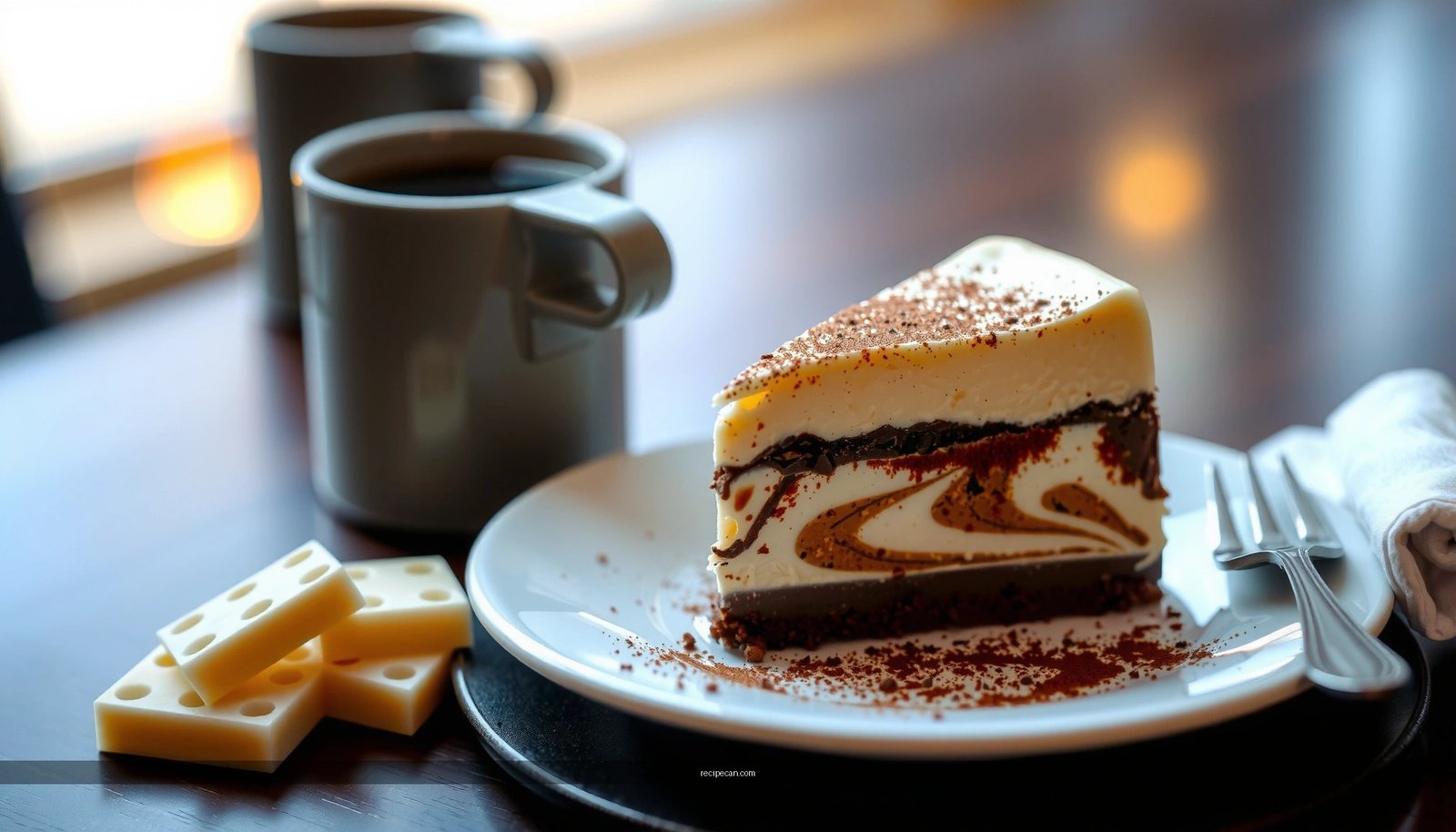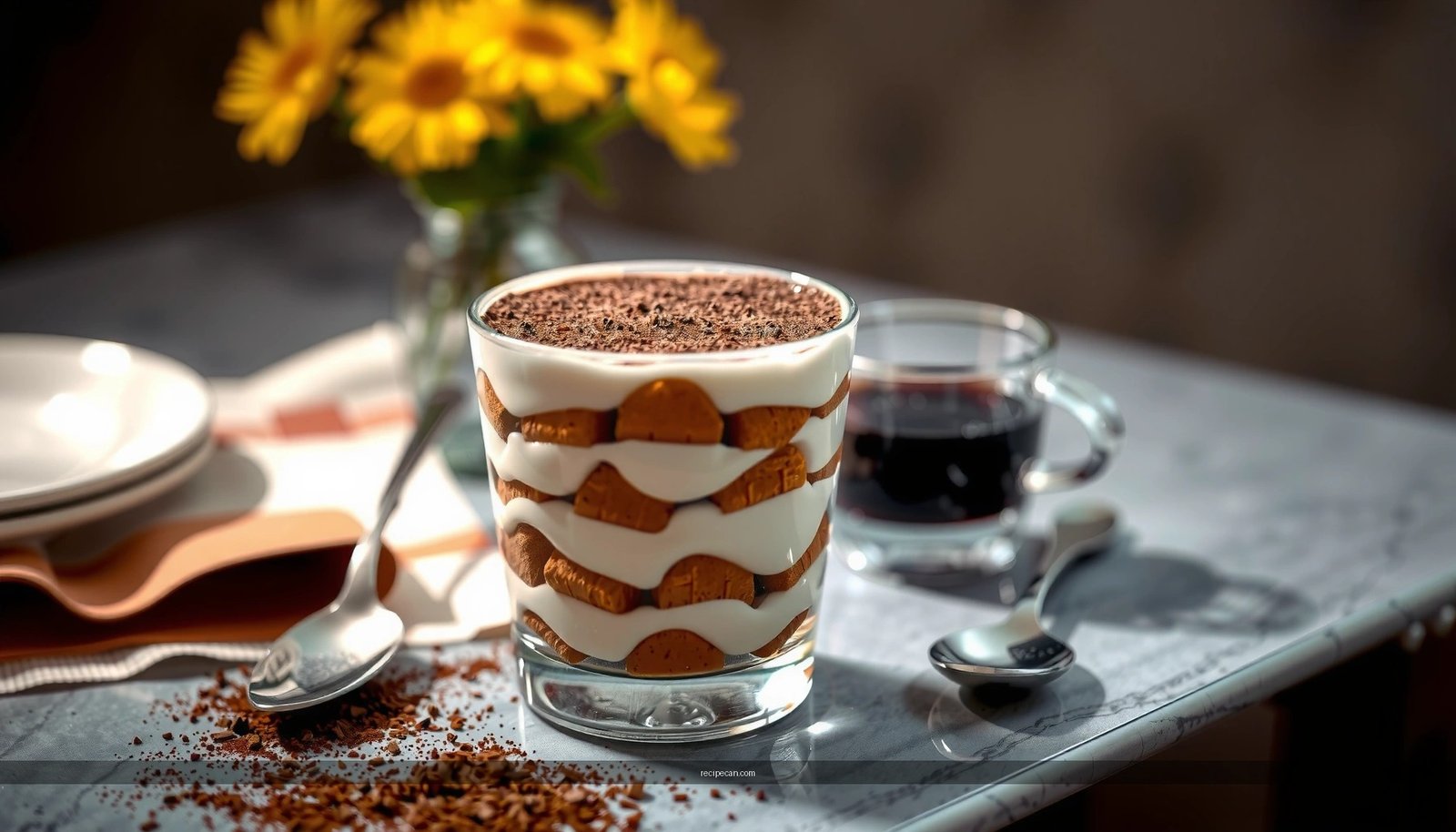
Looking for an Ina Garten tiramisu recipe that delivers the classic, restaurant-level result? This guide answers whether her straightforward method—espresso-soaked ladyfingers and a velvety mascarpone filling—will produce the best texture and flavor with minimal fuss. Follow the exact steps and you’ll get a crisp cocoa top, perfectly set layers, and the unmistakable tiramisu balance every time.
Ina Garten-style tiramisu comes together by layering quick, espresso-soaked ladyfingers with a mascarpone-egg cream and then chilling long enough for the flavors to fully meld. If you follow the exact order—build clean layers, control how much liquid you absorb, and dust cocoa right before serving—you’ll get the classic texture: creamy but sliceable, not wet or fluffy.
Ina Garten’s tiramisu philosophy is practical: focus on the structure (cream ratio + layering technique), respect the chemistry (egg components for stability), and let time do the finishing work (proper refrigeration). Below is a complete guide to the classic steps, plus troubleshooting insights so you can repeatedly achieve that signature balance of coffee bitterness, sweet richness, and cocoa aroma.
Gather Ingredients for Ina Garten Tiramisu

– Use mascarpone, eggs, sugar, espresso (or strong coffee), and ladyfingers as the core components
– Choose quality cocoa powder for the final dusting
Start with ingredients that make quality decisions easy. Because tiramisu is a “few ingredients, big impact” dessert, substitutions tend to show up immediately in the texture and flavor.
Core components (what matters most):
– Mascarpone cheese: This is the richness anchor. Choose mascarpone labeled as *authentic* (typically in the 10–12% fat range). Lower-quality mascarpone can appear thinner and may separate more easily.
– Eggs: Traditional tiramisu relies on egg yolks for creaminess and egg whites (whipped) for lift. Use fresh eggs for best volume and stable foam.
– Sugar: Granulated sugar dissolves cleanly when you whisk yolks properly. This prevents a gritty mouthfeel.
– Espresso / strong coffee: Tiramisu needs concentrated coffee flavor to stand up to sweetness and dairy. If you don’t have espresso, brew a strong coffee (a darker roast often performs well).
– Ladyfingers (savoiardi): Their structure is why tiramisu slices cleanly. Use a crisp, sturdy brand—soft or overly delicate cookies tend to collapse.
– Cocoa powder: Use a high-quality, unsweetened cocoa for the top. Natural cocoa gives a more classic, slightly earthy profile; Dutch-process is smoother and darker. Either can work—pick based on your preference.
Helpful “professional” add-ons (optional, but common):
– Vanilla extract (a few drops) for warmth in the cream
– Marsala wine or coffee liqueur for the soaking liquid (use sparingly—too much changes texture and can thin the cream)
If you add alcohol, reduce your soaking time slightly. Alcohol can soften ladyfingers faster than coffee alone.
Key Components in Classic Tiramisu (What Each Ingredient Controls)
| # | Ingredient | Primary Role | Texture Impact | Best Practice |
|---|---|---|---|---|
| 1 | Mascarpone | Richness + body | Cream that holds | Use cold, stir gently |
| 2 | Egg yolks | Custard-like cream | Thickens, stabilizes | Whisk until glossy |
| 3 | Egg whites | Lightness + lift | Airiness without collapse | Soft peaks only |
| 4 | Espresso | Coffee flavor foundation | Controls moisture level | Dip fast; blot? optional |
| 5 | Ladyfingers | Structural layer | Slicing integrity | Use crisp cookies |
| 6 | Sugar (overall) | Balances bitterness | Cream stability | Dissolve fully |
| 7 | Cocoa powder | Aroma + contrast | Fresh top coating | Dust right before serving |
Make the Mascarpone Mixture
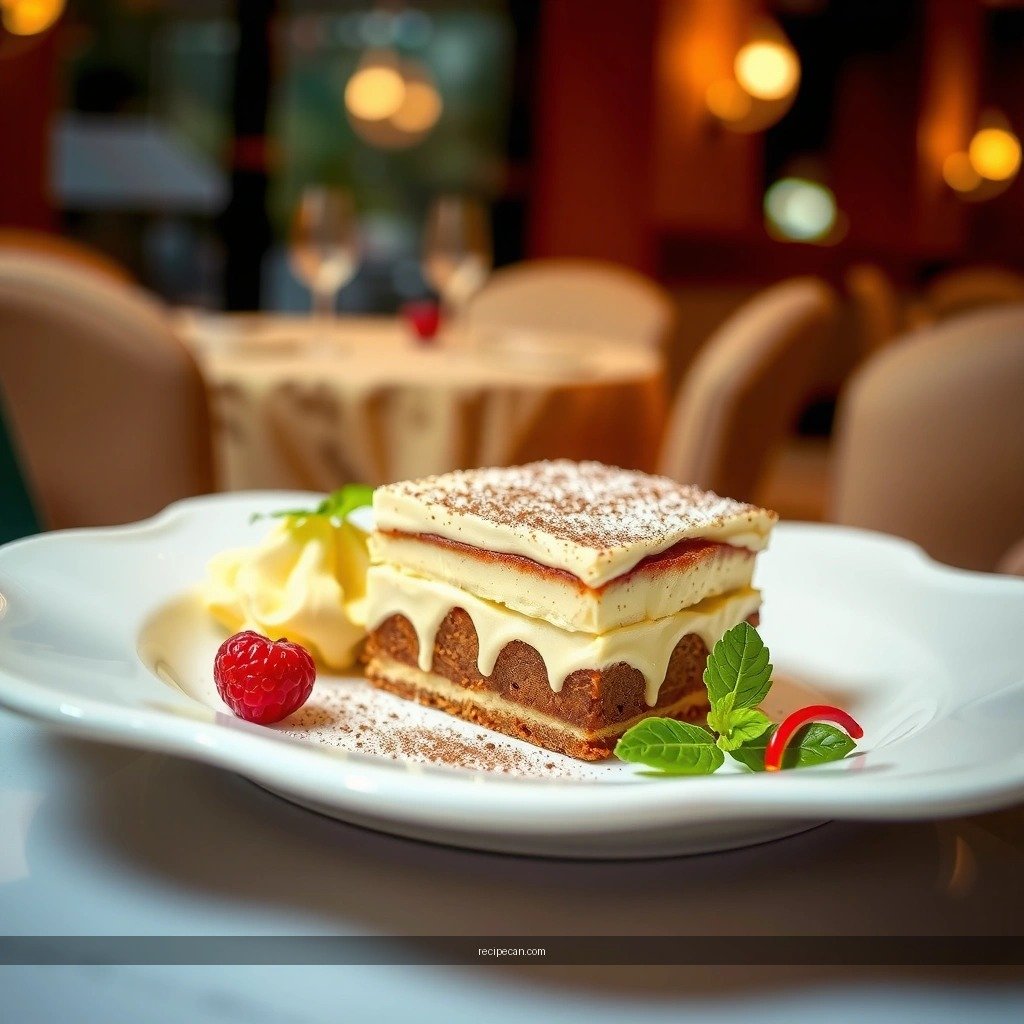
– Whisk egg yolks and sugar until smooth, then fold in mascarpone
– Beat egg whites to soft peaks and gently combine for a light, creamy texture
This cream is the heart of Ina Garten-style tiramisu. The goal is stable, spoonable cream—not scrambled curds, not overly stiff mousse.
Step 1: Create the yolk base
1. Separate eggs carefully (even a small amount of yolk in whites can reduce whipping).
2. Whisk egg yolks and sugar until the mixture looks lighter and smooth. This is more than mixing—it’s dissolving sugar and improving texture.
Step 2: Fold in mascarpone
– Add mascarpone and fold gently until no streaks remain.
– Avoid over-mixing; mascarpone can become grainy if aggressively beaten after it’s incorporated.
Step 3: Whip whites to soft peaks
– Beat egg whites until they reach soft peaks—when you lift the whisk, the peaks droop slightly.
– Soft peaks give you lightness while staying foldable. Stiff peaks can make the final texture too airy and less cohesive once layered.
Step 4: Combine without deflating
– Fold egg whites into the mascarpone mixture in two additions.
– Use a gentle motion (bottom-to-top). The mixture should remain creamy and thick, not watery.
Troubleshooting (high-impact fixes):
– Cream looks too loose: Chill it 15–20 minutes, then continue folding carefully. Temperature affects mascarpone set.
– Cream looks curdled: You likely applied heat or whisked too aggressively. Next time, keep everything cool and whisk yolks only until smooth.
At this stage, you should have a consistency that spreads easily across ladyfingers but still supports clean vertical structure after chilling.
Dip and Layer the Ladyfingers

– Dip ladyfingers quickly in espresso so they absorb without becoming soggy
– Layer evenly and build the dessert in a baking dish for clean slices
This is where most tiramisu fails: people soak ladyfingers too long, creating a “coffee soup” effect. The Ina Garten method is about control—fast dipping, firm layering, and predictable absorption.
How to dip correctly
– Use a shallow bowl of room-temperature espresso/coffee.
– Dip each ladyfinger briefly (about 1 second per side).
– Place immediately into the baking dish.
– If your ladyfingers are very dry or your coffee is unusually strong, you may dip slightly longer—but do it consistently and stop once you see the surface darken.
Layering strategy for clean slices
– Start with a layer of dipped ladyfingers, then spread cream evenly.
– Repeat once more (or twice, depending on dish size).
– Use an offset spatula to smooth cream to the edges without pushing it out.
– Aim for even thickness across layers. Uneven layers translate into uneven set and messy slicing later.
Flavor balance tip
– Consider alternating the direction of ladyfingers. It’s subtle, but crisscrossing increases structural integrity, making portions easier to lift.
If you want a professional finish, cover the assembled dish loosely while it chills—this prevents condensation from making the top layers wet.
Assemble and Chill for Best Texture
– Refrigerate at least 4–6 hours (overnight is even better) to set the layers
– Wait to add the cocoa until just before serving for the freshest look
Chilling is not optional; it’s the step that transforms tiramisu from “assembled” into “classic.” In the fridge, moisture redistributes, the cream thickens slightly, and flavors integrate.
Recommended refrigeration timeline
– Minimum: 4–6 hours
– Best practice: overnight (12–24 hours)
Overnight improves:
– Cream cohesion (less weeping)
– Ladyfinger softness without collapse
– Coffee-cocoa integration so bitterness feels balanced rather than sharp
Cocoa timing
– Dust cocoa right before serving.
– If cocoa goes on too early, it can dissolve into a thin layer of dark moisture. Fresh dusting also preserves that clean, restaurant-style look.
Food safety and quality note (practical business-household guidance)
– Because tiramisu contains egg, keep the dessert refrigerated at all times after assembly.
– Serve cold, and discard if it has been left at room temperature for extended periods.
Practical serving prep
– Remove tiramisu from the fridge 10–15 minutes before slicing if your kitchen is extremely cold; overly firm cream can crack in the first slice.
– Use a sharp knife wiped between cuts for neat edges.
Serve and Store Like a Pro
– Slice with a sharp knife and serve cold for the best structure
– Cover and refrigerate leftovers; enjoy within a couple of days for peak flavor
Serving tiramisu well is about temperature, tools, and timing.
Slicing for presentation
– Use a knife with a thin blade (or a chef’s knife).
– Press down smoothly—avoid sawing, which can disturb layers.
– Wipe the blade with a damp towel between cuts to keep cocoa and cream from smearing.
Serving temperature
– Serve cold. Chilled cream holds shape and maintains that “creamy layer” effect rather than softening into a looser mousse.
Storage
– Cover tightly and refrigerate.
– Enjoy within 2 days for best texture and coffee aroma. After that, ladyfingers can continue to soften and cocoa can lose its vibrancy.
Reheating? Skip it.
– Tiramisu is designed to be served cold. Reheating disrupts the cream structure and changes flavor perception.
For large gatherings, consider portioning into smaller containers for easier storage and more consistent quality across servings.
With Ina Garten’s approach, the magic is in the mascarpone-egg cream, quick espresso dipping, and a long chill time. Follow the layering and storage tips above, then make your first batch and serve it the same day you’re craving a true classic tiramisu.
Frequently Asked Questions
What is Ina Garten’s tiramisu recipe and what ingredients do I need?
Ina Garten’s tiramisu recipe uses espresso, mascarpone, eggs, sugar, vanilla, and whipped cream, layered with ladyfingers (savoiardi). You’ll also need cocoa powder for finishing and, typically, strong brewed coffee that’s cooled so it doesn’t melt the mascarpone mixture. For best results, use high-quality mascarpone and good espresso rather than instant coffee.
How do I make Ina Garten tiramisu without curdling the eggs?
The key is to temper the eggs gently by slowly whisking warm sugar/egg mixture into the beaten eggs, rather than adding hot liquid all at once. Keep the mixture on low heat and stir constantly until it thickens—then remove it from the heat immediately to prevent scrambling. Once combined with mascarpone and whipped cream, chill thoroughly so the tiramisu sets properly.
How do I soak ladyfingers for Ina Garten tiramisu so they aren’t soggy?
Ina Garten’s method focuses on quick dipping: dip each ladyfinger briefly in espresso/coffee, just long enough to coat, then layer immediately. Avoid soaking them for long periods, since they will absorb too much liquid and turn watery. If your coffee is especially strong or you prefer a firmer texture, shorten the dip time and let the assembled tiramisu chill for several hours.
Why does Ina Garten’s tiramisu need to chill, and how long should I refrigerate it?
Tiramisu needs chilling because the mascarpone mixture thickens and the flavors meld, while the ladyfingers rehydrate slightly without becoming overly wet. For best flavor and texture, refrigerate at least 4–6 hours, though overnight is ideal for a more cohesive Ina Garten tiramisu. If you dust with cocoa right before serving, it stays fresh-looking and prevents the top from absorbing moisture.
What’s the best way to serve and store Ina Garten tiramisu, and which pan size works best?
Serve Ina Garten tiramisu chilled, with clean slices using a sharp knife wiped between cuts to keep layers intact. Store leftovers covered in the refrigerator for up to 2–3 days; the texture may soften slightly over time, but it still tastes great. For most Ina Garten-style portions, a 9×13-inch baking dish works well for classic layer thickness and even serving.
References
- Tiramisu
https://en.wikipedia.org/wiki/Tiramisu - https://www.britannica.com/topic/tiramisu
https://www.britannica.com/topic/tiramisu - https://www.theguardian.com/food/tiramisu
https://www.theguardian.com/food/tiramisu - https://www.fda.gov/food/buy-store-serve-safe-food/food-safety-tips/eggs
https://www.fda.gov/food/buy-store-serve-safe-food/food-safety-tips/eggs - https://pubmed.ncbi.nlm.nih.gov/?term=tiramisu
https://pubmed.ncbi.nlm.nih.gov/?term=tiramisu - https://www.sciencedirect.com/search?qs=tiramisu
https://www.sciencedirect.com/search?qs=tiramisu - Google Scholar Google Scholar
https://scholar.google.com/scholar?q=tiramisu+recipe+ina+garten - Google Scholar Google Scholar
https://scholar.google.com/scholar?q=tiramisu+mascarpone+coffee+cocoa+egg+safety - Google Scholar Google Scholar
https://scholar.google.com/scholar?q=tiramisu+history+origin+coffee+mascarpone - tiramisu recipe ina garten – Search results
https://en.wikipedia.org/wiki/Special:Search?search=tiramisu+recipe+ina+garten