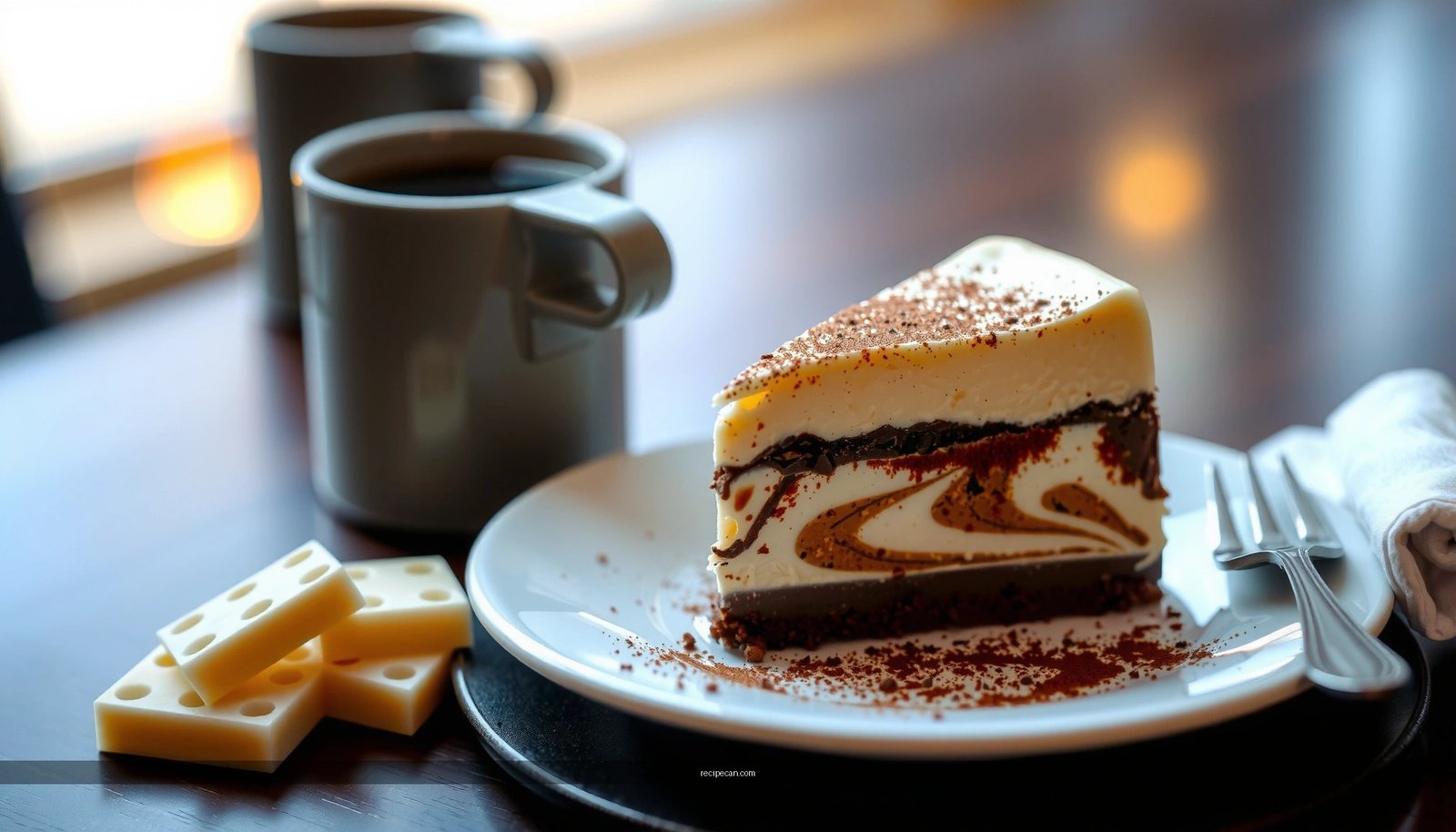
If you’re searching for an authentic tiramisu recipe, this is the classic version that delivers perfect layers every time—espresso-soaked ladyfingers and a mascarpone filling with the right balance of sweetness and tang. You’ll follow the exact steps that prevent watery cream, grainy mascarpone, and sloppy assembly. By the end, you’ll know precisely how to build, chill, and serve tiramisu the traditional way.
Make authentic tiramisu at home by layering espresso-soaked ladyfingers with a silky mascarpone cream, then chilling until set. Follow the classic method—strong espresso, careful dipping, aerated egg-cream, and an overnight rest—to achieve the signature texture, balanced sweetness, and cocoa finish that define authentic tiramisu.
Essential Ingredients for an Authentic Tiramisu
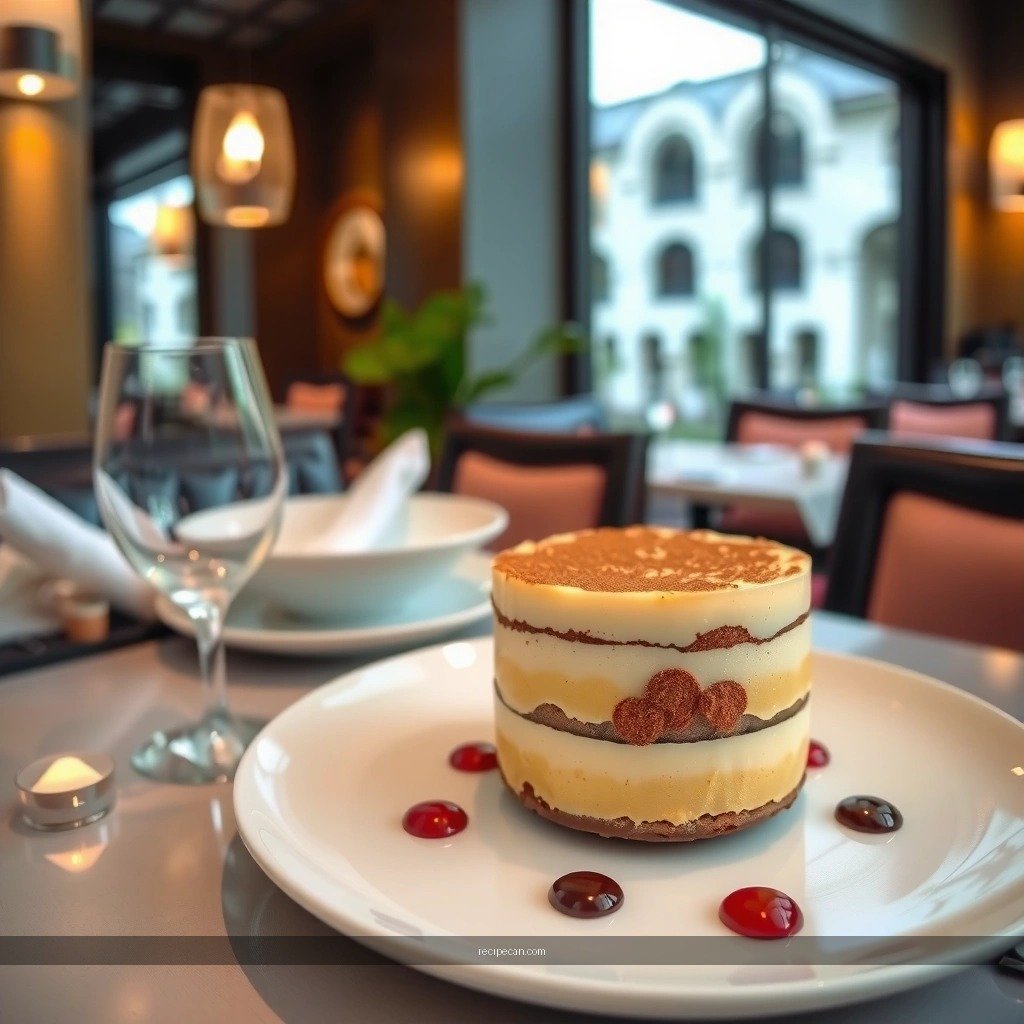
Authentic tiramisu is built on a small set of ingredients used with discipline: quality mascarpone, properly whipped eggs, real espresso, and ladyfingers that absorb coffee without collapsing. To keep the dessert true to Italian technique, treat each component as a functional part of the layered structure—not just a flavoring.
Core ingredients (what matters and why):
– Mascarpone: Use full-fat mascarpone for the characteristic creamy body. Low-fat versions can taste tangy and won’t hold the same texture in a chilled slice.
– Fresh eggs (or trusted pasteurized eggs): The cream’s stability and lightness come from separating yolks and whites, then whipping them to different degrees. If you’re concerned about food safety, use pasteurized eggs and still whip to the same texture goals.
– Sugar: Sweetens and helps emulsify the yolk mixture. Use granulated sugar for predictable dissolution during whisking.
– Espresso: Brew strong coffee so it tastes assertive even after dilution in the ladyfingers.
– Ladyfingers: Traditional tiramisu uses savoiardi-style ladyfingers. They should be sturdy enough to take a quick dip and still slice cleanly.
Flavor finish:
– Cocoa powder: Use a real cocoa powder (often unsweetened). It should provide bitterness and aroma contrast against the sweet cream.
To make ingredient choices more actionable, here’s a quick “role-to-reliability” view of what sourcing should focus on when you’re aiming for classic tiramisu results.
Typical Ingredient Performance Targets for Classic Tiramisu (Home Benchmarks)
| # | Ingredient Component | Home-Use Target | Why It Impacts Texture | Result Signal |
|---|---|---|---|---|
| 1 | Mascarpone | Full-fat (≈40%+ fat) | Cream sets firm without watery separation | Cream slices hold shape |
| 2 | Egg yolk whip | Thick, pale, ribboning | Ensures stable base for mascarpone folding | No grainy sugar pockets |
| 3 | Egg white whip | Soft peaks | Gives airy lift without curdling | Cream looks mousse-like |
| 4 | Espresso strength | Strong, not diluted | Maintains flavor after soaking | Coffee taste remains distinct |
| 5 | Ladyfinger dip time | ≈1–2 seconds per side | Prevents mush; preserves layered bite | Slices hold edges cleanly |
| 6 | Chill duration | 4–6 hours minimum | Cream firms; coffee evenly hydrates layers | Layer definition after slicing |
| 7 | Cocoa finishing | Dust right before serving | Prevents cocoa from dissolving into moisture | Cocoa stays dry and fragrant |
Brew the Right Espresso
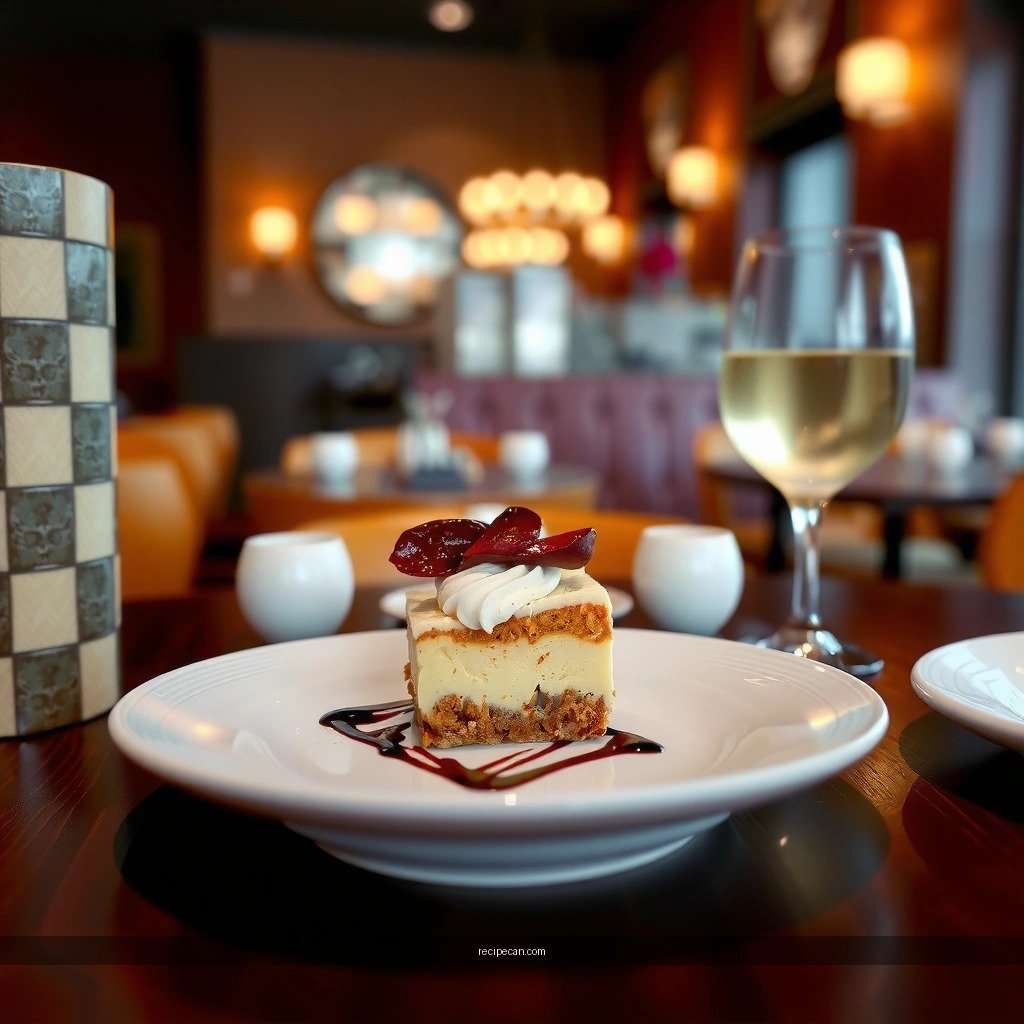
The espresso step controls two outcomes: flavor intensity and soak behavior. If your espresso is weak, the final tiramisu tastes sweet but faint. If it’s too hot, ladyfingers soften too quickly and collapse.
How to brew for classic tiramisu:
– Brew strong espresso (or use a concentrated stovetop moka equivalent). The goal is bold coffee that can stand up to mascarpone.
– Cool slightly: Aim for espresso that is warm or room temperature—cool enough to avoid thermal shock, but not ice-cold.
– Prepare a dipping station: Pour espresso into a shallow dish so you can dip efficiently.
Dipping technique (where most “authentic tiramisu” attempts succeed or fail):
– Dip quickly—about 1–2 seconds per side—then lift and let excess drip for a second.
– Work in a consistent rhythm: dip → place → repeat.
– Don’t soak until the ladyfinger feels saturated; you’re building layers with structure that firms up during chilling.
Analytical perspective: Ladyfingers behave like a sponge. Over-soaking increases free liquid, which later breaks layer integrity. Correct dipping gives coffee contact through surface absorption, then relies on time in the fridge to distribute moisture evenly.
Make the Mascarpone Cream
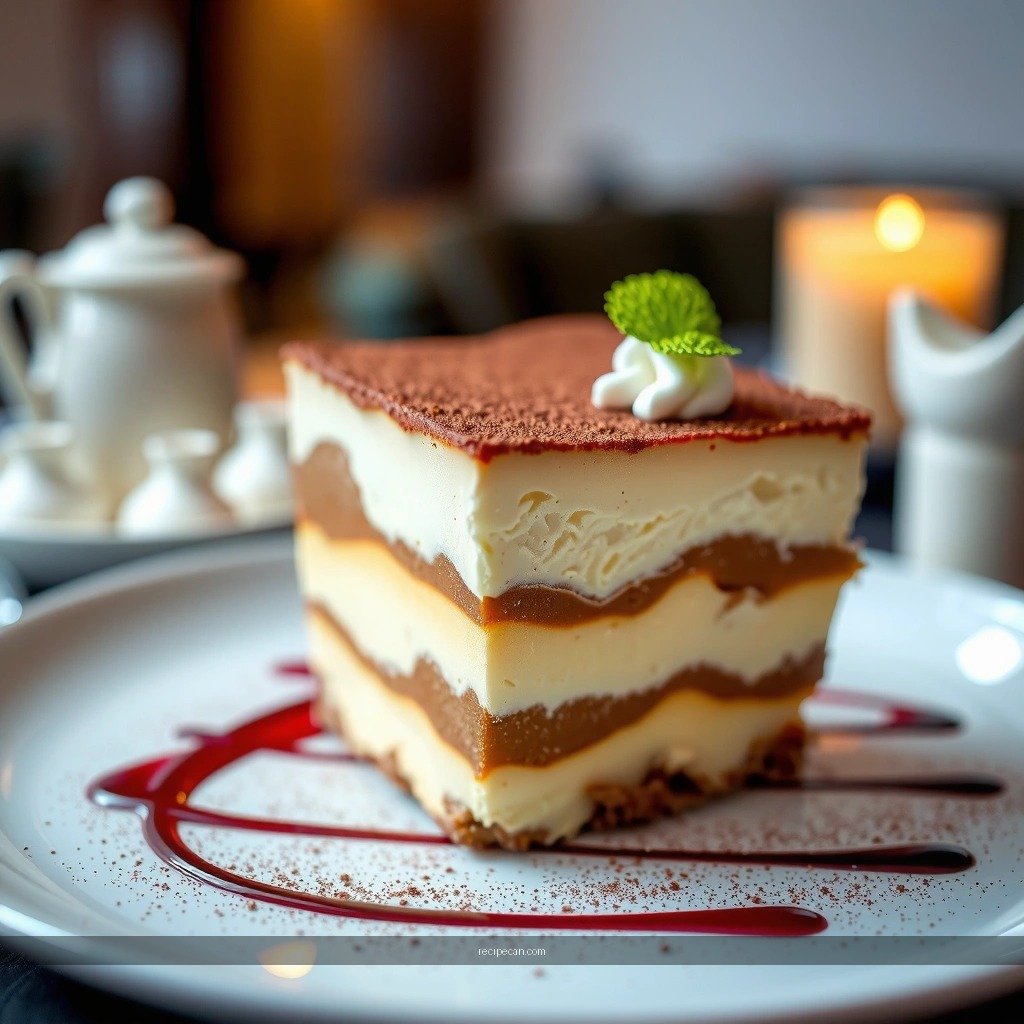
Authentic tiramisu cream is essentially a controlled aerated emulsion: yolks + sugar + mascarpone folded with whipped whites. This is why your final texture should be light, creamy, and spoonable, not dense or separated.
Step-by-step cream method:
1. Separate eggs carefully, ensuring no yolk contaminates the whites (fat inhibits foam).
2. Whip yolks with sugar until the mixture thickens and lightens in color. This signals proper aeration and sugar dissolution.
3. Fold in mascarpone gently. Folding protects the structure you just developed in the yolk base; aggressive mixing can make the cream heavy.
4. Whip whites to soft peaks, not stiff peaks. Soft peaks preserve tenderness.
5. Fold whites into the mascarpone mixture in stages. Stop once no streaks remain.
Consistency checks that matter:
– The cream should appear smooth with a soft, pillowy volume.
– It should hold peaks that slump slowly—not collapse instantly.
– If cream looks curdled or grainy, it likely overheated, was overmixed, or the mascarpone was too firm/cold without adequate emulsification.
Practical guidance for reliability: If your mascarpone is very cold, let it sit at room temperature briefly (not melted) so it folds smoothly. Temperature consistency reduces the risk of separation.
Assemble Perfect Layers
Assembly is not just stacking—it’s choreography. The best tiramisu looks composed because each layer is consistent in thickness and coverage, and the top layer is leveled to allow even chilling and cocoa distribution.
Classic layering pattern:
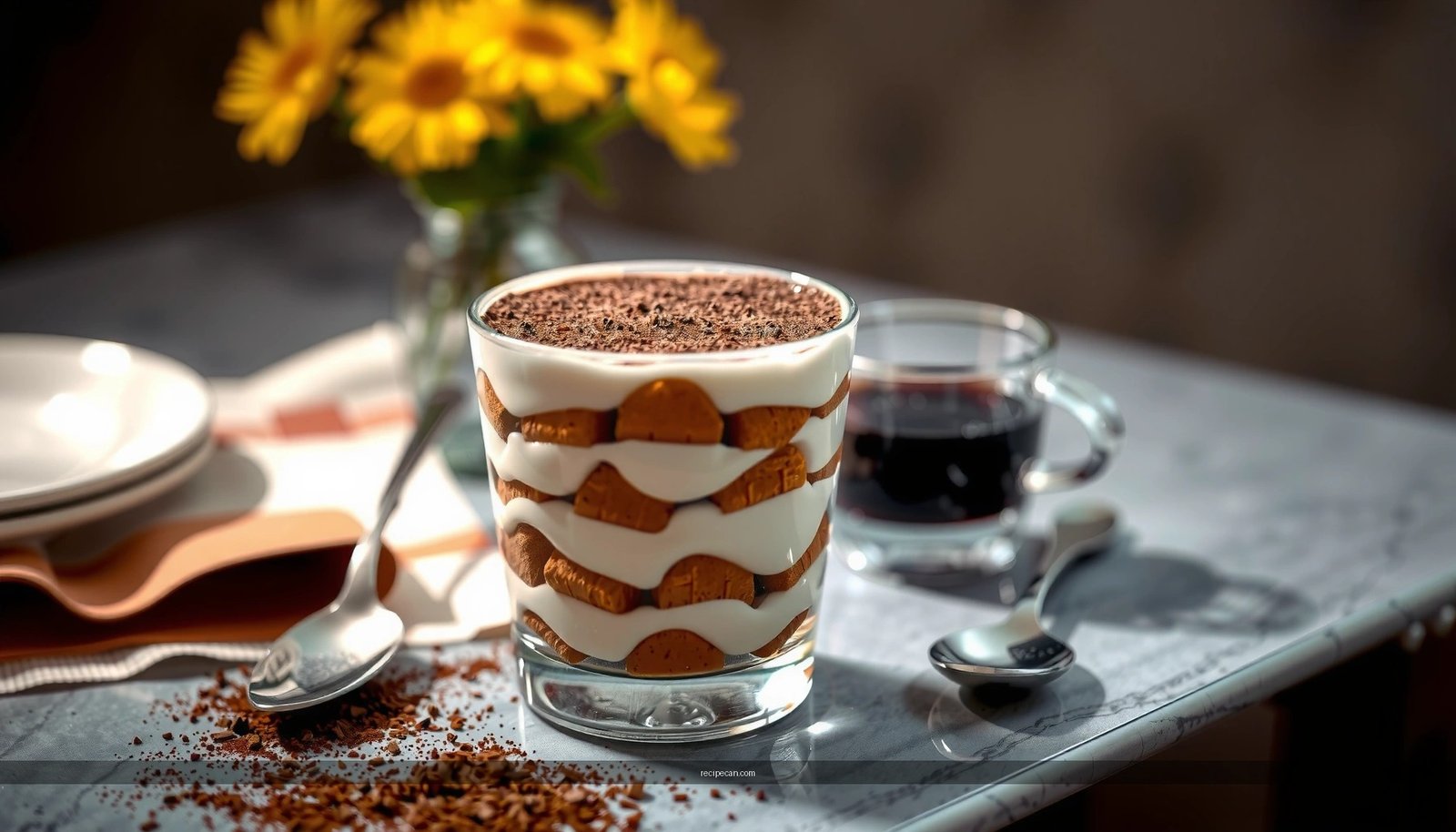
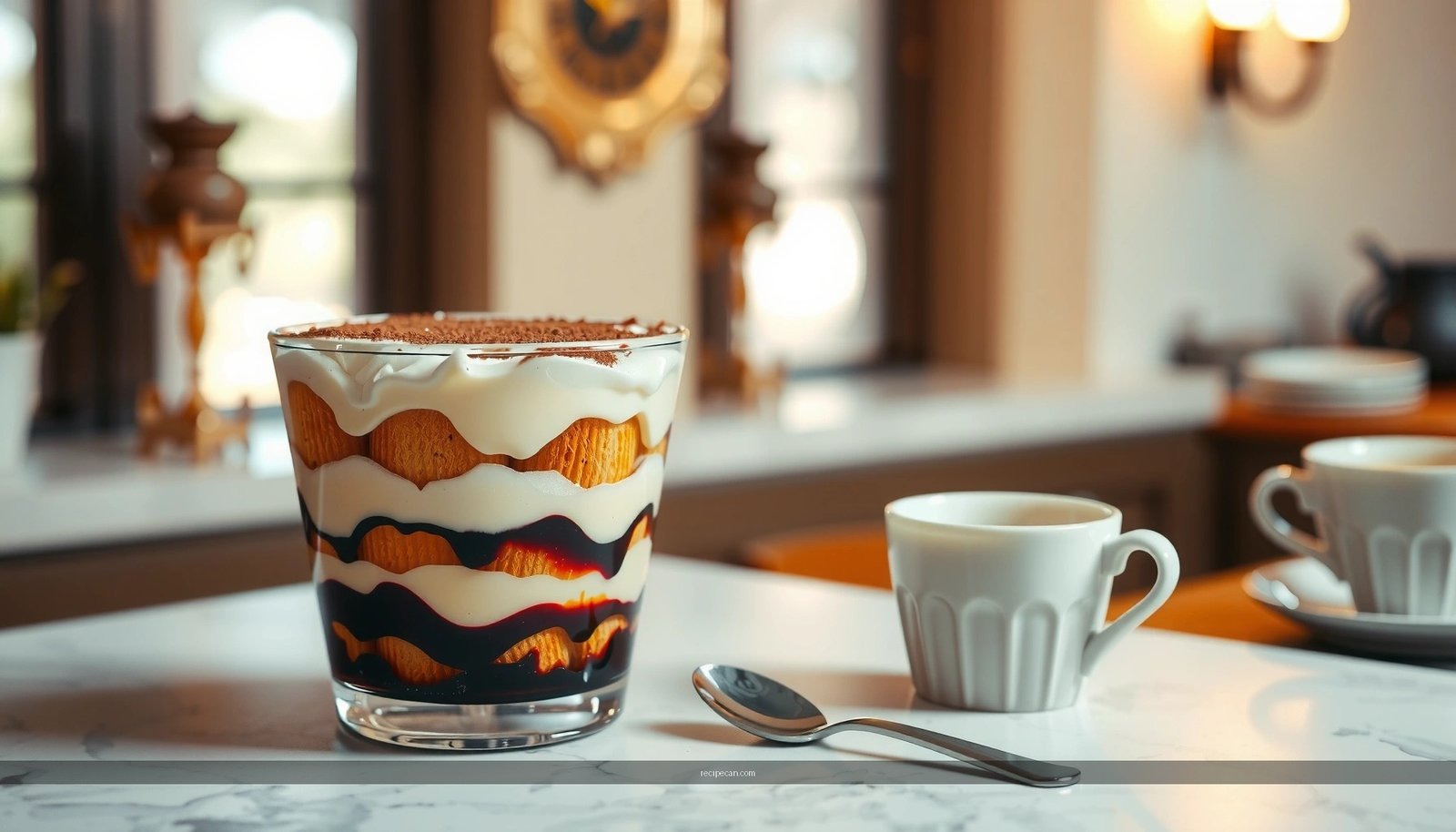
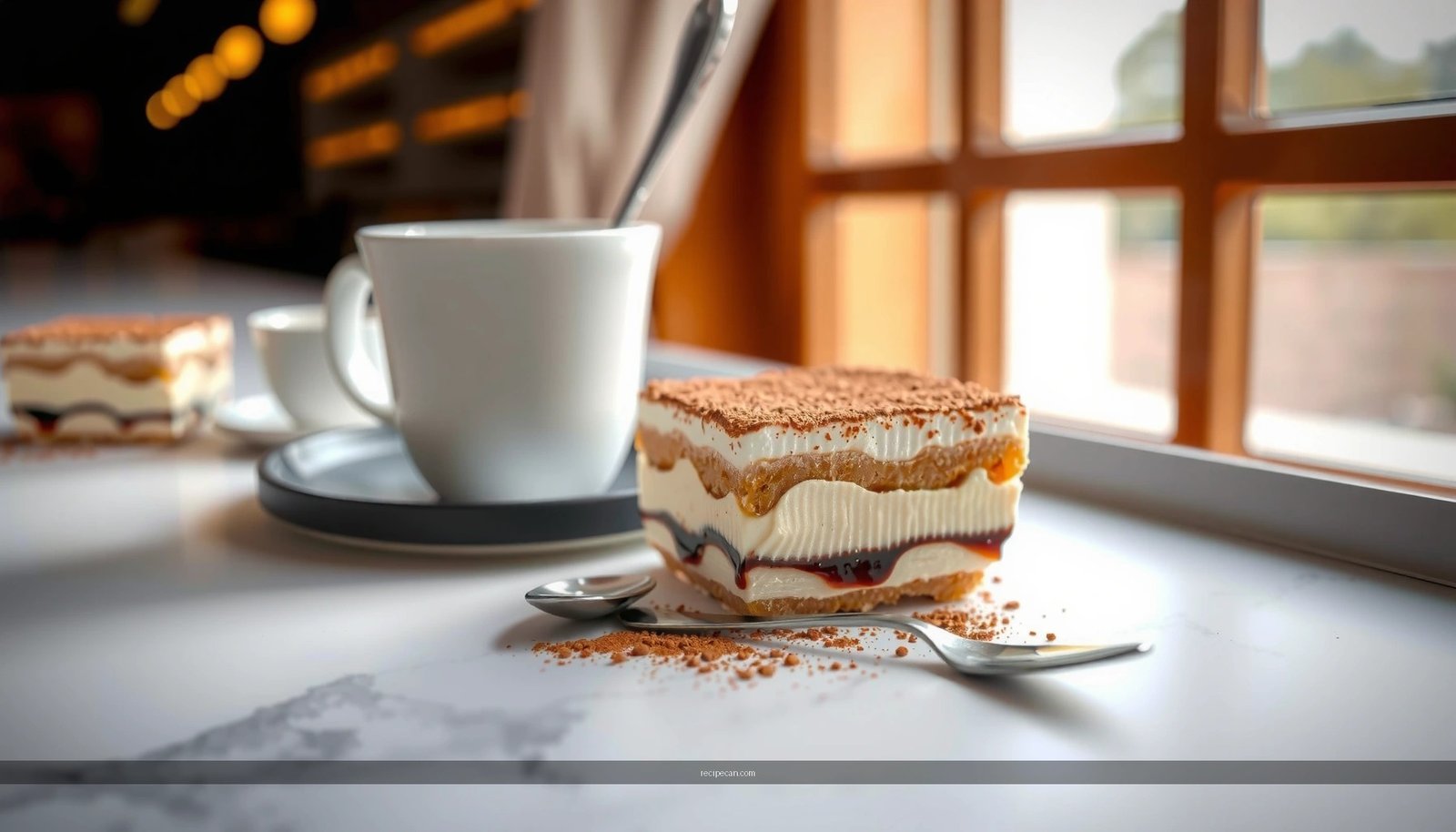
– Create a clean base layer by placing espresso-dipped ladyfingers in a single direction with tight spacing.
– Spread a uniform mascarpone layer to the edges.
– Repeat with a second layer (commonly two layers total in a standard dish; some recipes do three for extra height).
How to ensure even texture (and clean slices later):
– Use an offset spatula or the back of a spoon to spread cream with gentle pressure.
– Smooth the top layer evenly. This affects how cocoa settles and how the dessert presents.
Coffee-to-cream balance: If you want a more intense tiramisu flavor, increase espresso boldness—not dipping time. Dipping time is texture; espresso strength is flavor.
Operational tip: Assemble efficiently. If you wait too long after dipping ladyfingers, they continue absorbing liquid and can turn soft. The goal is quick placement so chilling finishes the job.
Chill and Finish with Cocoa
Chilling is the “final cook.” Even without heat, refrigeration allows the cream to firm and the coffee to hydrate the ladyfingers to the desired tenderness.
Chill timing (classic recommendation):
– Refrigerate for at least 4–6 hours
– Overnight is best for the cleanest slice and most integrated flavor
Why overnight works:
– The ladyfingers gradually equilibrate moisture.
– The cream fully sets and the layers stabilize.
– Cocoa aromas bloom as the dessert rests, enhancing the final sensory profile.
Cocoa finishing (do it at the right moment):
– Dust the top right before serving so cocoa stays dry and aromatic.
– Use a fine sieve and a generous hand. Even distribution prevents “cocoa islands” and ensures a consistent bitterness across bites.
Serving note: For best mouthfeel, let tiramisu sit at refrigerator temperature for about 10–15 minutes before cutting—not long enough to soften the structure, but enough to enhance cream flavor.
Common Mistakes to Avoid
Authentic tiramisu is deceptively simple—most failures come from predictable process errors. Avoid these, and you’ll get classic texture and flavor.
– Don’t over-dip ladyfingers: Quick dips prevent mushy layers and watery edges. If your ladyfingers look collapsed immediately after placement, reduce dip time.
– Avoid rushing the chill time: Under-chilled tiramisu often tastes sharp and slices smear. The dessert needs time to set.
– Don’t over-whip egg whites: Stiff peaks can make the cream rubbery or grain-prone after folding. Aim for soft peaks.
– Don’t skip gentle folding: Vigorous mixing deflates whipped whites and can make the mascarpone base dense.
– Don’t dust cocoa too early: Cocoa can absorb moisture and darken into the surface, losing the classic light cocoa finish.
Chilling is the key to authentic tiramisu, and getting the cream light while assembling with careful dipping will deliver the classic texture everyone loves. Follow these steps, assemble your layers, refrigerate until set, and dust with cocoa before serving—then enjoy (and share) your homemade tiramisu.
By sticking to the fundamentals—strong espresso, disciplined dipping, a properly aerated mascarpone cream, and an overnight chill—you’ll consistently produce tiramisu that’s recognizably authentic: clean layers, balanced coffee-and-cream flavor, and a signature cocoa top that looks as classic as it tastes.
Frequently Asked Questions
What is an authentic tiramisu recipe?
An authentic tiramisu recipe is traditionally made with espresso-soaked ladyfingers layered with a mascarpone and egg mixture, often sweetened with sugar. Classic tiramisu uses cocoa powder for the finishing layer, giving it the signature bittersweet flavor. Many traditional versions avoid overly creamy substitutions and focus on balancing rich mascarpone with coffee and cocoa.
How do you make authentic tiramisu without curdling the eggs?
To prevent curdling, temper the eggs by slowly whisking hot sugar syrup (or warm coffee/heat source) into the yolks while whisking constantly. Then gently fold the mascarpone into the yolk mixture and fold in whipped egg whites carefully to keep the texture light. Use room-temperature mascarpone and avoid high heat once the eggs are combined—this is key for a smooth, classic mascarpone filling.
Why does authentic tiramisu use espresso, and can you substitute coffee?
Authentic tiramisu relies on espresso because its strong, concentrated flavor balances the sweetness of mascarpone and the bitterness of cocoa. You can substitute with strong brewed coffee, but choose a bold, unsweetened option to keep the flavor authentic. For best results, cool the coffee to avoid making the ladyfingers too soft too quickly.
Which ladyfingers are best for authentic tiramisu?
For classic tiramisu, look for “savoiardi” style ladyfingers that are firm enough to soak without falling apart. Avoid very soft cookies that can dissolve immediately and turn the dessert watery. Dip each ladyfinger briefly in espresso—just until saturated at the surface—so the tiramisu maintains clean layers.
What’s the best way to assemble and chill tiramisu for authentic flavor and texture?
Assemble tiramisu in thin, even layers: mascarpone cream, espresso-dipped ladyfingers, then cream again, repeating as needed. Chill it at least 4–6 hours (or overnight) so the ladyfingers absorb the espresso and the flavors meld naturally. Dust the top generously with cocoa powder right before serving to keep it fresh and not dissolve into the cream.
References
- Tiramisu
https://en.wikipedia.org/wiki/Tiramisu - https://en.wikipedia.org/wiki/Tiramis%C3%B9
https://en.wikipedia.org/wiki/Tiramis%C3%B9 - Mascarpone
https://en.wikipedia.org/wiki/Mascarpone - Lady finger
https://en.wikipedia.org/wiki/Ladyfinger - Espresso
https://en.wikipedia.org/wiki/Espresso - Google Scholar Google Scholar
https://scholar.google.com/scholar?q=tiramisu+authentic+recipe+mascarpone+ladyfingers - Google Scholar Google Scholar
https://scholar.google.com/scholar?q=tiramisu+origin+history+recipe+coffee+mascarpone - Google Scholar Google Scholar
https://scholar.google.com/scholar?q=tiramis%C3%B9+recipe+ladyfingers+espresso+egg+mascarpone+survey - https://www.britannica.com/recipe/tiramisu
https://www.britannica.com/recipe/tiramisu - Google Scholar Google Scholar
https://scholar.google.com/scholar?q=tiramisu+authentic+recipe