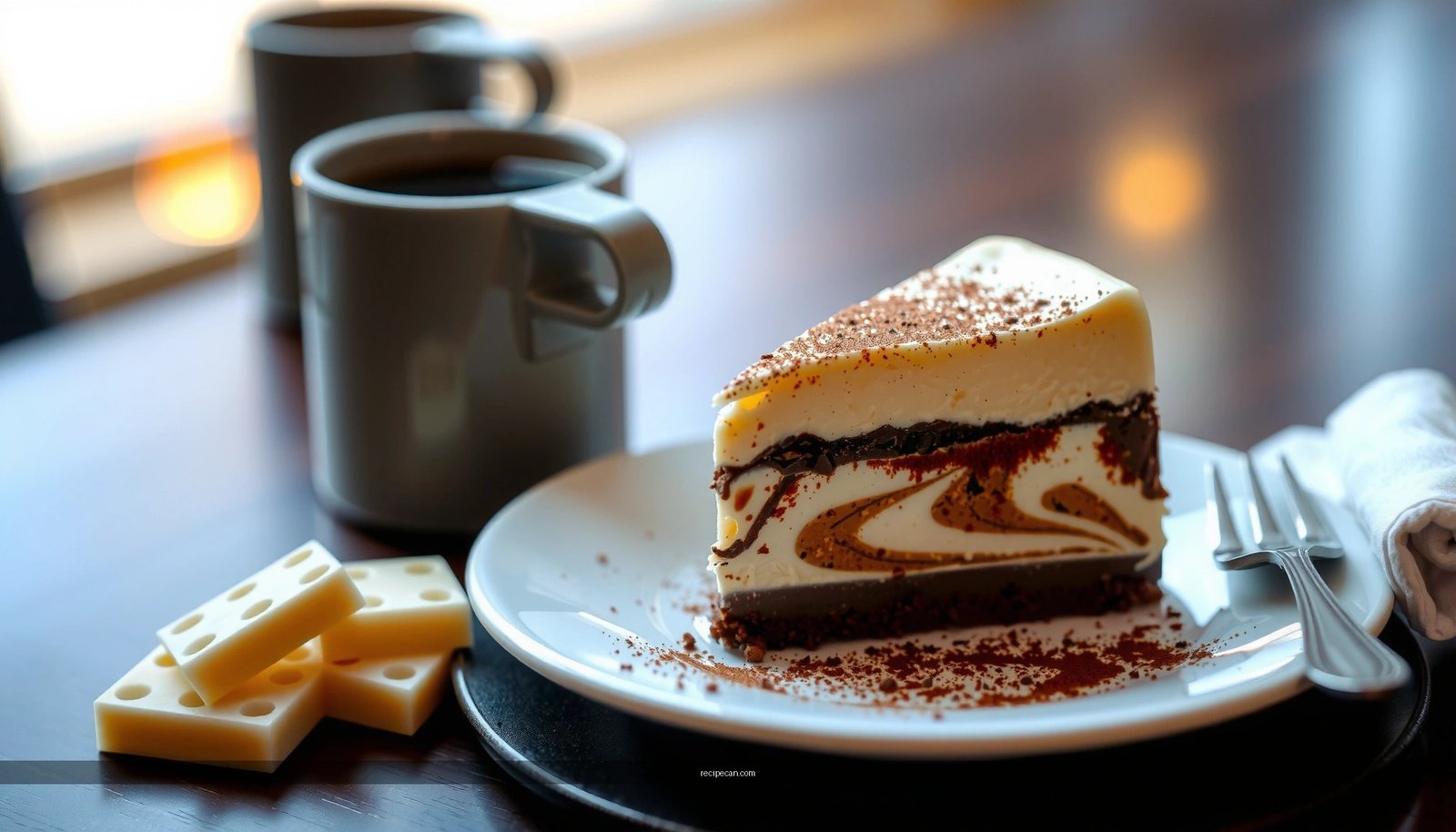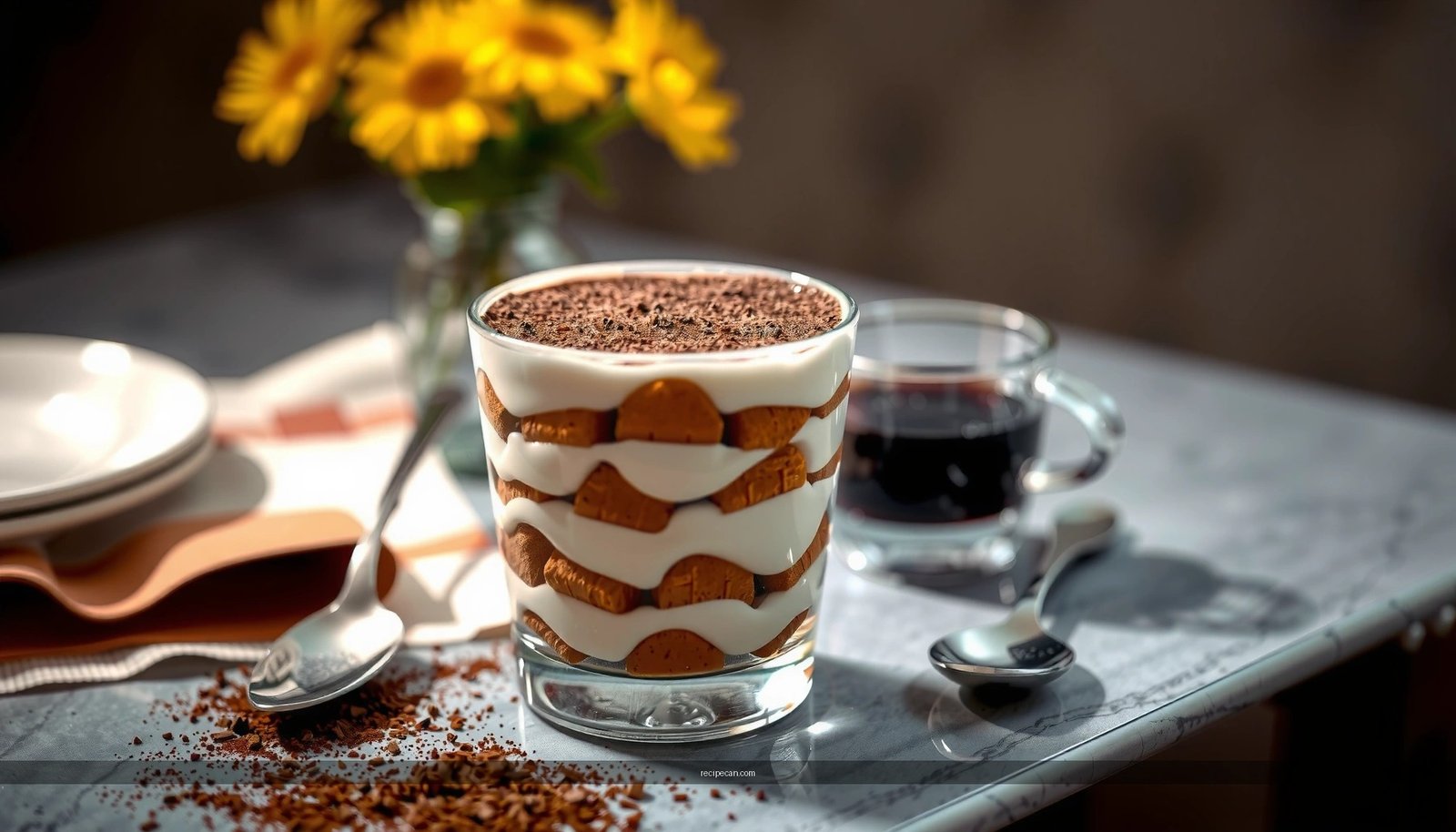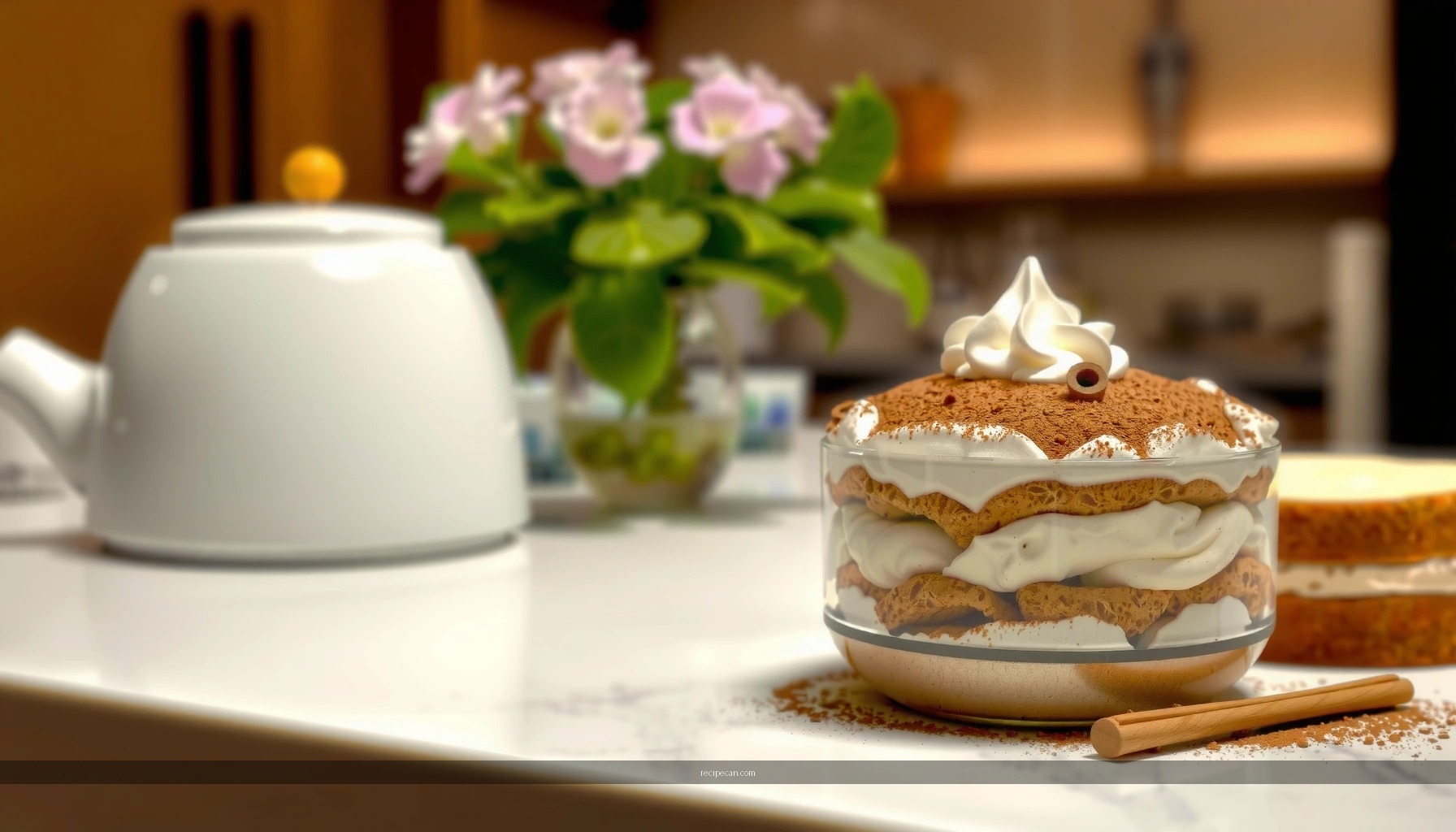
Searching for a tiramisu recipe no mascarpone? This easy alternative cream wins when you need that classic, creamy tiramisu texture without buying mascarpone—no complicated substitutions required. You’ll get a step-by-step method that delivers the same coffee-soaked layers and bold cocoa finish, even if you’re working with everyday pantry ingredients.
Skip the mascarpone and still make classic tiramisu—use a creamy substitute like whipped cream + cream cheese or Greek yogurt, and assemble carefully for the same set, sliceable texture. This mascarpone-free method keeps the flavor profile (espresso, vanilla warmth, cocoa bitterness) while giving you reliable structure when chilled.
In traditional tiramisu, mascarpone’s role is both functional and sensory: it’s mild, fatty, and helps the cream layer hold its shape after the sponge/ladyfingers soak in espresso. The good news is that you can replicate those outcomes without mascarpone. The key is selecting a substitute with enough fat and stability, whipping to build aeration, and controlling how long the ladyfingers absorb coffee. Below, you’ll get practical swap guidance, a dependable cream-layer method, and assembly steps that produce a clean slice after refrigeration.
Mascarpone-Free Substitute Options

If your goal is “no mascarpone tiramisu,” your substitution strategy should focus on two properties: fat + stability (for thickness) and mild tang (for balance against espresso). Mascarpone is not simply “cream”—it’s a cultured, rich dairy that blends smoothly. Here are the best alternatives and how to tune them.
– Choose a best-match substitute: cream cheese + whipped cream, or Greek yogurt
– Cream cheese + whipped cream (closest in mouthfeel): Cream cheese provides body and tang; whipped cream adds softness and air, improving spoonability and layering.
– Greek yogurt (lighter, tang-forward): Greek yogurt creates a thick, spoonable cream, but it can be more acidic and can set slightly softer than mascarpone-based versions unless you stabilize it well.
– Adjust sweetness and tang to mimic mascarpone’s mild flavor
– Mascarpone is mildly sweet with subtle tang. If your substitute tastes sharper (common with Greek yogurt), add a touch more sugar and consider a few drops of vanilla to round the edges.
– If the substitute tastes flat or overly rich, add a small amount of lemon juice (very small—about 1/4 to 1/2 tsp per 2 cups of cream base) or slightly increase espresso strength to reintroduce contrast.
For clarity, here’s a practical comparison of how each substitute behaves in a mascarpone-free tiramisu.
Mascarpone-Free Cream Substitutes for Tiramisu (Structural Fit)
| # | Cream Substitute | Best Texture Goal | Stability After 6h | Taste Balance | Outcome Rating |
|---|---|---|---|---|---|
| 1 | Cream cheese + heavy whipped cream | Silky, sliceable | High | Mild tang | ★★★★★ |
| 2 | Mascarpone-free “tiramisu cream” with cream cheese + milk | Light but still thick | Medium-High | Slightly richer | ★★★★☆ |
| 3 | Greek yogurt (thick) + sugar | Creamy spoon texture | Medium | Tang-forward | ★★★☆☆ |
| 4 | Greek yogurt (thick) + whipped cream | Creamy + stabilized | Medium-High | Balanced tang | ★★★★☆ |
| 5 | Skyr + sugar | Thick, tangy cream | Medium | High tang | ★★★☆☆ |
| 6 | Cottage cheese blend (well-drained) + whipped cream | Creamy, lighter richness | Medium-High | Mild tang | ★★★★☆ |
| 7 | Low-fat cream cheese + whipped topping (not recommended) | Budget convenience | Low-Medium | Too sweet/weak | ★☆☆☆☆ |
Ingredients You’ll Need (No Mascarpone)

A successful mascarpone-free tiramisu depends on ingredient consistency, especially your cream substitute and espresso. If you want a restaurant-like texture, don’t improvise on key flavor components—use quality coffee and balance sugar/vanilla.
– Gather coffee, ladyfingers, cocoa powder, and your chosen cream substitute
– Espresso or strong coffee: Use freshly brewed espresso if possible, or strong coffee with a bold, low-acidity profile.
– Ladyfingers: Choose dry, crisp ladyfingers that can absorb quickly without collapsing.
– Cocoa powder: Natural cocoa for classic bitterness, or Dutch-process cocoa if you prefer a smoother chocolate note.
– Cream substitute (pick one track):
– Track A: cream cheese + heavy cream
– Track B: thick Greek yogurt (optionally with a bit of whipped cream to boost stability)
– Have vanilla and sugar on hand to balance bitterness from espresso
– Vanilla adds aromatic warmth that mascarpone typically provides in a subtle way.
– Sugar isn’t just sweetness—it helps soften espresso’s bitterness so the dessert tastes balanced rather than sharp.
Recommended build (for an 8×8 in / 20×20 cm dish, ~8 servings):
– 2 cups (480 ml) cream base total (made from your substitute)
– 3/4 cup (150 g) sugar (adjust to taste; many people prefer 1/2–3/4 cup depending on espresso strength)
– 2 tsp vanilla extract
– 2 cups brewed espresso/strong coffee, cooled
– 24–28 ladyfingers
– 1/3–1/2 cup cocoa powder for dusting
Step-by-Step: Make the Cream Layer
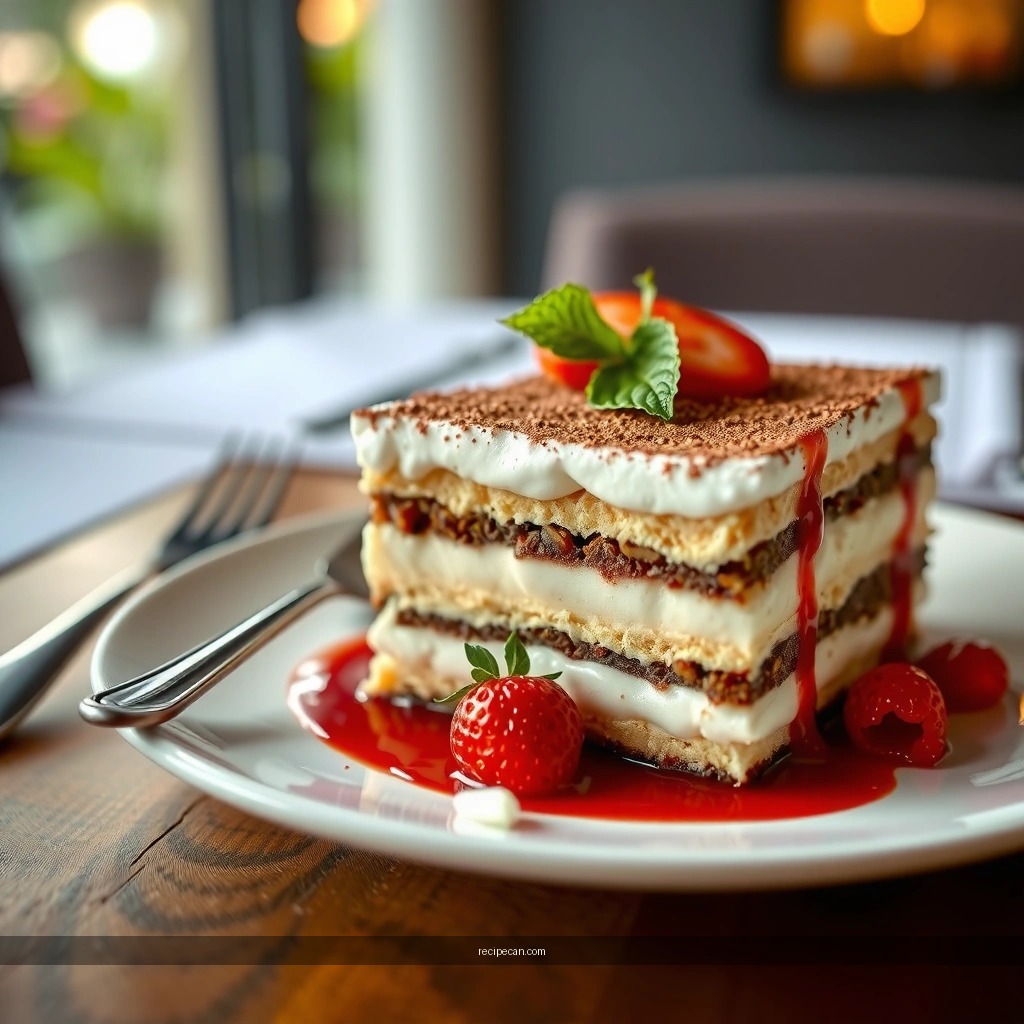
Your cream layer is the “engine” of tiramisu. Without mascarpone, you must whip and combine in a way that produces a smooth, stable emulsion. If you rush this step, your tiramisu can look fine initially and then loosen during chilling.
– Whip your substitute until smooth and airy
– Track A (cream cheese + whipped cream):
1. Beat room-temperature cream cheese until completely smooth (no lumps).
2. Whip heavy cream separately to soft peaks.
3. Fold whipped cream into the cream cheese gradually—don’t dump it all in at once.
4. Add sugar and vanilla either during whipping or at the smooth phase, depending on your preference for sweetness and volume.
– Track B (Greek yogurt):
1. Use thick Greek yogurt; if yours is watery, drain it in a sieve lined with paper towels for 30–60 minutes.
2. Whisk yogurt with sugar and vanilla until glossy.
3. If you want higher stability, fold in whipped cream or whip a small portion to lighten the mixture.
– Taste and tweak (sugar/vanilla) before assembling
– Espresso changes everything. If your coffee tastes intense or sharp, slightly increase sugar or add vanilla to keep the cream from sounding “sour.”
– The cream should taste a little sweeter than you’d normally prefer, because ladyfingers and espresso will temper that sweetness.
Practical checkpoint: After mixing, the cream should hold a spoon trail for several seconds. If it instantly runs back in, you likely need either more whipping (for Track A) or more stabilization (for Track B).
Assemble Your Tiramisu
Assembly is where many no-mascarpone attempts succeed or fail. The goal is controlled absorption: enough espresso to flavor the ladyfingers, not so much that they turn into soggy sediment.
– Dip ladyfingers quickly in espresso (don’t soak)
– Dip each side for 1–2 seconds, then remove.
– If your espresso is too hot, it can prematurely soften the ladyfingers. Cool it fully before dipping.
– Layer cream and ladyfingers, then finish with cocoa
1. Spread a thin layer of cream in the dish to prevent sliding.
2. Arrange a first layer of dipped ladyfingers.
3. Add a layer of cream (use an offset spatula for even thickness).
4. Repeat with a second ladyfinger layer and finish with cream.
5. Dust cocoa powder generously on top right before chilling (or within 15–30 minutes) to keep it from dissolving.
Texture tip for clean slices: Keep the cream layer slightly thicker than you think you need—especially with Greek yogurt bases, which can relax more during chilling.
Chill Time and Serving Tips
Chilling isn’t optional if you want “sliceable” tiramisu. In a mascarpone-free version, time directly impacts how well your substitute sets and how evenly the flavors meld.
– Refrigerate for at least 4–6 hours to set properly
– For best structure, chill overnight if possible.
– During this time, the ladyfingers finish hydrating while the cream base firms up, producing those classic tiramisu layers.
– Serve cold and slice cleanly after chilling
– Use a sharp knife and wipe it between cuts for the cleanest edges.
– Let it sit at refrigerator temperature for 5–10 minutes before serving to soften the cream slightly for a smoother bite.
Portioning note: If you serve too soon, the cream may not fully hold and the espresso can pool. If you chill too long and the top cocoa becomes dense, a brief rest at cool room temperature will help.
Common Mistakes (and How to Fix Them)
Mascarpone-free tiramisu is forgiving if you troubleshoot early. Most issues come from whipping, absorption, or chilling time—three variables you can control.
– Fix runny layers by whipping longer or chilling longer
– Runny cream (common with under-whipped bases):
– Whip Track A cream a bit more before folding.
– If already assembled, chill longer—often 6–8 hours corrects slightly loose texture.
– Runny cream (Greek yogurt too soft):
– Drain yogurt more next time.
– Add extra whipped cream to the base for stability.
– Avoid soggy ladyfingers by dipping briefly and draining excess coffee
– If the bottom turns watery, you likely over-dipped or coffee was too hot.
– Next batch: dip briefly, arrange promptly, and use coffee that’s cooled and consistent in strength.
Fast recovery approach (if you notice issues mid-assembly):
– If the cream is too thin: refrigerate the cream base for 15–20 minutes, then continue layering.
– If ladyfingers are too wet: use fewer ladyfingers per layer (thinner coverage) and increase cream thickness slightly.
Ultimately, this tiramisu recipe no mascarpone works beautifully when you use the right cream substitute and assemble carefully. Follow the layering and chill steps for the classic creamy, espresso-soaked result—then make it your own by trying one substitute option at a time. Give this version a try today and share your favorite substitute!
Even without mascarpone, you can produce a dessert that looks and tastes like traditional tiramisu—so long as you choose a stability-friendly cream (cream cheese + whipped cream is the most “mascarpone-like”), control espresso absorption by dipping briefly, and commit to proper chilling. Use the guidance above to build a smooth, airy cream layer, assemble with precision, and serve a clean, sliceable tiramisu that still delivers the signature coffee-cocoa flavor.
Frequently Asked Questions
What can I use instead of mascarpone in a tiramisu recipe?
You can replace mascarpone with full-fat cream cheese, Greek yogurt (strained for thickness), or homemade cashew cream for a mascarpone-free tiramisu. Full-fat cream cheese gives a similar rich texture, while strained Greek yogurt adds tang and still keeps the dessert creamy. For a dairy-free option, use thick coconut cream or blended cashews to mimic the body of mascarpone.
How do I make tiramisu no mascarpone without it turning watery?
Use a thicker substitute and control moisture from the coffee-soaking step. If using yogurt, strain it through cheesecloth for several hours; if using cream cheese, soften it first and whip until smooth to improve stability. Dip ladyfingers quickly in espresso so they absorb flavor without becoming soggy, then layer immediately.
Why does my tiramisu without mascarpone taste too tangy or too bland?
The tang level depends on your replacement—Greek yogurt or some cream-cheese brands can be sharper than mascarpone. Balance tang by adjusting sweetness (add more sugar or a touch of vanilla), and make sure your espresso is strong enough to provide the classic coffee flavor. Also, don’t overdo the soaking liquid; concentrated coffee will taste more balanced in a mascarpone-free tiramisu.
What is the best mascarpone-free tiramisu method for achieving a thick, creamy layer?
Whip your chosen base (cream cheese, yogurt, or cashew cream) with sugar until smooth, then fold gently with whipped cream if desired for extra lift. Let the assembled tiramisu chill for at least 4–6 hours so the layers set and the flavors meld. For best texture, use fresh espresso or strong cold-brew coffee and assemble in even layers.
Which non-mascarpone ingredient works best for a classic-tasting tiramisu?
For the closest classic result, full-fat cream cheese is usually the best mascarpone substitute because it delivers a similar mild, creamy profile. If you want a lighter version, strained Greek yogurt works well, but you may need slight sweetness adjustments. If you’re avoiding dairy, thick coconut cream or cashew cream can be best, though they may taste slightly different—pair with vanilla and strong espresso to keep the tiramisu flavor authentic.
References
- Google Scholar Google Scholar
https://scholar.google.com/scholar?q=tiramisu+recipe+without+mascarpone - Google Scholar Google Scholar
https://scholar.google.com/scholar?q=tiramisu+mascarpone+substitute+cream+cheese+recipe - Google Scholar Google Scholar
https://scholar.google.com/scholar?q=tiramisu+history+mascarpone+origin - Tiramisu
https://en.wikipedia.org/wiki/Tiramisu - Tiramisu | Meaning, Ingredients, Origin, Desserts, & Taste | Britannica
https://www.britannica.com/topic/tiramisu - https://pubmed.ncbi.nlm.nih.gov/?term=tiramisu
https://pubmed.ncbi.nlm.nih.gov/?term=tiramisu - tiramisu – Search Results – PMC
https://www.ncbi.nlm.nih.gov/pmc/?term=tiramisu - https://www.sciencedirect.com/search?qs=tiramisu+mascarpone
https://www.sciencedirect.com/search?qs=tiramisu+mascarpone - https://www.nytimes.com/search?query=tiramisu%20without%20mascarpone
https://www.nytimes.com/search?query=tiramisu%20without%20mascarpone - Good Food
https://www.bbcgoodfood.com/search?q=tiramisu%20without%20mascarpone