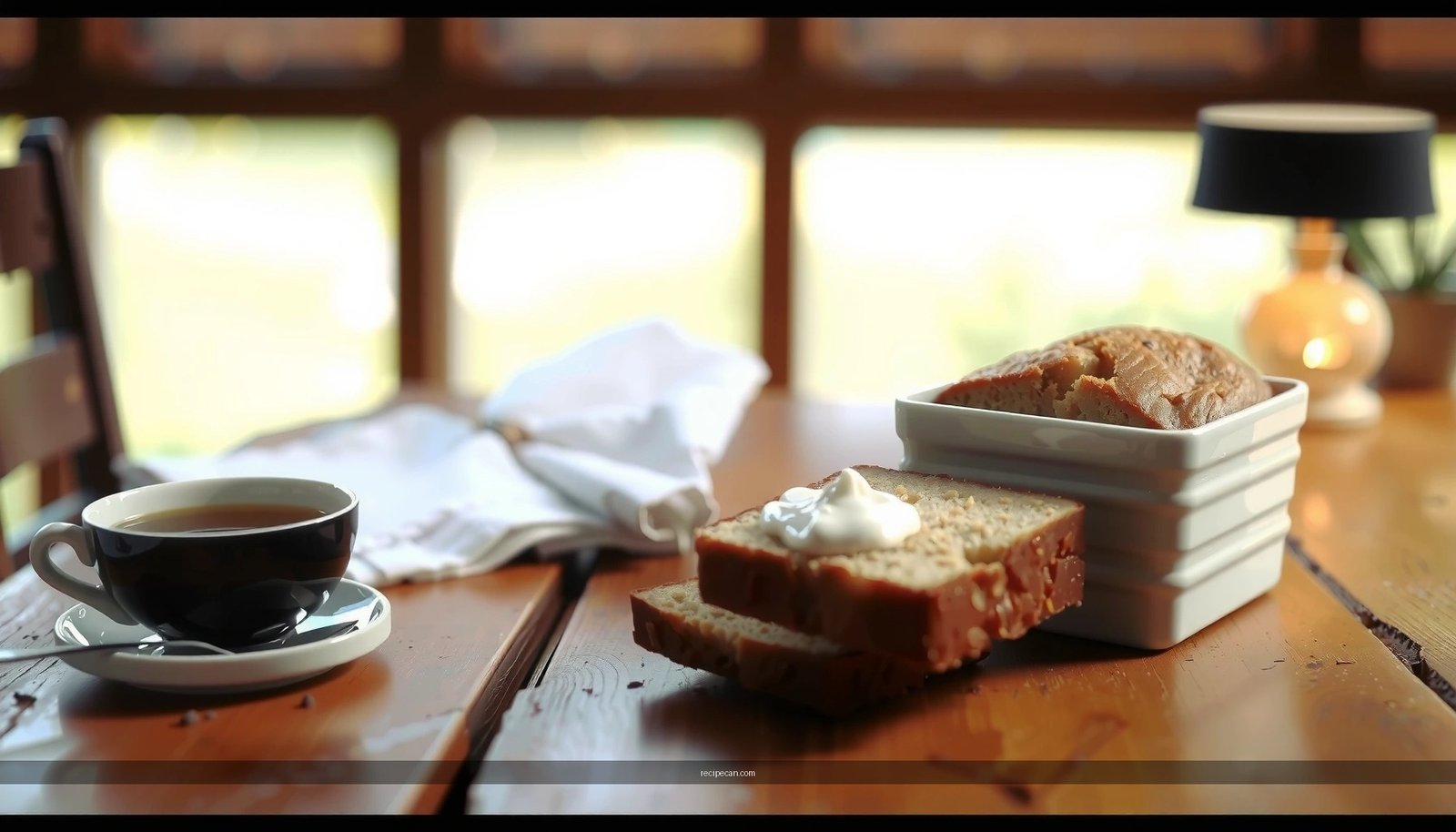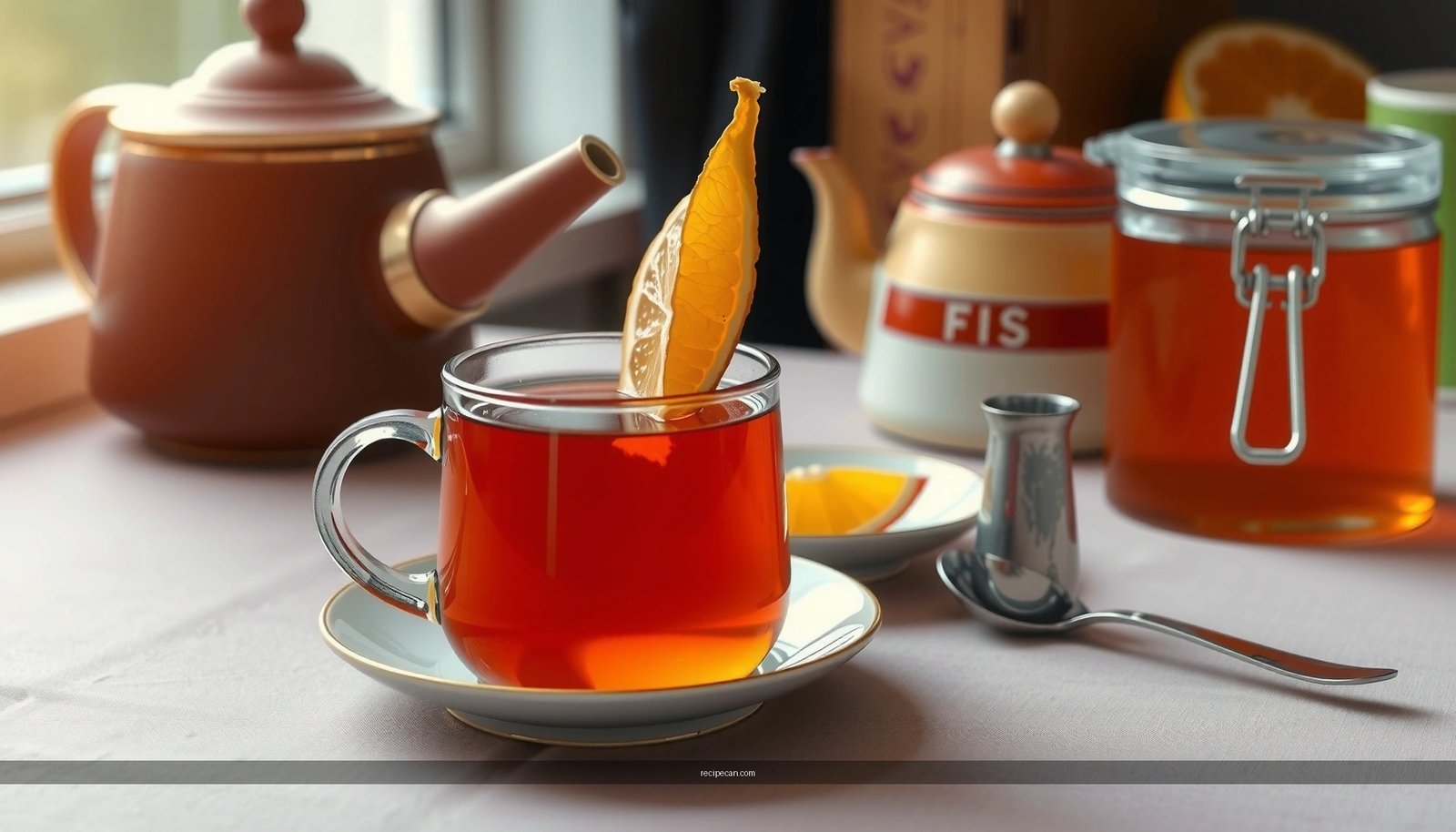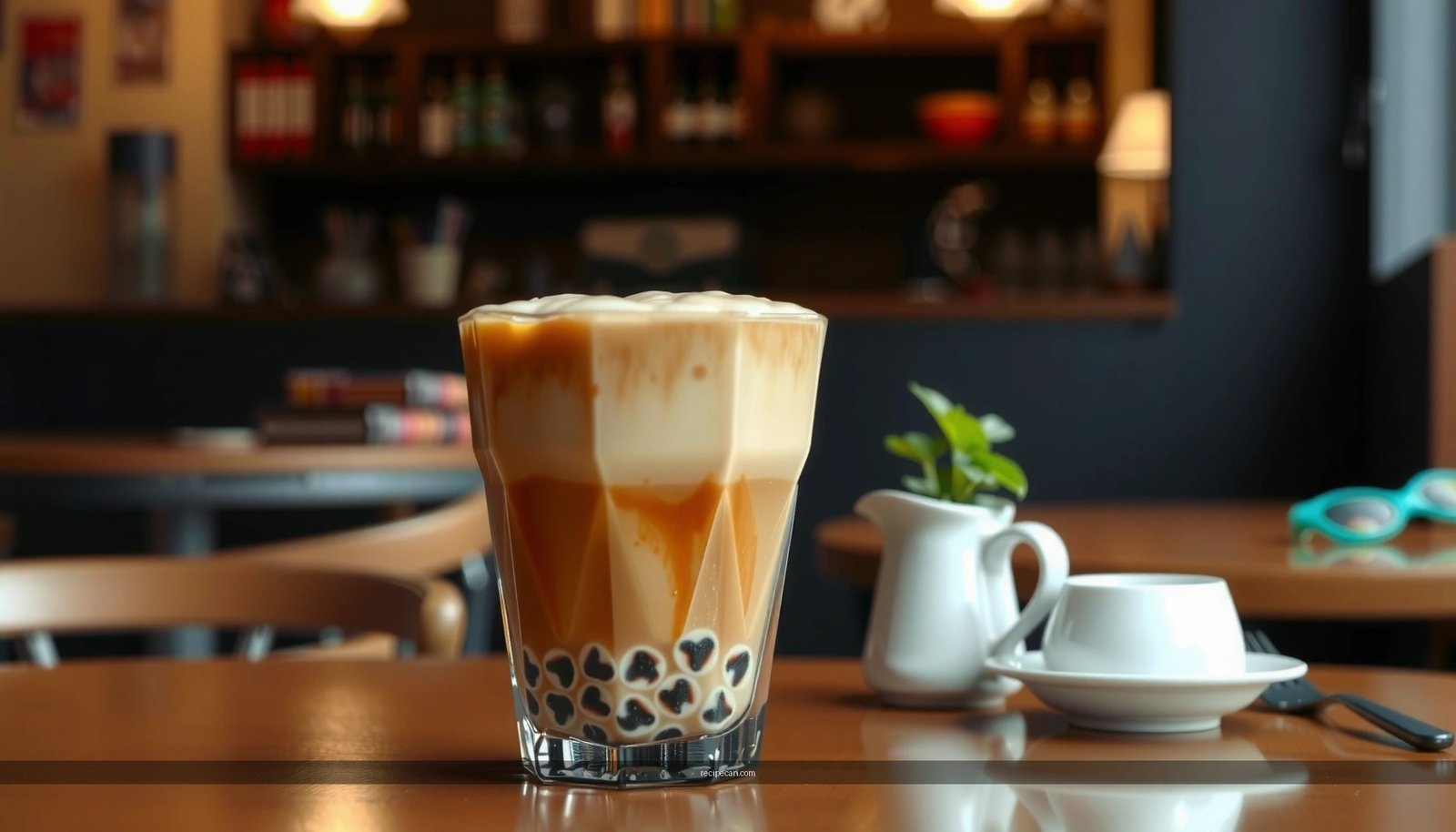
Looking for a black milk tea recipe that delivers a creamy, sweet cup without guesswork? This step-by-step guide gives you the winning method for brewing the black tea, whipping up the milk mixture, and sweetening it so it tastes right the first time. If you want the easiest route to classic black milk tea—smooth, balanced, and ready fast—this is the playbook.
This black milk tea recipe gives you a smooth, creamy cup every time by steeping bold black tea, then balancing it with milk and sweetener. Follow the step-by-step ratios below to nail rich flavor, the right strength (no bitterness), and a texture that’s glossy rather than watery—even if you’re making it at home for the first time.
Choose Your Black Tea
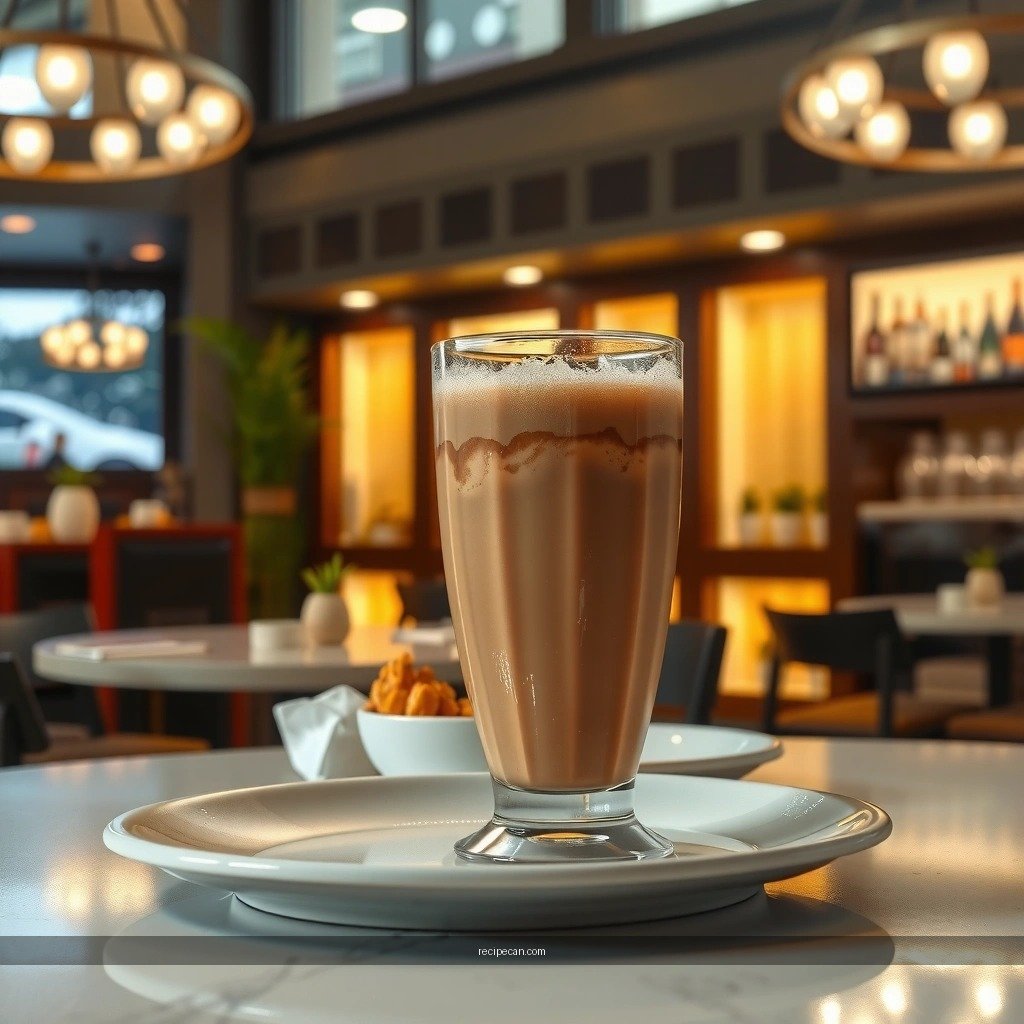
Great black milk tea starts with tea quality and the right style. For a classic, creamy result, look for black teas with enough body to stand up to milk and sugar—thin teas get washed out.
Best everyday options
– Assam (bold, malty): Builds the “milk tea” foundation well because it has strong flavor and naturally supports caramel-like sweetness.
– Ceylon (brisk, clean): Creates a slightly brighter cup that still feels full-bodied once milk is added.
– Keemun (often fruity/floral): Adds a refined aroma; works well if you like your milk tea less “dark” and more aromatic.
– Yunnan or Kenya (earthy/bright): Can be excellent for depth, especially if you prefer a tea-forward profile.
Steep discipline matters
– Too hot + too long often causes astringency (the drying, “bitter” finish).
– Aim for near-boiling water (about 90–96°C / 194–205°F). If you don’t have a thermometer, let water boil, then wait 30–60 seconds before pouring.
Black Tea Choices for Creamy Milk Tea (Practical Home Brew Guide)
| # | Black Tea Style | Typical Flavor Profile | Home Steep (Temp/Time) | Milk Compatibility Rating |
|---|---|---|---|---|
| 1 | Assam | Malty, bold, chocolate-caramel notes | 96°C / 3–4 min | ★★★★★ 5/5 |
| 2 | Ceylon | Brisk, slightly citrusy, clean finish | 92–95°C / 3–5 min | ★★★★☆ 4/5 |
| 3 | Keemun | Fruity/woody, smooth tannins | 90–94°C / 3–4 min | ★★★★☆ 4/5 |
| 4 | Yunnan (China) | Earthy, warm depth, mellow body | 95–96°C / 4–5 min | ★★★★☆ 4/5 |
| 5 | Kenya | Bright lift, strong malty structure | 95–96°C / 3–4 min | ★★★★☆ 4/5 |
| 6 | Assam blend (with Ceylon) | Balanced body + brightness for milk | 94–96°C / 3–4 min | ★★★★★ 5/5 |
| 7 | Light, delicate black teas | Subtle aromas; may fade in milk | 90–92°C / 2–3 min | ★★★☆☆ 3/5 |
Brew the Tea Base
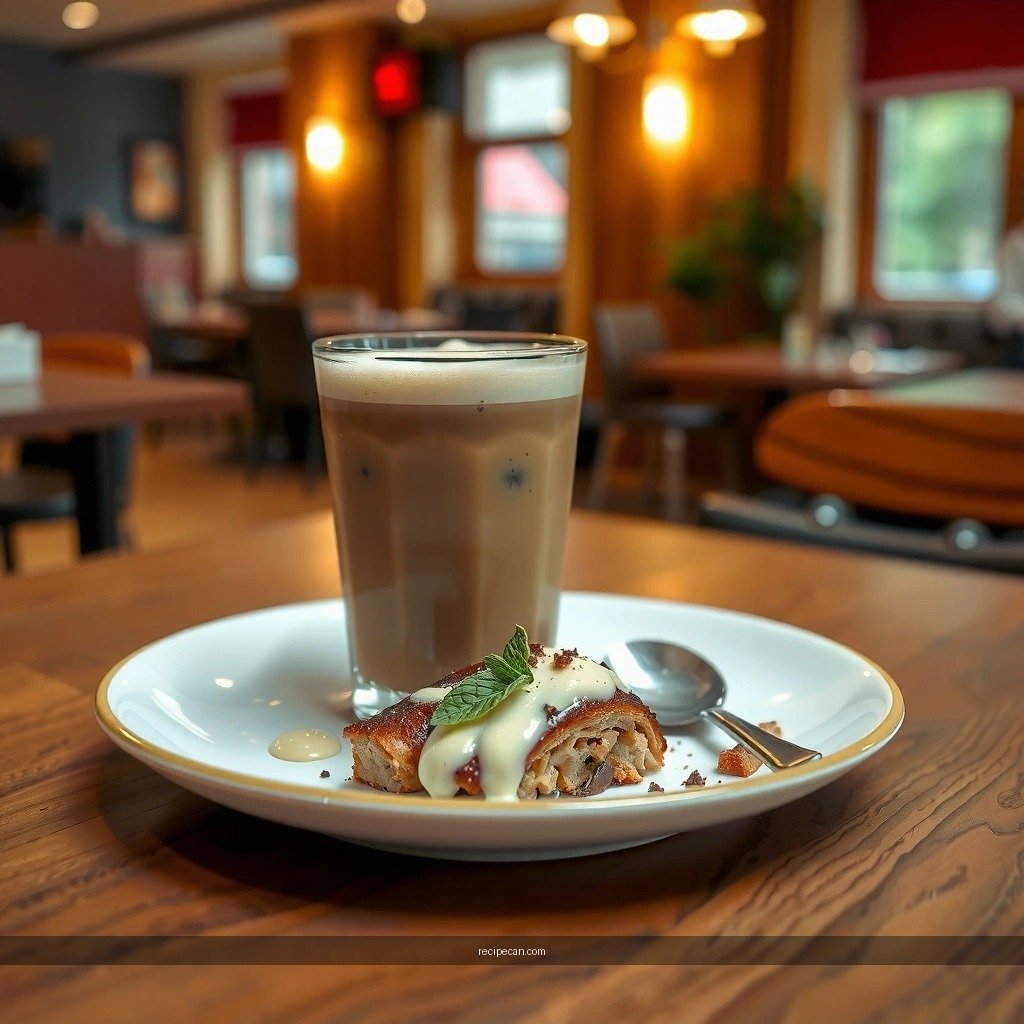
The tea base is where black milk tea succeeds or fails. Your goal is strong, aromatic tea that can handle milk and sweetness without tasting thin or chalky.
Use a reliable ratio
A practical starting point (for 1 serving, ~12 oz / 350 ml):
– Tea: 2–3 grams (about 1 tablespoon loose tea, depending on leaf size)
– Water: 250–300 ml
– Method: Brew tea hot, then adjust final volume when you add milk and ice.
Step-by-step brew
1. Heat water to 90–96°C / 194–205°F.
2. Add measured black tea to a kettle infuser, filter, or tea bag.
3. Steep for 3–5 minutes, depending on your tea:
– Assam/Kenya/Yunnan blends: often 3–4 min
– Ceylon/Keemun: often 3–5 min
4. Strain well if you brewed loose leaf. Leaving leaf residue increases harshness.
Quality control for consistency
– If your tea tastes bitter, shorten steep time or slightly lower temperature.
– If it tastes weak, increase leaf amount or steep 30–60 seconds longer—avoid extreme time jumps.
Sweeten to Your Taste

Sweetness should complement tea, not mask it. When you sweeten while the tea is warm, sugar dissolves smoothly and blends into the cup more evenly.
Common sweeteners for black milk tea
– Granulated sugar: clean and straightforward.
– Brown sugar or demerara: adds caramel-like depth.
– Syrups (simple syrup, honey syrup): easier to dose and often more consistent for batches.
How much to add
Start with:
– 1–2 teaspoons sugar per 300 ml of brewed tea, then adjust.
Remember: milk adds its own mild sweetness, and ice can dilute if you’re not using enough tea base.
Pro technique
– Taste the tea base before adding milk. If it’s slightly stronger and more intense than you want at the end, that’s normal—milk will round it out.
Add Milk for Creaminess
Milk gives black milk tea its signature softness and body. The trick is adding milk gradually so the flavor stays balanced instead of muted.
Best milk choices
– Dairy milk (whole milk): most classic texture and mouthfeel.
– Evaporated milk or condensed milk: makes it richer, though it increases sweetness—adjust accordingly.
– Milk alternatives: oat milk and soy milk work particularly well because they have better fat/protein structure than many nut milks.
How to add
1. Warm milk slightly if you prefer a creamier blend (optional).
2. Add milk to the sweetened tea in small pours, stirring continuously.
3. Aim for a final balance like:
– Tea base: ~60–70%
– Milk: ~30–40%
Adjust based on whether your tea is bold (more tea) or delicate (more milk to smooth).
Texture note
If your milk tea tastes “watery,” the likely issue is either:
– your tea base was too dilute, or
– you added too much ice without compensating for it with stronger concentrate.
Make It Bubble-Tea Style (Optional)
If you want boba, you’re building a different texture experience: the tea should flow around pearls without turning them mushy or chewy in the wrong way.
Tapioca pearls basics
– Cook pearls according to the package instructions (timing varies by brand).
– After cooking, keep them warm and “syrup-coated” if possible.
– Typical outcome targets: tender chew with a soft center.
Assemble for best texture
1. Add cooked pearls to your glass.
2. Fill with ice (if making iced).
3. Pour freshly brewed black tea over pearls.
4. Serve immediately for the most appealing chew and aroma.
Avoid soggy pearls
– Don’t soak pearls in tea for long periods. If you’re serving later, keep pearls slightly separated and assemble right before consumption (especially for events or batch workflows).
Serve and Store Tips
Black milk tea is at its best when served at the right moment—steam, aroma, and texture are all time-sensitive.
For hot black milk tea
– Brew, sweeten, and add milk right away.
– Serve immediately to preserve aroma and avoid flavor flattening.
For iced black milk tea
– Chill the tea base first, then add ice and cold milk (or pour tea over ice if you’re confident it won’t dilute too much).
– If you’re using pearls, assemble and serve right after pouring.
Storage guidance
– Tea base + sweetener: can be refrigerated in a sealed container for up to 2–3 days.
– Milk: best added close to serving time to maintain texture.
– Boba/pearls: if stored, store separately in a small amount of syrup or cooking liquid and re-warm or re-steam as directed by your package.
Simple troubleshooting
– Too bitter: reduce steep time by 30–60 seconds or lower water temperature by a few degrees.
– Too weak: increase leaf amount or steep slightly longer.
– Not creamy enough: increase milk ratio slightly or use a higher-fat milk (or oat/soy with a fuller texture).
This black milk tea recipe is all about steeping strong tea, balancing sweetness, and stirring in milk for a creamy finish. Try it once as-is, then tweak steep time, sugar level, and milk type to match your taste—make your next cup today.
Frequently Asked Questions
What is a classic black milk tea recipe at home?
A classic black milk tea recipe uses brewed black tea (like Assam or Ceylon), milk, and a sweetener such as brown sugar or honey. Start by steeping black tea in hot water for 3–5 minutes, then strain and stir in your sweetener until dissolved. Add milk to taste, and serve hot or pour over ice for a refreshing iced black milk tea.
How do you make black milk tea with the perfect strong flavor?
For a strong flavor, use enough tea leaves and steep time—typically 2–3 teaspoons of black tea per 1 cup of water for 4 minutes. Avoid boiling the tea once it’s steeped; instead, keep the water hot and steady. If it tastes weak, increase steep time slightly or reduce the amount of water while keeping the tea-to-water ratio consistent.
Why does black milk tea sometimes taste bitter, and how can you fix it?
Bitterness usually comes from over-steeping or using water that’s too hot for delicate tea. Try shortening the steeping time by 30–60 seconds, and consider lowering the water temperature slightly (around 85–95°C / 185–203°F). You can also balance bitterness by adding a little more milk or slightly increasing your sweetener in the black milk tea recipe.
What is the best sweetener for black milk tea—brown sugar, honey, or condensed milk?
Brown sugar is a popular choice because it adds a caramel-like depth that pairs well with Assam-style black tea. Honey works well for a lighter floral sweetness, while sweetened condensed milk creates a creamier, dessert-like black milk tea. If you want the most traditional boba-shop style, brown sugar syrup or a brown sugar base is usually the closest match.
Which black tea type works best for black milk tea at home?
Assam is often considered the best for classic black milk tea because it’s bold, malty, and holds up well against milk. Ceylon tea is another excellent option if you prefer a slightly brighter, more citrusy taste. If you want more versatility, try mixing Assam and Ceylon to balance strength and flavor while keeping your black milk tea recipe consistent.
References
- Milk tea
https://en.wikipedia.org/wiki/Milk_tea - Bubble tea
https://en.wikipedia.org/wiki/Bubble_tea - Black tea
https://en.wikipedia.org/wiki/Black_tea - Tea
https://en.wikipedia.org/wiki/Tea_preparation - Google Scholar Google Scholar
https://scholar.google.com/scholar?q=black+milk+tea+recipe - Google Scholar Google Scholar
https://scholar.google.com/scholar?q=bubble+tea+recipe+black+tea+milk+brewing - Google Scholar Google Scholar
https://scholar.google.com/scholar?q=effects+of+milk+on+black+tea+polyphenols+infusion - https://pubmed.ncbi.nlm.nih.gov/?term=black+tea+milk+polyphenols+antioxidants
https://pubmed.ncbi.nlm.nih.gov/?term=black+tea+milk+polyphenols+antioxidants - https://pubmed.ncbi.nlm.nih.gov/?term=tea+infusion+temperature+time+extraction+study
https://pubmed.ncbi.nlm.nih.gov/?term=tea+infusion+temperature+time+extraction+study - https://www.britannica.com/topic/tea
https://www.britannica.com/topic/tea