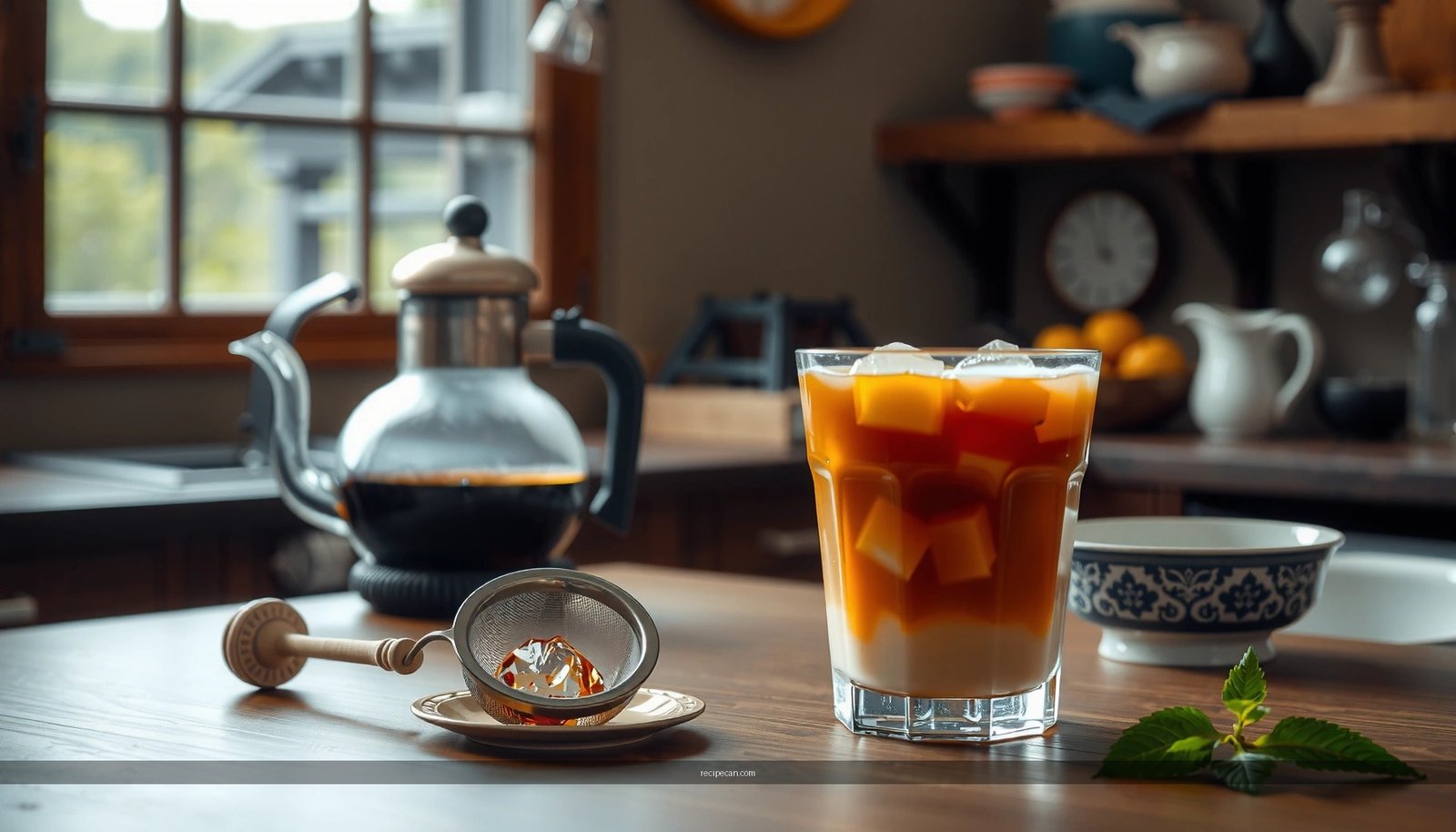
Looking for an authentic Thai tea recipe you can make at home? This guide delivers the real deal—smoky black tea, sweetened condensed milk, and the signature orange color—so you’ll get the classic flavor and color in your first batch. Follow the step-by-step method to match the cafe-style taste, whether you’re serving it hot or iced.
You can make authentic Thai tea at home by brewing a very strong black tea with Thai tea spices/mix, then sweetening it while hot with the right milk (evaporated milk, and optionally condensed milk), and finishing by chilling and serving over plenty of ice. Follow the steps below to nail the signature aroma, deep orange color, and creamy-sweet flavor profile that make Thai tea instantly recognizable.
What You Need for Authentic Thai Tea
– Use strong black tea and authentic Thai tea mix/spices for the signature flavor
– Plan for sweetened condensed milk or sugar and evaporated milk for creaminess
– Have ice ready and optionally prepare toppings like whipped cream
Authentic Thai tea is built on three pillars: tea strength, Thai tea seasoning, and milk/sweetness balance. When people say “Thai tea tastes wrong,” it’s usually one (or more) of these factors:
1) the tea isn’t brewed bold enough to stand up to dairy and sugar,
2) the wrong spice blend was used (or the tea mix wasn’t steeped long enough), and
3) the sweetness/creaminess ratio is off—either flat (too little dairy) or cloying (too much sugar without balancing tea bitterness).
Key ingredients (and why they matter)
– Black tea (strong base): Look for types commonly used in Thai tea, such as Assam or Ceylon. These naturally produce malty, robust flavor that resists being “washed out” by milk.
– Thai tea mix/spices: Many stores sell “Thai tea mix” that includes ingredients like star anise/cassia (often), and sometimes color components. Using this mix during steeping is the fastest route to authenticity.
– Evaporated milk: This gives Thai tea its characteristic creamy body without tasting heavy.
– Condensed milk (for a richer, rounder sweetness), or
– Sugar (paired with evaporated milk for a lighter sweetness), or
– a combo depending on your preference.
– Ice: Thai tea should be served cold and diluted just enough to feel refreshing without losing color or flavor.
Equipment checklist
– Saucepan or kettle for boiling water
– Teapot, heat-safe container, or pitcher for steeping
– Fine strainer (and optionally a mesh tea bag filter)
– Whisk or spoon for mixing
– Bottled or chilled serving carafe, plus a glass filled with ice
Thai Tea Brewing Targets (1 Pitcher / ~4 Servings)
| # | Brewing Parameter | Target | Why It Matters | Impact Rating |
|---|---|---|---|---|
| 1 | Black tea amount | 10 g | Ensures “stand-up-to-milk” strength | High |
| 2 | Thai tea mix/spice amount | 6 g | Delivers signature spice notes & hue | High |
| 3 | Water volume | 1,000 ml | Sets base concentration for creamy consistency | Medium |
| 4 | Water temperature | 95–100°C | Extracts tea body + spice aromatics effectively | High |
| 5 | Steep time (strong) | 15 minutes | Builds bold flavor for iced, dairy-heavy drink | High |
| 6 | Sweetener approach | Sugar 60 g* | Balances bitterness without masking tea | Medium |
| 7 | Evaporated milk | 200 ml | Creates creamy body and authentic “Thai tea” mouthfeel | High |
*If using condensed milk, use it in place of sugar and reduce slightly (start with ~100 ml condensed milk, then adjust).
How to Brew the Tea for Maximum Flavor
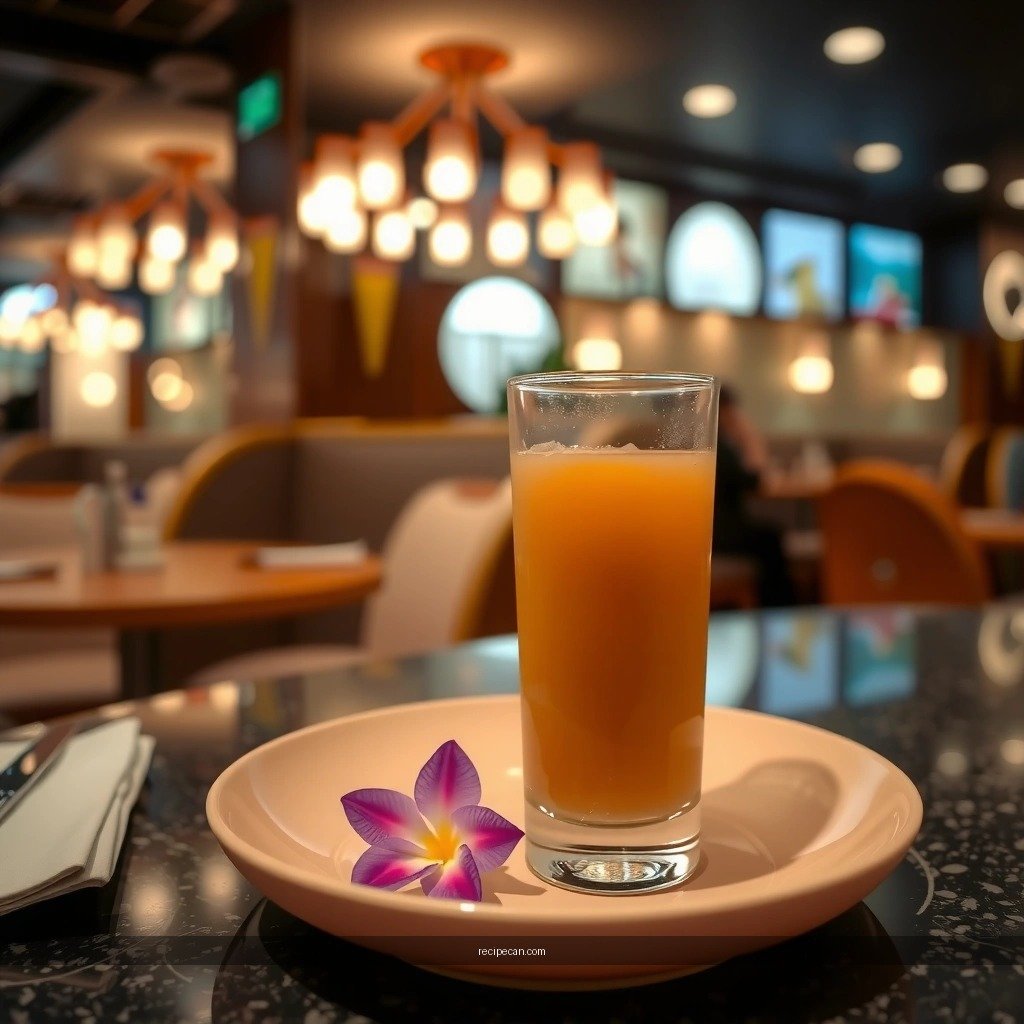
– Steep black tea and Thai tea mix in hot water until bold and fragrant
– Strain well for a smooth drink with no spice grit
– Add color-rich elements (like Thai tea mix) during steeping for the classic hue
To get authentic Thai tea, treat steeping like a concentration process, not a delicate tea ceremony. The final drink is iced and dairy-sweetened, so your base must be strong enough to taste “complete” after chilling and dilution from ice.
Step-by-step brewing method (the “bold base” approach)
1. Heat water to near-boiling (95–100°C). If your stove runs cooler, wait until the water reaches a strong simmer.
2. In a heat-safe pitcher or saucepan, combine:
– Black tea leaves (or tea bags, but leaves give more consistent extraction)
– Thai tea mix/spices
3. Steep for 15 minutes with the mixture fully immersed.
– Keep it hot and avoid long “lukewarm sits.” Flavor extraction happens best when the water stays hot.
4. Strain thoroughly.
– Use a fine mesh strainer.
– If you want extra smoothness (and you’ve used a coarser Thai tea blend), strain again through a finer filter or cheesecloth.
Getting the classic orange color (without guessing)
The orange color in Thai tea typically comes from the Thai tea mix itself (many blends include color compounds) plus the depth of extraction from the spices and tea base. That means:
– If you only brew black tea and add spices later, you may miss the hue.
– If you steep too briefly, extraction may be insufficient for both color depth and spice aromatics.
Practical extraction notes
– Avoid over-diluting the base. If you use too much water, you’ll need more sugar/dairy to “feel right,” which can push the drink into sweetness-first territory.
– Don’t under-strain. Spice particles can create a gritty texture and uneven sweetness when you stir.
Sweeten and Add Creamy Milk
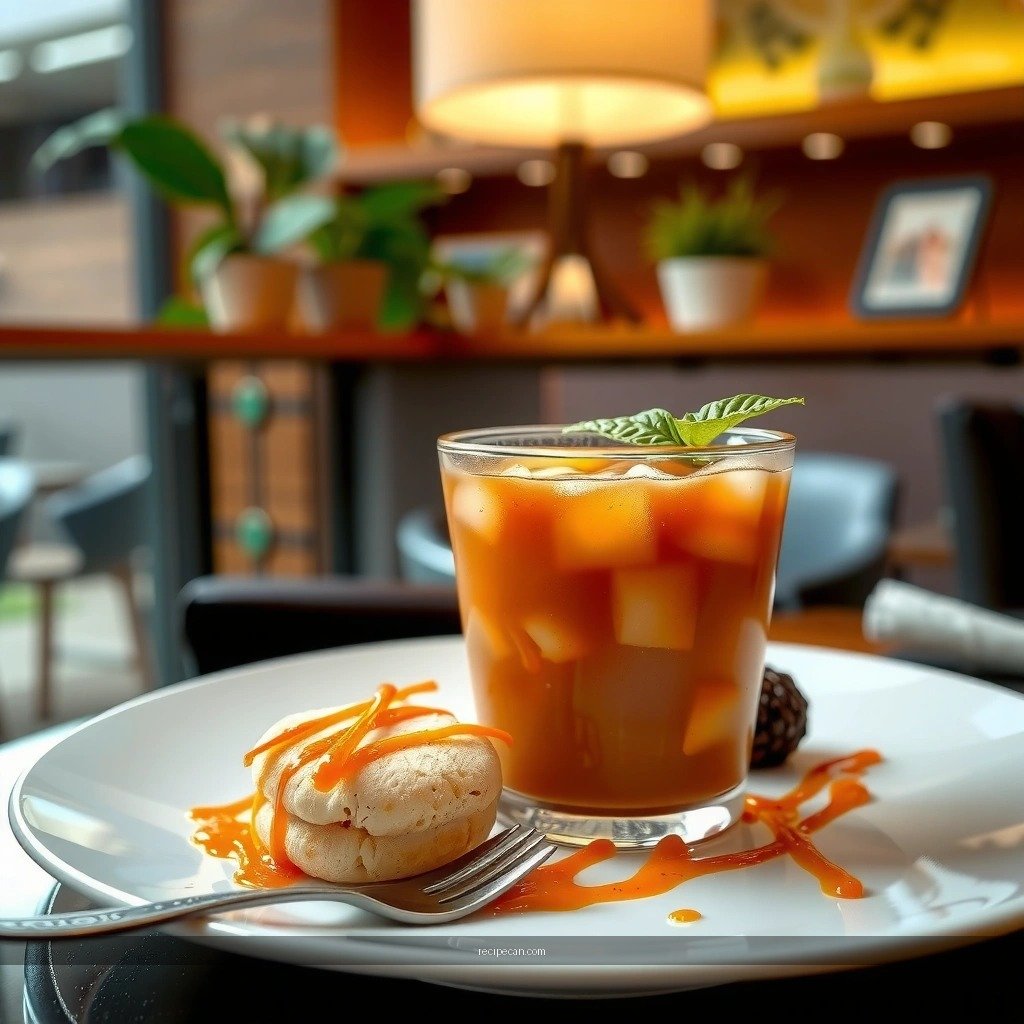
– Sweeten while the tea is still warm so it dissolves properly
– Stir in evaporated milk (and condensed milk if desired) to balance bitterness
– Adjust sweetness to taste for a true “authentic” level
This is where many homemade Thai teas drift away from authenticity. The goal is harmonized bitterness + spice + creamy sweetness, not just “make it sweet.”
Best timing for sweetness
Sweeteners dissolve much more reliably in warm liquid. Once your tea is brewed and strained:
1. While the tea is still warm, stir in your sugar (or condensed milk).
2. Taste carefully—warm tea tastes slightly sharper than chilled tea, so you’ll likely need minor adjustment after chilling.
Milk choices: evaporated vs. condensed
– Evaporated milk only: produces a lighter, still-creamy Thai tea with a more tea-forward flavor.
– Condensed + evaporated: tends to be richer and closer to what many people associate with café-style Thai tea.
Actionable starting point (balanced and dependable):
– Use evaporated milk as your primary dairy component.
– If you want extra richness, add a modest amount of sweetened condensed milk and adjust.
How to fine-tune sweetness without losing “Thai tea” character
If the tea tastes:
– Too bitter: add a bit more sweetener (small increments).
– Too sweet / flat tea flavor: add a touch more strong tea concentrate next batch, or reduce condensed milk in the next round.
– Not creamy enough: increase evaporated milk slightly and re-whisk thoroughly.
Get the Classic Thai Tea Texture and Color
– Chill the brewed tea to fully develop the flavor
– Mix thoroughly to keep the drink evenly creamy
– For best results, serve with plenty of ice and stir before sipping
Thai tea tastes like it “matures” after mixing. Chilling helps the tea spices integrate and gives the dairy sweetness time to meld.
Chill for the right amount of time
– Minimum: 1–2 hours for a noticeable improvement.
– Best: 4–8 hours, especially if you’re batch-making a pitcher.
After chilling, you’ll likely notice the flavor feels rounder—less sharp, more cohesive.
Achieving consistent creaminess
Dairy can separate slightly in cold drinks. To prevent that:
– Whisk or shake the base thoroughly after chilling (or just before serving).
– Use a pitcher method when serving: pour, then stir once per glass if needed.
Serve over ice the “right way”
Ice is not just a serving accessory—it affects flavor intensity. Use:
– Plenty of ice, ideally large cubes so dilution is slower.
– Stir in the glass after pouring so the tea base and milk are evenly distributed.
If you pour Thai tea onto a small amount of crushed ice, it will dilute quickly and the signature spice and tea intensity can fade.
Serving Ideas and Common Mistakes to Avoid
– Serve over large ice cubes and optionally top with whipped cream
– Avoid weak steeping—tea strength is key to authenticity
– Don’t skip straining; spices can make the texture gritty
Serving ideas that stay true to the style
– Classic iced Thai tea: pour into tall glasses over large ice, then serve immediately.
– Whipped-cream style: top with a light cloud of whipped cream for a café-like finish. Keep the balance: whipped cream should complement, not overwhelm.
– Thai iced tea “sippers”: serve with a straw and a quick stir instruction so each sip gets consistent color and sweetness.
Common mistakes (and what to do instead)
1. Weak steeping
– Result: watery tea base, “tea disappears” after adding milk.
– Fix: steep longer (up to 18 minutes) or use slightly more tea/mix next time.
2. Skipping or rushing straining
– Result: gritty texture from spices.
– Fix: strain thoroughly; optionally double-strain for extra smoothness.
3. Sweetening after cooling
– Result: undissolved sugar and a slightly grainy mouthfeel.
– Fix: sweeten while warm.
4. Under-chilling
– Result: flavors taste more separated and less “rounded.”
– Fix: chill at least a couple hours.
Make It Your Way (Still Authentic)
– Choose between evaporated milk only or a condensed + evaporated combo
– Adjust spice intensity by using more or less Thai tea mix
– Scale the recipe for pitchers without changing steeping time
Authentic doesn’t mean inflexible. Thai tea varies by region, brand of mix, and café style—so use the recipe as a framework you can tune without losing the core profile.
Milk variations (choose your richness)
– Evaporated milk only: clean, creamy, tea-forward.
– Condensed + evaporated: richer, sweeter, more “dessert-like.”
– Pro tip: If you increase condensed milk, consider slightly reducing sugar so sweetness stays layered rather than single-note.
Spice intensity adjustments
Your Thai tea mix controls the aroma and spice depth. If:
– the drink tastes too mild, increase Thai tea mix slightly next batch.
– the drink tastes too overpowering, reduce Thai tea mix and keep steeping time consistent.
Try incremental changes (e.g., ±1–2 g Thai tea mix per 1,000 ml) to keep it authentic and controlled.
Scaling for pitchers (without breaking the method)
To make more, scale ingredient amounts proportionally but keep the same steeping time and temperature.
– Example: for 2 pitchers, double black tea, Thai tea mix, and water volume—but steep for the same duration as your original batch.
This preserves extraction chemistry: stronger tea base leads to the same authentic taste even at larger volumes.
Best Use Cases for Common Thai Tea Milk Mixes
| ★ | Milk Blend | Creaminess | Sweetness | Tea Clarity |
|---|---|---|---|---|
| ★★★ | Evaporated milk (only) | 4/5 | 2.5/5 | High |
| ★★★★ | Sweetened condensed milk (small amount) + evaporated | 5/5 | 4/5 | Medium |
| ★★★ | Sugar + evaporated milk (no condensed) | 4/5 | 3.5/5 | High |
| ★★ | Condensed milk only | 4.5/5 | 5/5 | Lower |
| ★★★★ | Condensed + evaporated (balanced ratio) | 5/5 | 4.5/5 | Medium-High |
In short, evaporated milk keeps the tea character clear, while condensed milk boosts richness and sweetness. For the most “authentic café” experience, many home cooks land on a condensed + evaporated blend—just not so much condensed that the tea base disappears.
Conclusion
Authentic Thai tea at home is achievable if you focus on the fundamentals: brew a strong black tea base with Thai tea mix/spices, strain well, sweeten while warm, and blend in evaporated milk (with condensed milk only if you want extra richness). Chill the mixture to develop flavor, then serve over lots of ice for the classic, creamy orange iced tea experience. Make this recipe once exactly as written, then adjust sweetness and spice gradually—your next pitcher will taste even more like your favorite Thai tea shop.
Frequently Asked Questions
What is the most authentic Thai tea recipe at home?
An authentic Thai tea recipe typically uses black tea (like Ceylon or Assam), condensed milk, and evaporated milk for the creamy finish, plus sugar to balance the bitterness. Many versions also include traditional Thai tea seasoning or a blend that gives Thai iced tea its signature color and flavor. Steep strong black tea, sweeten while hot, then chill and serve over ice with milk for a classic Thai tea drink.
How do you brew Thai tea so it tastes bold and not bitter?
Brew your black tea extra strong by steeping it longer and/or using more tea leaves per cup, then strain well to remove any grit. Sweeten the tea while it’s still hot so the sugar dissolves completely, and avoid over-steeping after it’s fully extracted to prevent harsh bitterness. For the best authentic Thai tea flavor, chill the tea base before adding ice and milk so the drink stays smooth and not watery.
Why is Thai tea so orange, and can you make authentic Thai tea without coloring?
Thai tea’s orange color traditionally comes from Thai tea seasoning, which may include flavorings and sometimes coloring. If you want an authentic Thai tea recipe without added coloring, look for a seasoning blend marketed for “Thai tea” that naturally colors, or use fewer additives and focus on strong black tea plus proper steeping and sweet creaminess. While color may be slightly different, the taste profile can still be very close when the tea base and sweetness are correct.
What milk and sweetener should you use for traditional Thai iced tea?
Traditional Thai iced tea uses a mix of condensed milk and evaporated milk, which creates the signature creamy, caramel-like sweetness. Use condensed milk for richness and sweetness, and evaporated milk to lighten the texture while keeping the drink smooth. If you’re adjusting the authentic Thai tea recipe for your taste, start with less sugar in the tea base since condensed milk already provides plenty of sweetness.
Which Thai tea method is best—Thai tea concentrate or instant Thai tea?
The best method for an authentic Thai tea recipe is making a tea concentrate from brewed black tea and Thai tea seasoning, then chilling it and serving over ice with milk. Instant Thai tea can be convenient, but it often lacks the depth of brewed tea and may taste flatter. If you want restaurant-style Thai iced tea at home, concentration gives more control over strength, flavor balance, and sweetness, resulting in a more genuine Thai tea experience.
References
- Thai tea
https://en.wikipedia.org/wiki/Thai_tea - https://en.wikipedia.org/wiki/Cha_yen
https://en.wikipedia.org/wiki/Cha_yen - Google Scholar Google Scholar
https://scholar.google.com/scholar?q=authentic+thai+tea+recipe - Google Scholar Google Scholar
https://scholar.google.com/scholar?q=thai+iced+tea+cha+yen+recipe+ingredients - Google Scholar Google Scholar
https://scholar.google.com/scholar?q=thai+tea+black+tea+condensed+milk+evaporated+milk+recipe - https://pubmed.ncbi.nlm.nih.gov/?term=thai+tea
https://pubmed.ncbi.nlm.nih.gov/?term=thai+tea - thai tea – Search Results – PMC
https://www.ncbi.nlm.nih.gov/pmc/?term=thai+tea - https://www.britannica.com/topic/tea
https://www.britannica.com/topic/tea - https://www.nytimes.com/guides/food/how-to-make-thai-iced-tea
https://www.nytimes.com/guides/food/how-to-make-thai-iced-tea - authentic thai tea recipe – Search results
https://en.wikipedia.org/wiki/Special:Search?search=authentic+thai+tea+recipe