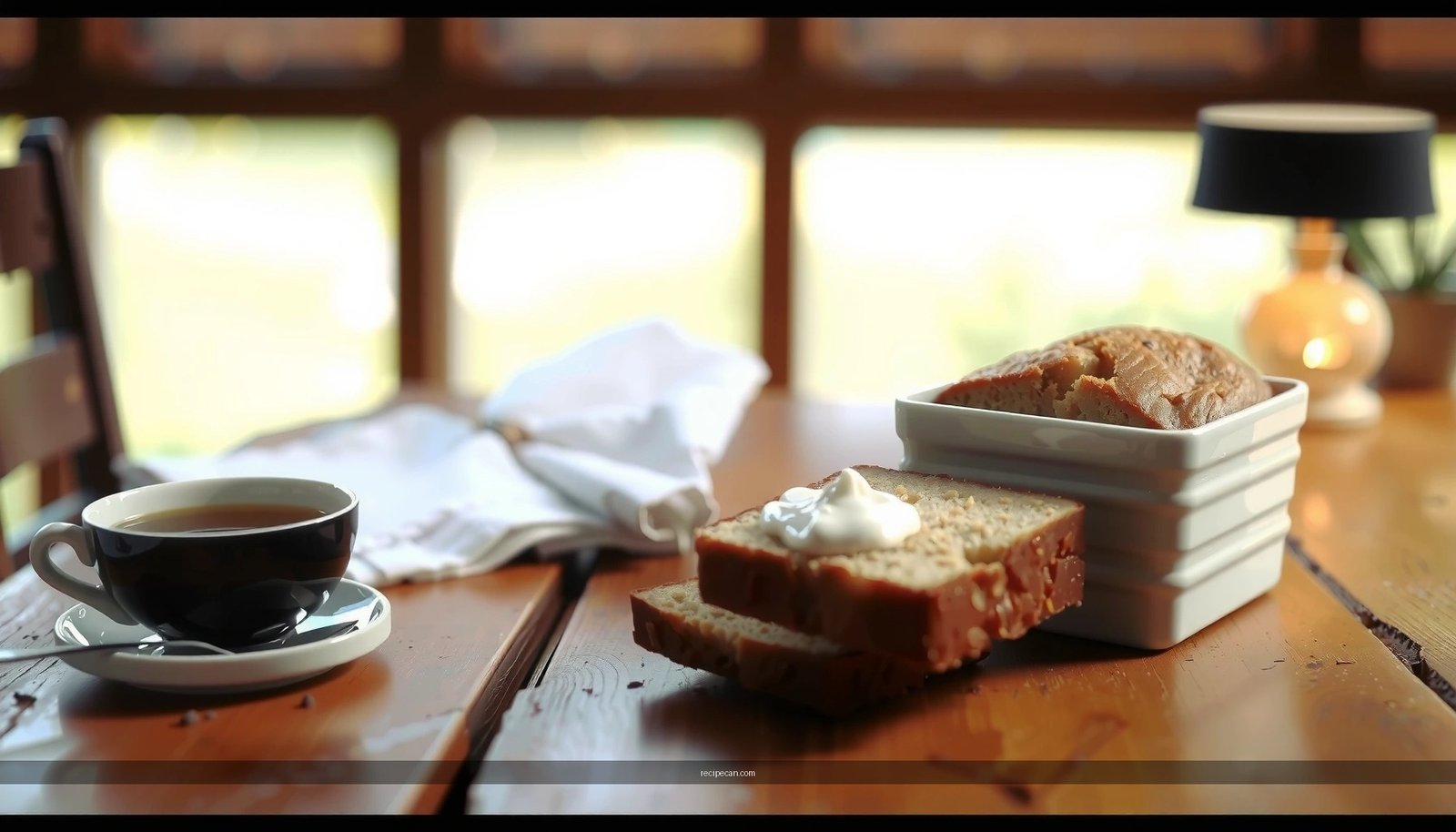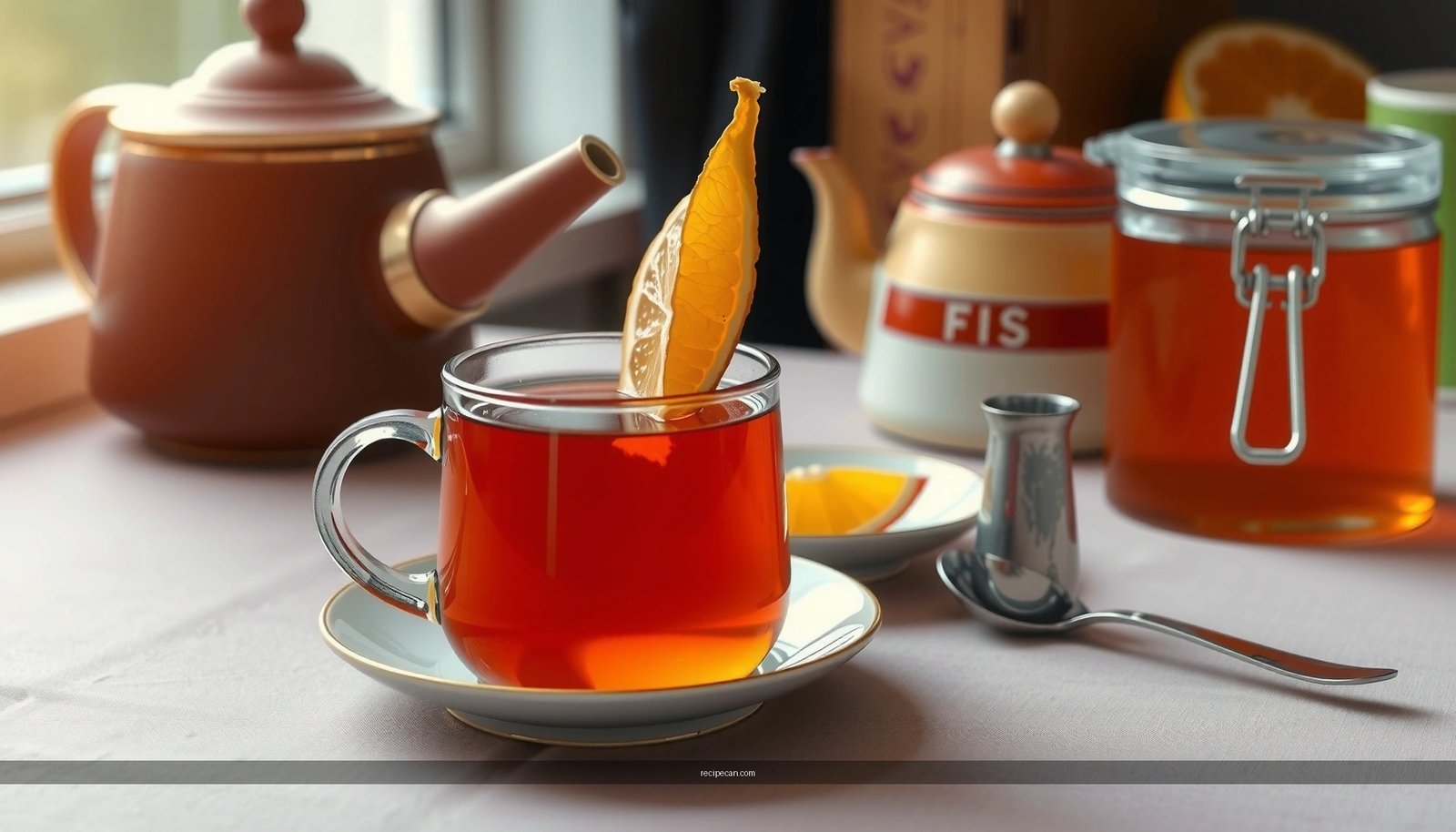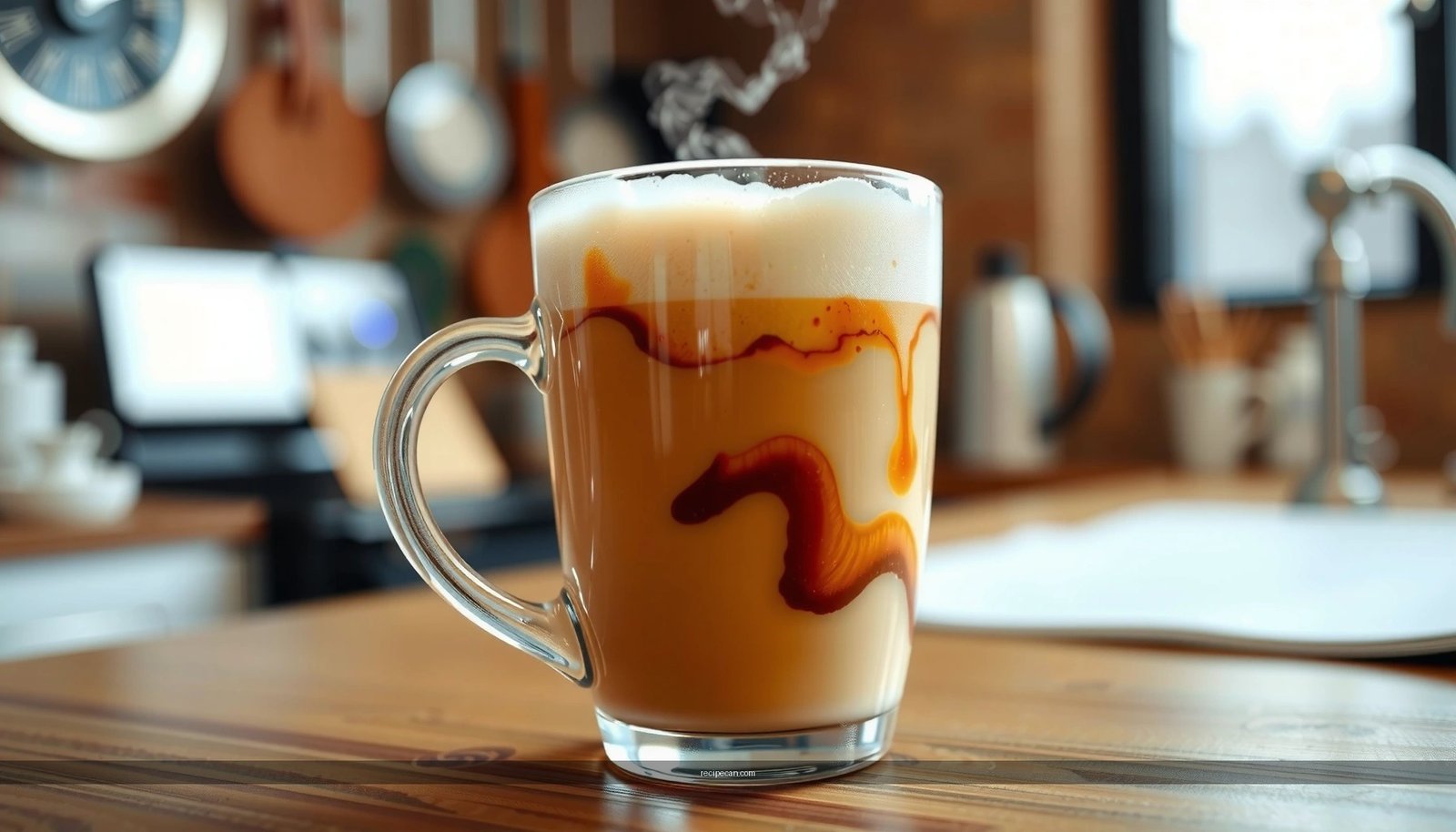
Looking for a tea and milk recipe that reliably turns out creamy every time? This guide shows you exactly how to make creamy tea and milk—down to the right tea strength and milk ratio so it doesn’t taste watery or scalded. Follow the steps and you’ll get a smooth, comforting cup on your first attempt.
Make creamy tea and milk by brewing a strong tea base first, then adding warm milk gradually to your taste—this method prevents weak flavor and keeps the texture smooth. In this recipe, you’ll learn practical guidance on tea strength, milk amount, and repeatable steps so every cup tastes balanced, not diluted or overly bitter.
Choose Your Tea and Milk
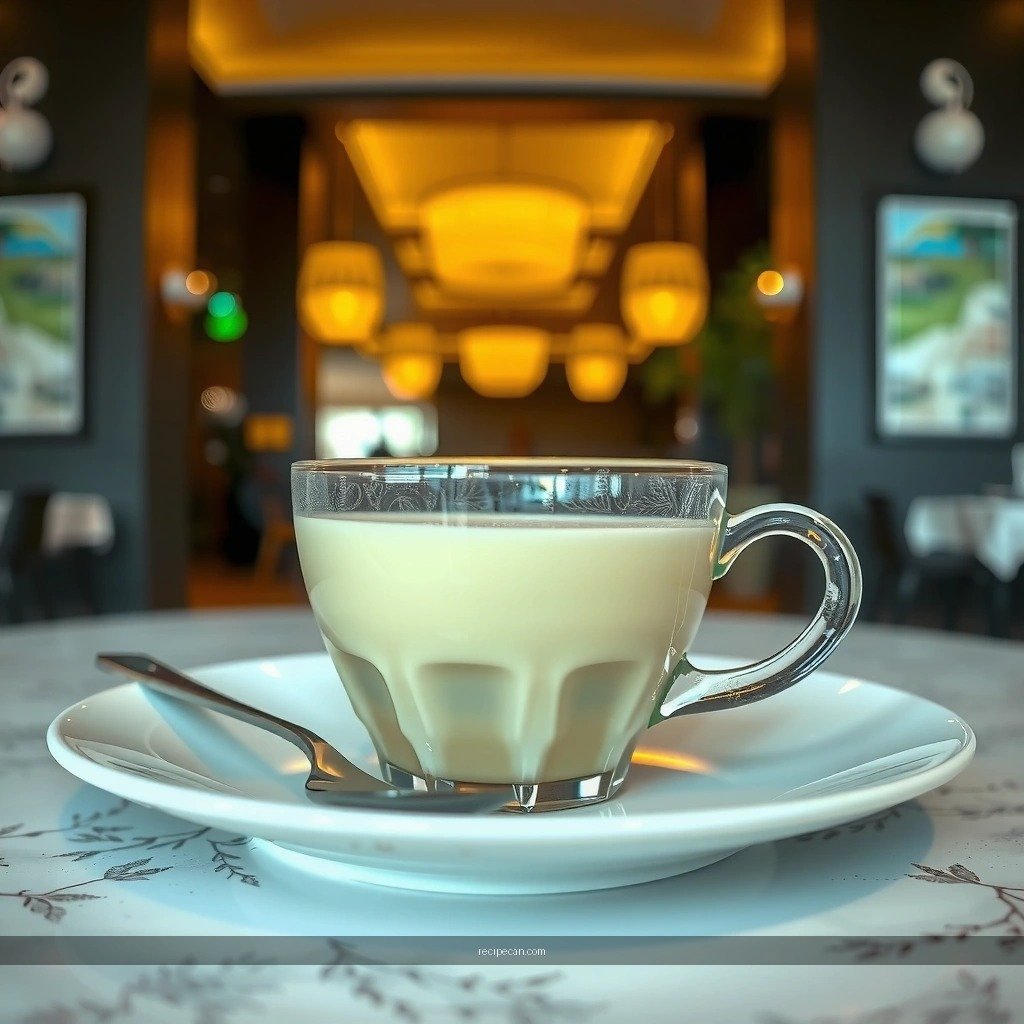
– Pick your tea type (black, chai, or green) for the flavor profile you want
– Use fresh milk (dairy or your favorite alternative) for a creamy texture
– If using chai, check how sweet/spiced it already is
The “creamy” part of tea and milk isn’t only about the milk—it’s the way the tea compounds with it. Start by choosing a tea whose flavor can stand up to milk’s richness.
Black tea (most forgiving for creaminess):
Assam, English Breakfast, Ceylon, and other robust black teas are ideal because their tannins and malt notes remain recognizable even after milk softens them. If you’ve ever made tea and milk that tasted like “warm milk with a hint of tea,” this is usually because the tea base was too mild.
Chai (spice-forward and thick by nature):
Chai can taste especially creamy because warm spices cling to fat in milk and create a fuller body. However, many chai products are already sweetened and/or contain added aromatics. Taste your chai concentrate or tea bag instructions, then adjust your sweetness later rather than early.
Green tea (lighter and more delicate):
Green tea can be made creamy, but it’s easier to end up with a tea-milk that feels flat. Green tea’s subtler flavor benefits from slightly stronger brewing (within reason) and careful milk warming so you don’t mute it further.
Milk choice and why “fresh” matters:
– Dairy milk (whole milk is richest; 2% works too) gives the classic creamy body.
– Oat milk is naturally creamy and pairs well with black tea and chai.
– Almond milk can work, but it’s thinner; you may want to reduce the tea a bit less (or slightly increase tea strength) to avoid a watery finish.
– Soy milk can be creamy but sometimes carries a stronger beany note—offset it by using a more malty black tea or chai.
For the best texture, use milk that’s fresh and cold-start when possible—warming from a consistent base improves how it blends.
Tea Types That Milk the Best (Practical Home Brewing Guide)
| # | Tea type | Tea base (g / 250ml) | Steep time | Milk-friendly rating | Expected result |
|---|---|---|---|---|---|
| 1 | Assam-style black tea | 4.0 | 4 min | ★★★★☆ | Creamy, malty body |
| 2 | Ceylon (medium-bodied) | 3.5 | 4–5 min | ★★★★☆ | Bright notes with smooth finish |
| 3 | Earl Grey (bergamot black tea) | 3.0 | 3–4 min | ★★★☆☆ | Fragrant, tea-forward crema |
| 4 | Traditional chai (black-tea based) | 3.5 | 5 min | ★★★★☆ | Spiced creaminess, fuller mouthfeel |
| 5 | Jasmine green tea | 2.5 | 2–3 min | ★★☆☆☆ | Can lose aroma if over-steeped |
| 6 | Sencha green tea | 2.75 | 2–3 min | ★★★☆☆ | Clean, gentle cream tea |
| 7 | Oolong (toasty/medium) | 3.25 | 3–4 min | ★★★☆☆ | Silky texture with tea complexity |
Brew the Tea Base

– Steep tea in hot water until it’s strong enough to balance the milk
– Taste the tea base after steeping and adjust strength if needed
– Use fresh-boiling water for the best flavor extraction
To get a creamy tea and milk, your first job is to build a concentrated flavor base. Milk will soften edges—great for mouthfeel—but it can also mute the tea if the base is weak.
1) Use fresh-boiling water (and right temperature):
Freshly boiled water extracts more aromatic compounds than water that’s been reheated repeatedly. As a rule:
– Black tea and chai: typically start with just-boiled (near 100°C / 212°F).
– Green tea: often benefits from slightly cooler water (around 75–85°C / 167–185°F) to limit bitterness.
2) Steep for strength, not just flavor:
A creamy tea drink usually needs a tea base that’s noticeably stronger than what you’d drink plain. For most home brewing, aim for:
– 3–5 minutes for black tea/chai
– 2–3 minutes for green tea
– 3–4 minutes for oolong
If you’re using tea bags, the “strength” lever becomes time and number of bags. If using loose leaf, grams per volume gives more control.
3) Taste the base before adding milk:
This step prevents the most common error: making a weak tea and trying to “fix it” with more milk. The correct fix is to adjust the tea, not the milk. Taste after steeping:
– If it tastes pleasantly strong and slightly intense—ready.
– If it tastes barely tea-like—steep longer or use more tea next time.
Add Milk for the Right Balance

– Warm the milk slightly, then pour it in gradually
– Aim for a tea-to-milk ratio that matches your preference (start equal, adjust)
– Stir well to create a smooth, consistent drink
The ratio is where you personalize “creamy.” The best approach is incremental: warm milk first, then pour it gradually so you can stop at your preferred intensity.
Warm the milk gently:
Bring milk to steaming heat, not a hard boil. Boiling can cause a “cooked milk” taste and may slightly dull tea aromatics. If your milk foams too aggressively, it’s too hot.
Start with a simple baseline ratio:
– If you want a classic, balanced cup: start with 1:1 tea to milk (e.g., 125 ml tea + 125 ml milk for a single serving).
– Want it lighter? Move toward 2:1 tea to milk.
– Want it richer and more dessert-like? Move toward 1:2 tea to milk.
Pour gradually and stir thoroughly:
Add milk slowly while stirring. This improves integration and reduces the chance of tea “settling” at the bottom of the cup. It also helps you detect when the flavor reaches the point you like—before you overshoot.
Why this order matters:
Adding milk first can trap tea flavors under a heavier liquid before the tea’s compounds fully extract and balance. Brewing strong tea first ensures the resulting cup has depth even after dilution.
Sweeten (Optional) and Customize
– Add honey, sugar, or condensed milk after mixing for easier control
– For extra flavor, try cinnamon, vanilla, or a pinch of cardamom
– If you like it stronger, add more steeped tea rather than more tea leaves later
Once tea and milk are combined, you’re working with a stable flavor foundation—sweetness and spices won’t be masked or unpredictably amplified by hot steam.
Sweeteners: add after mixing
– Honey dissolves best when the drink is hot but not boiling.
– Sugar is easy to control—start with a small amount and stir until fully dissolved.
– Condensed milk creates a thicker, rounder sweetness; use sparingly if your chai is already sweet.
Spice and aroma options that actually work:
– Cinnamon: especially good with black tea and chai; use a small pinch or stir in a cinnamon stick while steeping or right before serving.
– Vanilla: a drop of vanilla extract or a short vanilla stick infusion adds a soft “latte-like” note.
– Cardamom: use sparingly—its intensity grows quickly in warm milk.
If you want it stronger:
Don’t compensate by dumping in more tea leaves mid-cup. That can create harshness. Instead:
– Brew a second small batch of strong tea, then add it gradually.
– Or steep your original base slightly longer next time.
This is a quality-control principle: strength should come from better extraction, not from over-extraction.
Serve Hot or Iced
– Serve hot for a comforting creamy cup
– For iced tea and milk, chill the mixture and pour over ice
– Garnish with a cinnamon stick or a splash of cream if desired
Hot tea and milk:
Serve immediately for the richest aroma. The interplay of tea tannins and milk sweetness is most expressive while warm.
Iced tea and milk (smooth, not watery):
1) Brew a strong tea base.
2) Mix with warm milk (as above).
3) Chill until cold—then pour over ice.
If you pour hot milk-tea over ice directly, it can taste inconsistent and dilute too quickly. Chilling first helps maintain the flavor ratio.
Simple garnishes:
– A cinnamon stick (especially with chai or black tea) adds a visible craft cue and a warm spice top note.
– A small splash of cream on top can create a “bar-style” finish, particularly for iced cups.
Troubleshooting Tips
– Too weak? Brew the tea longer or reduce water next time
– Too strong/bitter? Add more warm milk or a small amount of sweetener
– Not creamy enough? Warm milk gently and stir thoroughly before serving
Even with a great method, results vary based on tea freshness, leaf size, and milk type. Use this fast diagnostic guide:
Too weak / not enough tea flavor:
– Fix now: add more of the tea base (ideally freshly brewed and strong).
– Fix next time: brew longer, use a slightly higher tea-to-water ratio, or measure more consistently.
Too strong or bitter:
– Fix now: add more warm milk gradually, stirring until the flavor softens.
– Fix next time: reduce steep time or lower water temperature (especially for green tea).
Not creamy enough (thin or separated):
– Fix now: warm the milk gently and stir thoroughly; consider using whole milk or a creamier alternative like oat milk.
– Fix next time: ensure the milk is evenly warmed before combining and avoid overheating the mixture.
Spice imbalance (common with chai):
If your chai tastes harsh or overly sweet, don’t adjust only the sweetener. Check the tea product’s premixed sweetness and spice level, then:
– reduce additional sugar/honey, and
– focus on dialing your tea-to-milk ratio.
Enjoy this tea and milk recipe by adjusting the steep time and the tea-to-milk ratio until it’s perfect for you. Brew a strong base, add warm milk gradually, and customize with your favorite sweetener or spice—then make your next cup your best one yet.
Frequently Asked Questions
What is the best tea and milk recipe for a creamy cup?
Start with hot brewed tea (black tea like Assam or Darjeeling works well) and then add warm milk to get a creamy tea and milk texture. Use a ratio of about 1 part tea to 1–2 parts milk, then sweeten to taste if desired. For extra creaminess, warm the milk separately and avoid boiling it aggressively so the milk doesn’t become foamy or scorched.
How do I make tea and milk without curdling the milk?
To prevent curdling, warm the milk gently first and pour it into the tea slowly rather than adding cold milk to very hot tea. Let your brewed tea cool for 1–2 minutes before mixing, especially if you’re using high-heat steeping. Using fresh milk and not using too much acidity (like adding lemon) also helps keep the tea and milk recipe smooth.
Why does my tea and milk taste bitter, and how can I fix it?
Bitterness usually comes from over-steeping black tea or using water that’s too hot for the tea type. Try steeping black tea for 2–4 minutes (or adjust for your specific brand) and use freshly heated water, typically around 90–96°C for black tea. If the tea and milk recipe still tastes harsh, increase milk slightly or add a small amount of sugar or honey to balance the flavor.
Which tea is best to use for a classic tea and milk recipe?
For a classic, malty flavor, choose black tea such as Assam for body or Ceylon for a lighter taste. If you prefer a more aromatic profile, Darjeeling can work beautifully with milk, though it’s often best with slightly shorter steeping. For a stronger tea and milk recipe, opt for whole-leaf teas and brew consistently to avoid thin or watery results.
How do I make an easy masala tea and milk recipe at home?
Brew strong black tea, then simmer milk with warming spices like cardamom, ginger, cinnamon, and a pinch of clove (or use pre-made chai masala). Combine the spiced milk and brewed tea, then simmer for 1–2 minutes so the tea and milk recipe absorbs the flavors. Sweeten with sugar or jaggery to taste, and strain through a fine sieve for a smooth, café-style finish.
References
- Google Scholar Google Scholar
https://scholar.google.com/scholar?q=tea+and+milk+recipe - Google Scholar Google Scholar
https://scholar.google.com/scholar?q=masala+chai+recipe+brewing+guidelines - Google Scholar Google Scholar
https://scholar.google.com/scholar?q=milk+tea+recipe+brewing+instructions - Tea
https://en.wikipedia.org/wiki/Tea - Tea
https://en.wikipedia.org/wiki/Tea_preparation - Masala chai
https://en.wikipedia.org/wiki/Masala_chai - Milk tea
https://en.wikipedia.org/wiki/Milk_tea - Tea
https://en.wikipedia.org/wiki/Tea_brewing - https://www.britannica.com/topic/chai-tea
https://www.britannica.com/topic/chai-tea - Chai latte recipe | Good Food
https://www.bbcgoodfood.com/recipes/chai-latte