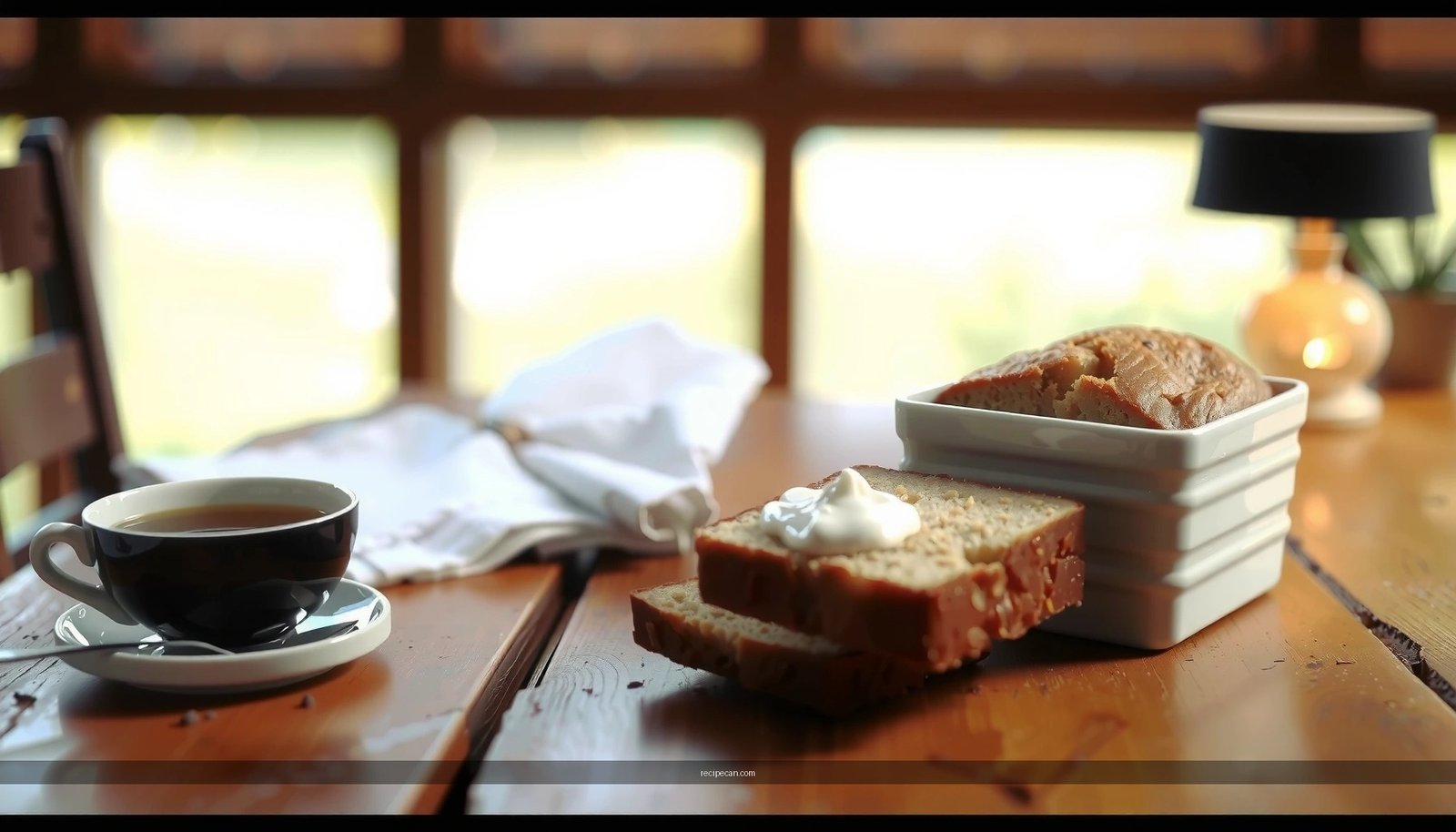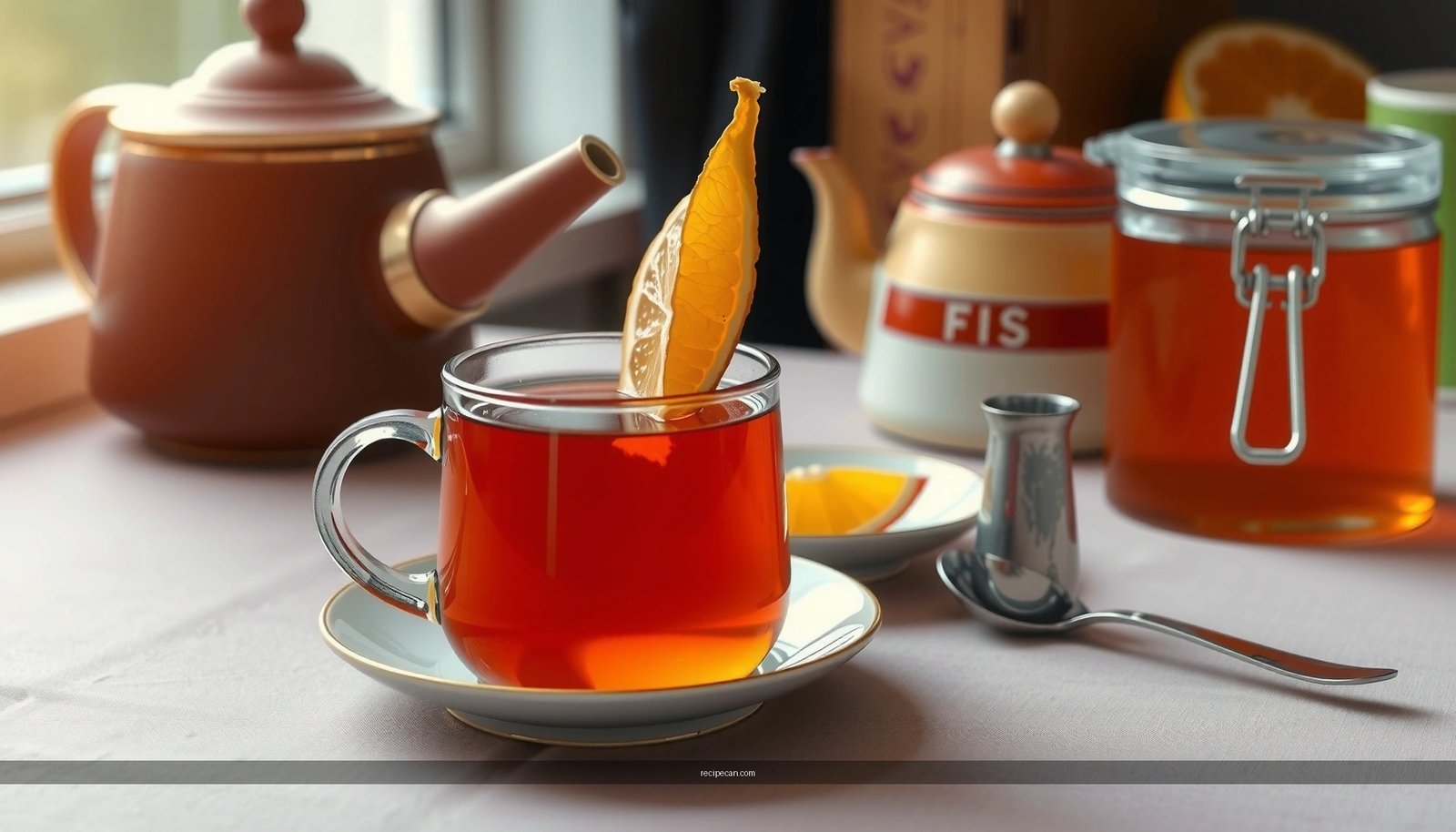
Learn how to make classic iced sweet tea with a true Southern recipe—cold, sweet, and brewed for the bold flavor people expect in the South. This guide answers whether you should brew strong, chill fully, and sweeten correctly, so your glass tastes right from the first sip. Follow the steps and you’ll get reliably clear, fragrant sweet tea every time.
Make classic southern sweet tea by brewing strong black tea, dissolving sugar while the tea is hot, and chilling the batch until fully cold for a clean, refreshing glass. Use a simple, repeatable tea-to-sugar ratio, then adjust to your sweetness preference—because the right balance comes from concentration, not just more sugar.
Choose Your Tea and Sugar
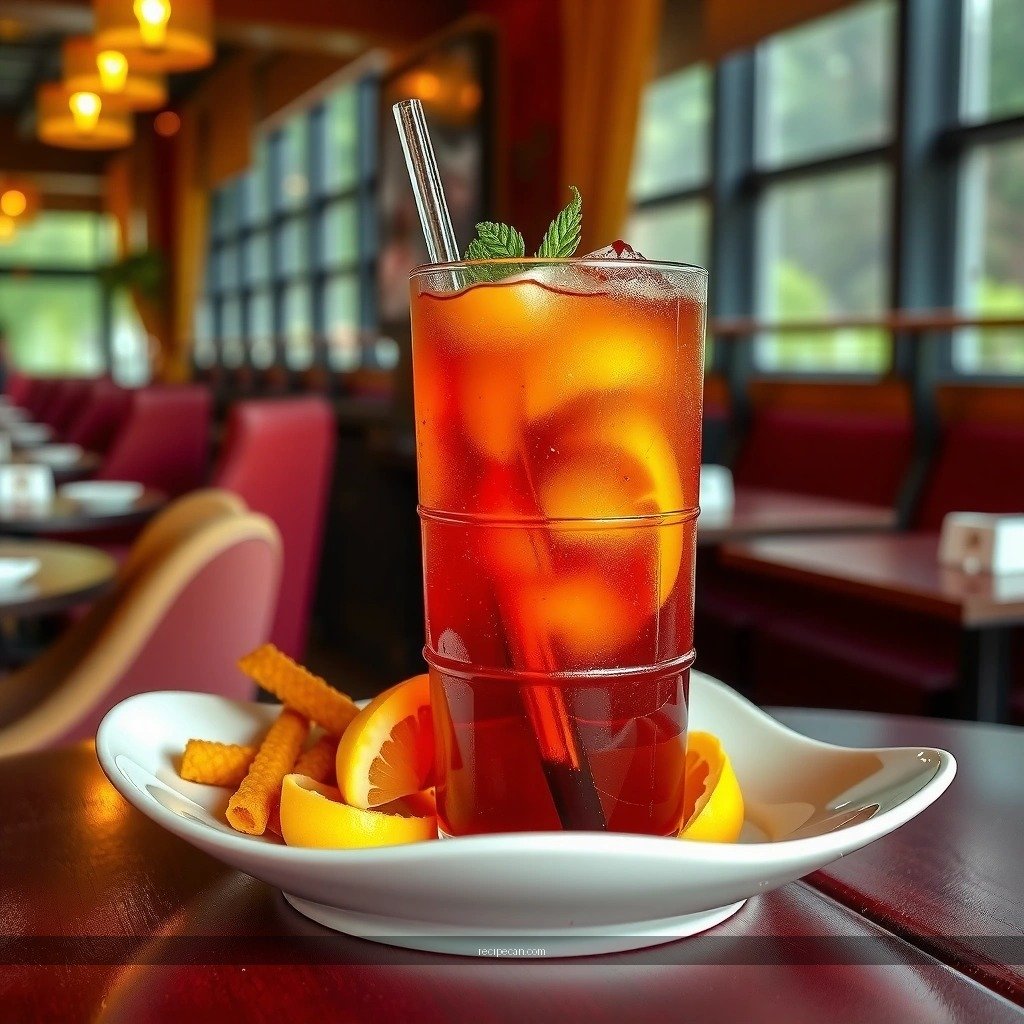
The “sweet tea” most people recognize is built on black tea plus hot-brew concentration and fully dissolved sugar. To get the most classic taste, choose tea that naturally carries bold, malty, slightly brisk flavor—because iced tea magnifies bitterness if your tea is too weak.
– Use black tea (like Assam or English Breakfast) for the most classic taste
– Assam tends to be malty and full-bodied, which holds up extremely well when chilled.
– English Breakfast is usually a blend that delivers a balanced, traditional profile.
– Measure sugar to taste, but start with a strong standard ratio for sweetness
– A reliable starting point for “classic sweet” is 3/4 cup sugar per 1 gallon of brewed tea (adjust after your first batch).
– If you’re aiming for “less sweet,” try 1/2 cup per gallon; if you’re serving crowd-pleasers who expect bold sweetness, start at 3/4 cup.
For southern sweet tea, the crucial analytical point is this: sugar dissolves properly only when the tea is hot enough. That’s why sugar amount should be consistent at first, and adjustments should happen after you taste the hot concentrate—before chilling.
Sweet Tea Starting Ratios by Batch Size
| # | Batch Size | Brewed Tea (cups) | Black Tea (Tbsp) | Sugar (cup) | Sweetness Score |
|---|---|---|---|---|---|
| 1 | 1 quart (32 oz) | 4 cups | 6 Tbsp | 1/4 cup | ★★★★★ |
| 2 | 1/2 gallon | 8 cups | 12 Tbsp | 3/8 cup | ★★★★☆ |
| 3 | 1 gallon (classic) | 16 cups | 24 Tbsp | 3/4 cup | ★★★★★ |
| 4 | 2 gallons | 32 cups | 48 Tbsp | 1 1/2 cups | ★★★★☆ |
| 5 | 1 gallon (less sweet) | 16 cups | 24 Tbsp | 1/2 cup | ★★★☆☆ |
| 6 | 1 gallon (extra sweet) | 16 cups | 24 Tbsp | 1 cup | ★★★★★ |
| 7 | 1 quart (extra sweet) | 4 cups | 6 Tbsp | 1/3 cup | ★★★★★ |
Brew Strong Tea for Maximum Flavor
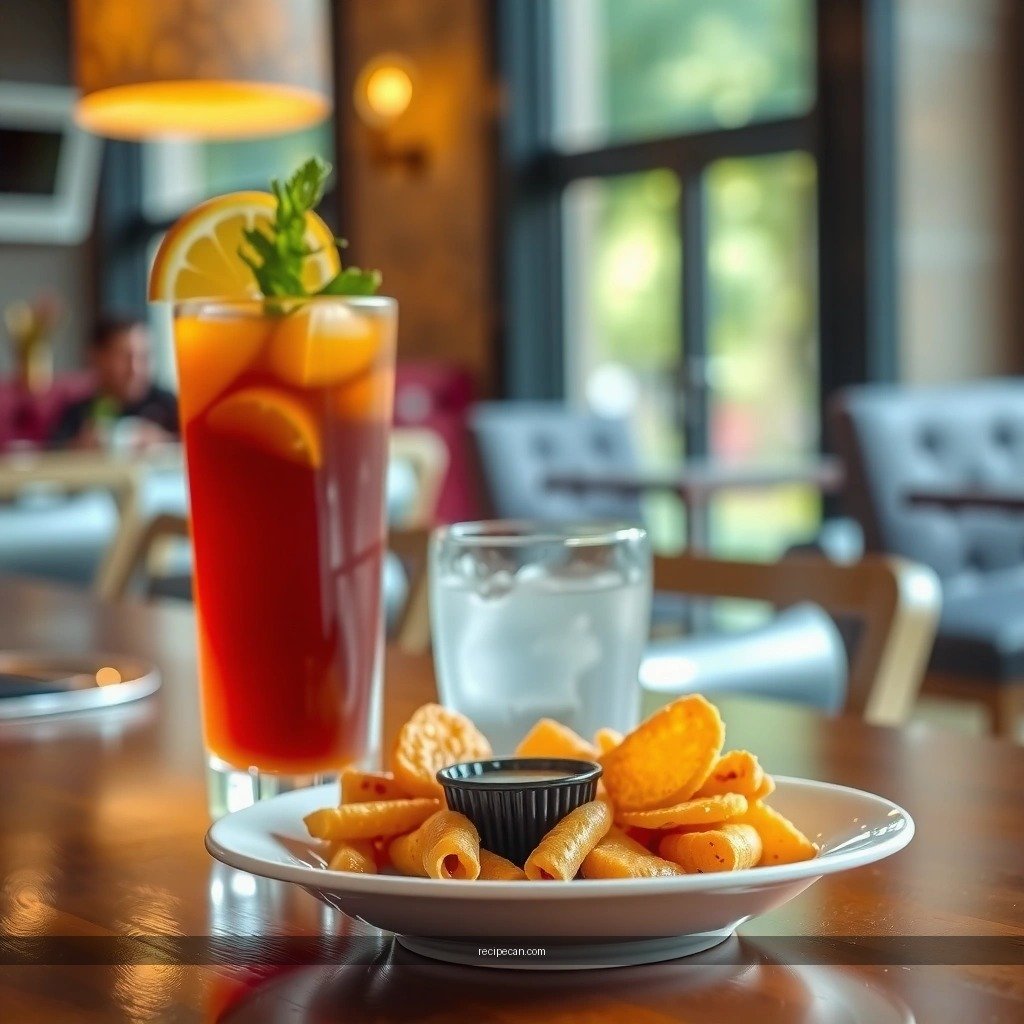
The biggest reason sweet tea tastes “flat” or “watery” is under-concentrated tea. Iced sweet tea should be brewed stronger than you think, because chilling and dilution from ice reduce perceived intensity and sweetness.
– Steep tea hot and long enough to avoid weak flavor
– For classic brewed sweet tea, steep for about 5–7 minutes using a strong tea-to-water ratio.
– Bring water to a near-boil (just off rolling), then steep so the tea extracts fully without going aggressively bitter.
– Let the brewed tea fully concentrate before adding sugar
– After steeping, remove tea leaves or bags and let the brew sit briefly (30–60 seconds) so it stabilizes.
– Add sugar while the tea is still hot so it dissolves completely—this is where “southern” technique truly matters.
Professional takeaway: treat sweet tea like a concentrate-and-chill beverage. You’re building a flavor base, then using temperature change to “finish” the drink, not the recipe’s only act of flavor creation.
Dissolve Sugar the Southern Way
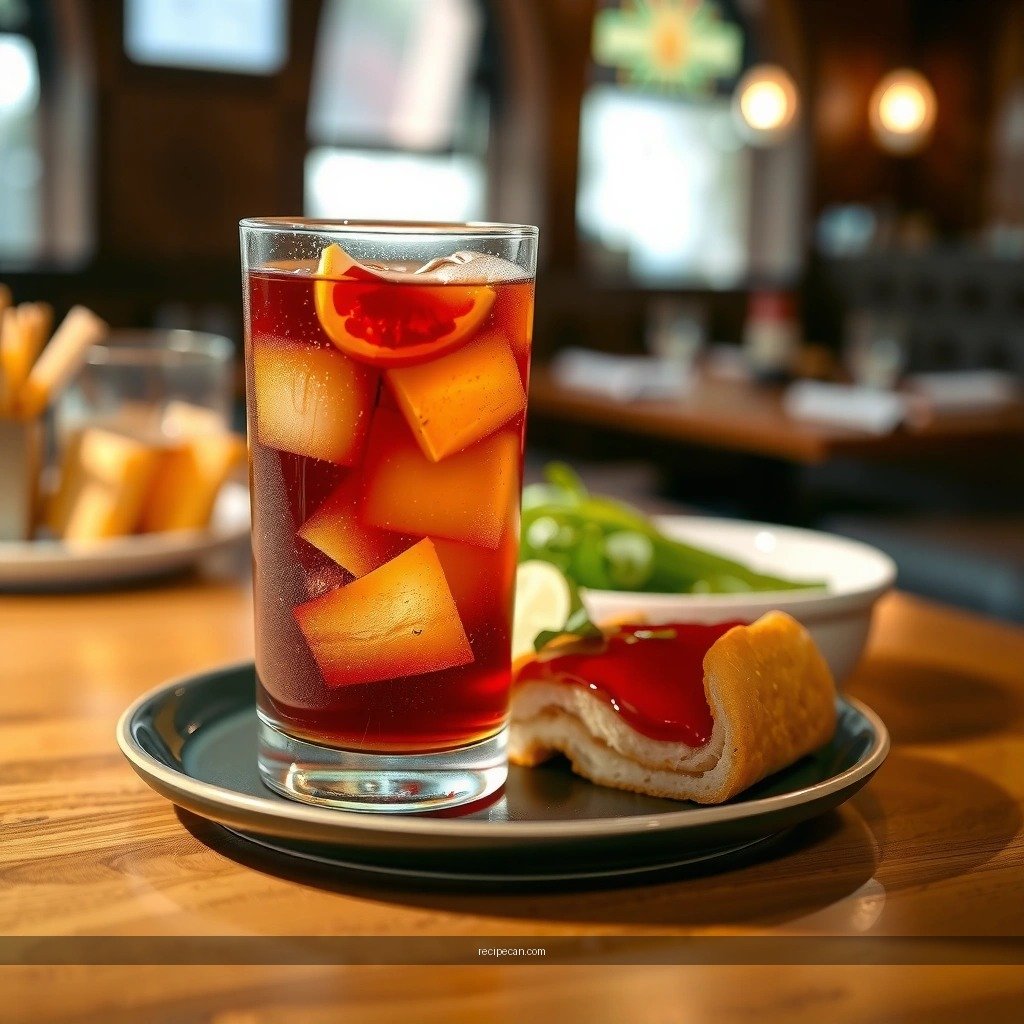
This is where sweet tea becomes unmistakably southern: hot tea + hot dissolution. If sugar is added after cooling, you risk undissolved crystals and inconsistent sweetness across the pitcher.
– Stir sugar into hot tea so it melts completely
– Add sugar gradually, stirring until no grains remain at the bottom.
– Use a whisk or spoon with enough surface area—speed helps, but thoroughness matters most.
– Taste and adjust sweetness before chilling
– The iced final product will taste slightly less intense than the hot concentrate (especially right after it’s chilled).
– A common workflow: taste hot tea after dissolving sugar, adjust if necessary, then chill. Don’t wait until serving to correct sweetness; you’ll fight dilution and temperature effects.
To keep adjustments systematic: start with the ratio for your batch size, dissolve thoroughly, then adjust by 1–2 tablespoons per gallon for small corrections rather than dramatic changes.
Chill, Serve, and Get the Best Texture
Even with perfect tea and sugar, sweet tea can suffer from poor chilling. Temperature affects aroma, tannin perception (bitterness), and how sweetness is experienced.
– Refrigerate until thoroughly cold for clean, sweet flavor
– Chill for at least 4 hours, ideally overnight.
– If you need it fast, you can cool the pitcher over ice first, then refrigerate—just don’t serve lukewarm tea.
– Serve over ice and avoid diluting by using the right ice amount
– Fill glasses with ice early so the ice chills quickly, but avoid excessive ice that rapidly melts.
– Many households prefer: 2–3 large cubes per 8–10 oz serving (adjust to your glass size). Too much melting water can make your sweet tea taste weak.
Also consider a practical operations detail: if you’re serving multiple rounds, keep the pitcher cold and stir gently before pouring so sweetness is uniform.
Optional Flavor Variations
Classic sweet tea is perfect as-is, but small additions can elevate aroma and balance without masking the tea character.
– Add a slice of lemon for a brighter finish
– Lemon introduces acidity, which can make the sweetness feel cleaner rather than heavier.
– For best results, add lemon at serving or shortly before, not hours earlier—so the tea doesn’t pick up overly bitter citrus notes.
– Try a touch of vanilla or cinnamon for a subtle twist
– Vanilla: add a small amount of extract (start tiny—think 1/2–1 tsp per gallon) and taste.
– Cinnamon: use a stick or pinch of ground cinnamon; steep briefly with the tea or add to the hot brew before cooling.
These variations work because they integrate into the hot brewing phase or the serving moment—keeping the base flavor intact and avoiding muddled, over-infused sweetness.
Storage and Freshness Tips
Sweet tea is at its best when cold and freshly brewed. Over time, tea notes can become more “dry,” and flavor may dull.
– Keep sweet tea refrigerated and consume within a few days
– For best taste, consume within 3–4 days.
– Store covered to minimize absorption of fridge odors.
– Stir again before serving if sediment settles at the bottom
– Natural tea compounds can settle, especially if you steep loose leaf.
– Give the pitcher a gentle stir, then pour steadily for consistent sweetness and color.
For food-safety minded handling: cool promptly after brewing, refrigerate quickly, and avoid leaving sweet tea at room temperature for extended periods.
Sweet tea is all about strong brewed black tea, fully dissolved sugar, and plenty of chilling time—so you get bold flavor and the right sweetness in every glass. Follow this southern recipe, then tweak the sugar to match your preference; make a batch, chill it, and enjoy it the next time you need that classic iced drink.
In conclusion, the signature taste of classic iced sweet tea comes from three controllable variables: tea strength, hot sugar dissolution, and proper chilling. Choose a traditional black tea, brew it concentrated, dissolve your measured sugar while it’s hot, and refrigerate until fully cold—then fine-tune sweetness based on your palate. With these steps, you’ll reliably produce a balanced, refreshing southern sweet tea that tastes right every time, whether you’re making a quart for yourself or a full gallon for guests.
Frequently Asked Questions
What’s the classic southern sweet tea recipe ratio for sugar and water?
A classic southern sweet tea recipe typically uses 1 cup of sugar per 1 quart of water (adjust to taste). Bring about half the water to a gentle boil, stir in the sugar until fully dissolved, then add the remaining cold water to cool. This method helps the sugar integrate smoothly for a truly sweet tea flavor without graininess.
How do you make sweet tea Southern-style without boiling it too long?
To keep your sweet tea recipe Southern-style, steep your tea in hot water rather than boiling it aggressively. Heat water to near-boil, steep black tea bags or loose tea for about 5–10 minutes, then remove the tea leaves or bags. After steeping, stir in the sugar while the tea is still hot, then cool quickly and refrigerate.
Why does my sweet tea turn out cloudy or bitter, and how can I fix it?
Cloudiness can come from steeping too long or using tea that’s too strong for the batch size; bitterness often happens when black tea is over-steeped. Start with 1 gallon water and about 6–8 tea bags (or the equivalent loose tea), and steep for the recommended time. Also, make sure the sugar is dissolved completely before chilling, since undissolved sugar can affect texture and flavor.
What’s the best tea type for authentic southern sweet tea?
Most southern sweet tea recipes use strong black tea—commonly Assam or a classic breakfast blend—for a bold, traditional flavor. Choose a tea that you enjoy drinking, because sweetness alone won’t “hide” weak tea. For the most authentic taste, use high-quality black tea leaves or unflavored tea bags and avoid flavored varieties.
Which brewing method works best for sweet tea—tea bags or loose leaf?
Both tea bags and loose leaf can work well, but loose leaf often delivers deeper flavor if you steep correctly. If using tea bags, stick to a consistent number per batch and steep for 5–10 minutes for balanced sweetness and strength. For loose leaf, use about 1 tablespoon per quart, steep longer if needed, and strain thoroughly before adding sugar for a clean southern sweet tea recipe.
References
- Sweet tea
https://en.wikipedia.org/wiki/Sweet_tea - Iced tea
https://en.wikipedia.org/wiki/Iced_tea - Cuisine of the Southern United States
https://en.wikipedia.org/wiki/Southern_cuisine - https://www.britannica.com/topic/tea
https://www.britannica.com/topic/tea - https://www.cdc.gov/nutrition/data-statistics/sugary-drinks/index.html
https://www.cdc.gov/nutrition/data-statistics/sugary-drinks/index.html - Healthy diet
https://www.who.int/news-room/fact-sheets/detail/healthy-diet - https://pubmed.ncbi.nlm.nih.gov/?term=sweetened+tea+consumption
https://pubmed.ncbi.nlm.nih.gov/?term=sweetened+tea+consumption - Google Scholar Google Scholar
https://scholar.google.com/scholar?q=Sweet+tea+southern+recipe - Google Scholar Google Scholar
https://scholar.google.com/scholar?q=Iced+tea+southern+cuisine+recipe+history - Google Scholar Google Scholar
https://scholar.google.com/scholar?q=Sugar-sweetened+beverages+tea+consumption+study