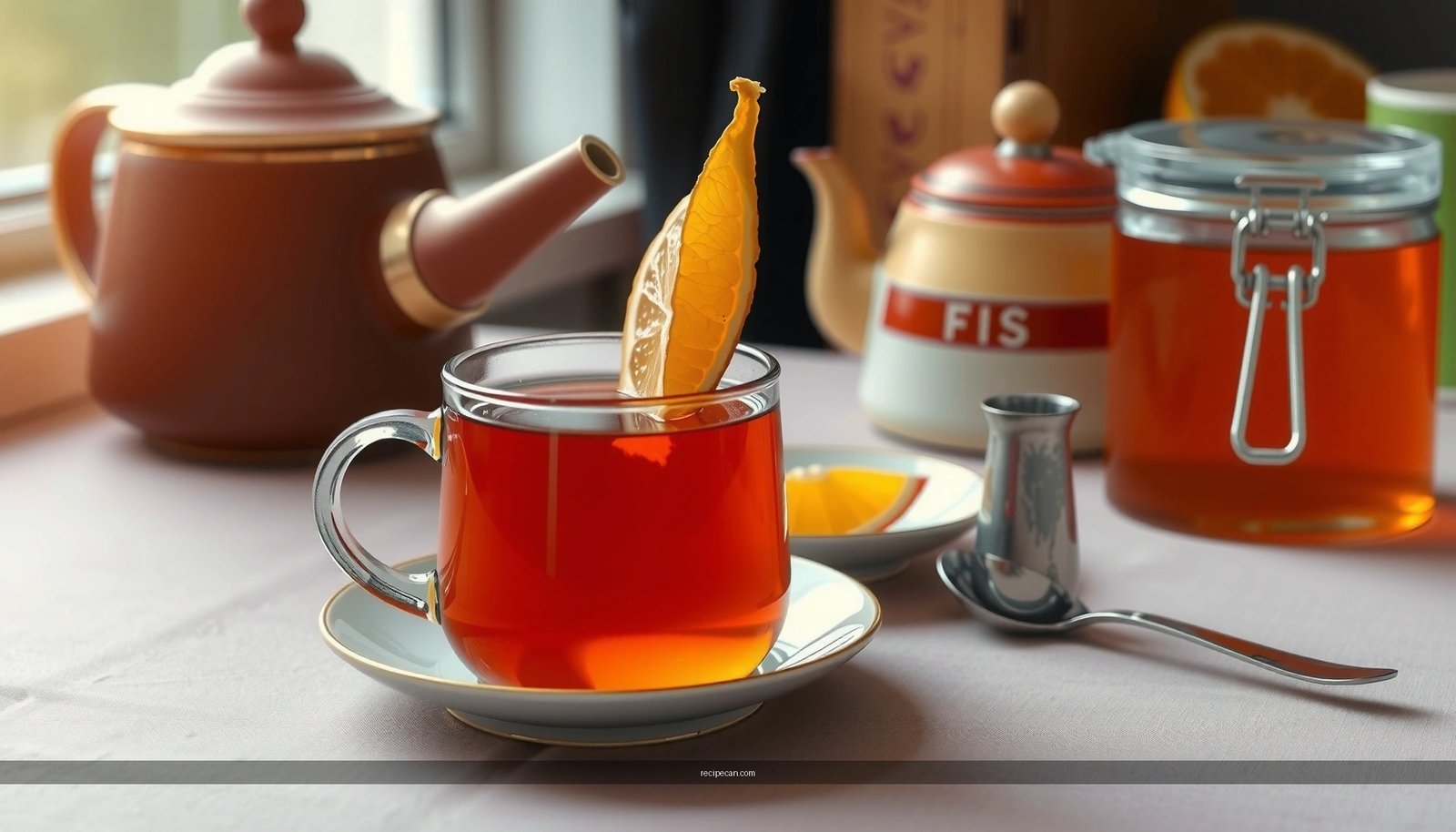
Find the easiest ice tea recipes that actually deliver café-level flavor at home. This guide picks the best homemade iced tea ideas by type—black tea, green tea, and herbal—so you can choose the one that fits your taste and time. You’ll get straightforward steps and ratios to brew strong, flavorful iced tea without bitterness or dilution.
Ice tea recipes are easiest when you build the drink in two steps—brew strong tea first, then chill (or pour over ice) to preserve flavor—because diluted, weak tea tastes flat. Below, you’ll get dependable base methods plus tested flavor add-ins so you can make iced tea at home that’s crisp, fragrant, and consistent every time.
Ice tea recipes are simple: brew strong tea, sweeten it to taste, then chill (or pour over ice) for a crisp, refreshing drink. In this guide, you’ll learn reliable base methods plus flavor add-ins so you can make iced tea at home.
Classic Iced Tea (Black Tea Base)

A classic iced tea is all about concentration and balance. Black tea provides bold tannins and aromatics that can stand up to dilution from ice and cold temperature. If your tea tastes “tea-like but weak” after cooling, the fix is usually brewing strength and steep time—not more sugar.
Best black tea choice
– Use Ceylon, Assam, or English Breakfast blends for a fuller, malty body.
– For a smoother profile, choose orange pekoe or “breakfast” blends rather than very smoky teas.
How to brew for iced tea (hot-brew method)
1. Heat water to a near-boil (about 200–212°F / 93–100°C).
2. Brew strong: roughly 1.5–2× your usual tea amount.
3. Steep 3–5 minutes for most black teas (longer can add bitterness).
4. Let it cool to room temperature, then refrigerate to chill—or serve immediately over fresh ice.
Why cooling matters
Hot tea continues extracting flavor as it cools. Cooling quickly (or chilling right after brewing) helps keep the taste clean instead of harsh.
Serving target
– Aim for iced tea that tastes slightly strong before dilution. Once it’s poured over ice, the flavor should land in the “balanced but tea-forward” zone.
Iced Tea Brew Strength Guidelines (Home Barista Benchmarks, 1 Quart / 946 mL)
| # | Tea Base | Tea Amount | Steep Time | Cold-Flavor Retention | Best For |
|---|---|---|---|---|---|
| 1 | Assam (black) | 10 g | 4 min | ★★★★☆ | Classic sweetened iced tea |
| 2 | Ceylon (black) | 9 g | 3.5 min | ★★★☆ | Lighter “tea-forward” profile |
| 3 | English Breakfast | 10.5 g | 4.5 min | ★★★★☆ | Kid-friendly and crowd-pleasing batches |
| 4 | Green tea (sencha) | 7 g | 2–2.5 min | ★★★☆☆ | Crisp, unsweetened iced tea |
| 5 | Oolong (light) | 8 g | 3 min | ★★★☆☆ | Floral iced tea with fruit add-ins |
| 6 | Herbal (hibiscus) | 10 g | 6 min | ★★☆☆☆ | Bright, tangy drinks—best with sweetness |
| 7 | Black tea + bergamot (Earl Grey) | 9.5 g | 4 min | ★★★★☆ | Lemon-citrus iced tea without extra flavoring |
Sweetened & Unsweetened Ice Tea Options

Sweetness is not a binary choice—it’s a variable you can calibrate to match the tea base and the serving context. For example, an Assam-based iced tea can handle more sugar because the malty body holds up under sweetness. A delicate Ceylon or green tea needs less sugar (or none) to stay aromatic.
Sweetened iced tea (practical approaches)
– Granulated sugar: Dissolve while the tea is warm. Add a little at a time, taste, then chill.
– Honey: Best stirred into warm (not boiling) tea to preserve flavor. Start with 1–2 tbsp per quart and adjust.
– Simple syrup: Ideal for cafes and batches because it mixes instantly.
– Mix 1:1 sugar to water, heat until dissolved, cool, then add to tea.
– This reduces “sugar grit” and helps maintain consistent sweetness.
Unsweetened iced tea (what changes)
When you go unsweetened, you’re relying on the tea itself for structure:
– Use stronger brewing (not longer steeping) to avoid bitterness.
– Consider adding acid (a squeeze of lemon) to lift flavor perception without sweetness.
– Chill fully—cold temperature changes the way tea’s bitterness and aroma register.
Taste tuning checklist
– Too bitter? Reduce steep time or tea amount slightly; switch to a smoother black tea.
– Too weak? Increase tea amount, not steep time.
– Flat? Add a small amount of salt-free aromatics: lemon zest, a pinch of cinnamon, or mint.
Fruit-Flavored Ice Tea Recipes

Fruit-flavored ice tea works because it adds aroma and bright acidity. The key analytical point: fruit flavors need time to transfer, and chilling helps them round out.
How to build fruit tea correctly
– Add fruit at the right stage:
– During steeping for citrus peel, berries, or fruit slices (light infusion).
– After steeping for more delicate fruit notes (especially if you want freshness).
– Use fresh fruit for garnish, but consider infusion fruit for flavor intensity (slices or halves that release juice).
Flavor combinations that consistently work
– Lemon iced tea: Use lemon slices or zest while steeping; finish with juice right before chilling.
– Peach iced tea: Best with fresh or frozen peach slices—steep briefly, then chill to develop aroma.
– Berries iced tea: Add mixed berries during steeping; strain if you want a smooth texture.
Pro serving move
Let the batch chill at least 2–4 hours. In practice, many fruit-infused iced tea flavors “open up” as the drink cools.
Herbal & Green Ice Tea Recipes
Herbal and green iced teas bring variety—think floral, earthy, refreshing, or caffeine-free. The tradeoff is that many herbal blends can become dull or bitter if steeped too long.
Green tea basics for iced tea
– Brew at a slightly lower temperature if possible (around 175–185°F / 80–85°C) to reduce astringency.
– Use shorter steep times: typically 2–2.5 minutes for sencha-style greens.
– Strong concentration helps, but avoid over-steeping because bitterness will amplify in cold.
Herbal blend best practices
– Hibiscus, rooibos, mint, chamomile, and fruit tisanes all behave differently.
– When testing a new herbal blend, start with:
– a moderate steep time,
– then taste after chilling (not just while warm).
Flavor direction
– Green tea pairs well with citrus, ginger, and light sweetness.
– Herbal blends shine with mint, vanilla, or berries.
– For a “tea shop” feel, add garnish aromatics (mint sprig, lemon wheel, or a cinnamon stick) just before serving.
Iced Tea Concentrates (Make-Ahead Method)
Iced tea concentrates are the highest-leverage method for home baristas and busy households. You brew a stronger liquid base, then dilute with cold water right before serving. This protects flavor even when guests add ice or when you’re making multiple rounds.
Why concentrates work
– Concentrate buffers the drink against dilution.
– You can standardize sweetness and strength across batches.
– It simplifies service: no re-steeping, just dilution.
Basic ratio (easy to remember)
– Brew concentrate at roughly 2× strength.
– Dilute with cold water (or sparkling water for a lighter profile) based on your taste.
Storage and safety
– Refrigerate promptly.
– Use clean bottles or pitchers and label with brew date.
– Many concentrates hold well for 3–5 days when refrigerated (taste first near the end of the window).
Operational workflow (efficient batch plan)
1. Brew concentrate in the morning.
2. Cool quickly and refrigerate.
3. At serving time, fill glasses with ice and dilute to preference.
Flavor Boosters & Serving Tips
The final quality layer of iced tea recipes isn’t the tea—it’s what you add and how you present it. Small additions can make the difference between “homemade” and “memorable.”
High-impact flavor boosters
– Mint: Add a few leaves to the chilled tea or muddle gently with lemon slices (avoid tearing too harshly).
– Ginger: Steep thin slices briefly, then strain. Ginger is powerful; start small.
– Vanilla: Use a vanilla bean in the concentrate, or a tiny splash of vanilla extract added after steeping.
– Cinnamon: Add a stick during steeping for warmth and aroma; remove before chilling if you dislike strong spice.
Serving best practices
– Use fresh ice (avoid freezer flavors).
– Fill glasses consistently; more ice means more dilution—plan concentration accordingly.
– Garnish matters:
– Lemon wheel and mint sprig for bright teas,
– peach slices for summer profiles,
– cinnamon stick for spiced varieties.
Glassware and customer experience
Even at home, good glassware increases perceived refreshment—tall glasses reduce warmth transfer and improve the visual appeal of layered tea and ice.
Ice tea recipes are all about starting with strong tea, balancing sweetness, and chilling properly for maximum flavor. Pick one base method, try a fruit or herbal twist, and make a batch this week—then experiment with mix-ins until you find your perfect glass.
In short, consistent iced tea comes from disciplined brewing (strong tea, controlled steeping), smart sweetness (dissolve sugar warm or use syrup for consistency), and intentional infusion time for fruit or botanicals. If you want the easiest path to reliable results, make a concentrate and dilute to taste when serving—then finish with mint, ginger, vanilla, or citrus garnish for a crisp, café-quality glass every time.
Frequently Asked Questions
What are the best ice tea recipes for beginners?
A great beginner-friendly option is classic lemon iced tea made with black tea, water, sugar (or honey), and fresh lemon juice. For an easy cold-brew style, steep tea bags in cold water in the fridge for a few hours, then add citrus and sweetener to taste. If you want a flavorful twist, try a peach or berry ice tea recipe by muddling fruit and steeping it with the tea for a simple, no-fuss infusion.
How do you make iced tea without it turning bitter?
Bitter iced tea usually comes from over-steeping hot tea or using too much tea concentration. Brew your tea for a shorter time (or dilute after brewing), and avoid boiling it heavily before mixing. Using cold brew iced tea is a reliable method—steep in the fridge instead of hot, then sweeten and add lemon only after the tea is fully infused.
Which type of tea works best for iced tea recipes—black, green, or herbal?
Black tea is the most common choice for iced tea because it provides a strong, classic flavor that holds up well with sugar and citrus. Green tea iced recipes can taste lighter and fresher, but they may turn grassy if brewed too hot or too long. Herbal options like hibiscus, mint, or ginger create caffeine-free iced tea recipes with bold flavors, though you’ll want to adjust steep time since herbal teas can develop bitterness if overdone.
Why is cold brew iced tea better than hot-brew and chilling?
Cold brew iced tea recipes generally taste smoother because the lower-temperature steeping reduces harsh tannins that cause bitterness. The flavor also stays more balanced when you pour it over ice, since it isn’t “shocked” by rapid temperature changes. For meal prep, cold brew tea also keeps well in the fridge, making it a convenient option for weeklong iced drinks.
How can I sweeten and flavor iced tea recipes without overpowering the tea?
Start with a small amount of sweetener and add it gradually, since ice can dull flavor and increase perceived bitterness over time. Try dissolving sugar or honey in a warm splash of water first to prevent grainy sweetness, then combine with brewed or cold-brew tea. For natural flavor, add fresh lemon or lime, sliced peaches, mint leaves, or a light splash of vanilla, ensuring the additions complement the tea rather than masking it.
References
- Iced tea
https://en.wikipedia.org/wiki/Iced_tea - https://www.britannica.com/food/iced-tea
https://www.britannica.com/food/iced-tea - https://pubmed.ncbi.nlm.nih.gov/?term=iced%20tea
https://pubmed.ncbi.nlm.nih.gov/?term=iced%20tea - https://www.sciencedirect.com/search?qs=iced%20tea
https://www.sciencedirect.com/search?qs=iced%20tea - https://www.cdc.gov/nutrition/data-statistics/sugar-sweetened-beverages.html
https://www.cdc.gov/nutrition/data-statistics/sugar-sweetened-beverages.html - https://www.theguardian.com/search?q=iced%20tea%20recipe
https://www.theguardian.com/search?q=iced%20tea%20recipe - https://www.nytimes.com/search?query=iced%20tea%20recipe
https://www.nytimes.com/search?query=iced%20tea%20recipe - https://scholar.google.com/scholar?q=ice+tea+recipe Google Scholar
https://scholar.google.com/scholar?q=ice+tea+recipe - Google Scholar Google Scholar
https://scholar.google.com/scholar?q=iced+tea+home+brewing+methods - Google Scholar Google Scholar
https://scholar.google.com/scholar?q=iced+tea+concentration+brewing+time+study