Looking for hibiscus tea recipes that actually taste great? This guide delivers the best easy hibiscus tea methods—how to brew it hot or iced, with the right amount of dried hibiscus and steeping time for reliable tart, vibrant flavor. By the end, you’ll know which recipe to use depending on whether you want a quick everyday cup or a bold, fruitier batch.
Hibiscus tea recipes are simple: steep dried hibiscus flowers in hot water (often with a little sugar or honey), then adjust sweetness and acidity to taste; after that, you can create hot, iced, cold-brew, spiced, or even sparkling versions. In this guide, you’ll learn several easy hibiscus tea recipe ideas—from classic hot tea to refreshing iced versions—plus practical techniques to help you hit the ideal tartness and aroma every time.
Classic Hibiscus Tea Recipe
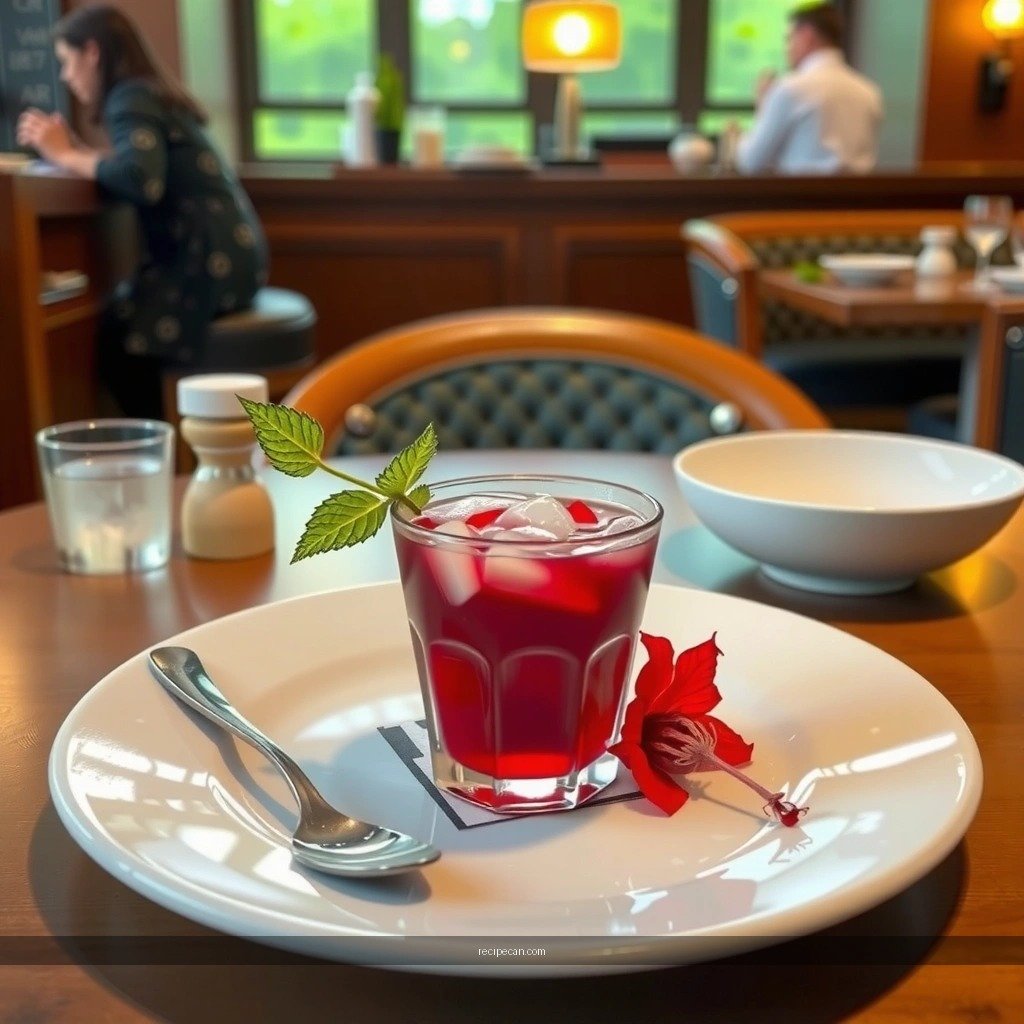
– Steep dried hibiscus petals in hot water for the right color and tart flavor
– Sweeten with sugar or honey to balance the natural tang
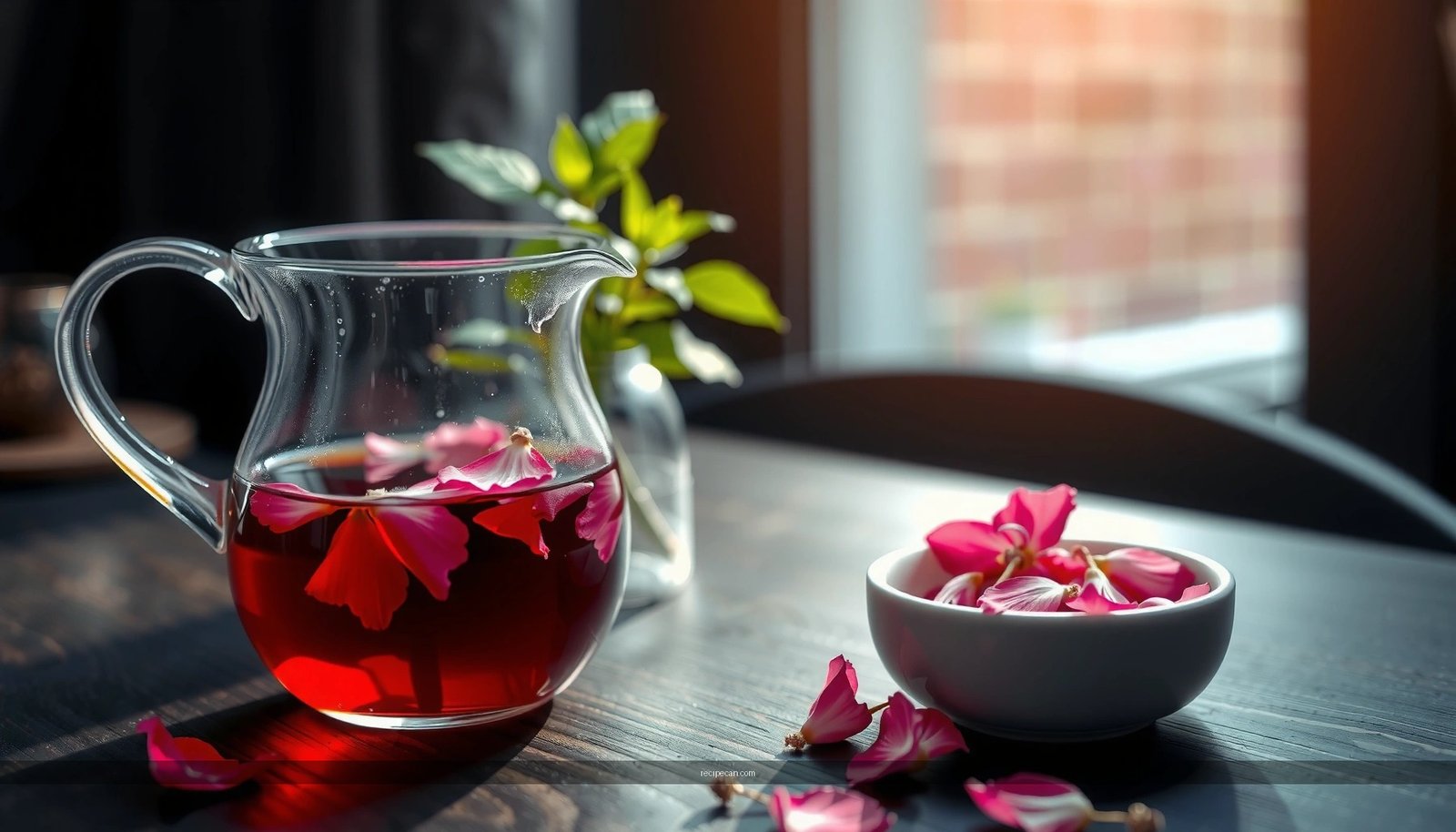
Classic hibiscus tea (often called “agua de jamaica” in some regions) is the most straightforward starting point. To brew a balanced cup, you need two variables under control: steep time and liquid-to-petal ratio. Hibiscus flowers extract vivid color and a naturally tart, cranberry-like flavor, and over-extraction can push the drink toward harsh bitterness.
How to brew (hot)
1. Measure hibiscus: Use about 1–2 teaspoons (3–5 g) dried hibiscus petals per 8 oz / 240 ml water as a baseline.
2. Heat water: Bring water to a strong simmer or boil, then pour over the petals.
3. Steep: Cover and steep for 5–10 minutes.
– 5 minutes = brighter and less intense
– 8–10 minutes = deeper color and more tartness
4. Sweeten after steeping: Stir in 1 teaspoon sugar or 1–2 teaspoons honey per cup, then taste.
5. Strain and serve: Strain through a fine mesh sieve.
Analytical tip: Hibiscus tea’s “tang” comes from organic acids naturally present in the flowers. Sweeteners don’t remove acidity—they dampen perceived sharpness by balancing flavor intensity. If you prefer a less “puckery” drink without losing flavor, increase sweetness slightly rather than reducing steep time too aggressively.
Recommended flavor balance (quick calibration)
– If it’s too tart: add ½ teaspoon sweetener increments.
– If it’s too flat: steep 1–2 minutes longer next time (rather than adding more sugar immediately).
Iced Hibiscus Tea (Agua de Jamaica Style)
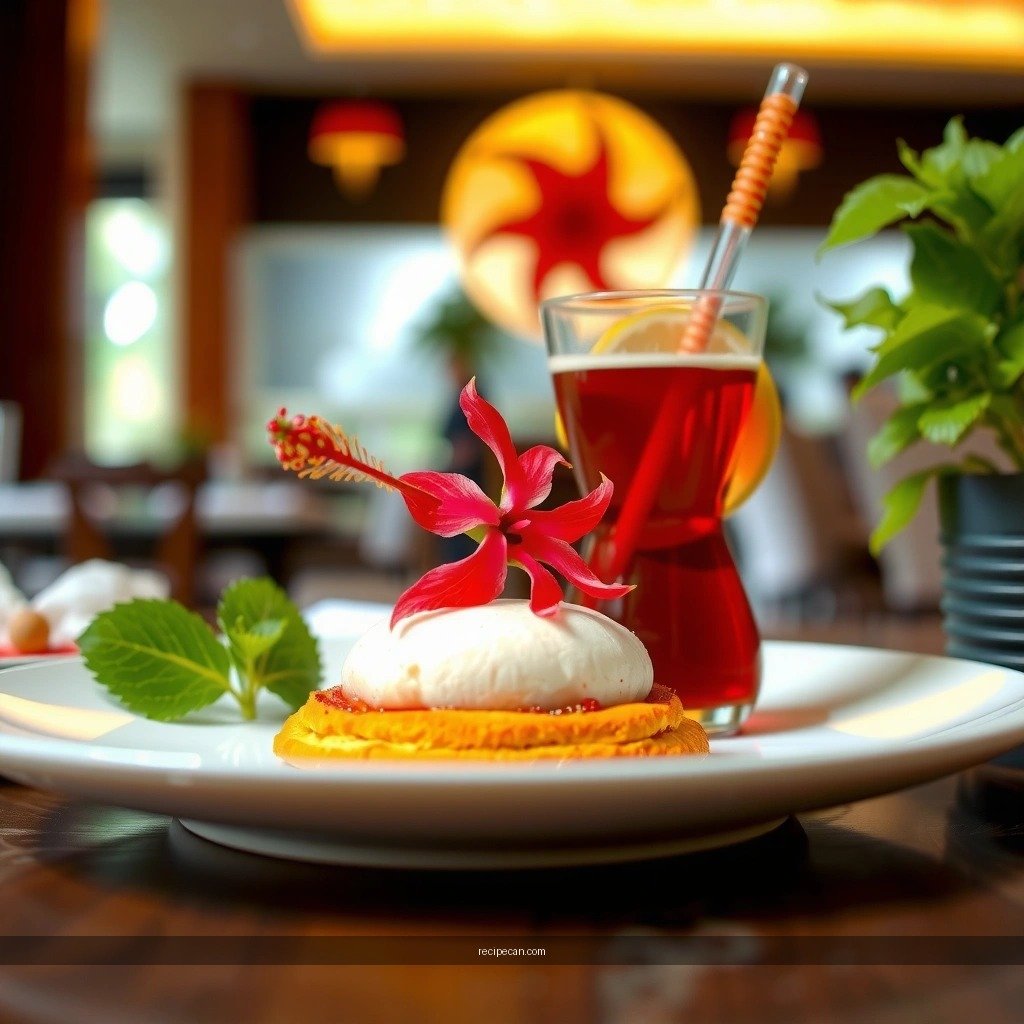
– Brew a strong batch, chill, and serve over ice
– Add lime and optional sweetener for a bright, refreshing finish
Iced hibiscus tea is where hibiscus really shines for high-refreshment occasions. Since ice can dilute flavor, you’ll want to brew slightly stronger than you would for hot tea. This mirrors how cafés and beverage programs develop iced drinks: concentrate first, then chill and finish.
How to brew (iced)
1. Brew strong: Use 2–3 teaspoons (6–8 g) dried hibiscus per 12 oz / 355 ml water. Steep 8–12 minutes.
2. Strain: Remove petals thoroughly for a clean texture.
3. Sweeten while warm: Add sugar or honey before chilling so it dissolves fully.
4. Chill: Refrigerate at least 1–2 hours.
5. Serve: Pour over ice and add fresh lime juice to brighten the finish.
Why lime works
Lime juice adds citrus aroma and elevates “sparkle” without requiring heavy sweetness. It can make your hibiscus taste more vibrant and less one-dimensional—especially in warmer months.
Suggested starting point
– Per 1 quart (1 L) iced batch:
– Dried hibiscus: 25–35 g
– Water: 1 L
– Sugar: 50–100 g (adjust to taste)
– Lime: 1–2 tbsp fresh juice
If you like a bar-style finish, garnish with thin lime slices or a small sprig of mint.
Hibiscus Tea with Citrus & Flavor Boosters
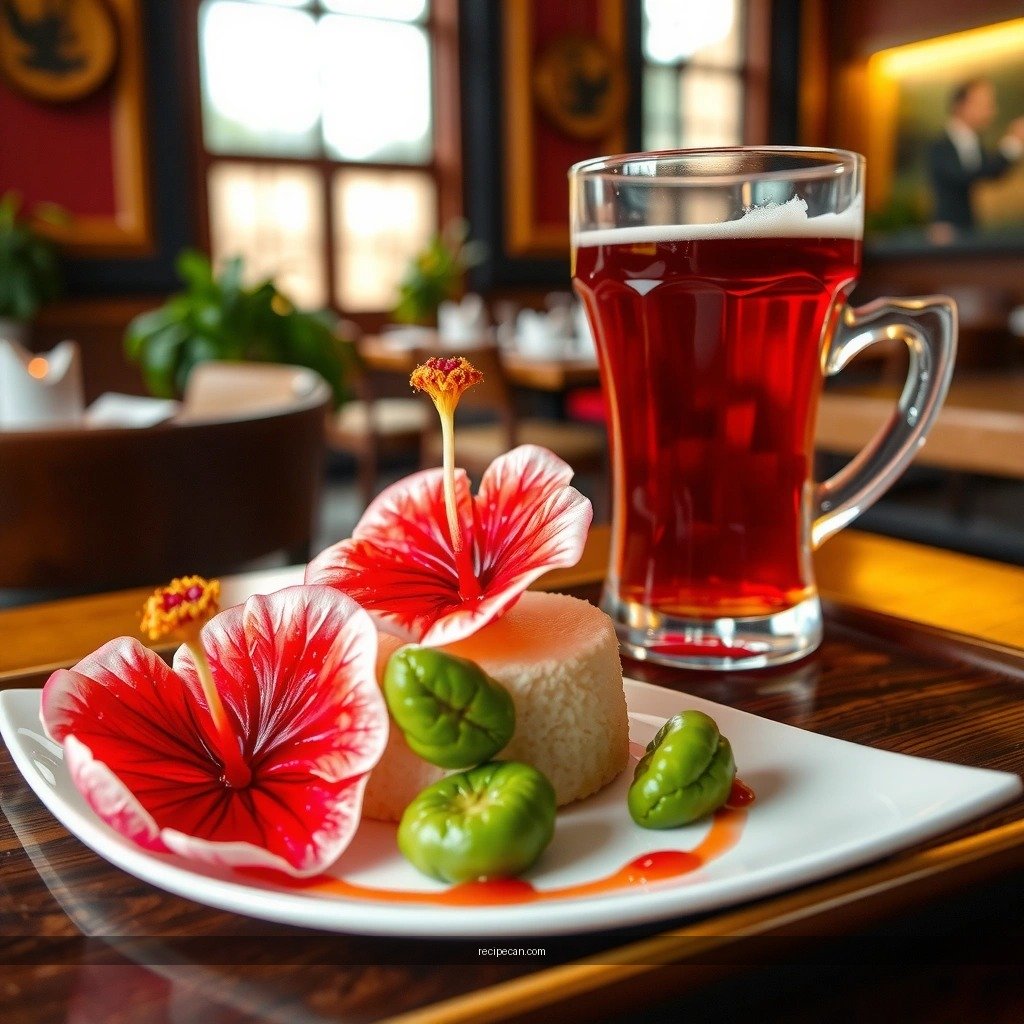
– Pair hibiscus with orange or lemon for a more aromatic drink
– Try ginger or cinnamon to add warmth and depth
For readers seeking hibiscus tea recipes that feel “crafted” rather than basic, citrus and spices are the highest-impact upgrades. Hibiscus has a naturally floral-fruity character, so citrus oils (orange/lemon peel) and warm spices (ginger/cinnamon) create a cohesive flavor arc instead of competing notes.
Citrus method (most aromatic approach)
– Add orange or lemon peel (avoid the bitter white pith) during steeping.
– Use zest in the hot phase, then strain.
Two high-success combinations
1. Hibiscus + Orange + Ginger
– Add 1 strip orange peel plus ½–1 inch ginger slice
– Steep 8–10 minutes
– Sweeten lightly; ginger provides warmth and reduces the need for extra sugar
2. Hibiscus + Lemon + Cinnamon
– Add 1 cinnamon stick during steeping
– Steep 6–9 minutes
– Finish with a squeeze of lemon juice just before serving for maximum brightness
Practical guidance (avoid overpowering)
– Spices extract quickly—especially cinnamon and ginger. Start small, because hibiscus is strong enough to support additions without needing large quantities.
– If your drink tastes “perfume-like,” reduce zest amount next time; if it tastes “thin,” steep slightly longer rather than adding more sweetener.
Quick Reference: Brewing Strength Targets
Best Hibiscus Tea Brew Ratios by Serving Style (Typical Ranges)
| # | Tea Style | Dried Hibiscus (g) | Water (ml) | Steep Time | Tartness Level |
|---|---|---|---|---|---|
| 1 | Classic Hot (Balanced) | 4 | 240 | 7 min | ★★★☆☆ |
| 2 | Classic Hot (Tart Forward) | 6 | 240 | 9 min | ★★★★☆ |
| 3 | Iced (Pre-Chill Concentrate) | 8 | 355 | 10 min | ★★★★☆ |
| 4 | Iced (Gentler, More Dilution-Friendly) | 6 | 355 | 9 min | ★★★☆☆ |
| 5 | Cold-Brew (Smoother) | 7 | 480 | 6–8 hrs | ★★★☆☆ |
| 6 | Spiced Hot (Warm, Balanced) | 5 | 240 | 8 min | ★★★½☆ |
| 7 | Sparkling Finish (After Brewing) | 6 | 240 | 7 min | ★★★★☆ |
Cold-Brew Hibiscus Tea
– Steep hibiscus in cool water for a longer time for a smoother taste
– Strain well and serve chilled, adjusting sweetness afterward
Cold-brew hibiscus tea is an excellent choice if you prefer less sharpness and a smoother mouthfeel. The extraction is slower in cool water, which can reduce the likelihood of overly intense bitterness.
How to cold-brew
1. Add dried hibiscus to a jar or pitcher.
2. Cover with cool or room-temperature water.
3. Steep 6–10 hours (overnight is typical).
4. Strain carefully—hibiscus petals can leave fine particles.
5. Sweeten after straining, if needed.
6. Serve chilled.
Workflow advantage (for teams and meal prep)
Cold-brew can be brewed in batches and kept refrigerated for days. If you’re developing a beverage service plan (office refreshments, small events), cold-brew simplifies consistency: you control one steep time, then portion and sweeten to taste.
Common troubleshooting
– Too light: steep longer or use slightly more hibiscus next batch.
– Too strong: dilute with water or reduce hibiscus amount rather than trying to “fix” it with extra sweetener.
– Cloudy tea: strain through a finer mesh or line a strainer with a clean cheesecloth.
Hibiscus Tea Variations (Hot, Spiced, or Sparkling)
– Serve hot as a cozy alternative or add spices like cloves or star anise
– Make it sparkling by topping with soda or sparkling water
Once you master the core method, variation becomes straightforward: you’re essentially changing the aromatic profile while keeping the hibiscus extraction consistent.
Hot spiced hibiscus
Spices pair well because hibiscus already carries fruity-floral notes. Choose one or two spices to avoid muddiness.
– Clove: adds warming, slightly sweet aroma
– Star anise: contributes licorice-like complexity
– Cinnamon stick: rounds tartness with familiar warmth
Best practice: Add spices during the final steep window (or keep them in during steeping), then strain. Start with small amounts—especially clove.
Sparkling hibiscus tea
For a modern, beverage-bar effect, brew hibiscus tea as usual, chill it, then top with bubbles.
– Use sparkling water or club soda
– Add ice
– Adjust sweetness before carbonation (sweetness can taste muted when flat)
Pro serving idea: Keep the hibiscus concentrate separate, then build each glass to control dilution and carbonation.
Tips for Perfect Hibiscus Tea Every Time
– Use the right steep time for balanced flavor (not overly bitter)
– Taste and adjust sweetness and tartness gradually before serving
The difference between “good” and “great” hibiscus tea is usually not the recipe—it’s the tuning. Use these practices to dial in consistency.
1. Control steep time, then fine-tune sweetness
– If it tastes too bitter or harsh, shorten steep time next round.
– If it tastes sharp but not bitter, add sweetener gradually.
2. Start with a measured baseline
– Use a consistent hibiscus-to-water ratio for repeatable results.
– If you scale up, scale the ratio—not just the amount of petals.
3. Sweeten intelligently
– Honey can add floral sweetness, but it varies by brand—start with less and taste.
– Sugar dissolves predictably; it’s ideal for consistent batch service.
4. Adjust acidity with citrus at the end
– Lime or lemon juice is best added near serving so aroma remains bright.
– If you add citrus during long steeping, it can slightly mute fresh top notes.
5. Strain thoroughly for texture
– A finer strain improves mouthfeel and makes iced and sparkling versions more polished.
6. Document your “perfect cup” settings
– For example: “8 minutes at 1.5 tsp per cup, plus 1 tsp honey, finish with ½ lime.”
This turns hibiscus tea recipes into a reliable process rather than a one-off experiment.
Hibiscus tea recipes are easy to master once you control steeping time, sweetness, and added flavors. Pick one variation to start—classic hot, iced, or cold-brew—then tweak it to your preferred level of tartness. Brew a batch today and experiment with your favorite citrus or spice combination.
Frequently Asked Questions
What is the best hibiscus tea recipe for beginners?
Start with a simple hibiscus tea recipe using dried hibiscus sabdariffa flowers. Steep 1–2 teaspoons in 8–10 oz (240–300 ml) of hot water for 5–10 minutes, then strain and sweeten to taste (honey or sugar work well). For a refreshing twist, serve it over ice and add a squeeze of lemon to enhance the tart flavor.
How do I make hibiscus tea using fresh hibiscus flowers or dried petals?
If you’re using fresh hibiscus, simmer about 2–3 cups of fresh petals in water for 10–15 minutes, then strain. For dried hibiscus tea, steep 1–2 teaspoons per cup for 5–10 minutes instead of boiling. Both methods work, but simmering fresh flowers usually extracts color and flavor more strongly.
Why does hibiscus tea taste too sour, and how can I balance the flavor?
Hibiscus tea naturally has a bright, tart profile due to its acidity, which can feel too sour if brewed too long or steeped with a heavy ratio. Reduce the steeping time to 3–5 minutes, use less hibiscus (try 1 teaspoon per cup), and consider balancing with honey, agave, or a splash of orange juice. Lemon is great for many people, but if it’s already too sharp, skip it and add sweetness first.
Which hibiscus tea recipe is best for iced hibiscus tea at home?
Make a concentrated batch by steeping 2–3 teaspoons of dried hibiscus in 2 cups of hot water for 10 minutes, then strain. Chill the concentrate, then dilute with cold water or sparkling water to your preferred strength, and serve over ice. Add mint, fresh berries, or citrus slices for an easy flavor upgrade that still tastes like hibiscus tea from a cafe.
How can I brew hibiscus tea without bitterness or a “muddy” taste?
Bitterness often comes from over-steeping or using too much dried hibiscus for the amount of water. Keep the brew time within 5–10 minutes and aim for a balanced ratio like 1–2 teaspoons per cup, then strain thoroughly to remove small particles. If you still notice bitterness, try using slightly cooler water (around 180–200°F / 82–93°C) and taste-test between batches.
References
- Google Scholar Google Scholar
https://scholar.google.com/scholar?q=hibiscus+tea+recipe - Google Scholar Google Scholar
https://scholar.google.com/scholar?q=hibiscus+sabdariffa+tea+preparation+infusion - Google Scholar Google Scholar
https://scholar.google.com/scholar?q=agua+de+jamaica+hibiscus+tea+recipe - Hibiscus tea
https://en.wikipedia.org/wiki/Hibiscus_tea - https://www.nccih.nih.gov/health/hibiscus
https://www.nccih.nih.gov/health/hibiscus - https://medlineplus.gov/druginfo/natural/927.html
https://medlineplus.gov/druginfo/natural/927.html - https://pubmed.ncbi.nlm.nih.gov/?term=hibiscus+tea+preparation
https://pubmed.ncbi.nlm.nih.gov/?term=hibiscus+tea+preparation - https://www.sciencedirect.com/search?qs=hibiscus%20tea%20preparation
https://www.sciencedirect.com/search?qs=hibiscus%20tea%20preparation - hibiscus tea | Nature Search Results
https://www.nature.com/search?q=hibiscus%20tea - Hibiscus | Flowers, Description, Species, & Uses | Britannica
https://www.britannica.com/plant/hibiscus