Searching for a weight loss tea recipe that actually gives you a simple daily mix? This easy weight loss tea recipe delivers a straightforward blend designed to support fat-burning routines when you pair it with sensible calorie control. You’ll get the exact mixing steps and what to expect so you can brew with confidence every day.
If you want a simple, practical weight loss tea recipe, brew a daily cup using green tea + ginger + lemon—this combo supports calorie burn and digestion without adding sugar. In the guide below, you’ll get an easy step-by-step brew, clear safety guidance, and options to tailor flavor while staying aligned with fat-loss goals.
Choose Ingredients for a Weight Loss Tea Recipe
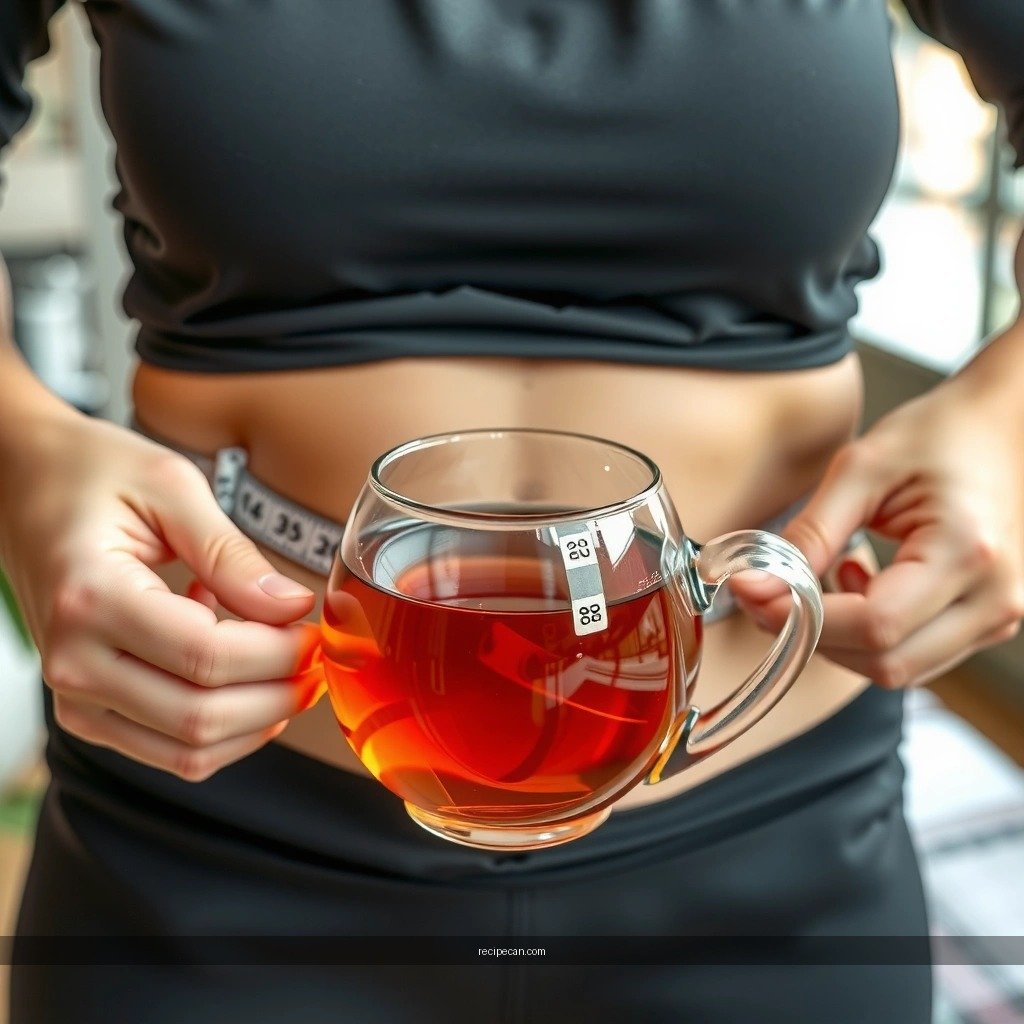
A metabolism-supporting tea works best when its ingredients have a plausible role in energy balance, digestion, and appetite regulation. While no drink “melts fat” on its own, the right ingredients can make your daily routine easier to stick with—especially when paired with a calorie-conscious diet and regular movement.
– Focus on proven additions like green tea, ginger, and cinnamon
– Green tea is the backbone for many weight loss tea recipes because it contains catechins (notably EGCG) and caffeine, both associated with modest increases in energy expenditure and improved fat oxidation in some studies.
– Ginger is a digestive ally. It’s commonly used to support gastrointestinal comfort, which can help you maintain consistent eating patterns and reduce the urge to snack when your stomach feels “off.”
– Cinnamon can add warm flavor without sugar. It’s often chosen for its potential to support healthy glucose handling and for its ability to make tea taste satisfying.
– Avoid sweeteners that can add extra calories
– If weight loss is your goal, keep tea unsweetened or lightly sweet only when necessary. Even “natural” sweeteners add calories and can undermine your calorie deficit.
– If you crave sweetness, try increasing cinnamon slightly or adding lemon zest instead of sugar.
– Use fresh ingredients when possible for stronger flavor and benefits
– Fresh ginger typically tastes brighter and may extract more effectively in hot water.
– Fresh lemon juice is often more flavorful than bottled juice, which can reduce the temptation to sweeten.
Step-by-Step Weight Loss Tea Recipe
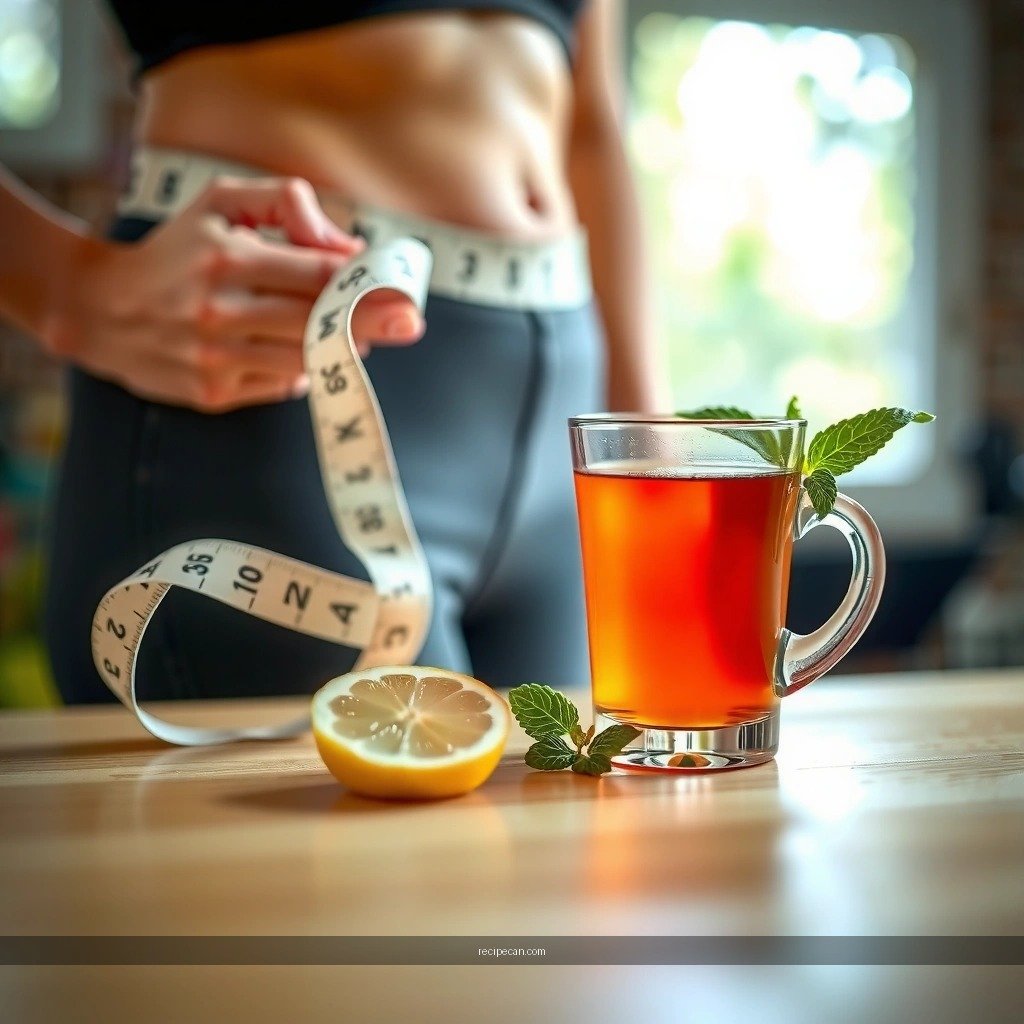
This is an easy mix that you can brew daily. The ratios below are designed to be consistent—important for both taste and caffeine/active-compound intake.
– Combine hot water with your tea base (e.g., green tea or black tea)
– Heat water to about 175–185°F (79–85°C) for green tea (higher temps can increase bitterness).
– Add your green tea (loose leaves or a tea bag).
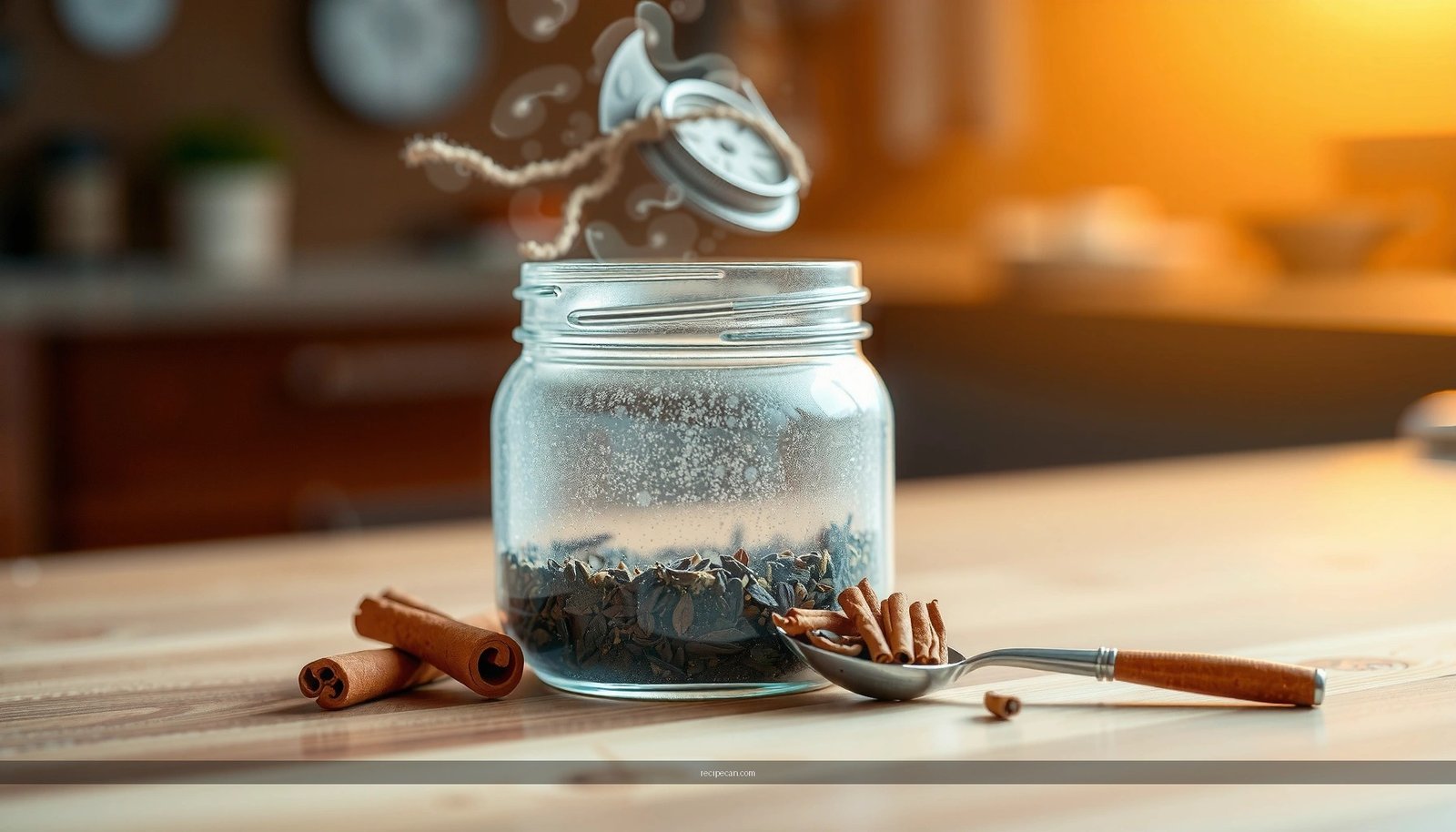
– Add ginger slices and a cinnamon stick (or pinch of cinnamon)
– Add 3–5 thin slices of ginger (or about 1–2 teaspoons freshly grated ginger).
– Add 1 cinnamon stick, or use a small pinch of ground cinnamon if you don’t have sticks.
– Steep 5–10 minutes, then strain and finish with lemon juice
– Steep for 5 minutes for a lighter, less bitter cup or 8–10 minutes for a stronger flavor.
– Strain if using loose ingredients.
– Finish with 1–2 teaspoons lemon juice (or more to taste). Add lemon after steeping to preserve a fresh citrus profile.
Practical note: If you’re sensitive to caffeine, consider using 1/2 teaspoon green tea or steeping closer to 5 minutes. You still get the ginger and lemon benefits while controlling stimulant load.
Typical Caffeine & Metabolism-Focused Blend Fit (per 8 oz / 240 ml)
| # | Tea Blend Profile | Caffeine (mg) | EGCG Potential (mg) | Sugar Added | Metabolism Support Rating |
|---|---|---|---|---|---|
| 1 | Green tea + ginger + lemon | 35–45 | 70–110 | None | ★★★★★ |
| 2 | Green tea + ginger + cinnamon | 35–45 | 70–110 | None | ★★★★☆ |
| 3 | Green tea + ginger + cinnamon + lemon | 35–45 | 70–110 | None | ★★★★★ |
| 4 | Black tea + ginger + lemon | 45–70 | ~20–60 (less than green) | None | ★★★☆☆ |
| 5 | Green tea + cinnamon + lemon (minimal ginger) | 30–40 | 60–100 | None | ★★★★☆ |
| 6 | Herbal “ginger-lemon” (no tea base) | 0–5 | 0 | None | ★★☆☆☆ |
| 7 | Green tea + ginger + sweetened lemon (calorie sweetener) | 35–45 | 70–110 | 1–2 tsp sugar-equivalent | ★★☆☆☆ |
How to Brew for Best Taste and Effects
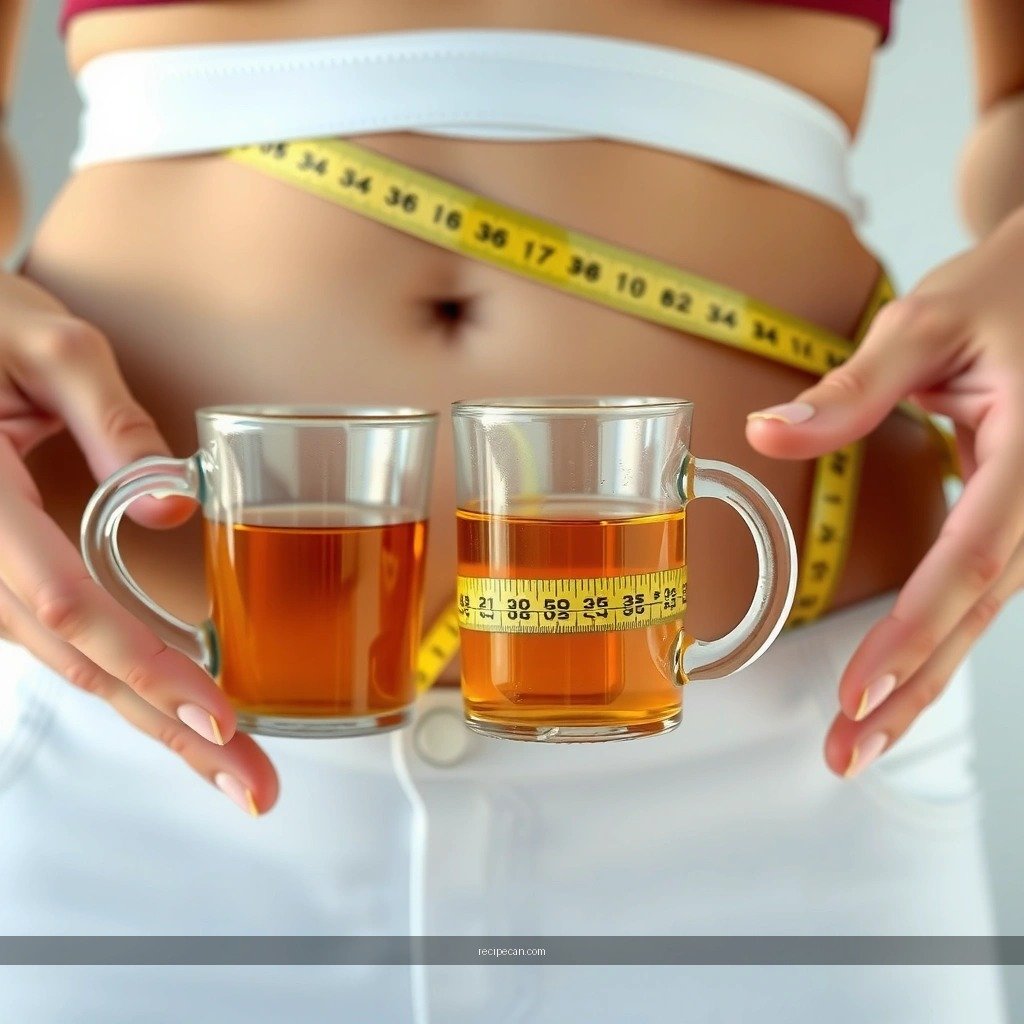
Brew consistency is one of the most overlooked parts of using a weight loss tea recipe effectively. If the tea is too bitter, people add sugar—or they stop drinking it altogether.
– Use the right water temperature to prevent bitterness
– Green tea: about 175–185°F (79–85°C).
– Black tea: can handle near-boiling water (around 200–212°F / 93–100°C), though you can still use 195°F to reduce harshness.
– Overheating green tea can increase bitterness and make the drink harder to enjoy daily.
– Keep steeping time consistent to avoid overpowering flavors
– Aim for 5–10 minutes depending on tolerance.
– If you find the ginger too strong, shorten steeping and add lemon right at the end.
– Drink it warm or chilled—either way, follow the same recipe ratios
– For an iced version, brew normally, then cool quickly and pour over ice.
– Chilled tea can still support your routine, but watch for “extra” calories if you’re adding sweeteners to mask flavor.
Tip for consistency: Keep a simple log (date, time, how it felt—energy, digestion, cravings). That’s especially useful if you’re using this for daily fat-burning support alongside a structured plan.
How Often to Drink Weight Loss Tea
The best frequency is the one you can maintain safely while it supports your appetite and daily activity.
– Start with 1 cup per day to see how you feel
– Choose a time that fits your day—commonly morning or early afternoon to avoid sleep disruption.
– Observe: energy, stomach comfort, and whether you get headaches or jitters.
– Increase to 2 cups max if tolerated and not sensitive to caffeine
– Many people will notice the tea is effective as a routine support rather than a dramatic “breakthrough.”
– If you experience acidity, nausea, or restlessness, scale back and simplify the blend (e.g., reduce steep time or ginger slices).
– Pair with a balanced diet and regular activity for real results
– Weight loss is fundamentally driven by energy balance. A well-chosen tea helps you stay consistent—especially when it supports digestion and reduces the urge for sugary drinks.
– Combine your tea routine with:
– Protein-forward meals
– High-fiber foods
– Daily movement (steps, walking, or strength training)
Safety Tips and Who Should Avoid It
A metabolism-supporting tea should be treated like an active beverage—not a free pass.
– Limit caffeine if you’re sensitive or have sleep issues
– Green tea and black tea contain caffeine. If your sleep is easily affected, shift to earlier in the day or use a lower-caffeine approach (less leaf, shorter steeping).
– Avoid taking it late evening, even if you “feel fine” at first—sleep quality often drops before you notice.
– Check interactions if you take blood pressure or blood-sugar medications
– Ginger and tea compounds can influence digestion and, in some cases, glucose metabolism. If you take medications, confirm with your clinician—particularly for blood sugar control.
– If you experience dizziness, shakiness, or unusual fatigue, stop and seek medical advice.
– Avoid if pregnant or consult a clinician if you have medical conditions
– Pregnancy is a time to be cautious with concentrated herbal inputs and caffeine exposure.
– If you have reflux, ulcers, kidney disease, or a history of medication sensitivity, consult a healthcare professional first.
Flavor Variations Without Sacrificing Weight Loss Goals
You don’t need to drink the same cup forever. Flavor variety helps adherence—adherence is what makes “daily fat-burning support” real for most people.
– Swap lemon for lime or add a few mint leaves for freshness
– Lime offers a similar acidic profile and can reduce the urge to add sweetener.
– Mint can improve perceived freshness and makes ginger tea feel lighter.
– Add turmeric or a small amount of black pepper (optional)
– Turmeric pairs well with ginger and can add earthy depth.
– Some people add a pinch of black pepper to help increase absorption of certain turmeric compounds. Keep it small to avoid digestive irritation.
– Keep sweeteners minimal—use cinnamon and ginger instead of sugar
– Cinnamon is naturally warming and can mimic the sensation of sweetness.
– Ginger adds “bite,” making unsweetened tea feel more satisfying.
Conclusion
To get the most from this weight loss tea recipe, brew it consistently with metabolism-supporting ingredients like green tea, ginger, cinnamon, and lemon, and keep your servings within safe, sustainable limits. Use the same ratios each time to control taste and caffeine, start with 1 cup per day, and prioritize pairing the tea with a balanced diet and regular activity—because lasting weight loss comes from habits, not hacks. Try the recipe today, track how you feel for a week, and adjust frequency based on your tolerance and results.
Frequently Asked Questions
What is a simple weight loss tea recipe I can make at home?
A beginner-friendly weight loss tea recipe is ginger-cinnamon tea: steep 1–2 teaspoons of fresh grated ginger (or 1/2 teaspoon dried) with 1 cinnamon stick in hot water for 8–10 minutes. Add 1 tablespoon of lemon juice after brewing for flavor and vitamin C, and drink it warm. For calorie-conscious sweetening, use a few drops of stevia instead of sugar. This weight loss tea recipe focuses on hydration and may help support appetite control as part of a healthy routine.
How do I make green tea for weight loss without it tasting bitter?
To make green tea for weight loss without bitterness, steep green tea at a lower temperature (about 160–180°F / 70–80°C) instead of boiling water. Use 1–2 teaspoons of loose leaf or 1 tea bag and steep for 1–3 minutes, then taste and adjust next time. Over-steeping is a common reason weight loss tea becomes harsh. Consistent brewing time helps you get a smoother cup while still benefiting from green tea antioxidants.
Why do people add lemon and cayenne to weight loss tea, and is it safe?
Lemon is often added to weight loss tea to improve taste and provide acidity that may help you stay consistent with daily drinking. Cayenne is included because it contains capsaicin, which some people associate with increased metabolism and a thermogenic effect. For safety, start with a very small pinch of cayenne and avoid it if you have acid reflux, ulcers, or sensitivity to spicy foods. Always hydrate well and listen to your body when using a weight loss tea recipe with stimulatory ingredients.
Which herbs are best for a weight loss tea recipe—ginger, dandelion, or hibiscus?
Ginger is popular for digestion support and flavor, making it a practical base for many weight loss tea recipe blends. Dandelion leaf is commonly used as a gentle diuretic, while hibiscus may support healthy blood pressure and adds a bright, tart taste. The “best” choice depends on your goal: if you want a warming, digestion-friendly tea, choose ginger; if you want a refreshing, tangy option, hibiscus works well; if you’re targeting water retention concerns, consider dandelion cautiously. You can also combine them in small amounts, but start with one herb first to see how you tolerate it.
What is the best time to drink weight loss tea for results?
Many people find it helpful to drink weight loss tea 30–60 minutes before meals to support appetite awareness and routine consistency. Green tea is often best earlier in the day because it contains caffeine, which may affect sleep if taken too late. Ginger or cinnamon teas can be used in the afternoon or evening if they don’t upset your stomach. For best results, pair your weight loss tea recipe with a calorie-appropriate diet and regular movement, since tea works best as a supportive habit rather than a standalone solution.
References
- Weight loss
https://en.wikipedia.org/wiki/Weight_loss - Green tea
https://en.wikipedia.org/wiki/Green_tea - https://www.nccih.nih.gov/health/green-tea-and-green-tea-extract
https://www.nccih.nih.gov/health/green-tea-and-green-tea-extract - https://www.nccih.nih.gov/health/hibiscus
https://www.nccih.nih.gov/health/hibiscus - https://www.mayoclinic.org/healthy-lifestyle/weight-loss/in-depth/weight-loss/art-20044876
https://www.mayoclinic.org/healthy-lifestyle/weight-loss/in-depth/weight-loss/art-20044876 - About Healthy Weight and Growth | Healthy Weight and Growth | CDC
https://www.cdc.gov/healthyweight/index.html - https://pubmed.ncbi.nlm.nih.gov/?term=green+tea+weight+loss+systematic+review
https://pubmed.ncbi.nlm.nih.gov/?term=green+tea+weight+loss+systematic+review - Google Scholar Google Scholar
https://scholar.google.com/scholar?q=green+tea+weight+loss+randomized+controlled+trial - Google Scholar Google Scholar
https://scholar.google.com/scholar?q=hibiscus+tea+weight+loss+clinical+trial - Google Scholar Google Scholar
https://scholar.google.com/scholar?q=tea+consumption+weight+loss+meta-analysis