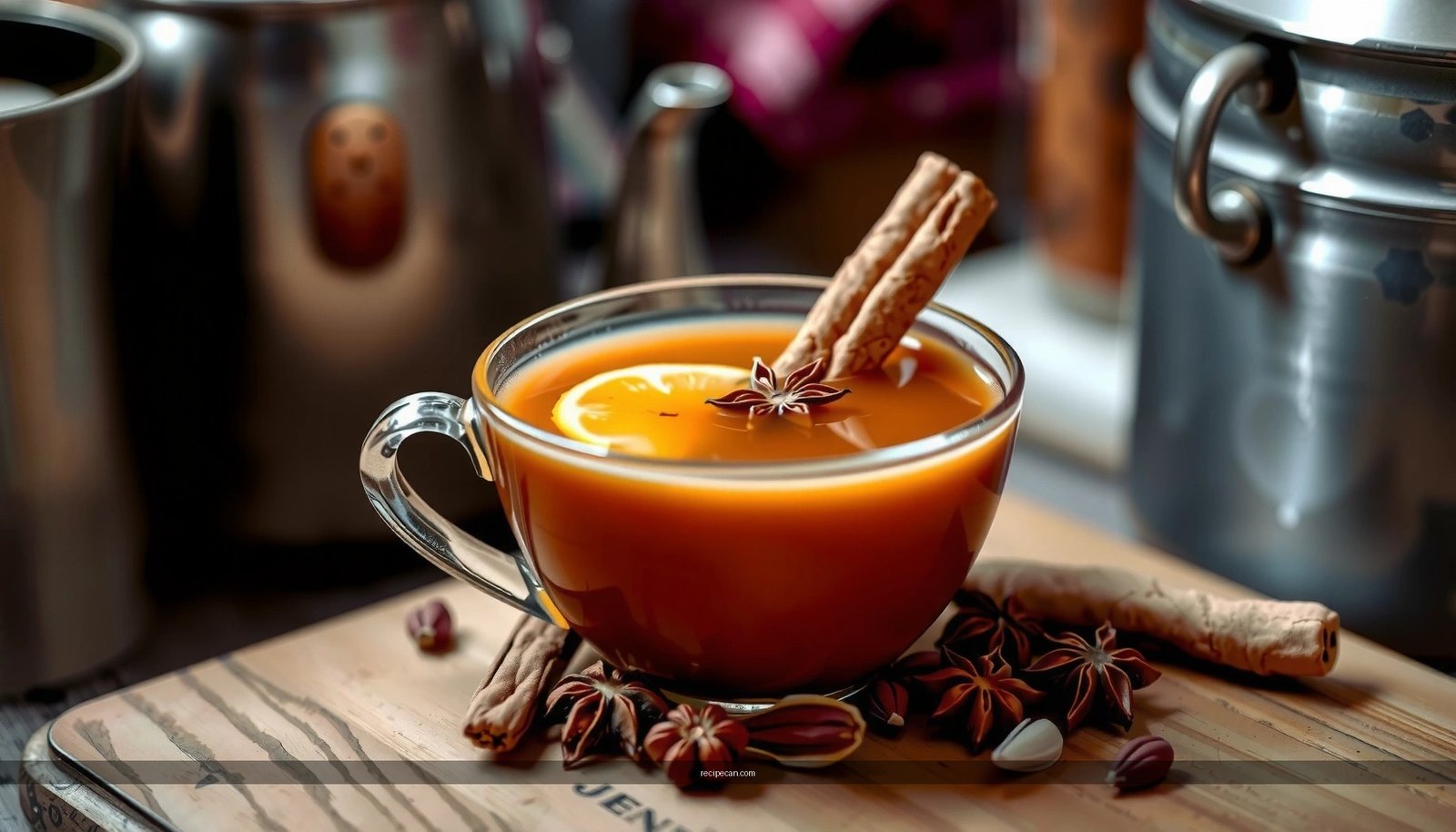
Looking for a tea chai recipe that delivers classic chai at home? This guide shows the exact simmering method, spice-to-milk ratio, and brew time to get a bold, aromatic cup with the right strength. If you want the most authentic “masala chai” flavor without shortcuts, follow these steps for a repeatable winner every time.
Make classic tea chai at home by simmering strong black tea with water, then adding milk and warming spices like ginger, cinnamon, and cardamom—keeping the heat gentle to avoid bitterness. This recipe walks you through practical spice-to-tea ratios and a reliable method for a rich, creamy cup without the harsh aftertaste.
Choose Your Tea and Milk

Selecting the right base ingredients is the single biggest lever for authentic chai. In most “classic” chai preparations, the structure is built on strong black tea (for body and tannins) paired with milk (to mellow bitterness and create a creamy mouthfeel).
– Use strong black tea (or chai tea leaves) for best flavor
Traditional chai relies on black tea because its tannin profile supports a bold brew. Look for assam, kenya, or any “strong” black tea. If you’re using pre-blended chai tea leaves, treat them as your spice-and-tea partner, but still simmer thoughtfully—pre-spiced blends can mute ginger and cardamom if overheated.
– Pick whole milk for creaminess (or use dairy-free alternatives)
Whole milk delivers the fat content that rounds out spice sharpness and prevents a watery finish. If you’re dairy-free, opt for oat milk (most similar mouthfeel), whole-fat soy, or coconut milk (richer but can add sweetness). Note: dairy-free milks vary widely—some curdle less easily, but many separate if boiled hard.
– Optional: add water-to-milk balance to control richness
A common classic balance is 1:1 by volume (water:milk) when you want a café-style cup. If you prefer a lighter chai, shift to 2 parts water / 1 part milk. For a richer, more dessert-like drink, use 1 part water / 1 part milk and allow a slightly longer spice infusion.
Practical note for consistency: chai is easy to standardize once you choose a repeatable liquid ratio. For example, if you’re making 2 cups, decide your water:milk split first, then scale the tea and spices accordingly.
Classic Chai Brew Targets (per 2 cups / ~480 ml)
| # | Chai Goal | Tea Strength | Spice Load | Milk Richness |
|---|---|---|---|---|
| 1 | Bold & balanced chai | 2–2.5 g black tea | Ginger 3–5 g + cinnamon 1 stick | 1:1 water:milk |
| 2 | Spice-forward chai (warmth) | 1.75–2 g tea | Add cardamom 4 pods | 1:1 to 2:1 water:milk |
| 3 | Less bitter, smoother finish | 2 g tea, short simmer | Fewer cloves: 1–2 | 1:1 water:milk |
| 4 | Creamy “café style” chai | 2–2.5 g tea | Cinnamon + ginger only | 1:1 water:milk + gentle warmth |
| 5 | Light chai (daytime) | 1.5–1.8 g tea | Cardamom 3 pods | 2:1 water:milk |
| 6 | Spiced chai with deeper tea | 2.5–3 g tea | Cinnamon 1 stick | 1:1 water:milk |
| 7 | Sweetness & balance tuning | Stay at 2 g tea | Cloves max 1 | 2 tsp sugar or to taste |
Gather Chai Spices

Classic tea chai depends on aromatic spices that build fragrance before they add intensity. For predictable results, measure loosely at first, then refine after one cup.
– Essential options: ginger, cinnamon, cardamom, and cloves
Ginger provides a bright heat; cinnamon contributes warm sweetness; cardamom adds floral-top notes; cloves bring depth but can dominate quickly. If you’re aiming for “classic,” use all four—but keep cloves modest.
– Fresh spices give a brighter, stronger aroma
Whenever possible, use fresh ginger and whole cinnamon sticks. Whole spices release more slowly and typically produce a smoother cup than pre-ground blends.
– Keep spices whole or lightly crushed for easy strain and smooth taste
Lightly crush cardamom pods and ginger slices to increase extraction. Whole cloves and cinnamon sticks can be left intact. If you want a cleaner finish, strain the chai base after simmering.
Actionable measurement guidance (per ~2 cups / 480 ml total liquids):
– Ginger: 3–5 g fresh (about a 1-inch knob, sliced)
– Cinnamon: 1 medium stick or ~1.5–2 tsp bark pieces
– Cardamom: 3–5 pods, lightly crushed
– Cloves: 1–2 (optional, but strong—start low)
These ratios help avoid the two common failures: over-spiced bitterness and under-extracted tea.
Brew the Tea Base

To avoid bitterness, extraction needs order: spices first (briefly), tea second (briefly)—then milk comes in to round everything out.
– Simmer water with spices to extract flavor first
Combine water and your whole spices in a saucepan. Simmer on medium-low for 5–7 minutes. This step builds the aromatic foundation without burning tea tannins.
– Add tea and simmer briefly to avoid bitterness
Add black tea leaves. Simmer for 2–4 minutes. If your tea is very strong or finely cut, lean toward 2–3 minutes. Longer simmering after tea addition increases tannins and can taste drying or bitter.
– Strain if you used whole spices and want a cleaner cup
Straining after the tea simmers is optional. If you used whole spices, it improves mouthfeel and keeps cloves/cardamom from creating concentrated pockets.
Quality control tip: Watch for a consistent color. The chai base should look like a deep amber, not dark brown-black. Darker isn’t always better—often it signals over-extraction.
Add Milk and Sweeten to Taste
Milk is where chai becomes “creamy.” The goal is gentle warmth, not a hard boil. Hard boiling can scald dairy and amplify bitterness.
– Heat and simmer gently when adding milk (don’t boil hard)
Add milk (or your chosen dairy-free alternative). Warm the mixture over low to medium-low, stirring occasionally, until it reaches steaming and just begins to thicken slightly—usually 3–6 minutes.
– Adjust simmer time for your preferred strength and texture
Shorter simmer = lighter body and brighter spice notes. Longer gentle simmer = thicker texture and deeper flavor integration. If you’re unsure, aim for 4–5 minutes.
– Sweeten with sugar, jaggery, honey, or to taste
Add sweetener after the milk warms and tastes are aligned.
– Sugar dissolves easily and is neutral.
– Jaggery adds caramel-like depth and pairs naturally with ginger and cinnamon.
– Honey is fragrant but can mute under prolonged heat—stir in near the end or after turning off the heat if desired.
Recommended sweetening starting points (per 2 cups chai):
– Sugar: 1–2 teaspoons, then adjust
– Jaggery: 1–2 tablespoons chopped (or to taste)
– Honey: 1–2 teaspoons, ideally after slight cooling
If your chai tastes bitter, don’t “mask it” by adding lots of sweetener. Instead, reduce tea simmer time next batch and keep milk at gentle heat.
Strain and Serve
Serving is less about ceremony and more about texture—especially when you want that silky chai finish.
– Strain chai into cups for a silky finish
Pour through a fine mesh strainer to remove tea leaves and whole spices. This is particularly important if you used cinnamon sticks or cloves.
– Serve hot, or chill and reheat for convenience
Chai holds up well for meal-prep. For best results:
– Cool, refrigerate in a sealed container
– Reheat gently on the stove or in short microwave intervals
– Stir well before serving (sedimentation is normal)
– Optional: garnish with a pinch of cinnamon for extra aroma
A small pinch of cinnamon on top adds a perceived “freshly brewed” aroma. Don’t overdo it—too much garnish can become bitter quickly.
Pro tip for consistent café-style texture: Use a stable simmer and avoid aggressive boiling. The smoother the simmer, the creamier the final mouthfeel.
Tips for the Perfect Tea Chai
Small process tweaks deliver outsized improvements—especially if you’re aiming for repeatable results at home.
– Keep heat gentle after adding milk to prevent curdling
If you see milk separation or grainy texture, your heat was too high. Use low heat and stir gently. Dairy-free milks may be more stable, but hard boiling can still affect texture.
– Taste and adjust: more spice for warmth, more tea for boldness
Adjust in the right direction:
– Too mild: extend tea extraction next time (within 2–4 minutes range) rather than simmering milk longer.
– Too weak: increase tea leaves slightly, not spices.
– Too spicy: shorten the spice simmer next batch (reduce the 5–7 minute step).
– Make a batch and store in the fridge for quick reheating
For faster mornings, brew once and reheat as needed. Chai flavor often becomes more integrated after a few hours, producing a more cohesive cup. When reheating, warm gently and stir for uniform texture.
If you want a “workweek system”: keep a labeled container with your chai base method (tea weight, spice set, water:milk ratio). Consistency turns chai from a craft project into a reliable routine.
You now have a simple tea chai recipe: simmer spices, brew strong tea, then add milk and sweeten to your taste. Follow the sections above for a warm, aromatic chai at home—then make a second batch and tweak spice or strength until it’s perfect for you.
Frequently Asked Questions
What is the best chai tea recipe at home?
A classic chai tea recipe uses black tea, whole milk (or your preferred milk), water, ginger, and cinnamon, simmered with whole spices like cardamom and cloves. For a rich, balanced flavor, brew strong black tea first, then gently simmer it with milk and spices instead of boiling aggressively. Sweeten with sugar or jaggery to taste, and strain well for a smooth cup of spiced chai tea.
How do I make authentic Indian masala chai without bitterness?
Use freshly grated ginger and lightly crushed spices, then simmer them briefly before adding milk and tea to prevent harsh flavors. Brew black tea for a shorter time (about 3–5 minutes) and avoid overboiling the chai tea after adding milk, since prolonged heat can make it taste bitter. Strain immediately and taste; if it’s sharp, add a little more milk or sweetener.
Which spices work best for a flavorful chai tea recipe?
Commonly used chai spices include cardamom, cinnamon, ginger, cloves, and black pepper, which create warmth and depth without overpowering the tea. Start with cardamom and ginger as the core, then add cinnamon and cloves in smaller amounts for balance. If you want a stronger aroma, toast whole spices for 1–2 minutes before simmering them in water for your chai tea recipe.
Why should I simmer chai tea instead of just steeping it?
Simmering chai tea recipe ingredients helps the spices release essential oils and flavors more effectively than simple steeping. It also blends tea with milk slowly, creating a smoother, more cohesive taste. For the best results, simmer spices in water briefly, then add tea and milk and let it gently bubble for a few minutes before straining.
How can I make a quick chai latte-style tea recipe at home?
To make quick chai, simmer grated ginger and cinnamon in hot water for 2–3 minutes, then add black tea and steep for 3–4 minutes. Stir in warm milk (or dairy-free milk), sweeten to taste, and strain for a cafe-style chai latte. If you have leftover spiced tea concentrate, you can mix 1–2 tablespoons concentrate with hot milk for an even faster chai tea recipe.
References
- Chai
https://en.wikipedia.org/wiki/Chai - Masala chai
https://en.wikipedia.org/wiki/Masala_chai - https://www.britannica.com/topic/chai
https://www.britannica.com/topic/chai - Google Scholar Google Scholar
https://scholar.google.com/scholar?q=chai+tea+recipe - Google Scholar Google Scholar
https://scholar.google.com/scholar?q=masala+chai+recipe+ginger+cardamom+cinnamon - Google Scholar Google Scholar
https://scholar.google.com/scholar?q=chai+tea+preparation+method+black+tea+spices - https://pubmed.ncbi.nlm.nih.gov/?term=chai+tea
https://pubmed.ncbi.nlm.nih.gov/?term=chai+tea - https://pubmed.ncbi.nlm.nih.gov/?term=masala+chai
https://pubmed.ncbi.nlm.nih.gov/?term=masala+chai - https://pubmed.ncbi.nlm.nih.gov/?term=cinnamon+cardamom+ginger+spice+tea+infusion
https://pubmed.ncbi.nlm.nih.gov/?term=cinnamon+cardamom+ginger+spice+tea+infusion - https://www.nccih.nih.gov/health/tea-and-extracts-what-you-need-to-know
https://www.nccih.nih.gov/health/tea-and-extracts-what-you-need-to-know