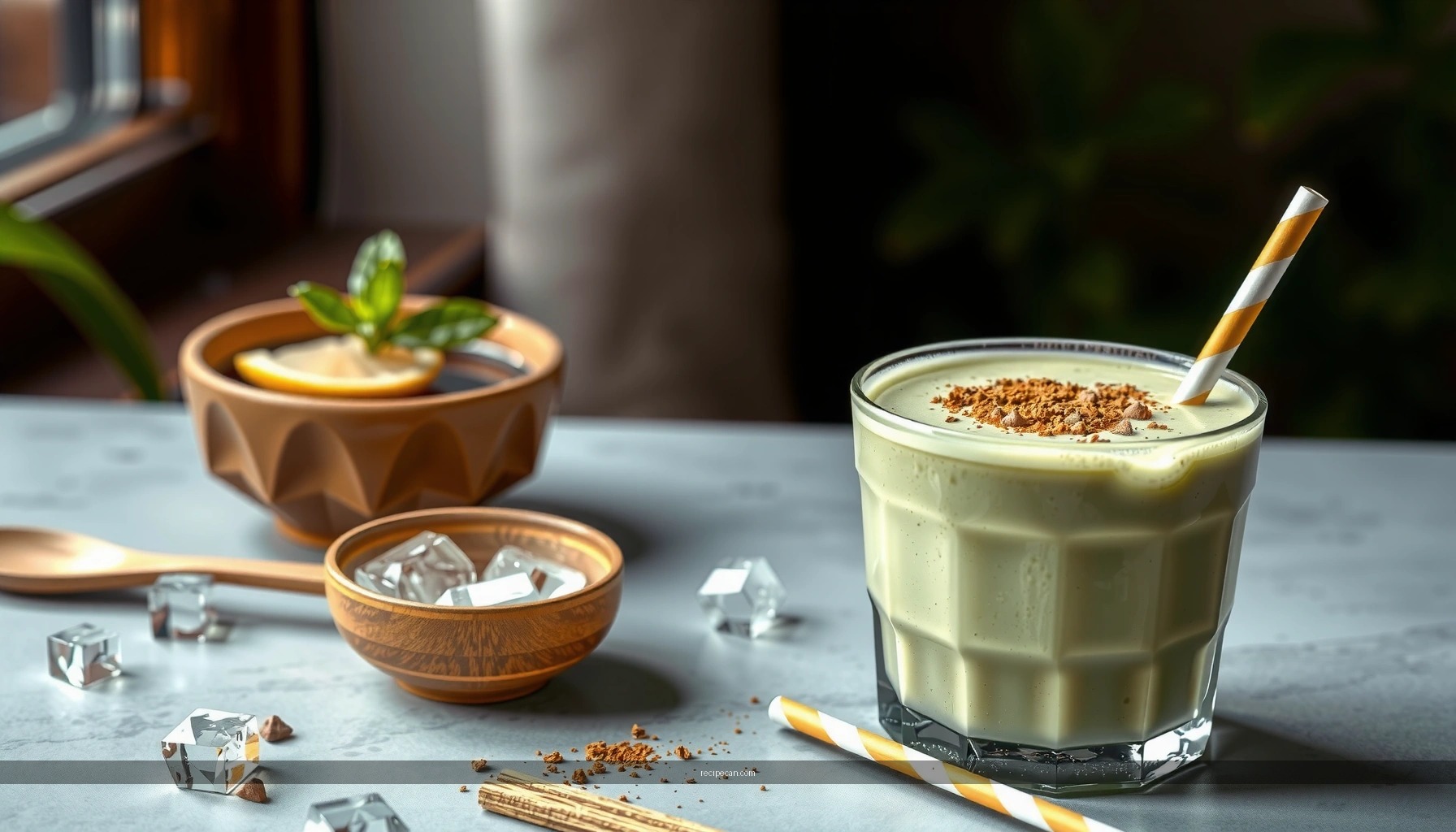
Need a matcha green tea smoothie recipe that’s easy, creamy, and actually tastes refreshing? This guide delivers a simple, no-fuss method with the right amount of matcha for a smooth, balanced flavor—no chalky bitterness. If you want a cold, vibrant drink in minutes, this is the winner you’ll make on repeat.
You can make a creamy, refreshing matcha green tea smoothie in minutes by whisking matcha with a little warm water, then blending it with milk (or a dairy-free alternative), sweetener, and ice until smooth. The key to a great result is preventing clumps (by whisking first) and dialing in sweetness/thickness so the matcha tastes bright instead of bitter.
What You’ll Need for a Matcha Green Tea Smoothie
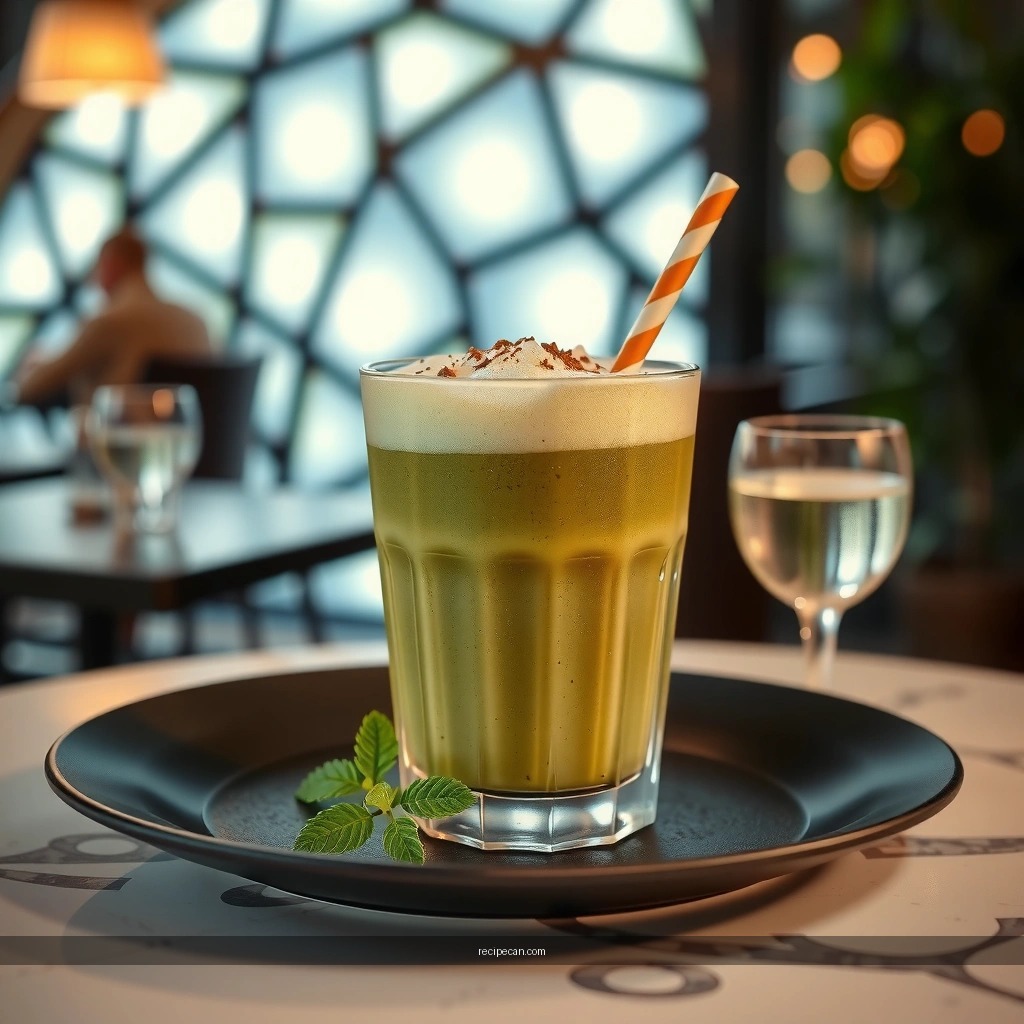
– Matcha powder, milk (or plant-based milk), and ice as the core ingredients
– Optional add-ins like banana for creaminess or honey for sweetness
To reliably produce a restaurant-quality matcha smoothie, it helps to treat matcha like an ingredient that needs proper “activation” before it reaches your blender. High-quality ceremonial or culinary matcha dissolves more readily and produces a smoother mouthfeel, while lower-quality matcha can taste harsher and may need extra blending time.
Core ingredients (why they matter)
– Matcha powder: Provides the signature flavor and green color. Because matcha is finely ground, it blends well—but it can still clump if it’s added dry.
– Milk (or plant-based milk): Adds body and reduces bitterness by softening matcha’s natural astringency.
– Ice: Controls thickness and makes the smoothie feel “refreshing,” not flat.
Optional add-ins (where customization pays off)
– Banana: The single best texture booster. It adds natural sweetness and a creamy emulsification effect.
– Greek yogurt or dairy-free yogurt: Improves thickness and adds protein for better staying power.
– Honey or maple syrup: Lets you tune sweetness without overpowering matcha.
– Protein powder: Useful for post-workout routines; matcha’s caffeine and L-theanine complement many fitness goals.
– Vanilla, berries, or coconut: Flavor-forward options for variety—especially if you’re easing into matcha taste.
Ingredients and Simple Measurements
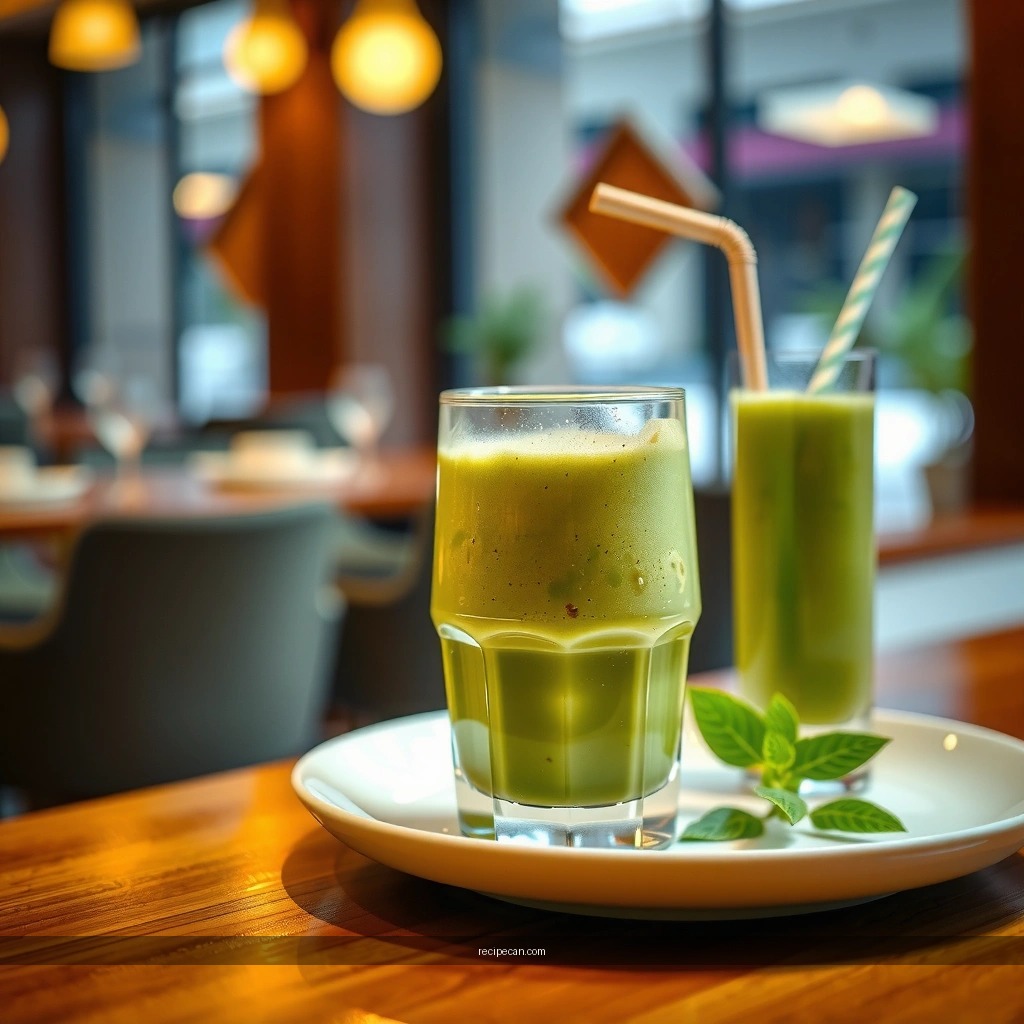
– Use 1–2 teaspoons matcha powder for a balanced flavor and color
– Add 1 cup milk and 1 cup ice, then adjust based on taste and thickness
A good matcha green tea smoothie recipe is flexible: the “right” amounts depend on (1) your matcha’s quality, (2) how cold your blender is, and (3) whether you prefer a spoonable or sip-friendly texture. That said, these measurements are a proven baseline for most blenders.
Recommended starting point (1 serving / ~12–16 oz)
– Matcha: 1 teaspoon (start here), up to 2 teaspoons for stronger flavor
– Milk: 1 cup
– Dairy: whole milk or skim
– Dairy-free: oat milk (creamier) or soy milk (protein-rich)
– Ice: 1 cup
– More ice = thicker, colder smoothie
– Sweetener (optional):
– 1–2 teaspoons honey or maple syrup, or to taste
– If using banana, you may use less sweetener—or skip it entirely.
How to choose milk for your goal
– If your priority is creaminess, use oat milk or whole milk.
– If your priority is higher protein, use soy milk or add Greek yogurt.
– If your priority is lower calories, use unsweetened almond milk or skim milk.
Estimated Energy (Caffeine) Efficiency in a 12-oz Matcha Smoothie (1 tsp Matcha)
| # | Milk / Base (unsweetened) | Calories (approx.) | Protein (g) | Caffeine (mg) | Caffeine per 100 kcal |
|---|---|---|---|---|---|
| 1 | Whole milk (3.25%) | 150 | 8 | 35 | 23.3 |
| 2 | Skim milk | 110 | 10 | 35 | 31.8 |
| 3 | Soy milk | 100 | 7 | 35 | 35.0 |
| 4 | Oat milk | 130 | 4 | 35 | 26.9 |
| 5 | Almond milk (unsweetened) | 30 | 1 | 35 | 116.7 |
| 6 | Coconut milk (carton, light) | 90 | 1 | 35 | 38.9 |
| 7 | Cashew milk (unsweetened) | 60 | 1.5 | 35 | 58.3 |
Note: caffeine in matcha varies by brand and grind. The values above use an estimate of ~35 mg caffeine per 1 teaspoon matcha and typical nutrition ranges for unsweetened milks.
Step-by-Step: How to Make It
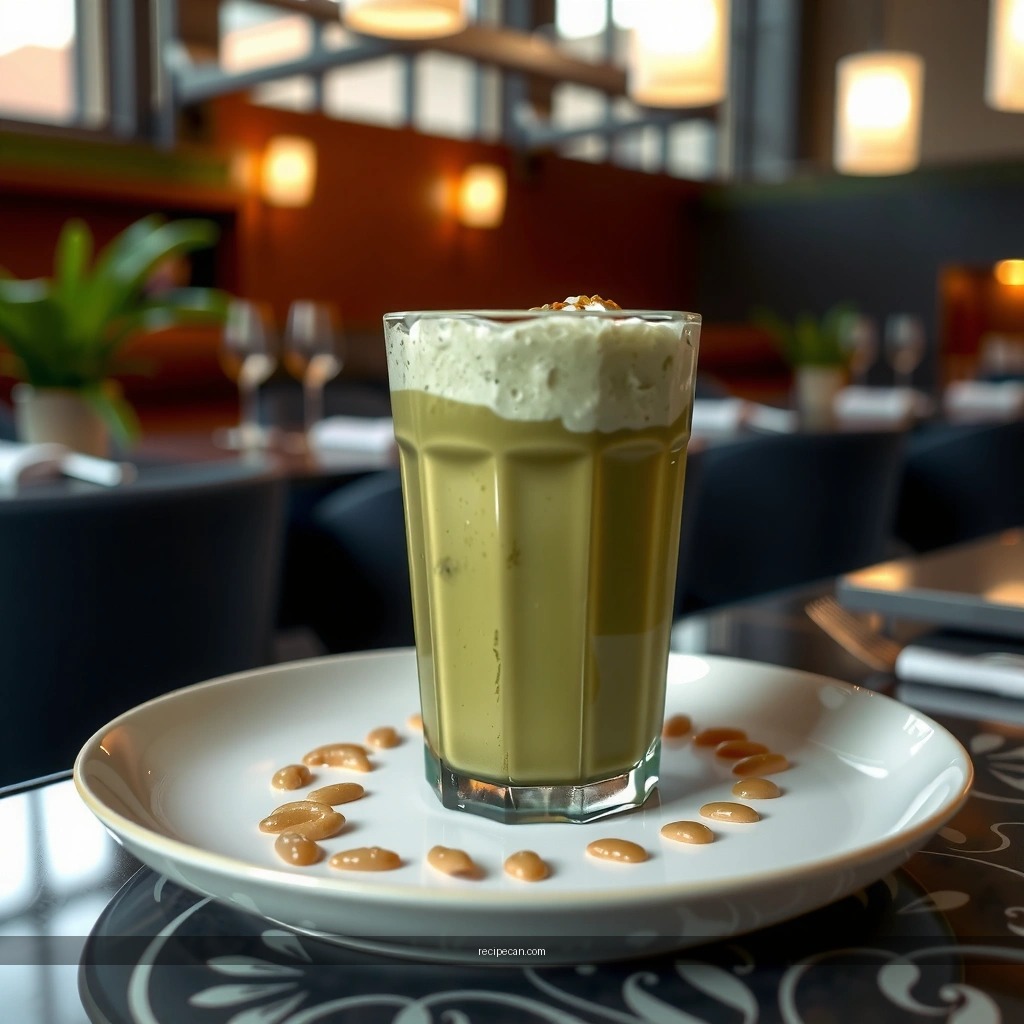
– Whisk matcha with a splash of warm water first to prevent clumps
– Blend until smooth, then taste and adjust sweetness or matcha intensity
This is where smoothies succeed or fail—because matcha’s flavor compounds can feel “bitter” if you over-concentrate it or if it’s not fully dissolved.
1. Warm-water whisk (prevents clumps)
– Add 1 teaspoon matcha to a small bowl.
– Add 1–2 teaspoons warm (not boiling) water, then whisk until it becomes a smooth paste.
– Why this matters: dry matcha doesn’t fully hydrate in a blender cycle, and clumps can create uneven bitterness.
2. Blend with cold ingredients (build texture)
– Pour in 1 cup milk and 1 cup ice.
– Add your sweetener (if using) and any add-ins (banana, yogurt, vanilla).
– Blend until the mixture looks uniform and thick—typically 30–60 seconds depending on your blender.
3. Taste-and-adjust (professional workflow for flavor)
– If it’s too strong, reduce matcha next time and/or add more milk.
– If it’s not sweet enough, add honey/maple in small increments.
– If it’s too thin, add more ice; if it’s too thick, add a splash of milk.
Quick consistency targets
– Thicker (breakfast smoothie): 1–1.5 cups ice, optional banana or yogurt.
– Sippable (afternoon energy drink): 1 cup ice and slightly more milk.
Best Flavor Boosters and Customizations
– Add banana, yogurt, or protein powder for extra creaminess and staying power
– Try vanilla, berries, or coconut for new flavor variations
Once you master the base, customization is where matcha smoothies become truly useful—especially for meeting consistent nutrition and taste preferences.
Creaminess boosters (texture + flavor balance)
– Banana: Best all-around. Start with 1/2 medium banana for a balanced sweetness and thicker mouthfeel.
– Greek yogurt: Use 1/3 to 1/2 cup. It adds tangy depth that can counter matcha bitterness.
– Silken tofu (dairy-free): Adds creaminess with neutral flavor—excellent for a lighter sweetness profile.
Energy and “staying power”
– Protein powder: Add 1 scoop for a post-workout smoothie. Choose a vanilla or unflavored formula so matcha remains the headline.
– Chia seeds (1 tablespoon): Adds body and fiber; let the smoothie sit 2–3 minutes after blending for optimal thickness.
Flavor variations that keep matcha front-and-center
– Vanilla matcha smoothie: 1/4–1/2 teaspoon vanilla extract or a few drops of vanilla syrup.
– Berry matcha: Add 1/2 cup frozen berries (strawberry/raspberry). Their acidity can brighten matcha’s vegetal notes.
– Coconut matcha: Add 1/4–1/2 cup coconut milk (or a few spoonfuls of coconut cream) plus a pinch of salt for depth.
Sweetness strategy (avoid “muted” matcha)
Instead of heavily sweetening, consider:
– using banana for sweetness,
– adding a pinch of salt (tiny amount) to reduce perceived bitterness,
– and keeping matcha to 1–2 teaspoons unless you’re an experienced matcha drinker.
Tips for a Smooth, Not-Bitter Smoothie
– Start with high-quality matcha and don’t overdo the powder to avoid bitterness
– If it tastes strong, dilute with more milk or add a ripe banana
Bitterness in matcha smoothies usually comes from one of three drivers: too much matcha, insufficient hydration, or poor ingredient balance.
Make sure matcha is fully hydrated
– Always whisk matcha with warm water first.
– If you skip this step, clumps and uneven distribution are more likely, which can amplify bitter notes.
Don’t exceed your “control range”
– For most people: 1–2 teaspoons matcha is the practical band for a balanced drink.
– If you want a stronger flavor, it’s often better to:
– increase matcha slightly (e.g., +1/2 teaspoon), and
– offset with milk or banana, rather than jumping directly to 3+ teaspoons.
Balance with fats, sugars, and temperature
– Dairy fats (whole milk, yogurt) reduce astringency.
– Natural sugars (banana, berries) round off sharp edges.
– Cold temperature helps the drink feel smoother, but it won’t fix a bitter formula—balance does.
Fast rescue options
– Too bitter? Add 2–3 extra tablespoons milk or a few spoonfuls of banana and re-blend.
– Too thick? Add milk until the texture matches your preference.
– Too thin? Add ice and blend again for a consistent chill.
Storage, Serving, and Make-Ahead Ideas
– Drink immediately for the best texture, flavor, and vibrant green color
– For prep, blend and cool briefly, then stir well before drinking
A matcha smoothie is most compelling fresh: you get the brightest green color, the smoothest texture, and the best aroma. However, with a few process choices, you can make it work for busy schedules.
Best practice: serve immediately
– After blending, matcha can settle and the ice can melt slightly, making the drink thinner over time.
– For best results, pour and drink right away—especially if you’re serving guests or packaging it for later.
If you must make ahead
– Blend once, then cool in the fridge for up to a few hours (texture may thicken slightly as it chills).
– Before drinking, shake or stir vigorously to recombine any settled particles.
– If you’re planning for work or travel, consider:
– blending with slightly less ice so it doesn’t over-thin after melting,
– and adding a small extra scoop of ice after you pour.
Quality and safety note
– If you’re using dairy or yogurt, refrigerate promptly and discard if it smells off or has been left at room temperature for too long.
A matcha green tea smoothie is easy: whisk matcha (to avoid lumps), blend with milk and ice, and customize with fruit, yogurt, or sweeteners. Use the measurements as your baseline, taste as you go, and apply the bitterness and texture tips to dial in a smooth, refreshing drink—then make it your go-to energizing smoothie.
If you want, tell me your preferred milk (dairy vs. plant-based) and whether you like “light” or “thick” smoothies, and I’ll tailor the exact measurements to your taste.
Frequently Asked Questions
What’s the best matcha green tea smoothie recipe for a quick breakfast?
For a fast matcha green tea smoothie, blend 1–2 teaspoons matcha powder, 1 banana (or 1/2 cup frozen mango), 1 cup milk or plant milk, and 1/2 cup Greek yogurt or a dairy-free yogurt alternative. Add 1–2 tablespoons chia seeds or ground flax for extra thickness and fiber. If you want it sweeter, include 1–2 pitted dates or a small drizzle of honey. Blend until smooth and taste to adjust matcha intensity.
How do I make a matcha green tea smoothie that’s smooth and not clumpy?
The most common issue is clumps from dry matcha powder, so start by whisking matcha with a small splash of warm water (about 1–2 tablespoons) until smooth. Then add that matcha mixture to your blender along with the rest of the smoothie ingredients. Using frozen fruit also helps create a creamy texture without needing extra ice. Blend thoroughly for 30–60 seconds, and consider straining only if you still see grit.
Why does my matcha smoothie taste bitter, and how can I fix it?
Bitterness usually comes from using too much matcha, using low-quality powder, or not balancing matcha’s earthy flavor. Reduce the matcha amount to 1 teaspoon, and pair it with naturally sweet ingredients like banana, mango, or vanilla Greek yogurt. A pinch of cinnamon or a splash of citrus (like orange or lemon) can also brighten the flavor. For best results, choose culinary- or latte-grade matcha that’s intended for drinking.
Which milk is best for a creamy matcha green tea smoothie?
Any milk works, but the “best” choice depends on the texture you want. Dairy milk (like oat, almond, or whole milk) creates a smooth, creamy matcha smoothie, while Greek yogurt adds extra thickness and protein. Oat milk is especially popular for a velvety mouthfeel, and soy milk offers a higher-protein option. If you’re dairy-free, select an unsweetened milk so you can control sweetness without overpowering matcha green tea flavor.
What’s a high-protein matcha green tea smoothie recipe for workouts?
Try blending matcha green tea with 1 cup milk, 1 cup Greek yogurt or protein yogurt, 1 scoop vanilla protein powder, and 1/2–1 banana for natural sweetness. Add 1 tablespoon chia seeds or ground flax to boost fiber and staying power. For a colder, thicker texture, use frozen fruit or a few ice cubes. Start with 1 teaspoon matcha and adjust to taste so the smoothie stays balanced with the protein powder.
References
- Matcha
https://en.wikipedia.org/wiki/Matcha - Green tea
https://en.wikipedia.org/wiki/Green_tea - https://ods.od.nih.gov/factsheets/GreenTea-HealthProfessional/
https://ods.od.nih.gov/factsheets/GreenTea-HealthProfessional/ - https://www.mayoclinic.org/drugs-supplements/green-tea/art-20360755
https://www.mayoclinic.org/drugs-supplements/green-tea/art-20360755 - Matcha | Origins, Uses, Japanese Green Tea Type, & Health Benefits | Britannica
https://www.britannica.com/topic/matcha - https://pubmed.ncbi.nlm.nih.gov/?term=matcha+green+tea
https://pubmed.ncbi.nlm.nih.gov/?term=matcha+green+tea - green tea catechins EGCG | Nature Search Results
https://www.nature.com/search?q=green%20tea%20catechins%20EGCG - Google Scholar Google Scholar
https://scholar.google.com/scholar?q=matcha+green+tea+smoothie+recipe - Google Scholar Google Scholar
https://scholar.google.com/scholar?q=matcha+green+tea+EGCG+caffeine+nutrition - Google Scholar Google Scholar
https://scholar.google.com/scholar?q=green+tea+polyphenols+health+effects