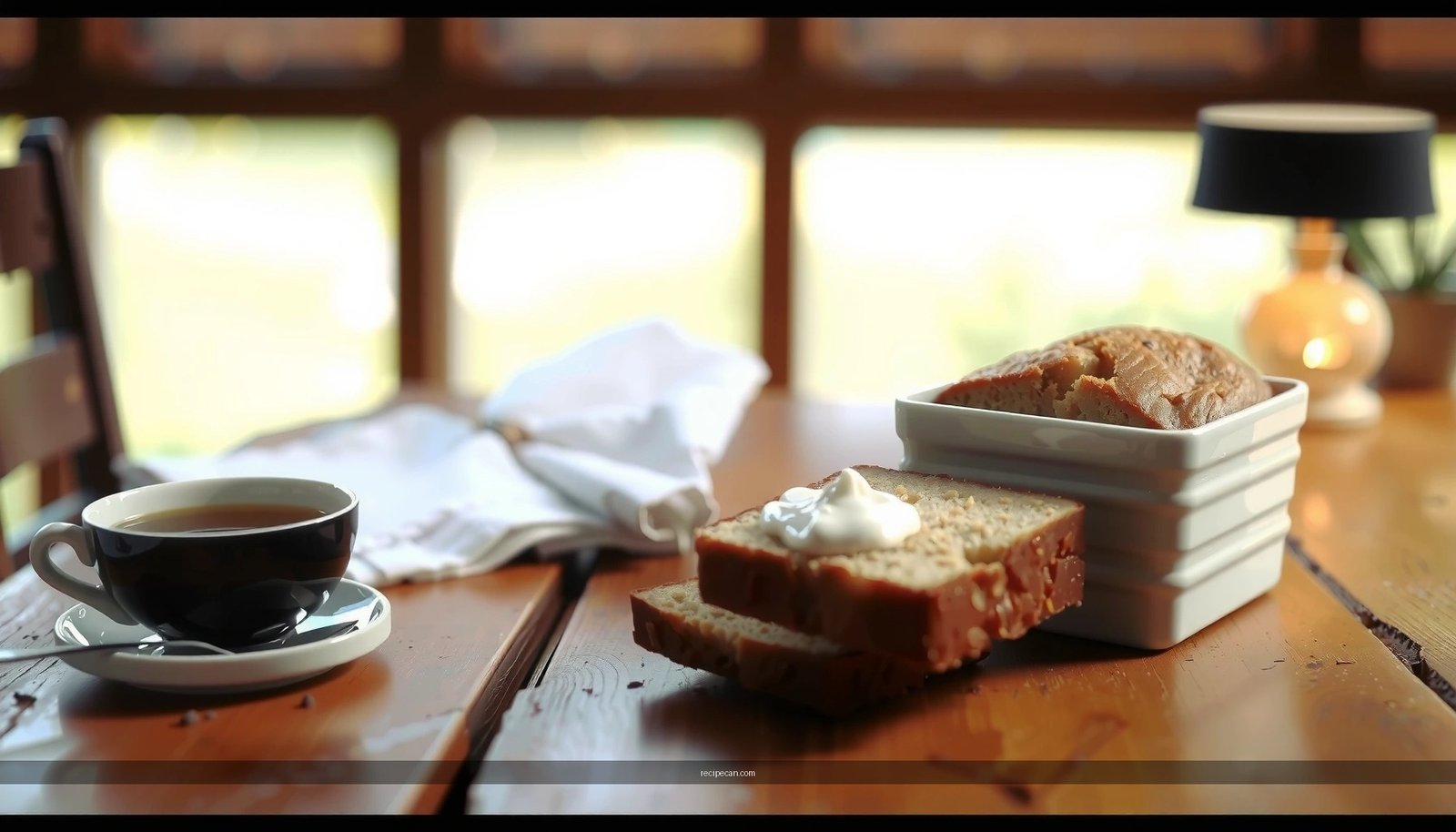
Find out how to make a spiced chai tea recipe that delivers a bold, cozy cup with warm cinnamon, ginger, and cardamom—without guesswork. This recipe tells you exactly how to steep, sweeten, and simmer so the flavor comes through every time. If you want the quickest route to the best-tasting homemade chai, follow these steps for a perfectly balanced brew.
Make spiced chai tea by simmering black tea with milk and classic chai spices (cinnamon, ginger, cardamom, and cloves), then sweetening to taste; you’ll get a rich, aromatic cup in minutes. Below is a ratio-driven method that balances strong tea extraction with gentle simmering—so your chai tastes warm, fragrant, and never harsh or bitter.
This recipe is designed for consistency: you’ll know exactly how much tea, spice, water, milk, and sweetener to use for a “cafe-style” result at home. You’ll also learn how to adjust the flavor profile—brighter with more ginger, warmer with more cinnamon, or deeper with cloves—without guessing.
Spice Impact in Homemade Chai (Sensory Intensity Index)
| # | Chai Component | Typical Use in 1 Mug | Aroma Lift (★) | Flavor Roundness | Workability | Sweetness Match |
|---|---|---|---|---|---|---|
| 1 | Cardamom (pods or ground) | 2 pods or 1/8 tsp | ★★★☆ | High | Easy | Excellent |
| 2 | Cinnamon | 1 small stick or 1/8 tsp | ★★★★ | Medium-High | Easy | Excellent |
| 3 | Ginger | 3–4 slices or 1/8 tsp | ★★★☆ | Medium | Moderate | Very Good |
| 4 | Cloves | 1–2 whole cloves | ★★★☆ | Low-Medium | Sensitive | Good |
| 5 | Black tea (assam-style) | 2 tsp leaves | ★★★★★ | High | Easy | Excellent |
| 6 | Milk (dairy or oat) | 3/4 cup | ★★★☆ | High | Easy | Very Good |
| 7 | Vanilla (optional) | 1/8 tsp extract | ★★☆☆☆ | Medium | Easy | Excellent |
Choose Your Chai Spices

A well-balanced spiced chai tea starts with a purposeful spice blend rather than a “little of everything” approach. Classic chai typically centers on cinnamon and cardamom for warmth and aromatic lift, with ginger adding brightness and cloves contributing depth. The key analytical principle is dominance plus support: if every spice is equal, the cup can taste muddy or overly intense in one note.
Practical starting point (per 12 oz / 350 ml mug):
– Black tea: 2 tsp loose leaf (or 1 tea bag)
– Cinnamon: 1 small stick *or* 1/8 tsp ground
– Ginger: 3–4 thin slices *or* 1/8 tsp ground
– Cardamom: 2 pods (lightly crush) *or* 1/8 tsp ground
– Cloves: 1 whole clove (optional, use 0 if you dislike strong clove)
From there, adjust based on your target profile:
– More ginger = sharper, energizing chai (useful in mornings and colder weather).
– More cinnamon = rounder sweetness perception, “cozy bakery” warmth.
– Slightly more cardamom = a fragrant, premium chai profile (excellent for serving to guests).
If you pre-mix spices for efficiency, store them in an airtight container away from light. Whole spices retain aroma longer than ground spices, so grinding right before brewing can significantly improve the top notes.
Brew Strong Tea Base

The biggest determinant of chai quality is the tea base concentration. Chai is not just “spices in milk”—it’s spiced tea where the tea provides tannin structure, body, and bitterness that the milk later softens. To achieve that cafe-like result, start by simmering black tea with water and spices before adding milk.
Recommended method (per mug):
1. Add to a small saucepan: 1/2 cup (120 ml) water
2. Stir in black tea plus your whole spices (cinnamon stick, crushed cardamom pods, ginger slices, and clove if using).
3. Bring to a gentle simmer and simmer 2–3 minutes.
A short simmer is intentional: it extracts aromatic oils without driving excessive bitterness. Longer, harder boiling tends to pull sharper tannins and can make the chai taste dry or overly “tea-forward” in an unflattering way.
Tea selection guidance:
– Assam or Ceylon styles generally work best for chai because they hold up under milk and spices.
– If your chai tastes flat, it’s usually a concentration issue (too little tea or too much water relative to milk).
For repeatability in a business context—say, preparing multiple cups—batch the tea base: simmer the tea/spices for 6–8 minutes for a small pot (for example, 4 servings), then add milk per cup and finish each serving consistently.
Add Milk and Simmer

Once the tea base is fragrant, add milk for the characteristic creamy body that balances spiced chai tea. Choose dairy if you want classic richness, or use oat milk for a naturally sweet, silky texture.
Add milk and finish:
– Pour in 3/4 cup (180 ml) milk to the saucepan.
– Simmer on low for 1–2 minutes—just enough to meld flavors.
Avoid boiling hard after adding milk. Aggressive heat can slightly scorch milk proteins and can cause a less clean, less aromatic cup. The goal is a gentle temperature integration, not a milk boil.
Milk pairing notes:
– Oat milk tends to enhance vanilla-like notes and rounds ginger bite.
– Whole dairy milk preserves a classic “comfort” mouthfeel.
– If using reduced-fat milk, you may want a touch more sweetener because the perceived sweetness can drop.
Analytically, this step is where “structure meets softness”: tea brings tannins and flavor complexity; milk adds fat and proteins that smooth out the sharp edges created during tea extraction.
Sweeten to Taste
Sweetening is often treated as an afterthought, but timing matters. For best control, add sweetener after the milk simmer so it dissolves fully without interfering with spice extraction.
Recommended order:
1. Remove from heat.
2. Add honey, sugar, or maple syrup in small increments.
3. Taste and adjust.
Starting ranges (per 12 oz / 350 ml mug):
– Honey: 1–2 tsp
– Sugar: 1–2 tsp
– Maple syrup: 1–1.5 tbsp (to taste)
Why “start small” is more than a cliché: chai spices—particularly cinnamon and cloves—can amplify sweetness perception. If you oversweeten, the cloves may taste harsh and the overall cup can feel heavy rather than cozy. A good target is sweet enough to round the edges, not sweet enough to dominate.
If you prefer a lightly sweet profile, consider enhancing perceived sweetness with a little more cinnamon rather than extra sugar—this often keeps the flavor dynamic.
Strain and Serve
For a smooth, professional-looking cup, strain out whole spices. Whole spices continue to release flavor as the chai sits, so leaving them in longer than planned can make the next sip taste more intense or slightly bitter.
Straining options:
– Use a fine-mesh sieve for whole spices.
– If using ground spices, consider a quick second strain through a tea strainer or paper filter.
Serving recommendations:
– Serve hot for maximal aroma.
– For iced spiced chai tea, let the chai cool for a few minutes, pour over ice, and—if needed—add a splash of cold milk to balance the dilution.
If you’re making iced chai ahead (for example, for a small office setup), note that spices can intensify as the drink cools. Keeping clove exposure minimal (often zero or one whole clove) helps maintain a smooth iced flavor.
Make It Your Own
A great spiced chai tea recipe should be adjustable without compromising balance. Treat modifications like controlled experiments: change one variable at a time so you can predict outcomes.
Easy customization levers:
– Brighter kick: Increase ginger to 1/4 tsp ground or add 1–2 extra ginger slices.
– Warmer, deeper comfort: Increase cinnamon slightly (e.g., +1/8 tsp ground), especially if you’re skipping cloves.
– More aromatic “wow”: Keep cinnamon steady and increase cardamom by half a pod.
– Extra depth (optional): Add a pinch of black pepper after straining for a subtle spicy finish.
If you want to turn this into a “signature” chai for guests, consider building a two-part blend:
1. A base blend used every time (tea + cinnamon + cardamom)
2. A rotating note (ginger-forward, clove-forward, or vanilla + cinnamon)
Finally, equipment matters. A small saucepan helps control simmer intensity. A microwave approach can work in a pinch, but it’s harder to manage the extraction stage that determines whether your chai tastes balanced or harsh.
Spiced chai tea is all about simmering spices with strong tea, then combining with milk and sweetening to your taste. Follow these steps for a cozy, aromatic cup every time—then experiment with your spice blend and serve it hot or iced.
To close the loop, the repeatable success formula is simple: choose a balanced spice mix, simmer tea briefly with spices for aroma, gently meld milk without boiling, sweeten after finishing, and strain for consistency. Apply those principles and you’ll get the same rich, fragrant spiced chai experience—whether you’re making one mug for yourself or preparing a small batch for colleagues and guests.
Frequently Asked Questions
What spices go best in a spiced chai tea recipe?
A classic spiced chai tea recipe often uses ginger, cinnamon, cardamom, cloves, and black pepper for warmth and depth. Ginger and cinnamon provide a cozy base, while cardamom adds a sweet, fragrant aroma. If you like a bolder flavor, add a pinch of cloves and a tiny amount of black pepper to make the chai taste richer without becoming overpowering.
How do I make spiced chai tea without dairy or with less sugar?
To make a dairy-free version, simmer the spices with water (or strong black tea) and replace milk with oat milk, almond milk, or coconut milk. Sweeten gradually using honey, maple syrup, or a chai concentrate technique where you reduce the liquid for natural sweetness. You can also reduce sugar by using sweet spices like cinnamon and cardamom, which make the tea taste fuller even with less added sweetener.
Why does my spiced chai taste bitter or weak, and how can I fix it?
Bitterness usually comes from over-steeping black tea or boiling the chai too aggressively, which can turn tannins harsh. Weak chai often results from not simmering the spices long enough or using too light a tea-to-water ratio. Fix it by simmering spices gently for 5–10 minutes, then steep black tea for about 3–5 minutes, and strain for a smoother spiced chai tea recipe.
Which black tea type works best for an authentic spiced chai tea recipe?
Assam black tea is a popular choice because it’s malty and bold, which stands up well to ginger and warm spices. If you want a lighter, more delicate chai, Darjeeling can work, but the flavor may be less robust. For the most consistent results, use a strong black tea base (loose-leaf or tea bags labeled for “strong” brewing) and adjust steep time to keep the spice flavor balanced.
What’s the best method for getting a deep, aromatic chai flavor at home?
For a deeply aromatic spiced chai tea recipe, start by toasting or gently simmering whole spices (like cardamom pods and cinnamon) with water or milk for a few minutes before adding tea. This “blooming” step helps extract essential oils and makes the chai taste more fragrant. Finish by adding black tea, steep briefly, then strain and serve—optionally with a splash of vanilla or a pinch of nutmeg for extra warmth.
References
- Chai
https://en.wikipedia.org/wiki/Chai - Masala chai
https://en.wikipedia.org/wiki/Masala_chai - https://www.britannica.com/topic/chai
https://www.britannica.com/topic/chai - https://pubmed.ncbi.nlm.nih.gov/?term=black+tea+polyphenols+review
https://pubmed.ncbi.nlm.nih.gov/?term=black+tea+polyphenols+review - https://pubmed.ncbi.nlm.nih.gov/?term=ginger+therapeutic+effects+review
https://pubmed.ncbi.nlm.nih.gov/?term=ginger+therapeutic+effects+review - Cardamom
https://en.wikipedia.org/wiki/Cardamom - https://en.wikipedia.org/wiki/Cinnamon
https://en.wikipedia.org/wiki/Cinnamon - Google Scholar Google Scholar
https://scholar.google.com/scholar?q=spiced+chai+tea+recipe - https://scholar.google.com/scholar?q=masala+chai+recipe+black+tea+milk+spices Google Scholar
https://scholar.google.com/scholar?q=masala+chai+recipe+black+tea+milk+spices - Google Scholar Google Scholar
https://scholar.google.com/scholar?q=chai+tea+spices+ginger+cardamom+cinnamon+preparation