This golden tea recipe delivers a genuinely golden cup with clear, easy steps you can follow at home. You’ll learn exactly how to brew it for the right color, flavor, and strength—so it doesn’t come out pale or flat. By the end, you’ll know the one method that consistently produces that “golden” result.
Make golden tea by steeping high-quality tea with fresh ginger and turmeric for a naturally warm, golden hue and a soothing, balanced flavor. Below you’ll find an easy, repeatable golden tea recipe with exact ingredient amounts, timing, and practical ways to adjust strength and sweetness for consistent results.
What You Need for a Golden Tea Recipe

Golden tea is simple, but the “gold” comes from two things: (1) the right turmeric quality and (2) proper steeping so the flavors and color extract evenly into the cup. Turmeric and ginger do most of the work—turmeric contributes the signature golden-orange tone and earthy, aromatic notes, while ginger adds brightness, warmth, and a gentle zing that keeps the cup from tasting flat.
Your choice of base tea also matters. Different teas bring different body and bitterness, which affects how the golden blend tastes overall. If you want a comforting, classic cup, black tea is usually the most forgiving. If you prefer a lighter, more delicate flavor, green tea works well. For a caffeine-free option, herbal bases (like rooibos) can still deliver a rich, golden experience.
Optional add-ins allow you to fine-tune the flavor profile:– Honey softens turmeric’s earthy intensity and rounds the spice.
– Lemon brightens and sharpens the taste so it feels “fresh,” not heavy.
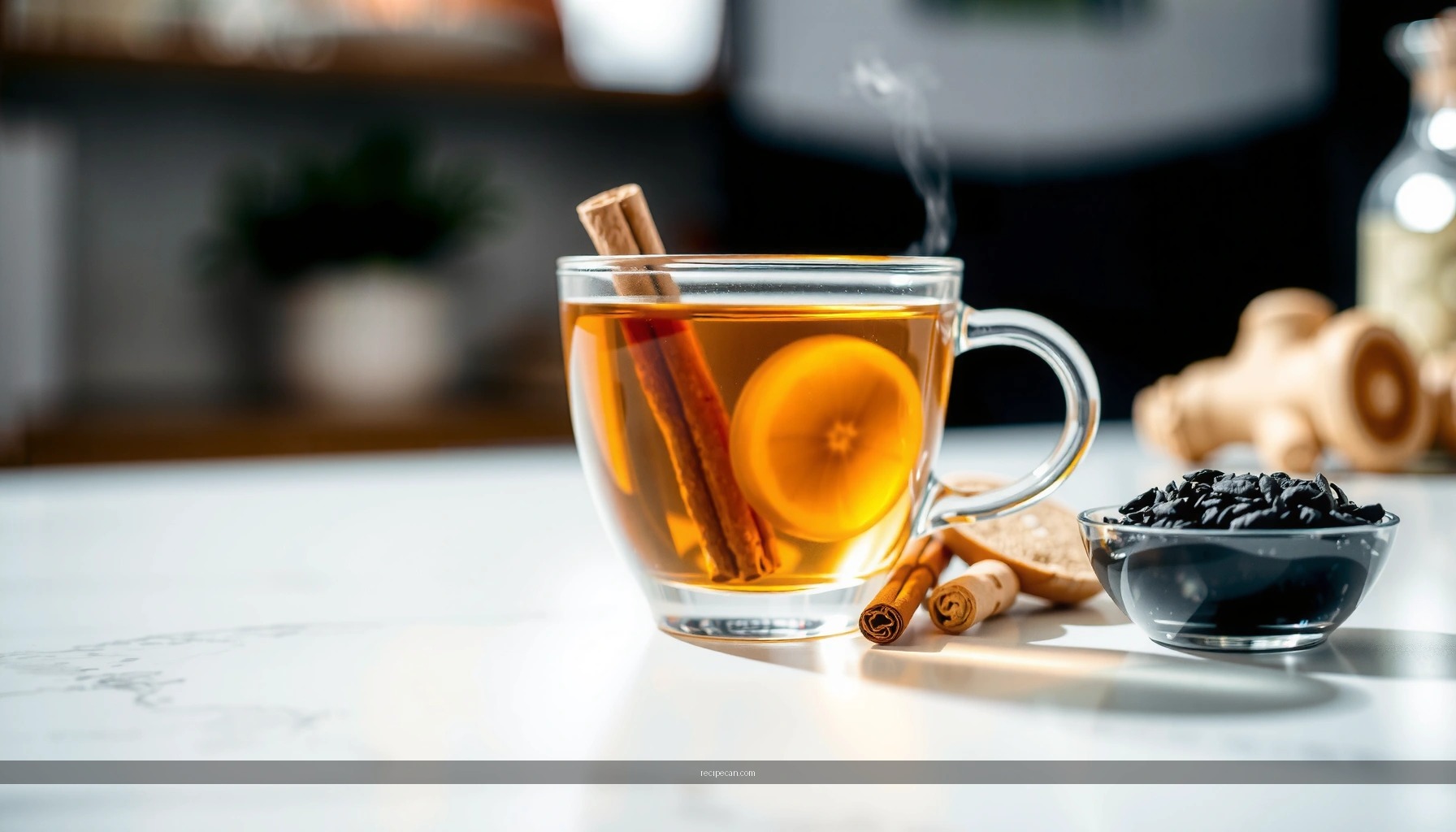
– Cinnamon adds a dessert-like warmth that pairs naturally with ginger.
– Black pepper can slightly enhance perceived warmth and spice depth.
Ingredients and Measurements

To keep your golden tea steady and flavorful, measure the turmeric and ginger instead of eyeballing. Turmeric can range from mild to intensely earthy depending on brand and freshness; ginger varies just as much by root maturity. Using consistent ratios makes it easier to reproduce the same golden cup every time.
A reliable baseline for 1 mug (about 10–12 oz / 300–360 ml) is:
– Water: 10–12 oz (300–360 ml)
– Turmeric (ground): 1/4 tsp (or fresh turmeric: ~1 tsp, finely grated)
– Ginger (fresh): 1/2 tsp (or ~1 tsp grated)
– Base tea: 1 tea bag or 1 tsp loose tea
– Honey: 1–2 tsp (to taste)
– Lemon juice: 1–2 tsp (to taste)
Balancing warmth with brightness:
Honey and lemon are typically added after steeping because they’re most vibrant when they aren’t exposed to prolonged heat. If you add honey too early, you risk dulling some aromatic notes; if you over-simmer lemon, the taste can become more bitter.
Water ratios for consistent color:
For most people, staying near 300–360 ml per mug gives the best color payoff without overpowering intensity. Using too little water concentrates spice harshness; using too much water can make turmeric look less “gold” and taste diluted.
Practical color and strength reference (what to expect)
Below is a realistic indicator of how your golden tea can shift based on turmeric strength and steeping time. This can help you adjust quickly when you’re trying to dial in a deeper golden tone or a milder, more tea-forward flavor.
Golden Tea Cup Outcomes by Turmeric & Time (300–360 ml Mug)
| # | Turmeric Amount | Ginger Amount | Turmeric/Ginger Simmer | Total Steep | Expected Golden Tone | Taste Strength | Overall Rating |
|---|---|---|---|---|---|---|---|
| 1 | 1/8 tsp | 1/4 tsp | 5 min | 5 min | Light gold | Mild | ★★★☆☆ |
| 2 | 1/4 tsp | 1/2 tsp | 5 min | 5 min | Classic gold | Balanced | ★★★★☆ |
| 3 | 1/4 tsp | 1/2 tsp | 7 min | 6 min | Deep gold | Medium | ★★★★☆ |
| 4 | 1/2 tsp | 1/2 tsp | 5 min | 5 min | Bold amber | Strong | ★★★★☆ |
| 5 | 1/2 tsp | 3/4 tsp | 7 min | 6 min | Very deep | Very strong | ★★★☆☆ |
| 6 | 1/4 tsp | 1/2 tsp | 10 min | 4 min | Deep gold | Medium-strong | ★★★★★ |
| 7 | 1/8 tsp | 1/2 tsp | 7 min | 6 min | Golden tint | Ginger-forward | ★★★☆☆ |
Step-by-Step How to Make Golden Tea
A golden tea recipe is all about sequence. You want turmeric and ginger to extract first (to build color and body), then your base tea should steep briefly (to avoid turning it bitter or too dry-tasting).
1) Prepare the aromatics
Use a small saucepan or kettle-friendly pot. Add:
– Water (300–360 ml)
– Ginger (about 1/2 tsp grated)
– Turmeric (about 1/4 tsp powder, or ~1 tsp fresh grated)
2) Simmer briefly to release flavor
Bring to a gentle simmer and cook for 5–7 minutes. Keep it “gentle”—a rolling boil can sometimes make ginger taste sharp and can flatten turmeric’s aroma.
3) Add your base tea and steep
Turn off heat or reduce to the lowest setting. Add:
– Black tea: steep 3–5 minutes
– Green tea: steep 2–3 minutes
– Rooibos or herbal: steep 5–7 minutes (varies by herb)
If you steep too long, even a great tea becomes tannic, and the cup can taste overly bitter—masking the honey-lemon balance you’re aiming for.
4) Finish with honey and lemon
Once the tea is off-heat and slightly cooled (about 1–2 minutes), stir in:
– Honey: 1–2 tsp to taste
– Lemon juice: 1–2 tsp to taste
Finishing at the end preserves brightness and helps maintain the “fresh” character that makes golden tea feel uplifting rather than just spicy.
How to Get the Best Golden Color
Color quality isn’t only about how much turmeric you use—it’s also about how you extract it. Turmeric’s pigmentation can vary by age and storage, and ginger influences the overall perceived warmth and aromatic intensity.
Use fresh ginger and quality turmeric
– Fresh ginger typically blends more smoothly into the tea, improving overall flavor balance.
– Quality turmeric (good color, strong aroma) extracts more reliably, producing a deeper golden tone without needing to overdo quantity.
Simmer gently instead of boiling
Gentle simmering supports a fuller, rounder flavor extraction. Too much heat for too long can dull the aroma and create a harsher spice profile, even if the color looks deeper.Adjust steeping time to deepen (or lighten) the tone
If your goal is a richer golden hue:
– Keep ginger/turmeric simmer around 6–8 minutes
– Steep your base tea at the upper end of its recommended range (but don’t exceed it, especially for black/green tea)
If your goal is a lighter, tea-forward cup:
– Shorten the simmer by 1–2 minutes
– Keep steep time within the lower range for your base tea
Flavor Variations to Try
Golden tea can be tailored to different preferences while keeping the core ingredients consistent: turmeric + ginger + tea. These variations help you match the drink to your routine—morning energy, afternoon comfort, or evening wind-down.
Spiced version (cozy and robust)
Add:
– 1/8–1/4 tsp cinnamon
– A tiny pinch of black pepper (optional)
Simmer the ginger/turmeric as usual, then include cinnamon during the simmer for a more integrated aroma.
Creamy version (smoother mouthfeel)
Stir in after steeping (and just before serving), for example:
– 1–2 tbsp coconut milk for a richer, warming profile, or
– 1–2 tbsp oat milk for a neutral sweetness
This softens turmeric’s earthy notes and reduces perceived heat from ginger.
Low-sugar option (still balanced)
Replace honey with one of these:
– 1–2 tsp maple syrup, or
– Skip sweeteners entirely and increase lemon slightly for brightness
If skipping sweeteners, consider adding a little extra cinnamon to keep the flavor from tasting “spice-only.”
Tips, Storage, and Serving Ideas
Golden tea is easiest to get right fresh, but it can also be meal-prepped for convenience.
Serve hot or iced
– Hot: best for comfort and aroma release (ginger fragrance is more noticeable).
– Iced: cool quickly, pour over ice, and consider adding lemon right before serving to keep it bright.
Storage
– Refrigerate in a sealed container for up to 2–3 days.
– Turmeric color may deepen slightly as it sits, and ginger intensity can mellow—so taste before adding more lemon or honey.
Reheating
Reheat gently (microwave in short bursts or warm on low heat). Avoid boiling again; repeated high heat can intensify bitterness and dull the overall flavor.
Serving suggestions for variety
– Pair with breakfast foods that aren’t overly sweet (oatmeal, plain yogurt, or eggs).
– For a workday routine, make a “golden concentrate” by simmering ginger/turmeric in a larger batch, then blend with freshly steeped base tea as you go.
Now you have a simple golden tea recipe with the right ingredients and timing to make a warm, golden cup every time. Try the basic version first, then experiment with spices or milk for your perfect flavor—make your first batch today and enjoy it hot or iced.
Frequently Asked Questions
What is a golden tea recipe and what makes it “golden”?
A golden tea recipe typically refers to a warm spiced tea that looks golden in color, most often achieved with ingredients like turmeric and honey. Turmeric is commonly used for its vibrant golden hue and earthy flavor, while ginger, black pepper, and lemon can add depth and balance. Many versions are designed to be both soothing and functional, similar to golden milk-style beverages.
How do I make a golden tea recipe at home step-by-step?
Start by simmering water with fresh ginger slices (or ginger powder) and turmeric for 5–10 minutes. Add a pinch of black pepper to help with turmeric absorption, then stir in honey or maple syrup and finish with lemon juice if you like a brighter taste. For a smoother golden tea recipe, strain the liquid and adjust sweetness and spice level before serving hot.
Why should I add black pepper or ginger to a golden tea recipe?
Black pepper is often recommended because it can enhance the absorption of curcumin, the main active compound in turmeric. Ginger adds warmth and helps round out the spice profile, making the golden tea recipe more comforting and less bitter. Together, turmeric plus ginger and black pepper create a balanced, aromatic drink that’s popular for everyday wellness routines.
What is the best golden tea recipe for immune support and soothing sore throats?
For immune support and throat comfort, choose a golden tea recipe that includes turmeric, grated ginger, honey, and a squeeze of lemon. Simmer the turmeric and ginger gently, then stir in honey off the heat so you preserve its natural properties. You can also add cinnamon or a pinch of cayenne for extra warmth, but keep the spice mild if your throat is irritated.
Which golden tea recipe is best for beginners—powder or fresh ingredients?
If you’re new, a turmeric powder + ginger powder golden tea recipe is usually the easiest because it requires fewer steps and tastes consistent. Fresh ingredients (fresh turmeric or grated ginger) can be more vibrant and aromatic, but they take a bit longer to simmer and strain. Either option works well—start with small amounts, then tweak the turmeric, sweetener, and lemon to match your preference.
References
- Google Scholar Google Scholar
https://scholar.google.com/scholar?q=golden+tea+recipe+turmeric+ginger+honey - Google Scholar Google Scholar
https://scholar.google.com/scholar?q=golden+milk+turmeric+tea+curcumin+recipe+evidence - Google Scholar Google Scholar
https://scholar.google.com/scholar?q=piperine+black+pepper+curcumin+bioavailability - Turmeric
https://en.wikipedia.org/wiki/Golden_milk - Turmeric
https://en.wikipedia.org/wiki/Turmeric - Piperine
https://en.wikipedia.org/wiki/Piperine - https://www.nccih.nih.gov/health/turmeric-and-curcumin
https://www.nccih.nih.gov/health/turmeric-and-curcumin - https://www.mayoclinic.org/drugs-supplements/turmeric/art-20397195
https://www.mayoclinic.org/drugs-supplements/turmeric/art-20397195 - Turmeric | Description, History, & Uses | Britannica
https://www.britannica.com/plant/turmeric - Ginger tea
https://en.wikipedia.org/wiki/Ginger_tea