Looking for a recipe for ginger tea with lemon that delivers fast, noticeable zing—without complicated steps? This quick recipe tells you exactly how to brew ginger and brighten it with lemon for a soothing, refreshing cup in minutes. It’s the best choice when you want immediate warmth, a clean citrus finish, and maximum flavor with minimal effort.
Make ginger tea with lemon in minutes by simmering fresh ginger in water, then straining and stirring in lemon juice (optionally with honey). This quick recipe delivers bright, soothing flavor with flexible strength adjustments—so you can tailor it for daily comfort or an “instant reset” moment.
Ingredients for Ginger Tea with Lemon
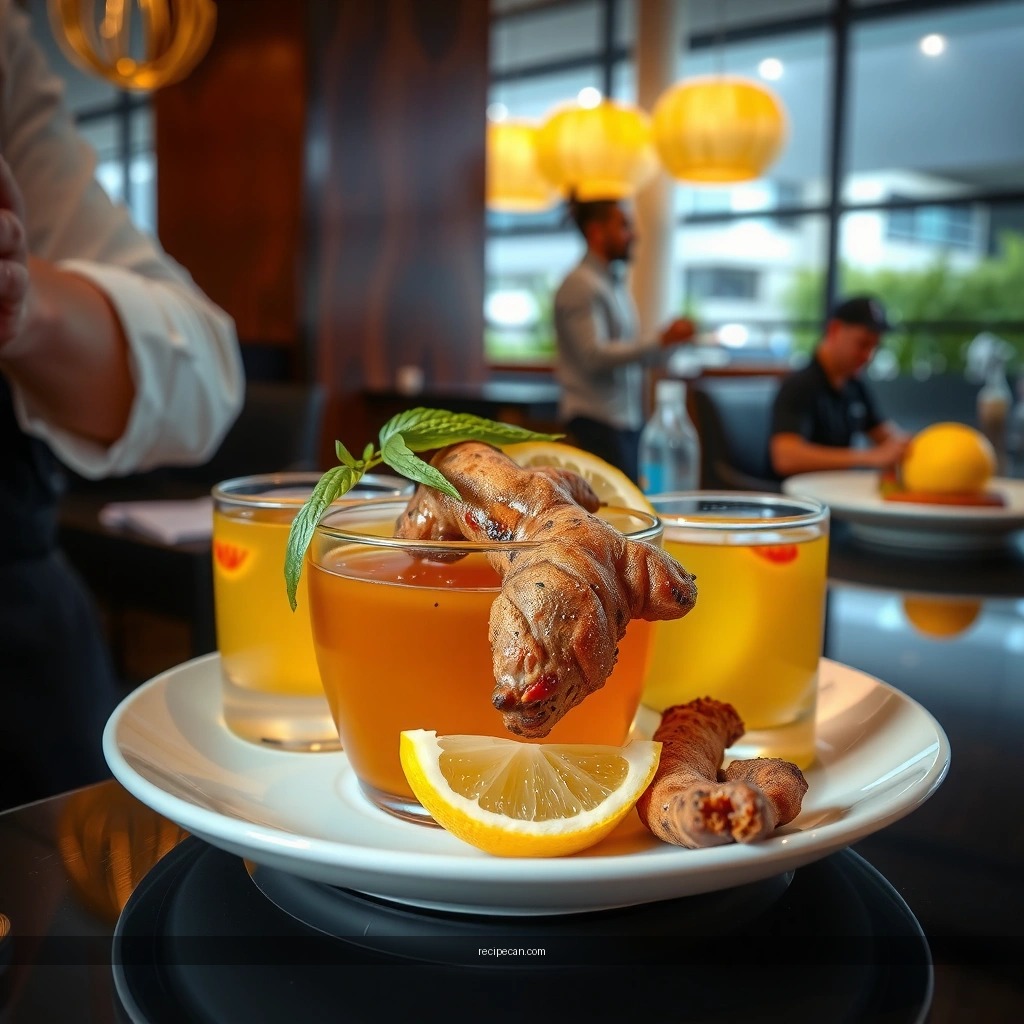
– Fresh ginger, lemon, and water are the core essentials
– Optional add-ins: honey, cinnamon, or cayenne for extra warmth
To keep this ginger tea recipe consistent and easy to scale, treat ginger, water, and lemon as your “foundation triangle.” Ginger provides the spicy aroma and zing; water controls extraction; lemon juice finishes the cup with a clean, citrus-forward note that makes the drink feel lighter even when it’s warming.
Recommended base ingredients (per 1 mug / ~8–10 oz):
– Fresh ginger: 1 to 2 tablespoons grated (or a thumb-sized piece, sliced)
– Water: 1 to 1¼ cups
– Lemon juice: 1 to 2 tablespoons (to taste)
– Optional honey: 1 teaspoon to 1 tablespoon (for sweetness and roundness)
Optional add-ins (choose one):
– Honey (smooths spiciness and improves drinkability)
– Cinnamon (adds warmth and a mild, aromatic sweetness)
– Cayenne (small pinch for heat; powerful impact—start tiny)
From an analytical standpoint, the key is balancing *ginger intensity* (extraction from simmering) with *lemon timing* (how you add it affects bitterness and freshness). Most people prefer adding lemon after the ginger infusion is strained, which preserves that bright, just-squeezed flavor.
Quick reference: extraction effects (what changes the taste?)
– More ginger = stronger “ginger bite” and a deeper aroma
– Longer simmer = more compounds extracted (can taste sharper if overdone)
– Less lemon = softer finish; more lemon = more lift and perceived freshness
– Honey timing = optional, but stirring in warm tea helps it dissolve evenly
How Long Ginger Infuses Flavor (Typical Home Brewing Ranges)
| # | Infusion Time | Aroma Strength | Spice Perception | Best For |
|---|---|---|---|---|
| 1 | 3 minutes | Light | Mild | First sip / gentle mornings |
| 2 | 5 minutes | Medium | Balanced | Daily cup with bright lemon finish |
| 3 | 8 minutes | Strong | Noticeable zing | When you want extra warmth |
| 4 | 10 minutes | Very strong | Bold / slightly sharper | Short-term “strong brew” preference |
| 5 | 12 minutes | Peak (often) | Can feel intense | Risk of over-extraction |
| 6 | 15 minutes | Very high | Likely sharper | Not ideal for most lemon-forward cups |
| 7 | Cold steep (1–2 hrs) | Moderate | Smoother heat | Chilled ginger tea over ice |
Equipment and Prep
– Use a small saucepan or kettle for simmering the ginger
– Slice or grate ginger to release flavor faster
You don’t need specialized tools, but having the right basics helps you control consistency—especially if you’re making ginger tea for more than one person.
Best equipment options
– Small saucepan (recommended): Lets you simmer ginger gently and evenly without boiling hard.
– Kettle + separate pot: You can heat water in a kettle, then pour into a small saucepan to simmer.
– Fine strainer: Essential for catching ginger solids and creating a clean mouthfeel.
– Grater or microplane (fastest): Pulls more flavor from less ginger.
Prep steps that matter
1. Peel ginger (optional): Many people skip peeling if the skin is thin. If it’s tough, peel it for smoother texture.
2. Slice thinly or grate: Smaller pieces increase surface area, which speeds up extraction and often reduces needed simmer time.
3. Juice lemon fresh: Bottled lemon juice can work, but fresh lemon generally tastes brighter and more aromatic.
A professional kitchen principle applies here: when you control particle size, you improve repeatability. Grated ginger, for example, often achieves a “medium-strong” cup closer to 5 minutes instead of 10.
Step-by-Step Recipe
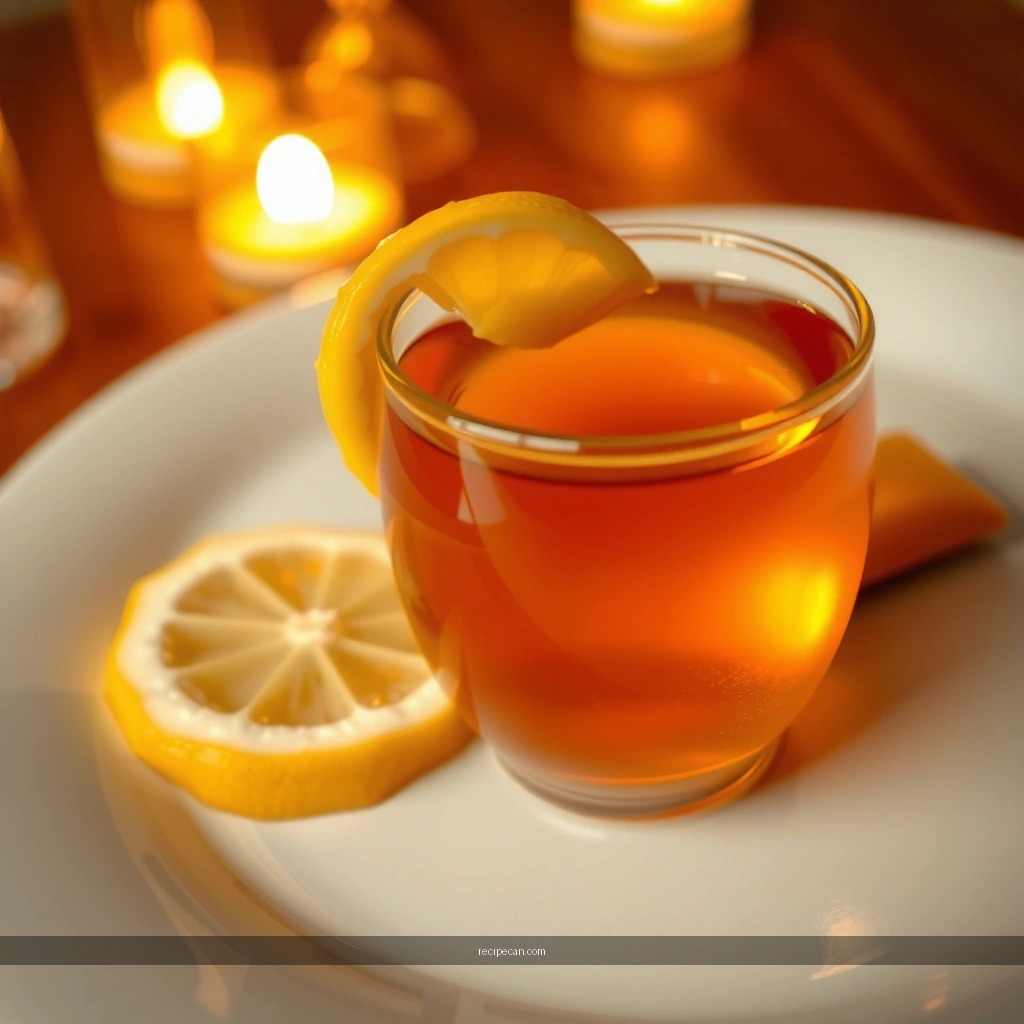
– Simmer ginger in water for 5–10 minutes until fragrant
– Strain, then stir in lemon juice and honey (if using)
The quick method (1 mug)
1) Simmer the ginger
– Add 1 to 2 tablespoons grated ginger (or a thumb-sized sliced piece) to 1 to 1¼ cups water.
– Bring to a gentle simmer, then reduce heat so it lightly bubbles.
– Simmer for 5–10 minutes, stirring once or twice.
2) Strain
– Strain into your mug or a heat-safe pitcher.
– Press gently on the ginger solids if you want a more concentrated cup.
3) Add lemon (after straining)
– Stir in 1–2 tablespoons lemon juice to taste.
– If using honey, add 1 teaspoon to 1 tablespoon while the tea is still warm, then stir until fully dissolved.
Practical timing tips
– If you’re rushing, aim for 5 minutes and then taste. You can always simmer a little longer next time.
– Add lemon after straining to preserve that “fresh finish” profile and avoid the risk of lemon tasting flatter.
Flavor and Strength Adjustments
– For stronger tea, simmer longer or use more ginger
– For a milder cup, reduce ginger amount or steep time
Ginger tea is easy to personalize because the flavor can be dialed in using two levers: ginger concentration (how much ginger you use) and extraction time (how long you simmer).
How to make it stronger
Choose one approach:
– Increase ginger amount: Move from 1 tablespoon grated to 2 tablespoons, or add a larger thumb piece.
– Extend simmer time: Brew closer to 10 minutes for a bolder profile.
– Repeat infusion: If you want strength without over-simmering, strain once, then steep the same ginger in fresh water for a second cup.
How to make it milder
– Use less ginger: Start with 1 tablespoon grated for a gentler cup.
– Shorten simmer time: Target 3–5 minutes.
– Add lemon gradually: Lemon can make a strong ginger cup taste sharper; slightly reducing lemon can soften perceived bite.
For “citrus-forward” vs “spicy-warm”
– Citrus-forward: 5 minutes simmer + generous lemon (within reason) + optional honey.
– Spicy-warm: 8–10 minutes simmer + slightly less lemon + a touch of honey to round edges.
Analytically, lemon doesn’t just add flavor—it also changes perception. A brighter lemon profile can make ginger feel sharper, while honey can mute harsh edges and increase overall drinkability.
Health and Serving Tips
– Best served hot, but also works chilled over ice
– Ginger tea can be enjoyed anytime for soothing, warming comfort
This drink is popular for comfort because it’s warm, aromatic, and easily customized. While ginger and lemon have long histories of use in traditional wellness routines, your best “health takeaway” is consistency: enjoy what makes you feel good and hydrate with intention.
Serving suggestions (hot)
– Sip slowly: The warmth supports a slow, steady pace that many people find calming.
– Pairing ideas: Ginger tea complements light meals—like soups, rice dishes, or simple salads—because its flavor doesn’t overpower.
Serving suggestions (chilled)
– Brew as usual, cool slightly, then chill.
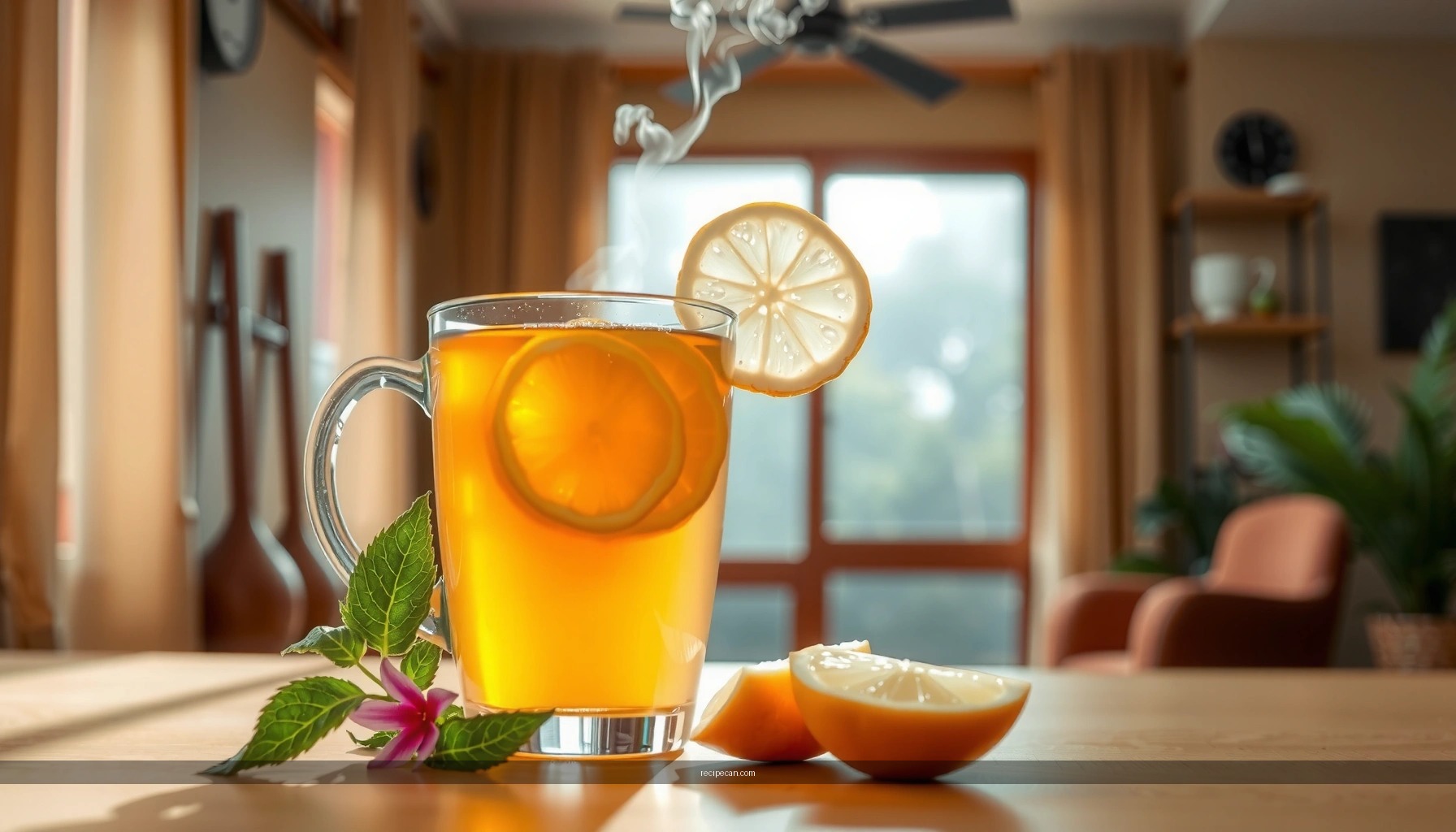
– Serve over ice with lemon slices.
– For a smoother chilled cup, consider cold steeping grated ginger in cool water for 1–2 hours (then strain and add lemon).
Sweetness and heat balance
– Start honey at 1 teaspoon if you’re using it.
– If you add cayenne, add a *tiny pinch*—it escalates quickly.
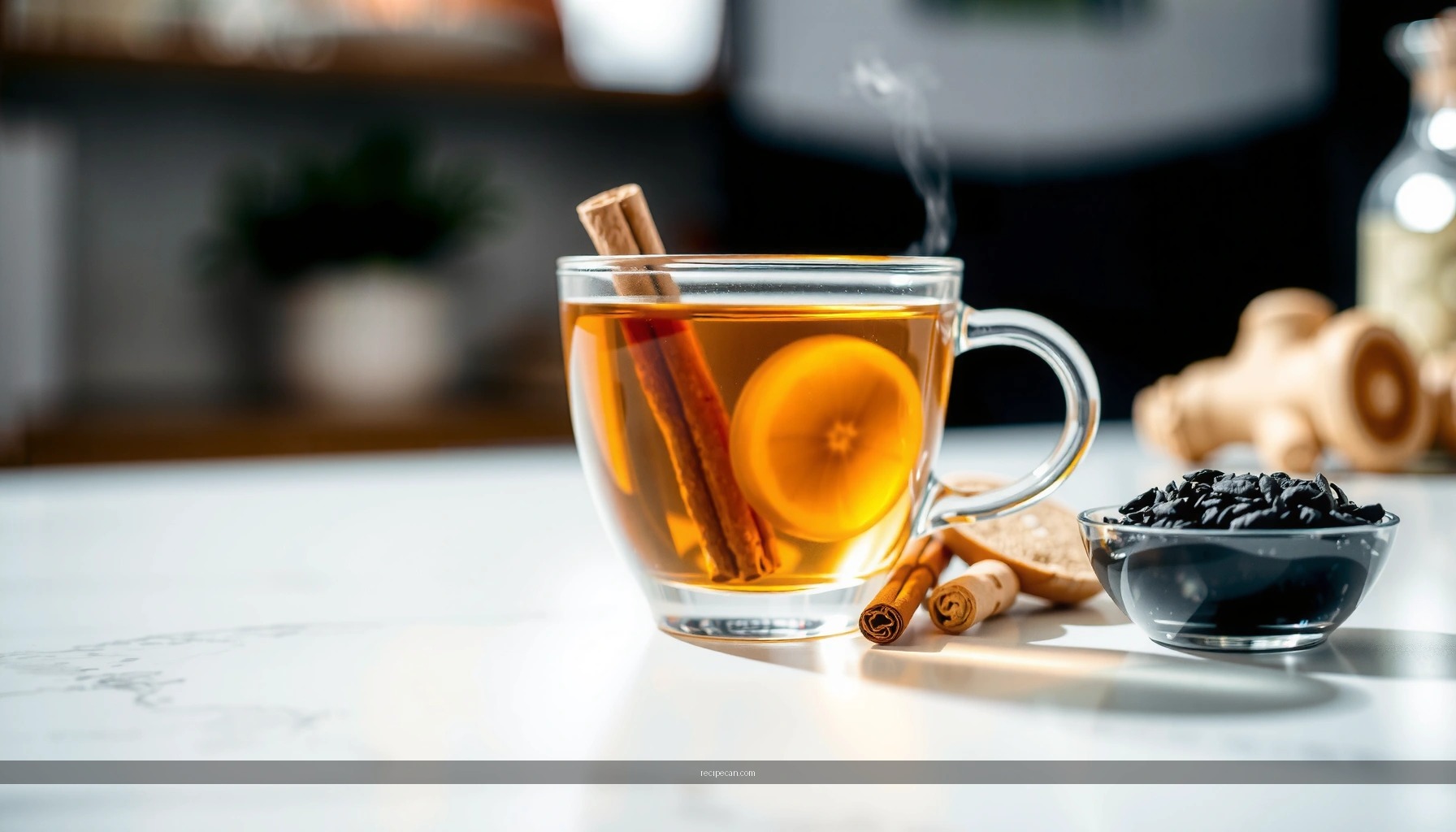
– If you use cinnamon, add a small stick during the simmer (remove after steeping) or sprinkle ⅛ teaspoon for subtle aroma.
This approach helps you engineer a cup that fits your preferences rather than guessing. Think of it as tuning a beverage profile: heat, brightness, and sweetness all have “sweet spots.”
Storage and Reheating
– Refrigerate leftover tea and reheat gently (don’t boil lemon)
– Make ahead for up to 2–3 days for quick daily cups
Ginger tea stores well when handled correctly—especially because you’ll often want a fast cup later without redoing the simmer every time.
Storage best practices
– Refrigerate promptly: Cool the tea to room temperature, then store in a sealed container.
– Separate lemon if making a large batch: If you plan to store for multiple days, consider adding lemon juice when serving rather than storing the tea with lemon. This helps keep the citrus taste brighter.
Reheating
– Reheat gently on the stove or in the microwave.
– Do not boil after adding lemon juice. Boiling can dull lemon aroma and sometimes make the flavor taste more bitter.
– Stir and taste after heating, then add a small extra squeeze of lemon if needed.
Make-ahead workflow for busy schedules
For workdays or meal prep:
1. Brew a concentrate (slightly stronger ginger infusion).
2. Strain and refrigerate up to 2–3 days.
3. When ready, reheat a portion, then add lemon (and honey) to finish.
That workflow turns ginger tea into a repeatable routine—ideal for consistent flavor across mornings, late-afternoon breaks, or evening wind-downs.
Warm ginger tea with lemon is an easy, customizable drink: simmer ginger, strain, then add lemon for a fresh finish. Try this recipe today and adjust the ginger and sweetness to match your taste—then make a second batch for tomorrow.
Frequently Asked Questions
What is a simple recipe for ginger tea with lemon?
To make ginger tea with lemon, simmer fresh ginger slices (or grated ginger) in water for 5–10 minutes, then strain. Add honey or maple syrup if you want sweetness, and squeeze in fresh lemon juice to taste. For extra aroma, you can steep the tea with lemon zest for 1–2 minutes after simmering, then serve hot. This ginger lemon tea recipe is quick, comforting, and easy to customize.
How do you make ginger tea with lemon without it tasting too bitter?
Start with fresh ginger and use a moderate amount—about 1–2 teaspoons grated or a few thin slices—to avoid an overly strong flavor. Simmer gently rather than boiling hard, and strain the tea promptly after 5–7 minutes. Add lemon juice at the end (or after straining) so the bright citrus flavor comes through without worsening bitterness. Sweeten lightly with honey to balance the ginger and lemon in your ginger lemon tea.
Which ginger works best for ginger tea with lemon: fresh or powdered?
Fresh ginger is often best for a cleaner, more vibrant taste because it releases oils and natural sweetness when simmered. Powdered ginger can work in a pinch—use about 1/4 to 1/2 teaspoon per cup and steep for a shorter time to prevent a harsh flavor. Either option can produce a soothing hot ginger tea, but fresh ginger typically tastes more “ginger-forward” and fragrant with lemon.
Why does ginger tea with lemon help with nausea and sore throats?
Ginger contains compounds that may help support digestion and may ease feelings of nausea, which is why ginger tea with lemon is commonly used as a soothing drink. Lemon adds vitamin C and a refreshing acidity that can feel comforting when you have a sore throat. While it’s not a cure, a warm cup of ginger lemon tea can be a practical home remedy for everyday wellness. Staying hydrated alongside the tea is also important.
What is the best way to prepare ginger tea with lemon for cold weather or immunity support?
For the best results, simmer ginger a little longer (about 10 minutes) so the ginger flavor fully infuses, then strain. Add lemon juice right before serving to keep the citrus taste bright, and consider adding a pinch of cinnamon or a few slices of fresh turmeric for extra warmth (optional). Drink it hot and gradually, and keep any sweetener minimal if you’re focused on immunity-support vibes. This cozy ginger lemon tea recipe is ideal when you want a comforting hot beverage during winter.
References
- Google Scholar Google Scholar
https://scholar.google.com/scholar?q=ginger+tea+lemon+recipe - https://scholar.google.com/scholar?q=ginger+tea+lemon+hot+water+infusion Google Scholar
https://scholar.google.com/scholar?q=ginger+tea+lemon+hot+water+infusion - Google Scholar Google Scholar
https://scholar.google.com/scholar?q=ginger+lemon+nausea+clinical+trial - Ginger tea
https://en.wikipedia.org/wiki/Ginger_tea - Ginger: Usefulness and Safety | NCCIH
https://www.nccih.nih.gov/health/ginger - https://medlineplus.gov/druginfo/natural/956.html
https://medlineplus.gov/druginfo/natural/956.html - https://www.mayoclinic.org/drugs-supplements/ginger/art-20316508
https://www.mayoclinic.org/drugs-supplements/ginger/art-20316508 - Lemon
https://en.wikipedia.org/wiki/Lemon - https://www.britannica.com/plant/ginger
https://www.britannica.com/plant/ginger - https://pubmed.ncbi.nlm.nih.gov/?term=ginger+nausea+trial
https://pubmed.ncbi.nlm.nih.gov/?term=ginger+nausea+trial