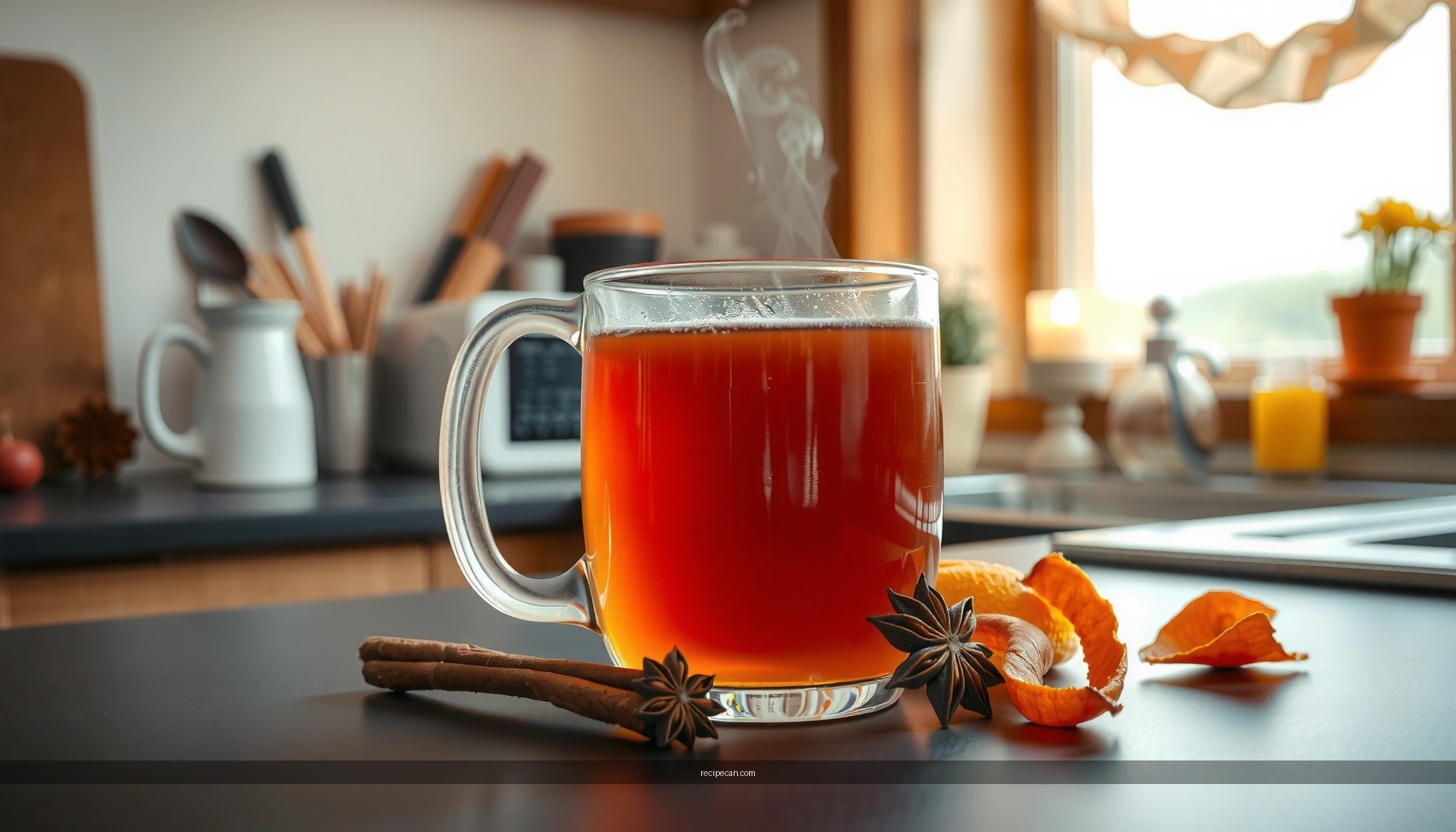
Want a spiced tea recipe that delivers real, warm aromatic comfort in minutes? This guide gives you a clear winner: a robust, stovetop spiced tea formula with the right balance of tea, spices, and sweet finish—so it tastes impressive even without fancy ingredients. You’ll get exact steps to brew, simmer, and strain for the richest flavor and the coziest cup at home.
Make spiced tea by simmering black or green tea with warm spices (like cinnamon, ginger, and cloves) for 5–10 minutes, then sweeten and strain to taste. The key is to build flavor in layers—bloom the spices first, brew the tea briefly, and finish by balancing sweetness, heat, and acidity.
Spiced tea is one of the fastest ways to turn pantry staples into a comfort drink with restaurant-level aroma. For many people, the “secret” isn’t a complicated recipe—it’s control: how long spices simmer, how long tea steeps, and how you adjust sweetness and balance. That’s also why the method below is reliable: it gives you a repeatable base and then offers practical tweaks for your preferred strength, spice level, and texture (hot or iced, creamy or dairy-free).
Gather Your Spices and Tea Base
– Choose your tea (black for classic warmth, green for lighter flavor)
– Use core spices like cinnamon, ginger, and cloves
– Add optional extras (cardamom, star anise, peppercorn)
Start with a simple principle: match the tea’s natural profile to the spice’s intensity. Black tea tends to handle robust spices well because its malty, full-bodied flavor can stand up to clove and ginger without tasting harsh. Green tea, by contrast, brings a lighter, sometimes slightly grassy freshness—great for cardamom, citrus peel, and gentler ginger.
For the spice backbone, focus on three “core” ingredients:
1. Cinnamon (sweet-warm, woody aroma)
2. Ginger (bright heat, peppery bite)
3. Cloves (deep, aromatic warmth—powerful, so use sparingly)
Then choose your optional modifiers depending on what you want your spiced tea to taste like:
– Cardamom for a floral, slightly minty warmth (ideal for both black and green tea)
– Star anise for a licorice-like sweetness and silky aroma
– Peppercorn for a more “warming” spicy edge (use lightly; it can dominate)
To make consistent cups, you’ll benefit from thinking in “infusion jobs” rather than random spice grabbing:
– Cinnamon and cloves contribute aroma and sweetness-like warmth.
– Ginger provides heat and brightness.
– Cardamom/star anise add complexity that feels more dessert-like.
Spice Infusion Characteristics for Spiced Tea (Typical Aroma Intensity)
| # | Spice | Key aroma compound(s) | Best bloom/simmer (minutes) | Typical intensity | Aroma rating |
|---|---|---|---|---|---|
| 1 | Cinnamon (cassia or Ceylon) | Cinnamaldehyde | 5–8 | High (sweet-warm) | ★★★★★ |
| 2 | Ginger (fresh) | Shogaols, gingerols | 6–10 | High (bright heat) | ★★★★☆ |
| 3 | Cloves (whole) | Eugenol | 3–6 | Very High (use lightly) | ★★★★★ |
| 4 | Cardamom (pods) | Terpinyl acetate, cineole | 4–7 | Medium-High | ★★★★☆ |
| 5 | Star anise | Anethole | 4–8 | Medium (sweet aroma) | ★★★☆☆ |
| 6 | Black pepper (whole) | Piperine (trace oils) | 2–4 | Low-Medium (easy to overdo) | ★★★☆☆ |
| 7 | Orange peel (no pith) | D-limonene | 1–3 (late add) | Medium (citrus brightness) | ★★★★☆ |
Brew the Tea With Spices
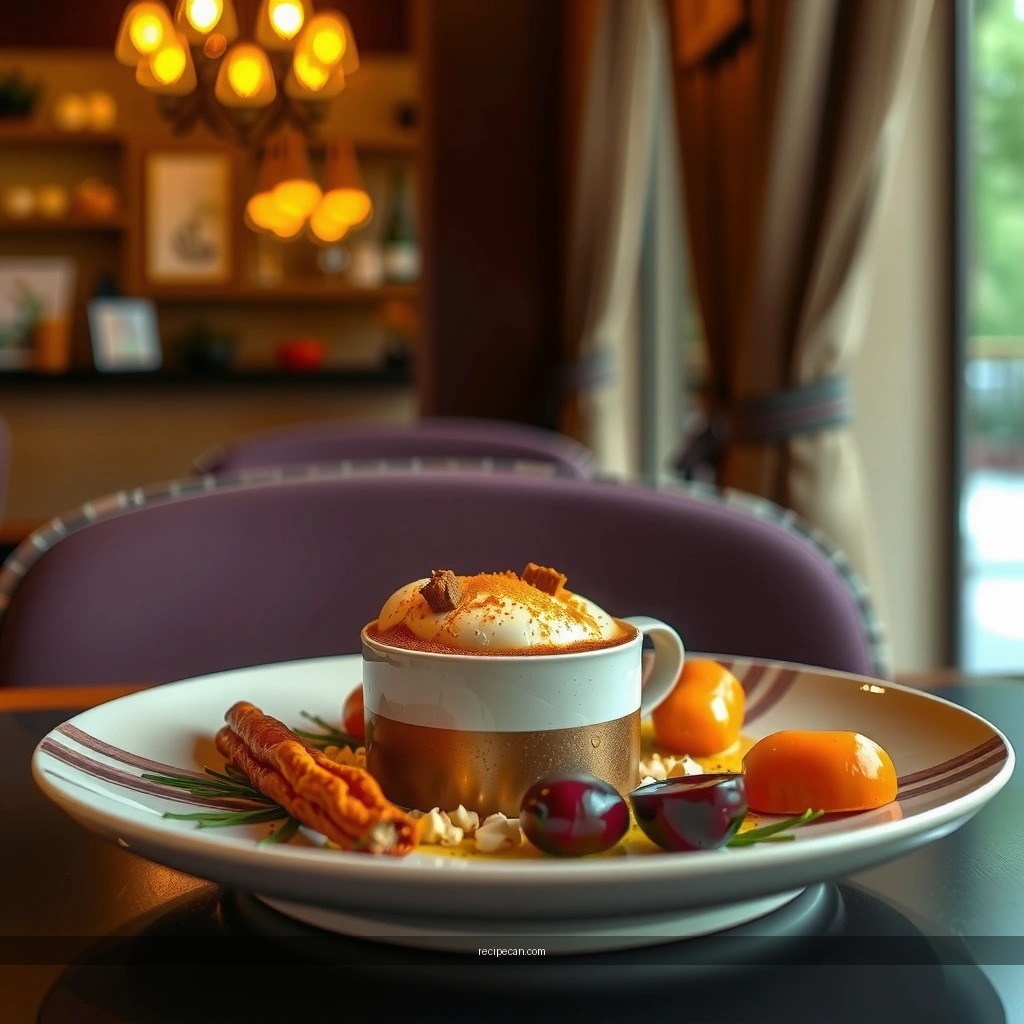
– Simmer spices in water first to bloom flavor
– Brew tea briefly, then combine with the spiced infusion
– Adjust steep/simmer time to control strength
This is the core workflow for a reliable cup: spice bloom → tea brew → combine and fine-tune.
1) Bloom spices in water
Using fresh, whole spices (cinnamon stick, ginger slices, whole cloves) helps extraction without making the drink cloudy or muddy. Bring water to a gentle simmer, then add spices and let them simmer for about 5–10 minutes. This step “wakes up” aroma compounds and reduces the chance that your spiced tea tastes flat or one-note.
Practical guidance:
– If you like a gentler profile, keep the bloom closer to 5 minutes.
– If you want a stronger, bakery-style aroma, go closer to 8–10 minutes.
– Cloves are potent—start with fewer than you think you need, especially if you’re brewing multiple cups.
2) Brew the tea briefly
After your spiced water smells aromatic, reduce heat and add your tea.
– Black tea: steep about 2–4 minutes
– Green tea: steep about 1.5–3 minutes
You can brew tea directly in the spiced infusion, but for more control (and fewer tannins), brew the tea briefly and then combine—especially if you’re using green tea (which can turn bitter if over-extracted).
A common failure mode: simmering tea too long. Spice can tolerate heat; tea leaves can become harsh. The bloom method prevents that.
3) Adjust strength with time, not just ingredients
Instead of doubling spices, try time adjustments:
– Want more aroma? Extend the spice bloom by 1–2 minutes.
– Want more tea depth? Increase steep time slightly (especially for black tea).
– Still too intense? Reduce steep time and add sweetness later rather than pushing extraction.
Sweeten and Balance Flavor
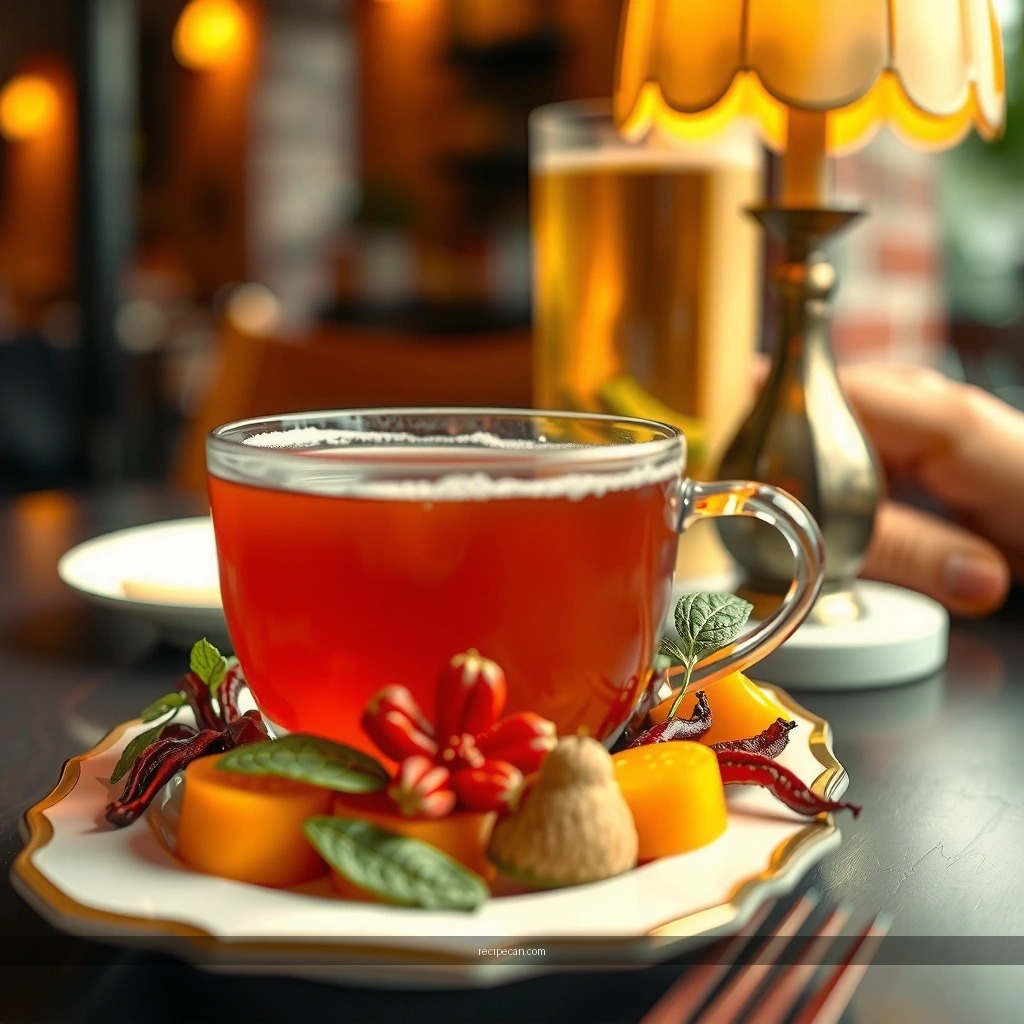
– Sweeten with honey, sugar, or maple syrup to taste
– Add a pinch of salt or vanilla for depth (optional)
– Balance heat with citrus (orange peel or lemon zest) if desired
Once you’ve built the flavor base, it’s time to make the cup taste “complete.” In well-balanced spiced tea, sweetness doesn’t just add calories—it smooths and rounds out spice sharpness.
Sweeteners: choose by flavor profile
– Honey: adds floral sweetness and a softer finish
– Sugar: clean sweetness that won’t compete with spices
– Maple syrup: brings a caramelized depth that pairs with cinnamon and cloves
A professional approach is to sweeten gradually. Start with 1–2 teaspoons per 8–12 oz, stir well, taste, and adjust.
Optional depth boosters
– Pinch of salt: just a tiny amount can make spice and tea flavors taste more vivid (salt should be subtle—if you taste “salty,” you added too much).
– Vanilla: adds warmth and a dessert-like quality, especially with cardamom and star anise.
Brighten the finish with citrus
If your tea tastes “too heavy,” add acidity/aroma:
– Orange peel (no pith) or lemon zest added late (after simmering) can lift the whole drink.
– Keep citrus additions light—citrus can turn bitter if it’s simmered too long.
This balancing step is why spiced tea often feels “cozy” instead of merely spicy.
Make It Creamy or Dairy-Free
– Stir in milk, cream, or a splash of evaporated milk
– For dairy-free, use oat milk, almond milk, or coconut milk
– Keep simmering separate from dairy to avoid curdling
Spiced tea becomes especially comforting when you add a creamy component—think of it as the “capstone” that rounds sharp spice edges.
For dairy
– Stir in milk or cream after you remove the drink from heat.
– If you want a richer mouthfeel, use evaporated milk (it’s thick, stable, and blends smoothly).
For dairy-free
Choose based on the flavor you want:
– Oat milk: creamy, neutral, great with cinnamon and ginger
– Almond milk: lighter, slightly nutty (pairs well with cardamom)
– Coconut milk: more tropical and rich (amazing with star anise and orange peel)
Avoid curdling
Key rule: do not simmer dairy inside the spice-and-tea base. Instead:
1. Brew and strain/balance the spiced tea first.
2. Remove from heat.
3. Add dairy/dairy-free milk and stir until uniform.
This keeps texture silky and prevents separation.
Serve Hot or Iced Spiced Tea
– Serve hot immediately with a cinnamon stick garnish
– For iced tea, chill the brewed tea and pour over ice
– Add fresh ginger slices or citrus for brighter cold flavor
Spiced tea is versatile: you can serve it steaming in minutes or turn it into a refreshing iced drink without losing flavor.
Hot spiced tea
– Serve immediately after adding sweetener and optional cream/dairy.
– Garnish with a cinnamon stick or a small pinch of cinnamon on top for aroma.
Iced spiced tea
To keep iced spiced tea from tasting weak:
– Chill the brewed tea fully before serving (so it doesn’t dilute as it cools).
– Pour over ice and taste—cold temperature can mute sweetness and aroma. If needed, add a touch more honey/maple or a squeeze of citrus.
Bright cold options:
– Add fresh ginger slices for crisp heat
– Add orange peel or lemon zest for a lifted, aromatic finish
A practical tip: if you’re making a batch, consider adding delicate citrus aromatics after cooling rather than during the brew.
Storage and Reheating Tips
– Refrigerate spiced tea concentrate for up to 3–4 days
– Reheat gently on the stove and adjust sweetness afterward
– Reuse spice amounts in small batches for stronger aroma
If you want spiced tea on demand, treat it like a concentrate. Brew the spiced infusion (and tea base), strain if desired, and store without adding dairy if you plan to reheat later.
Storage
– Refrigerate spiced tea concentrate for up to 3–4 days.
– If you used citrus peel or fresh ginger, the flavor may gradually soften—taste after day one for best results.
Reheating
– Reheat gently on the stove (avoid aggressive boiling).
– Because sweetness can taste different after refrigeration, adjust sweetener after reheating.
Reusing spices
Spices don’t lose all their flavor immediately, especially whole cinnamon sticks or cloves. For a stronger second batch:
– Reuse similar spice amounts in a small batch
– Shorten or extend simmer time based on aroma intensity (start with 3–5 minutes for the second steep)
This approach reduces waste and makes your kitchen smell amazing without repeated measuring.
Spiced tea is all about simmering your spices, brewing your tea briefly, and then balancing sweetness and strength. Follow the base method above—spice bloom, short tea steep, sweeten and balance—then experiment one variable at a time (more ginger for brightness, fewer cloves for smoothness, or citrus for lift). With a controlled process and simple tweaks, you’ll get a fragrant, cozy cup consistently, whether you serve it hot, creamy, or iced.
Frequently Asked Questions
What is the best spiced tea recipe for beginners?
A beginner-friendly spiced tea recipe uses black tea, water, cinnamon sticks, whole cloves, and fresh ginger. Simmer the spices briefly to extract flavor, then add tea leaves or tea bags and steep until it reaches your preferred strength. Finish with honey or brown sugar and a splash of milk if you like a creamy masala-style spiced tea. This method is simple, forgiving, and produces a consistently fragrant cup.
How do I make spiced tea without it tasting bitter?
Bitterness usually comes from steeping too long or boiling the tea with spices for too much time. Simmer the spices for 5–10 minutes first, then add the tea and steep only 3–5 minutes depending on the tea type. Use slightly less tea than you think and avoid high heat once tea is added. Straining out the whole spices also helps keep the flavor smooth rather than harsh.
Why does my spiced tea taste too weak, and how can I strengthen it?
If your spiced tea tastes weak, it’s often because the spices weren’t extracted long enough or the tea ratio is too low. Increase the intensity by simmering cinnamon, ginger, and cloves for an extra few minutes before adding tea, and use fresh ginger for a stronger base flavor. You can also add a pinch of cardamom for a more aromatic spiced tea profile. Adjust sweetness at the end so you can better taste the spice balance.
Which tea is best for a spiced tea recipe—black, green, or chai blend?
Black tea is the most common choice for spiced tea because it holds up well to bold spices like cinnamon, cloves, and cardamom. Green tea can work for a lighter, less malty spiced tea, but it’s more sensitive to over-steeping and bitterness. If you want an easy, authentic approach, use a chai blend or black tea with warming spices already included. Choose based on whether you prefer a robust, comforting cup or a lighter, fresher profile.
How can I customize a spiced tea recipe to match different flavors or dietary needs?
You can tailor spiced tea by swapping spices—use star anise and cinnamon for a sweeter aroma, or add peppercorn or cardamom for extra warmth. For dairy-free spiced tea, replace milk with oat milk, almond milk, or coconut milk and sweeten with honey alternatives like maple syrup. If you want it caffeine-free, use rooibos tea and simmer the same spice blend for a robust herbal version. These tweaks let you keep the same spiced tea recipe base while creating new flavor variations.
References
- Tea
https://en.wikipedia.org/wiki/Tea#Spiced_tea - Chai
https://en.wikipedia.org/wiki/Chai - https://www.britannica.com/topic/chai
https://www.britannica.com/topic/chai - https://www.mayoclinic.org/healthy-lifestyle/nutrition-and-healthy-eating/in-depth/tea/art-20044699
https://www.mayoclinic.org/healthy-lifestyle/nutrition-and-healthy-eating/in-depth/tea/art-20044699 - https://www.who.int/news-room/fact-sheets/detail/healthy-diet
https://www.who.int/news-room/fact-sheets/detail/healthy-diet - spiced tea – Search Results – PMC
https://www.ncbi.nlm.nih.gov/pmc/?term=spiced+tea - https://pubmed.ncbi.nlm.nih.gov/?term=chai+tea
https://pubmed.ncbi.nlm.nih.gov/?term=chai+tea - Google Scholar Google Scholar
https://scholar.google.com/scholar?q=spiced+tea+recipe - Google Scholar Google Scholar
https://scholar.google.com/scholar?q=chai+tea+spices+recipe+ginger+cinnamon - spiced tea recipe – Search results
https://en.wikipedia.org/wiki/Special:Search?search=spiced+tea+recipe