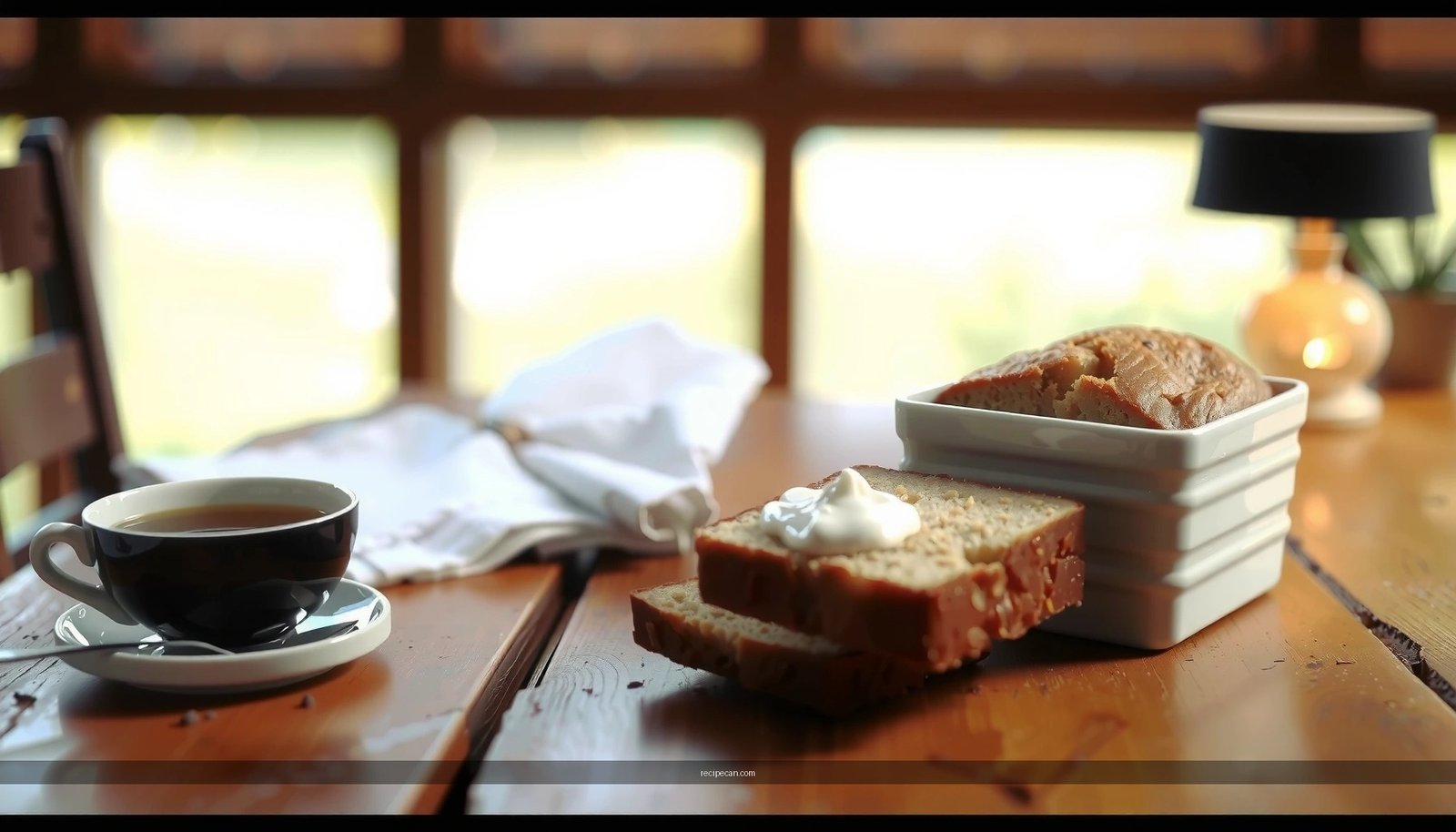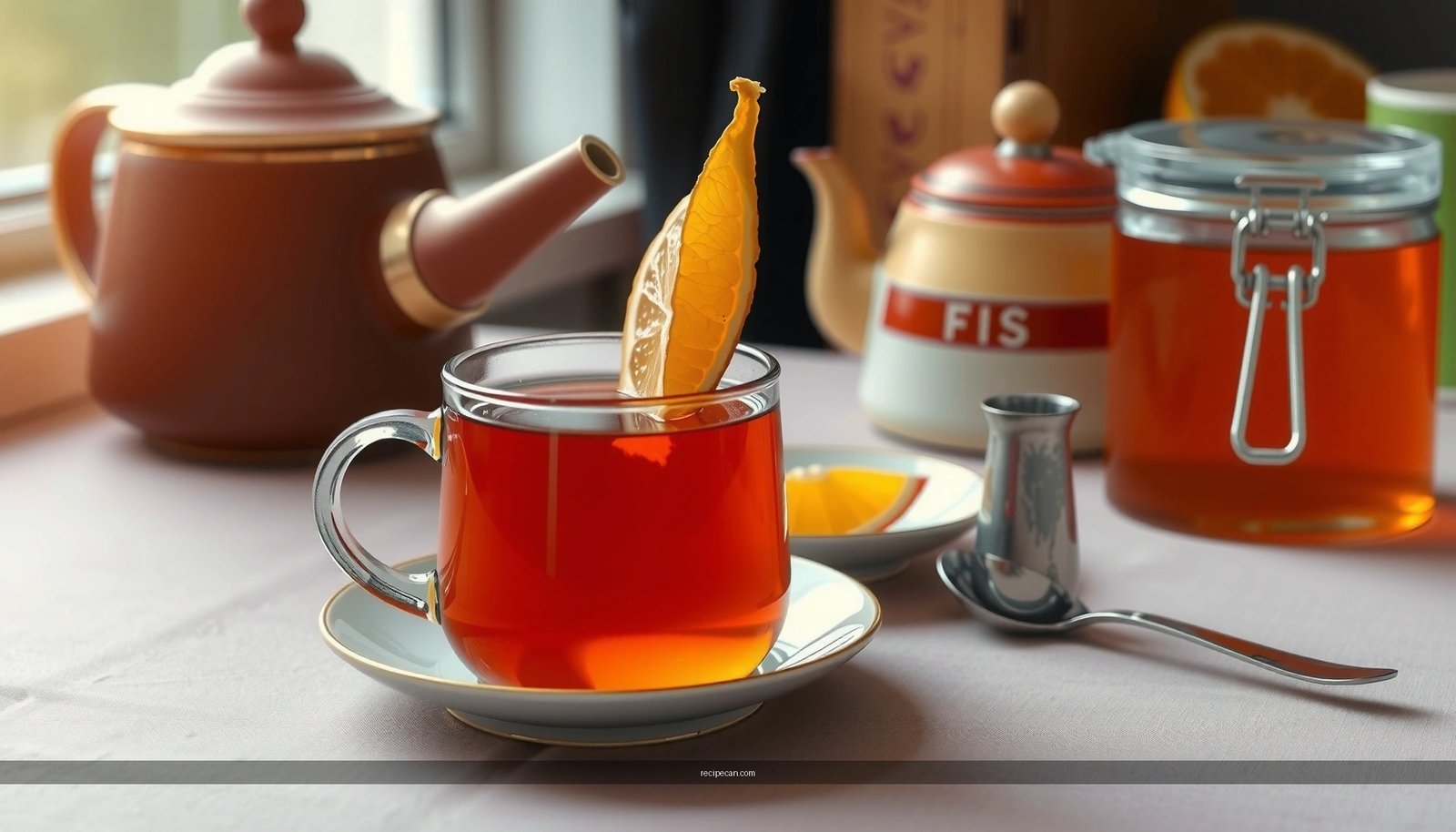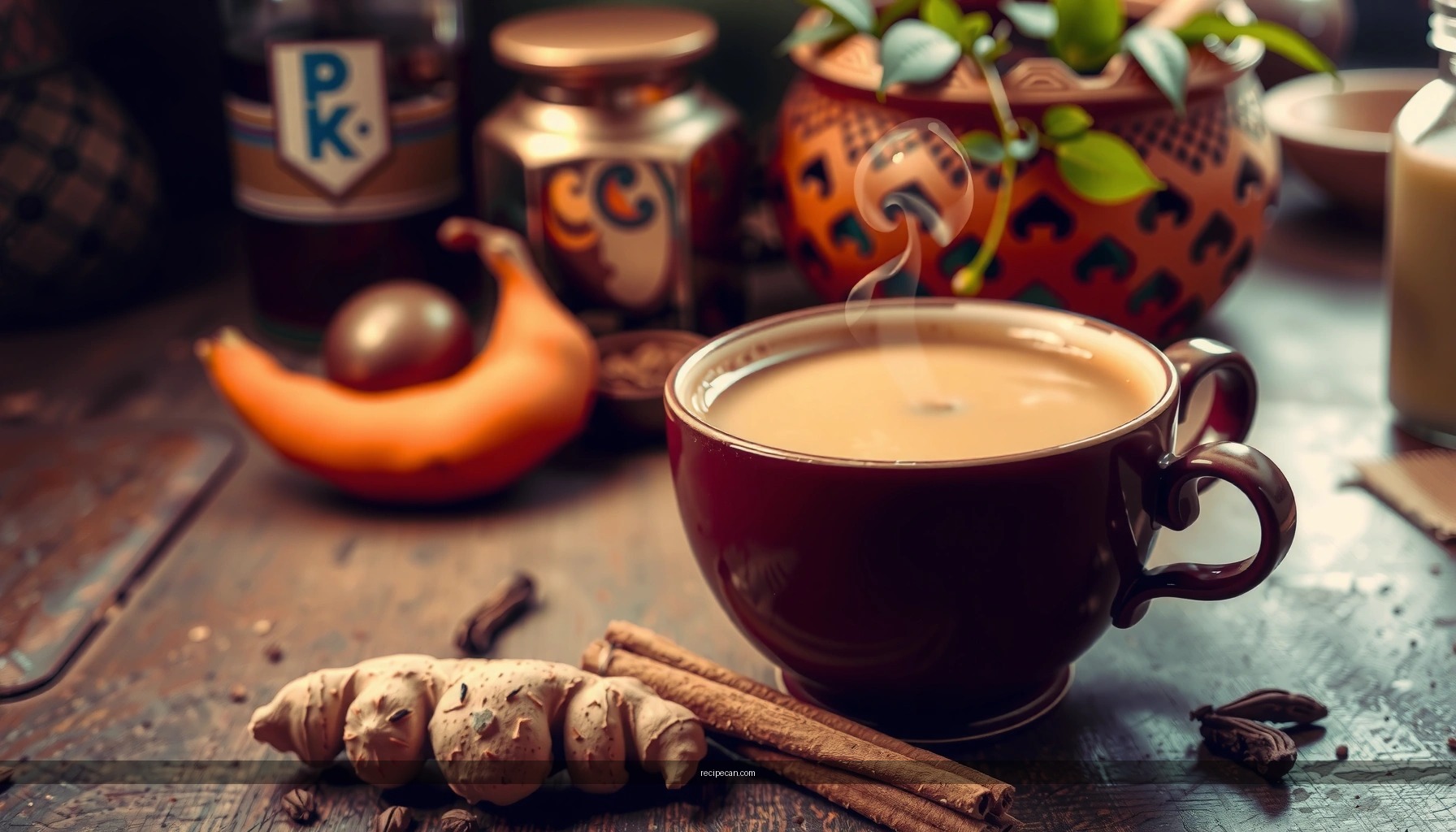
Want the best masala tea recipe for making spiced tea at home? This straightforward guide tells you exactly how to brew masala tea with the right tea strength, spice blend, and simmer time so it tastes bold, not bitter. If you follow the steps, you’ll get a café-style cup every time.
Masala tea is simply black tea simmered with water, milk, and warm spices until it turns fragrant and creamy—then you sweeten (if you want) and serve immediately. This recipe walks you through the exact timing, ratios, and spice-handling techniques that create the right balance of bold tea, velvety milk, and aromatic ginger-cardamom-clove flavor in every cup.
Ingredients for Masala Tea Recipe
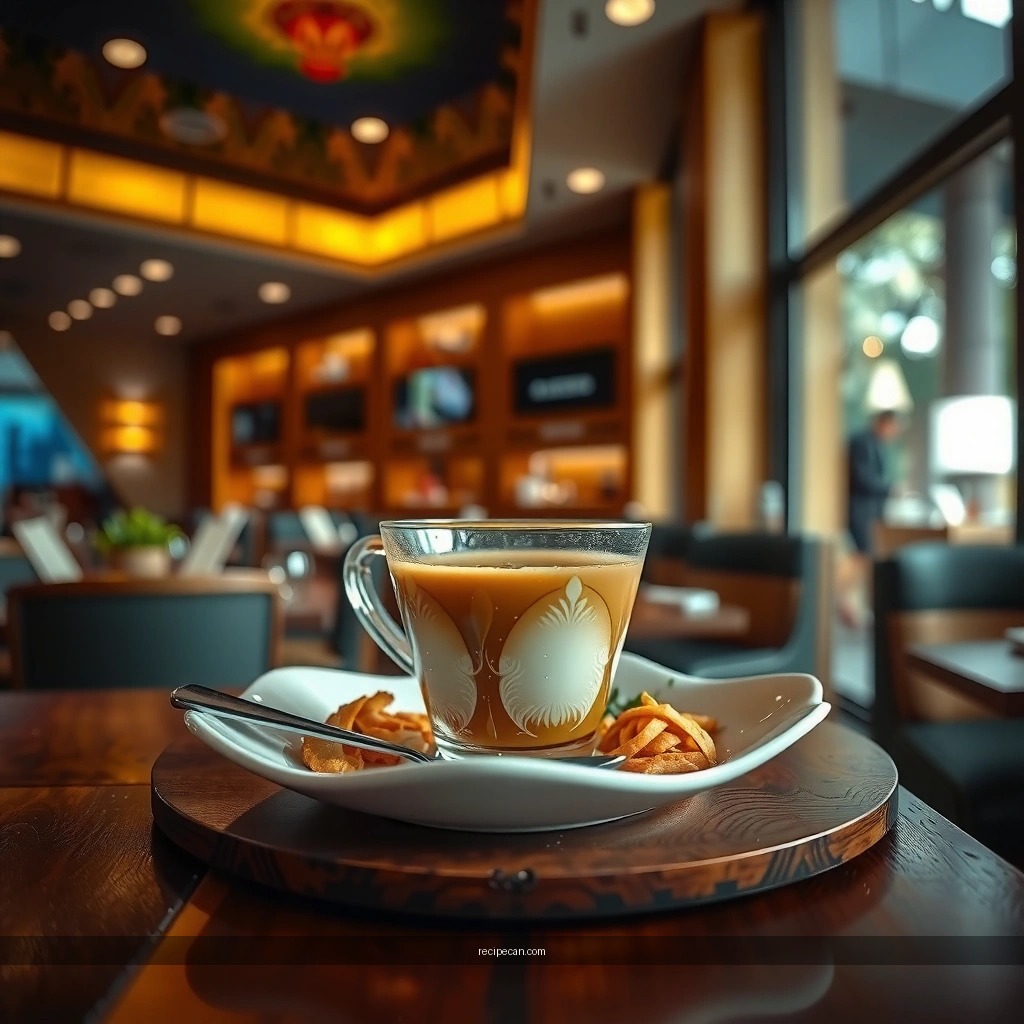
To make a reliable masala tea at home (chai-style spiced tea), focus on a few core components and treat the spices like “flavor ingredients,” not just garnish.
Core ingredients (1 to 2 servings)
– Black tea: 2–3 teaspoons loose tea (or 2 tea bags)
– Water: 1 cup (about 240 ml)
– Milk: 3/4 cup (about 180 ml) *to 1 cup (240 ml)* depending on how creamy you like it
– Ginger: 1-inch piece, lightly sliced or grated
– Green cardamom: 3–4 pods, lightly crushed
– Cloves: 2 small cloves (or 1 large clove)
Optional add-ins (adjust to taste)
– Cinnamon: 1 small stick (or 1/4 teaspoon powder)
– Black pepper: 1/8 teaspoon (for warmth and a sharper aroma)
– Sugar: 1–2 teaspoons (brown or white both work)
– Salt (tiny pinch): optional—surprisingly effective for rounding flavors, especially if you’re not adding much sugar
Pro tip: Use fresh ginger and whole spices whenever possible. Whole spices release aromatics more predictably during simmering.
Spice-to-Tea Balance for Masala Tea (Flavor Targets)
| # | Masala Tea Profile | Ginger (1 cup water) | Cardamom | Cloves | Best For |
|---|---|---|---|---|---|
| 1 | Classic Balanced Chai | 1 inch | 3–4 pods | 2 cloves | Daily comfort |
| 2 | Ginger-Forward (Zingy) | 1.5 inch | 2–3 pods | 1–2 cloves | Cold weather cravings |
| 3 | Cardamom-First (Aromatic) | 3/4 inch | 5 pods | 1 clove | Fragrant, dessert-like chai |
| 4 | Mild Spice (Family-Friendly) | 1/2 inch | 2 pods | 1 clove | Sensitive palates |
| 5 | Bold & Tea-Forward | 1 inch | 2–3 pods | 1–2 cloves | Reduced-sugar preference |
| 6 | Spice-Rich (Serving Guests) | 1–1.5 inch | 4–5 pods | 2 cloves | High-aroma batches |
| 7 | Low-Additive (Less Sugar) | 1 inch | 3 pods | 1 clove | Lightly sweet or unsweet |
Prep the Spices and Brew Base
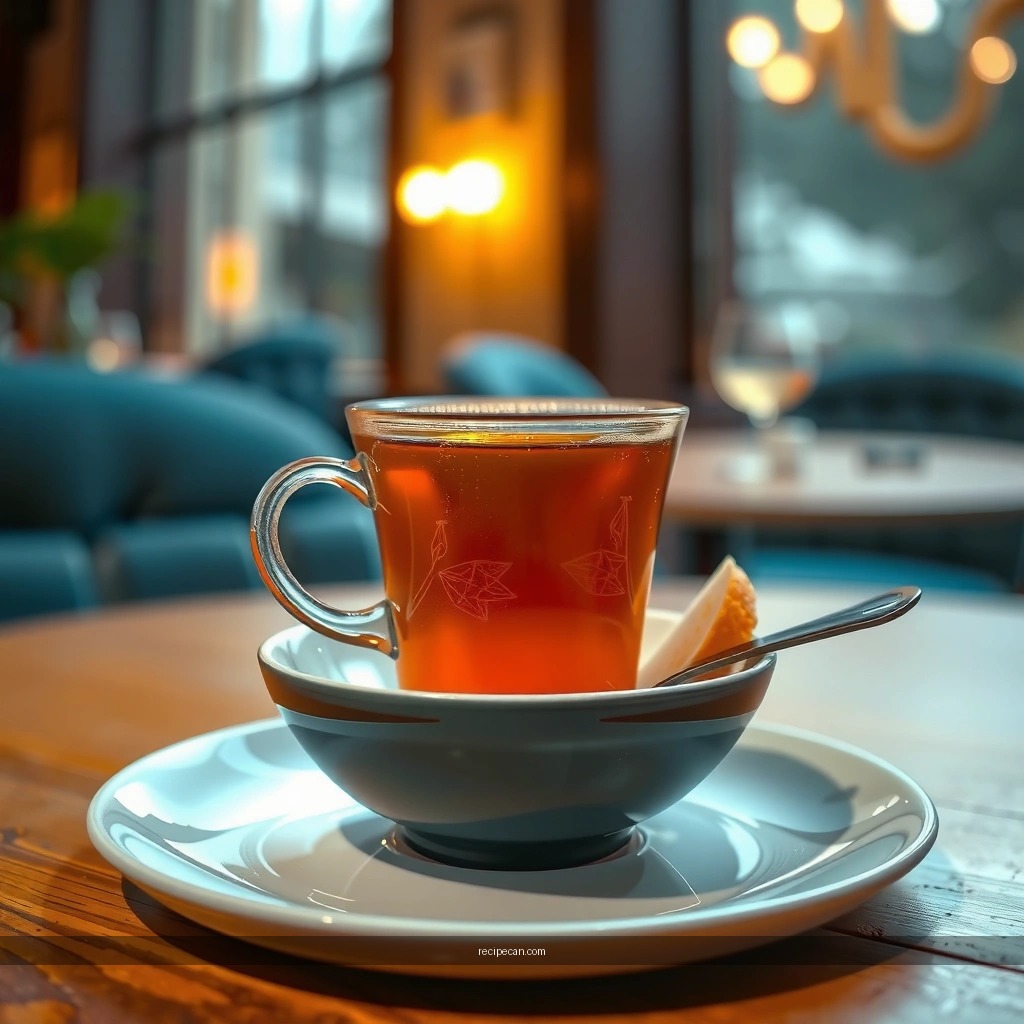
The biggest difference between “good” and “great” masala tea is how well you prepare the spices and how you build the tea base before adding milk.
1. Lightly crush spices for better extraction
– Cardamom pods: crush lightly (don’t pulverize—avoid bitterness).
– Cloves: lightly crack them so their oils wake up quickly.
– Ginger: slice thinly or grate so it releases ginger warmth fast.
2. Simmer spices with water (and ginger) briefly
– In a small saucepan, combine water + ginger + cardamom + cloves.
– Simmer for 2–3 minutes (low-to-medium heat).
This short simmer extracts aromatics into the water without making the tea base overly harsh.
3. Add tea after the aromatics start blooming
– Once the water smells warm and gently spiced, add black tea.
– Let it simmer briefly to build strength, then proceed to the milk stage.
Why this matters: spices contain volatile oils and resins. Crushing + a short water simmer “preloads” the water with aromatics, so the subsequent milk simmer becomes creamy instead of flat or one-dimensional.
Step-by-Step Masala Tea Recipe Method
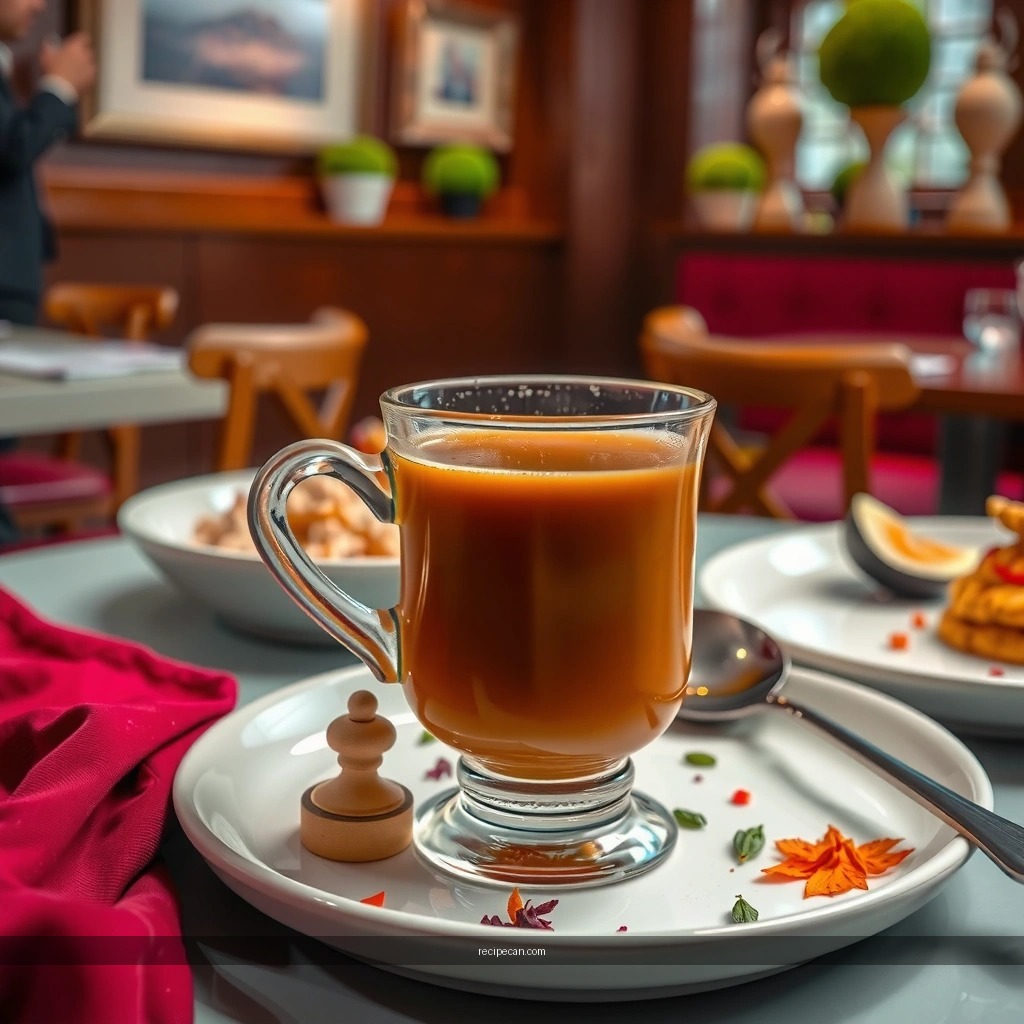
Below is a dependable method for making spiced tea at home with consistent strength and a creamy finish. Adjust timings slightly based on how strong your tea brand is.
1. Brew the tea base (strength-building)
– Add black tea to the simmering spiced water.
– Simmer 2–5 minutes, stirring once or twice.
– Typical target:
– 2–3 minutes for medium strength
– 4–5 minutes for bold tea (especially if your black tea leaves are mild)
2. Pour in milk and simmer until creamy
– Add milk and stir to combine.
– Bring back to a gentle simmer and cook 3–6 minutes.
– You’ll notice:
– A deeper caramel-brown color
– A stronger aroma from the milk fats carrying spice notes
– A slightly thickened texture (without needing flour or additives)
3. Sweeten correctly (timing is a quality lever)
– Add sugar during the milk simmer and stir until dissolved.
– If you use honey or jaggery, add off-heat or at the very end to preserve aroma.
4. Strain and serve immediately
– Strain through a fine sieve.
– Serve hot. Masala tea tastes best right after brewing because the spice aromatics are at peak intensity.
Practical ratio (for most home brews):
– 1 cup water : 3/4–1 cup milk
– 2–3 tsp black tea (loose) for 1 serving or 2 smaller cups
Getting the Best Flavor and Consistency
Masala tea is formula-driven, but the “formula” is more about technique than strict math. Here’s how to control strength, spice level, and sweetness so your chai is repeatable.
1) Control strength by adjusting tea quantity and simmer time
If your tea tastes:
– Too weak / watery: increase tea by 1/2 teaspoon next time, or simmer the tea base 1 minute longer.
– Too bitter / tannic: reduce tea time by 1 minute or decrease the tea amount slightly.
A useful analytical approach:
– Increase tea steep time gradually first (rather than doubling tea), because black tea can become harsh quickly once you push it too long.
2) Balance spice level and sweetness
Spices and sweetness interact:
– Cloves amplify sweetness perception but can also dominate if used heavily.
– Cardamom provides aromatic sweetness-like notes even with minimal sugar.
– Ginger adds brightness and warmth—great when sugar is low.
Suggested calibration (simple):
– For minimal sweetness: keep cloves at 1–2, cardamom steady, and allow the ginger-water simmer to do more work.
– For classic sweet chai: keep proportions similar but extend milk simmer by 1–2 minutes so the milk carries a fuller body.
3) Avoid milk separation and “overcooked” aromas
Milk can separate if heated too aggressively. Maintain a gentle simmer, not a hard boil.
– Stir occasionally during the milk stage.
– Remove from heat the moment it reaches your ideal aroma and color.
Serving Suggestions and Variations
Masala tea is versatile. Once you master the base method, you can tailor it to morning, afternoon, or evening preferences—and even to different cultural palates.
Classic serving ideas
– Serve hot with biscuits (especially tea biscuits) or flaky snacks like khatta-meetha style savory bites.
– For a more substantial pairing, use light pastries or toast with jam.
Variations to try (with clear adjustments)
1. Ginger-forward chai
– Increase ginger to 1.5 inches
– Keep cardamom slightly lower (2–3 pods) so ginger doesn’t taste medicinal
2. Fewer spices (clean, subtle chai)
– Use only ginger + cardamom
– Skip cloves or use one clove cracked lightly
3. Cinnamon warmth
– Add a cinnamon stick during the water simmer
– It rounds out spice edges and pairs well with sugar
4. Optional saffron (premium aromatics)
– Add a small pinch during the milk stage or steep it in warm milk for 2 minutes first
– Use very sparingly to avoid overpowering
Storage and Reheating Tips
Masala tea is best fresh, but you can absolutely store and reheat it without losing much quality—if you do it gently.
Storage
– Cool to room temperature, then store in a sealed container in the fridge.
– Consume within 1–2 days for best aroma and texture.
Reheating (prevent milk separation)
– Reheat on low heat and stir gently.
– Avoid boiling. If you see curdling risk, lower heat immediately and stir to recombine.
– Optional: add a splash of milk or water to restore consistency if the tea thickened in storage.
Quality check: give it a quick smell test. If the spice aroma becomes muted, consider brewing a fresh cup—masala tea’s character is heavily driven by volatile aromatics that fade faster than plain tea.
Masala tea is all about simmering spices, brewing the tea base well, and achieving a creamy milk finish. Follow this masala tea recipe, taste as you go, and customize the spices to your liking—then make your next cup today.
Frequently Asked Questions
What is masala tea and how is it different from regular chai?
Masala tea is a spiced version of tea that typically includes black tea plus a blend of warming spices like ginger, cardamom, cinnamon, and cloves. Unlike plain tea, masala tea has a more aromatic, bold flavor and may use milk and sweeteners depending on the recipe. Many people search for it because it delivers a comforting “chai” taste with a consistent spice profile.
How do I make recipe masala tea at home without it tasting bitter?
Start by simmering your spices in water briefly before adding tea, so the flavor builds gradually instead of releasing harshness. Use the right tea strength—avoid boiling the tea for too long, and steep or simmer only until the color deepens. If your masala tea tastes bitter, reduce the tea quantity, shorten the simmer time, and add milk after brewing to mellow the flavor naturally.
Why does my masala tea taste weak, and how can I make it stronger?
Weak masala tea usually comes from under-measuring spices or not steeping the tea long enough to extract flavor. Increase spice intensity by letting ginger and whole spices simmer for a few minutes before adding the tea leaves. You can also strengthen the base by using fresh ginger, a slightly higher tea-to-water ratio, and simmering lightly (not rapidly) to bring out the aroma.
Which spices work best for a classic recipe masala tea?
For a classic flavor, use ginger, cardamom, cinnamon, and cloves, plus black pepper if you like a warming kick. Whole spices often deliver richer aroma than pre-ground powders, but you can use powdered spices in smaller amounts. A common approach is to start with ginger + cardamom, then add cinnamon and cloves for depth, adjusting to your personal taste.
Best way to brew masala tea for a creamy texture—milk or no milk?
For a creamy cup, many people prefer brewing with milk or finishing with milk after the tea-spice concentrate is ready. Heat milk gently and simmer briefly so it blends smoothly without curdling—especially if you’re using dairy milk. For best results, strain well and serve hot; if you’re making recipe masala tea for a silky texture, use full-fat milk or froth lightly before serving.
References
- Chai
https://en.wikipedia.org/wiki/Chai - https://www.britannica.com/topic/chai
https://www.britannica.com/topic/chai - Ginger: Usefulness and Safety | NCCIH
https://www.nccih.nih.gov/health/ginger - Cinnamon: Usefulness and Safety | NCCIH
https://www.nccih.nih.gov/health/cinnamon - https://pubmed.ncbi.nlm.nih.gov/?term=masala+chai
https://pubmed.ncbi.nlm.nih.gov/?term=masala+chai - https://pubmed.ncbi.nlm.nih.gov/?term=ginger+tea
https://pubmed.ncbi.nlm.nih.gov/?term=ginger+tea - https://pubmed.ncbi.nlm.nih.gov/?term=black+tea+polyphenols
https://pubmed.ncbi.nlm.nih.gov/?term=black+tea+polyphenols - Google Scholar Google Scholar
https://scholar.google.com/scholar?q=masala+chai+recipe - Google Scholar Google Scholar
https://scholar.google.com/scholar?q=masala+tea+composition+ginger+cinnamon+cardamom - Google Scholar Google Scholar
https://scholar.google.com/scholar?q=black+tea+polyphenols+health+effects+review