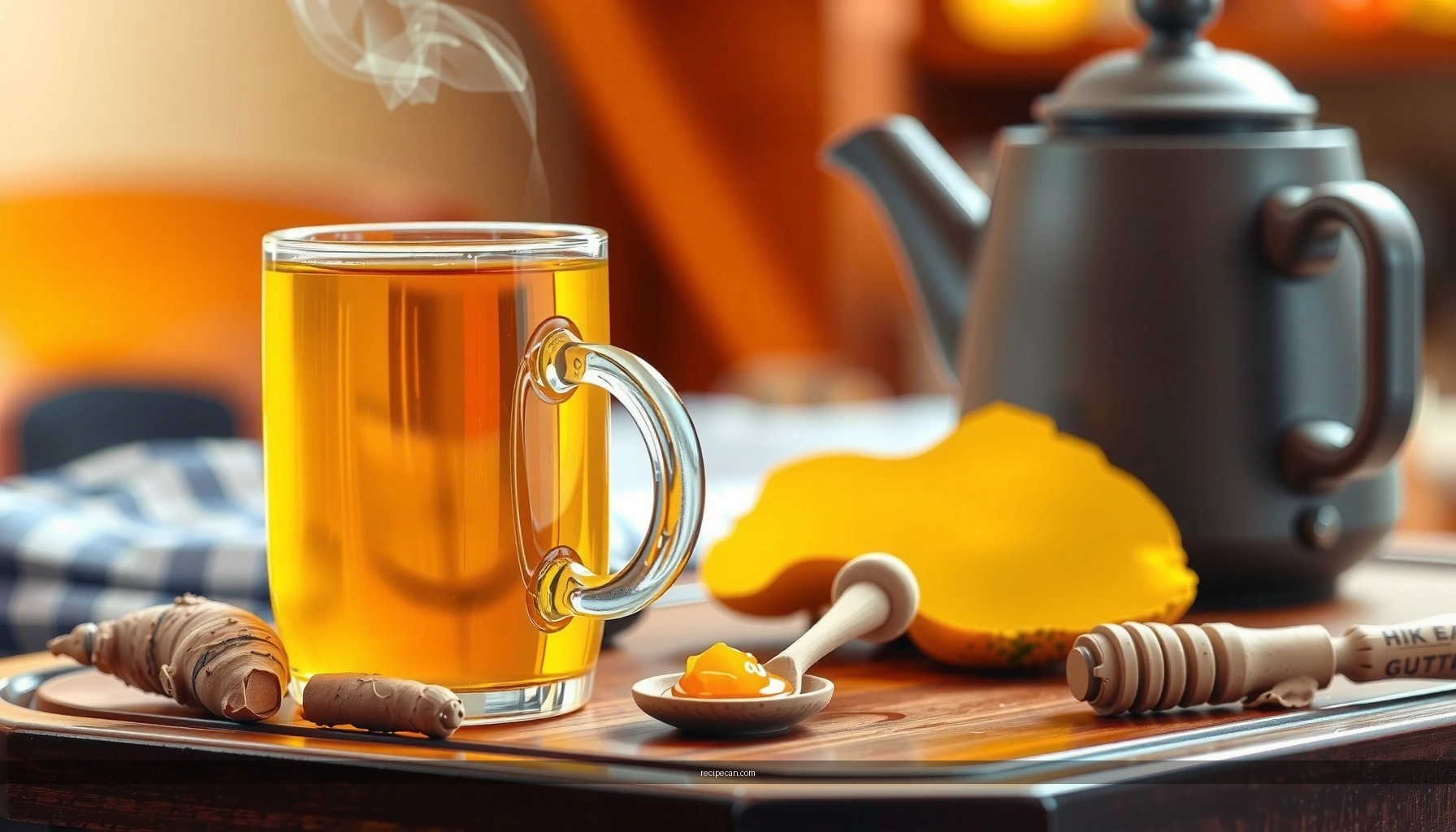
Want an easy turmeric and ginger tea recipe that tastes great and actually warms you up fast? This recipe delivers a bold, soothing cup in minutes, with the right balance of turmeric earthiness and ginger heat. If you’re after a comforting drink for everyday digestion support and cozy evenings, this is the one you’ll make again.
A turmeric and ginger tea recipe is simple: simmer fresh ginger and turmeric in water, optionally with lemon and honey, then strain and drink warm. In this guide, you’ll get an easy step-by-step method plus practical ways to tune strength, flavor, and consistency so your mug tastes exactly right from the first batch.
Ingredients for Turmeric and Ginger Tea

The core of a great turmeric and ginger tea is a balanced “heat + earth” profile: ginger provides a bright, warming bite, while turmeric adds earthy depth and a golden color.
– Fresh ginger (root), sliced or grated
Fresh ginger delivers the most aromatic, sharp flavor. Slice thin for faster extraction or grate for maximum intensity.
– Turmeric (fresh root or ground)
Fresh turmeric is fragrant and mellow; ground turmeric is convenient and creates a deeper golden-brown color with fewer steps.
– Water (for simmering)
Use enough water to steep without diluting too much—tea strength will depend largely on how long you simmer and the ginger/turmeric ratio.
– Optional add-ins like honey, lemon, black pepper, and cinnamon
– Honey for sweetness and a softer finish.
– Lemon for acidity that brightens the flavor and balances earthiness.
– Black pepper (a small amount) to enhance the bioavailability of turmeric’s curcumin.
– Cinnamon for a cozy, dessert-like warmth.
To bring “restaurant-grade” consistency to a home recipe, treat these add-ins as modular: start with the base, then add one or two upgrades at a time so you can identify what changes the taste.
How Turmeric & Ginger Formulations Change Tea Taste
| # | Tea Batch Style | Ginger | Turmeric | Simmer Time | Perceived Strength | Best For |
|---|---|---|---|---|---|---|
| 1 | Gentle Daily Mug | 1 tsp fresh, sliced | 1 tsp ground | 8 min | ★★★☆☆ | Morning, mild taste |
| 2 | Classic Warming Blend | 1 tbsp sliced | 1 tbsp fresh, grated (or 1.5 tsp ground) | 10–12 min | ★★★★☆ | Cold weather comfort |
| 3 | Earth-Forward Turmeric | 1 tsp sliced | 2 tsp ground (or ~1.5 tbsp fresh) | 12–15 min | ★★★★☆ | For deep color |
| 4 | Extra Ginger Kick | 2 tbsp sliced | 1 tbsp fresh (or 1 tsp ground) | 10 min | ★★★★☆ | Invigorating feel |
| 5 | Pepper-Optimized Curcumin Support | 1 tbsp sliced | 1 tbsp fresh (or 1.5 tsp ground) | 10–12 min | ★★★★☆ | Add a pinch of black pepper |
| 6 | Cinnamon “Golden Latte” Style | 1 tbsp sliced | 1.5 tsp ground | 10 min | ★★★★☆ | Dessert-like warmth |
| 7 | Lemon Bright Finish | 1 tbsp sliced | 1 tsp ground | 8–10 min | ★★★☆☆ | Crisp, non-heavy cup |
Simple Step-by-Step Turmeric and Ginger Tea Recipe

This is the most reliable turmeric and ginger tea recipe approach: simmer to extract flavor, then strain for a smooth cup.
1. Measure your ingredients
– For one mug (about 12–16 oz / 350–475 ml):
– Ginger: ~1 tbsp sliced (or 1 tsp ground)
– Turmeric: ~1–1.5 tsp ground or ~1 tbsp fresh grated
2. Add water and bring to a gentle simmer
– Add water to a small saucepan or kettle.
– Once simmering begins, reduce heat to keep a gentle bubble (you want extraction, not a boil).
3. Simmer for 10–15 minutes
– Longer simmering = deeper color and stronger earthy/gingery flavor.
– If you’re using fresh turmeric and grated ginger, 10–12 minutes is often enough.
4. Strain
– Use a fine mesh strainer or tea strainer to remove ginger/turmeric solids.
– If you dislike texture, strain promptly right after simmering.
5. Stir in sweetener (if using), then finish with lemon
– Stir in honey after simmering so you preserve its flavor and avoid overheating.
– Add lemon juice at the end for brightness.
Why “honey after simmering” works: honey blends smoothly in hot (not aggressively boiling) tea and keeps its aroma intact. This small process detail is what separates a “functional” cup from a genuinely enjoyable one.
How to Adjust Strength and Flavor
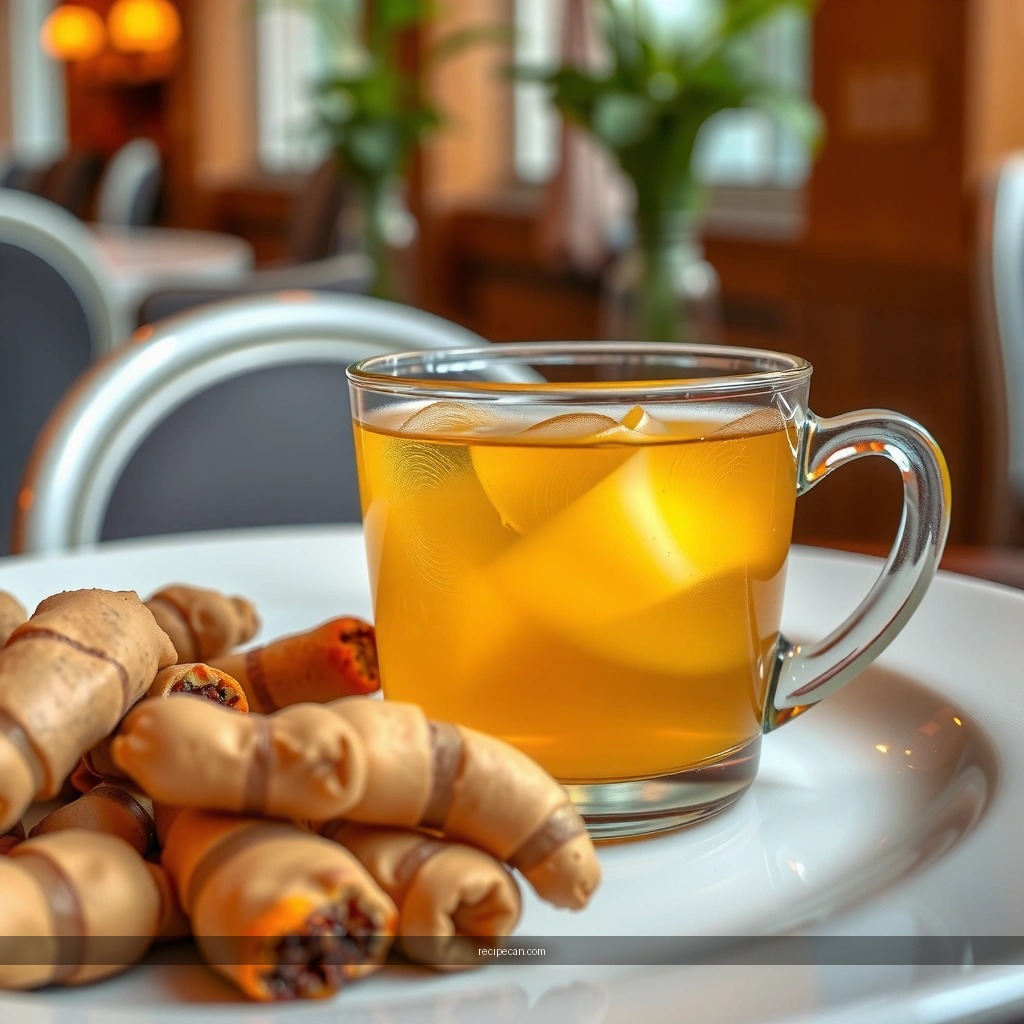
Because “tea strength” is personal, you’ll want a repeatable way to fine-tune. Think of your mug as three controllable variables: ratio, simmer time, and finishing add-ins.
– Use more turmeric for a deeper color and earthy taste
Turmeric drives color intensity and the tea’s characteristic earthiness. If your first batch is too mild, increase turmeric by small increments (e.g., +1/2 tsp ground turmeric or a small pinch of grated fresh turmeric) rather than doubling at once.
– Add extra ginger for a sharper, more invigorating brew
Ginger contributes the “bite” and warming sensation. If you want a more stimulating profile, increase ginger first and keep turmeric steady so the brew stays balanced.
– Control bitterness with timing
Over-simmering can push turmeric toward a harsher edge. If your tea tastes overly bitter or overly “woody,” shorten the simmer by 2–3 minutes next time.
– Use add-ins strategically
– Black pepper: start with a pinch per mug.
– Cinnamon: works best as a finishing steep (or simmer for 3–5 minutes only).
– Lemon: add at the end, not during the simmer, to keep the flavor vivid.
Practical tip: Keep a simple log for repeat success—ginger amount, turmeric amount, simmer minutes, and whether lemon/pepper/cinnamon were added. Over a few cups, you’ll naturally converge on your ideal “house recipe.”
Health Benefits and What to Expect
Turmeric and ginger have long histories in traditional wellness routines, and modern interest often focuses on how they may support comfort and recovery. While individual results vary, here’s what many people commonly notice when they drink turmeric ginger tea.
– Turmeric and ginger are commonly used for soothing and warming support
The combined warmth from ginger plus turmeric’s earthy presence makes this tea especially popular during seasonal discomfort or when you want a cozy drink that feels “supportive,” not harsh.
– Black pepper may improve absorption of turmeric’s active compounds
The addition of black pepper is widely used to support the absorption of curcumin, turmeric’s best-known compound. In practice, most people use only a small pinch—enough to complement, not overwhelm.
– What to expect in taste and sensation
– Ginger tends to feel sharper and more “active.”
– Turmeric tends to feel grounding and can linger on the palate.
– Lemon makes the finish cleaner and less earthy.
– Honey rounds out any sharpness, making the tea feel more beverage-like.
Business-minded takeaway: If you’re using this tea as part of a routine (morning start, afternoon comfort, or pre-bed wind-down), consistency matters more than extreme strength. A milder tea that you drink regularly is often more effective than an ultra-strong one you avoid.
Best Way to Serve and Store
Serving and storage determine whether your turmeric and ginger tea stays smooth, aromatic, and enjoyable for multiple cups.
– Serve warm in a mug
– Morning: A gentle, well-balanced cup can pair nicely with breakfast.
– Before bed: Choose a lighter simmer and consider adding lemon or honey for comfort.
– Reheat gently if stored
Once cooled, the flavors can “settle.” When reheating, use low heat or microwave in short bursts to avoid overcooking and dulling aroma.
– Store leftovers in the fridge up to 2–3 days
Use a sealed container. The tea will be best within the first two days, when the ginger brightness is still noticeable.
If you’re preparing for a meeting, commute, or travel day, batch-steeping is efficient: brew slightly stronger than you prefer, strain, then dilute with hot water in your mug to reach your exact taste.
Safety Tips and When to Modify
A turmeric and ginger tea recipe is generally simple and food-based, but “generally safe” doesn’t mean “one-size-fits-all.” Spices can be potent, and individual health factors matter.
– Start with smaller amounts if you’re sensitive to strong spices
If ginger or turmeric bothers your stomach, reduce the quantities first, and shorten the simmer time.
– If you’re on blood thinners or have a medical condition, check with a clinician before frequent use
Turmeric and ginger are commonly consumed as foods, but concentrated, frequent use may not be appropriate for everyone—especially those managing medication interactions.
– Modify for reflux or digestive sensitivity
If you experience heartburn, consider:
– Using less ginger
– Avoiding black pepper
– Choosing honey over lemon (or using very little lemon)
A practical approach is “titration”: adjust one variable per cup (ginger first, then turmeric). This reduces the risk of accidentally creating a drink that’s too strong or too irritating.
Make a batch today using the basic simmering method, then tailor sweetness and spice level to find your perfect cup. If you want, try one variation (add lemon, black pepper, or cinnamon) and keep notes so you can recreate your favorite version again and again.
In summary, the best turmeric and ginger tea recipe is built on a reliable foundation: simmer fresh ginger and turmeric for 10–15 minutes, strain, and finish with honey and/or lemon for balance. From there, you can confidently adjust strength by changing ratios and simmer time, enhance flavor with add-ins like black pepper or cinnamon, and serve it warm or store it for a couple of days with gentle reheating.
Frequently Asked Questions
What is a simple turmeric and ginger tea recipe I can make at home?
Start by simmering 2 cups of water with 1–2 teaspoons grated fresh ginger (or 1/2–1 teaspoon dried). Add 1/2–1 teaspoon turmeric powder and let it simmer for 8–10 minutes, stirring occasionally. Strain and optionally add honey or lemon to taste. For a more soothing turmeric and ginger tea, use warm water and steep longer instead of boiling hard.
How do I make turmeric and ginger tea taste better if it’s too bitter or spicy?
Turmeric can taste earthy and ginger can feel sharp, so balance them with honey, maple syrup, or a squeeze of lemon. You can also reduce the ginger amount and increase water slightly (for example, 1 teaspoon ginger per 2 cups water). Adding a pinch of cinnamon or grated orange peel can make the flavor more rounded without overpowering the health benefits.
Why should I add black pepper or fat to turmeric and ginger tea?
Curcumin in turmeric is not absorbed very well on its own, so pairing turmeric tea with black pepper can help increase absorption. A small pinch of freshly ground black pepper is commonly used for this purpose. If you prefer, adding a splash of coconut milk or a bit of olive oil can also support better absorption of fat-soluble compounds.
Which is best for turmeric and ginger tea: fresh ginger or ground ginger?
Fresh ginger tends to provide a brighter, stronger flavor and a more aromatic turmeric and ginger tea experience. Ground ginger is convenient and still effective, but it can taste slightly milder and may require a longer simmer to fully develop. If you’re adjusting for taste, use about 1/2 teaspoon ground ginger for every 1 teaspoon fresh ginger.
What are the best times to drink turmeric and ginger tea for digestion and immune support?
Many people drink turmeric and ginger tea in the morning or early afternoon to support digestion and feel more energized. For post-meal comfort, enjoy it 30–60 minutes after eating, since ginger is commonly used for digestive ease. If you’re using it for general immune support, a consistent routine (for example, daily or a few times per week) is often more helpful than occasional sipping.
References
- Turmeric
https://en.wikipedia.org/wiki/Turmeric - Ginger
https://en.wikipedia.org/wiki/Ginger - Ginger tea
https://en.wikipedia.org/wiki/Ginger_tea - https://www.nccih.nih.gov/health/turmeric-and-curcumin
https://www.nccih.nih.gov/health/turmeric-and-curcumin - Ginger: Usefulness and Safety | NCCIH
https://www.nccih.nih.gov/health/ginger - https://pubmed.ncbi.nlm.nih.gov/?term=ginger+tea
https://pubmed.ncbi.nlm.nih.gov/?term=ginger+tea - https://pubmed.ncbi.nlm.nih.gov/?term=turmeric+tea
https://pubmed.ncbi.nlm.nih.gov/?term=turmeric+tea - Google Scholar Google Scholar
https://scholar.google.com/scholar?q=turmeric+ginger+tea+recipe - Google Scholar Google Scholar
https://scholar.google.com/scholar?q=ginger+tea+health+benefits+ginger+infusion - Google Scholar Google Scholar
https://scholar.google.com/scholar?q=turmeric+tea+curcumin+bioavailability+study