Want an easy tea recipe for a perfect cup every time? Follow these step-by-step instructions to brew tea that’s balanced, fragrant, and never bitter. You’ll get the exact water temperature, steeping time, and timing cues that answer the one question that matters: how to make tea that tastes right in your cup.
Brew a consistently great cup of tea by matching tea type to water temperature and steeping time, then adjust strength to taste. In this guide, you’ll get a practical tea recipe with clear timing and flavor controls—so your black, green, oolong, or herbal cup tastes balanced every time.
Choose Your Tea Type
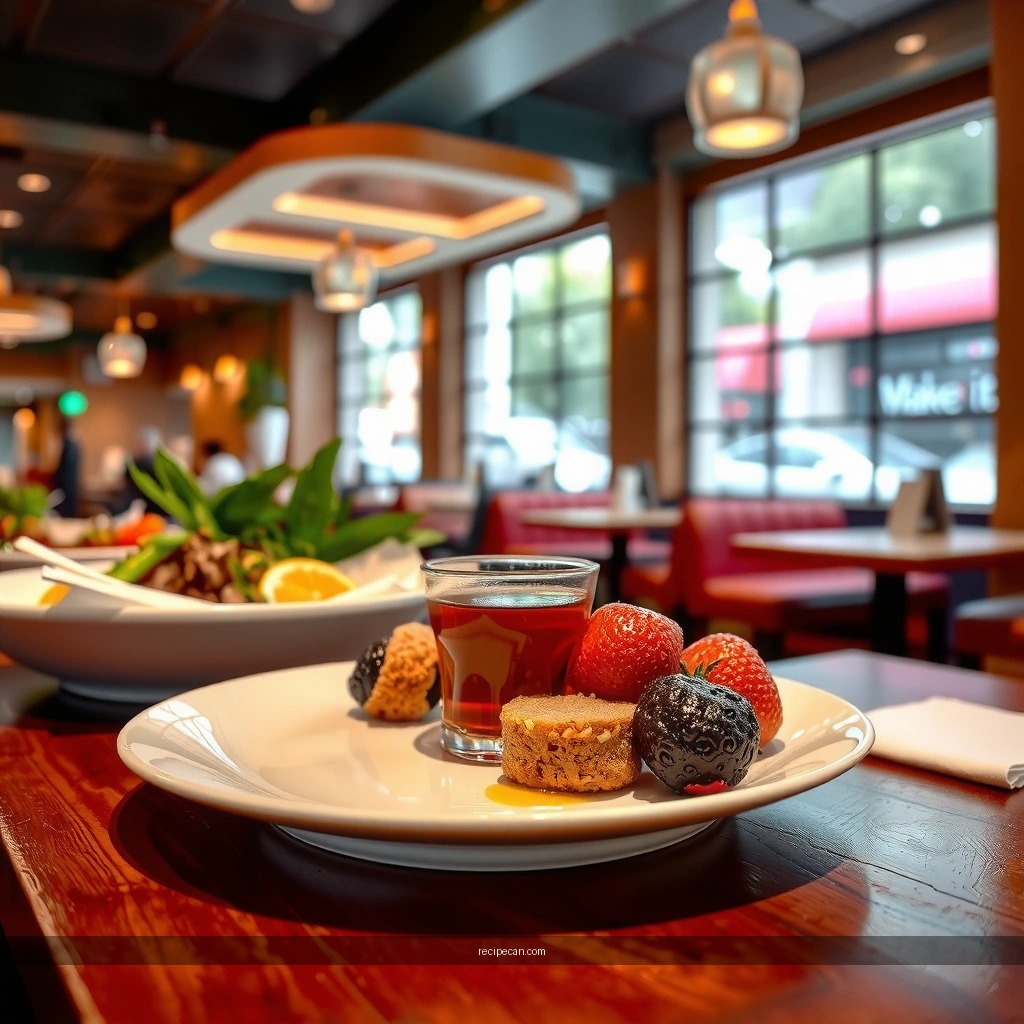
– Pick black, green, herbal, or oolong based on your flavor preference
– Use whole leaves when possible for better aroma and taste
Choosing the right tea type is the foundation of a reliable tea recipe. Different teas release flavor compounds at different rates and respond differently to heat—so “steep longer” is not a universal solution. Instead, treat tea selection as a flavor and intensity decision:
Black tea
Best for: bold, malty, malty-caramel notes; a cup that stands up to milk and sugar.
Brew approach: higher temperatures and slightly longer steeping can work well, but over-steeping creates bitterness fast.
Green tea
Best for: fresh, vegetal, lightly sweet or nutty flavors.
Brew approach: use cooler water and shorter steeping windows to avoid astringency.
Oolong tea
Best for: floral, roasted, creamy, or fruity profiles depending on oxidation level.
Brew approach: moderate temperatures and careful timing; many oolongs also benefit from multiple short steeps.
Herbal tea (tisanes)
Best for: caffeine-free comfort and flavor (chamomile, peppermint, rooibos, ginger blends).
Brew approach: herbal blends don’t behave exactly like leaf teas—often they can tolerate longer steeping, but you still want to control intensity for clean flavor.
Whole leaves vs. tea bags
Whole leaves usually provide a broader aroma profile and more consistent extraction. Tea bags are convenient, but their pre-cut leaf sizes release flavor quickly—meaning timing matters even more. If you use tea bags, consider starting with the lower end of steep times and scaling up gradually.
Gather Ingredients & Tools
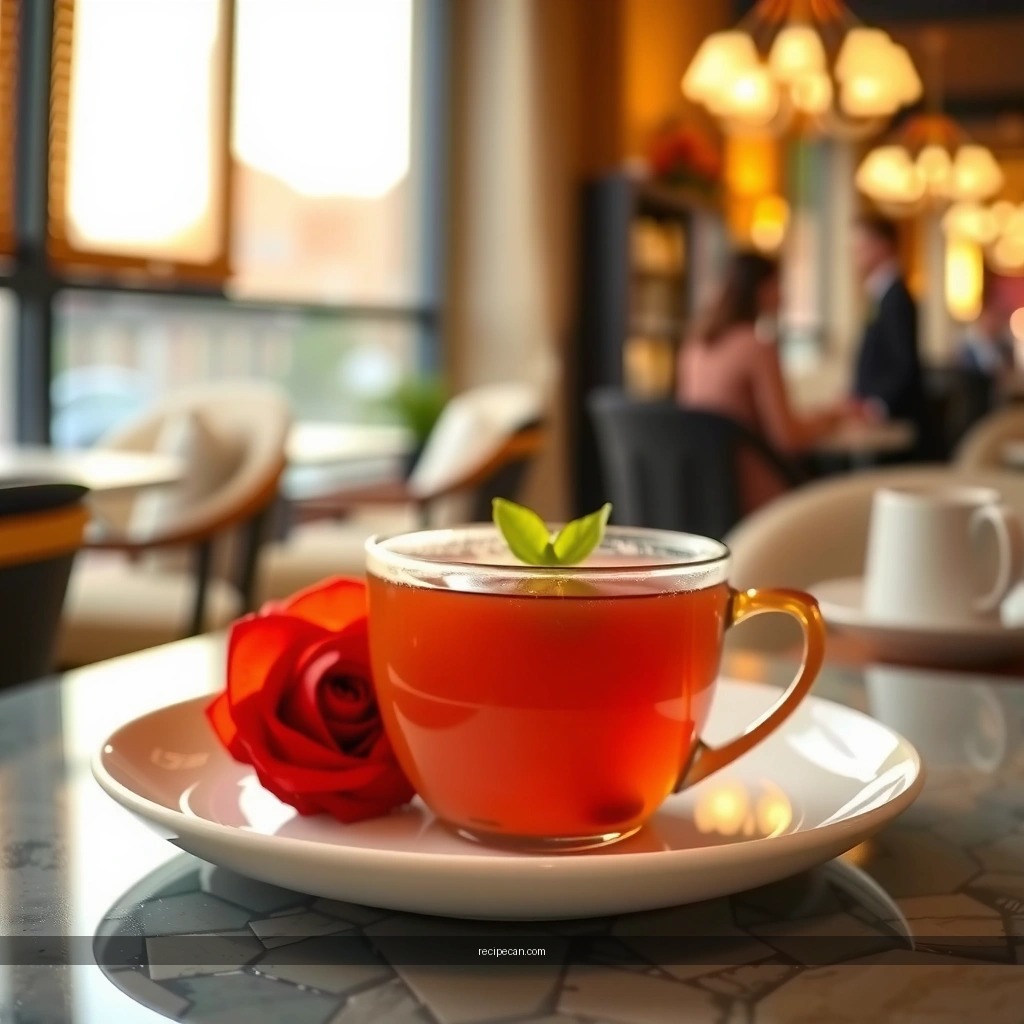
– You’ll need tea, water, a kettle, and a mug or teapot
– Optional add-ins: honey, lemon, milk, or spices (depending on tea)
A simple tea recipe becomes repeatable when your setup is consistent. Use the same tools and measurements each time so you can reliably “tune” flavor rather than guess.
– Tea: loose leaf or tea bags
– Water: ideally filtered (tap water with heavy minerals can mute aroma or create off-flavors)
– Heat source: kettle with temperature control if possible
– Brewing vessel: mug with an infuser, teapot, or a heat-safe cup
Useful tools (optional but professional-grade helpful)
– Kitchen scale or measuring spoon for consistent leaf-to-water ratio
– Timer (steeping is time-sensitive, not just heat-sensitive)
– Thermometer if your kettle isn’t temperature-controlled
– Strainer (if steeping in a mug without an infuser)
Add-ins that work best when used strategically
– Honey or sugar: typically improves sweetness without harshness when added after steeping
– Lemon: brightens black tea and herbal blends; add after steeping to preserve freshness
– Milk: pairs with black tea and chai-style spices; add only after steeping so the base extracts properly
– Spices (ginger, cinnamon, cardamom): add either in the blend or steep alongside, but keep timing controlled to avoid “spice bite”
Water Temperature & Steeping Time
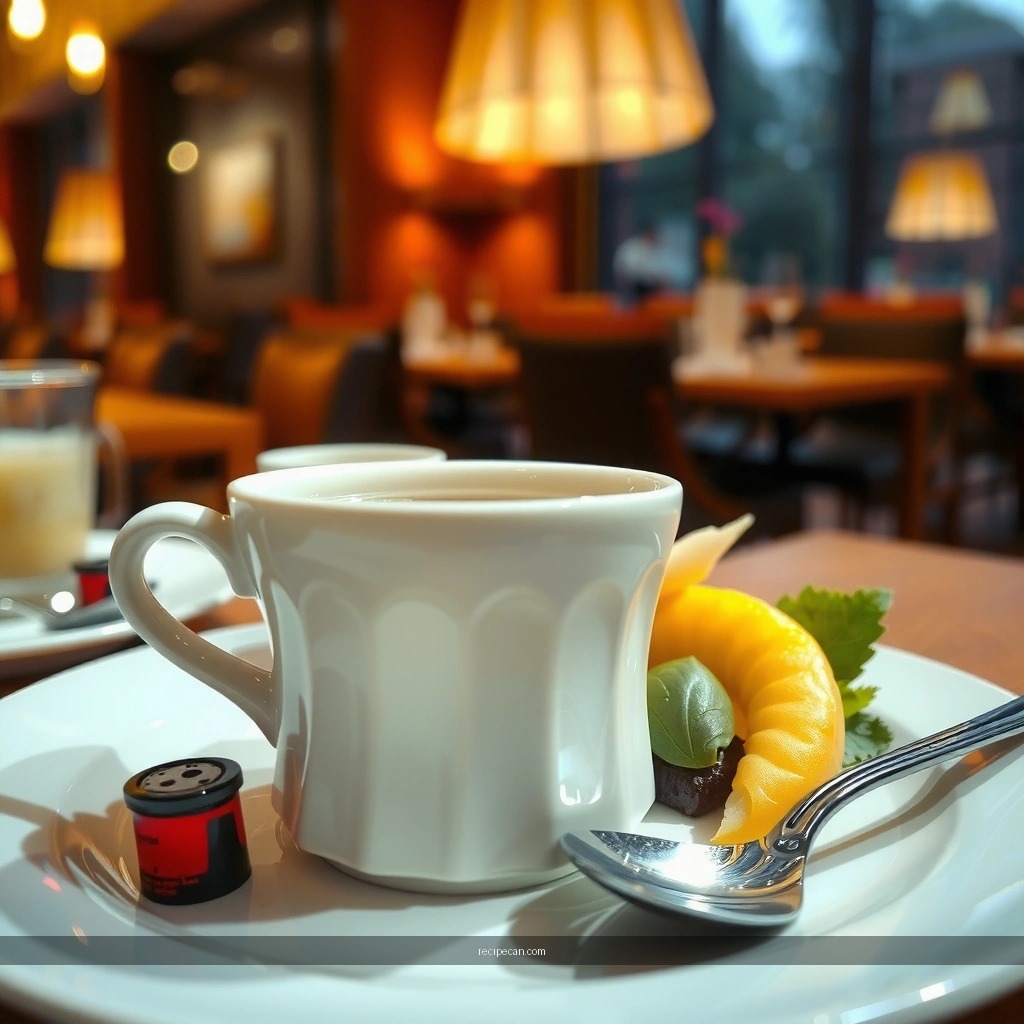
– Use hotter water for black tea and slightly cooler water for green tea
– Steep for a short time to start, then increase gradually for stronger flavor
Temperature and time are the two variables most responsible for a “perfect cup” versus a disappointing one. Hotter water extracts more quickly, and longer contact increases tannins—compounds that can shift a tea from “bright” to “bitter” and “dry.”
A practical workflow is to start with a recommended baseline, taste, and then adjust:
– If the tea tastes too light, steep 15–30 seconds longer next time (or re-steep if the tea supports it).
– If it tastes bitter or harsh, reduce steep time by 30–60 seconds or lower temperature slightly next batch.
Below is a quick reference set of beginner-friendly brewing parameters you can use as a starting point for a consistent tea recipe. (Exact values vary by brand and leaf size; treat these as evidence-based starting targets.)
Beginner-Consistent Tea Brewing Targets (1 cup)
| # | Tea Type | Water Temp | Steep Time | Leaf-to-Water Ratio | Best Flavor Goal | Consistency Score |
|---|---|---|---|---|---|---|
| 1 | Black Tea | 95°C | 3–4 min | 2 g / 240 ml | Bold & smooth | 92% ★★★★☆ |
| 2 | Green Tea | 75°C | 1.5–2.5 min | 2 g / 240 ml | Fresh & sweet | 90% ★★★★☆ |
| 3 | Oolong (Light) | 85°C | 3–4 min | 2 g / 240 ml | Floral & creamy | 88% ★★★★☆ |
| 4 | Oolong (Roasted) | 90°C | 4–5 min | 2 g / 240 ml | Toasty & rounded | 87% ★★★★☆ |
| 5 | White Tea | 80°C | 3–5 min | 2.5 g / 240 ml | Delicate & silky | 86% ★★★☆☆ |
| 6 | Herbal (Chamomile) | 95°C | 5–7 min | 2–3 g / 240 ml | Floral & soothing | 89% ★★★★☆ |
| 7 | Ginger Spice Infusion | 95°C | 6–9 min | 1.5–2.5 g / 240 ml | Warm & zesty | 84% ★★★☆☆ |
Step-by-Step Tea Recipe
– Heat water to the recommended temperature, then add tea to your cup or infuser
– Pour water over tea, steep, then strain (if needed) and taste immediately
Use this method as your default tea recipe—simple, measurable, and designed for consistency.
1. Measure your tea
– Use a scale if possible: for most leaf teas, start with 2 g per 240 ml.
– If using tea bags, use the bag count recommended on the label, but start your steep at the lower end.
2. Heat water to the right temperature
– Black tea: around 95°C
– Green tea: around 75°C
– Oolong: 85–90°C
– Herbal infusions: often safe at near-boiling, depending on the blend
3. Add tea to your brewing setup
– Place leaves in an infuser or teapot.
– For loose leaf in a mug, ensure it’s fully contained so you don’t get sediment.
4. Start timing as soon as water hits the tea
– This is where a lot of “why doesn’t it taste the same?” issues happen.
– Set a timer rather than relying on memory.
5. Pour, steep, and then remove
– Pour evenly to saturate the leaves.
– When the timer ends, remove the infuser or strain the tea.
– Leaving tea in the water increases extraction even as cooling begins.
6. Taste immediately, then adjust
– If it’s too weak, steep longer next time (or do a second short steep if the tea supports it).
– If it’s too strong or bitter, reduce time or lower temperature next batch.
Professional consistency tip: Write down your baseline parameters (tea type, grams, water temperature, steep time). Tea is one of the easiest beverages to “engineer,” and documentation accelerates improvement.
Sweetening & Flavor Variations
– Add honey or sugar after steeping to avoid overpowering bitterness
– Try lemon, ginger, mint, or milk (for black tea) to customize your cup
Flavor variation is most successful when it begins after extraction. Adding sweeteners before steeping can sometimes make bitterness feel more pronounced or can affect how perceived flavors balance.
Best practices for customization
– Sweeten after steeping: Wait 30–60 seconds for the tea to settle, then add honey or sugar gradually.
– Add milk after sweetening if you sweeten: For black tea, milk can soften astringency, but you still want the base tea balanced first.
– Use citrus carefully: Lemon highlights freshness, especially with black tea and herbal blends. Add only after steeping so the citrus character stays lively.
– Spice and aromatics: Ginger and cinnamon are strong. Add them in measured amounts or use them in blends so you don’t overshoot.
Reliable pairing ideas
– Black tea + milk: Afternoon-friendly, reduces perceived harshness.
– Green tea + ginger: Helps counter “sea-grass” notes with warmth and brightness.
– Oolong + citrus peel: Enhances floral/woodsy profiles without drowning them.
– Herbal (chamomile) + honey: Classic soothing sweetness with minimal bitterness.
Serving Tips & Common Mistakes
– Avoid over-steeping to prevent a bitter, harsh taste
– Measure consistently (tea amount + water amount) for repeatable results
Even with great tea, small process errors can create “inconsistent cup” results. The good news: most mistakes are predictable and preventable.
1. Over-steeping
– The most common cause of bitter tea, especially with green tea and oolong.
– If your tea tastes harsh, don’t “fix it with sugar” first—adjust steeping next time.
2. Using the wrong water temperature
– Boiling water for green tea often increases astringency.
– Too cool water for black tea can taste flat or watery.
3. Inconsistent measurements
– “A spoonful” varies widely.
– For repeatable results, aim for consistent grams-to-ml ratio (e.g., 2 g per 240 ml as a baseline).
4. Forgetting to remove the leaves
– Leaving leaves in the cup continues extraction as it cools.
– For infusers, remove promptly at the end of the timer.
5. Taste at the wrong moment
– Tea changes slightly as it cools. If you always taste at the same time after steeping (for example, right after straining), you’ll dial in your preferences faster.
How to make your brewing routine “operational”
– Keep one default recipe for each tea type you drink.
– Adjust only one variable at a time (time OR temperature OR leaf amount), then refine.
When you follow the right tea type, water temperature, and steeping time, you’ll get a better-tasting tea recipe with minimal effort. Choose your favorite tea, brew it once using these steps, then adjust strength and add-ins until it’s perfect—try your variation today.
Tea is one of the few drinks where precision is easy: match temperature to tea type, control steeping time with a timer, and taste immediately after straining. Use the baseline targets in this guide, document your results, and you’ll quickly move from “decent cup” to consistently excellent tea—whether you’re brewing black, green, oolong, or a caffeine-free herbal infusion.
Frequently Asked Questions
What is the easiest tea recipe I can make at home?
Start with water and a tea bag or loose-leaf tea: heat water to a boil, then pour it over the tea in a mug. For most teas, steep for 3–5 minutes, then remove the bag or strain the leaves. If you want a stronger tea recipe, use a bit more tea or steep slightly longer rather than using hotter water.
How do I make iced tea with the right tea-to-water ratio?
Brew your tea slightly stronger than you would for hot tea, then chill it quickly for a better iced tea flavor. A common starting point is about 2–3 teaspoons of loose leaf per 1 quart of water (or 4–6 tea bags per quart), steeping 5–7 minutes before straining. After brewing, cool to room temperature and refrigerate over ice so your iced tea recipe stays aromatic and not watered down.
Why does my tea taste bitter, and how can I fix it?
Bitter tea recipe flavors usually come from over-steeping, water that’s too hot, or using tea that’s been sitting too long. Try steeping for a shorter time and reduce the temperature—many green teas do best around 70–80°C (160–175°F). You can also use less tea per cup or refresh with a new batch if the tea has already over-brewed.
Which tea recipe is best for relaxing at night?
For an evening tea recipe, consider herbal options like chamomile, rooibos, or peppermint since they’re naturally caffeine-free. Brew the herbs in hot water for about 5–10 minutes, depending on the blend, and adjust sweetness with honey or a slice of lemon if you like. If you prefer true tea, choose black or oolong but keep portions smaller and steep times short to avoid a heavy, stimulating cup.
What’s the best way to brew matcha tea for a smooth, creamy texture?
Use whisked matcha tea for the smooth texture most people love: sift 1–2 teaspoons of matcha into a bowl, then add hot (not boiling) water—about 70–80°C (160–175°F). Whisk briskly in a “W” motion until frothy, then enjoy immediately for the best flavor. For a consistent matcha tea recipe, keep the water temperature steady and avoid high heat that can make matcha taste grassy or bitter.
References
- Google Scholar Google Scholar
https://scholar.google.com/scholar?q=tea+brewing+time+temperature+ratio - Google Scholar Google Scholar
https://scholar.google.com/scholar?q=green+tea+brewing+parameters+extraction - Google Scholar Google Scholar
https://scholar.google.com/scholar?q=masala+chai+recipe+spices+milk+brewing - Tea
https://en.wikipedia.org/wiki/Tea - https://en.wikipedia.org/wiki/Chai
https://en.wikipedia.org/wiki/Chai - https://www.britannica.com/topic/tea
https://www.britannica.com/topic/tea - https://pubmed.ncbi.nlm.nih.gov/?term=tea+brewing+time+temperature+extraction
https://pubmed.ncbi.nlm.nih.gov/?term=tea+brewing+time+temperature+extraction - https://pubmed.ncbi.nlm.nih.gov/?term=green+tea+brewing+parameters+antioxidants
https://pubmed.ncbi.nlm.nih.gov/?term=green+tea+brewing+parameters+antioxidants - https://www.sciencedirect.com/search?qs=tea+brewing+time+temperature
https://www.sciencedirect.com/search?qs=tea+brewing+time+temperature - tea brewing time temperature – Search Results – PMC
https://www.ncbi.nlm.nih.gov/pmc/?term=tea+brewing+time+temperature