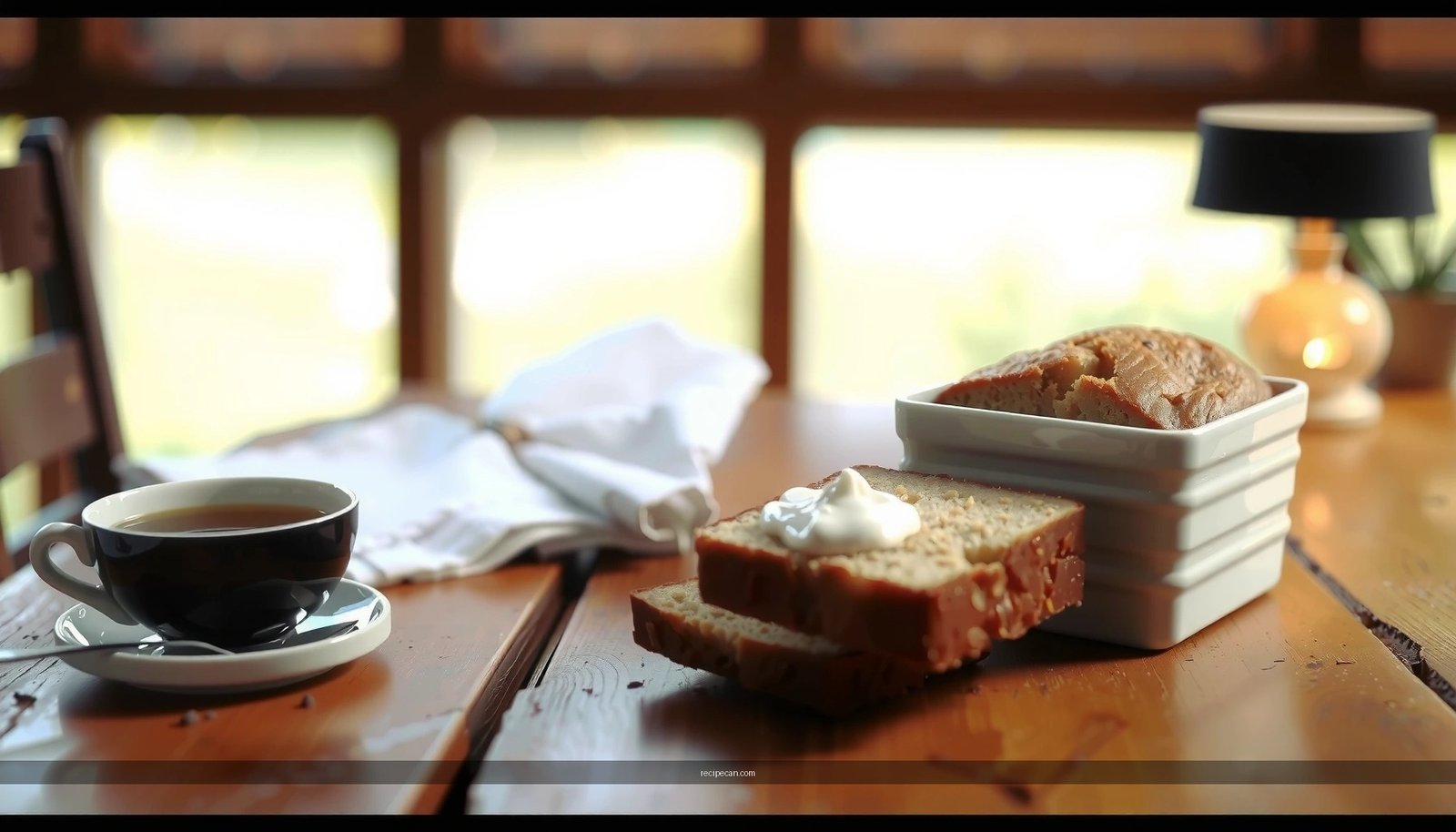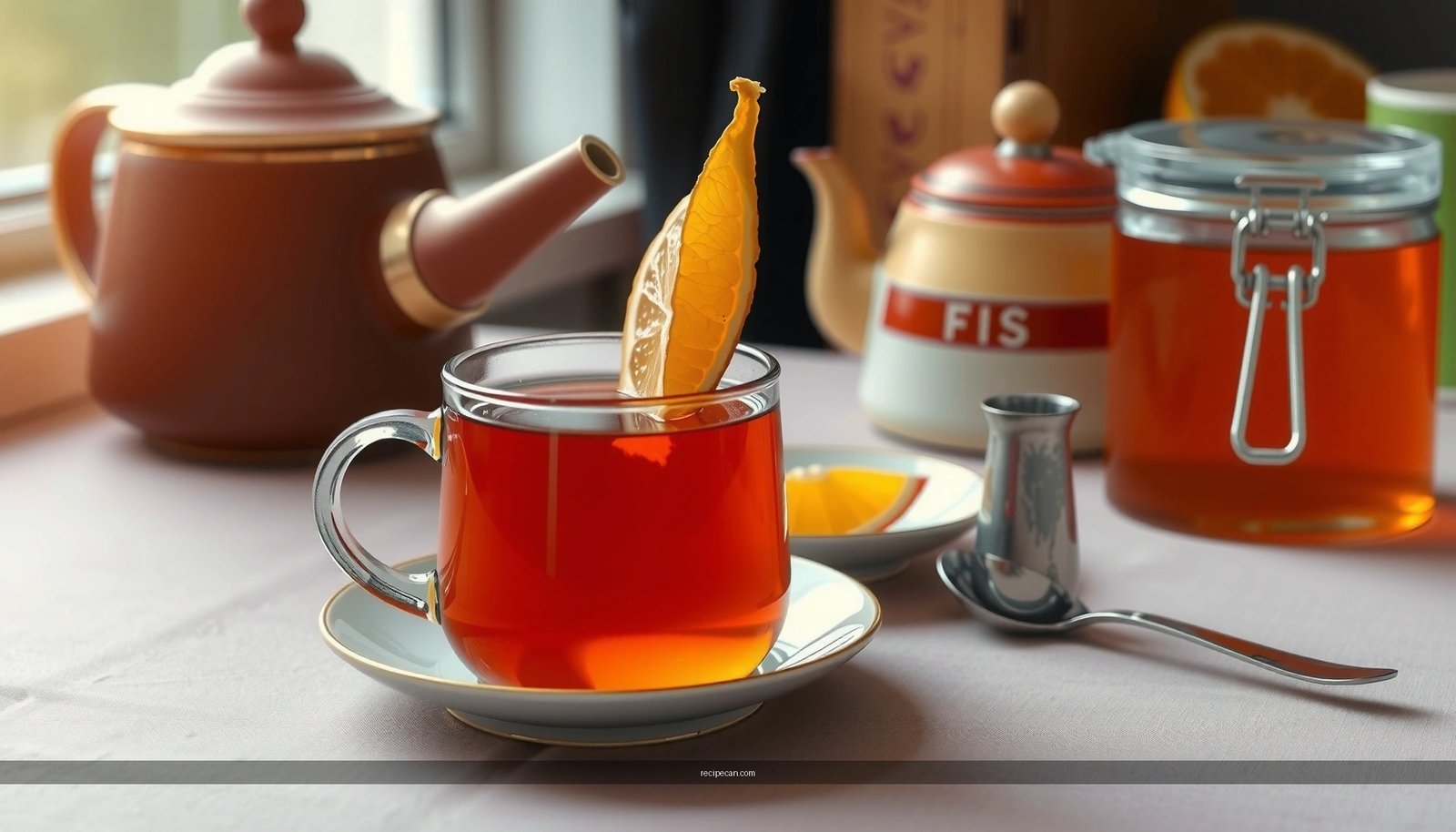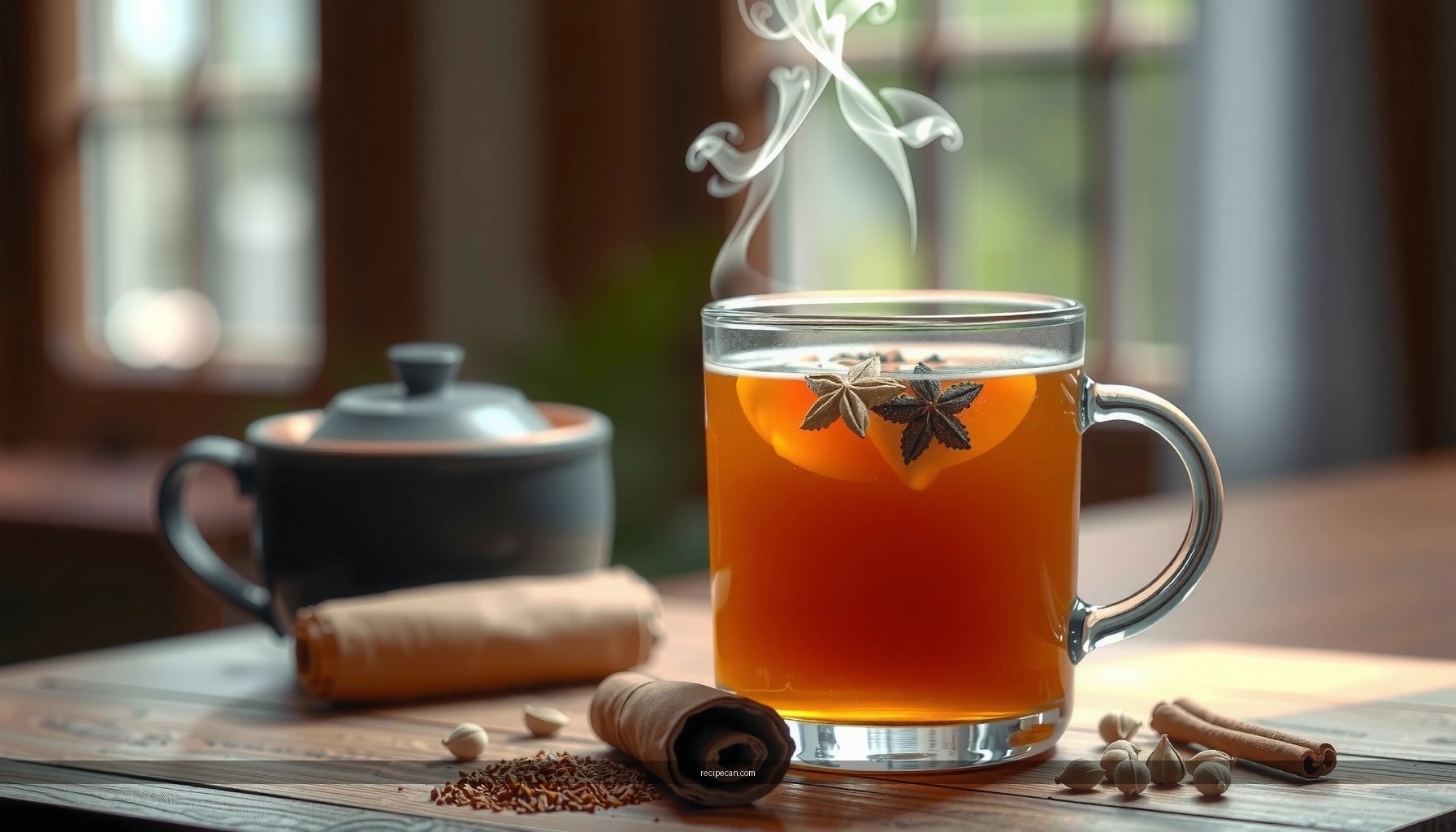
This chai tea recipe shows you exactly how to make chai tea at home—warm, spiced, and unmistakably “real” without guesswork. Follow the steps for brewing black tea, simmering chai spices, and sweetening to taste so you can get a bold cup in under an hour. If you want the best results with minimal effort, this is the version to make.
Make rich, café-style chai tea at home by simmering black tea with milk, fresh ginger, and cinnamon, then sweetening to your preferred taste. This recipe gives you exact ingredients and timing—so your chai comes out fragrant, bold, and well balanced every time, with easy guidance to tune strength, spice level, and sweetness.
Ingredients for Chai Tea Recipe

A strong chai depends more on proportion and technique than on “secret” ingredients. Start with a robust base, then layer aromatics (ginger and warm spices), and finish with milk and sweetener.
– Choose black tea (or strong tea) as your base and fresh ginger for warmth
Black tea provides the structure for chai—its tannins and body carry the spices. Use freshly grated ginger (not dried) for a brighter, more vibrant heat. For a more “Indian-style” profile, consider Assam; for a lighter cup, try a strong Ceylon blend.
– Use milk (dairy or alternative) plus spices like cinnamon, cardamom, and cloves
Milk rounds out the spice and makes chai feel creamy. Whole milk is classic, but oat milk and soy milk also work well—just pick barista-style varieties if possible for smoother texture.
– Cinnamon adds sweetness and depth.
– Cardamom provides the characteristic floral, slightly minty aroma.
– Cloves bring a darker, almost resinous warmth (use sparingly so they don’t dominate).
– Add sweetener (honey, sugar, or maple syrup) to taste
Sweetness should lift the chai without masking ginger and tea. Honey is aromatic, sugar is neutral, and maple syrup adds a gentle caramel note. The best practice: sweeten after the simmer, when you can taste accurately.
Typical Chai Flavor Profile Goals (1 Cup / 240 ml)
| # | Chai Goal | Black Tea (g) | Fresh Ginger (g) | Spice Balance | Sweetness (tsp sugar or equiv.) |
|---|---|---|---|---|---|
| 1 | Balanced Daily Chai | 2.5 | 2 | Cinnamon + cardamom | 1–1.5 |
| 2 | Extra Bold / Strong Tea | 3.5 | 2 | Add a pinch clove | 0.5–1 |
| 3 | Ginger-Forward Kick | 2.5 | 4 | Cinnamon, less clove | 0.5–1 |
| 4 | Mellow & Creamy | 2.0 | 1.5 | Cardamom-forward | 1.5–2 |
| 5 | Spice-Heavy (Café Style) | 2.5 | 2 | Cinnamon + 2 cardamom pods | 1–1.75 |
| 6 | Low-Sweetness (Tea-First) | 3.0 | 2 | Black pepper pinch optional | 0–0.5 |
| 7 | Light Chai (Workday Friendly) | 1.8 | 1.2 | Minimal clove | 0.5–1 |
How to Brew Chai Tea (Step-by-Step)

The core method is simple: bloom spices, brew tea, simmer with milk, then strain and sweeten. The “why” behind each step matters—chai can taste either flat or harsh depending on your order and heat level.
1. Bloom the ginger and spices briefly
In a small saucepan, combine water, fresh ginger, and your cinnamon + cardamom (and cloves if using). Bring it to a gentle simmer and let it go for about 2–3 minutes. This bloom phase wakes up essential oils, which is what makes chai smell like chai.
2. Add black tea and brew
Add your black tea to the saucepan and simmer gently for 3–5 minutes. Keep it at a low simmer rather than a rolling boil—aggressive heat can push out sharper bitterness from the tea leaves.
3. Add milk and simmer until creamy
Lower the heat slightly, add milk, and stir. Let the chai simmer for 5–7 minutes, watching for texture rather than a boil-over risk. You’re looking for a more unified aroma: tea and spices should smell integrated, not separate.
4. Strain into mugs and stir before serving
Strain through a fine mesh sieve into warm mugs. Stir well—spices can settle. Taste, then adjust sweetness if needed.
Quick baseline recipe (1 cup / ~240 ml):
– Water: 120 ml
– Milk: 120 ml
– Black tea (loose): 2.5 g (about 1–1½ tsp depending on leaf size)
– Fresh ginger: 2 g, grated
– Cinnamon: 1 small stick or 1/2 tsp ground
– Cardamom: 2 pods lightly crushed (or 1/4 tsp ground)
– Cloves: 1 small clove (optional)
– Sweetener: to taste (start with 1 tsp sugar or honey, then adjust)
Best Spices and Flavor Options
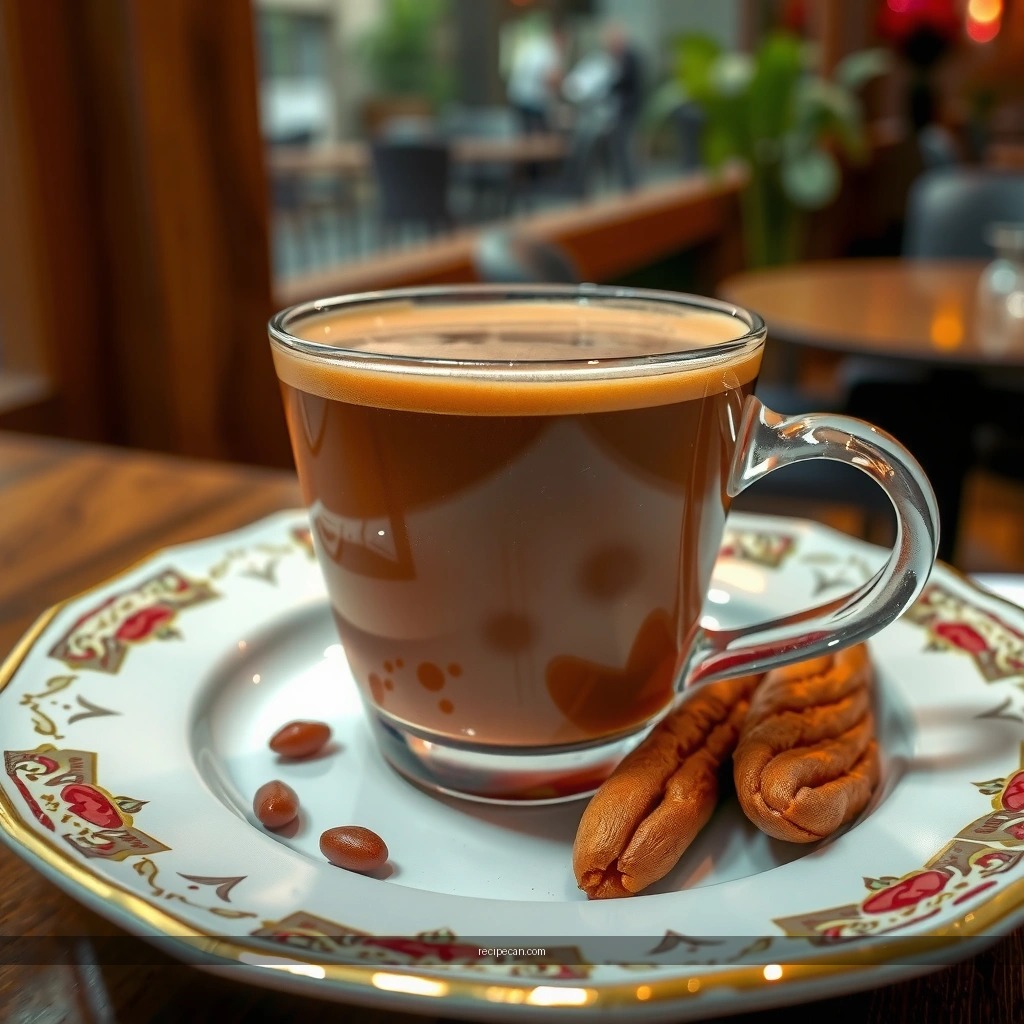
Classic chai is a balance of warm sweetness, aromatic lift, and gentle heat. The trick is choosing spices that complement each other without creating a “kitchen cabinet” jumble.
– Use cinnamon and cardamom for classic chai warmth and aroma
Cinnamon provides the rounded “spiced cookie” sweetness, while cardamom gives the signature fragrance that reads as chai even before you taste it.
– Add cloves for depth or a pinch of black pepper for extra kick
Cloves are potent. If you add them, start tiny—one clove per cup or a brief infusion—so you don’t end up with medicinal bitterness. Black pepper (just a pinch) can elevate the ginger heat and make the finish feel warmer.
– Customize with star anise or vanilla for a slightly different profile
Star anise can add a subtle licorice note that some chai drinkers love, particularly for winter cups. Vanilla extract (a drop or two) adds dessert-like aroma—use sparingly so it doesn’t overpower cardamom and tea.
Practical tuning tip: If your chai smells great but tastes slightly one-note, adjust spices first (especially cardamom) before adding more sweetener. Sweetness amplifies existing flavors; it won’t fix a missing aroma.
Sweetening and Milk Tips
Sweetening strategy and milk handling are where home chai often goes from “good” to “excellent.” You want the sweetness to harmonize with the tea and spice, not mask them.
– Sweeten after simmering so you can control flavor more precisely
Milk and tea reduce slightly during simmering, which can concentrate flavors. If you sweeten too early, you may overshoot. Wait until after you strain, then add honey, sugar, or maple syrup gradually.
– For creamier chai, warm the milk gently and avoid a hard boil
A hard boil can alter milk texture and can make the tea taste harsher. Gentle simmering keeps the mouthfeel smooth and prevents “scorched milk” notes.
– Adjust milk-to-tea ratio to make it stronger or lighter
Want a stronger cup? Increase tea concentration or reduce water slightly. Want a lighter chai? Keep the same tea amount but increase milk. As a rule, chai remains coherent when the tea-to-water base stays proportionate even if the final milk level changes.
Make It Ahead: Iced or Hot Chai Tea
Chai is well-suited to batch cooking because the spice aromas hold up nicely when stored correctly. The best approach depends on whether you’re drinking it hot or iced.
– For iced chai, chill the brewed concentrate and pour over ice with cold milk
Iced chai often tastes best when you prepare a stronger base (concentrate), chill it, then combine with milk right before serving. This prevents dilution as ice melts.
– For meal prep, store chai concentrate separately and heat with milk when ready
Concentrate storage keeps flavors cleaner and reduces the risk of milk separating during reheating. Make a batch of concentrate, refrigerate, then reheat only what you need and add milk.
– Reheat gently to preserve spice aroma
Reheating on medium-low helps maintain aroma and avoids “flat” spice notes. Stir while warming, and stop just before boiling.
Iced chai workflow (simple):
1) Brew concentrate (tea + ginger + spices + water).
2) Strain, cool, refrigerate.
3) Serve over ice with cold milk; sweeten at serving for best control.
Common Mistakes to Avoid
Most chai problems come from heat mismanagement or skipping one of the method steps that activates flavor compounds.
– Don’t skip blooming spices—short simmering makes a noticeable difference
If you toss spices in after the milk starts warming, you may get taste but lose aroma. Blooming is brief, not elaborate—yet it changes the “chai-ness” of the cup.
– Avoid boiling aggressively, which can dull flavors and affect texture
Rolling boils can increase bitterness from tea polyphenols and can make milk taste less silky.
– Don’t oversteep tea; use the recommended simmer time for balance
Oversteeping tends to create a dry, astringent finish. If your chai tastes harsh, shorten the tea simmer before adding more spices or sugar.
Conclusion
If you follow this chai tea recipe—bloom the spices, simmer black tea gently, simmer with milk without boiling hard, and then strain and sweeten—you’ll reliably get cozy, café-style chai at home. Use the provided ratios as a baseline, adjust one variable at a time (tea strength, ginger amount, spice blend, or sweetness), and you’ll be able to reproduce your perfect cup hot or iced with confidence—today and on repeat.
Frequently Asked Questions
What is the best recipe for chai tea at home?
A classic chai tea recipe uses black tea, water, milk, ginger, cinnamon, cardamom, cloves, and sweetener like sugar or honey. Simmer the spices in water first, then add black tea to steep, and finally pour in milk to create a creamy chai tea with a balanced spiced flavor. Finish by straining and tasting before adjusting sweetness and strength to match your preference.
How do you make chai tea without it tasting bitter?
Bitter chai tea usually comes from over-steeping black tea or boiling it too aggressively. Steep black tea for about 3–5 minutes, avoid a hard boil after adding the tea, and simmer spices gently until fragrant. If it still tastes harsh, add a little more milk or a small pinch of sugar and strain again for a smoother chai tea drink.
Which spices work best for homemade chai tea, and how much should I use?
The most common chai spices are ginger, cardamom, cinnamon, and cloves, with optional additions like star anise or black pepper. For a typical 2–3 cup batch, use grated fresh ginger (about 1–2 teaspoons), cardamom pods or ground cardamom (about 4–6 pods or 1/4 teaspoon), cinnamon (1 stick or 1/2–1 teaspoon), and 1–3 cloves. Start with less if you’re new, because spices can quickly overpower the tea.
Why should you simmer chai spices before adding the tea?
Simmering the spices in water helps extract essential oils and warm flavors, which creates a more aromatic and authentic chai tea. When spices steep or simmer first, the base becomes fragrant, and adding black tea afterward prevents it from dominating with tannins. This step is key for a well-rounded chai tea that tastes like it came from a café.
How can I make chai tea caffeine-free or dairy-free?
For caffeine-free chai, use rooibos tea instead of black tea and follow the same process of simmering spices, steeping the rooibos, and adding your milk alternative. For dairy-free chai, swap milk with oat milk, almond milk, or coconut milk, and choose the unsweetened version to control sweetness. Many non-dairy milks also benefit from a gentle simmer (not rapid boiling) to keep the chai tea creamy and smooth.
References
- Chai
https://en.wikipedia.org/wiki/Chai - https://www.britannica.com/topic/chai
https://www.britannica.com/topic/chai - Google Scholar Google Scholar
https://scholar.google.com/scholar?q=chai+tea+recipe - Google Scholar Google Scholar
https://scholar.google.com/scholar?q=masala+chai+spices+ginger+cardamom+recipe - Google Scholar Google Scholar
https://scholar.google.com/scholar?q=chai+tea+milk+black+tea+brewing+instructions - https://pubmed.ncbi.nlm.nih.gov/?term=chai+tea
https://pubmed.ncbi.nlm.nih.gov/?term=chai+tea - https://pubmed.ncbi.nlm.nih.gov/?term=masala+chai
https://pubmed.ncbi.nlm.nih.gov/?term=masala+chai - https://pubmed.ncbi.nlm.nih.gov/?term=spiced+tea+cinnamon+ginger+cardamom
https://pubmed.ncbi.nlm.nih.gov/?term=spiced+tea+cinnamon+ginger+cardamom - No items found – Books – NCBI
https://www.ncbi.nlm.nih.gov/books/?term=chai+tea - Books – NCBI
https://www.ncbi.nlm.nih.gov/books/?term=black+tea+brewing+milk+spices