Get the easy homemade cinnamon tea recipe you can make in minutes—no complicated steps, just a reliable, flavorful cup. This guide answers how to steep cinnamon for the right balance of warmth and sweetness, with simple variations for stronger tea or a lighter brew. If you want a comforting cinnamon tea that tastes great every time, follow this method and you’ll get it.
Make cinnamon tea by simmering cinnamon in hot water for 5–10 minutes, then sweetening (optional) and straining. This simple cinnamon tea recipe is ready fast and lets you customize strength, sweetness, and flavor—so you can dial in exactly what tastes best to you (and for many people, what fits their routine).
In this post, you’ll learn the basic method and easy variations, plus practical guidance on choosing cinnamon, adjusting steep time, and serving it hot or iced.
What You Need for Cinnamon Tea

– Cinnamon sticks or ground cinnamon (choose your preferred style)
– Water plus optional honey, sugar, or lemon
– A saucepan (or kettle) and a strainer
To keep results consistent, aim to brew one mug at a time: use about 8–12 oz (240–350 ml) water. The reason is simple—cinnamon flavor extracts differently depending on surface area and how concentrated the water is. If you scale up, keep the ratio in mind.
Quick equipment note: a small saucepan is ideal because it lets you control simmering. If you’re using a kettle, you can still brew on the stovetop by bringing water to a light simmer and maintaining gentle heat.
Simple Cinnamon Tea Recipe (Step-by-Step)

– Simmer cinnamon in water until fragrant, usually 5–10 minutes
– Taste and adjust by adding more cinnamon or simmering longer
– Strain if using sticks, then sweeten if desired
Here’s a reliable, repeatable method you can use for everyday cinnamon tea:
1. Add water to a saucepan.
Pour in water (about 1 cup / 240 ml for a single serving). Bring it to a simmer—not a hard boil. Gentle simmering extracts warm, aromatic notes without turning the tea sharply bitter.
2. Add cinnamon.
– If using cinnamon sticks: add 1 stick (about 2–3 inches / 5–8 cm).
– If using ground cinnamon: add 1/2 to 1 teaspoon (start with 1/2 tsp for a smoother cup).
3. Simmer for 5–10 minutes.
Keep the heat at a steady low simmer. As the water warms, you should notice a noticeable “cinnamon-forward” aroma within a couple of minutes.
– For a lighter, more delicate tea: steep closer to 5 minutes.
– For a stronger, spicier tea: extend to 8–10 minutes.
4. Taste and adjust.
This step matters more than most people expect. Cinnamon varies by freshness and origin, so “exact” brew times are guidelines, not rules. If you want it stronger, either:
– simmer another 1–2 minutes, or
– add a small pinch (ground) / half-stick (stick) and steep briefly.
5. Strain (if needed).
– Sticks: strain into your mug.
– Ground: pour through a fine mesh strainer to remove grit.
6. Sweeten and finish.
Add honey or sugar while the tea is warm so it dissolves easily. For brightness, squeeze in a few drops of lemon (or add a small lemon slice while steeping, then strain).
Pro tip: If you’re brewing for a schedule (morning meeting, workout, kids’ bedtime routine), you can start steeping the moment water hits a simmer. Cinnamon tea is forgiving—your flavor won’t “fail” if it sits for a few minutes off heat.
—
Cinnamon Tea Brewing Profiles (1 Mug)
| # | Cinnamon Type | Amount (per 8–12 oz) | Steep (min) | Flavor Intensity | Cleanup | Overall Fit |
|---|---|---|---|---|---|---|
| 1 | Cinnamon Stick (1 whole stick) | 1 stick | 5 | ★★★☆☆ | Strain only | Highly practical |
| 2 | Cinnamon Stick (slightly split) | 1 stick | 7 | ★★★★☆ | Strain only | Balanced daily cup |
| 3 | Cinnamon Stick (long simmer) | 1–2 sticks | 10 | ★★★★★ | Strain only | For maximum aroma |
| 4 | Ground Cinnamon (start light) | 1/2 tsp | 5 | ★★★★☆ | Strain needed | Fast + bold |
| 5 | Ground Cinnamon (classic strength) | 3/4 tsp | 7 | ★★★★★ | Strain needed | Most requested taste |
| 6 | Ground Cinnamon (strong + short) | 1 tsp | 5 | ★★★★★ | Strain needed | May feel too intense |
| 7 | Ground Cinnamon (prolonged) | 1 tsp | 10 | ★★★★★ | Extra filtering | Higher risk of bitterness |
Choosing Your Cinnamon: Stick vs. Ground
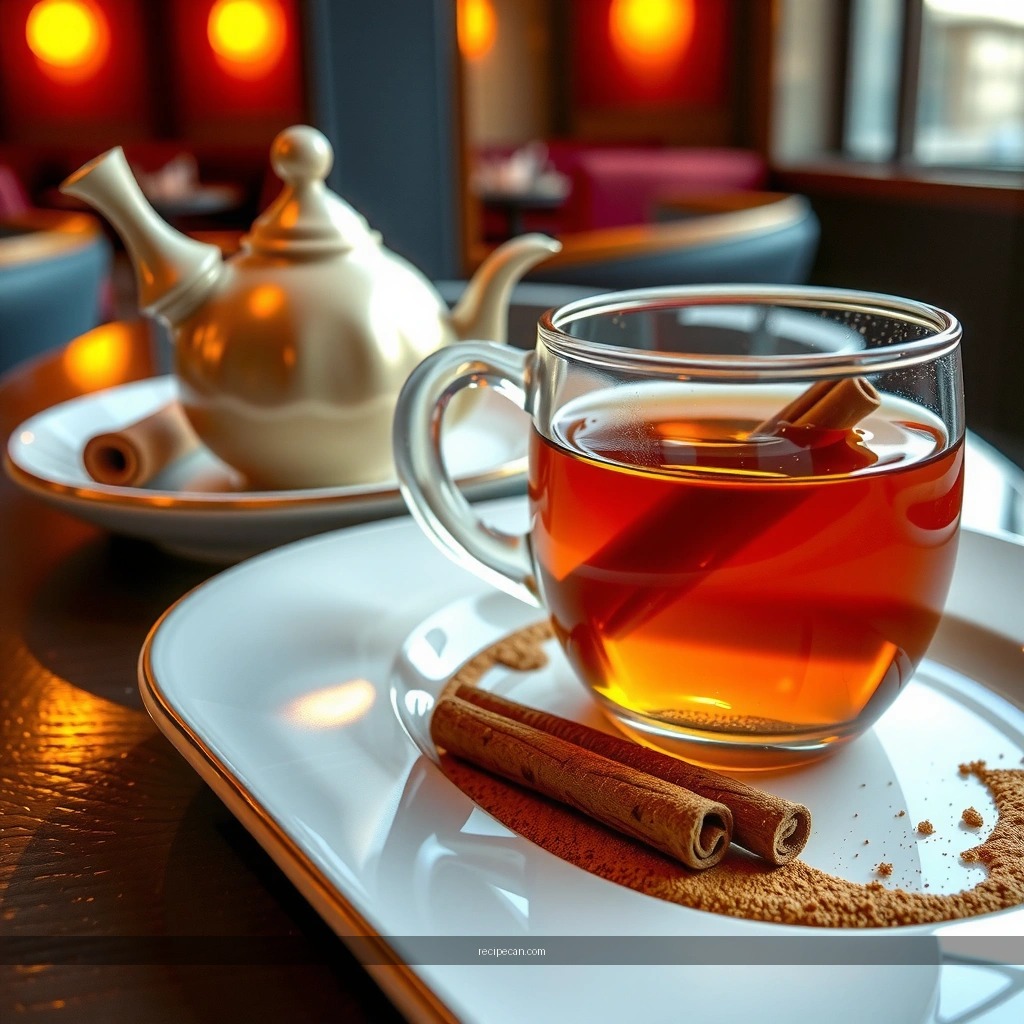
– Cinnamon sticks create a warmer, gentler flavor
– Ground cinnamon tastes bolder but may need straining
– Use fresh, fragrant cinnamon for the best results
Selecting the right cinnamon is one of the quickest ways to improve your homemade cinnamon tea.
Cinnamon sticks are typically preferred if you want:
– a smoother, “round” flavor
– minimal sediment (usually just strain out the stick)
– a more consistent cup from day to day
Ground cinnamon is ideal when you want:
– faster extraction and a more immediate taste
– a deeper “spiced” profile
– less fuss with measuring sticks (though you’ll almost always strain)
Freshness matters. Cinnamon that has been stored too long can lose aroma and taste flatter. When you smell cinnamon, you should detect a clear, sweet-spice fragrance. If the aroma feels muted, increase steeping slightly or use a slightly higher amount (within reason).
—
Flavor Variations for Cinnamon Tea
– Add ginger slices for a cozy, spiced kick
– Stir in a tea bag or clove for deeper flavor
– Try vanilla or orange zest for a quick twist
Cinnamon tea is a flexible base—think of it like a “spice platform.” Here are practical variations that you can execute without changing the core method.
1) Ginger cinnamon tea (cozy + bright)
Add 2–4 thin slices of fresh ginger during simmering. Ginger introduces a sharper note that complements cinnamon’s warmth. For an evening routine, simmer ginger and cinnamon together for 7–10 minutes.
2) Clove cinnamon tea (deeper, more aromatic)
Add 1–2 whole cloves while the cinnamon simmers. Clove is potent—start small. If you’re sensitive to strong flavors, keep the steep time toward 5–7 minutes and taste early.
3) Tea bag cinnamon tea (balanced, less “pure spice”)
Simmer cinnamon first for 5–7 minutes, then add a black tea bag (or brew tea after straining). This creates a tea-forward cup with cinnamon in the background—often appealing for people who find pure cinnamon tea too concentrated.
4) Vanilla cinnamon tea (dessert-like comfort)
Add a few drops of vanilla extract after simmering (not during the boil) to preserve aroma. Alternatively, steep a vanilla bean scrap if you have one.
5) Orange zest cinnamon tea (fresh, citrus lift)
Add a small strip of orange zest at the end of simmering (for about 1–2 minutes), then strain. Lemon works similarly, but orange typically feels sweeter and more aromatic.
—
Serving Tips and Best Times to Drink
– Serve hot for comfort or chill over ice for iced cinnamon tea
– Pair with breakfast, snacks, or after-dinner relaxation
– Keep it fresh by storing leftovers in the fridge up to 2 days
Hot cinnamon tea is ideal when you want comfort and aroma. Many people find it especially satisfying:
– in the morning as a warming pre-breakfast beverage
– in the afternoon when focus and energy dip
– in the evening as a calming ritual (especially with ginger or clove)
Iced cinnamon tea is easy if you plan your temperature management:
1. Brew your cinnamon tea (5–10 minutes).
2. Let it cool for a few minutes, then refrigerate to chill fully.
3. Serve over ice and sweeten to taste after chilling (sweetness perception can change with temperature).
Pairing ideas (simple and effective):
– breakfast: oatmeal, yogurt, or toast with fruit
– snacks: apples, cinnamon-spiced nuts, or light pastries
– after-dinner: darker chocolate, citrusy desserts, or warm bread
Storage guidance: transfer leftovers to a sealed container and refrigerate for up to 2 days. Reheat gently on the stove or in the microwave; avoid boiling repeatedly, which can dull aroma.
—
Health & Safety Notes
– Moderate intake is key, especially if you use cinnamon daily
– If you have dietary restrictions, choose your sweetener accordingly
– Avoid overdoing cinnamon if you notice irritation or strong effects
A professional, responsible approach matters—even with something as familiar as cinnamon tea.
Moderation is the baseline. Cinnamon contains bioactive compounds, and the dose can add up if you drink cinnamon tea frequently. Most people do well with occasional or daily-but-moderate use, depending on their individual tolerance and overall diet.
Be mindful of sweeteners. Choose based on your goals:
– honey or sugar for traditional sweetness
– non-caloric sweeteners if you’re managing sugar intake
– lemon for flavor brightness without added sugar
Watch for personal sensitivity. If you notice throat irritation, stomach discomfort, or an overly strong “warming” effect, reduce steep time or cinnamon amount. With ground cinnamon, straining and using slightly less can also reduce harshness.
If you have medical conditions or are pregnant, it’s wise to consult a healthcare professional—particularly if you plan to drink cinnamon tea daily or in larger quantities.
—
If you want an easy cinnamon tea recipe, simmer cinnamon in water, adjust to taste, and serve hot or iced. Use sticks for smooth flavor or ground for stronger taste, and try one variation like ginger for extra warmth. Make your next cup now, then tweak the strength and sweetness until it’s perfect for you.
In summary, the best cinnamon tea comes down to three controllable variables: cinnamon type, steep time (5–10 minutes), and your preferred finishing touches like honey, lemon, or spices. With the method above and the flavor variations you can swap in quickly, you’ll be able to produce consistent homemade cinnamon tea that fits your routine—whether you drink it for comfort, productivity, or after-dinner relaxation.
Frequently Asked Questions
What is the easiest cinnamon tea recipe I can make at home?
Start by heating 2 cups of water and adding 1–2 cinnamon sticks (or 1–2 teaspoons ground cinnamon). Simmer for 5–10 minutes, then strain if you used sticks or leave it as-is if you used powder. Stir in honey or sugar to taste and add milk, cream, or lemon if you prefer a specific flavor profile. This simple method makes a comforting cinnamon tea quickly without complicated steps.
How do I make cinnamon tea without it tasting bitter?
Bitter cinnamon tea usually comes from over-simmering or using too much ground cinnamon. Keep the simmer time short (about 5–8 minutes for sticks, 3–5 minutes for powder) and use roughly 1 teaspoon ground cinnamon per 2 cups of water. If it tastes too strong, dilute with more hot water and add a small amount of honey. Straining the tea after steeping can also reduce harsh notes from cinnamon sediment.
Why does cinnamon tea help with digestion, and how should I brew it for that purpose?
Many people drink cinnamon tea for digestion because cinnamon may help support digestive comfort and warmth after meals. For a digestion-focused cinnamon tea recipe, steep 1 cinnamon stick (or 1/2–1 teaspoon ground cinnamon) in hot water for 7–10 minutes, ideally after eating. Consider adding ginger slices or a pinch of turmeric for an extra soothing herbal tea blend. Drink it warm, not boiling, to make it easier on your stomach.
Which cinnamon tea recipe is best for cold weather or a sore throat?
For cozy, throat-friendly cinnamon tea, choose a recipe that includes honey and optional ginger. Simmer 2 cups of water with 1 cinnamon stick and 2–3 thin ginger slices for 8–12 minutes, then stir in 1–2 tablespoons honey once the tea is slightly cooled. You can also add lemon juice for brightness and soothing flavor. This warm cinnamon tea combination is a popular herbal remedy drink during winter months.
Best way to store cinnamon tea ingredients—should I use cinnamon sticks or ground cinnamon?
Cinnamon sticks tend to give a smoother, less gritty flavor and are easier to strain, making them great for consistent cinnamon tea recipes. Ground cinnamon dissolves quickly and is convenient, but it can make tea stronger and slightly cloudier if steeped too long. Store cinnamon in an airtight container in a cool, dark place—ground cinnamon can lose potency faster than sticks. For the best results, use fresh cinnamon and adjust amounts based on whether you’re using sticks or ground.
References
- Cinnamon
https://en.wikipedia.org/wiki/Cinnamon - Herbal tea
https://en.wikipedia.org/wiki/Herbal_tea - Tea
https://en.wikipedia.org/wiki/Tea - https://en.wikipedia.org/wiki/Infusion_(food
https://en.wikipedia.org/wiki/Infusion_(food - Cinnamon | Plant, Spice, History, & Uses | Britannica
https://www.britannica.com/science/cinnamon - https://www.mayoclinic.org/drugs-supplements/cinnamon/art-20361038
https://www.mayoclinic.org/drugs-supplements/cinnamon/art-20361038 - https://pubmed.ncbi.nlm.nih.gov/?term=cinnamon+tea
https://pubmed.ncbi.nlm.nih.gov/?term=cinnamon+tea - https://pubmed.ncbi.nlm.nih.gov/?term=cinnamon+infusion
https://pubmed.ncbi.nlm.nih.gov/?term=cinnamon+infusion - Google Scholar Google Scholar
https://scholar.google.com/scholar?q=cinnamon+tea+recipe - Google Scholar Google Scholar
https://scholar.google.com/scholar?q=cinnamon+herbal+tea+preparation