Hibiscus tea recipe fans: here are easy, step-by-step instructions for brewing a bright, tart hibiscus tea at home in minutes. You’ll learn the exact steeping time and water-to-tea ratio to get consistent flavor whether you’re brewing hot or iced. Follow these steps and you’ll land on a refreshing cup that tastes bold, not bitter.
Brew hibiscus tea by steeping dried hibiscus petals (or tea bags) in hot water for 5–10 minutes, then sweeten to taste. This straightforward method reliably delivers the signature ruby color, tart cranberry-like flavor, and adjustable strength—so you can brew it hot for comfort or iced for a crisp, refreshing drink.
Hibiscus tea (also called agua de Jamaica in parts of Latin America) is popular not just for its flavor, but for its bright acidity and deep color that comes from anthocyanins in hibiscus. From a practical standpoint, the “quality” of your brew comes down to three controllable variables: (1) steep time, (2) amount of hibiscus used, and (3) how you manage sweetness and additions like citrus or ginger. If you use this recipe as a baseline, you’ll be able to calibrate tartness and strength quickly—no guesswork required.
—
What You Need for Hibiscus Tea
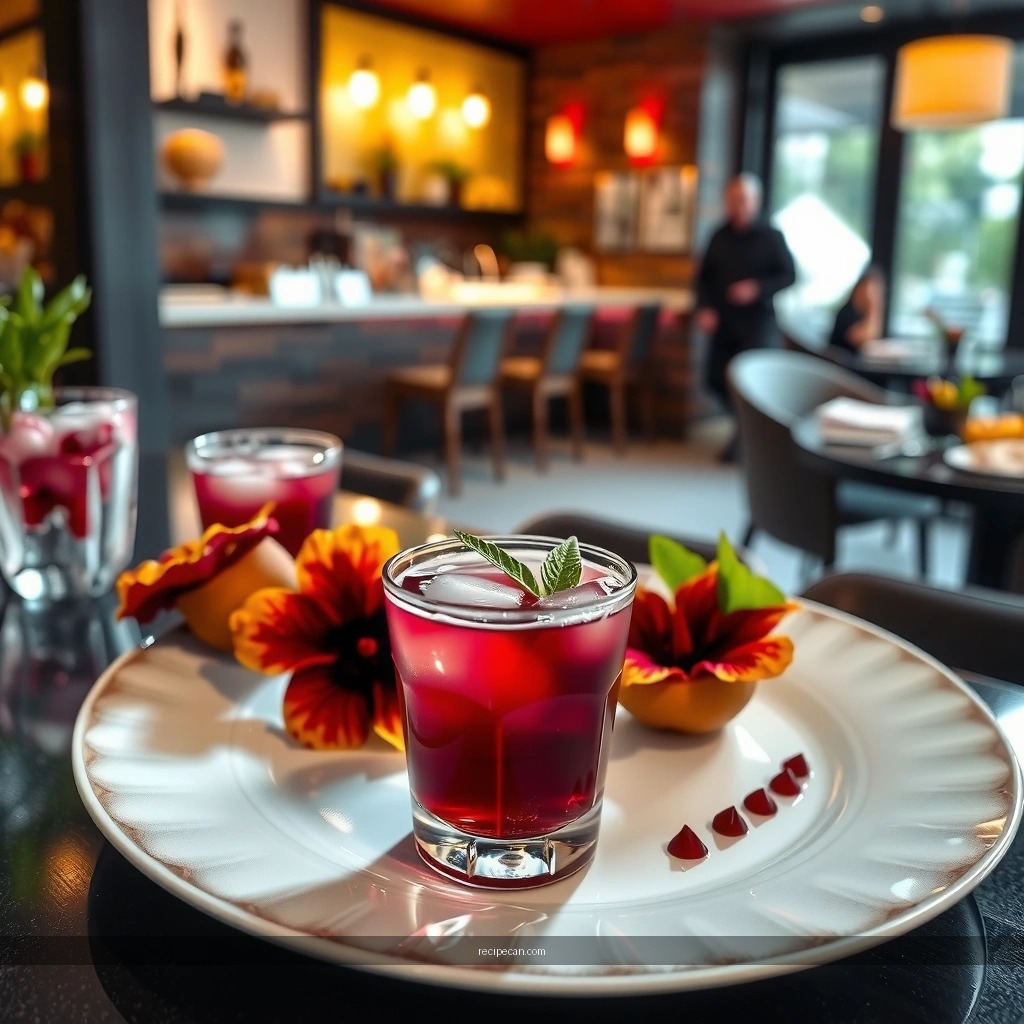
– Dried hibiscus petals or hibiscus tea bags
– Water plus optional sweetener (honey, sugar, or none)
– Flavor add-ins like ginger, cinnamon, or citrus
Before you start, choose your format: dried petals or tea bags. Petals generally give you more control over intensity and clarity, while tea bags are faster and more consistent—especially if you’re brewing single servings. Either way, hibiscus is naturally caffeine-free (unless your blend includes additional tea leaves), making it a strong choice for an afternoon or evening beverage.
Practical ingredient notes
– Water: Use fresh, cold water for best taste. If your tap water is heavily chlorinated, filtered water helps.
– Sweetener: Hibiscus tastes best when sweetness offsets its tartness without masking it. Start with less than you think you’ll need—tartness can intensify as the tea cools.
– Add-ins: Use sparingly at first. Ginger and cinnamon can dominate quickly, while citrus brightens without adding bitterness.
To help you plan amounts by yield, here’s a quick reference you can use while dialing in your preferred strength.
Hibiscus Tea Brew Guide (Typical Strength Targets)
| # | Brew Target | Dried Petals | Steep Time | Taste Result |
|---|---|---|---|---|
| 1 | Light & Floral | 1 tsp (about 2–2.5 g) | 5 minutes | ★★☆☆☆ |
| 2 | Balanced Daily Sip | 2 tsp (about 4–5 g) | 6–7 minutes | ★★★☆☆ |
| 3 | Classic Tart | 2.5–3 tsp (about 6–7 g) | 8 minutes | ★★★★☆ |
| 4 | Bold & Deep Color | 3–3.5 tsp (about 7–9 g) | 9–10 minutes | ★★★★★ |
| 5 | Iced—Lighter Base | 1.5–2 tsp (about 3–4.5 g) | 5–6 minutes | ★★★☆☆ |
| 6 | Iced—Bolder Base | 2.5–3 tsp (about 6–7 g) | 7–8 minutes | ★★★★☆ |
| 7 | Concentrate (for Mixing) | 4 tsp (about 9–10 g) | 10 minutes | ★★★★★ |
Note: Times assume standard stovetop or kettle hot water and typical dried hibiscus potency. Your brand may vary slightly, so taste at the end of each steep window and adjust next time.
—
How to Brew Hibiscus Tea (Hot)
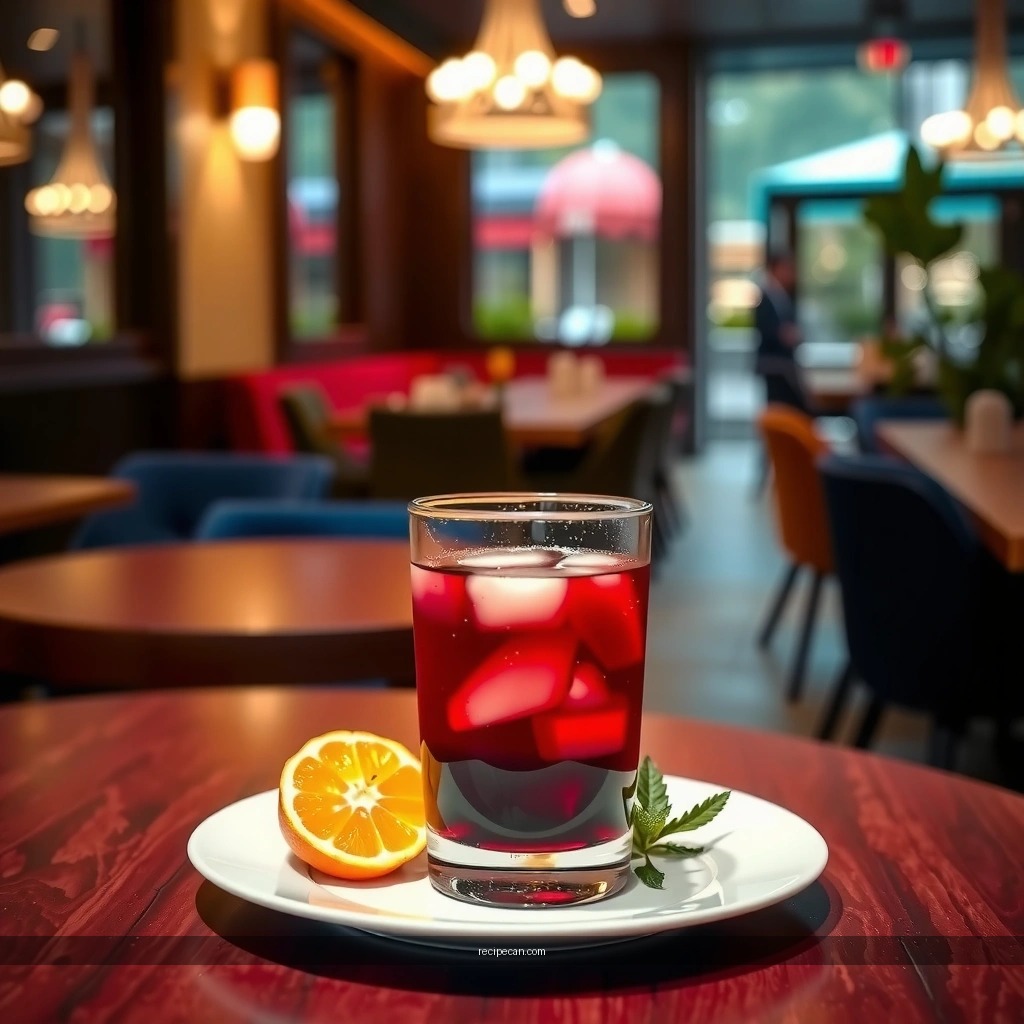
– Heat water to near-boiling, then steep 5–10 minutes
– Strain (if using petals) and taste for strength
– Sweeten while warm if desired
Hot hibiscus tea is the simplest path to consistent results. The key is to use water that’s hot enough to extract color and tart compounds, but not so aggressively boiling that the brew tastes harsh.
Step-by-step (1 mug / ~8–12 oz)
1. Heat water to near-boiling (around 200–205°F / 93–96°C).
2. Add hibiscus:
– Petals: start with 1–2 tsp per mug
– Tea bags: 1 tea bag per mug (or follow package directions, then adjust)
3. Steep 5–10 minutes based on your desired strength (use 6–7 minutes as the default).
4. Strain if you used petals.
5. Sweeten while warm: add honey or sugar gradually. Sweetness integrates better when the tea is warm rather than cold.
Professional brewing tip: If you’re aiming for a “restaurant-style” hibiscus profile—deep red color with a clean tart finish—treat steep time as the primary control and sweetener as a secondary one. If you start by adding lots of sugar, you’ll lose the ability to judge whether your steep extraction is on target.
—
How to Brew Hibiscus Tea (Iced)
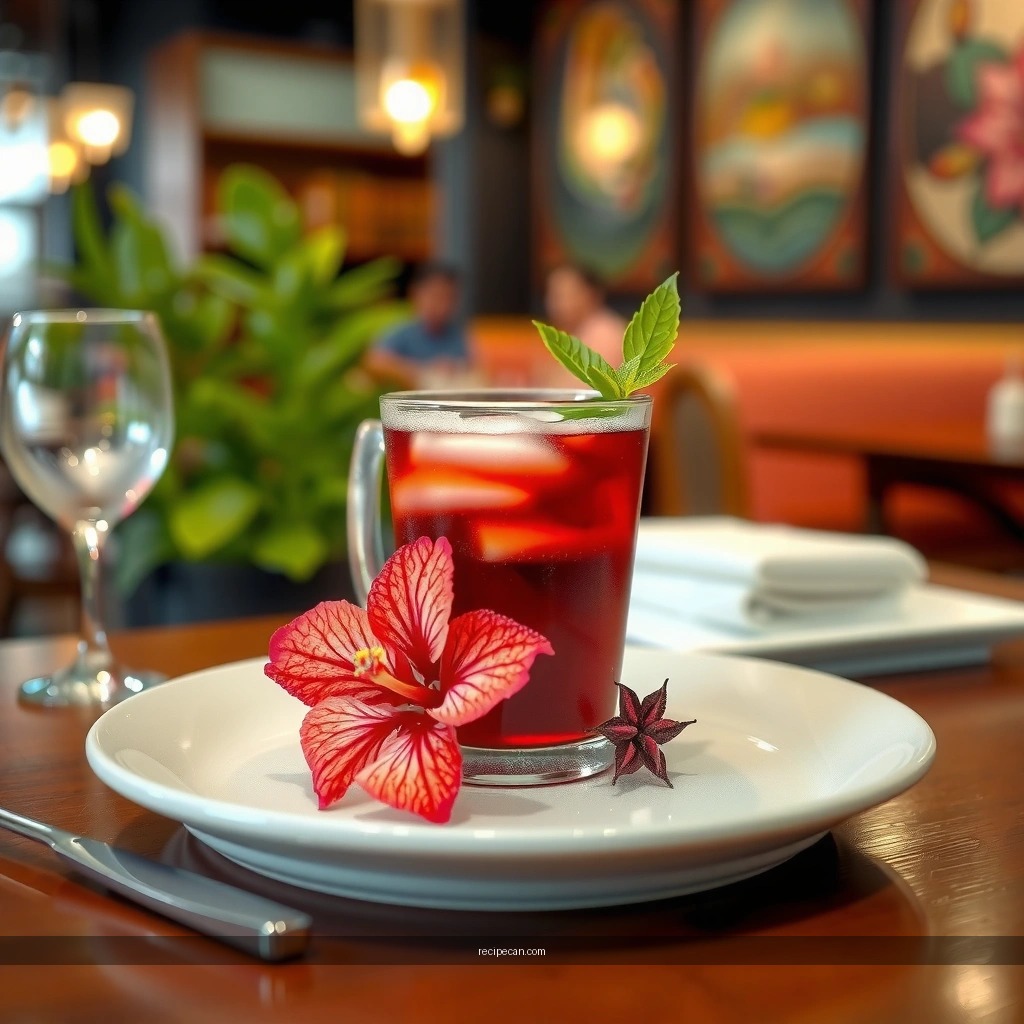
– Brew hot first, then pour over ice to chill quickly
– Adjust steep time for a bold or lighter iced flavor
– Optional: chill longer in the fridge for deeper taste
Iced hibiscus tea works best when brewed hot first. Cold steeping can work, but hibiscus is often more vibrant when extracted with heat. Hot brewing also lets you avoid under-extraction—one of the main reasons iced tea tastes muted.
Recommended method
1. Brew hot using the hot recipe (5–10 minutes).
2. Pour over ice immediately to cool quickly and preserve brightness.
3. Taste and adjust after it’s iced: tartness can seem different once cooled.
4. For deeper flavor, transfer to the fridge for 30–120 minutes.
Steep time adjustment for iced
– Lighter iced flavor: steep closer to 5–6 minutes
– Bolder iced flavor: steep closer to 7–9 minutes
Because ice dilutes slightly as it melts, a slightly stronger base prevents the drink from turning bland.
If you’re serving a group, consider making small-batch concentrate (strong hibiscus tea) and then diluting to taste with cold water or sparkling water right before serving.
—
Best Steeping Time, Flavor, and Strength
– Shorter steep = lighter and less tart; longer steep = stronger flavor
– Use more petals/bags for a richer brew
– Balance tartness with sweetener or fruit additions
Hibiscus tea is not “one steep fits all.” The chemistry of extraction is fast: color and acidity develop within the first several minutes, and longer steeping can increase intensity but may also push the flavor toward more astringent tartness.
How to dial it in
– If your tea tastes too sharp: reduce steep time by 1–2 minutes next batch or use slightly less hibiscus.
– If your tea tastes weak or watery: increase steep time within the 5–10 minute range or use more hibiscus.
– If your tea tastes flat: consider a small sweetener increase or add fruit (orange, lime) to restore perceived brightness.
Balancing tartness effectively
Sweeteners don’t just make hibiscus “less sour”—they also smooth the finish. A practical approach is to add sweetener in small increments after steeping, then stir and let it sit for 2–3 minutes. This reduces the temptation to overshoot sweetness immediately.
Add-in impact (what to expect)
– Ginger: adds warmth and slight peppery depth; start light (thin slices or a small knob).
– Cinnamon: introduces sweetness-like aroma; avoid steeping too long or it can taste woody.
– Citrus: brightens quickly; it’s easier to add than to remove, so use modest slices.
—
Serving Ideas and Flavor Variations
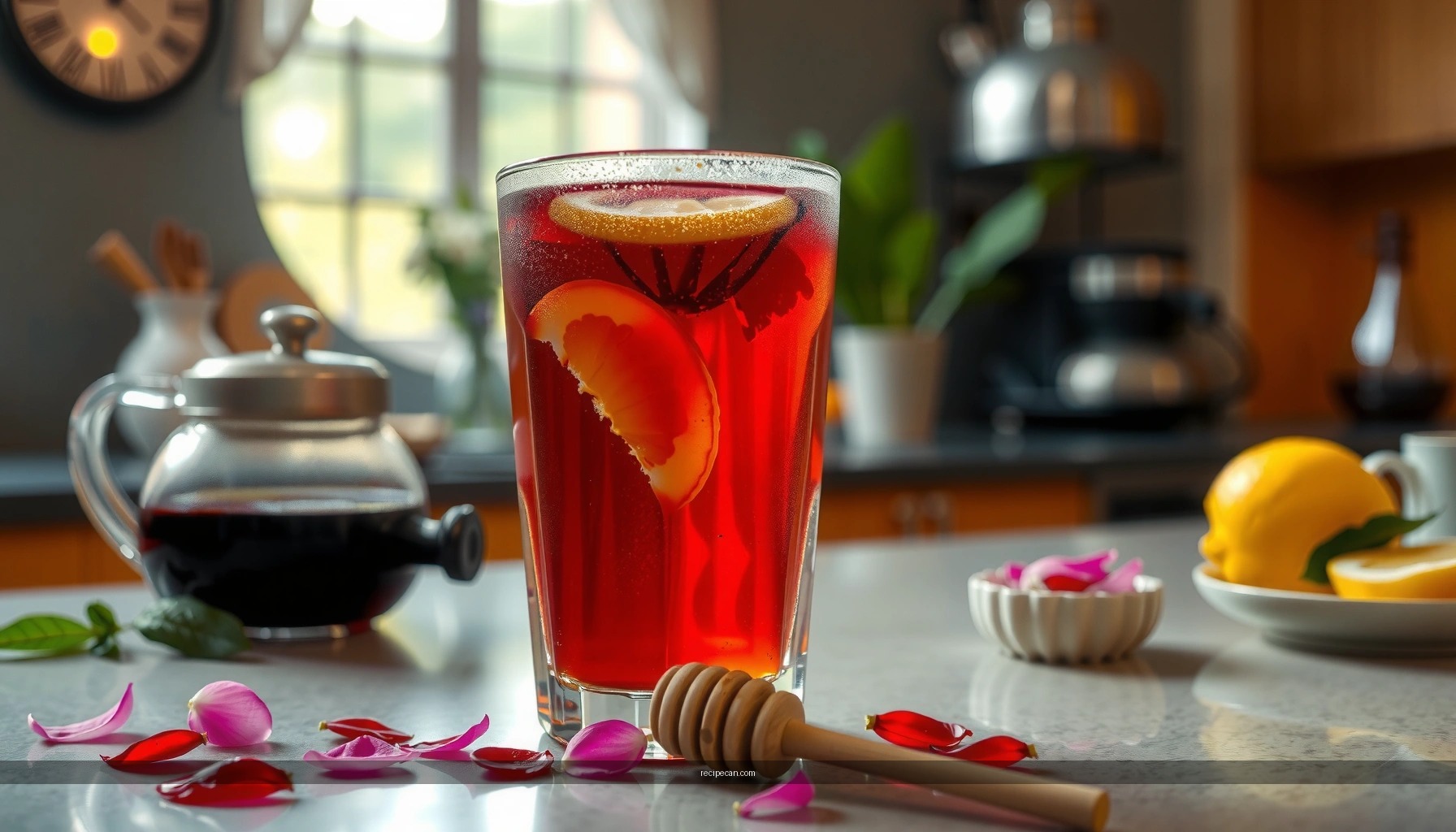
– Add orange or lime slices for a bright, refreshing twist
– Try ginger or cinnamon for a warmer, aromatic cup
– Mix with mint or combine with other herbal teas
Once you have the core hibiscus recipe dialed in, variations become straightforward—think of them as “flavor layers” that complement tartness rather than competing with it.
1) Citrus-bright iced hibiscus
– Add orange or lime slices to the glass (or to a pitcher) after brewing.
– For a more aromatic cup, lightly muddle a lime wedge before adding ice.
– Sweeten to taste, then serve with a clean garnish (citrus peel or a fresh wedge).
2) Ginger-forward warm brew
– Steep hibiscus with 2–3 thin slices of fresh ginger for hot tea.
– For a stronger ginger note, add ginger after steeping and let it sit for 3–5 minutes (instead of steeping longer, which can intensify astringency).
3) Cinnamon-spice comfort
– Add a cinnamon stick during the final 2–3 minutes of steeping.
– Avoid heavy cinnamon overload; hibiscus should remain the main flavor.
4) Mint refresh
– Add fresh mint leaves to the pitcher after brewing and let it steep in the cooled drink for 15–30 minutes.
– Mint tastes best when it doesn’t boil—so it’s usually better as a post-steep addition.
Business-friendly option: If you’re brewing for meetings or events, keep a base pitcher of hibiscus tea and provide add-ins on the side (citrus wedges, ginger slices, mint). This improves consistency and lets guests customize without disrupting your workflow.
—
Storage and Reheating Tips
– Keep leftover tea refrigerated and use within 2–3 days
– Reheat gently if using hot tea style
– Avoid boiling after steeping to preserve flavor
Hibiscus tea keeps well because it’s essentially a strong, concentrated herbal infusion—just manage temperature and timing to preserve flavor.
Best storage practices
– Refrigerate promptly in a sealed container.
– Use within 2–3 days for best taste and aroma.
– If you made a concentrate, store concentrate separately and dilute fresh for the best sensory quality.
Reheating guidance
– If serving hot, reheat gently (microwave in short bursts or warm on the stove at low heat).
– Avoid boiling after steeping—boiling can mute bright notes and increase perceived harshness.
Quality check before serving
If the tea smells overly sour or flat, it’s usually a sign it has passed its prime. Discard and brew fresh rather than masking changes with extra sugar.
—
Hibiscus tea is a small effort with outsized payoff: steeping dried petals (or tea bags) for 5–10 minutes is enough to produce the signature color and tart flavor, and adjusting steep time plus sweetener lets you hit your exact preference. Brew it hot for a soothing sip or ice it for a crisp, refreshing drink, then add citrus, ginger, cinnamon, or mint to create a version your palate will ask for again. Make your perfect hibiscus tea recipe today and adjust it to your taste—your next batch will be even easier than the last.
Frequently Asked Questions
How do you make hibiscus tea from dried flowers at home?
To make hibiscus tea recipe with dried hibiscus sabdariffa, steep 1–2 teaspoons of dried hibiscus flowers in 1 cup (240 ml) of hot water for 5–10 minutes. For a stronger, more tangy flavor, increase the amount of hibiscus or steep longer. Strain the tea, then sweeten with honey or sugar if desired, and serve hot or over ice.
What is the best ratio and steeping time for hibiscus tea?
A common hibiscus tea recipe ratio is 1 tablespoon dried hibiscus per 2 cups of water (or about 1–2 teaspoons per cup). Steep for 5–8 minutes for a balanced flavor, or 8–12 minutes for a deeper, more tart result. If you taste bitterness, shorten the steeping time or reduce the amount of flowers next time.
Why does hibiscus tea turn dark and taste sour, and how can you adjust it?
Hibiscus tea naturally develops a ruby-red color and a tart, cranberry-like flavor due to its natural acids and pigments. Strong steeping, very hot water, or using too much dried hibiscus can make it taste overly sour or astringent. To adjust, use slightly less hibiscus, reduce steep time, or add a sweetener (like honey) and a splash of citrus if you want brightness instead of sharpness.
Which sweeteners work best in hibiscus tea, and how do you prevent it from tasting too bitter?
Hibiscus tea pairs well with honey, brown sugar, maple syrup, or simple syrup, because they round out the tart notes. Start by sweetening after steeping so you can control the flavor without overcompensating during cooking. If bitterness is an issue, try a shorter steep (around 5 minutes) and dilute with extra hot water or serve as an iced hibiscus tea recipe with a bit of water or ice.
What is a simple hibiscus iced tea recipe, and how do you store it?
For an iced hibiscus tea recipe, brew hibiscus tea using hot water, then let it cool and pour over ice, or brew a concentrated batch and dilute to taste. Chill in the refrigerator and consume within 3–4 days for best flavor and freshness. If you want less dilution, chill the tea first and serve over ice after it’s fully cold.
References
- Google Scholar Google Scholar
https://scholar.google.com/scholar?q=hibiscus+tea+recipe+hibiscus+sabdariffa - Google Scholar Google Scholar
https://scholar.google.com/scholar?q=roselle+tea+preparation+recipe - Google Scholar Google Scholar
https://scholar.google.com/scholar?q=hibiscus+tea+human+clinical+trials+hibiscus+sabdariffa - Roselle (plant)
https://en.wikipedia.org/wiki/Hibiscus_sabdariffa - https://www.nccih.nih.gov/health/hibiscus
https://www.nccih.nih.gov/health/hibiscus - https://www.mayoclinic.org/drugs-supplements/hibiscus/art-20363433
https://www.mayoclinic.org/drugs-supplements/hibiscus/art-20363433 - https://www.britannica.com/plant/hibiscus-sabdariffa-roselle
https://www.britannica.com/plant/hibiscus-sabdariffa-roselle - https://pubmed.ncbi.nlm.nih.gov/?term=hibiscus+tea+preparation
https://pubmed.ncbi.nlm.nih.gov/?term=hibiscus+tea+preparation - https://pubmed.ncbi.nlm.nih.gov/?term=hibiscus+sabdariffa+tea+dose
https://pubmed.ncbi.nlm.nih.gov/?term=hibiscus+sabdariffa+tea+dose - https://www.sciencedirect.com/search?qs=hibiscus+tea+preparation
https://www.sciencedirect.com/search?qs=hibiscus+tea+preparation