
This sweetened condensed milk bread pudding recipe delivers a custardy, caramel-rich center with a crisp top—whether you bake it for dessert night or to use up day-old bread. It answers the question of how to get that signature sweetness without curdling by balancing condensed milk, eggs, and the right bake time. Follow these steps for the most reliable, crowd-pleasing result in one pan.
Make sweetened condensed milk bread pudding by soaking bread in a custard of eggs, sweetened condensed milk, and warm spices, then baking until puffed and just set. If you focus on proper soaking and the “center is set, not firm” bake window, you’ll get that signature creamy, custardy texture without turning the dessert dry or rubbery.
Ingredients You’ll Need
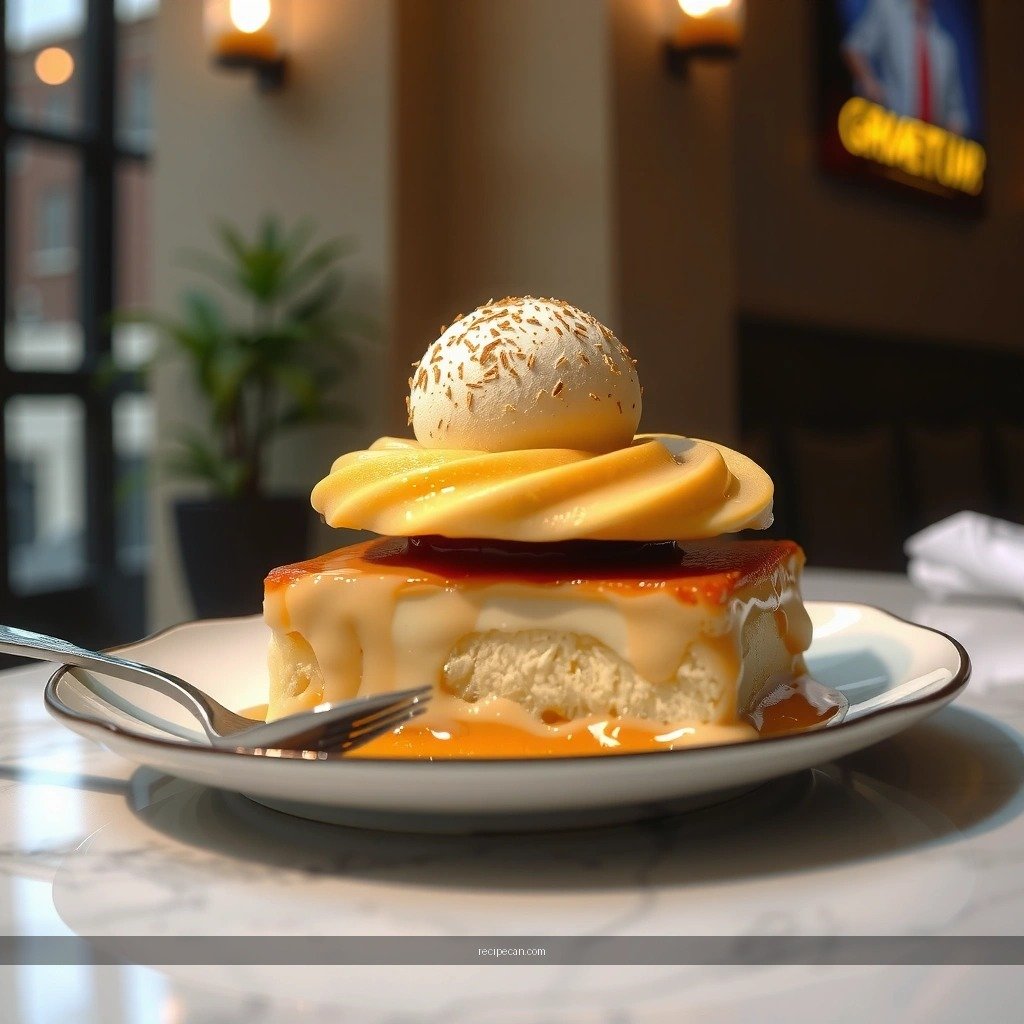
Bread pudding is forgiving, but the quality of your ingredients drives the final custard consistency. Sweetened condensed milk is the star because it brings both sweetness and body—acting like a thickener—so you can aim for creamy results even without an overly complex custard base.
– Bread: Brioche, challah, French bread, or day-old white bread work best. Slightly stale bread absorbs the condensed milk custard more evenly.
– Sweetened condensed milk: Provides the dessert’s characteristic sweetness, richness, and silky mouthfeel.
– Eggs: Eggs set the custard; their proteins help hold the creamy structure as the pudding bakes.
– Milk (as needed): Most recipes use whole milk (or half-and-half) to loosen the condensed milk into a pourable soaking liquid.
– Vanilla: Rounds out sweetness and enhances the “warm bakery” aroma.
– Cinnamon: Classic pairing with condensed milk and baked bread.
– Optional nutmeg: Adds a subtle, aromatic depth that reads as “baked” rather than merely “sweet.”
For best results, use room-temperature eggs (they blend more smoothly into the custard) and warm spices (lightly bloom cinnamon/ginger-like spices in the warm milk for a more pronounced flavor).
Custard Performance by Bread Choice (Expected Texture)
| # | Bread Type | Soak Speed | Custard Hold | Best For | Rating |
|---|---|---|---|---|---|
| 1 | Brioche | Fast (≈15–25 min) | High | Most creamy, rich crumb | ★★★★★ |
| 2 | Challah | Medium (≈20–30 min) | High | Balanced custard + structure | ★★★★☆ |
| 3 | French Bread | Medium-Fast (≈20–35 min) | Medium-High | Classic bread pudding bite | ★★★★☆ |
| 4 | White Sandwich Bread | Fast (≈10–20 min) | Medium | Quick dessert, softer texture | ★★★☆☆ |
| 5 | Sourdough | Slow (≈30–45 min) | Medium | Tangy twist, chewier bite | ★★★☆☆ |
| 6 | Whole Wheat Bread | Slow (≈35–50 min) | Medium-Low | Hearty flavor, less custard sheen | ★★☆☆☆ |
| 7 | Gluten-Free Bread | Medium (≈25–35 min) | Medium | Works well if it’s sturdy | ★★★★☆ |
Step-by-Step Recipe
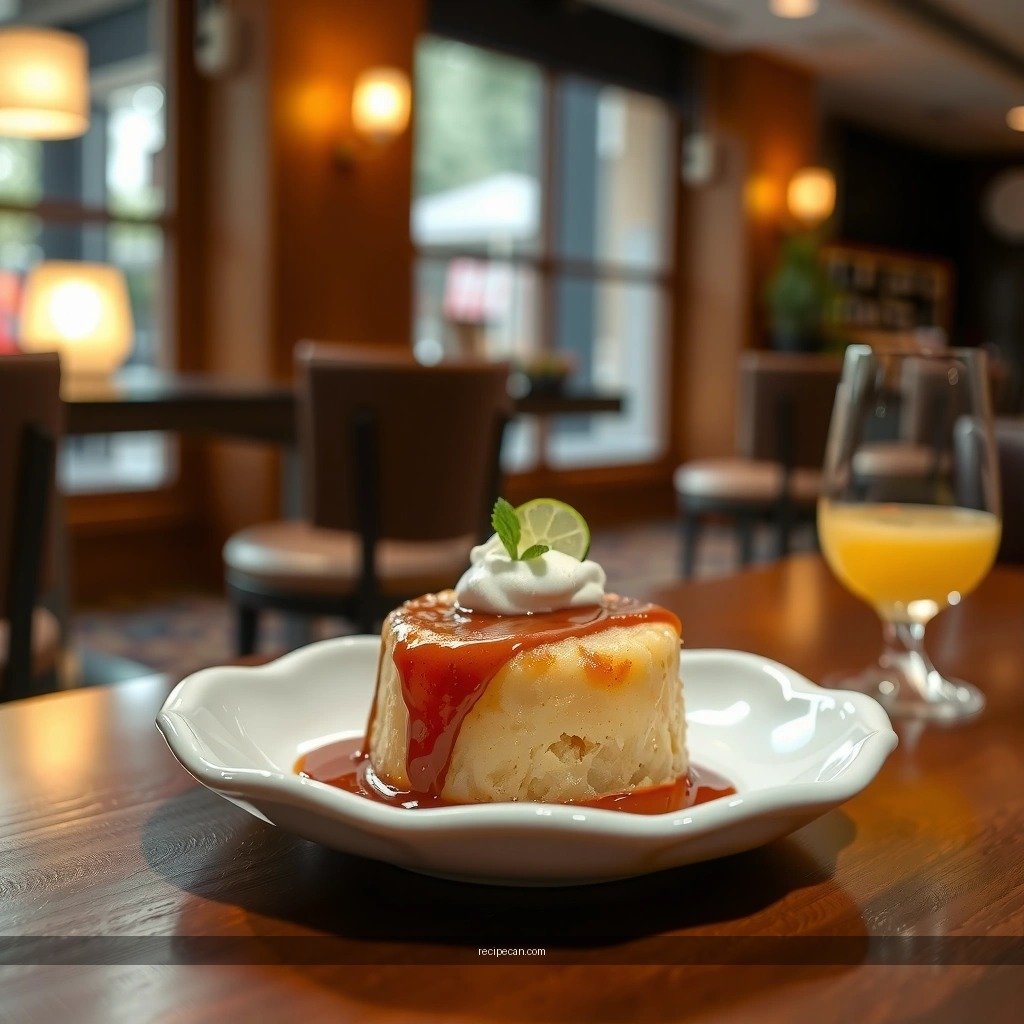
The goal of this sweetened condensed milk bread pudding recipe is consistent custard absorption. That means you should treat the bread and the custard as two components that need time to bond—then bake just long enough for eggs to set.
1. Cube or tear the bread
– Cut into 1-inch cubes (or tear into bite-size pieces). Smaller pieces increase surface area and absorption, leading to a more even custard throughout.
– If your bread is fresh, you can toast it lightly or let it sit uncovered for a few hours.
2. Make the condensed milk custard
– In a bowl, whisk together eggs, sweetened condensed milk, milk, vanilla, cinnamon, and optional nutmeg.
– Whisk thoroughly but avoid aggressive overmixing—too many bubbles can create a slightly foamy top that may dry faster.
3. Soak the bread
– Combine the bread and custard and stir gently until all pieces are coated.
– Allow it to soak until the bread looks saturated but not swimming—typically 15–30 minutes for most breads. For very fresh or dense loaves, extend soaking closer to 35–45 minutes.
4. Transfer to a baking dish
– Use a dish that fits the volume with minimal empty space; pudding should bake in an even layer for best “custardy center.”
– Grease the dish lightly to prevent sticking and promote browning.
5. Bake until puffed and set
– Bake at a moderate temperature so the custard sets gradually without curdling the eggs.
– Start checking early: you’re looking for a pudding that is puffed around the edges, lightly golden on top, and mostly set in the center with a gentle jiggle.
Best Texture Tips (Creamy vs. Firm)
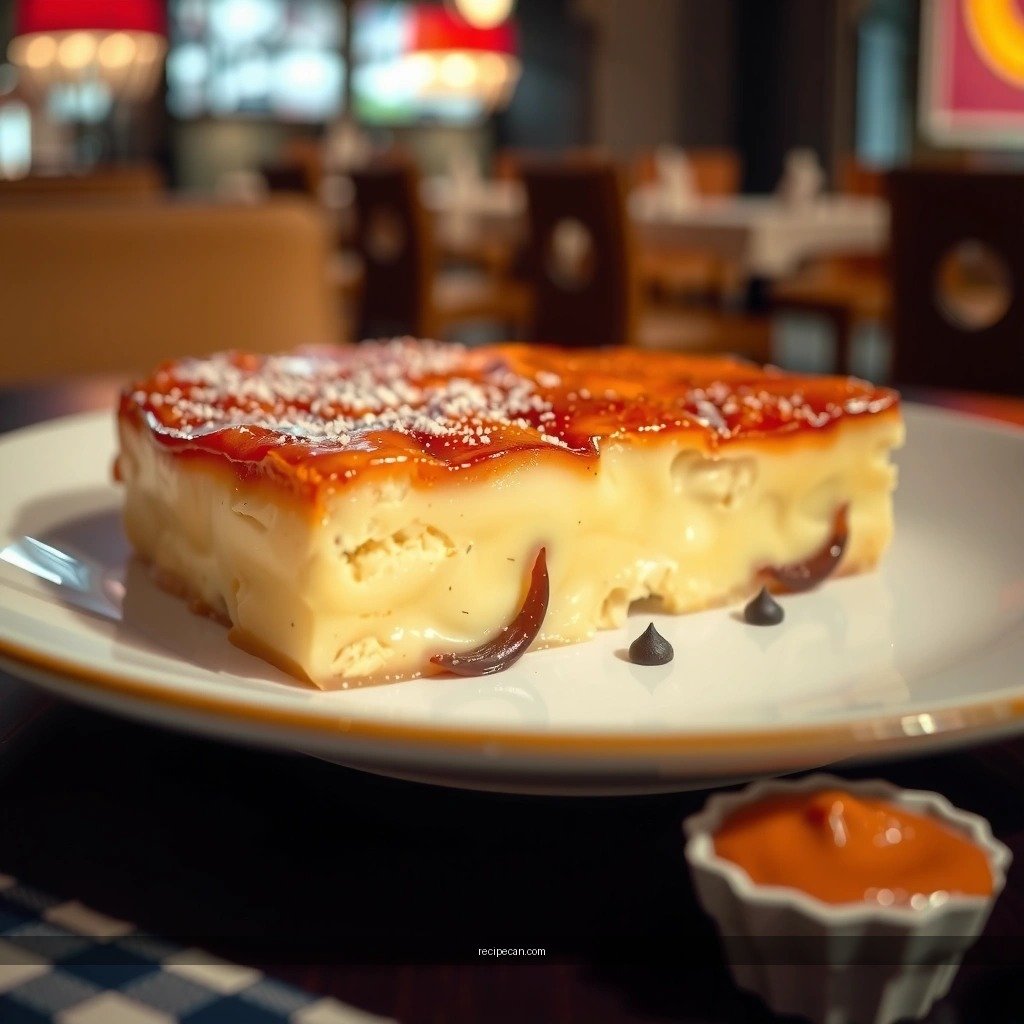
Bread pudding texture depends on two levers: how much custard the bread absorbs and how far the custard is baked. Use the tips below to control whether you end up with creamy spoonable custard or a firmer slice.
– Use slightly stale bread for better custard absorption
– Stale bread behaves like a sponge—dry enough to drink in the egg-and-milk mixture, yet not so dry that it refuses moisture.
– If your bread is fresh, cube it and spread it on a baking sheet; bake at 300°F / 150°C for 5–8 minutes to dry the exterior lightly before soaking.
– Let the mixture rest before baking to improve thickness and texture
– After soaking, let the bowl sit 10 minutes. This gives time for liquid to migrate fully into the bread interior.
– Resting also reduces the risk of pockets where bread stays under-saturated and bakes into dry, firm spots.
Practical bake “doneness” cues
– Creamy target: Center should be set with a soft wobble (like set gelatin) rather than liquid.
– Firm/bready target (avoid): Overbaking tightens the custard proteins and pushes it toward eggy firmness. If the edges brown very fast, tent with foil after 25–30 minutes.
Flavor Variations to Try
Once you master the base sweetened condensed milk bread pudding recipe, the easiest way to create repeatable variety is by changing the “mix-ins” and spice profile. Because condensed milk is sweet and thick, balance additions with texture and aromatics rather than just extra sugar.
– Add raisins, chocolate chips, or toasted nuts
– Raisins: Soak in warm water for 10 minutes, then drain and pat dry. This prevents them from stealing moisture from the custard.
– Chocolate chips: Fold them in gently so they don’t sink too deep. They melt into pockets of richness.
– Toasted nuts (pecans, walnuts, almonds): Toast at 325°F / 165°C for 6–8 minutes to boost aroma and avoid rubbery texture.
– Swap spices (pumpkin pie spice or cardamom) for a new twist
– Pumpkin pie spice: Adds cinnamon, ginger, nutmeg, and clove notes—great for fall-style versions.
– Cardamom: Provides a fragrant, slightly citrus warmth that pairs especially well with vanilla and condensed milk.
– Tip: If using stronger spices like clove, use less at first—custard desserts amplify spice intensity during baking.
Baking and Serving Tips
Serving temperature matters because bread pudding is a custard dessert that firms as it cools. For optimal spoonability, aim to serve warm—after a brief rest.
– Bake at the right temperature until the center is just set
– Use moderate heat to allow the custard to set gradually. Too high a temperature can create curds or an overly browned top before the center finishes baking.
– If your pudding browns early, cover loosely with foil to prevent excessive top drying.
– Serve warm with whipped cream, caramel, or fresh berries
– Whipped cream adds aeration and coolness, balancing the dense sweetness of condensed milk.
– Caramel (or salted caramel) complements the bread’s toasted notes and elevates the dessert’s complexity.
– Fresh berries—especially raspberries or blueberries—bring acidity that cuts through richness.
How to portion for clean servings
– Rest the pudding 10–15 minutes before slicing. This helps the custard stabilize without turning into a stiff bake.
– Use a sharp knife or serving spoon with quick, controlled cuts; wipe between servings if you want pristine edges.
Storage and Reheating
Sweetened condensed milk bread pudding stores well because the bread continues to absorb a small amount of moisture as it cools. The key on reheating is to restore custard softness without overcooking.
– Store covered in the fridge for up to a few days
– Cover tightly to prevent fridge odors from affecting the dessert.
– Refrigeration firms the texture; that’s normal and part of why reheating works.
– Reheat in the oven or microwave until creamy again
– Oven method (best for even creaminess): Place in a covered baking dish and reheat at 300°F / 150°C until warmed through (usually 10–15 minutes depending on portion size).
– Microwave method (fast): Reheat individual portions for 20–45 seconds, then stir or rest briefly. Add 1–2 teaspoons of milk per portion if needed to loosen the custard.
– Avoid repeated long microwaving—eggs can tighten and the top can dry.
This sweetened condensed milk bread pudding is easy, reliable, and delivers a rich custardy bite. Follow the soak-and-rest steps, bake until just set, and you’ll land on that creamy center with a lightly golden top. Once you’re comfortable with the base recipe, experiment with raisins, chocolate, nuts, or a spice swap to create a dessert you can confidently serve, repeat, and refine.
Frequently Asked Questions
What is the best sweetened condensed milk bread pudding recipe for beginners?
A beginner-friendly sweetened condensed milk bread pudding recipe uses cubed day-old bread, eggs, milk, and sweetened condensed milk for a creamy, custardy texture. Start by soaking the bread in the egg-and-condensed-milk mixture for 10–20 minutes so it absorbs evenly. Bake until the center is set but still slightly jiggly, then let it rest before serving for the best sliceable results.
How do you make sweetened condensed milk bread pudding without it turning rubbery?
Rubberiness usually comes from overbaking or not soaking the bread long enough. Use day-old bread, then soak it thoroughly in the custard mixture so every cube is saturated; aim for at least 10 minutes. Bake at a moderate temperature (commonly around 325°F/160°C) and remove the pudding when the center is just set, not firm.
Why does sweetened condensed milk bread pudding taste better when you let it sit before baking?
Letting sweetened condensed milk bread pudding sit allows the custard to fully penetrate the bread, creating a softer, more even crumb throughout. This resting step also helps the flavors meld, especially if you’re adding vanilla, cinnamon, or nutmeg. For best results, cover and rest in the fridge for 15–30 minutes (or soak at room temperature) before baking.
Which bread works best for a classic sweetened condensed milk bread pudding?
Sturdy breads like brioche, challah, French bread, or Texas toast work best because they hold up to soaking and bake into a tender pudding. Softer sandwich bread can work, but it may become too mushy unless you reduce soak time slightly. Using day-old bread is key for texture—fresh bread can lead to a wetter, less structured sweetened condensed milk bread pudding.
What toppings and flavor add-ins pair best with sweetened condensed milk bread pudding?
Classic add-ins include vanilla extract, cinnamon, nutmeg, and a pinch of salt to balance the sweetness from sweetened condensed milk. Popular toppings include caramel sauce, chocolate ganache, toasted pecans, whipped cream, or fresh berries for contrast. If you want extra richness, fold in raisins or chopped chocolate before baking, and drizzle warm sauce over the pudding right before serving.
References
- Google Scholar Google Scholar
https://scholar.google.com/scholar?q=sweetened+condensed+milk+bread+pudding+recipe - Google Scholar Google Scholar
https://scholar.google.com/scholar?q=condensed+milk+bread+pudding - Google Scholar Google Scholar
https://scholar.google.com/scholar?q=bread+pudding+recipe+with+sweetened+condensed+milk - Bread pudding
https://en.wikipedia.org/wiki/Bread_pudding - Condensed milk
https://en.wikipedia.org/wiki/Condensed_milk - Evaporated milk
https://en.wikipedia.org/wiki/Evaporated_milk - Custard
https://en.wikipedia.org/wiki/Custard - https://www.britannica.com/topic/bread-pudding
https://www.britannica.com/topic/bread-pudding - Condensed milk | Britannica
https://www.britannica.com/topic/condensed-milk - Evaporated milk | Britannica
https://www.britannica.com/topic/evaporated-milk