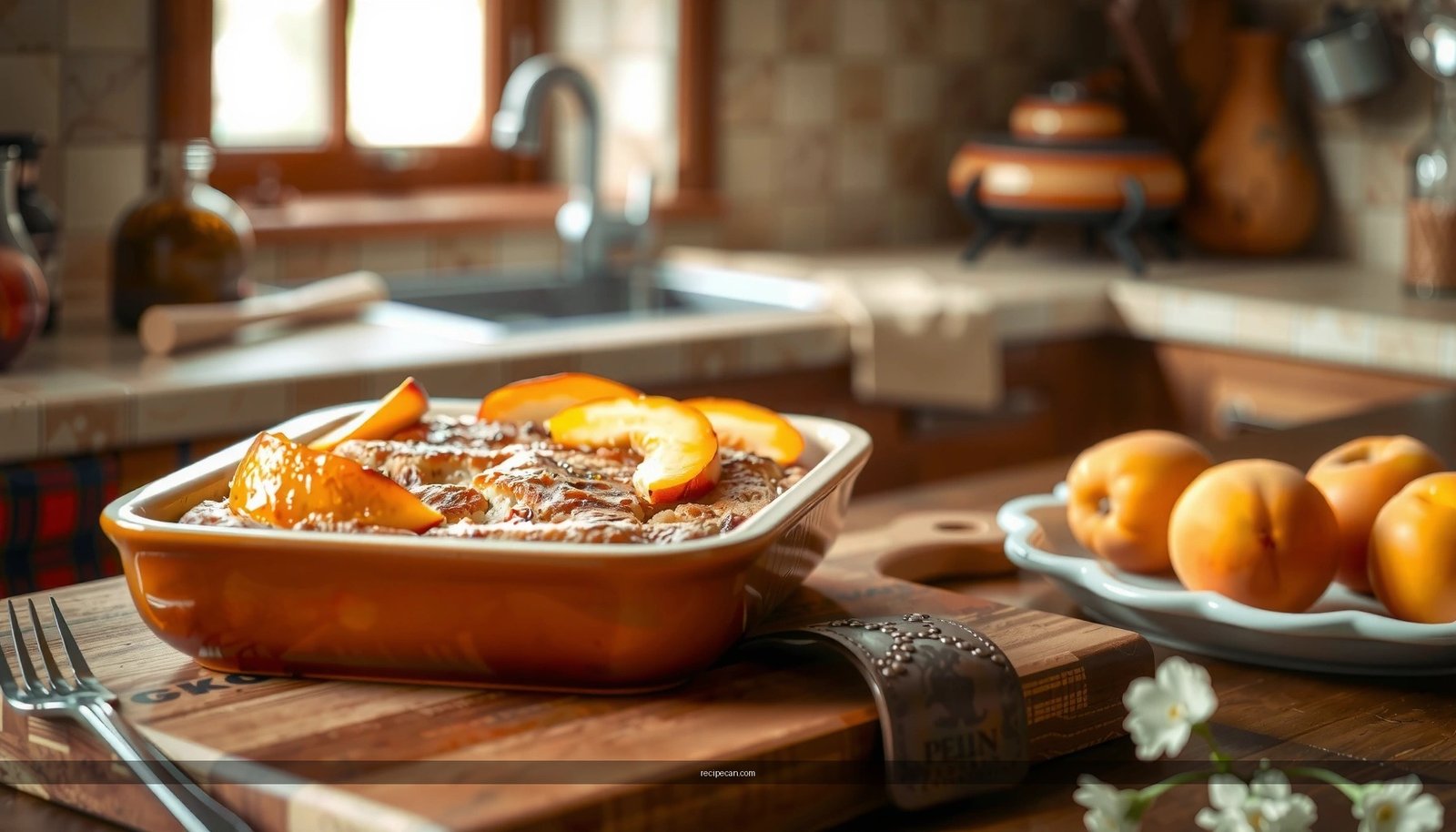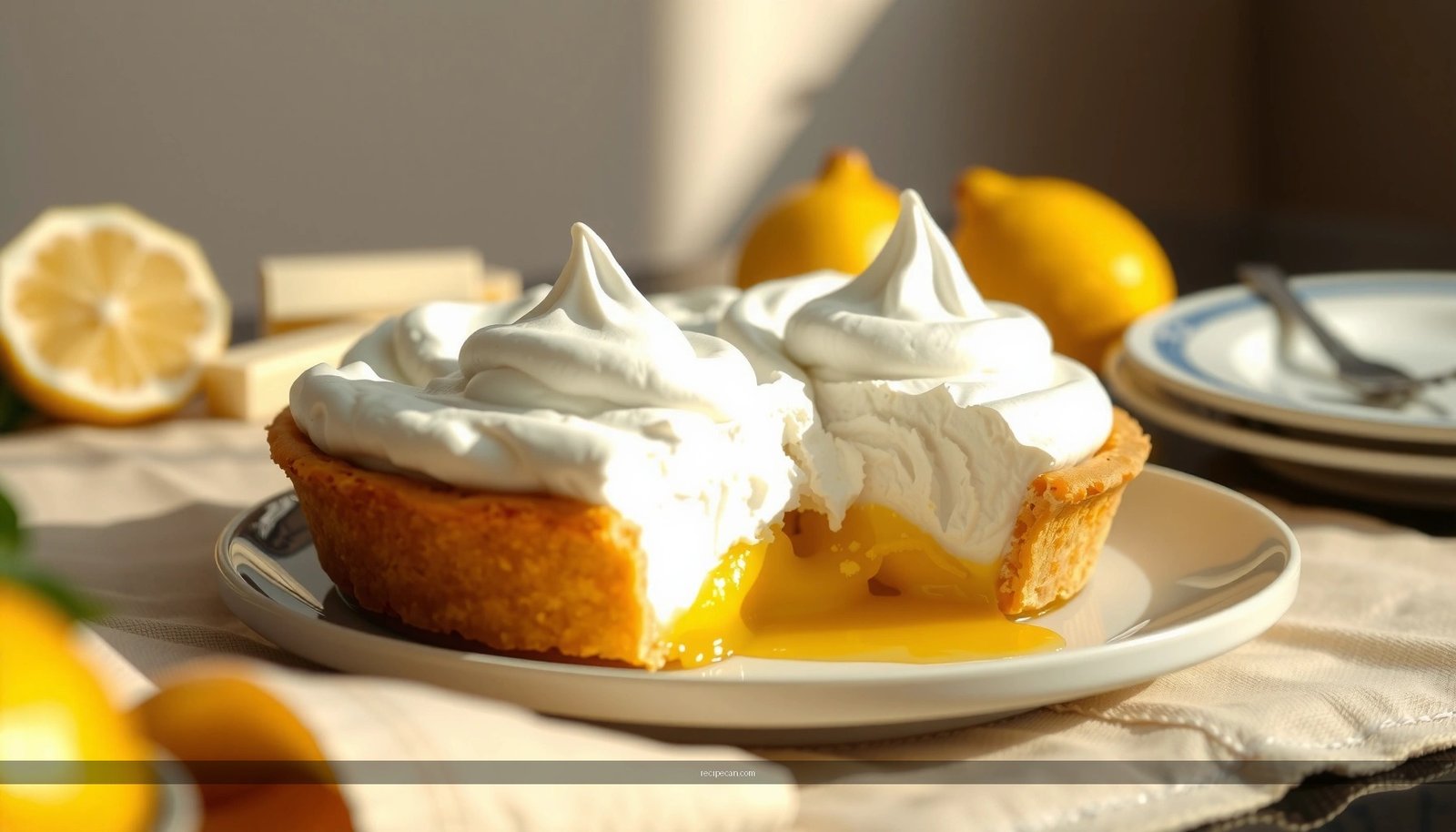
This lemon meringue pie recipe with lemon jello pudding gives you the tangy, sliceable filling and glossy meringue you’re after—no runny center, no guesswork. Follow this step-by-step method and you’ll get a crisp crust, a bold lemon-jello set, and a meringue that toasts evenly every time. If you want the best “lemon meringue, but jello pudding included” outcome, this is the one to make.
Make a stable, classic lemon meringue pie by baking a firm crust, filling it with set lemon jello pudding, and then adding meringue that’s toasted evenly (not weepy). If you follow the steps below—especially the consistency of the filling and the way you seal the meringue edges—you’ll get the sweet-tart balance and structured “sliceable” texture that makes lemon meringue pie feel bakery-level.
Ingredients You’ll Need for Lemon Meringue Pie

To get a clean slice and a meringue that holds shape, treat the ingredients like performance tools: the crust provides structure, the lemon jello pudding provides a reliable “set” filling, and the meringue’s sugar + acid control both volume and stability.
For the crust and filling
– Pie crust: store-bought or homemade (1 standard 9-inch / 23 cm pie)
– Lemon Jello pudding mix (instant): typically 1 (3.4 oz / 96 g) box for a single pie filling
– Milk: whole or 2% for best body (amount matches the pudding mix directions)
– Lemon juice: fresh for bright flavor (you’ll add this after the pudding thickens)
– Granulated sugar: used to balance tartness and support meringue structure if your base recipe includes it
For the meringue
– Egg whites: usually 3 large eggs (for a 9-inch pie; adjust upward if needed for thicker coverage)
– Cream of tartar (or substitute with a small splash of lemon juice): helps stabilize meringue during whipping
– Vanilla extract: optional, for fragrance (not structure)
– Optional fine sugar: some bakers add a portion of sugar to help meringue melt into a smoother, shinier foam
Quick “yield” guidance (so the texture lands right)
Most lemon jello pudding mixes set properly when prepared to a thick, spoonable consistency. If your pudding is runny, it won’t support the meringue well; if it’s overly thick, it can feel pasty. Your goal is a filling that looks glossy and coats a spoon, then settles smoothly in the crust.
What Consistency Looks Like at Each Stage (9-inch Pie)
| # | Stage | Target Texture | Typical Time | Why It Matters |
|---|---|---|---|---|
| 1 | Jello pudding thickening | Glossy, coats spoon; no visible dry powder | 2–3 min whisk + heat (per box) | Ensures a set base that won’t thin under heat |
| 2 | Jello pudding after lemon juice | Slightly looser but still pourable; settles flat | 30–90 sec stir | Brightens flavor without breaking the set |
| 3 | Crust par-bake + cooling | Firm, lightly golden; cool 10–15 min | 8–12 min bake; 10–15 min cool | Prevents soggy bottom when pudding is added |
| 4 | Meringue whipping peaks | Glossy; stiff peaks that hold when you lift beaters | 5–8 min on medium-high | Controls weeping and browning stability |
| 5 | Meringue seal to crust | No gaps at edge; meringue touches crust rim | 1–3 min assembly | Reduces moisture migration (key anti-weep step) |
| 6 | Baking to toast | Light golden ridges; center set | 10–14 min at moderate heat | Toasts proteins and sets surface without drying out |
| 7 | Cooling + brief chill | Cool 30–60 min; then chill 1–2 hrs if needed | 30–60 min + 1–2 hrs | Improves slice integrity while keeping meringue intact |
Make the Lemon Jello Pudding Filling
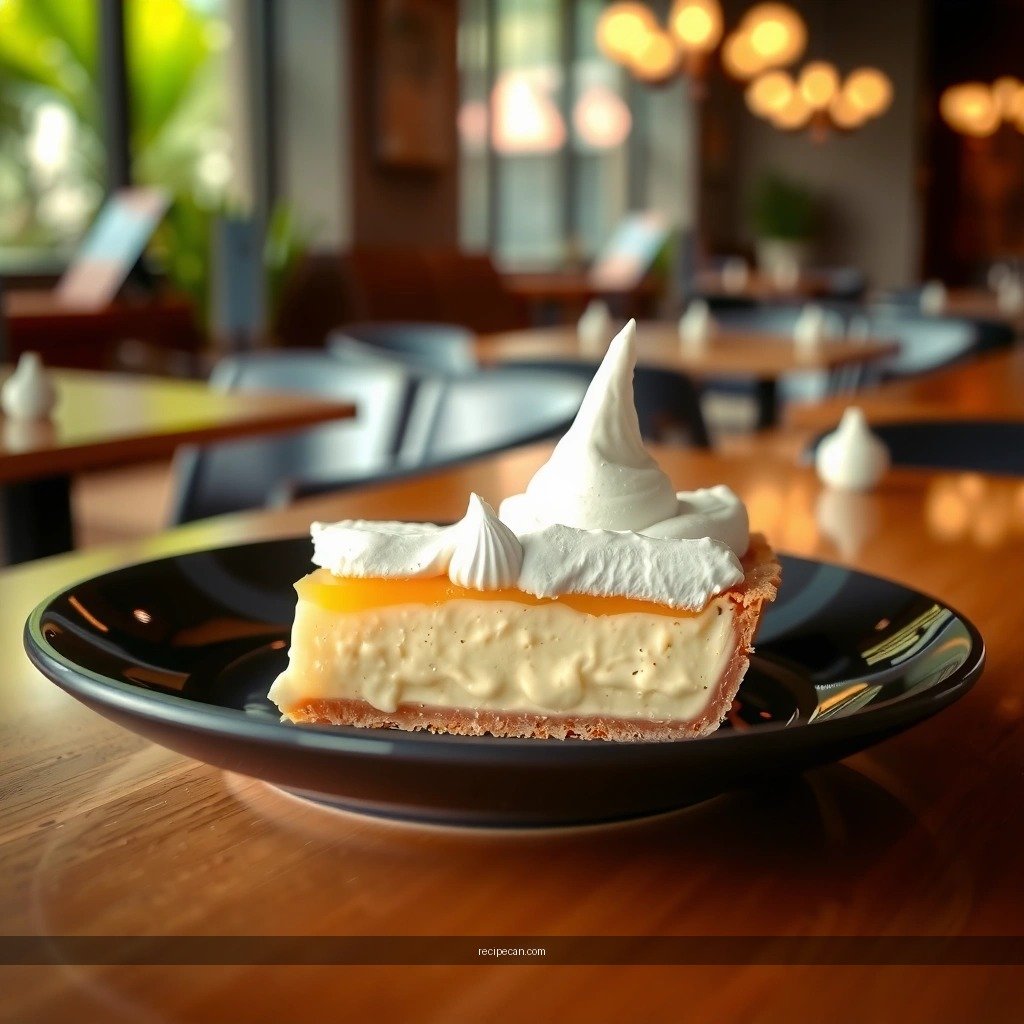
This recipe’s defining advantage is control: lemon jello pudding mix gives you a repeatable set that many traditional lemon curd methods can’t guarantee on the first try. You’re aiming for a filling that stays firm under the meringue and during short refrigeration.
1. Whisk the pudding mix and milk thoroughly.
Use a whisk and scrape the bowl so you eliminate lumps. Whisking early matters because instant pudding thickens quickly once heat or time is applied.
2. Cook/heat only as needed to thicken.
Follow the box directions, but check the texture 1 minute before you think it should be done. Once the mixture thickens enough to coat the back of a spoon, you’re there.
3. Stir in lemon juice for the “real” lemon hit.
Add fresh lemon juice once thickened, then stir until smooth. Lemon juice boosts flavor and aroma, but if you add it too early or use an outsized amount, you can disrupt the pudding’s set. The safe approach is to add it after the pudding base has thickened.
4. Let the filling cool just enough to pour cleanly.
If your pudding is too hot, it can soften crust layers. If it’s too cool and thickened further, it may clump. You want “pourable” with a glossy surface.
Texture checkpoint: When you spoon some into the center of the bowl, it should mound slightly before settling—signaling it’s thick enough to support a stable meringue.
Bake and Cool the Pie Crust
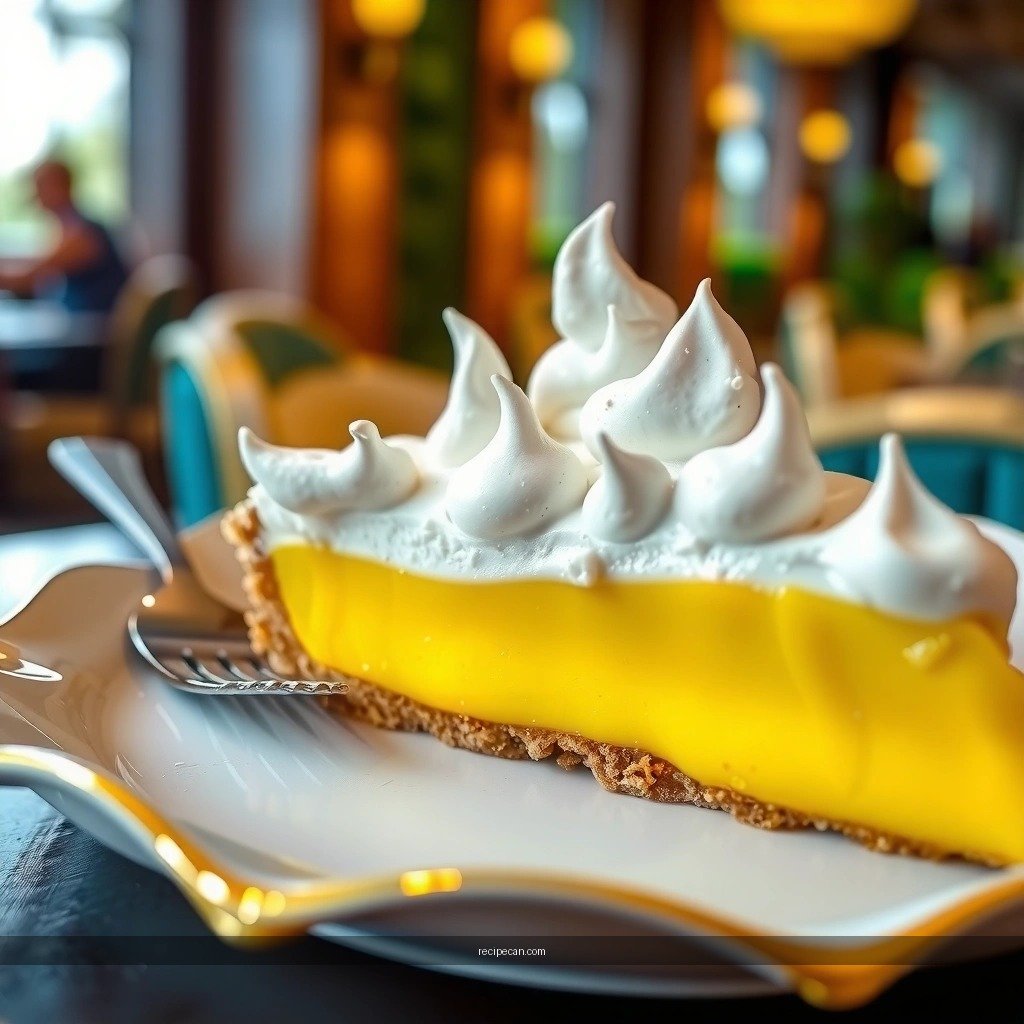
A lemon meringue pie fails most often at the bottom: either the crust isn’t baked enough (so it goes soggy), or it’s over-baked and becomes too crisp to support neat slicing.
1. Bake the crust until set and lightly golden.
Blind-bake if your crust is thin or pre-made and not already cooked through. The goal is a “dry” crust surface.
2. Cool briefly before adding filling.
Cooling 10–15 minutes helps the pudding layer sit without steaming the crust. Steam + moisture = sogginess.
3. Optional but effective: keep edges tidy.
If your crust slumps, trim uneven areas so the meringue later can seal properly to the rim.
Analytical note: With a set pudding filling, you still want the crust baked because pudding moisture migrates slowly during cooling. A properly baked crust buys you time—especially if you chill the pie before serving.
Assemble the Pie (Filling + Meringue)
Assembly is where stability is either won or lost. The meringue is not just a topping—it’s a protective cap that must contact the crust edges.
1. Pour the prepared lemon jello pudding into the crust.
Spread evenly, smoothing the top so the meringue can adhere consistently.
2. Prepare stiff, glossy meringue.
Beat egg whites with cream of tartar (or a small amount of lemon juice). Continue until stiff peaks form—when you lift the beaters, peaks should stand without collapsing.
3. Spread meringue to cover completely.
Use a spatula to spread from the edges inward, then “cap” the center.
4. Seal the meringue edges to the crust.
This is the anti-weep technique: press meringue lightly at the perimeter so it adheres to the crust and creates a barrier against moisture migration.
What “sealed” looks like: No visible pudding near the edges and no gaps at the crust rim. If you see daylight, you’ll likely see weeping later.
Bake Until Fluffy and Golden
Baking sets the meringue’s structure and toasts flavor. But meringue is sensitive: it browns fast, dries out fast, and can turn grainy if overheated.
1. Bake at a moderate temperature.
You want gentle setting and light browning—enough to stabilize proteins while keeping the foam tender.
2. Watch closely during the final minutes.
Meringues can shift from “perfect golden” to “over-browned” quickly. Start checking around the 8–10 minute mark.
3. Stop when peaks are lightly browned.
The tops should look toasted with dry-looking ridges, while the center is set (not liquid or glossy like uncooked foam).
Pro reliability method: If your oven runs hot, rotate the pie halfway through. Uneven heat is a common reason one side browns while another side remains soft.
Tips to Prevent Weeping and Get Perfect Peaks
Weeping happens when moisture escapes and collects at the meringue surface. In lemon meringue pie, moisture management is the difference between a dessert that holds beautifully and one that looks glossy and pooled.
The biggest drivers of weeping
– Grease or residue in mixing tools: oils prevent egg whites from whipping fully.
– Under-whipped meringue: insufficient volume and stability.
– Overbaked meringue: drying and texture breakdown can accelerate moisture release.
– Poor edge sealing: creates a pathway for moisture to migrate downward and then reappear.
Actionable steps that work
1. Use grease-free equipment.
Wash bowls and beaters thoroughly, then wipe with a clean cloth. Even small amounts of oil can reduce foam stability.
2. Add cream of tartar (or acid) early.
Acid lowers pH and helps stabilize whipped egg whites, making it easier to reach stiff peaks that stay firm.
3. Bake promptly after assembly.
Fresh meringue adheres best and holds structure better when it goes into the oven soon after it’s spread.
4. Cool with a controlled approach.
Some bakers cool the pie in the turned-off oven with the door slightly ajar to reduce thermal shock. If you do this, aim for gradual cooling rather than rushing it at room temperature immediately.
5. Consider a short chill if needed—don’t overchill the meringue.
Refrigeration helps the pudding firm up for clean slices. However, extended chilling right after baking can sometimes soften the meringue texture more than you want. A balanced approach is to chill briefly after the pie cools.
A practical “diagnostics” guide
– If the filling seems too loose: your pudding likely wasn’t thick enough before lemon juice, or it was poured when too warm and thinned during setup.
– If the meringue collapses: egg whites may have been under-whipped or contaminated with fat.
– If you see moisture pooling: focus next time on edge sealing, baking time, and immediate post-assembly baking.
—
After assembling your lemon meringue pie with lemon jello pudding, you should end up with a crisp-to-firm crust, a spoonable-but-set filling, and meringue that’s toasted evenly—stable enough to slice without collapsing and not so dry that it turns grainy. Keep the process methodical: thicken the pudding to the right texture, seal the meringue edges thoroughly, and toast the top just until lightly golden. Make it today, taste as you go (adjust lemon juice and sugar to your preferred tang), and you’ll have a repeatable, bakery-style lemon meringue pie you can confidently serve.
Frequently Asked Questions
What is a lemon meringue pie recipe with lemon jello pudding, and how does it differ from the classic version?
A lemon meringue pie with lemon jello pudding uses lemon gelatin in the filling to help it set up more firmly and quickly than some traditional stovetop custards. The pudding mix and lemon jello pudding work together to create a tangy, sliceable lemon curd-style layer without needing as much thickening by simmering. This can make the pie easier to stabilize for serving and reduces runniness compared with some classic lemon meringue recipes.
How do I make the lemon filling set properly using lemon jello pudding in a meringue pie?
Whisk the lemon jello pudding with cold milk (or per your specific package directions) until smooth, then heat gently if your recipe calls for warming to fully dissolve. Pour the filling into a pre-baked or par-baked pie crust, then cool briefly before topping with meringue. For best results, chill the pie after assembly so the lemon jello pudding layer firms up for clean slices.
Why does my meringue weep or turn watery on lemon meringue pie made with lemon jello pudding?
Meringue can weep when there’s excess moisture in the filling or when sugar isn’t fully dissolved during whipping. To prevent this, make sure the lemon filling has thickened and cooled slightly before adding meringue, and avoid pouring hot filling under the topping. Bake meringue until the tips are lightly browned, then cool and refrigerate—this helps stabilize the lemon meringue topping.
What’s the best way to prevent the meringue from shrinking away from the crust in a lemon meringue pie?
Spread the meringue onto the pie filling and “seal” the edges by pressing it to the crust so it adheres as it bakes. Make sure the filling is not too hot, because heat can create steam that pulls the meringue away and increases weeping. Bake until the meringue looks set and glossy, then cool gradually—sudden temperature changes can also worsen shrinking.
Which type of pie crust works best for a lemon meringue pie with lemon jello pudding, and should it be baked first?
A fully pre-baked pie crust (or a partially baked “par-baked” crust) is best because lemon filling can make crusts soggy over time. Many bakers blind-bake the crust briefly, then fill it with the thick lemon jello pudding mixture before topping with meringue. If your recipe uses a graham cracker crust or a no-bake crust, expect a softer bottom—traditional baked crusts typically give the cleanest, most stable slices.
References
- Lemon meringue pie
https://en.wikipedia.org/wiki/Lemon_meringue_pie - Meringue
https://en.wikipedia.org/wiki/Meringue - Fruit curd
https://en.wikipedia.org/wiki/Lemon_curd - Gelatin
https://en.wikipedia.org/wiki/Gelatin - https://en.wikipedia.org/wiki/Pudding_(food
https://en.wikipedia.org/wiki/Pudding_(food - Google Scholar Google Scholar
https://scholar.google.com/scholar?q=lemon+meringue+pie+recipe - Google Scholar Google Scholar
https://scholar.google.com/scholar?q=lemon+jello+pudding+pie+meringue - Google Scholar Google Scholar
https://scholar.google.com/scholar?q=meringue+stabilization+egg+protein+sugar - https://pubmed.ncbi.nlm.nih.gov/?term=meringue+egg+foam+stability+sugar
https://pubmed.ncbi.nlm.nih.gov/?term=meringue+egg+foam+stability+sugar - https://pubmed.ncbi.nlm.nih.gov/?term=gelatin+dessert+setting+mechanism
https://pubmed.ncbi.nlm.nih.gov/?term=gelatin+dessert+setting+mechanism