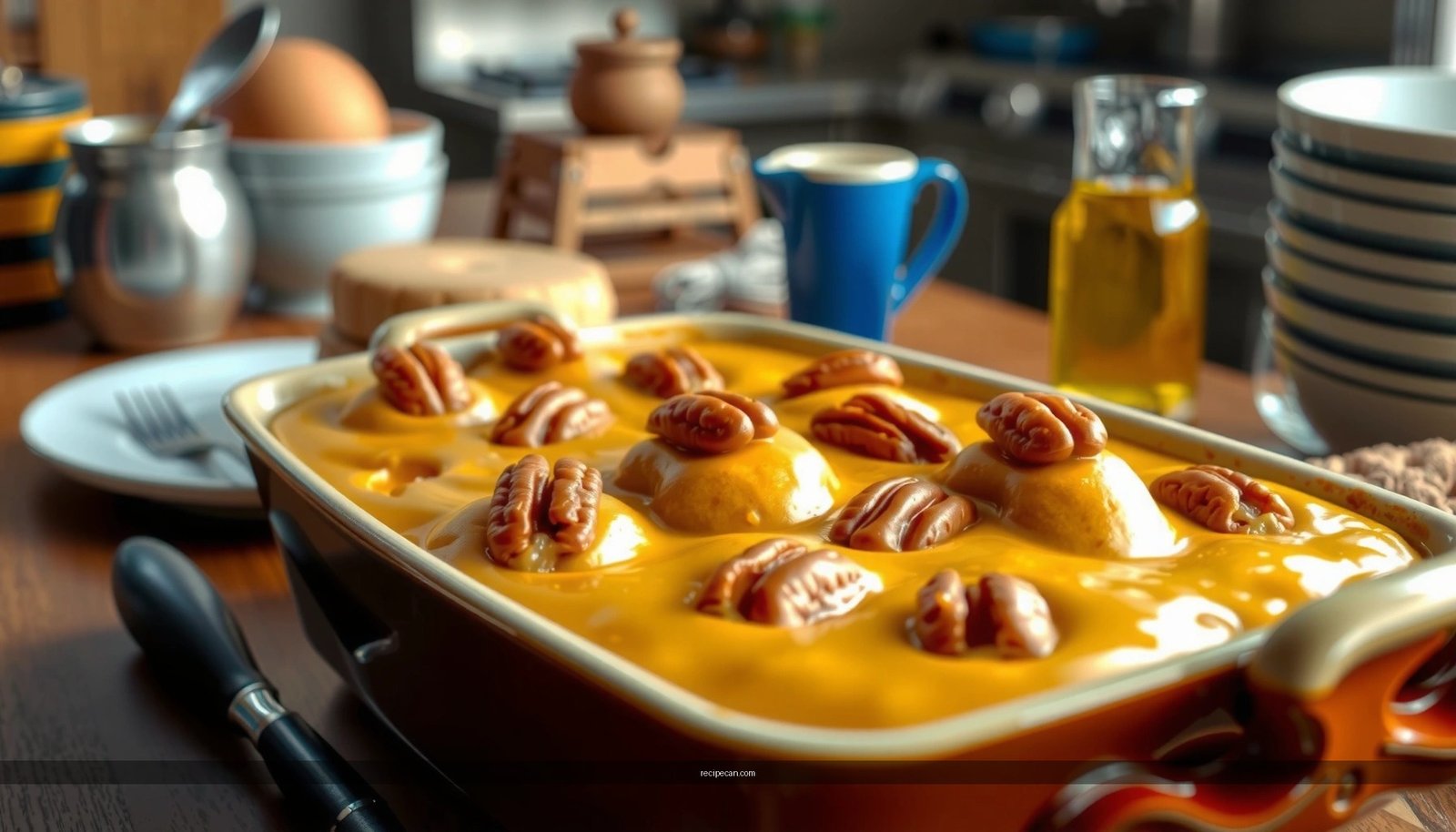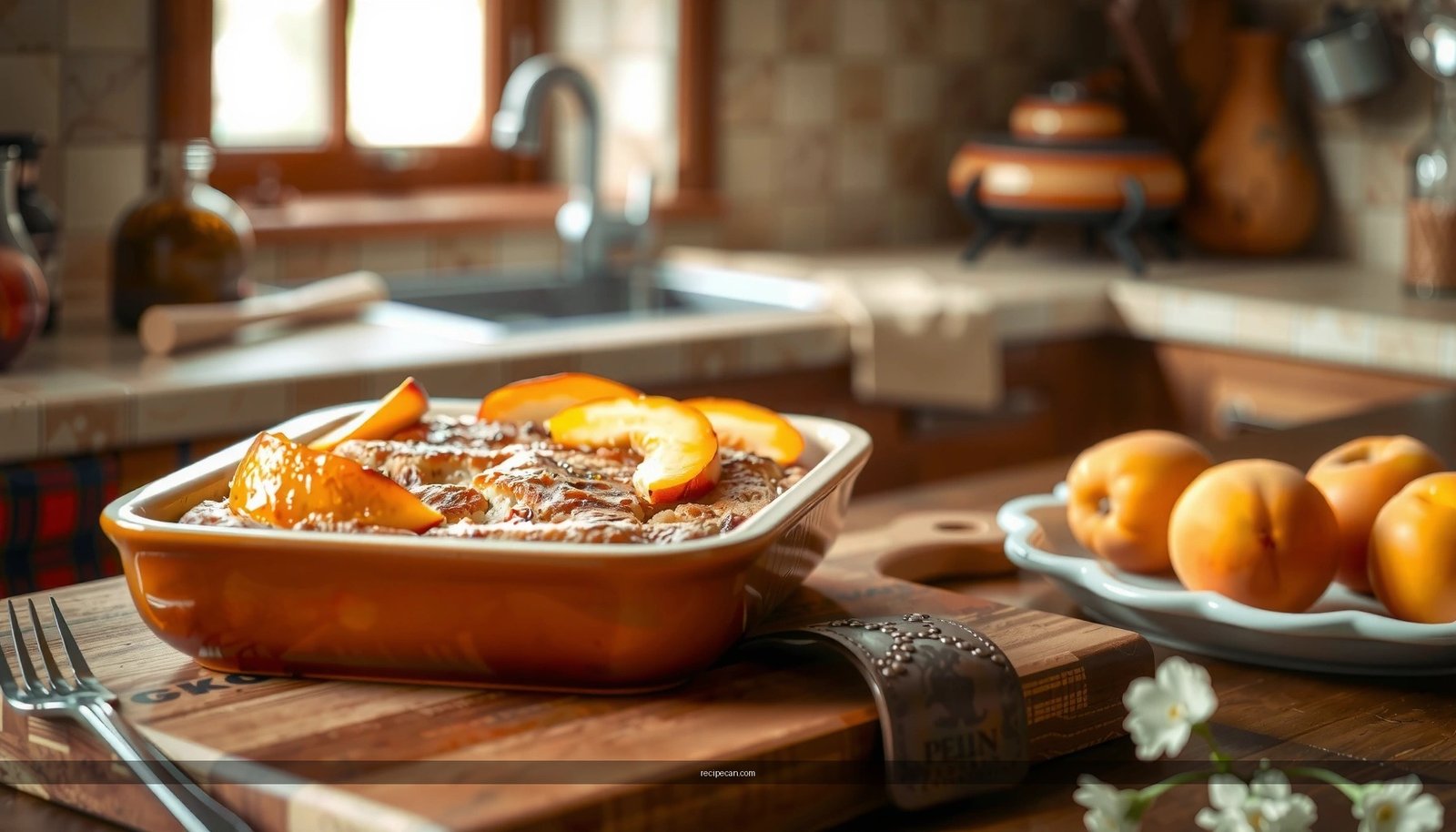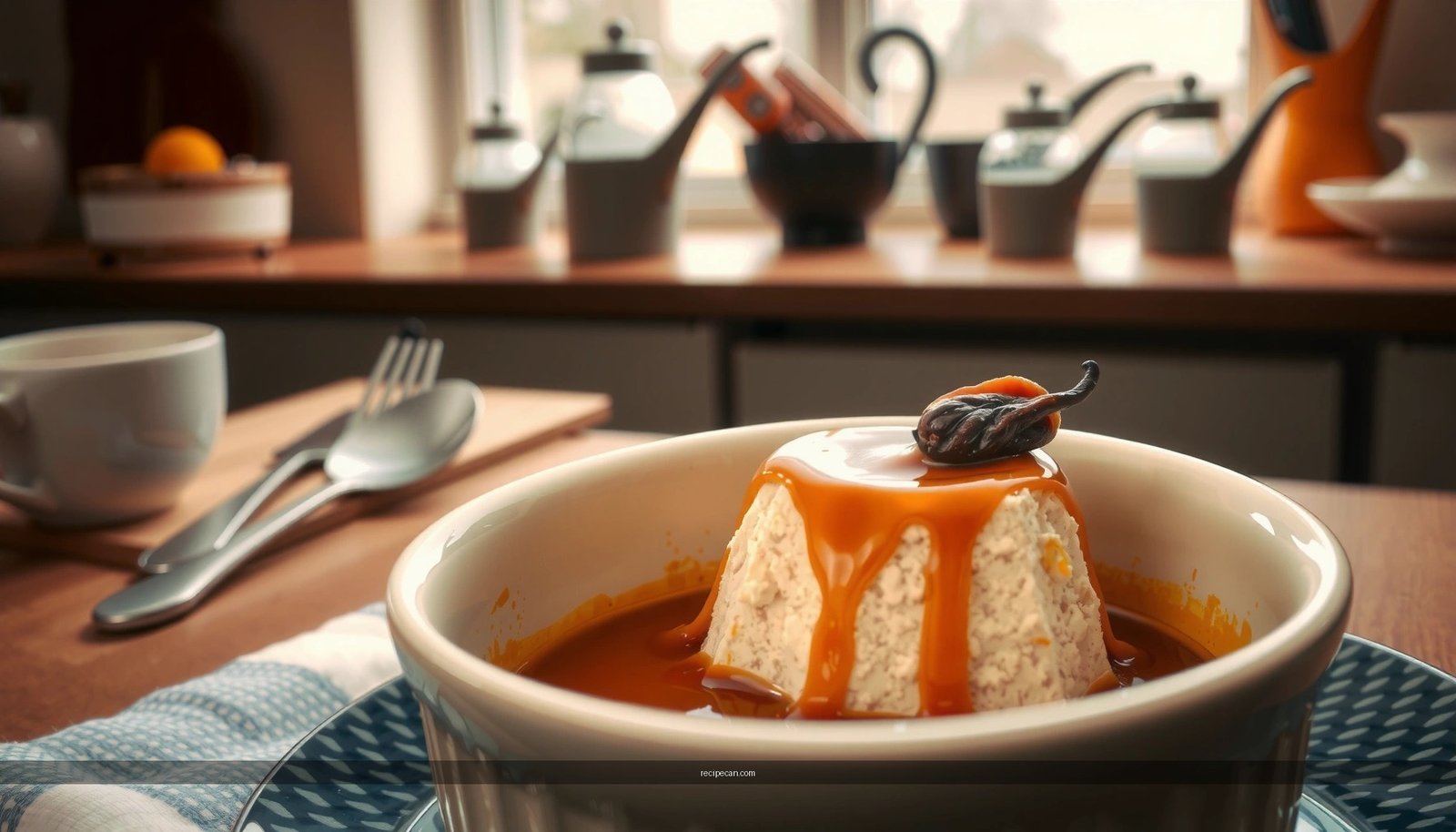
Looking for a toffee pudding recipe without dates that still delivers that deep, sticky toffee flavor? This recipe is the winner for when you want a classic baked pudding with no date sweetness—just caramel-style toffee and a rich custard base. You’ll get clear steps and the exact substitutions so the dessert turns out properly every time, even without dates.
Make a classic toffee pudding without dates by using a date-free toffee sauce of brown sugar, butter, and cream, then baking until just set—no fruit required. The result is the same rich, sticky “molten” center because the sauce caramelizes in the oven and thickens as it cools, clinging to tender cake-like pudding beneath.
Toffee Pudding Ingredients (No Dates)
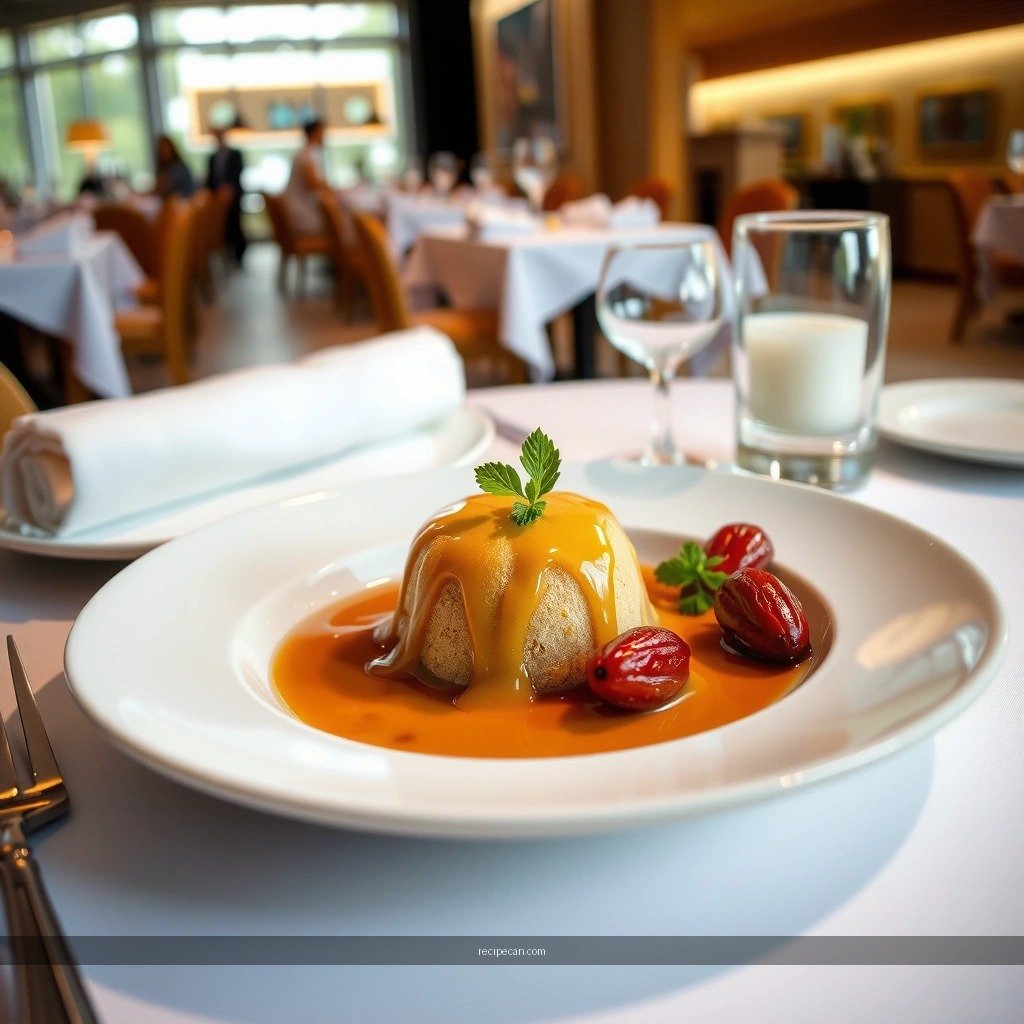
– Use brown sugar, butter, and cream for the toffee flavor
– Pair with flour, milk, and eggs (or an easy swap) for the pudding base
A date-free toffee pudding is built on two systems working together: (1) a quick caramel-style sauce (your “toffee” layer) and (2) a batter that bakes to hold structure while still staying tender. For a reliable gooey interior, keep your ratio balanced—too much flour makes it cakey and dry, while too little batter won’t trap the sauce.
Core ingredients (classic, reliable results)
– Brown sugar: Creates caramel notes and a deeper molasses flavor than white sugar. Light or dark brown sugar both work; dark brown sugar yields a slightly bolder toffee taste.
– Butter: Adds richness and helps the sugar syrup become glossy rather than grainy.
– Heavy cream (or whipping cream): Provides body and smoothness, preventing a brittle caramel texture.
– Flour: Gives the pudding its set and helps the sauce “soak” in rather than fully separate.
– Milk: Loosens the batter; whole milk gives the richest mouthfeel.
– Eggs: Provide lift and a custard-like set—critical for that classic sticky pudding bounce.
– Salt & vanilla (optional but recommended): Salt strengthens caramel flavor; vanilla rounds it out.
Helpful equipment
– A baking dish (8×8 in / 20×20 cm for thicker portions, or similar), plus a roasting tray for a “controlled” bake if you prefer.
– A saucepan for the sauce.
– A whisk and spatula for preventing flour lumps.
Ingredient swaps that still keep the texture
– Milk: Use whole milk for best results; 2% milk is fine. For non-dairy, choose a high-fat option like oat cream or canned coconut cream (it changes flavor slightly but can still work well).
– Cream: Half-and-half works in a pinch, but the sauce may be slightly less viscous. For a true toffee “cling,” stick closest to heavy cream when possible.
– Flour: All-purpose flour is the standard. If using a gluten-free blend, choose one with a starch-heavy mix designed for baking (results vary).
Make the Date-Free Toffee Sauce
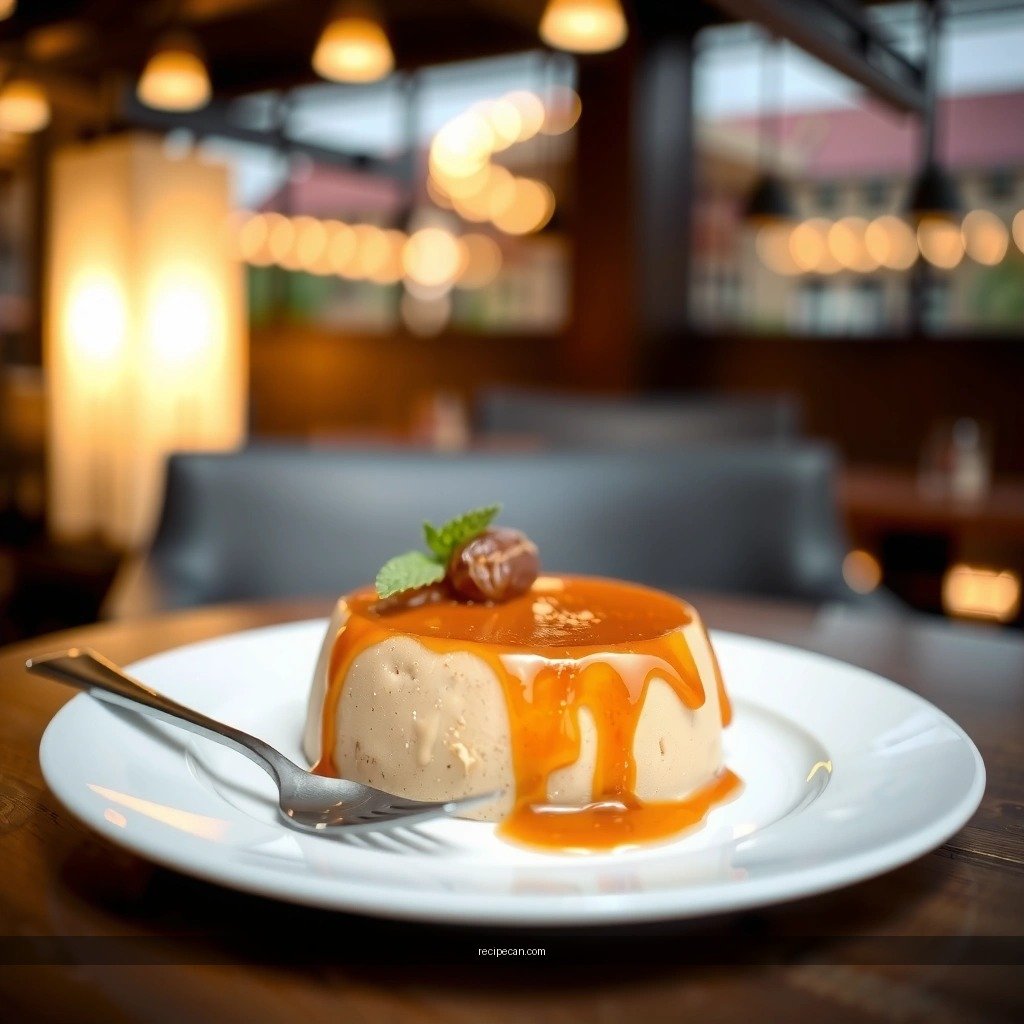
– Melt butter and brown sugar until glossy and fragrant
– Stir in cream (and a pinch of salt) to create a pourable toffee
This step is where the pudding earns its “sticky” identity. Dates are often used in traditional recipes to bring sweetness, moisture, and natural thickening—but the oven caramelization of sugar + the emulsification of cream recreates those same functional outcomes.
How the sauce should look
– After melting butter + sugar: It should turn glossy and slightly darker, with a caramel smell (not burnt).
– After adding cream: It should become smooth and pourable, with a thicker syrup consistency.
Practical method (high-confidence)
1. Combine butter + brown sugar in a saucepan over medium heat.
2. Stir until smooth and glossy—usually 2–4 minutes. Avoid boiling hard; you want controlled caramelization.
3. Add cream slowly (it will bubble). Stir constantly until the mixture is fully smooth.
4. Add a pinch of salt (and vanilla if using). Remove from heat once it turns creamy and cohesive.
Avoiding common sauce failures
– Grainy sauce: Usually comes from insufficient stirring or overheating. Keep the heat moderate and whisk until fully melted.
– Sauce split or oily separation: Often from adding cream too quickly or using cream too low-fat. Add cream gradually and stir thoroughly until emulsified.
– Too thin: If the sauce seems watery, simmer for 1–2 additional minutes. Remember: it will thicken further during rest.
Reference sauce targets
Date-Free Toffee Sauce Consistency Guide (By Simmer Time)
| # | Simmer Time After Cream Adds | Texture Result | Pour Behavior | Expected Baking Outcome |
|---|---|---|---|---|
| 1 | 0–1 minute | Runny caramel | Flows fast | Less cling, thinner top layer |
| 2 | 1–2 minutes | Light syrup | Pours steadily | Moderate cling, softer center |
| 3 | 2–3 minutes | Classic toffee thickness | Pours, then ribbons | Best sticky, gooey texture |
| 4 | 3–4 minutes | Thicker caramel | Ribbons, slow pour | More pronounced toffee top |
| 5 | 4–5 minutes | Hardening syrup | Very slow pour | May feel tacky/dense after baking |
| 6 | 5+ minutes | Reduced to near-caramel | Thick, may clump | Risk of graininess and uneven layers |
| 7 | Rest 5 minutes off-heat | Naturally thickens | Still pourable | Improved cling without over-reduction |
Assemble and Bake
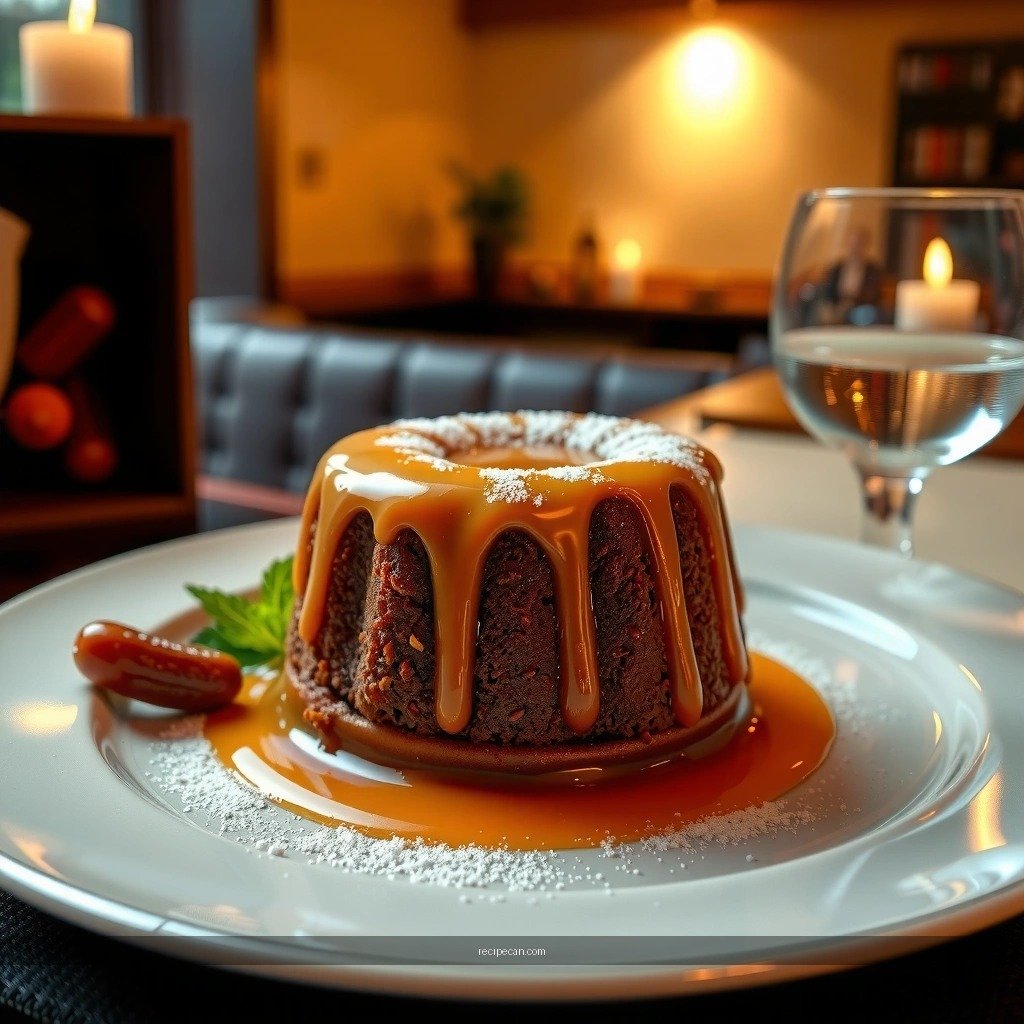
– Pour part of the toffee into the baking dish before adding batter
– Add remaining sauce/batter and bake until puffed and bubbling
Assembly is more than layering—it’s how you control where the sauce lands. If you pour all the toffee at once, it can pool and overpower the pudding base. If you add too little, you lose that signature molten top.
Step-by-step assembly (date-free)
1. Preheat oven to 175°C / 350°F.
2. Prepare baking dish: Grease well to help the pudding release and to prevent sticking.
3. Add first pour of toffee sauce: Spoon or pour about one-third to half of the warm sauce into the bottom. Tilt the dish so it coats lightly.
4. Mix pudding batter: Whisk flour, milk, eggs, and any flavorings until smooth. Don’t overmix—just combine.
5. Add batter: Pour batter over the first toffee layer.
6. Top with remaining sauce: Drizzle the rest of the toffee over the batter. Some will sink; some will stay near the surface—both are desirable.
Baking targets
– Bake until the pudding is puffed at the edges and actively bubbling in the toffee layer.
– The center should look set around the edges but still have a slight wobble in the middle.
Timing note (what to watch instead of only time)
Ovens vary by model and dish shape. Start checking at 25–30 minutes (for an 8×8 inch / 20×20 cm dish) and adjust in 3–5 minute increments. Your goal is set-with-movement, not dry firmness.
Get the Perfect Gooey Texture
– Bake just until set: edges firm, center still softly wobbly
– Rest briefly so the toffee thickens and clings to the pudding
The gooey texture is a product of timing and heat retention. When the pudding comes out too early, the center may be loose; when it comes out too late, the custard sets fully and loses the “molten” feel.
The professional “doneness” cues
– Edges: Firm and slightly browned.
– Surface: Glossy, bubbling toffee—often with a few thickened streaks.
– Center: A gentle wobble when you nudge the pan (like thick custard, not gelatin).
Resting matters
Let the pudding rest 5–10 minutes. During this time:
– The custard continues to set lightly.
– The toffee sauce thickens, improving cling and slice stability.
– Flavors integrate, making the caramel notes taste deeper rather than sharp.
If you cut immediately, the sauce may run; if you wait too long, the center becomes more custard-like. For best texture, aim for warm-but-rested.
Flavor Variations and Substitutions
– Add vanilla or a splash of rum extract for deeper flavor
– Swap milk/cream types to match what you have (dairy or alternatives)
A date-free recipe doesn’t limit your creativity—it simply shifts flavor-building tools to caramel, aromatics, and bake-time chemistry.
Flavor upgrades (high impact)
– Vanilla: Add 1–2 teaspoons to the toffee sauce or batter. Vanilla enhances the brown sugar’s “butterscotch” character.
– Rum extract: Use sparingly (about 1/2–1 teaspoon). It adds the classic warm depth people often associate with date-forward desserts.
– Cinnamon (optional): A pinch in the batter can create a “holiday toffee” profile without turning it into spiced cake.
Dairy and non-dairy substitutions (what changes)
– Half-and-half instead of heavy cream: Works, but the toffee may be slightly less rich and less elastic.
– Oat cream: Adds a caramel-friendly body; keep salt slightly higher to balance sweetness.
– Coconut cream: Produces a distinct flavor note (tropical), but still achieves a sticky toffee texture if well mixed and not over-reduced.
Sugar considerations
Brown sugar is central here. If substituting:
– Use a comparable molasses-based sugar to preserve caramel notes.
– Avoid relying on only white sugar; it can make the pudding taste flatter.
Serving Suggestions
– Serve warm with custard, cream, or vanilla ice cream
– Top with flaky salt or extra drizzle for a bakery-style finish
Toffee pudding is at its best when served warm, when the center is most “molten.” Pairing strategies should complement sweetness with either creaminess or contrast.
Classic pairings
– Vanilla ice cream: The cold contrast makes the sauce taste extra toffee-rich.
– Pour-over custard: Keeps the dessert smooth and luxurious.
– Whipped cream: Lighter mouthfeel, especially if your sauce is quite dense.
Bakery-style finishing touches
– Flaky salt: Adds a professional balance that makes caramel flavors pop.
– Extra drizzle: Warm a few spoonfuls of leftover sauce and spoon it over just before serving.
Storage and reheating (quality-preserving)
– Store covered in the fridge up to 3 days.
– Reheat individual portions in the microwave in 20–30 second intervals until warm and glossy. Avoid overheating—once fully hot, the custard can firm up quickly.
Warm, date-free toffee pudding is all about the right toffee sauce and careful bake time—brown sugar, butter, and cream create the rich gooey center you want. Follow the assembly steps, rest before serving, and choose your favorite topping for the final touch. Make this recipe next time you crave that classic sticky dessert.
Frequently Asked Questions
What can I use instead of dates in a toffee pudding recipe?
If you need a toffee pudding recipe without dates, you can replace the sweetness and moisture typically provided by dates with ingredients like dark brown sugar, molasses, or honey. For a similar sticky texture, try adding a bit of caramel sauce or treacle, plus an extra splash of milk or cream to keep the pudding soft. If you want a fruity note, use chopped dried figs or raisins, but skip the dates entirely to keep it date-free.
How do I make toffee pudding without dates and still keep it moist and chewy?
Use a toffee-forward base with brown sugar and butter, and make sure you cook the toffee mixture until it’s fully dissolved so you don’t end up with gritty sugar. Add a little extra liquid—such as milk, cream, or a spoonful of yogurt—to support moisture retention during baking. Cover the pudding with foil partway through baking, then uncover near the end for a proper toffee caramel finish.
Why does my toffee pudding without dates taste bitter or grainy?
Bitterness often comes from overcooked toffee or burnt butter-sugar mixture, so keep the heat moderate and remove the pan once the toffee turns glossy and fragrant. Graininess usually happens when sugar isn’t fully melted before baking; stir continuously until smooth. Using softened butter and room-temperature liquids can also help the batter blend evenly for a smoother toffee pudding texture.
What is the best toffee sauce consistency for a date-free toffee pudding recipe?
Aim for a pourable toffee sauce that thickens slightly when cooled but still flows off a spoon—about the texture of warm maple syrup. If your toffee sauce is too runny, simmer it a little longer; if it’s too thick, loosen it with a splash of hot cream or milk. For serving, drizzle sauce over warm date-free toffee pudding so it soaks in without making the dessert overly wet.
Which baking method works best for a no-dates toffee pudding—steam or bake?
Baking is usually the simplest for a toffee pudding recipe without dates because it reliably sets the batter and forms a caramelized top. If you prefer a steamed style (more classic steamed pudding texture), use a pudding basin and steam until fully set, but you’ll still need to balance sweetness and moisture since dates aren’t available. Whichever method you choose, let the pudding rest briefly before serving so the toffee layers settle into a rich, cohesive dessert.
References
- Sticky toffee pudding
https://en.wikipedia.org/wiki/Sticky_toffee_pudding - Toffee
https://en.wikipedia.org/wiki/Toffee - Caramel
https://en.wikipedia.org/wiki/Caramel - https://en.wikipedia.org/wiki/Date_(fruit
https://en.wikipedia.org/wiki/Date_(fruit - Date honey
https://en.wikipedia.org/wiki/Date_syrup - https://en.wikipedia.org/wiki/Treacle_pudding
https://en.wikipedia.org/wiki/Treacle_pudding - https://en.wikipedia.org/wiki/Pudding_(food
https://en.wikipedia.org/wiki/Pudding_(food - https://en.wikipedia.org/wiki/Dried_fruit
https://en.wikipedia.org/wiki/Dried_fruit - Google Scholar Google Scholar
https://scholar.google.com/scholar?q=sticky+toffee+pudding+recipe+dates+substitution - Google Scholar Google Scholar
https://scholar.google.com/scholar?q=toffee+pudding+without+dates