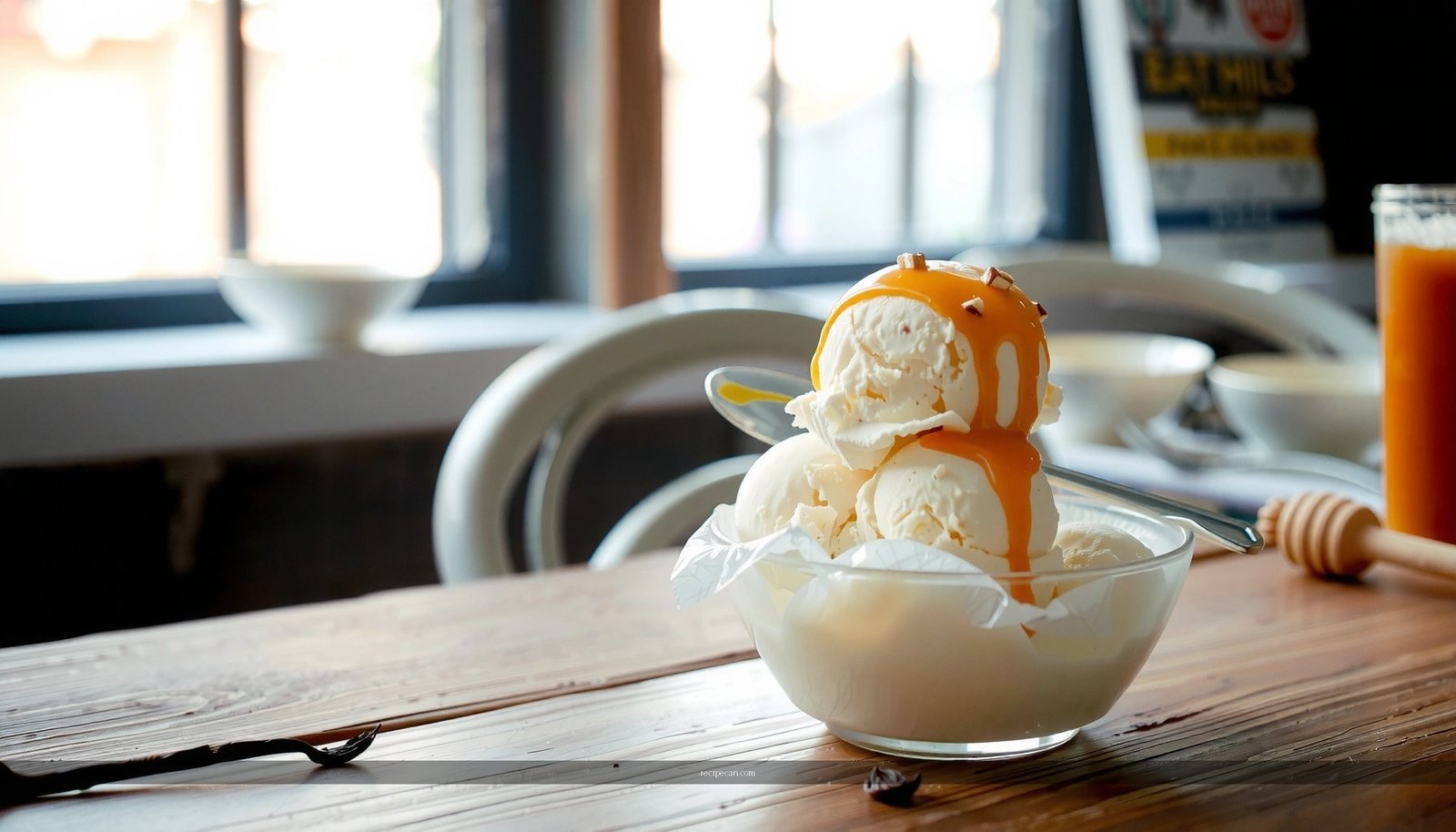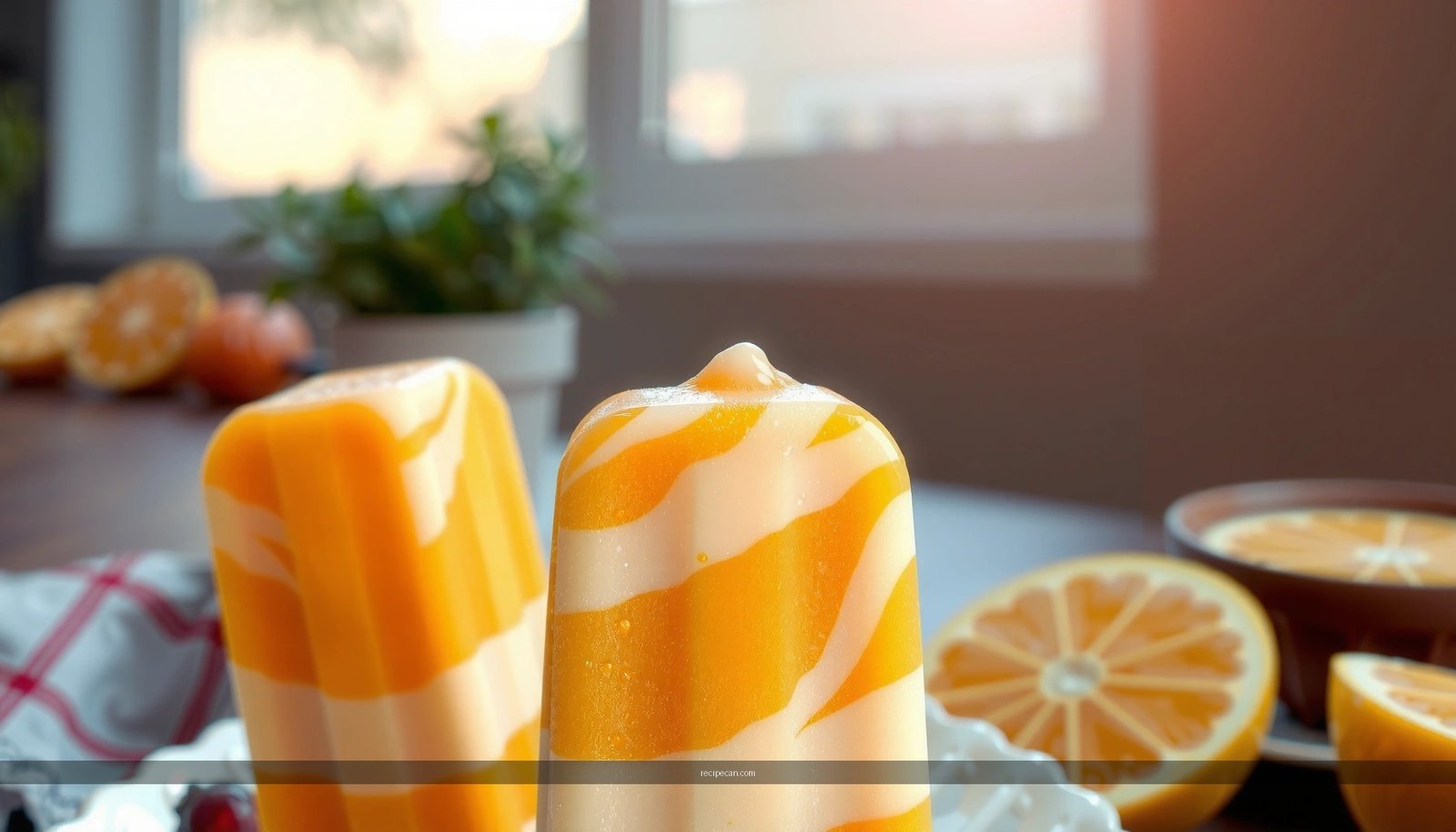
Looking for a homemade orange creamsicle recipe—orange ice cream that tastes like the classic frozen treat? This version delivers the clear winner: bright, real-orange flavor in a creamy base, plus a simple swirl that keeps every bite unmistakably creamsicle. You’ll get an ice cream you can churn at home without gimmicks, so the question “Which homemade method actually tastes like a creamsicle?” is answered fast.
Make homemade orange creamsicle ice cream by combining a custard-style creamy base with a cooled orange swirl, then churning and freezing until scoopable; the key is temperature control so the swirl stays distinct. In this recipe, you’ll learn exactly how to create that classic creamsicle flavor—bright citrus, creamy body, and an orange ribbon that holds its shape—using techniques that work reliably in a home kitchen.
Ingredients for Homemade Orange Creamsicle Ice Cream
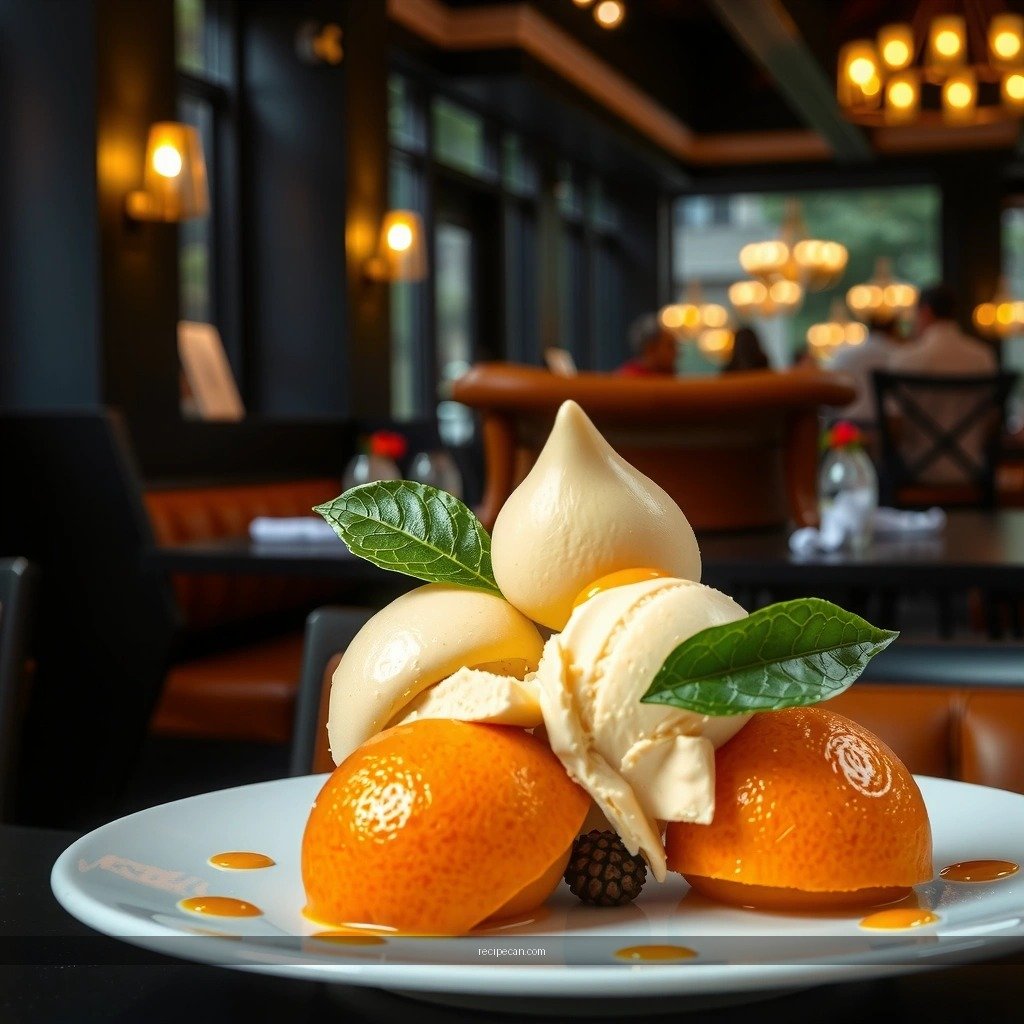
A great orange creamsicle is a balance: vibrant orange flavor with a creamy dairy base that feels smooth rather than icy. For the best texture, aim for a base that includes some fat (cream) and some structure (sugar and—optionally—egg yolks or a stabilizer). For the swirl, use real orange juice and zest for depth rather than relying only on extract.
Key ingredients to include:
– Fresh orange juice (and zest, if desired) for bright citrus flavor
– Creamy base ingredients like milk, cream, and sugar (or a sweetener)
Helpful additions (still aligned with the classic creamsicle profile):
– Optional egg yolks for a traditional custard-style texture (extra “silky” mouthfeel)
– A small amount of salt to sharpen citrus and balance sweetness
– Optional vanilla extract to round out the dairy flavor and make the orange taste “whole”
– Optional cornstarch (or another thickener) for a swirl that coats a spoon and sets slightly in the freezer
What to measure (practical guidance)
If you want consistent results across batches, measure by volume and keep notes on your preferred orange intensity. Fresh juice varies by orange size and sweetness; zest consistency and swirl thickness help standardize the outcome.
Typical Freezer Time & Swirl Appearance for Homemade Orange Ice Cream
| # | Freeze Milestone | Chilled Base Temp Start | Swirl Distinctness (1–5) | Firmness (1–5) | Score Trend |
|---|---|---|---|---|---|
| 1 | Immediately after churning (in machine) | Below 40°F (4°C) | 3 | 2 | + |
| 2 | 2 hours in freezer (soft set) | Already churned | 4 | 3 | +1 |
| 3 | 4–6 hours (typical scoop-ready) | Already churned | 5 | 4 | +2 |
| 4 | 8–12 hours (best balance) | Already churned | 5 | 5 | +3 |
| 5 | 24 hours (slightly denser) | Already churned | 4 | 5 | +2 |
| 6 | 3–5 days (best consumed) | Minimized air exposure | 4 | 4 | +1 |
| 7 | 6–8 days (texture starts degrading) | Occasional freezer-door opening | 3 | 3 | -1 |
Make the Creamy Ice Cream Base
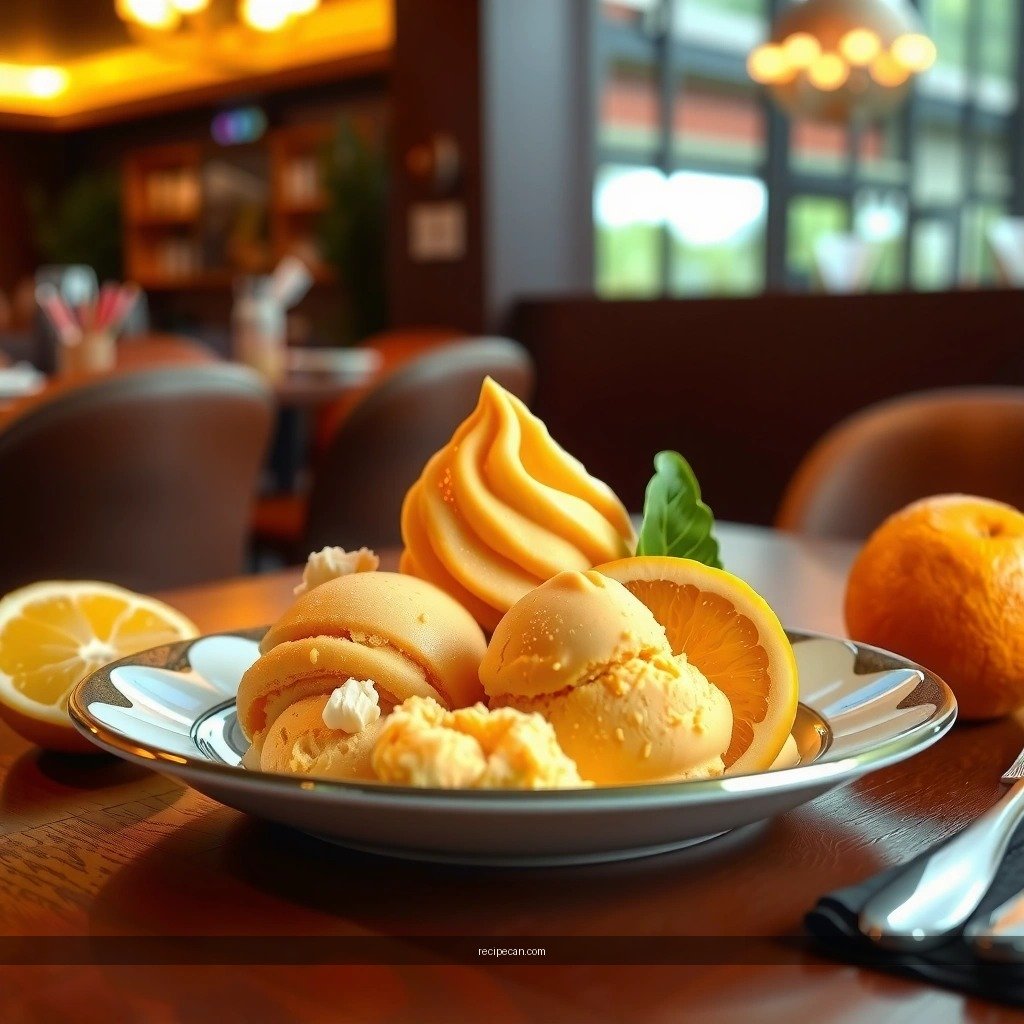
The creamy base is the engine of the final texture. Whether you choose a custard method (milk + cream + egg yolks) or a no-egg method (milk/cream thickened with sugar and a stabilizer), the fundamentals are the same: dissolve sugar completely, gently heat for smoothness, then cool quickly and thoroughly.
A reliable approach:
– Warm dairy with sugar until smooth, then cool completely
– Mix in orange flavor and any flavor extracts for a strong creamsicle taste
Why this matters (and what can go wrong):
– Sugar needs to dissolve fully: undissolved sugar can create icy pockets or graininess.
– Heating should be gentle: avoid curdling and scorching; creamsicle ice cream should taste clean, not “cooked.”
– Cooling is non-negotiable: a base that’s not fully chilled leads to larger ice crystals and a less creamy scoop.
Orange flavor integration strategy:
– Add orange zest early enough to infuse (if using), but strain for a smooth mouthfeel.
– Add orange juice flavor after thickening/infusion so you don’t dull it with aggressive heat.
– If you use extracts, keep them measured—fresh juice provides the “real” taste that makes orange creamsicle feel nostalgic rather than artificial.
Actionable tip: before churning, taste the base. If it tastes like “orange cream” but a bit stronger than you want for finished ice cream, you’re in the right zone—freezing mutes sweetness and aroma slightly.
Create the Orange Creamsicle Swirl
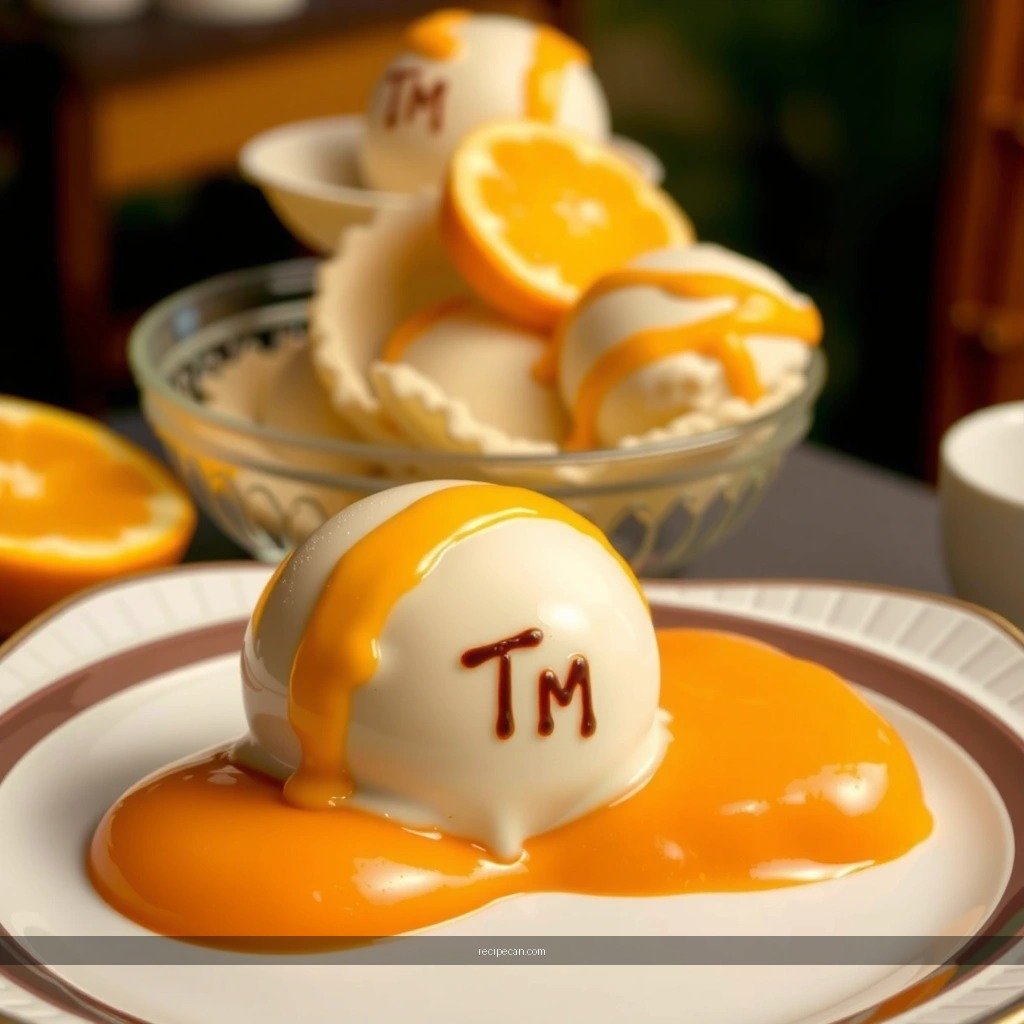
The orange swirl is what visually and texturally separates homemade orange creamsicle ice cream from ordinary orange ice cream. The swirl should be thick enough to coat a spoon and hold its shape, then cooled so it doesn’t immediately melt into the base during freezing.
Core steps:
– Simmer orange mixture (juice/zest with a thickener) until it coats a spoon
– Cool the swirl before folding or layering to prevent it from melting the base
How to think about swirl texture:
– Thick enough to cling: If it’s too thin, it will disappear into the base.
– Not too gelatinous: If it’s overcooked, it may become gummy; aim for a syrupy thickness.
– Proper cooling: A warm swirl will spread and blur; a cooled swirl forms distinct ribbons.
Practical swirl method (layering for the classic look):
1. Cook the orange mixture with a thickener until it coats a spoon.
2. Spread it into a shallow container to cool faster and more evenly.
3. Cover directly with plastic wrap (touching the surface) to prevent a skin.
4. Let it cool to roughly room temperature or cooler before layering.
Flavor accuracy note: Fresh orange zest can vary. Simmering concentrates taste, so adjust with small amounts of additional juice or a tiny squeeze of lemon to brighten—especially if your oranges are low-acid.
Churn and Freeze for Best Texture
Churning turns your chilled base into a foam of tiny ice crystals—this is what drives creamy texture. After churning, freezing completes the structure. To get the best results, you need both stages: chill, churn, and then freeze while layering the swirl.
Follow the workflow:
– Chill the base thoroughly, then churn according to your ice cream maker
– Freeze until firm, layering with swirl as you go for that classic look
Churning best practices:
– Chill the base fully: The ideal is a base temperature similar to cold refrigeration (not just “cool”).
– Don’t rush the machine: Follow your ice cream maker’s timing guidance; stopping early can create larger crystals.
– Watch consistency: You’re aiming for a soft-serve texture as it comes out of the churn.
Layering for swirl retention:
– Layer a portion of churned ice cream into a freezer-safe container.
– Add streaks or dollops of the cooled orange swirl.
– Repeat until you’ve used all the swirl.
– Gently swirl with a spoon only if you want a marbled look; otherwise keep it ribbon-like.
Freezer time and texture:
– For most home freezers, you’ll get best scoopable firmness after several hours (and often best texture around the next day).
– Rapid freeze doesn’t necessarily mean better; consistent, airtight storage matters more for long-term smoothness.
Tips for Serving and Storage
Even perfect homemade orange ice cream can lose quality if it’s handled poorly after freezing. Serving technique affects perceived creaminess, and storage affects both flavor intensity and ice crystal formation.
Serving tips:
– Let it soften 5–10 minutes for easy scooping
This brief tempering allows the base to relax and the swirl to taste more vivid.
Storage tips:– Store airtight and minimize freezer burn for best flavor and texture
Air exposure is the enemy of creamy texture. Use:
– A container with a tight lid
– Plastic wrap pressed directly onto the surface before sealing (optional but effective)
Flavor stability:
– Citrus can fade over time, especially in very cold or very dry freezer conditions. For peak orange creamsicle flavor, aim to enjoy within the first several days.
Troubleshooting Common Issues
Homemade ice cream is a controlled process—most failures trace back to a few predictable variables: temperature, churn time, swirl thickness, and storage. Use the guide below to diagnose quickly and fix on your next batch.– If it’s icy, ensure the base was fully chilled and churned long enough
Likely causes: insufficient chilling, churning too briefly, or freezing a base that was still warm.
Next time: chill overnight if your schedule allows, and follow the ice cream maker’s recommended churn until you reach soft-serve consistency.
– If the swirl disappears, cool the swirl longer and layer gently during freezing
Likely causes: swirl was too warm, swirl was too thin, or it was stirred aggressively into the base.
Next time: cook until spoon-coating thickness, cool thoroughly (skin removed), and layer dollops rather than fully mixing.
Quick diagnostic checklist:
– Base temperature before churn: cold, not merely “room temp”
– Swirl thickness: spoon-coating, not watery
– Swirl temperature: cooled enough to remain distinct
– Freezer storage: airtight, minimal air exposure
Homemade orange creamsicle ice cream is all about a creamy churned base plus a cooled orange swirl for that classic frozen treat vibe. Follow the steps above—make the base, create the swirl, churn, then freeze—and you’ll be ready to scoop a bright, creamy homemade dessert. Try it this week and adjust the orange intensity to your taste!
Frequently Asked Questions
What’s the easiest homemade orange creamsicle recipe ice cream for beginners?
Start with a simple base of vanilla ice cream or a basic custard-style base, then flavor it with fresh orange juice and orange zest. For the “creamsicle” effect, swirl in an orange syrup (orange juice reduced with a little sugar) so the flavor is bold and not icy. Use a no-churn method if you want the fastest route—mix sweetened condensed milk with cream and fold in the orange mixture before freezing.
How do you make orange creamsicle ice cream without an icy texture?
Use a small amount of alcohol (like orange liqueur or vodka) or ensure you reduce the orange juice into a syrup, which lowers excess water. You can also balance sweetness and fat with a reliable vanilla base so the homemade ice cream freezes smoothly. Chill your mixture thoroughly before churning or freezing, because warmer mixtures create larger ice crystals.
Why do homemade orange creamsicle recipes taste better with fresh orange juice and zest?
Fresh orange juice provides brighter, more natural citrus flavor than bottled concentrate, while zest adds aromatic oils that make the orange taste “pop.” The reduced orange syrup concentrates that flavor and helps it distribute evenly throughout the orange creamsicle ice cream. If you do use bottled juice, choose one without added preservatives and still add zest for depth.
Which is better for orange creamsicle ice cream—no-churn or churned ice cream?
Churned homemade orange creamsicle recipe ice cream usually has a smoother, more scoopable texture because the churning incorporates air and breaks up ice crystals. No-churn versions are easier and faster, but they can be slightly denser if you don’t whip the cream correctly or manage the orange liquid carefully. If you’re prioritizing flavor, both work well—just be sure your orange component is reduced or thickened.
What’s the best way to swirl orange sauce into creamsicle vanilla ice cream?
Make an orange syrup by simmering orange juice with sugar until it lightly thickens, then cool it completely before swirling. Use a knife or spatula to create ribbon swirls—don’t overmix, or the orange creamsicle ice cream will become uniformly orange instead of layered. Freeze until firm, and for clean slices, let the ice cream sit 3–5 minutes at room temperature before serving.
References
- Ice cream
https://en.wikipedia.org/wiki/Ice_cream - Popsicle (brand)
https://en.wikipedia.org/wiki/Creamsicle - Custard
https://en.wikipedia.org/wiki/Custard - Google Scholar Google Scholar
https://scholar.google.com/scholar?q=homemade+orange+creamsicle+ice+cream+recipe - Google Scholar Google Scholar
https://scholar.google.com/scholar?q=orange+flavor+ice+cream+frozen+dessert+emulsion - Google Scholar Google Scholar
https://scholar.google.com/scholar?q=ice+cream+custard+base+science+egg+stabilizers+fat+crystallization - https://pubmed.ncbi.nlm.nih.gov/?term=ice+cream+emulsion+fat+crystallization
https://pubmed.ncbi.nlm.nih.gov/?term=ice+cream+emulsion+fat+crystallization - https://www.cdc.gov/foodsafety/communication/eggs-and-food-safety.html
https://www.cdc.gov/foodsafety/communication/eggs-and-food-safety.html - Eggs | Food Safety and Inspection Service
https://www.fsis.usda.gov/food-safety/safe-food-handling-and-preparation/eggs - Ice cream | Definition, History, & Production | Britannica
https://www.britannica.com/topic/ice-cream