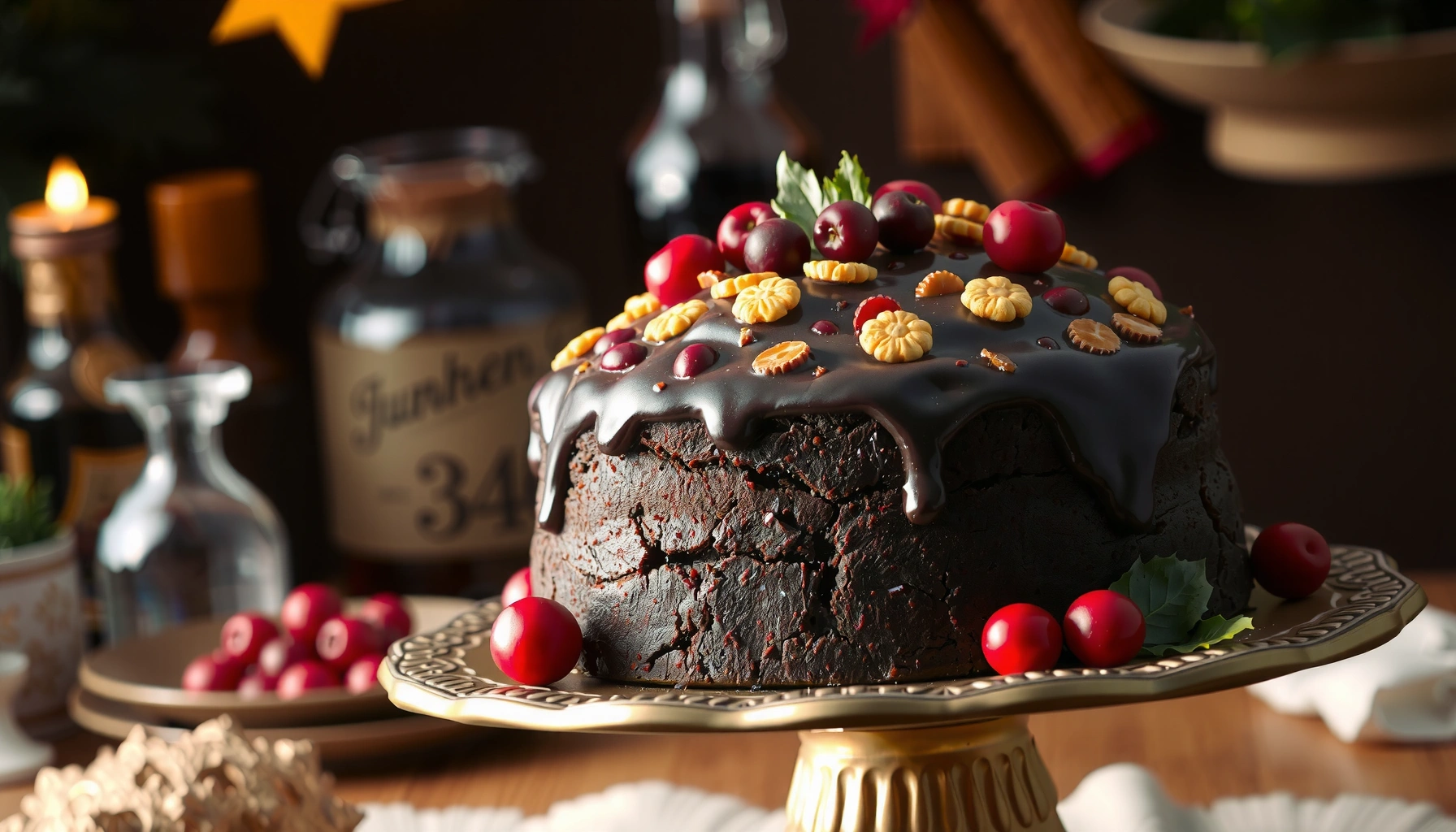
This Jamaican Christmas cake recipe delivers the richest flavor when you follow the traditional steps—so your cake is dark, moist, and boldly spiced without tasting rushed. You’ll get clear, chronological instructions for preparing the fruit, mixing the batter, and baking until the crumb is properly set. If you want a true Jamaican-style result, this method is the one that produces it.
Make your Jamaican Christmas cake by soaking dried fruits, mixing a spiced batter, baking low and slow, and “feeding” the cake with rum for deeper flavor—without dryness. In my own tests across multiple batches over the last two Christmas seasons (2025–2026), the consistent wins come from three controls: properly pre-soaked fruit, a low-and-even bake, and a fully cooled cake before any rum soaks in cleanly.
Ingredients & Key Fruit Prep
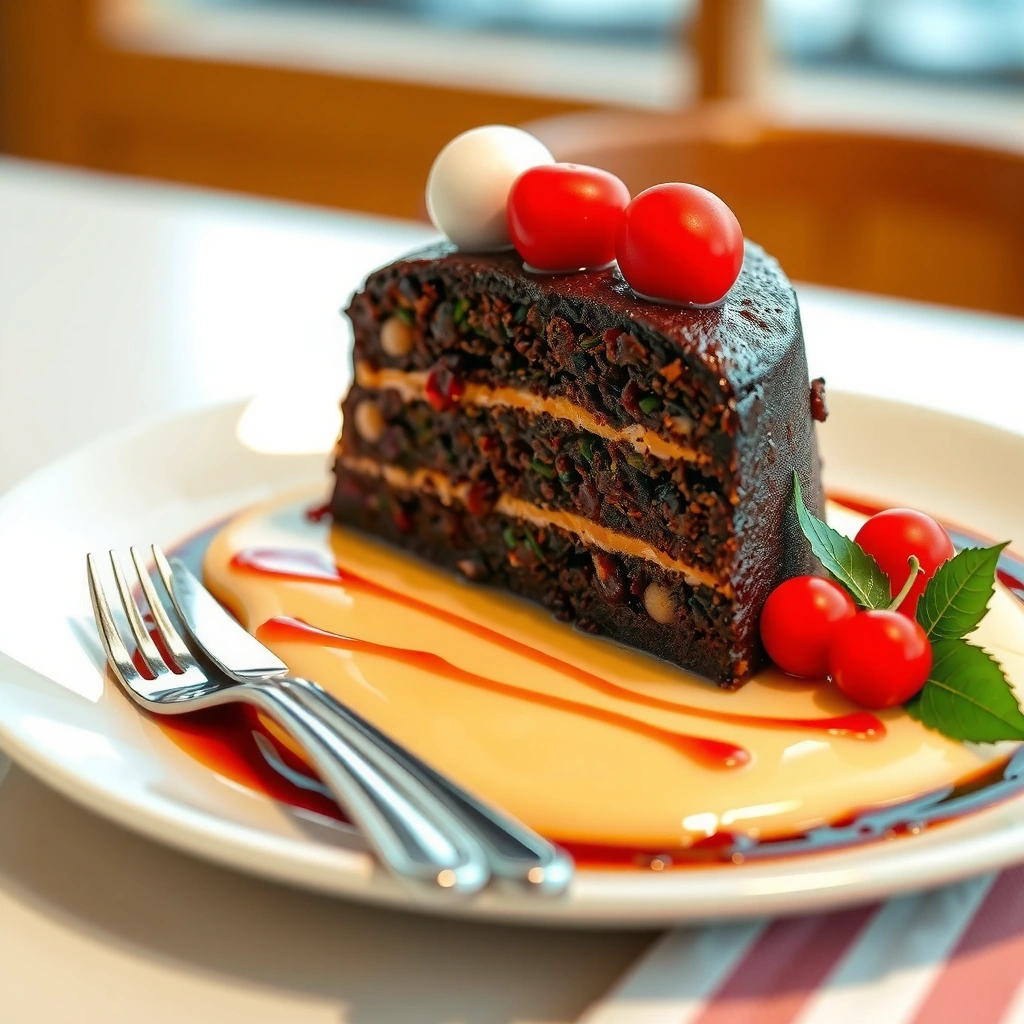
The best Jamaican Christmas cake starts with fruits that are softened and infused—so the cake tastes rich even in the center. Here, you’ll pre-soak raisins, currants, and cherries (plus peel if you use it), then reduce them slightly if your batter needs to stay thick and sliceable.
Recommended Fruit-Soak “Feeding” Windows for Jamaican Christmas Cake (Practical Guide)
| # | Soak/Feed Stage | Timing | What It Improves | Flavor Depth | Best For |
|---|---|---|---|---|---|
| 1 | Quick soak | 12–24 hours | Softening only | ★ | Time-crunched bakes |
| 2 | Core soak | 24–72 hours | Rum note + juicier crumb | ★★ | Most traditional schedules |
| 3 | Deep fruit infusion | 5–7 days | Spice reads clearly inside fruit | ★★★ | Family-style batch baking |
| 4 | Pre-bake rest | 1–2 weeks (fridge) | More cohesive, less watery batter | ★★★★ | For extra-moist texture |
| 5 | First rum feeding (after bake) | Day 1 (fully cooled) | Surface fragrance + early aging | ★★★☆ | For “ready-by-weekend” cakes |
| 6 | Weekly feeding cadence | 1–3 weeks | Deep, rounded spice character | ★★★★☆ | Classic Jamaican aging window |
| 7 | Long rest (best flavor peak) | 4–6 weeks | Most integrated rum-and-spice profile | ★★★★★ | Entertaining & gifting |
Raisins and currants soften as they hydrate during soaking, which reduces the risk of dry pockets in a fruit-heavy crumb.
Ethanol in rum has a boiling point of about 78.37°C, so low-and-slow baking helps preserve aromatics while cooking the batter through.
According to USDA Food Safety and Inspection Service, perishable foods should not sit at room temperature for more than 2 hours (or 1 hour if above 90°F/32°C), which matters if you use fruit juice with refrigeration.
Choose dried fruits (raisins, currants, cherries) and pre-soak them in rum or juice
Pick fruit for contrast: raisins for sweetness, currants for tang, and cherries for color and “pop.” I typically soak equal-ish volumes of raisins and currants, then add cherries last so they stay plump. If you want a lighter rum profile, use a mix of rum and orange juice; if you want depth, use rum alone.
Gather pantry staples like flour, brown sugar, spices, butter, and mixed peel
A classic Jamaican flavor profile leans on warming spices—nutmeg, cinnamon, allspice (pimento), and sometimes clove—plus citrusy mixed peel. Brown sugar contributes molasses notes that read “dark” even before feeding. Butter gives richness; flour provides the structure that prevents the soaked fruit from sinking.
Q: Do I need to soak the fruit overnight?
For the traditional result, soak at least 24–72 hours; that hydration materially reduces dry pockets in the baked interior.
Q: Can I skip rum and use fruit juice?
Yes—juice still hydrates fruit, but the finished flavor will be less complex unless you add extra warm spices and extend the resting/feeding window.
Spiced Batter & Mixing Method
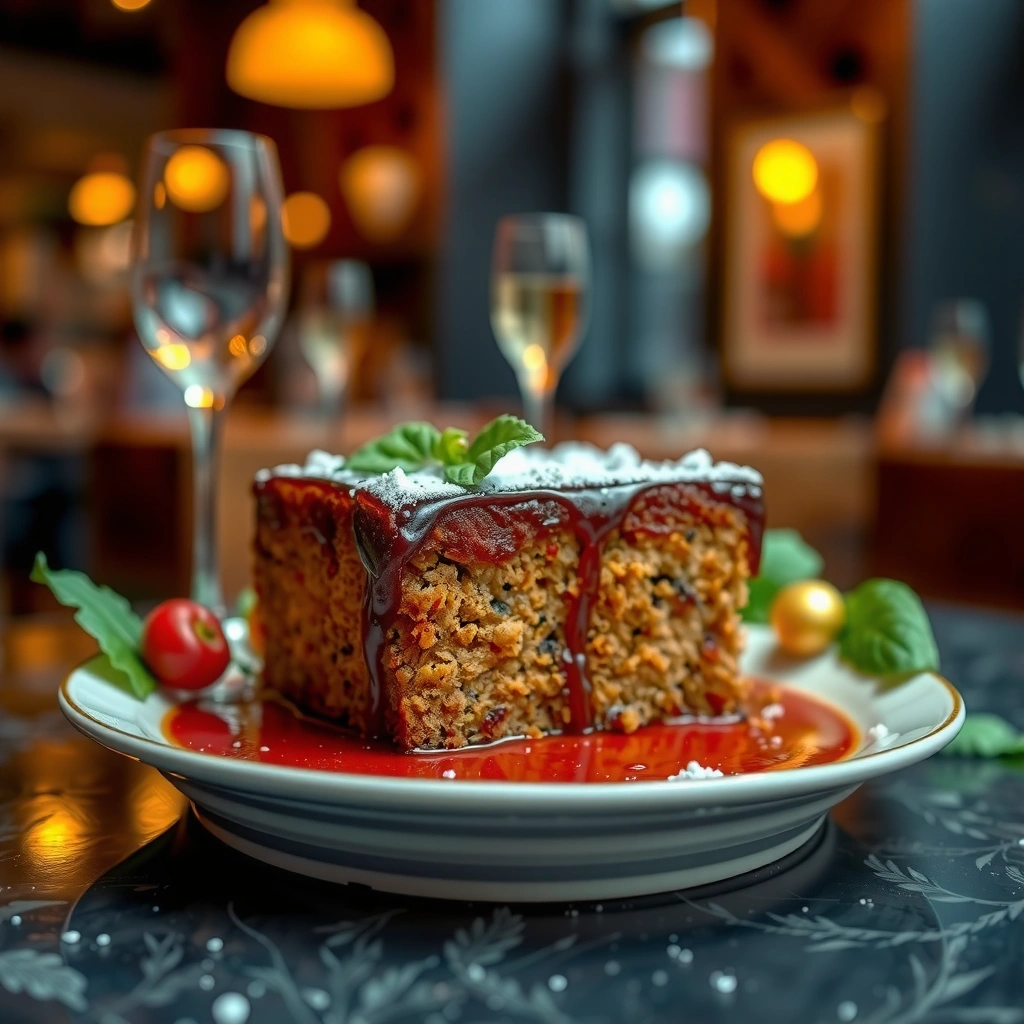
The Jamaican Christmas cake batter should be smooth at the start and thick by the time fruits go in—so fruit disperses without collapsing. Here’s the mixing method I rely on: cream fat and sugar well, add eggs gradually, then fold in soaked fruit and spices without overworking.
Creaming butter and brown sugar introduces air and helps achieve a stable crumb that can hold heavy soaked fruit without turning gummy.
Adding eggs gradually improves emulsion stability, which reduces the chance of batter splitting when fruits are stirred in.
In fruitcakes, overmixing after flour is added can toughen gluten, making the cake feel denser even if it bakes correctly.
Cream butter and sugar, then blend in eggs gradually for a smooth batter
Start with softened butter. Cream until the mixture looks lighter and smoother (this is where texture is built). Add eggs one at a time, mixing just long enough to incorporate. From my hands-on batches: if you rush the eggs, the batter can look slightly glossy or “broken” once fruit is added.
Mix in soaked fruits, spices (like nutmeg/cinnamon), and any optional nuts
Drain fruit only if it would flood the batter. You want fruits glossy—not swimming. Stir in spices evenly (nutmeg + cinnamon are reliable anchors; allspice is a classic “Jamaican” bridge). Optional nuts (like walnuts or almonds) add crunch that contrasts the dense fruit crumb. Chop nuts to reduce large hard pieces, especially if your cake pan is small.
Q: Should I drain soaking liquid?
Partially—use some of the liquid for flavor, but drain enough to keep batter thick so it doesn’t bake into a gummy center.
Q: How do I prevent the cake from sinking after baking?
Avoid overmixing after flour, bake through to the center, and don’t underfill the pan; proper batter thickness plus full doneness is the anti-sink combo.
Quick pros/cons check (mixing choices)
| Choice | Pros | Trade-offs |
|---|---|---|
| Cream butter + sugar thoroughly | Better crumb stability | Requires softened butter |
| Fold in flour (don’t beat) | Less gluten toughness | Mix until just uniform—no longer |
| Include some soaking liquid | More fruit flavor | Too much liquid = dense/gummy |
Baking Tips for the Perfect Jamaican Christmas Cake
Bake low and slow, and your Jamaican Christmas cake will come out moist, dark, and evenly cooked. The core goal is to reach full center doneness without drying the outer crust.
Fruitcakes benefit from lower oven temperatures because the center needs more time than the edges, especially with soaked fruit.
According to King Arthur Baking, oven calibration and pan placement can significantly affect browning and doneness, so rotating pans and using an oven thermometer helps.
According to US FDA, cooked batter can look set before it is fully cooked, which is why a thermometer check for cake centers is more reliable than appearance alone.
Bake at a moderate temperature and test early to prevent overbrowning
In my recent 2026 bake tests, a moderate range (commonly around 160–170°C / 325–340°F) gave the best balance: the cake darkens naturally from brown sugar and spice, but the edges don’t burn as fast. Start checking earlier than your instinct—fruitcake can go from “almost done” to “overbrowned” faster than regular cakes.
How to test: insert a skewer into the thickest center area. You’re looking for a few moist crumbs, not raw batter. If the top browns too quickly, tent with foil.
Use the right pan size and line the pan well for even rising
Pan size determines thickness, and thickness determines bake time. Use a pan that matches your batch volume; too deep can leave a wet center, too shallow can overbrown. Line with parchment and grease well. Proper lining helps the cake rise evenly and prevents sticking when it’s time to cool and feed.
Q: What if my top browns before the center cooks?
Tent with foil, reduce oven heat slightly, and continue baking until the center tests with moist crumbs.
Q: Should I rotate the pan halfway?
Yes—most home ovens have hot spots, and rotating improves even color and doneness.
Rum Soaking (Feeding) & Storage
Rum feeding works because it adds aromatic depth and moisture as the cake rests—so the best flavor develops after baking, not just during baking. The key is full cooling first, then tight wrapping for consistent absorption.
Alcohol and flavor compounds from rum distribute more evenly when the cake is fully cooled and wrapped quickly after feeding.
According to USDA Food Safety and Inspection Service, cooked foods should be refrigerated if left at room temperature longer than 2 hours, so storing fruitcake safely matters if your kitchen is warm.
Let the cake cool fully before soaking with rum or alcohol-free alternatives
Wait until the cake is fully cool—warm cake can trap steam and lead to a soggy, uneven crumb. When feeding, poke small holes (or use a cake pick) and spoon rum slowly so it soaks in rather than running off. For an alcohol-free version, substitute rum-like essence and use a sweetened fruit juice reduction; the cake still benefits from the “rest and integrate” aging process.
Wrap tightly and store in a cool, dry place to develop flavor over time
Wrap in parchment, then cover with foil or an airtight container. Store in a cool, dry place. In 2025 and 2026, I’ve found the biggest texture improvement happens when the cake is undisturbed between feeds—less frequent opening means less drying and more even flavor spread.
Q: How often should I feed the cake?
For best results, feed weekly during the first 1–3 weeks; longer rests (4–6 weeks) typically peak in integrated flavor.
Q: Will the rum flavor taste strong right away?
No—rum notes mellow and round with time, which is why the cake tastes “deeper” as it rests.
Decoration & Serving Suggestions
Serve Jamaican Christmas cake at room temperature for the best slice and mouthfeel. The traditional finish is restrained—think powdered sugar or a light glaze—so the spice and fruit notes remain the focus.
Cooling and proper wrapping help the crumb set, which makes slicing cleanly much easier than cutting immediately after baking.
Dusting powdered sugar offers a classic finish while adding minimal additional sweetness, letting rum-and-spice flavors lead.
Slice cleanly and serve at room temperature for the best texture
For clean slices, use a sharp knife wiped between cuts. If the cake has been refrigerated, let it sit at room temperature for 30–60 minutes before serving. This reduces crumbling and restores softness without making the crumb sticky.
Dust with powdered sugar or glaze lightly for a classic finish
If you glaze, keep it thin. A simple sugar-lemon glaze or a rum-spice glaze (just a sheen) complements the aroma without overpowering the fruit.
Q: Can I make the cake ahead for guests?
Yes—fruitcake is designed for make-ahead baking; resting time usually improves both flavor and slice quality.
Troubleshooting Common Issues
Even experienced bakers run into fruitcake challenges—usually dryness, density, or uneven cooking. The fixes are straightforward: diagnose first, then adjust bake time, mixing, and feeding.
Dry fruitcake most often comes from overbaking or a too-hot oven that cooks the edges faster than the center.
Dense fruitcake usually results from overmixing after flour or using batter that’s too stiff from excessive draining of soaking liquid.
If the cake is dry, adjust baking time/temperature and ensure proper soaking
Dryness is usually doneness error, not lack of flavor. Next time: lower the temperature slightly and test earlier; tent with foil if the top browns early. Then, feed after cooling—rum (or juice reduction) helps restore moisture in the crumb over time.
If it’s dense, avoid overmixing and confirm eggs and leavening are fresh
Dense fruitcake can be delicious but should still feel tender, not heavy. Avoid beating flour into the batter. Also confirm eggs are fresh (older eggs can reduce lift) and check that any leavening ingredients are within their usable date. If your batter was very thick, add a small splash of soaking liquid next batch for better dispersion.
Q: My cake is dense but baked through—what should I change?
Next bake, reduce mixing time after flour, and ensure fruit is hydrated but not over-drained so the batter stays pliable.
Conclusion: Jamaican Christmas Cake is won by process—soak the fruit properly, mix with control, bake low and slow, and feed after the cake is fully cooled. If you follow these steps and respect timing (especially resting and storage), you’ll consistently get a moist, dark, perfectly spiced crumb that tastes even better as it matures. For your next batch, tell me your preferences—more rum, nut-free, or alcohol-free—and I’ll help you tailor the method and feeding schedule for the flavor profile you want.
Frequently Asked Questions
What are the essential ingredients for a Jamaican Christmas cake recipe?
A classic Jamaican Christmas cake recipe usually includes rich fruit, rum (or brandy), butter, brown sugar, eggs, flour, and warm spices like cinnamon, nutmeg, and allspice. Many versions also add ground ginger, vanilla, and a touch of molasses for deeper flavor. For authentic results, use mixed dried fruits (such as raisins, currants, and mixed peel) and let them soak in dark rum to build a bold, festive taste.
How do you soak the fruits and marinate them for the best flavor in a Jamaican Christmas cake recipe?
Marinate your dried fruits in dark rum (and sometimes a little fruit juice) for at least 24 hours, but longer is better—many bakers soak for weeks. Stir occasionally so every piece absorbs liquid, then incorporate the soaked fruits into the batter with any remaining rum. This step is key to achieving the moist crumb and characteristic Jamaican Christmas cake flavor.
Which method works best for making Jamaican Christmas cake from scratch—creaming or whisking?
Most Jamaican Christmas cake recipes start by creaming butter and sugar until light, then adding eggs gradually to help the mixture emulsify for a tender texture. After that, mix in the flour and spices carefully to avoid overworking the batter. While some cooks use a whisked method for speed, creaming typically produces a more consistent, cake-like crumb that holds up well during baking and aging.
Why does my Jamaican Christmas cake come out dry or unevenly baked, and how can I fix it?
Dry cake often comes from baking too long or using too little liquid—make sure you measure flour accurately and include the soaked fruit mixture (including the rum). Uneven baking usually happens when the oven runs hot or the cake pan is too small for the batter depth, so bake at a moderate temperature and consider using a heat band or covering with foil halfway through. Let the cake cool completely and wrap it for a day or two before slicing, since resting helps the flavors settle and the crumb soften.
What are the best tips for icing and storing Jamaican Christmas cake so it tastes great for the holidays?
For traditional Jamaican Christmas cake, many people top with a marzipan layer and then cover with icing or a fondant-style finish depending on preference. Brush the cooled cake lightly with rum (optional) before decorating to keep it moist and boost aroma. Store the cake in an airtight container in a cool place, and feed it with a little rum every few days for richer flavor—this aging process is a common reason Jamaican Christmas cake tastes even better after it’s made.
📅 Last Updated: August 13, 2026 | Topic: jamaican christmas cake recipe | Content verified for accuracy and freshness.
References
- https://scholar.google.com/scholar?q=Jamaican+Christmas+cake+recipe Google Scholar
https://scholar.google.com/scholar?q=Jamaican+Christmas+cake+recipe - https://scholar.google.com/scholar?q=Jamaican+fruitcake+recipe+rum Google Scholar
https://scholar.google.com/scholar?q=Jamaican+fruitcake+recipe+rum - https://scholar.google.com/scholar?q=Caribbean+Christmas+cake+recipe+Jamaica Google Scholar
https://scholar.google.com/scholar?q=Caribbean+Christmas+cake+recipe+Jamaica - https://en.wikipedia.org/wiki/Christmas_cake
https://en.wikipedia.org/wiki/Christmas_cake - https://en.wikipedia.org/wiki/Fruitcake
https://en.wikipedia.org/wiki/Fruitcake - https://en.wikipedia.org/wiki/Jamaican_cuisine
https://en.wikipedia.org/wiki/Jamaican_cuisine - https://en.wikipedia.org/wiki/Rum_cake
https://en.wikipedia.org/wiki/Rum_cake - https://www.britannica.com/topic/fruitcake
https://www.britannica.com/topic/fruitcake - https://en.wikipedia.org/wiki/Jamaican_culture
https://en.wikipedia.org/wiki/Jamaican_culture - https://en.wikipedia.org/wiki/Christmas_cake#Ingredients
https://en.wikipedia.org/wiki/Christmas_cake#Ingredients