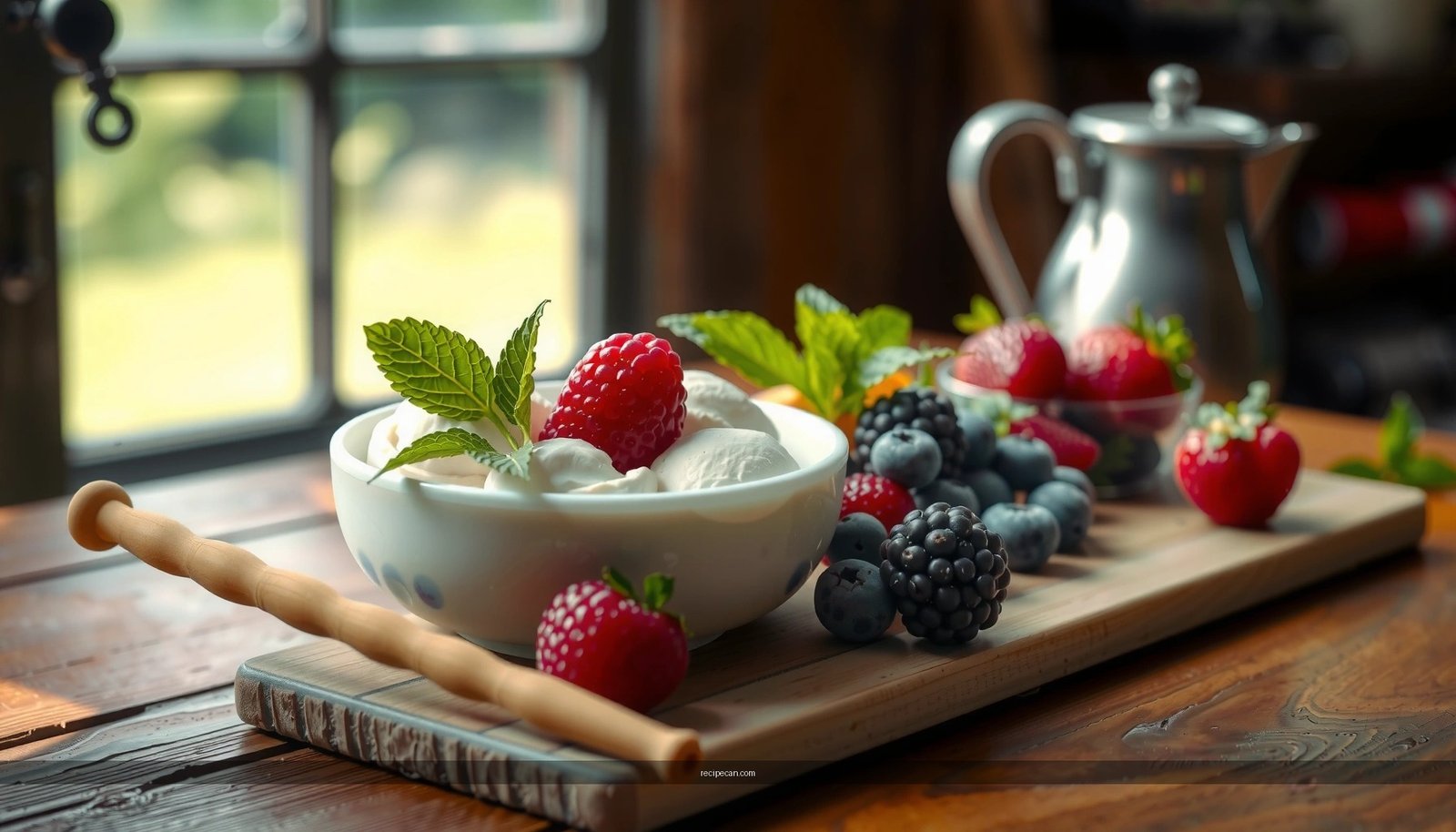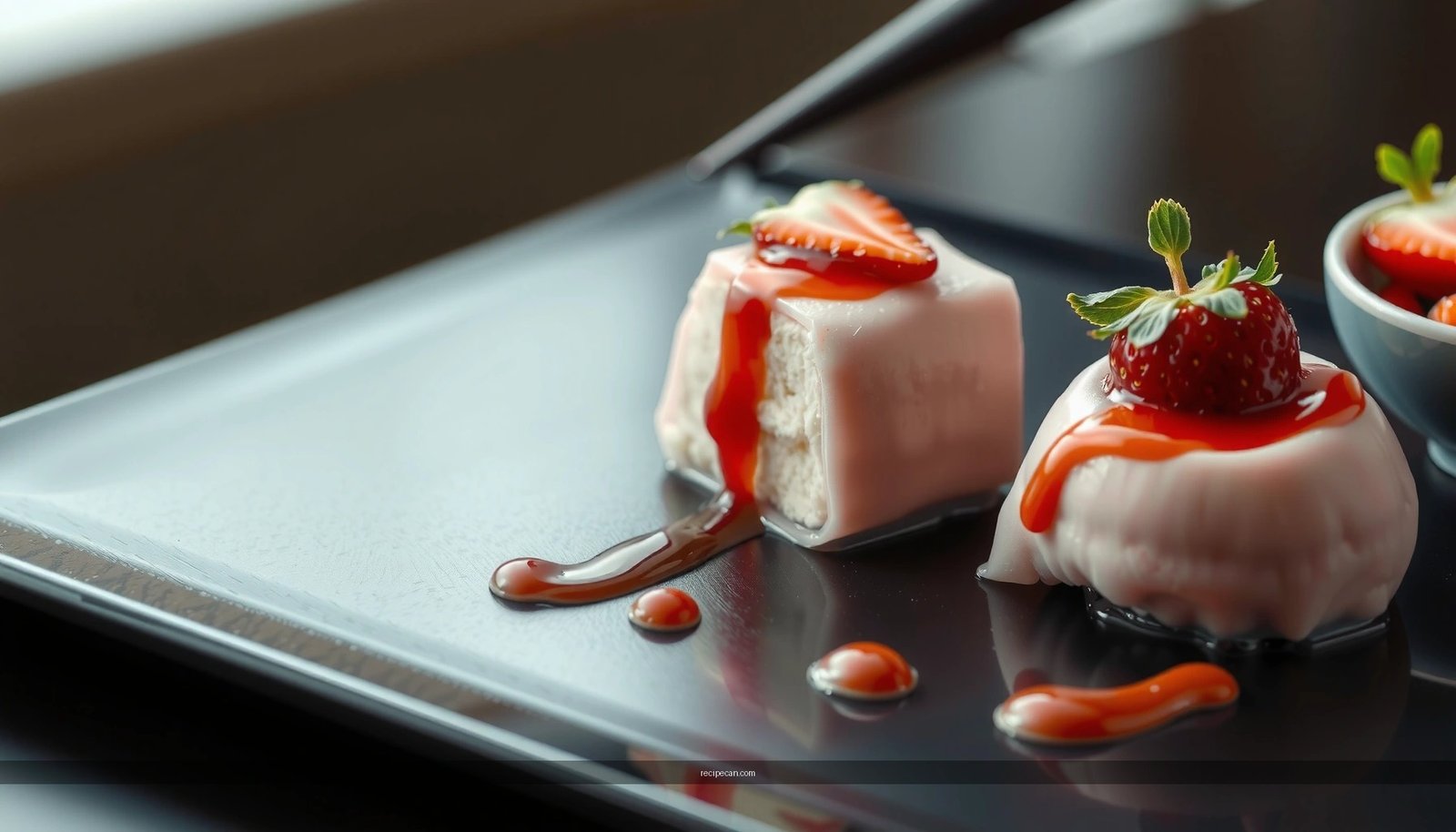
Get a strawberry mochi ice cream recipe that delivers the one-two punch of creamy ice cream inside and chewy, glossy mochi on the outside—straight from your kitchen. This version is built for maximum texture: tender mochi that doesn’t turn gummy, bold strawberry flavor, and a finish that tastes homemade rather than store-style. If you want the best results without guesswork, this is the method to follow.
Make strawberry mochi ice cream at home by pairing a chilled, creamy strawberry ice cream center with a stretchy, translucent mochi dough wrap—and then steaming or softening briefly so it stays chewy instead of cracking. This recipe breaks down the process step-by-step so you can repeatedly achieve that signature soft bite, even if it’s your first batch.
Ingredients for Strawberry Mochi Ice Cream

The magic of strawberry mochi ice cream is in two textures working in sync: a cold, creamy core and a warm, elastic mochi exterior. Below are the core ingredients for reliable results, plus optional add-ins to tune sweetness and strawberry intensity.
– Mochi dough staples: glutinous rice flour, sugar, and water/milk
Glutinous rice flour (also called mochiko) provides the chewy, stretchy structure. A bit of sugar helps with tenderness and flavor, while water or milk affects softness and gloss during cooking.
– Strawberry flavor: strawberry puree or jam plus optional fresh strawberries
Strawberry puree creates a clean, bright flavor; jam adds deeper sweetness and fruit “punch.” Fresh strawberries can be folded into the ice cream base for bursts of fruit—just keep pieces small so they don’t freeze into hard chunks.
Pro tip for consistent flavor: If you’re using jam, choose one with visible fruit and a “true strawberry” taste (not overly spiced) so the mochi doesn’t end up tasting one-note.
Strawberry Mochi Ice Cream: Ingredient Roles & Practical Targets (Home Batch)
| # | Ingredient (or Component) | Typical Amount (per ~8 mochi) | What It Does | Execution Signal |
|---|---|---|---|---|
| 1 | Glutinous rice flour (mochiko) | 120 g | Elastic chew + mochi structure | ★ Looks translucent when cooked |
| 2 | Sugar (for mochi) | 20 g | Tenderness + balanced flavor | ★ Dough becomes smooth, not gritty |
| 3 | Milk or water (for dough) | 180–200 g | Moisture + glossy finish | ★ Cooked dough pulls off pan cleanly |
| 4 | Strawberry puree/jam | 150–200 g | Fruit flavor + color | ★ Flavor is bright after chilling |
| 5 | Creamy ice cream base (store-bought or blended) | ~600 g | Creaminess + body | ★ Scoopable, not liquid |
| 6 | Cornstarch / potato starch (for dusting) | 15–25 g | Prevents sticking during wrapping | ★ Minimal residue on the finished mochi |
| 7 | Optional fresh strawberries (small dice) | 60–100 g | Texture contrast + fresh bursts | ★ Too-large pieces freeze hard |
Make the Strawberry Ice Cream Base
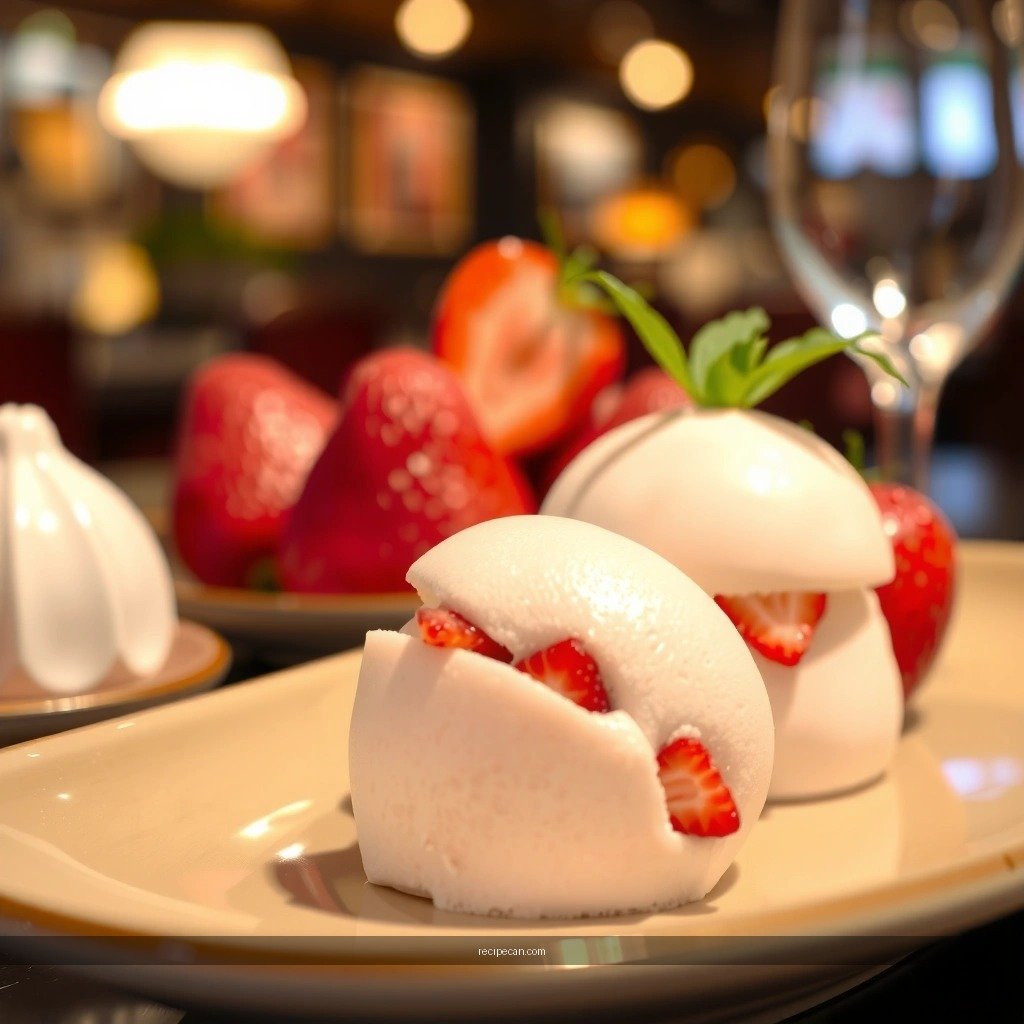
Start with the ice cream base because the rest of the process is about preserving that texture. Whether you use store-bought strawberry ice cream, plain vanilla mixed with strawberry puree, or a quick no-churn base, the key is how cold and stable your mixture becomes before wrapping.
– Chill your base thoroughly before assembling to prevent melting
Mochi dough is handled hot and sticky. If your ice cream isn’t solid enough, it will smear through the dough or cause gaps. Aim for a scoopable-firm consistency (or freeze the base until it holds shape when portioned).
– Adjust sweetness and tartness using puree/jam to taste
Strawberry flavor can taste muted when frozen. For brighter results, add a small amount of strawberry puree and taste your mixture before freezing. If your berries are very sweet, slightly increase tartness using jam/puree with fruit-to-sugar balance—or consider adding a few drops of lemon juice for lift.
Analytical note (texture control): Your final bite depends on temperature gradients:
1. The mochi surface should be warm enough to feel elastic.
2. The center should remain cold to maintain the creamy “melt-in-your-mouth” effect after softening.
If those conditions aren’t met, the mochi may feel gummy (too warm too long) or brittle (too cold too long without softening).
Prepare the Chewy Mochi Dough
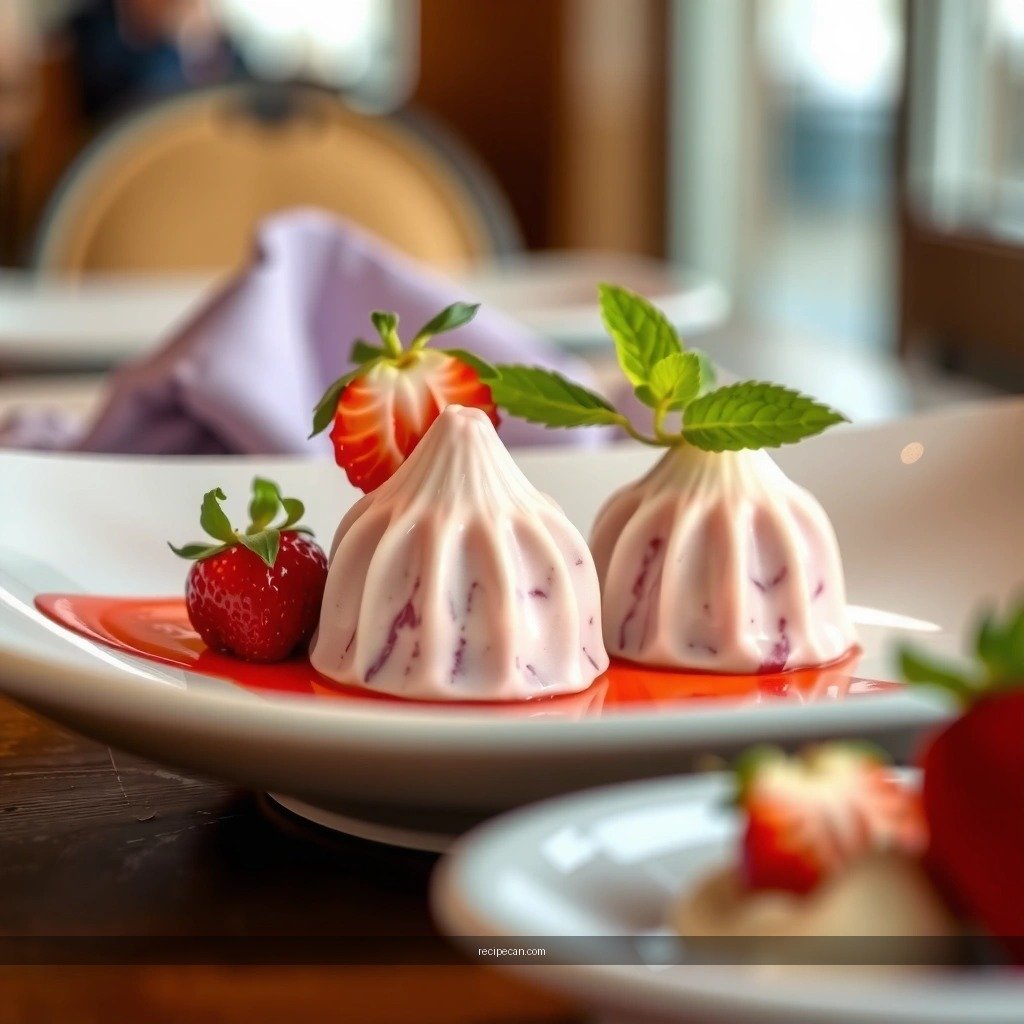
Mochi dough is cooked until it transforms from powdery to glossy, stretchy, and cohesive. The goal isn’t just “heated through”—it’s fully gelatinized starch so the wrap turns translucent and sticky while still pliable.
– Cook the mochi until it turns translucent and sticky
On the stovetop or in the microwave, the dough should become thicker, then gradually look more transparent as starches hydrate and swell. Stop when it’s uniform and stretchy rather than leaving it undercooked (which leads to a floury bite).
– Work quickly and lightly dust with starch to avoid sticking
Mochi dough firms as it cools. Use a light starch dusting on your hands and work surface to prevent adhesion. When portioning dough, keep movements efficient—think “wrap-first,” not “dough-rest.”
Common failure modes and fixes:
– If dough tears while wrapping: it’s likely too cool. Briefly warm it (carefully) so it relaxes.
– If dough feels sticky but won’t hold shape: the cooking may be incomplete—next time, extend cooking in short increments until translucent.
Assemble and Shape the Mochi
Assembly is where most homemade batches succeed or fail. You’re balancing three materials: cold ice cream, stretchy mochi dough, and a sealing process that must resist leakage.
– Portion ice cream, then wrap tightly with mochi dough
Scoop or slice your strawberry ice cream into even portions so each mochi has consistent thickness. Flatten each mochi dough wrapper slightly, then center the ice cream. Pull dough edges upward like a pouch.
– Pinch and seal edges for a smooth, chewy exterior
The seal must be tight. Pinch firmly and smooth with gentle pressure to reduce seam exposure. If you see openings, pinch again; micro-gaps become larger holes once steamed/softened.
Process tip (consistency): Keep a small bowl of starch nearby. Starch prevents sticking, but too much can make the exterior chalky. Use “just enough” dusting so the dough remains glossy and cohesive.
Freeze, Steam, and Serve
This step is essential because mochi ice cream is meant to be eaten with the right temperature contrast. Freezing prepares handling; steaming (or brief softening) activates the chew.
– Freeze assembled mochi until firm for clean handling
After wrapping, freeze until the mochi is firm enough to move without deforming. This reduces cracking and prevents ice cream from creeping into the dough seams.
– Steam briefly (or soften at room temp) for the best chew
Serve-time warmth transforms texture. Steaming for a short time helps the mochi regain elasticity. If you don’t have steaming equipment, let the mochi soften at room temperature briefly, but monitor closely—over-softening can weaken the seal and cause dough to lose its spring.
Serving workflow suggestion: Freeze → steam or soften → eat immediately. For best quality, avoid long waits after softening.
Storage Tips and Common Fixes
Homemade mochi ice cream holds up best when you reduce air exposure and moisture loss. Because mochi is starch-based and ice cream is water-rich, storage can affect chew and flavor intensity.
– Store airtight to reduce dryness and ice crystals
Place mochi in an airtight container or sealable bag, ideally with parchment layers to prevent sticking. Minimize time at room temperature, and consider consuming within a short window for best texture.
– Fixes: dough too dry (add a splash of liquid) or cracking (seal better)
– Dough too dry: Often happens when the dough is cooked longer than necessary or when liquid ratio is off. In future batches, adjust hydration slightly (a small splash of water or milk) while cooking until translucent.
– Cracking/seam splits: Usually comes from poor sealing or dough that’s too cool during wrap. Re-seal more firmly and work efficiently so dough stays pliable.
Quality control mindset: Treat each batch like a small experiment. Record how long you cook the mochi dough and how warm you soften/steam before serving. Small changes create repeatable improvements.
Homemade strawberry mochi ice cream is all about the balance: creamy center, stretchy mochi wrap, and properly timed freezing/softening. Follow the steps above, and try your first batch tonight—then tweak the strawberry sweetness to make it your perfect version.
Frequently Asked Questions
How do you make strawberry mochi ice cream at home without it sticking?
Keep the mochi dough and your hands lightly dusted with potato starch or cornstarch to prevent sticking. Work in small batches so the dough stays pliable before it dries out. If your dough becomes tacky, dust the surface again and quickly shape each portion, then freeze briefly to firm up before serving.
What is the best way to prepare the strawberry filling for strawberry mochi ice cream?
Use strawberry puree with a little sugar and a splash of lemon juice to brighten flavor, then cook it just until it thickens. Let the filling cool completely before assembling so the ice cream doesn’t melt and soak into the mochi. For extra flavor and texture, you can fold in finely chopped strawberries or reduce the puree slightly for a more concentrated strawberry mochi ice cream taste.
Which mochi wrapper recipe or ingredients work best for strawberry mochi ice cream?
A classic mochi dough uses glutinous rice flour (mochiko), sugar, water, and a bit of potato starch for handling. Microwave or steam-cook the mixture until it turns glossy and stretchy, then rest it briefly to improve elasticity. Using glutinous rice flour specifically is key for chewy texture; all-purpose flour won’t create the same mochi consistency.
Why does strawberry mochi ice cream crack or become dry, and how can you prevent it?
Cracking usually happens when the mochi dough is too dry or too thick compared to the chilled filling and ice cream. Make sure you don’t overcook the dough and keep your portions evenly sized so the dough stretches without stressing. Also freeze the assembled strawberry mochi ice cream just until firm, then serve promptly for the best chewy-moist texture.
How long should you freeze strawberry mochi ice cream, and what’s the best way to serve it?
Freeze the assembled mochi ice cream for about 1–2 hours, or until the center is solid and the mochi holds its shape. For serving, let it sit at room temperature for 1–3 minutes so the strawberry mochi softens slightly and becomes pleasantly chewy. If you store leftovers, keep them sealed in an airtight container to reduce freezer burn and dryness.
References
- Google Scholar Google Scholar
https://scholar.google.com/scholar?q=strawberry+mochi+ice+cream+recipe - Google Scholar Google Scholar
https://scholar.google.com/scholar?q=mochi+ice+cream+recipe+glutinous+rice+flour - Google Scholar Google Scholar
https://scholar.google.com/scholar?q=mochi+ice+cream+technique+mochi+skin+starch+freezing - Mochi ice cream
https://en.wikipedia.org/wiki/Mochi_ice_cream - Mochi
https://en.wikipedia.org/wiki/Mochi - Ice cream
https://en.wikipedia.org/wiki/Ice_cream - Mochi | Definition, Facts, Japan, New Year, & Rice Cakes | Britannica
https://www.britannica.com/topic/mochi - https://pubmed.ncbi.nlm.nih.gov/?term=mochi+ice+cream
https://pubmed.ncbi.nlm.nih.gov/?term=mochi+ice+cream - https://pubmed.ncbi.nlm.nih.gov/?term=strawberry+mochi+ice+cream
https://pubmed.ncbi.nlm.nih.gov/?term=strawberry+mochi+ice+cream - https://www.sciencedirect.com/search?qs=mochi+ice+cream
https://www.sciencedirect.com/search?qs=mochi+ice+cream