Get the best Cuisinart vanilla ice cream recipe with vanilla bean—built for a rich, real-vanilla flavor and a smooth churn you can taste right away. This recipe answers the exact question of whether Cuisinart performs best with actual vanilla bean instead of vanilla extract, and it delivers the version that’s unmistakably more aromatic and dessert-worthy. Follow the steps and you’ll get a classic scoop with the silky texture this machine is made for.
Make Cuisinart vanilla ice cream with a real vanilla bean by first cooking a custard base to capture smooth, classic flavor, then churning until thick and creamy before freezing to firm. If you follow the custard-thickening, full-chill, and “soft-serve” stop point closely, you’ll get a scoopable vanilla ice cream with a noticeably richer vanilla character.
Gather Ingredients for Cuisinart Vanilla Ice Cream
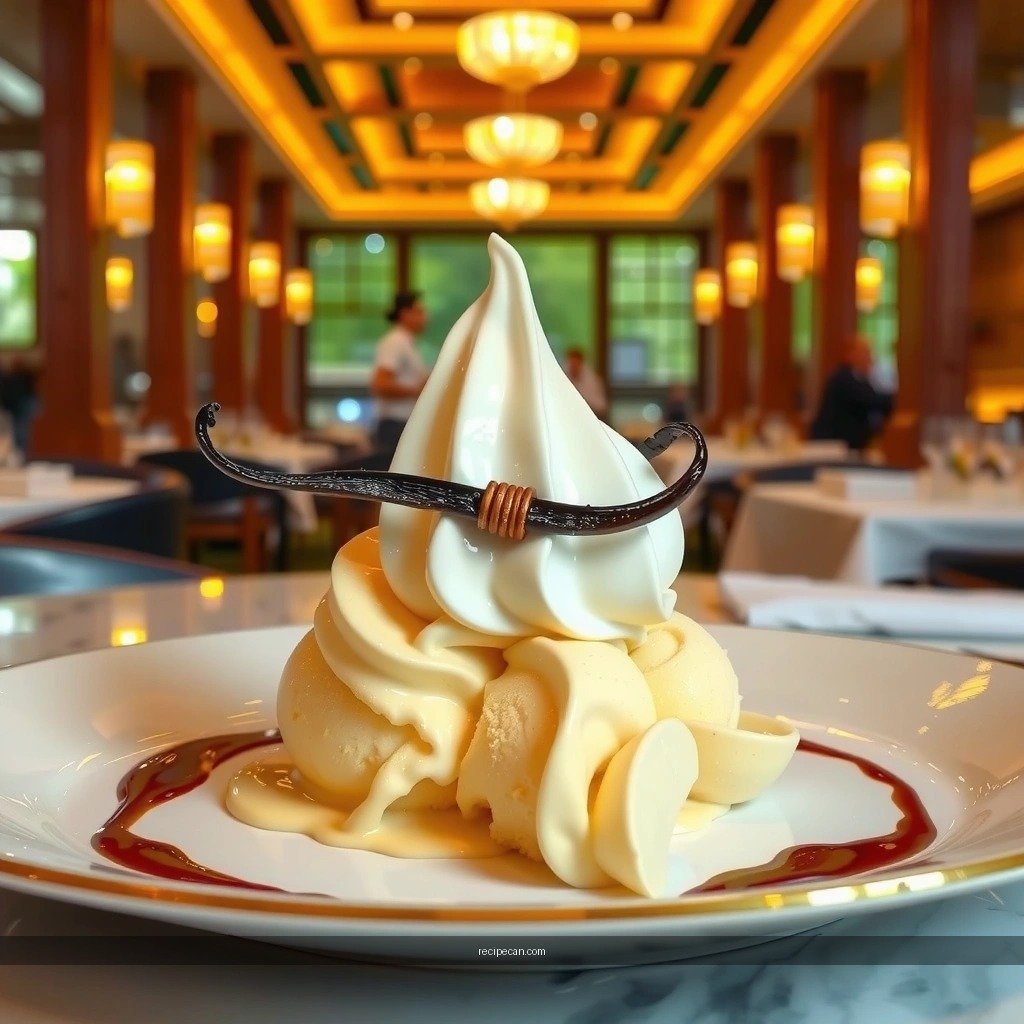
To get the best results in a Cuisinart ice cream maker, you’re building a custard—because eggs help stabilize the ice crystals and deliver that “old-fashioned” scoopability. This also means your ingredients should be measured precisely and handled with care.
Core ingredients (rich custard base):
– Heavy cream (for body and a creamy mouthfeel)
– Whole milk (to balance richness and keep the base pourable)
– Granulated sugar (sweetness plus custard structure)
– Egg yolks (thickening/stabilizing agents for a smooth texture)
Vanilla flavor (real vanilla bean):
– Vanilla bean (best choice for bold, classic flavor)
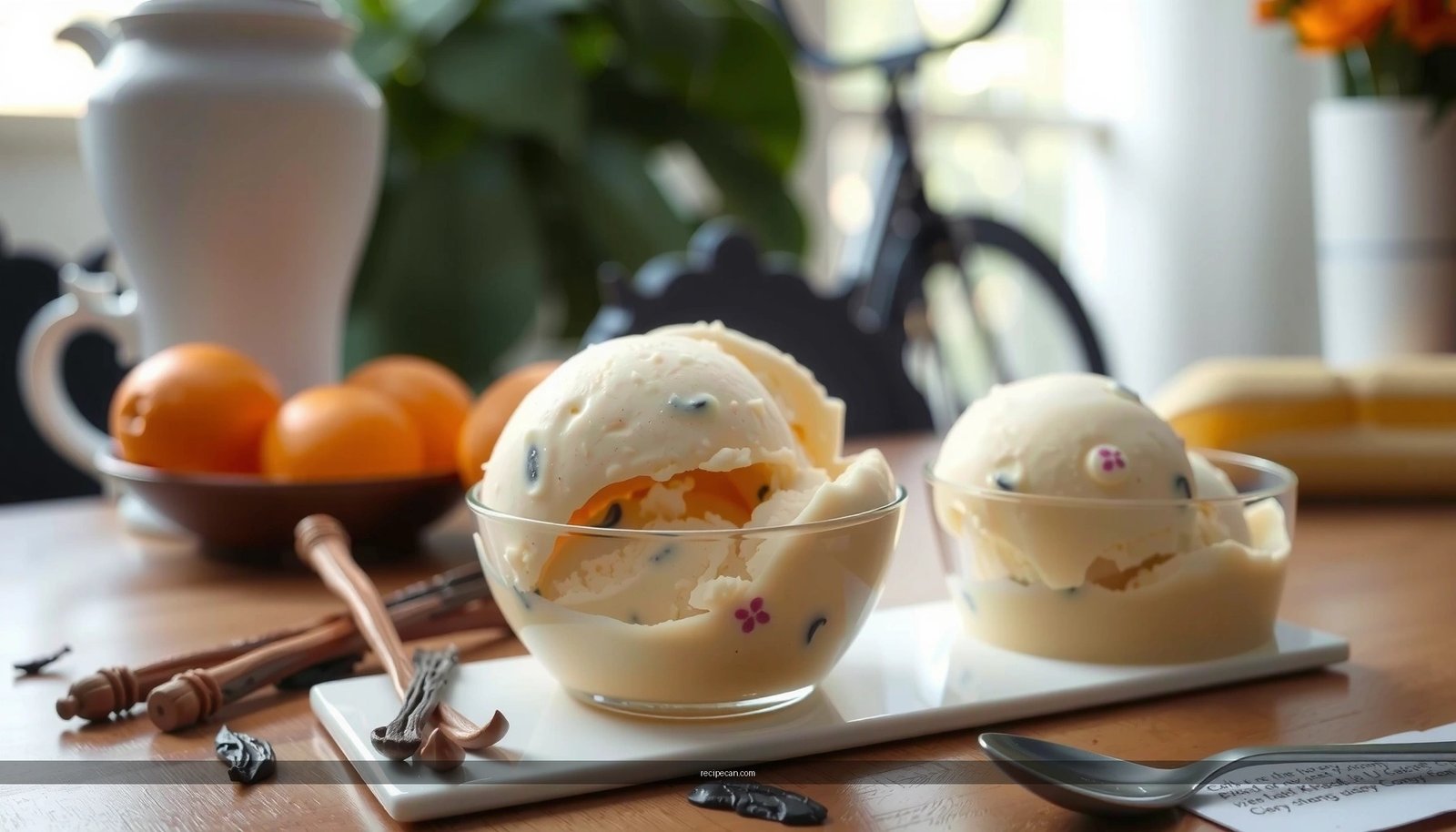
– Use the seeds scraped from the bean; they disperse throughout the custard and create tiny specks for a true gourmet look.
– Alternative: vanilla bean paste
– Paste is convenient and delivers strong flavor consistency even when beans vary in strength.
Ingredient guidance for consistency
– If you like a richer “sundae-ready” ice cream, keep the dairy ratio heavy-leaning (cream-heavy).
– If you want a slightly lighter product, you can lean more on milk—but expect a softer texture and a less custard-driven body.
– For pure vanilla character, use only vanilla (no vanilla “extract heavy” approach). In this recipe style, vanilla extract can be an add-in, but the bean/paste should do the heavy lifting.
Vanilla ingredient choice quick reference (how prep and payoff compare)
Vanilla Source Options for Cuisinart Vanilla Ice Cream
| # | Vanilla Source | Flavor Intensity | Texture/Stability Help | Prep Effort (min) |
|---|---|---|---|---|
| 1 | Whole vanilla bean (seeds) | ★★★★★ | Excellent (custard base + true bean) | 3 |
| 2 | Vanilla bean seeds + bean pod (steep) | ★★★★★ | Excellent (more aroma from pod) | 6 |
| 3 | Vanilla bean paste | ★★★★☆ | Very good (strong flavor distribution) | 2 |
| 4 | Vanilla extract (good-quality) | ★★★☆☆ | Good (adds aroma, less complexity) | 1 |
| 5 | Vanilla powder | ★★★☆☆ | Moderate (can mute if overheated) | 8 |
| 6 | Vanilla sugar (baking blend) | ★★☆☆☆ | Low (flavor diluted by sugar) | 10 |
| 7 | Imitation vanilla | ★☆☆☆☆ | Limited (least custard compatibility) | 12 |
Prepare the Vanilla Bean Custard Base
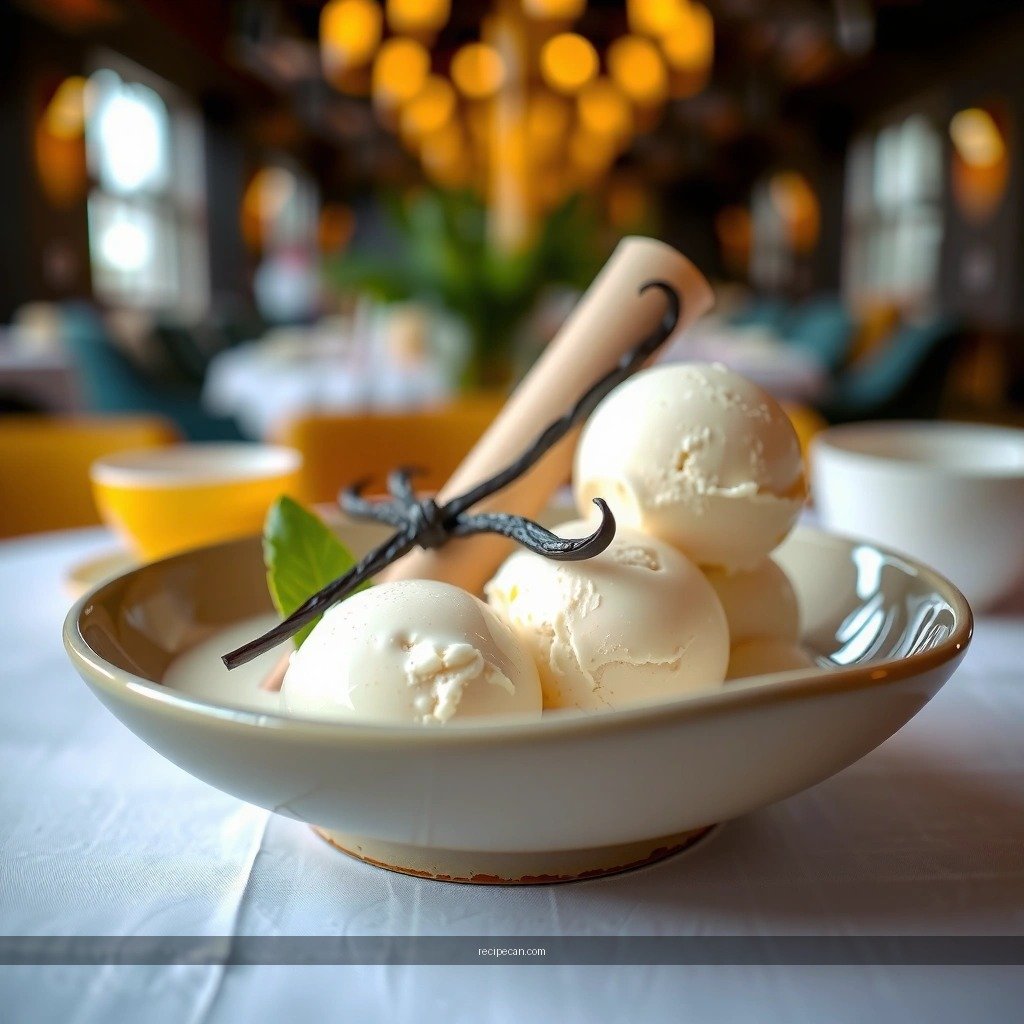
The custard step is where “restaurant-style” smoothness is won or lost. Gently heat the dairy, whisk the yolks properly, and thicken without scrambling.
Step-by-step approach:
1. Warm cream and milk with sugar
– Heat until the mixture is steamy and sugar is dissolved—do not boil.
2. Scrape and infuse the vanilla bean
– Add seeds directly into the warm dairy. If you’re using the pod as well, steep it for extra aroma, then remove.
3. Temper the egg yolks
– Whisk yolks in a bowl. Slowly drizzle in hot dairy while whisking continuously. This equalizes temperature and prevents curdling.
4. Cook until custard coats a spoon
– Return to the pot and stir constantly over medium-low heat until it thickens. You’re looking for a texture like:
– A coating on the back of a spoon
– A clear line when you run a finger through it
How to judge doneness precisely
– Visual cue: Custard should look slightly thicker and glossy, not foamy.
– Temperature cue (optional but reliable): Aim roughly around 170–175°F / 77–80°C. Past that range, yolks become more likely to scramble and graininess can form.
– Strain for maximum smoothness (recommended): Even with careful technique, straining removes any potential tiny bits for a cleaner churn.
Why this matters in a Cuisinart setup
Custards churn better when:
– Fat is fully melted and evenly distributed
– Sugar is dissolved
– Egg proteins are properly set (but not overcooked)
Chill the Mixture Before Churning
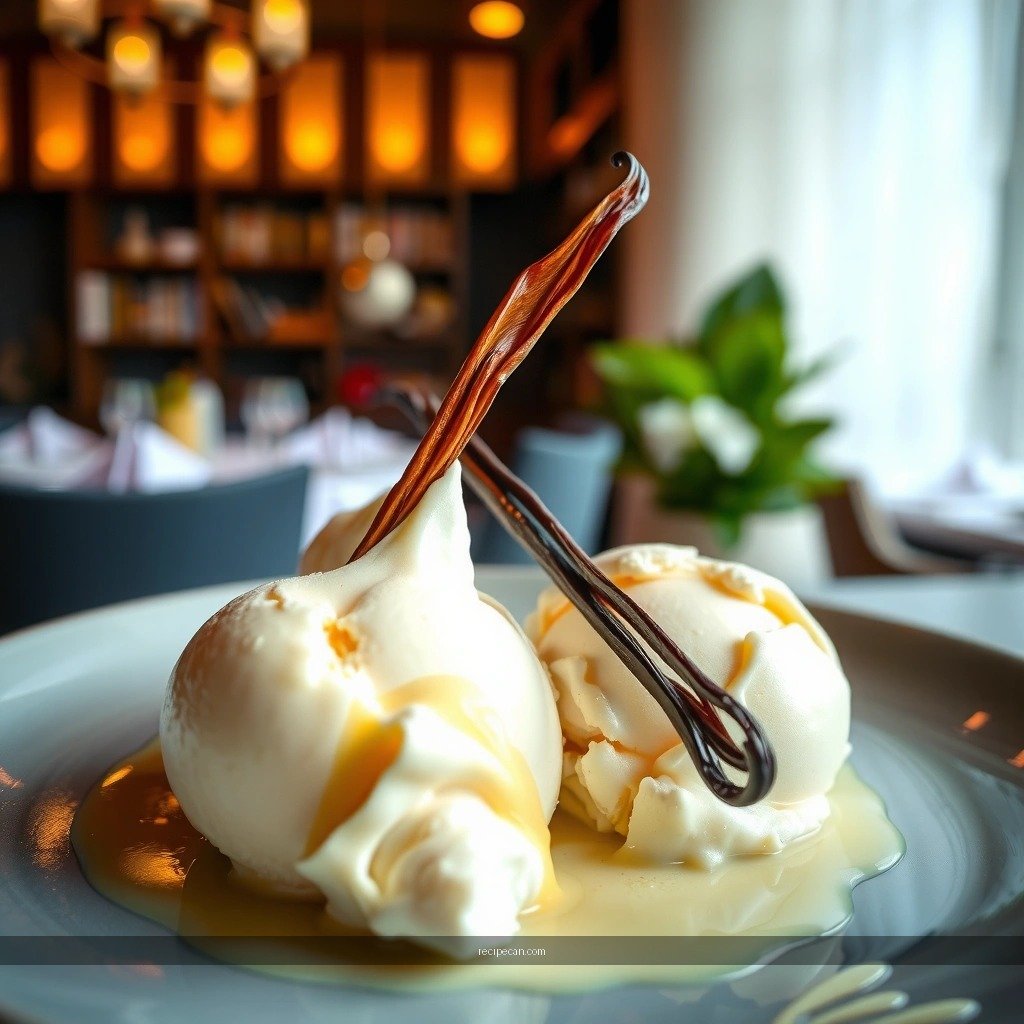
Chilling is not “optional waiting”—it’s the texture control phase. Churn your base cold so the ice cream freezes evenly and produces smaller crystals.
What to do:
– Refrigerate the custard until fully cold (typically several hours, ideally overnight).
– Cover the surface to prevent a skin from forming.
Storage and skin prevention
– Place plastic wrap directly on the custard surface (touching it). This improves consistency and eliminates top film that can later blend into the churn.
Consistency goals before churning
– The base should be thick enough to pour smoothly, but cold and uniform.
– If you churn warm custard, you risk:
– Larger ice crystals
– A softer, icier final texture
– Uneven freezing in the Cuisinart bowl
Churn in Your Cuisinart Ice Cream Maker
Once the custard is chilled, you’re ready for the transformation—air incorporation and fast freezing into a creamy texture.
General workflow (follow your specific Cuisinart model timing):
1. Confirm your chilled freezer bowl is fully prepared (many Cuisinart units require pre-freezing).
2. Pour the custard into the bowl carefully.
3. Churn until it reaches soft-serve thickness.
Stop at “soft-serve,” not “hard”
A common mistake is waiting too long. When you over-churn:
– The mixture can become grainier
– The structure may be harder to scoop after freezing
– Flavor can feel muted as air cells shrink
Practical stop-point signals
– The mixture should look like thick soft serve—able to hold shape but not fully firm.
– Spoon it: it should be creamy and dense, not runny.
Freeze for Scoopable Vanilla Ice Cream
Churning creates the ice cream’s foundation; freezing sets the final texture.
Do this:
– Transfer to an airtight container.
– Freeze until firm (often 2–4 hours for “ready to scoop,” longer for best structure).
– For easier portioning, let it sit at room temperature a few minutes before scooping.
Prevent freezer issues
To reduce:
– Ice crystals (from air exposure)
– Odors pickup (from the freezer)
Use airtight storage and press parchment or plastic wrap against the surface if your container isn’t fully sealing.
Tips for Best Texture and Flavor
Small refinements make a big difference—especially for vanilla bean ice cream where flavor clarity matters.
– Use fresh vanilla bean seeds
Stale beans can taste flat or slightly woody. Fresh seeds provide bright, classic vanilla notes.
– Avoid boiling aggressively
High heat increases the chance of cooked egg bits. Gentle heating preserves smoothness.
– Strain the custard if desired
This is the fastest route to a polished texture, particularly if you’re tempering carefully but want maximum assurance.
– Balance sweetness to your preference
If you like a more traditional vanilla flavor (less “dessert-sweet”), keep sugar measured and don’t improvise. Vanilla should taste like vanilla, not like sugar plus extract.
– Consider a flavor-enhancing add-in (optional)
A tiny amount of vanilla extract can boost aroma, but with a real vanilla bean you may not need it. If you do use extract, add it after heating off the stove to preserve volatile aromatics.
Conclusion
Making Cuisinart vanilla ice cream with vanilla bean comes down to four disciplined steps: build a properly thickened custard, chill it thoroughly, churn only to soft-serve thickness, and then freeze until firm. When you combine accurate measurements with gentle cooking and a cold base, you get a smooth, classic, bold vanilla profile—exactly the scoopable result you’re aiming for.
Frequently Asked Questions
What is the best Cuisinart vanilla ice cream recipe with vanilla bean?
The best Cuisinart vanilla ice cream recipe with vanilla bean typically uses a custard base made from milk, cream, egg yolks, sugar, and scraped vanilla bean seeds. The vanilla flavor is strongest when you simmer the dairy with the vanilla bean pod (not just the seeds), then strain it before churning. This method delivers a rich, classic vanilla bean ice cream texture and flavor.
How do I make Cuisinart vanilla bean ice cream without curdling the custard?
To prevent curdling, cook the egg yolk mixture on medium-low heat and stir constantly with a spatula until it thickens to a custard consistency. Avoid boiling—if you see bubbles breaking the surface, lower the heat immediately. Once thickened, strain the custard and chill it completely before churning in your Cuisinart ice cream maker.
Why does my vanilla bean ice cream taste weak even when I use vanilla bean?
Weak flavor usually comes from not using enough vanilla, not steeping the vanilla bean in the dairy long enough, or skipping the simmer with the pod. Vanilla bean intensity also depends on freshness—old pods lose aroma over time. For stronger Cuisinart vanilla ice cream, scrape the seeds thoroughly, simmer the pod with the milk/cream, and use a fully chilled base before churning.
Which Cuisinart ice cream maker settings and timing work best for vanilla bean ice cream?
Most Cuisinart models require pre-chilling the base and then churning until it reaches a soft-serve stage (often around 20–30 minutes depending on your unit). Use the manufacturer’s “mixing/churning” time guidance, but rely on texture—your vanilla bean ice cream should be thick and creamy, not runny. For best results, freeze it 2–4 hours after churning to firm up.
How can I improve the texture of homemade vanilla bean ice cream from Cuisinart?
Texture improves when your custard is fully chilled (usually at least 4 hours, or overnight) and when you churn consistently without interrupting the process. A small amount of egg yolk helps create a smoother, scoopable custard-style ice cream, while proper chilling reduces ice crystals. After churning, transfer to a container, press parchment or plastic wrap directly on the surface, and freeze until firm for the classic “store-style” finish.
References
- Google Scholar Google Scholar
https://scholar.google.com/scholar?q=cuisinart+vanilla+ice+cream+recipe+vanilla+bean - Google Scholar Google Scholar
https://scholar.google.com/scholar?q=vanilla+bean+ice+cream+custard+emulsion+vanillin - Google Scholar Google Scholar
https://scholar.google.com/scholar?q=ice+cream+stabilizers+milk+fat+protein+vanilla+flavor+study - https://pubmed.ncbi.nlm.nih.gov/?term=vanilla+bean+vanillin+ice+cream
https://pubmed.ncbi.nlm.nih.gov/?term=vanilla+bean+vanillin+ice+cream - Vanilla
https://en.wikipedia.org/wiki/Vanilla - Ice cream
https://en.wikipedia.org/wiki/Ice_cream - Vanillin
https://en.wikipedia.org/wiki/Vanillin - Custard
https://en.wikipedia.org/wiki/Custard - Vanilla | Taxonomy, Physical Description, Processing, Uses, & Facts | Britannica
https://www.britannica.com/plant/vanilla - Ice cream | Definition, History, & Production | Britannica
https://www.britannica.com/topic/ice-cream