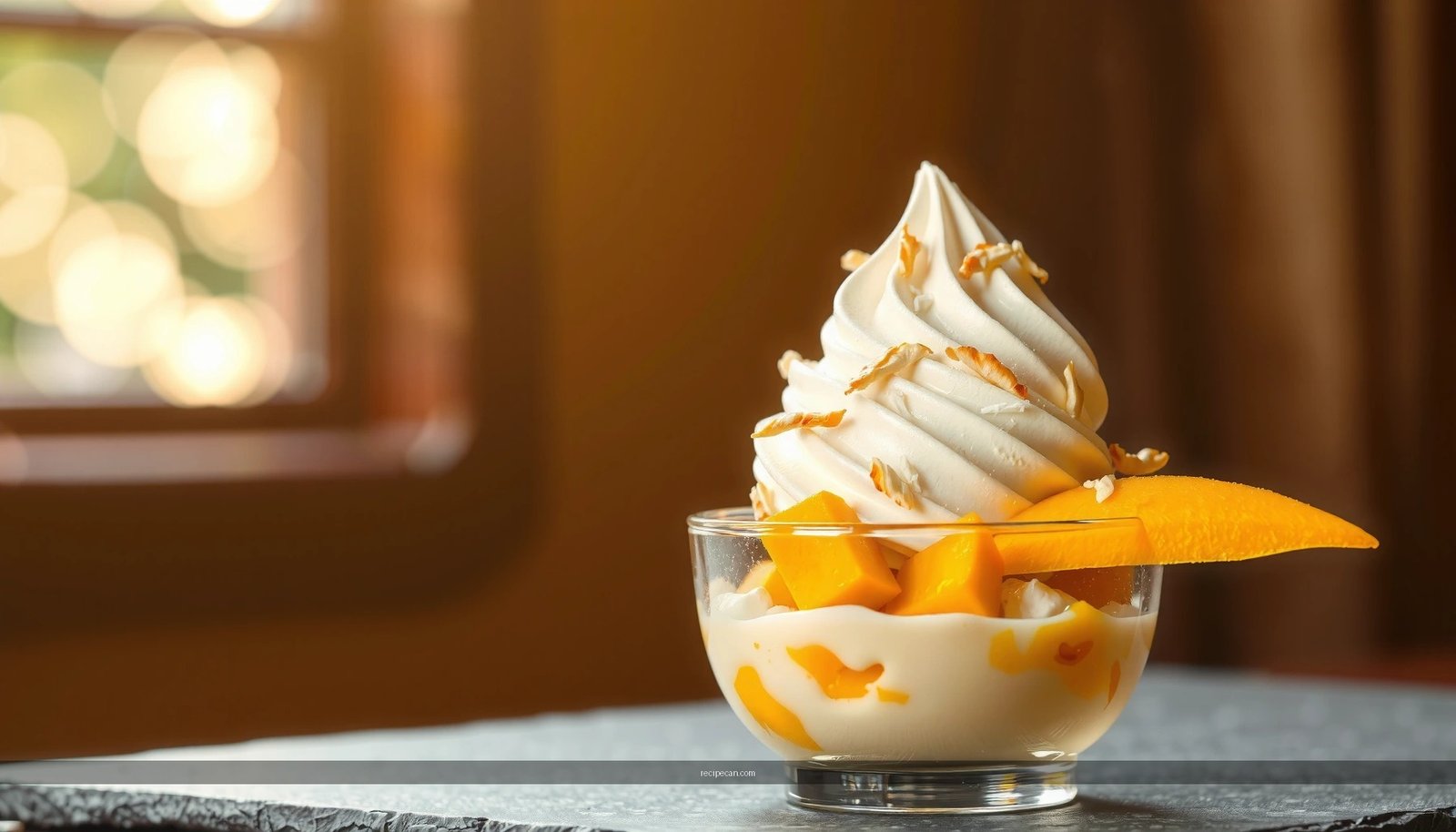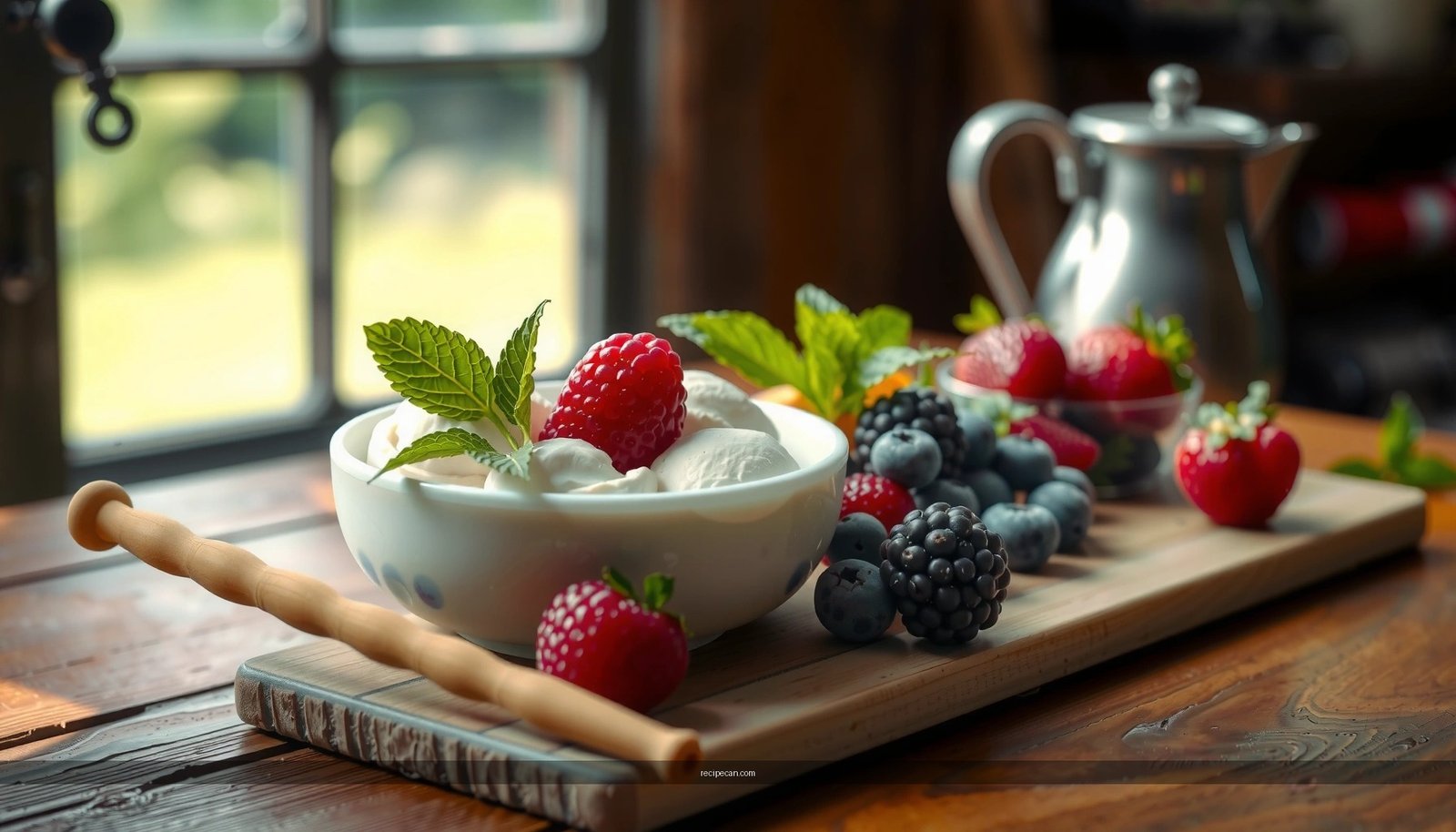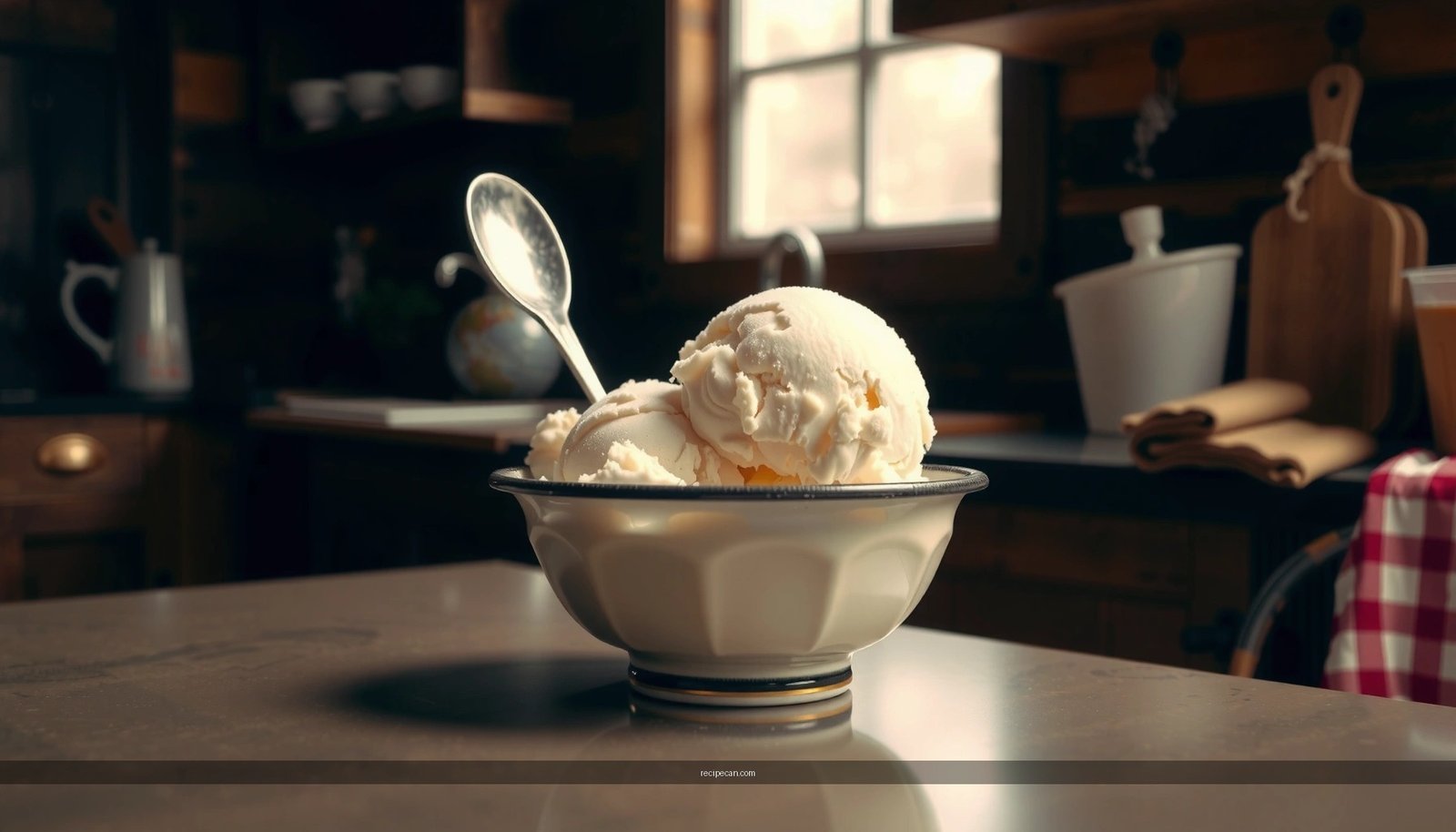
This white mountain ice cream recipe delivers the most creamy, old-fashioned churned texture you’re after—without shortcuts or confusing substitutions. You’ll get a straightforward step-by-step method that results in a smooth, classic flavor whether you’re making it for family or to impress guests. If you want the clear, most dependable way to get real White Mountain-style ice cream at home, this is the one to follow.
This White Mountain ice cream recipe delivers a classic, churn-style custard with a rich, scoopable texture—because you’ll build a properly tempered base, churn to soft-serve consistency, and freeze it correctly. Below, you’ll follow straightforward, old-fashioned steps with the key technical details (temperature, churning, and freezing) that make the difference between “good” and truly smooth homemade ice cream.
Gather Ingredients for White Mountain Ice Cream
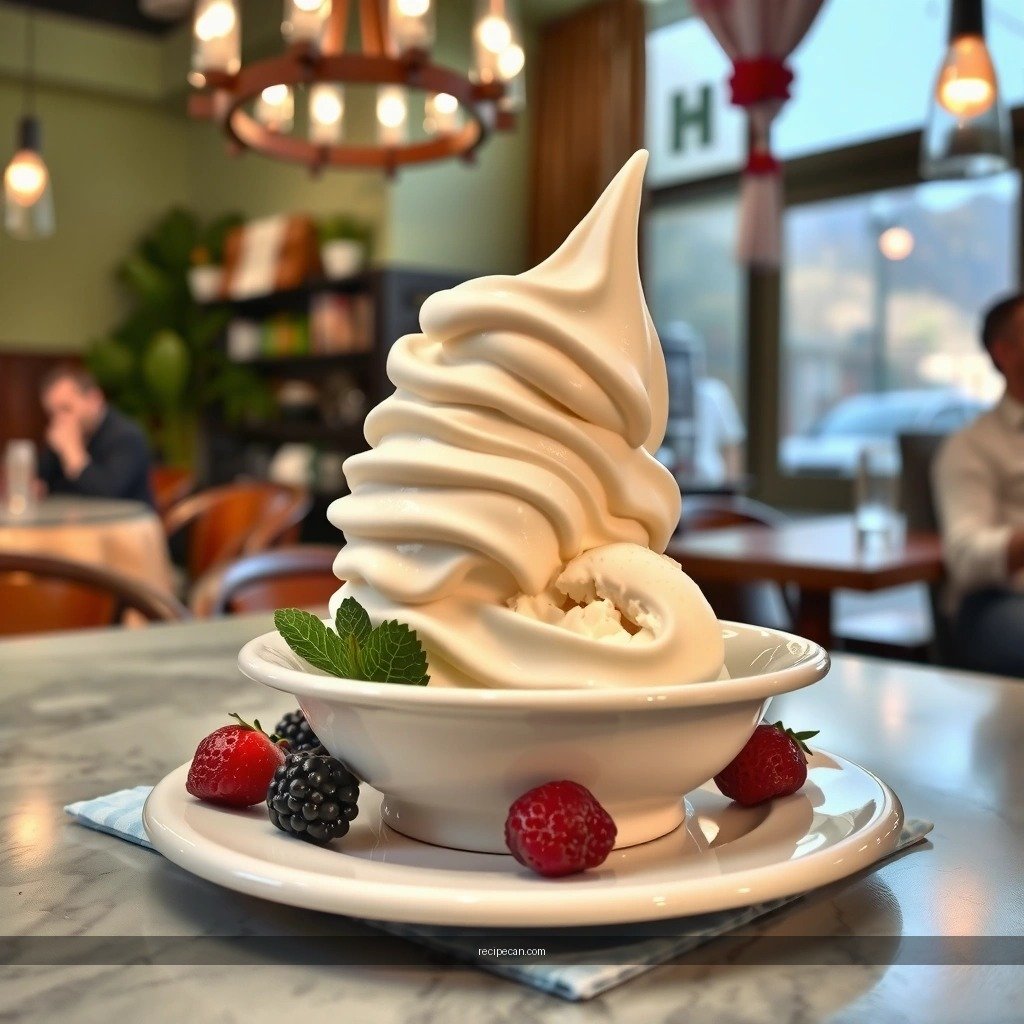
A traditional White Mountain–style churned ice cream typically starts with dairy (cream for richness, milk for body) and—depending on the version—an egg-based custard for stability. The goal is to create a base that will emulsify well in the churn and hold up during freezing without turning icy.
Use the right dairy base (cream and milk) for a rich flavor
– Heavy cream (or whipping cream): Adds fat, which slows ice crystal growth and improves mouthfeel.
– Whole milk: Balances richness and helps the custard cook smoothly without becoming overly heavy.
A practical benchmark for “classic” results is about 2 parts cream to 1 part milk, though exact ratios vary by household recipe and churn size.
Add sugar and eggs (if your version uses them) to build a custard
If you’re aiming for the most old-fashioned “New England parlor” style, an egg custard is the most consistent path to creamy texture.
– Egg yolks provide emulsification and natural thickening.
– Granulated sugar not only sweetens but also helps prevent ice crystals from forming too large.
Keep vanilla and any optional flavorings ready before you start
– Vanilla extract: Stir in at the end of cooking to preserve aroma.
– Optional add-ins often used in classic American ice cream include toasted nuts, berry preserves, cocoa powder, or rum flavoring. If you add fruit, consider straining for less iceiness, since excess water can disrupt texture.
To help you plan purchases efficiently, here’s a data-oriented quick reference for common custard and churn outcomes (using typical ingredient behavior for churned ice cream):
What Ingredients Influence Texture the Most (Custard-Style Ice Cream)
| # | Ingredient Factor | Key Role | Expected Impact | Practical Effect on Texture |
|---|---|---|---|---|
| 1 | Cream (fat content) | Fat for emulsification | High | ★ Smoothness + slower iciness |
| 2 | Whole milk (protein + water) | Body and balance | Medium | ★ Better scoop structure |
| 3 | Egg yolks (custard base) | Emulsion + thickening | High | ★ Creamier mouthfeel, fewer grainy bits |
| 4 | Granulated sugar | Sweetness + ice control | High | ★ Softer freeze, smoother scoop |
| 5 | Vanilla (added at end) | Aroma preservation | Medium | ★ Cleaner “old-fashioned” flavor |
| 6 | Cooking temperature control | Prevents curdling | High | ★★ Risk of scrambled egg texture |
| 7 | Chill time before churning | Improves ice crystal size | Very High | ★★ If rushed: icier, looser texture |
Make the Custard Base
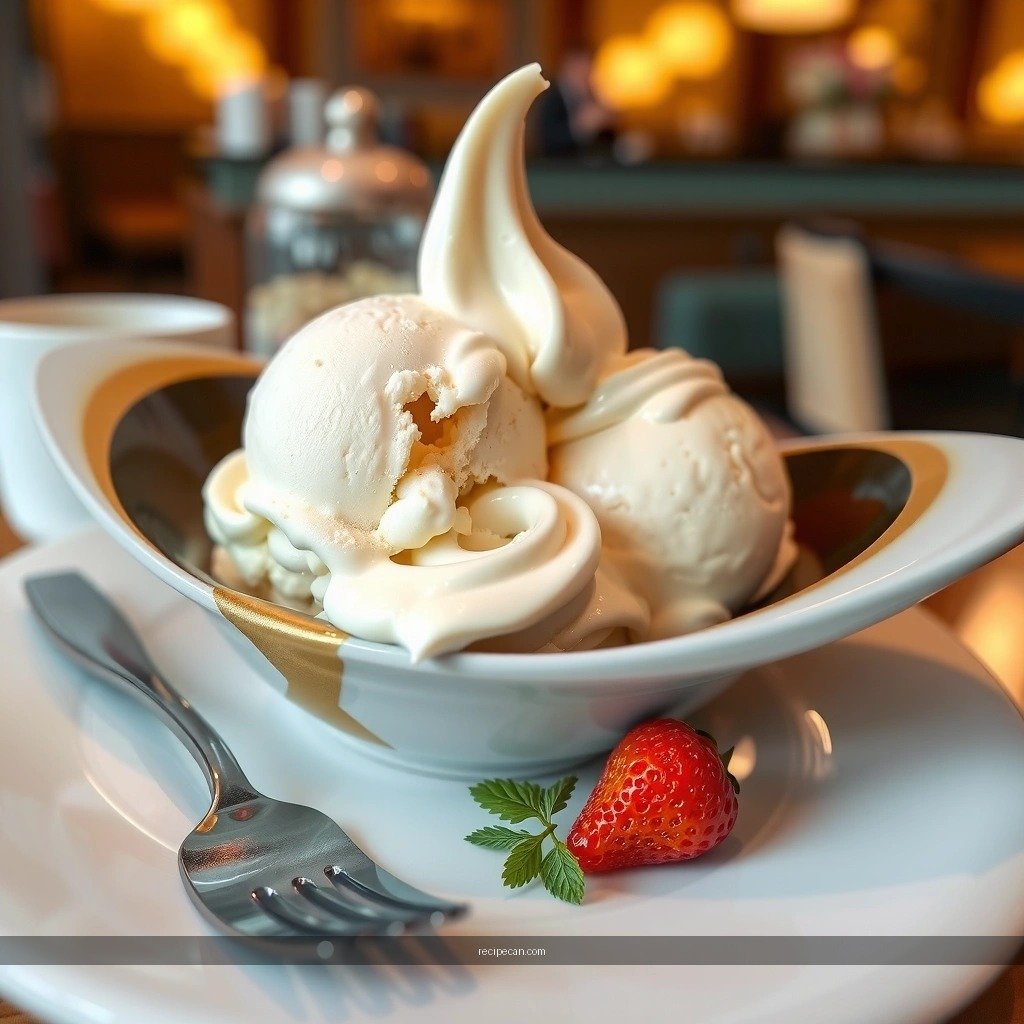
The custard base is where “White Mountain” creaminess is won or lost. Even if you use a churn machine, your success depends on proper heating, safe egg tempering, and correct thickness.
Heat dairy gently until warm, not boiling
– Warm milk and cream to the point where it’s steaming but not actively boiling.
– Boiling can introduce flavor changes and increases the risk of curdling later.
Whisk eggs and sugar, then temper with hot dairy to avoid scrambling
Tempering is the step that separates smooth custard from grainy custard.
1. Whisk egg yolks (or whole eggs in some variations) with sugar until the mixture looks slightly lighter.
2. Slowly drizzle hot dairy into the eggs while whisking constantly.
3. Then pour everything back into the saucepan.
This gradual transfer prevents the egg proteins from tightening too quickly, which is what causes scrambled bits.
Cook until thick enough to coat a spoon, then strain if desired
– Stir continuously over medium-low heat until the custard thickens.
– A reliable test: the custard coats the back of a spoon, and you can draw a line with a finger through it.
– Straining is optional but recommended if you want a consistently smooth finish, especially if your custard thickened unevenly.
Actionable pro tip: keep your heat steady and patient—custard thickness should build gradually. If it thickens too fast, your temperature may be too high.
Chill Thoroughly Before Churning
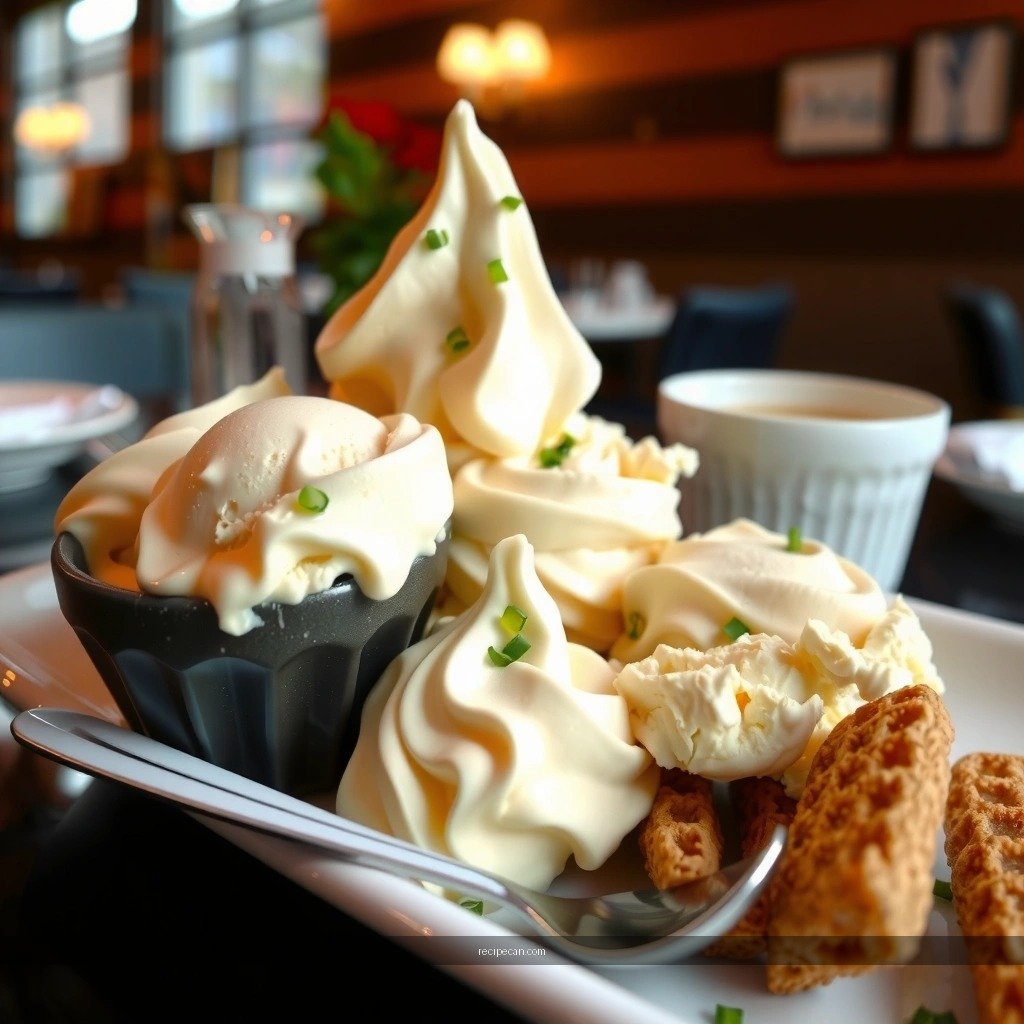
Even the best custard base will churn poorly if it’s warm. Chilling is often the most overlooked step, and it directly influences ice crystal size and final scoop quality.
Cool the custard to room temperature first
– Let the custard rest until it’s not hot to the touch.
– This prevents temperature shock in your refrigerator and helps the mixture relax.
Refrigerate until completely cold for smoother results
– Chill at least several hours, ideally overnight.
– Completely cold base improves how quickly and evenly the churn freezes it, reducing graininess and icy edges.
Don’t rush this step—temperature strongly affects churn performance
Most churn machines perform best when the base is near refrigerator temperature (roughly 35–40°F / 2–4°C). If you churn at warmer temps, you may end up with soft texture that firms into a hard, icy block rather than an elegant scoop.
If you’re scaling for an event, build in time: chilling is not “setup,” it’s a core process step.
Churn the Ice Cream for the Right Texture
Churning isn’t just turning a knob—it’s controlled aeration and freezing. The goal is to reach soft-serve consistency without over-churning.
Churn according to your machine’s timing and manufacturer guidance
– Follow your machine’s manual as the primary reference.
– Different machines (compressor vs. bowl-freezer) can produce the same texture in different time windows.
Stop when it reaches soft-serve consistency
White Mountain–style churned ice cream should look thick, airy, and spoonable, similar to soft serve. If you run the machine longer than needed, you can start warming the mixture slightly while also over-structuring fat and proteins—both can reduce ultimate smoothness.
Transfer quickly to prevent texture from firming unevenly
– Move the churned ice cream into your container promptly.
– Over time, the exposed surface will freeze harder and can create uneven firmness.
Actionable technique: use a silicone spatula and minimize time the surface is uncovered.
Freeze to Set and Finish
Freezing sets the ice cream’s final structure. Done well, it creates a scoopable texture with fewer noticeable ice crystals.
Pack into a container and press parchment/plastic to reduce ice crystals
Ice crystals often form where air contacts the surface.
– Press parchment or plastic wrap directly onto the ice cream surface (no gaps).
– This reduces oxidation and moisture exchange that can drive “icy” texture.
Freeze until firm, typically several hours
– For best texture, freeze until the ice cream is firm but still scoop-friendly.
– Many kitchens aim for at least 4–6 hours, depending on freezer temperature.
Let sit briefly at room temperature before scooping for best texture
Right from the freezer, custard ice cream can be too hard to scoop cleanly.
– Let it sit 3–5 minutes so the fat softens slightly and the surface melts just enough for a smooth, controlled scoop.
Best practice for serving: portion first, return quickly to freeze, and avoid repeated warm-up cycles.
Troubleshooting Common Issues
Even with careful technique, small variables—ingredient brands, egg freshness, weather, freezer performance—can shift results. Here are the most common “White Mountain ice cream” problems and how to fix them fast.
If it’s icy: chill longer, churn fully, and cover tightly during freezing
Common causes include insufficient base chilling, under-churning, or inadequate surface coverage.
– Next time: refrigerate overnight and ensure your machine reaches true soft-serve texture.
– During freezing: press wrap/parchment directly onto the surface and keep the lid sealed.
If it’s too soft: freeze longer and check ingredient ratios
Soft ice cream usually means the recipe didn’t reach the stability threshold.
– Freeze longer (and verify your freezer is cold enough).
– If your version runs low on fat or sugar, texture can stay softer than expected. Review your ratios and avoid substituting low-fat dairy without adjustments.
If it tastes flat: adjust sweetness and use quality vanilla or flavor add-ins
Flat flavor is often a quality or balance issue rather than a technique problem.
– Use quality vanilla extract and taste your base before chilling.
– If you added cocoa, fruit, or spices, taste and adjust sugar and salt (a tiny pinch of salt can sharpen sweetness and improve “old-fashioned” depth).
Quick calibration tip: custard flavors become slightly muted after freezing, so a base that tastes only “okay” before churning can end up underwhelming.
Conclusion
This White Mountain ice cream recipe succeeds because it treats creaminess as a sequence of controllable steps: prepare a properly tempered custard, chill it thoroughly, churn to soft-serve texture, and freeze with tight surface coverage to minimize ice crystals. If you follow the temperature and consistency cues—and troubleshoot with intention—you’ll get a classic, scoopable churn-style ice cream that tastes homemade, not just “technically made.”
Frequently Asked Questions
What is a classic White Mountain ice cream recipe and what makes it taste “authentic”?
A classic White Mountain ice cream recipe is typically a custard-style or Philadelphia-style base made with cream, milk, sugar, and eggs (for custard versions), flavored with vanilla and sometimes hints of nutmeg. What makes it taste authentic is using real dairy, cooking the custard to properly thicken it, and churning it at the right temperature so the texture is smooth rather than icy. Many versions also lean on a simple, old-fashioned flavor profile instead of heavy mix-ins.
How do I make White Mountain ice cream without eggs (egg-free variation)?
Use a no-egg base by heating milk and cream with sugar until the sugar dissolves, then stirring in a thickener such as cornstarch or a small amount of custard-style stabilizer (like gelatin or commercial ice cream stabilizer). Cool the mixture completely, then churn in your ice cream maker until it reaches soft-serve consistency. Egg-free White Mountain ice cream can be just as creamy if you properly stabilize the base and chill it thoroughly before churning.
Why does my White Mountain ice cream turn out icy, and how can I fix it?
Ice crystals usually happen when the base wasn’t chilled long enough, the churn time/temperature was off, or the recipe has too much water for the fat content. To fix it, chill the churn base for at least 4–6 hours (or overnight), churn until it thickens to a soft-serve stage, and pack it quickly into the freezer. For future batches, consider adjusting sugar slightly and using a stabilizer to improve creaminess in a White Mountain ice cream recipe.
Which churn setting and freezing method gives the best texture for White Mountain ice cream?
For best results, churn according to your ice cream maker’s instructions and stop when the mixture reaches soft-serve thickness (often around 20–30 minutes, depending on the machine). After churning, transfer to a freezer-safe container, press parchment or plastic wrap directly onto the surface to reduce ice formation, and freeze until firm—usually 4 hours or overnight. This approach helps your White Mountain ice cream keep a smooth, scoopable texture instead of becoming grainy.
What are the best flavor add-ins that pair well with a White Mountain ice cream recipe?
Since classic White Mountain ice cream often centers on vanilla, it pairs well with simple add-ins like toasted nuts (walnuts or pecans), crushed cookies, or fruit preserves for a balanced sweetness. For a more “mountain” vibe, try cinnamon, a small pinch of nutmeg, or chopped chocolate for contrast without overpowering the creamy base. Add mix-ins after churning (so they don’t sink or melt into the base) for the most even distribution.
References
- Ice cream
https://en.wikipedia.org/wiki/Ice_cream - Ice cream maker
https://en.wikipedia.org/wiki/Ice_cream_maker - Ice cream | Definition, History, & Production | Britannica
https://www.britannica.com/topic/ice-cream - eCFR :: 21 CFR 135.110 — Ice cream and frozen custard.
https://www.ecfr.gov/current/title-21/chapter-I/subchapter-B/part-135/subpart-B/section-135.110 - https://pubmed.ncbi.nlm.nih.gov/?term=ice+cream+formulation
https://pubmed.ncbi.nlm.nih.gov/?term=ice+cream+formulation - ice cream ice crystallization | Nature Search Results
https://www.nature.com/search?q=ice%20cream%20ice%20crystallization - https://www.sciencedirect.com/search?qs=ice%20cream%20ice%20crystallization
https://www.sciencedirect.com/search?qs=ice%20cream%20ice%20crystallization - Google Scholar Google Scholar
https://scholar.google.com/scholar?q=white+mountain+ice+cream+recipe - Google Scholar Google Scholar
https://scholar.google.com/scholar?q=ice+cream+recipe+ice+%2B+salt+freezing+method - Google Scholar Google Scholar
https://scholar.google.com/scholar?q=ice+cream+mix+formulation+home+ice+cream