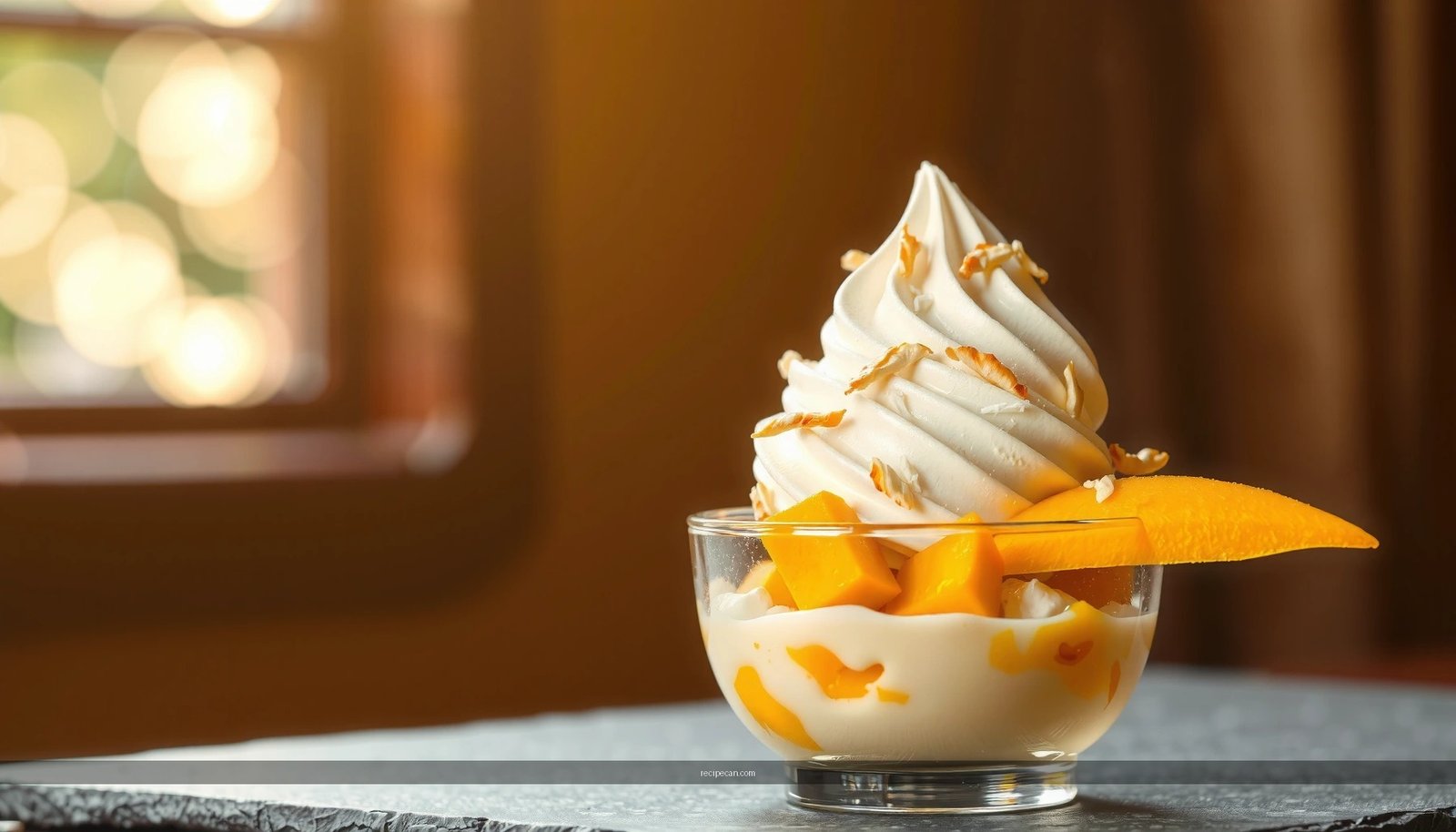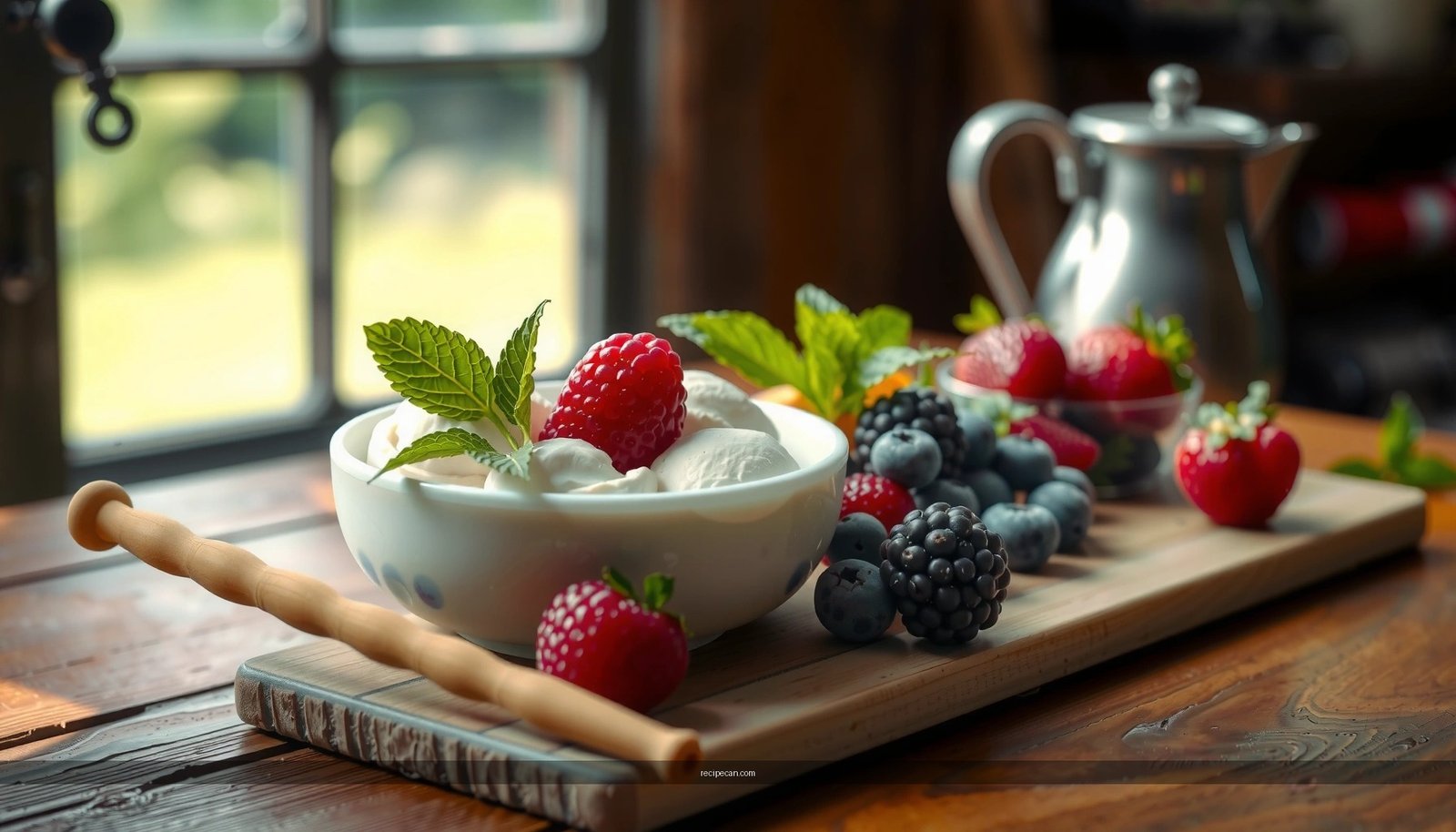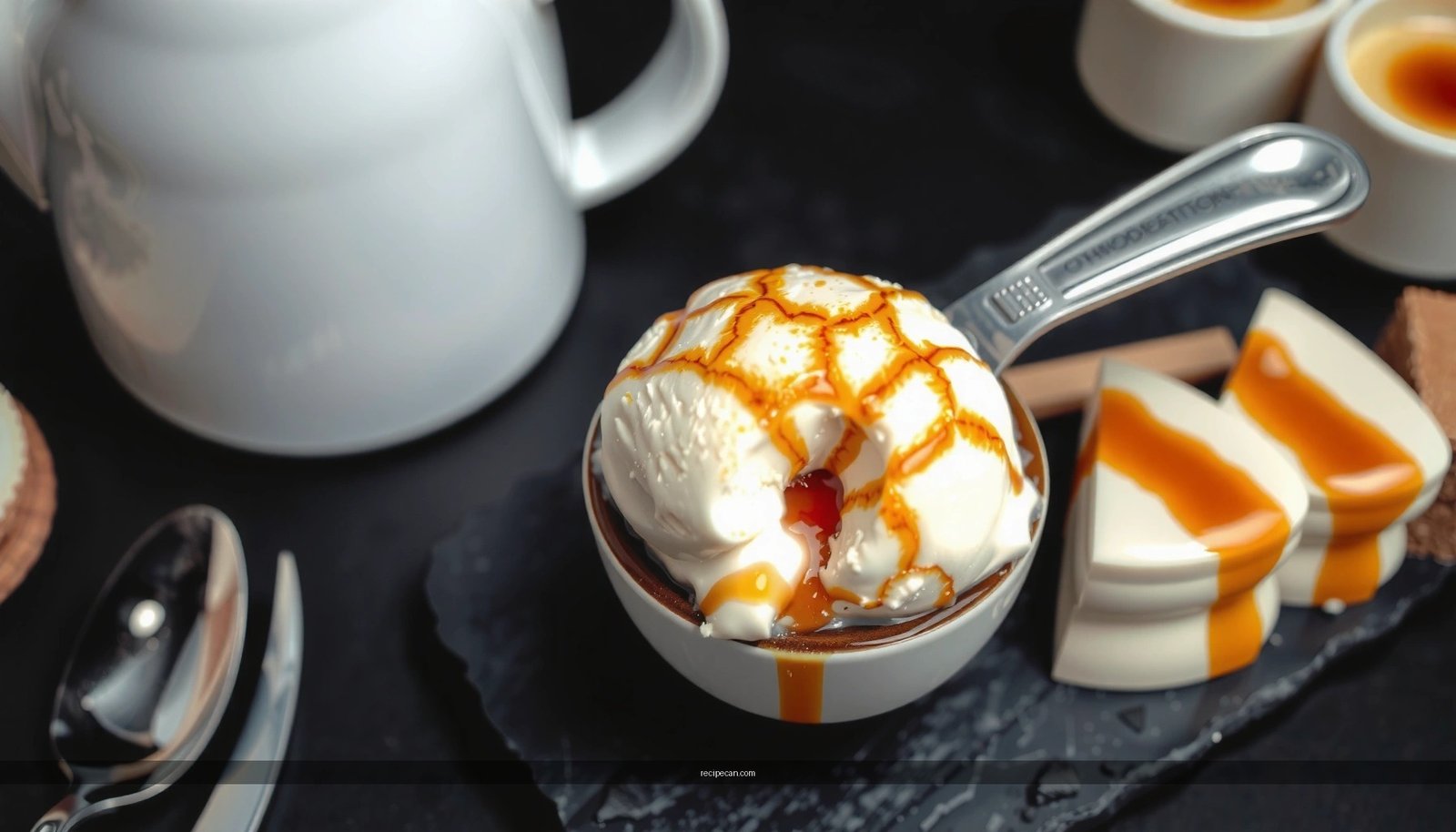
You want a creme brulee ice cream recipe that delivers the unmistakable caramelized brûlée flavor—so here’s the clear winner: a silky custard base finished with a caramel crunch. This recipe answers how to get that classic toasted sugar taste in scoopable form, with foolproof steps for both the creamy texture and the brûlée topping. If you’re aiming for restaurant-style results at home, follow this method and taste the difference.
Make creme brulee ice cream at home by infusing vanilla into a rich custard, churning it until smooth, and finishing it with a fresh brûlée-style caramel top. This recipe focuses on the custard you want for true “crème brûlée” flavor (not just vanilla ice cream), then shows you exactly how to churn and caramelize for that signature crackly crunch.
Ingredients for Creme Brulee Ice Cream
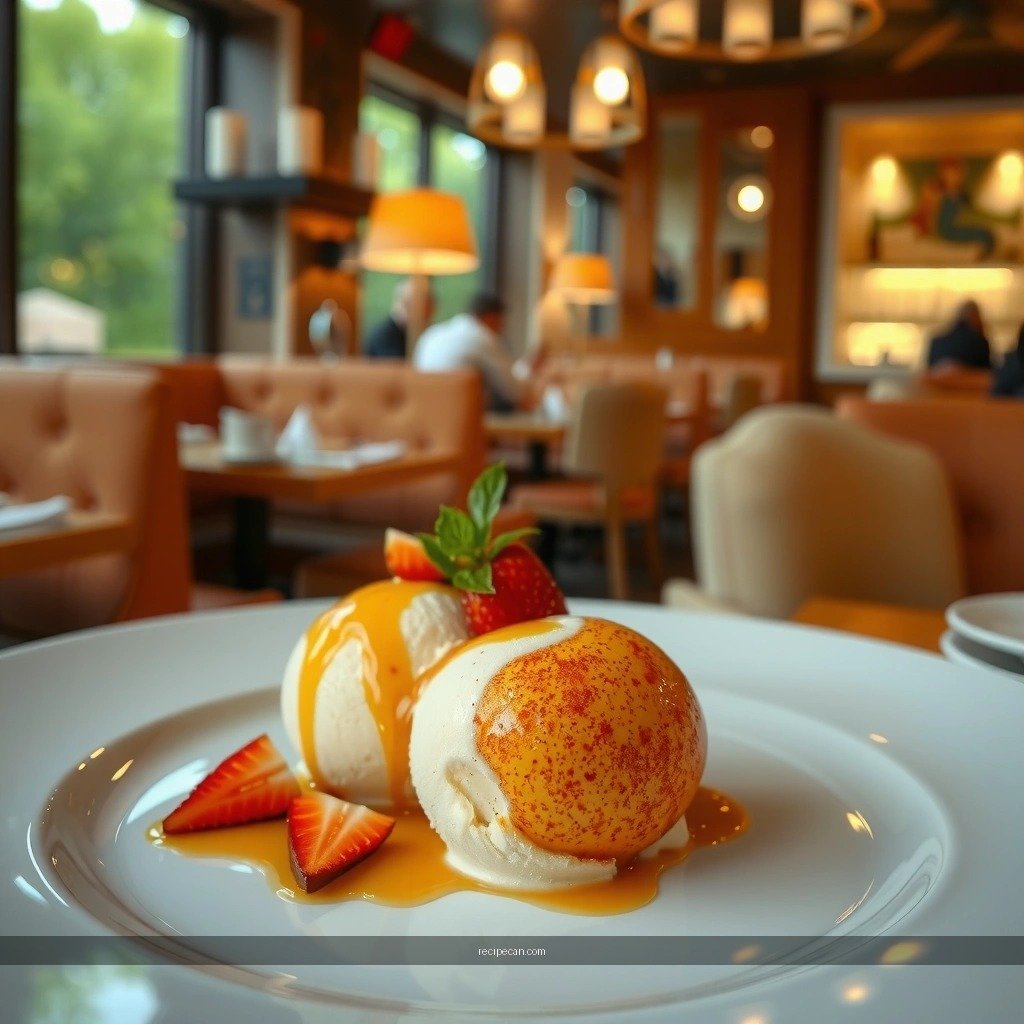
Use this as a practical checklist—everything below supports either (1) a stable custard base, (2) a creamy churn, or (3) the brittle caramel top.
– Core custard ingredients (creme brûlée base)
– Heavy cream: 2 cups (480 ml)
– Whole milk: 1 cup (240 ml)
– Egg yolks: 6 large
– Granulated sugar: 3/4 cup (150 g), divided (custard sweetening + brûlée topping assist)
– Vanilla extract: 2 tsp (or 1–2 vanilla beans, see notes in Step 1)
– Add-ins for flavor and texture
– Fine salt: 1/4 tsp
– Optional extra vanilla: 1/2 tsp vanilla extract (or a second small vanilla infusion for a stronger aroma)
– Brûlée topping (caramelized crunch)
– Granulated sugar for torching: 2–4 tbsp (enough for a thin, even layer over the surface)
Custard Thickening Guide for Creme Brûlée-Style Ice Cream
| # | Custard Target | When It’s Ready | Best Indicator | Outcome |
|---|---|---|---|---|
| 1 | Creamy custard for churning | 170–175°F (77–80°C) | Coats a spoon; leaves a clean line when you run a finger through | + Smooth texture |
| 2 | Slightly under-cooked custard | 165–169°F (74–76°C) | Thickens a little, but the spoon coating looks watery at edges | – Softer set |
| 3 | Perfect custard thickness | 170–172°F (77–78°C) | Line remains after finger drag; custard looks glossy | + Best “crème brûlée” body |
| 4 | Slight over-cook risk | 176–182°F (80–83°C) | Custard becomes noticeably thicker than spoon-coating should be | – Grainy mouthfeel potential |
| 5 | Cool-down before chilling | Below 160°F (71°C) then strain | Steam reduces; custard thickens slightly as it cools | + Cleaner texture after chilling |
| 6 | Optimal cold rest | 4–8 hours minimum | Custard is fully chilled (about fridge temp) | + Better churn & less ice |
| 7 | Topping caramel timing | Torch immediately before serving | Sugar melts, bubbles stop, color turns amber | + Strong crackle |
Step 1: Make the Custard Base
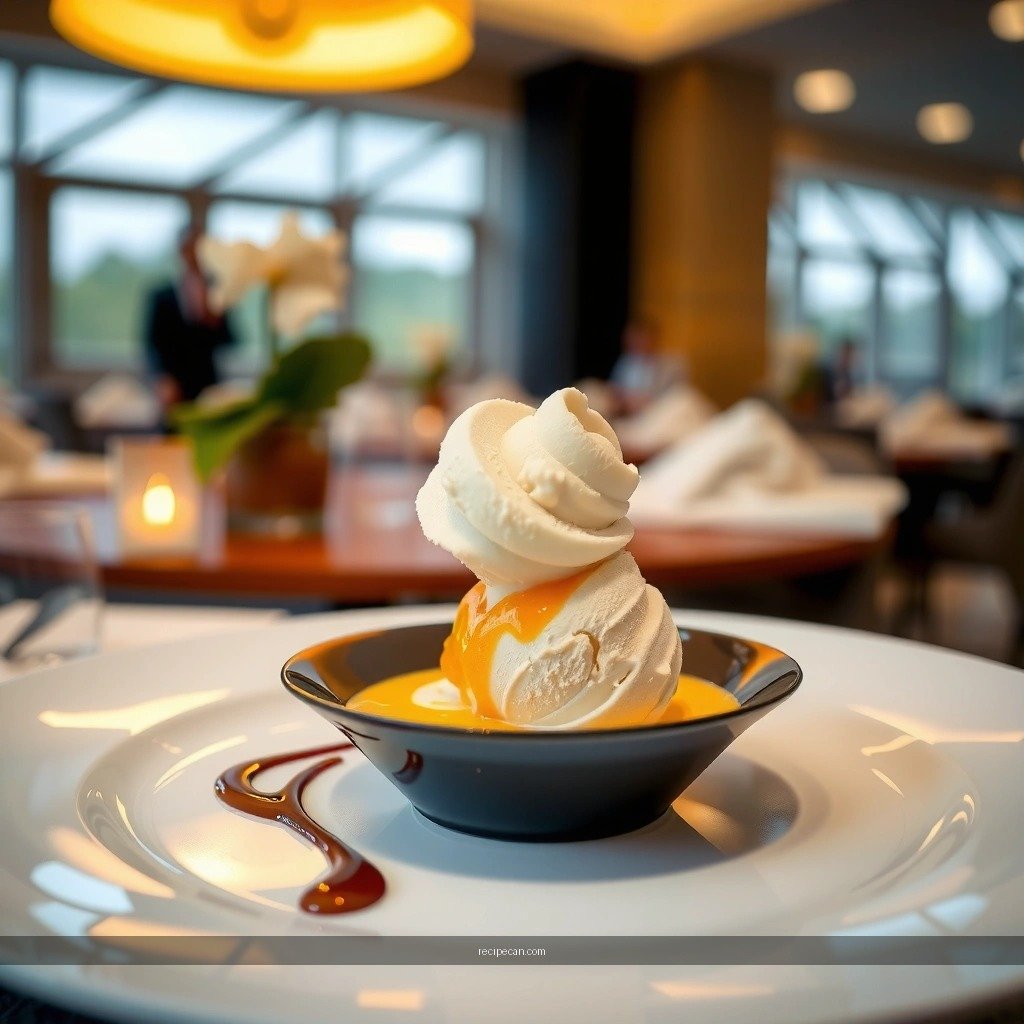
The difference between decent vanilla ice cream and true creme brulee ice cream is the custard. You’re using egg yolks to create viscosity and fat-binding so the churn produces a creamy scoopable texture rather than an airy, icy one.
– Warm dairy and gently infuse vanilla for a rich flavor
In a medium saucepan, combine heavy cream, whole milk, salt, and vanilla. Warm over medium heat until it’s steaming and lightly steamy around the edges—do not boil.
Why it matters: egg yolks coagulate at high temperatures, so you’ll later temper them. Warming first also lets the vanilla and dairy fats distribute evenly.
– Whisk egg yolks with sugar, then temper and thicken the mixture
In a bowl, whisk egg yolks with granulated sugar until smooth and slightly lighter in color.
Slowly pour a ladle of hot dairy into the yolks while whisking constantly—this is tempering. Then return the mixture to the saucepan and cook on medium-low, stirring with a heatproof spatula until the custard thickens.
*Target thickness:* aim for 170–172°F (77–78°C), or the classic test where the custard coats a spoon and a line drawn with a finger holds briefly before slowly filling.
– Strain for a silky texture and chill thoroughly before churning
Pour the custard through a fine-mesh strainer into a clean container to catch any tiny bits of cooked egg.
Chill uncovered until it stops steaming, then cover and refrigerate at least 4 hours (overnight is even better).
Why it matters for ice cream: colder base = smoother churning and less chance of icy crystals.
Pro tip: If you’re using vanilla bean, split and scrape the seeds into the dairy; the bean pod can also be steeped during warming for a more layered flavor.
Step 2: Churn the Ice Cream
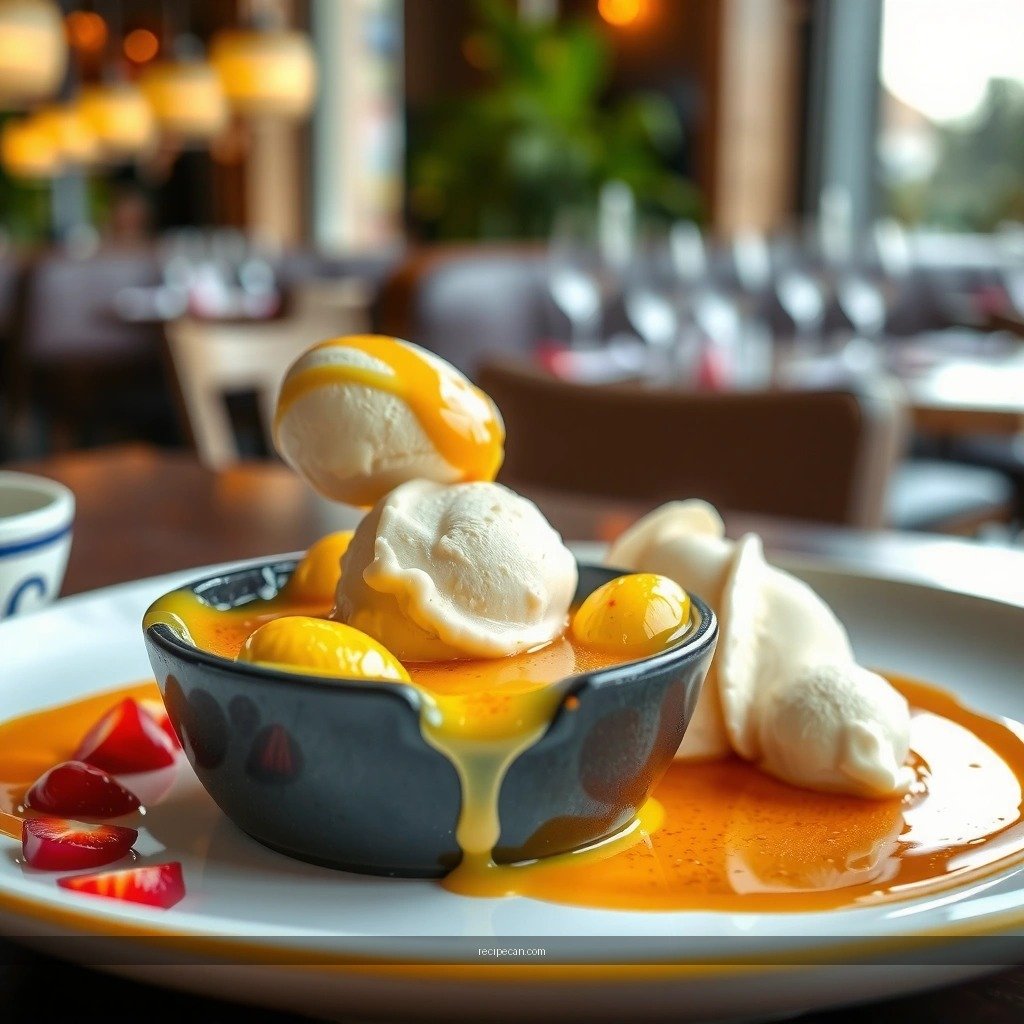
Once your custard is cold, the churn stage builds the structure that keeps the final ice cream creamy.
– Churn the chilled custard until it reaches a soft-serve consistency
Set up your ice cream maker according to its instructions. Pour the chilled custard into the bowl and churn until it thickens to soft-serve texture—this usually takes 20–40 minutes, depending on your machine.
Analytical note: you’re not looking for “hard” ice cream yet. You want maximum incorporation of air and controlled freezing so the fat and proteins distribute smoothly.
– Transfer to a container and freeze to firm up
Transfer the churned ice cream into a freezer-safe container, press a piece of parchment or plastic wrap against the surface to reduce ice formation, then freeze 2–4 hours until scoopable and firmer.
– Keep an eye on timing so it stays smooth, not icy
If you over-freeze immediately without a surface barrier, you can get frost and graininess. For best texture, carve your routine so you’re ready to brûlée shortly before serving.
Serving logic: Because the crackly top will soften over time, plan to caramelize at the last moment rather than days ahead.
Step 3: Create the Brûlée Caramel Top
This is where creme brulee ice cream earns its name. The goal is a thin, even, brittle sugar layer that caramelizes quickly into amber glass.
– Sprinkle a thin, even layer of sugar over the frozen ice cream
Right before serving, sprinkle 2–4 tablespoons of granulated sugar across the top. Aim for an even layer—thicker sugar can burn before it melts fully and evenly.
– Torch until melted and amber, or broil briefly if needed
Use a kitchen torch and move it steadily to melt and caramelize the sugar. You’re targeting amber coloration with a few bubbles settling into a glassy crust.
If you don’t have a torch: broil for a very short time, watching constantly, then let it set briefly so it turns crisp.
– Work quickly to preserve the crisp crackle
Let the crust harden for 30–90 seconds, then serve. The “crack” is best in the first moments after caramelization because moisture from the ice cream will slowly soften the glass.
Serving Tips and Best Pairings
Creme brulee ice cream is rich and custardy, so the best pairings add either bright contrast or textural reinforcement.
– Serve immediately for the strongest crackly top
The caramel crust will absorb moisture over time, so final brûlée should be closest to serving.
– Add crunchy toppings (caramel shards, toasted nuts) if desired
Options that work especially well:
– Toasted hazelnuts or sliced almonds for a nutty, pastry-style profile
– Caramel shards (store-bought or homemade) for extra crunch
– A pinch of flaky salt to amplify caramel depth
– Pair with fruit, coffee, or a simple shortbread for contrast
– Berries (strawberries, raspberries) add acidity that cuts through sweetness
– Coffee (espresso, cappuccino) complements the roasted caramel notes
– Shortbread or butter cookies echo the crème brûlée “dessert plate” experience
Troubleshooting Common Issues
Even with a great recipe, ice cream can surprise you. Here are targeted fixes based on the most common failure points.
– If it’s too icy: ensure full chilling and proper churn/freeze timing
Most often, the base wasn’t cold enough before churning, or it froze too quickly without a sealed surface. Chill your custard longer (overnight helps) and keep the container covered tightly.
– If it’s not custardy: cook until thick enough to coat a spoon
Undercooked custards won’t develop the right viscosity from egg yolks. Next time, cook to 170–172°F (77–78°C) and watch for spoon-coating and the clean line test.
– If caramel isn’t crisp: use an even sugar layer and caramelize right before serving
Uneven sugar leads to soft spots. Also, caramelizing too early will cause the crust to soften. Torch immediately prior to serving, aiming for amber glass.
Conclusion
Homemade creme brulee ice cream comes down to three controlled moves: build a properly thickened vanilla custard, churn and freeze with timing that preserves smoothness, and brûlée the top right before serving for a true caramelized crunch. Follow the custard targets, chill thoroughly, and caramelize at the last moment—then you’ll consistently get that creamy, caramel-kissed “crème brûlée” experience in every scoop.
Frequently Asked Questions
What is the best creme brulee ice cream recipe method for a smooth custard base?
Start by warming heavy cream and whole milk with vanilla until steaming, then whisk egg yolks with sugar until slightly thickened. Slowly temper the yolks with the hot dairy, then cook the custard until it coats the back of a spoon (about 170–175°F/77–80°C). Strain for a silky texture, chill completely, and churn in an ice cream maker. This custard approach helps you get the classic creme brulee ice cream creaminess instead of icy results.
How do you get the signature creme brulee brûléed flavor in ice cream without using a torch?
You can infuse the custard with caramelized sugar by making a quick caramel and stirring it into warm dairy before cooking. Another easy option is to blend a small amount of brûléed sugar or caramel sauce into the churn during the last few minutes for a direct “crème brûlée” flavor. For crunch, freeze mini caramel bits or fold in shortbread crumbles that mimic the crackly top. These methods help recreate the caramelized profile even when you can’t torch the top.
Why do my creme brulee ice cream batches turn out grainy or curdled?
Graininess usually happens when the custard is heated too fast or beyond the safe temperature range, causing egg proteins to scramble. To prevent this, cook gently over medium-low heat and stir constantly, then stop as soon as the custard coats a spoon. Always strain the mixture and chill it thoroughly before churning. If you already curdled it, straining may salvage the texture, but severely scrambled custard often can’t be fully repaired.
Which ingredients make the most authentic creme brulee ice cream texture and flavor?
Use a rich ratio of heavy cream and whole milk for the best creme brulee ice cream body, and stick to egg yolks for custard-style creaminess. Vanilla bean or high-quality vanilla extract gives the classic dessert aroma, while fine sugar helps dissolve smoothly into the base. For the caramel character, incorporate a caramel element—either caramelized sugar infusion or caramel sauce—so the flavor matches the brûlée notes. These ingredient choices are key to getting a true custard-forward taste and mouthfeel.
How long should you chill the custard for creme brulee ice cream before churning?
Chill the custard until it’s fully cold, ideally at least 4 hours and often overnight for the best flavor development. Cold base improves churn performance, leading to smaller ice crystals and a smoother final texture. Make sure the custard is well covered in the refrigerator to prevent a skin from forming, and strain it before chilling if you want extra smoothness. Once churned, freeze the ice cream to firm up before serving, especially if you’re adding caramel crunch.
References
- Crème brûlée
https://en.wikipedia.org/wiki/Cr%C3%A8me_br%C3%BBl%C3%A9e - Custard
https://en.wikipedia.org/wiki/Custard - Ice cream
https://en.wikipedia.org/wiki/Ice_cream - Caramelization
https://en.wikipedia.org/wiki/Caramelization - Crème brûlée | food | Britannica
https://www.britannica.com/topic/creme-brulee - https://www.fda.gov/food/buy-store-serve-safe-food/eggs
https://www.fda.gov/food/buy-store-serve-safe-food/eggs - https://pubmed.ncbi.nlm.nih.gov/?term=egg+custard+ice+cream
https://pubmed.ncbi.nlm.nih.gov/?term=egg+custard+ice+cream - Google Scholar Google Scholar
https://scholar.google.com/scholar?q=cr%C3%A8me+br%C3%BBl%C3%A9e+ice+cream+recipe - Google Scholar Google Scholar
https://scholar.google.com/scholar?q=cr%C3%A8me+br%C3%BBl%C3%A9e+custard+ice+cream+base - Google Scholar Google Scholar
https://scholar.google.com/scholar?q=egg+custard+ice+cream+emulsion+science