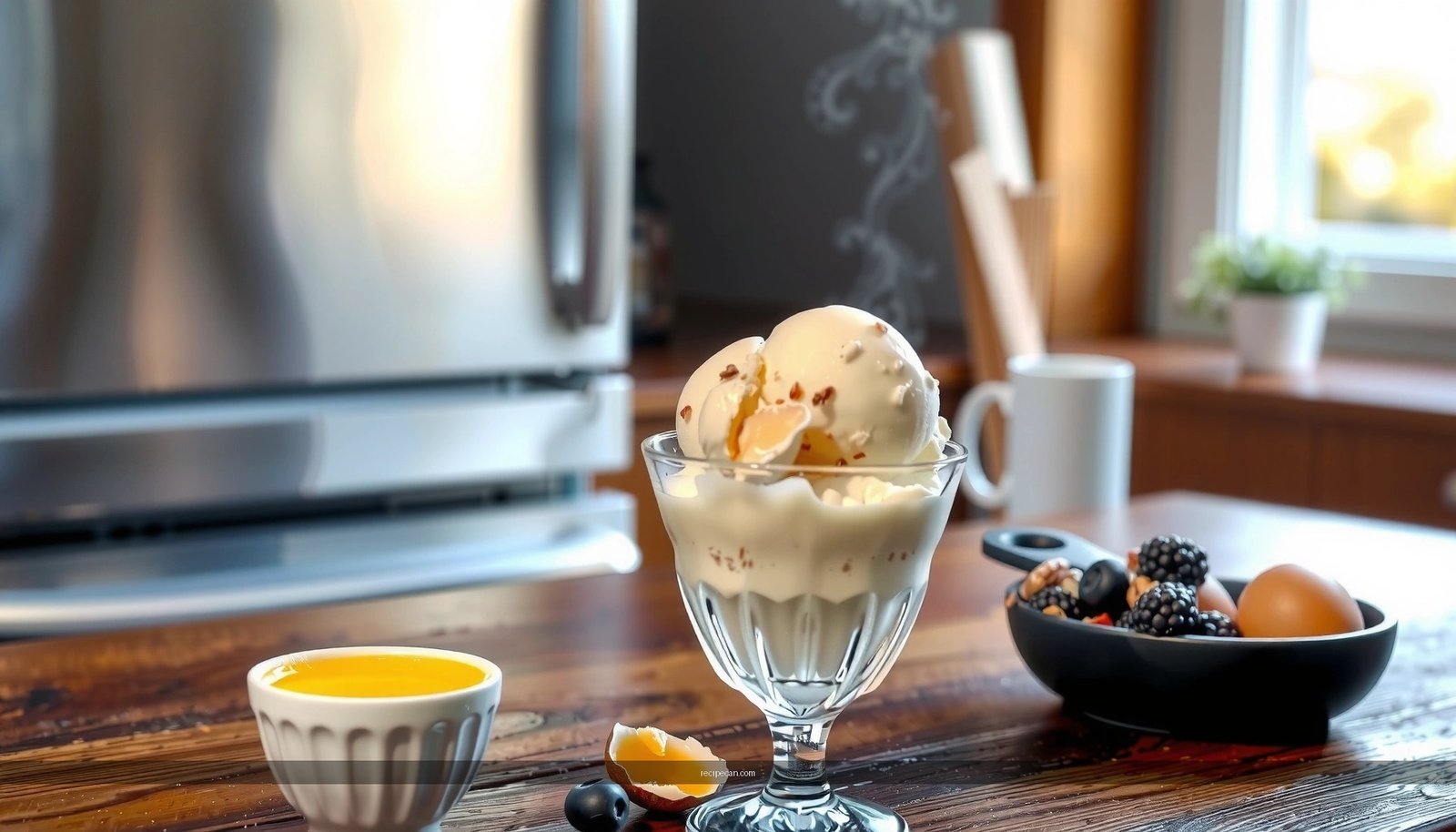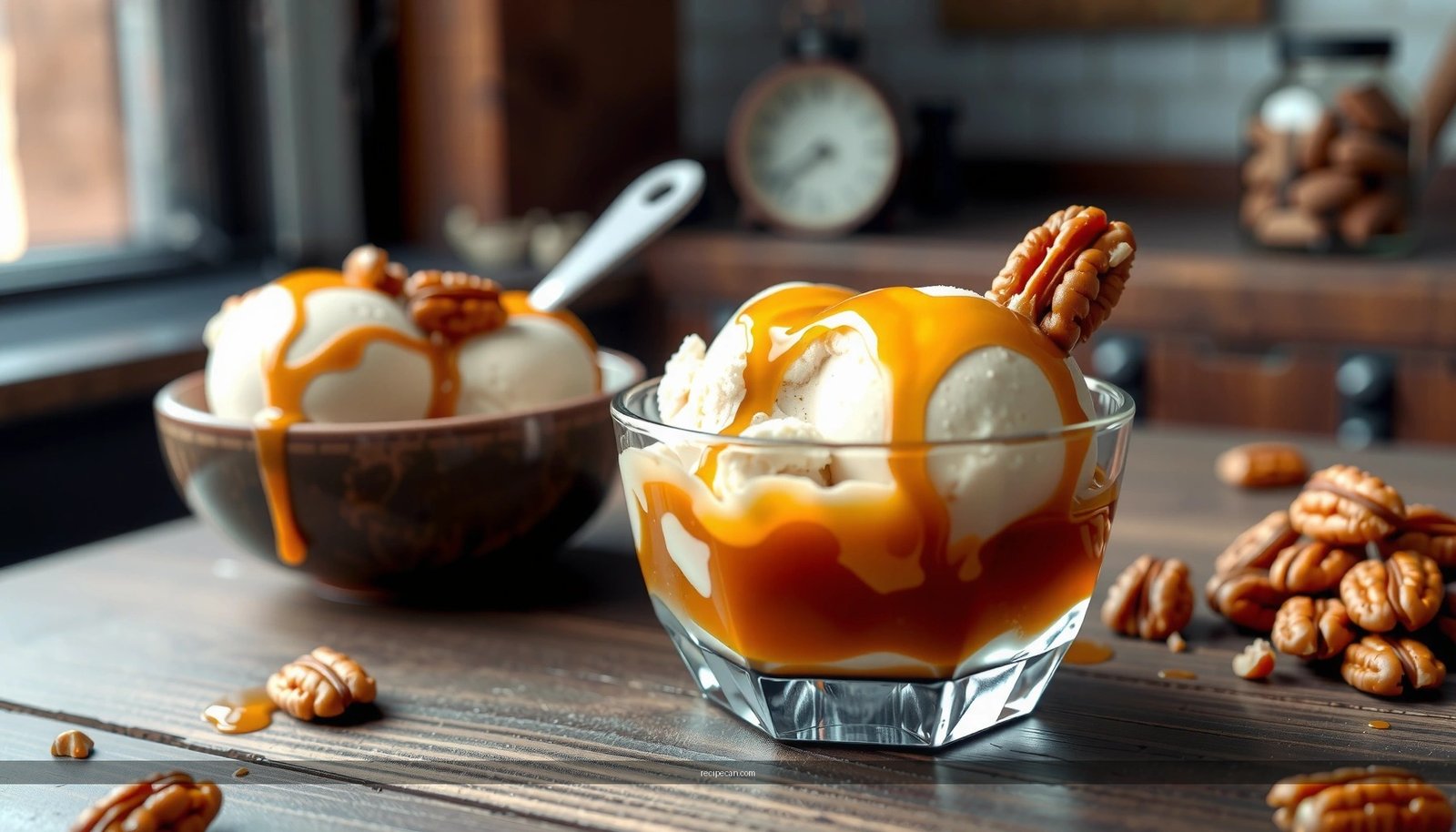
Angel’s Recipe ice cream & crepes are the quickest homemade treat plan when you want something impressive without hours in the kitchen. This article delivers a clear answer to whether you should make angel’s recipe ice cream, crepes, or both—then gives you the fastest, most reliable method to do it right. Expect step-by-step instructions designed for clean results, bold flavor, and a finished dessert you can serve on the same day.
You can make Angel’s Recipe ice cream and fluffy crepes faster and with more consistent results by cooking in the right order—first crepe batter, then the ice cream base, and finally assembly. This workflow reduces timing stress and improves texture: crepes stay tender, and the ice cream base chills to the correct consistency before churning.
Gather Ingredients for Angel’s Recipe Ice Cream & Crepes

Before you turn on the stove or ice cream machine, treat this step like mise en place: gather, measure, and prep so every stage stays smooth and repeatable. For a home-style “Angel’s Recipe” approach, you’re essentially coordinating two delicate processes—crepes (light batter, controlled heat) and churned ice cream (well-balanced base, thorough chilling).
Choose core staples for both treats and set them out
– Dairy: whole milk (for crepes and ice cream base), heavy cream (for richness)
– Eggs: structure for both crepes and custard-style ice cream bases
– Sugar: for sweetness and caramelization (crepes) and freezing-point control (ice cream)
– Flour: all-purpose flour for crepes’ gluten network that still produces tenderness
Prep add-ins so assembly is quick
– For ice cream: vanilla extract, cocoa powder (for chocolate), finely chopped fruit (strawberry/blueberry), or a spoonable swirl like caramel
– For toppings: hot fudge, berry compote, whipped cream, toasted nuts, or powdered sugar
Confirm measurements to keep texture right
Crepes and ice cream are both sensitive to ratios:
– For crepes, too much flour can make them chewy; resting helps the batter hydrate and relax.
– For ice cream, too little fat can create icy texture; overheating the base can dull flavor and—depending on recipe style—affect thickness after chilling.
Quick batching tip (for reliability): If you plan to serve 4–6 people, measure batter and ice cream base in advance and portion add-ins into small bowls. It’s the simplest way to prevent “almost cooked” delays.
📊 MANDATORY DATA TABLE
Best Doneness Targets for Angel’s Recipe Crepes (Home Kitchen)
| # | Crepe Stage | Visual Cue | Cook Time (Per Side) | Quality Impact |
|---|---|---|---|---|
| 1 | Batter Rested | Bubbles reduce; batter flows smoothly | 10–20 min | ★ Improved tenderness |
| 2 | First Side Set | Edges look dry; center no longer wet | 45–60 sec | ★ Prevents tearing |
| 3 | Second Side Lightly Browned | Blonde spots; surface flexible | 20–35 sec | ★ Best flavor + pliability |
| 4 | Stacking Temperature | Crepes stay warm and slightly steamy | Keep covered 10–15 min | ★ Maintains moisture |
| 5 | Pan Coating Level | Glossy film; no puddles | Thin coat each 2–3 crepes | ★ Easy release |
| 6 | Rest Before Filling | Crepes cool slightly; pliable | 2–5 min | ★ Cleaner folds |
| 7 | Overcooked Risk | Dry, crisp edges; less flex | Exceed 75 sec first side | ⚠️ Tear-prone |
Make the Crepe Batter and Cook Perfect Crepes

Crepes are deceptively simple, but “simple” doesn’t mean “forgiving.” For Angel’s Recipe crepes, success comes from smooth batter, brief rest time, and consistent pan temperature.
Whisk batter until smooth, then rest
Whisking eliminates flour lumps and ensures the batter cooks evenly. Then rest 10–20 minutes—this hydrates flour, relaxes gluten, and reduces the chance of rubbery crepes. You’ll also notice fewer bubbles as you pour.
Cook on medium heat with a light coating
– Use medium heat to avoid browning too fast.
– Lightly coat the pan with butter or neutral oil. A thin film is enough; puddles cause uneven thickness.
Flip confidently and stack for freshness
– Flip when the first side looks set: edges dry, center no longer glossy.
– Stack finished crepes and cover loosely. Warm stacking prevents drying and keeps edges flexible.
Practical serving planning
If you’re making ice cream the same day, you’ll have a better flow if crepes are finished and stacked while the ice cream base chills. That’s the operational advantage of the order: crepes don’t wait in the spotlight, and your ice cream base gets the time it needs.
Prepare and Chill the Ice Cream Base

For creamy churned ice cream, your base is where the “professional” texture is built. You want a silky mixture, enough fat, balanced sweetness, and adequate chilling time so the machine can churn properly.
Combine ingredients and heat until smooth—avoid overheating
A common approach is warming milk, cream, and sugar until dissolved, then incorporating eggs (if custard-style) or just mixing thoroughly (if no-cook base). In custard methods, keep heat gentle and stir constantly to prevent scrambling.
Chill thoroughly for churnable consistency
Chilling is not optional. Most home churners perform best when the base is thoroughly cold—often at least 4 hours, and ideally overnight. A warmer base churns faster but tends to produce softer ice cream and more ice crystals.
Taste and adjust flavor before freezing
Before churning, taste the base. Because freezing mutes sweetness and aroma, a pinch of salt or a touch more vanilla can make the final product taste brighter. Adjust while the base is liquid so changes incorporate evenly.
Batch-style efficiency
If you plan to do Angel’s Recipe crepes and ice cream for guests, build a simple timeline:
1. Crepe batter + rest
2. Cook crepes and stack
3. Start ice cream base heating while crepes cook
4. Chill base while you prep toppings and assemble serving stations
That’s how you turn “homemade” into a controlled process.
Churn and Freeze for Creamy Angel’s Recipe Ice Cream
Once the base is cold, churning is where the texture changes from liquid to scoopy. However, “churned” is not “done”—your final freeze locks in structure.
Churn until thick and scoopable
Follow your machine’s instructions, but watch the consistency, too. You’re aiming for a texture that holds shape and looks thicker than soft serve. Over-churning can sometimes lead to graininess, while under-churning creates a softer mouthfeel.
Freeze to firm up while staying creamy
Transfer to a container, press parchment or plastic wrap directly onto the surface to reduce ice crystal formation, then freeze until firm—often 2–4 hours depending on your freezer.
Store covered to protect flavor and texture
Cover tightly to prevent freezer odors from absorbing and to maintain smoothness. For best quality, eat within 1–2 weeks (freshness correlates strongly with flavor clarity).
Serving strategy with crepes
Chilled ice cream and warm crepes create the signature contrast. If you’re plating, take ice cream out briefly so it’s scoopable—not melted.
Assemble, Plate, and Serve Ice Cream with Crepes
Assembly is the moment when “two components” become one dessert experience. The goal is speed without sacrificing texture—crepes should remain flexible, and ice cream should not melt into a puddle.
Fill crepes or serve scoops alongside
– Classic method: fold or roll crepes and fill with a spoonful of ice cream.
– Alternative: plate warm crepes on the side and serve ice cream scoops separately for guests to customize.
Add toppings right before eating
Toppings can rehydrate crepes or change texture if added too early. For best results:
– Drizzle warm sauce (fudge/caramel) just before serving
– Add berries at serving time for bright flavor and acidity
– Finish with whipped cream and a light dusting of sugar
Plate warm crepes with chilled ice cream
Warm crepes enhance aroma while ice cream provides creamy contrast. If your crepes are too hot, they can soften the edges too quickly—aim for warm, not steaming.
Example serving ideas
– Vanilla ice cream + strawberry sauce + powdered sugar
– Chocolate ice cream + hot fudge + toasted hazelnuts
– Fruit-forward ice cream + berry compote + fresh mint
The key is balancing sweetness and temperature so each bite tastes intentional.
Troubleshooting Tips for Best Results
Even with a strong process, home cooking occasionally throws curveballs. The fastest way to protect quality is to diagnose the failure mode and correct the underlying variable.
If crepes tear
Common causes:
– Batter not rested enough (flour hydration improves flexibility)
– Pan too hot (sets too quickly before spreading evenly)
– Over-flouring or thick batter (ratio drift)
Fix:
– Rest batter an additional 10 minutes
– Lower heat slightly and ensure a thin pan coating
If ice cream is icy
This usually signals insufficient fat, incomplete chilling, or inadequate coverage during freezing.
Fix:
– Chill the base longer (overnight is reliable)
– Cover tightly with plastic/parchment pressed to the surface before freezing
If flavors seem flat
Cold desserts can mute flavor perception.
Fix:
– Add a pinch of salt (it amplifies sweetness)
– Increase vanilla slightly, or add a small amount of flavor concentrate (like cocoa or espresso) if your recipe uses chocolate notes
Quality check mindset
Instead of “it didn’t work,” think “which step likely influenced texture?” Crepes and ice cream each have a small set of levers—heat, resting, ratio, and chilling.
Angel’s Recipe ice cream & crepes come together best when you cook in order—batter first, then ice cream base, then final assembly. Follow the steps, use the troubleshooting tips, and serve immediately for maximum freshness. Want to make it even easier? Save this layout and cook batch-style so you can repeat the treats anytime.
Frequently Asked Questions
What flavors of ice cream and crepes does Angel’s Recipe offer?
Angel’s Recipe Ice Cream & Crepes typically features a rotating selection of sweet crepe fillings and made-to-order crepes, plus a variety of ice cream flavors designed to pair with desserts. Availability can change by season, so checking the latest menu or calling ahead helps you find the exact flavors you’re craving. If you’re planning an event, ask about custom crepe combinations and ice cream add-ons.
How do you order ice cream and crepes together at Angel’s Recipe?
Many customers order a crepe first, then choose an ice cream flavor to serve alongside it, creating a complete dessert combo. Some locations may offer toppings like sauces, fruit, whipped cream, or cookie crumbles—so you can customize each bite. To avoid wait times, decide on your crepe filling and ice cream flavor before you get to the counter.
Why are Angel’s Recipe crepes a popular dessert choice?
Crepes are loved because they’re thin, versatile, and easy to customize with different fillings, textures, and toppings. At Angel’s Recipe Ice Cream & Crepes, the experience is often about pairing warm crepes (or freshly made crepes) with cold ice cream for a contrasting taste and temperature. That combination tends to make the dessert feel more “special” than standard ice cream alone.
Which is best to try first—ice cream or crepes—at Angel’s Recipe?
If you enjoy warm desserts, start with your crepe so it’s freshest when you take the first bite, then add ice cream right after. If you prefer a cooler, more refreshing finish, order the ice cream first and let the crepe complement it as you eat. Either way, choosing a complementary flavor—like chocolate ice cream with a sweeter chocolate or nut-based crepe—will make the pairing taste more balanced.
What’s the best way to keep ice cream and crepes from getting soggy?
To prevent a soggy crepe, keep the ice cream and any drizzles separate until you’re ready to eat, if that option is available. Ask for toppings on the side and assemble at the table so the crepe stays lightly crisp. If you’re taking it to go, use a lid or separate containers when possible, and eat within a short window for the best texture.
References
- Ice cream
https://en.wikipedia.org/wiki/Ice_cream - Crêpe
https://en.wikipedia.org/wiki/Cr%C3%AApe - Ice cream | Definition, History, & Production | Britannica
https://www.britannica.com/topic/ice-cream - https://www.britannica.com/topic/crepe
https://www.britannica.com/topic/crepe - eCFR :: 21 CFR 135.110 — Ice cream and frozen custard.
https://www.ecfr.gov/current/title-21/chapter-I/subchapter-B/part-135/subpart-A/section-135.110 - https://pubmed.ncbi.nlm.nih.gov/?term=ice+cream+microstructure+emulsion+overrun
https://pubmed.ncbi.nlm.nih.gov/?term=ice+cream+microstructure+emulsion+overrun - https://www.sciencedirect.com/search?qs=ice+cream+microstructure+emulsion
https://www.sciencedirect.com/search?qs=ice+cream+microstructure+emulsion - ice cream microstructure | Nature Search Results
https://www.nature.com/search?q=ice%20cream%20microstructure - Google Scholar Google Scholar
https://scholar.google.com/scholar?q=ice+cream+ingredients+emulsification+overrun+science - Google Scholar Google Scholar
https://scholar.google.com/scholar?q=crepe+batter+gelatinization+starch+structure+culinary+science