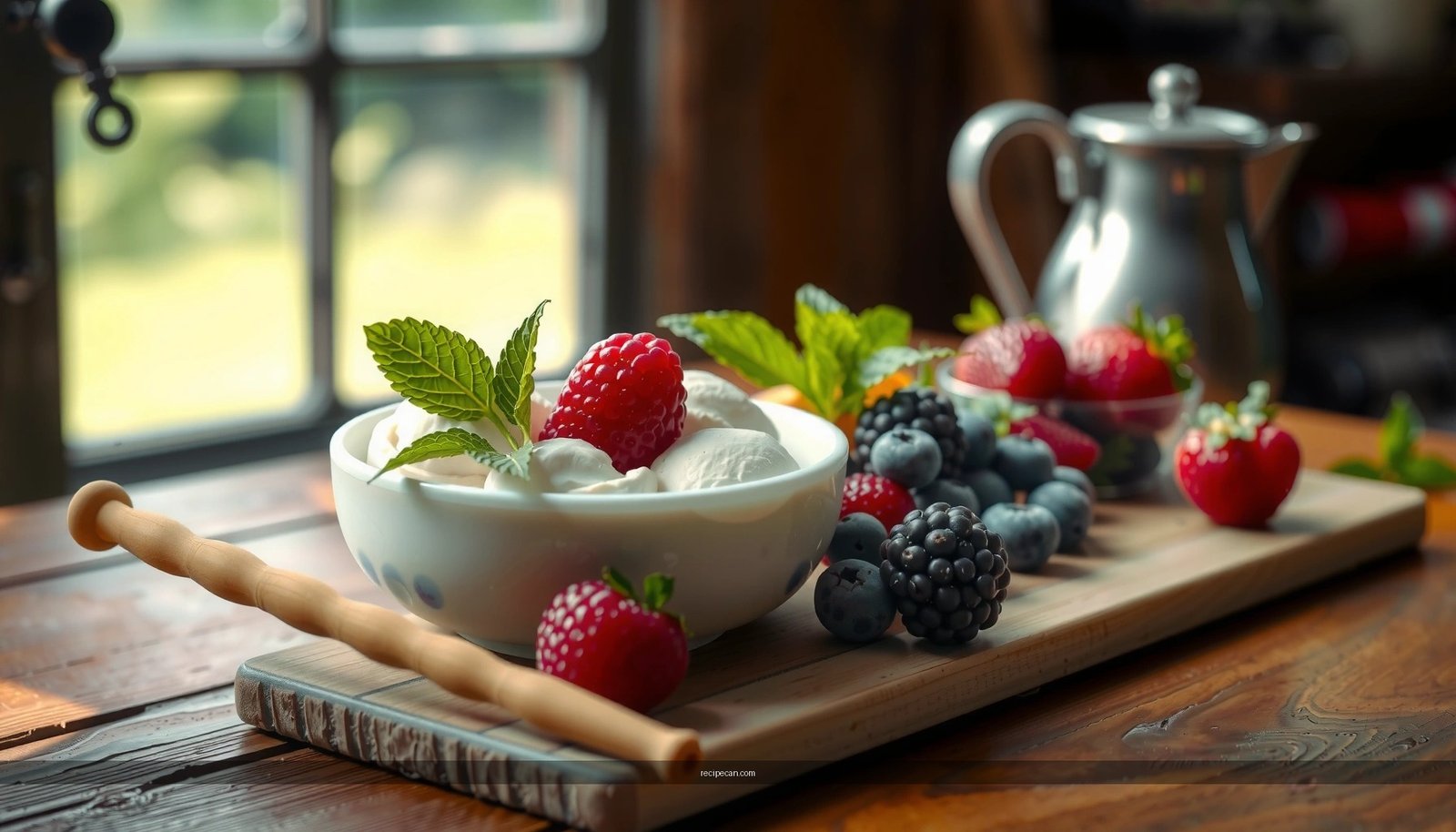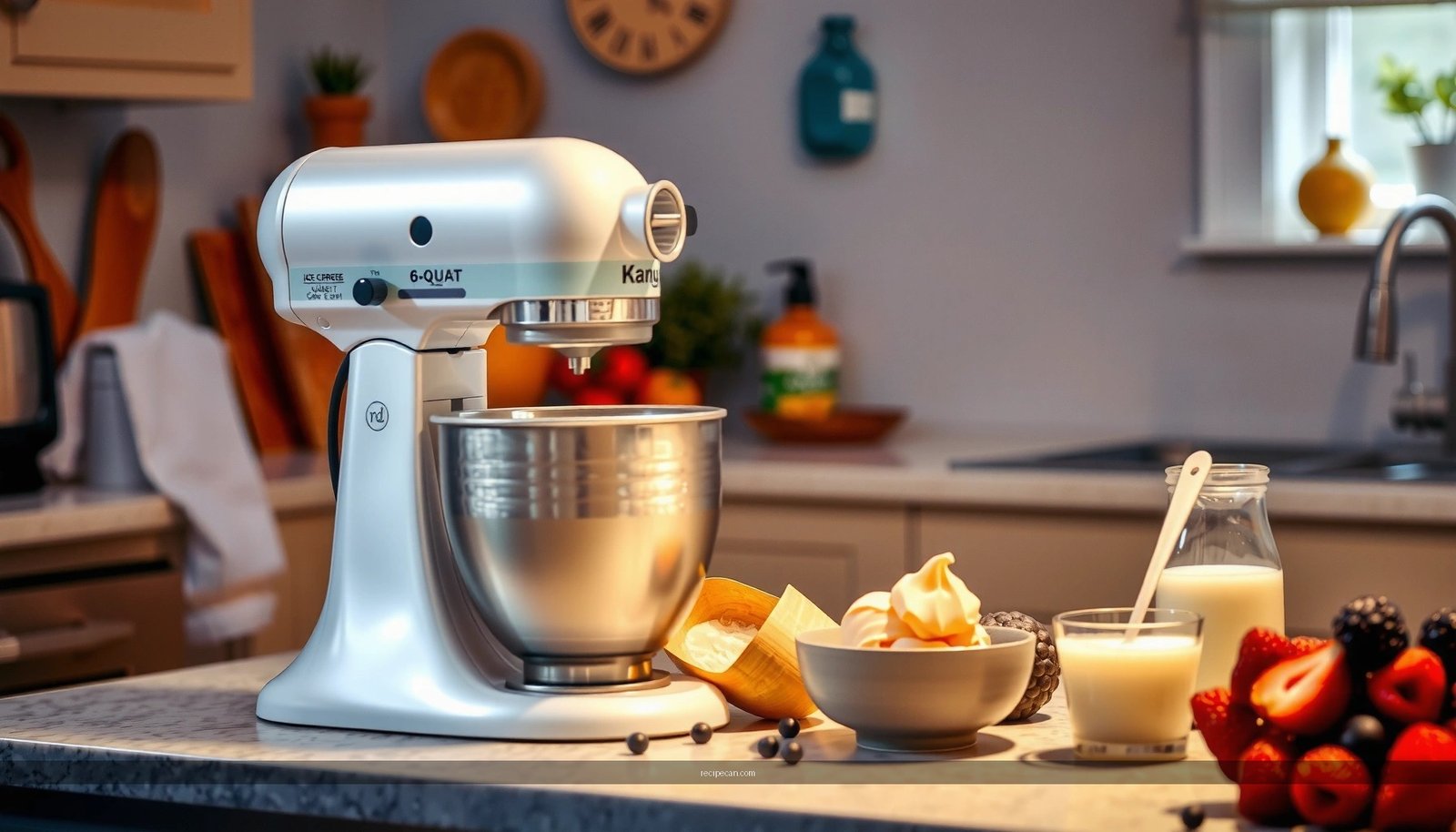
Find the best 6-quart ice cream maker recipes for turning out true homemade ice cream without guesswork. If you want consistently smooth texture, bold flavor, and churn-ready batches every time, these six tested recipes are the clear winners for a 6-quart machine. You’ll quickly get the easiest base-to-flavor combinations, so you can pick your favorites and start churning today.
If you own a 6 quart ice cream maker, you can produce consistently creamy homemade ice cream by using reliable custard/churn bases, controlling temperatures, and adding mix-ins at the right stage. Below are six-quart-friendly recipes (plus practical troubleshooting) designed to minimize graininess, iciness, and uneven flavor distribution—so each batch churns, freezes, and scoops predictably.
Make six-quart ice cream in batches with these tried-and-true recipes that fit a 6 quart ice cream maker. You’ll get dependable base options plus flavor ideas—so you can churn, freeze, and serve crowd-pleasing scoops with less guesswork.
Classic Vanilla Ice Cream (6 Quart Base)

Classic vanilla is the most important “system check” recipe for a 6 quart ice cream maker because it teaches your freezer and churner how your specific equipment handles large-batch texture. For big capacity machines, the goal is a base that’s rich enough to support a smooth mouthfeel after freezing, but balanced enough to avoid overly stiff or buttery results.
A custard-style base is usually the most dependable for a large batch. Aim for a cooked-and-cooled base (rather than a quick mix), because emulsified proteins from the yolks help stabilize fat and water—reducing ice crystal growth during freezing. When you scale up, keep three levers consistent:
– Custard thickness and tempering: Cook until it coats a spoon or reaches a similar stage of thickening, then strain for extra smoothness.
– Fat-to-sugar ratio: Too much sugar can cause softer texture; too little can make it icy.
– Cooling time: Chill thoroughly so the base starts close to churn-ready temperature (often around refrigerator-cold) for faster, more even freezing.
Practical scaling guidance for 6 quarts: most 6-quart churners perform best when you run a full base that doesn’t exceed the machine’s max fill line. If your manual recommends a maximum liquid volume, treat the recipe as the target. For vanilla, you can safely include vanilla bean or high-quality extract to avoid weak flavor that becomes less noticeable in larger volumes.
Flavor upgrades that still behave well in large batches
– Add vanilla bean seeds to boost aroma without changing texture.
– Stir in a small amount of salt (even 1/4–1/2 tsp per gallon-scale base) to sharpen sweetness perception.
– Use whole milk + heavy cream (or equivalent dairy) to maintain a stable freeze.
Chocolate Ice Cream Recipes for a Big Batch
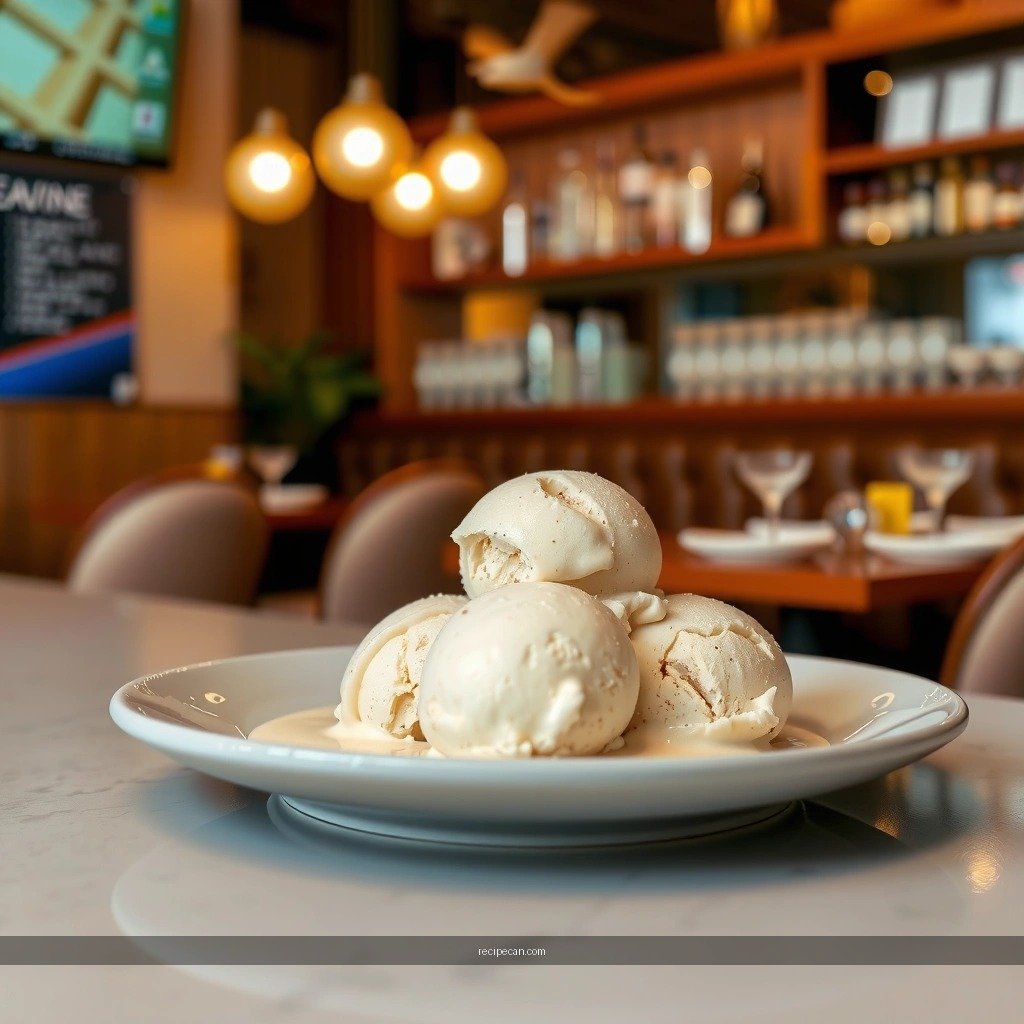
Chocolate is unforgiving at scale if you add cocoa incorrectly—because cocoa solids influence both sweetness and freezing behavior. The winning approach is to add cocoa gradually and to ensure it dissolves fully before churning.
Here’s why cocoa technique matters:
– Graininess risk: Cocoa doesn’t melt like chocolate chips; it disperses. If added too fast or into hot fat without whisking, it can clump.
– Bitter/flat profile: Unsweetened cocoa can taste sharp unless balanced with sugar and vanilla.
– Texture shift: Cocoa increases solids, which can slightly change firmness and scoopability.
Actionable method for smooth chocolate
1. Whisk cocoa with a portion of cold milk or cream first (a small “slurry” step).
2. Temper into the cooked base gradually while whisking.
3. Simmer just until incorporated, then cool and chill fully.
Mix-ins that work particularly well in big-batch chocolate
– Cocoa nibs (for toasted, intense flavor) tend to stay crispier than many chip types.
– Chocolate-covered espresso beans add flavor pops but should be added sparingly to prevent a gritty feel.
– Chocolate chips: choose a size that won’t all “sink” during the initial churn phase. Many makers get best distribution by adding chips during the final minutes of churning (when the base thickens).
If you want a consistent “creamery-style” chocolate without guesswork, use a chocolate base as your foundation and keep mix-ins measured—not dumped—so you can dial texture over successive batches.
Strawberry Ice Cream with Real Fruit

Strawberry ice cream tastes simplest, but it’s actually one of the hardest for texture control—mainly due to water content and acidity. The fix is to use ripe fruit, puree properly, and chill the base before churning to prevent iciness.
Choose fruit like a texture engineer
– Ripe strawberries have higher natural sugars and more intense aroma; underripe berries taste sour and can thin the base’s perceived richness.
– Puree with minimal air: Over-blending can increase foam and affect freeze stability.
Prevent icy texture
– Chill the base thoroughly before churning. A warm base creates a slower freeze, which can allow larger ice crystals to form.
– Consider straining the puree if you dislike seeds or want smoother texture.
– If you use frozen strawberries, thaw fully and drain excess liquid so the base doesn’t become watery.
Two reliable strawberry formats
– Fresh fruit-forward: Puree strawberries, cook lightly with sugar only until juicy syrup forms, then cool.
– Jam-enhanced: Add a spoonful of good strawberry jam after chilling. This boosts fruit flavor and can improve consistency because jams contain pectin.
Finally, decide when to add fruit:
– If your machine recommends adding fruit during churning, do so in the last phase to reduce dyeing of dairy and to keep pieces intact.
– For a more uniform “real fruit” profile, puree more finely and keep the puree volume within your recipe’s tested range.
Cookies & Cream Ice Cream in Your 6 Quart Maker
Cookies & cream is a crowd-pleaser because it blends creamy dairy with crunchy texture. But scale changes everything: crushed cookies can turn soggy if added at the wrong time or if the base isn’t chilled properly.
Fold crushed cookies at the right time
In many churners, the ideal window is late in the churn cycle—when the base has thickened. This helps cookies disperse evenly while reducing the time the crumbs spend swimming in liquid.
Keep chunks from getting soggy
– Chill the base first so the cookies encounter a colder, thicker medium.
– Use slightly larger cookie pieces (not powder) so they keep structure in the freezer.
– If you’re making multiple runs, test one batch with finely crushed Oreos and another with chunkier pieces. Your results will quickly show what your 6 quart maker prefers.
Best mix-in strategy for even distribution
– Pre-crush cookies and keep them dry and room temperature before adding.
– Add in small additions rather than dumping everything at once. This prevents “cookie clumps” that can float or sink.
– If your machine has a “mix-in” paddle or timed add feature, follow it closely—consistency matters more than creativity here.
Cookies also pair well with a vanilla base (clean dairy flavor) or with a slightly salted cream base to help the chocolate cookies pop.
Mint Chocolate Chip Ice Cream
Mint chocolate chip can go wrong when peppermint becomes bitter. Your goal is controlled mint intensity—aroma first, bitterness last.
Steep or flavor carefully
If using peppermint extract or a mint syrup, add gradually. A common failure at scale is adding the full amount too early, then discovering the mint tastes harsh after freezing. Instead:
– Start with a measured amount, churn, and taste the base.
– If needed, adjust after chilling—especially if your recipe includes yolks or cooked dairy.
For a more natural mint profile, some makers steep mint leaves (or use a mild mint infusion) in cream or milk, then strain before cooking finishes. This produces a softer flavor that distributes evenly in large batches.
Freeze briefly before serving for clean scoops
Mint chocolate chip can feel slightly firm right after freezing. To improve scoop quality:
– Let the ice cream sit in the freezer a short period closer to serving time (rather than going directly from freezing to scooping).
– Aim for a texture window where chips are solid but the base is creamy enough to hold shape.
Chip distribution
Chocolate chips can settle if you add them too early. Add during late churn or fold in gently right before transfer, depending on how your specific machine behaves.
Salted Caramel Ice Cream (Crowd-Pleaser)
Salted caramel is the ultimate “big batch” flavor because it delivers premium, dessert-shop character—but it demands precision when cooking caramel. Caramel mistakes (burning or undercooking) show up as bitterness or thinness.
Cook caramel to the right color
Caramel is a time-and-temperature process. Watch color closely:
– Deeper amber typically indicates better richness.
– Too dark can taste burnt and overpower the cream.
Then you must fully emulsify when combining caramel with cream and dairy. This prevents greasy separation and ensures smooth texture. Stir thoroughly and return to a stable consistency before chilling.
Swirl properly and chill thoroughly
For best results in a 6 quart churner:
– Chill the base until cold before churning.
– If you’re using caramel ribbons or swirls, ensure the caramel is thick enough to hold shape but not so hot that it melts into the dairy uniformly.
– Chill thoroughly after churning so swirl texture remains visually distinct and the base firms without crystal formation.
Salted caramel also benefits from a slightly higher-quality salt (flaky salt or a measured fine salt) rather than heavy-handed salting. The salt should enhance caramel notes, not dominate them.
Churn Success Indicators for Large-Batch Ice Cream
| # | Recipe Category | Chill Base Before Churn | Mix-in Timing | Typical Scoop Firmness | Texture Risk |
|---|---|---|---|---|---|
| 1 | Classic Vanilla (custard-style) | 6–12 hrs | Late churn if adding pieces | Soft-medium | Low |
| 2 | Chocolate (cocoa-based) | 4–8 hrs | Chips/nibs: last 3–5 min | Medium | Medium |
| 3 | Strawberry (real fruit puree) | 6–12 hrs | Late churn; add puree after thickening | Medium-soft | Medium-High |
| 4 | Cookies & Cream | 4–10 hrs | Fold in after thickening | Firm-medium | Medium |
| 5 | Mint Chocolate Chip | 6–12 hrs | Chips late; mint added early but measured | Firm-medium | Medium |
| 6 | Salted Caramel (ribbons or swirl) | 6–12 hrs | Caramel swirl after churn; keep cool | Medium-firm | Low-Medium |
| 7 | Mix-in Only Variation (second run) | Use same chilled base | Always late churn for solids | Varies by mix | Medium |
Troubleshooting: Texture, Freezing, and Yield Tips
Even with excellent recipes, big-batch ice cream is a process. Small deviations—like base temperature, mix-in size, or freezer time—can change texture. Use the troubleshooting framework below to diagnose issues quickly.
1) Texture problems and likely causes
– Icy / crystalline texture: Usually caused by insufficient chilling before churn, under-stabilized bases, or fruit with excess water.
– Fix: chill longer, strain watery purees, reduce liquid add-ins, and keep mix-in ratios controlled.
– Grainy mouthfeel (common in chocolate): Cocoa clumps or incomplete dispersion.
– Fix: slurry cocoa first, whisk aggressively, and fully dissolve before simmering or tempering.
– Too soft / won’t firm in the freezer: Overly sweet base, too much fat dilution, or insufficient freezing time.
– Fix: measure sugar accurately, and give the final hardening stage time.
– Too hard / chalky scoops: Base churned too cold and over-frozen can feel rigid.
– Fix: ensure proper churn temperature, and let ice cream sit briefly for best scoopability.
2) Freezing time and container strategy
Yield and texture improve when you harden properly:
– Use the right container size: Pack into a container that fits your batch volume without excessive headspace. Large air pockets promote freezer burn and surface ice.
– Cover quickly: Minimize time exposed to freezer air.
– Hardening stage matters: Most homemade churned ice creams benefit from a full hardening period before “judging” texture. If you sample too early, you may mistake soft texture for poor recipe performance.
3) Mix-in sizing and load planning
Mix-ins are where many 6 quart batches go off course.
– Large solids (chunks, cookies) help texture integrity, but they require late addition so they don’t absorb too much moisture early.
– Fine crumbs absorb faster and can soften—use them sparingly or reserve a portion for “top dressing” rather than mixing throughout.
– Chocolate chips and nibs: add late to prevent sinking and to keep distribution consistent.
4) Temperature discipline
Temperature is a multiplier:
– Base temperature before churn should be cold enough to reduce the chance of slow freezing.
– Mix-ins should be at compatible temperatures (room temperature solids generally disperse better than cold, hard objects that can seize).
– Caramel and fruit additions should be cooled so they don’t locally melt the base and create uneven freezing.
If you want repeatable success, treat your 6 quart ice cream maker like a production line: keep the base consistent, change only one variable at a time (flavor or mix-ins), and document what works.
Churn one of these 6 quart ice cream maker recipes to get consistent, homemade flavor in every batch. Pick your favorite from the list, follow the base + mixing tips, and then make a second run with new mix-ins—so you can dial in your perfect scoop at home.
In the end, the best 6 quart ice cream recipes rely on dependable bases (vanilla, custard-style chocolate, and balanced fruit), careful mix-in timing, and strong temperature control. When you standardize chilling, add solids late for even distribution, and troubleshoot texture early, you’ll get creamy results that freeze well, scoop cleanly, and satisfy guests every time.
Frequently Asked Questions
What are the best 6 quart ice cream maker recipes for beginners?
Beginner-friendly 6 quart ice cream maker recipes include vanilla bean, chocolate, and basic strawberry because they use simple custard or no-churn bases that are hard to mess up. For a 6 quart bowl, recipes that yield around 5–6 quarts work well so you don’t overfill the freezer bowl. Choose formulas with clear chilling steps and follow the recommended freeze time for consistent texture.
How do you scale a 6 quart ice cream maker recipe without overfilling?
Start by checking your ice cream maker’s maximum fill line, then scale the recipe so the mixture reaches that level after mixing and before churning. Many 6 quart ice cream maker recipes are designed for the bowl capacity, but you should still allow headspace because the mixture expands during churning. If you’re adapting a smaller batch, increase ingredients proportionally while keeping the same custard-to-milk ratio for reliable results.
How do you make custard-based 6 quart ice cream maker recipes smooth and creamy?
For smooth texture, cook your custard base gently until it thickens enough to coat a spoon, then strain it to remove any scrambled bits. Chill the custard completely—ideally overnight—so the base is cold before it goes into your 6 quart ice cream maker. Churn until it reaches soft-serve consistency, then freeze to firm up for the creamiest scoop.
Why does my 6 quart ice cream maker produce icy ice cream, and how can I fix it?
Icy ice cream usually happens when the base isn’t fully chilled, the churn time is too short, or the recipe lacks enough sugar and fat. Try using a proven 6 quart ice cream maker recipe that includes sweeteners like sugar or corn syrup and adequate dairy fat, since they help lower ice crystal formation. Also verify your freezer bowl was fully frozen and avoid repeatedly opening the lid during churning.
Which 6 quart ice cream maker recipes work best for no-churn or faster churn methods?
If you want quicker results, no-churn 6 quart ice cream maker recipes are ideal—especially chocolate peanut butter, cookies and cream, and strawberry cheesecake-style bases using sweetened condensed milk. Alternatively, for faster churn methods, use eggless custard-free recipes like coffee gelato or sorbet-style fruit bases that still chill thoroughly before churning. These options fit well in a 6 quart ice cream maker because they set reliably with proper freezing time after the mix is churned.
References
- Google Scholar Google Scholar
https://scholar.google.com/scholar?q=6+quart+ice+cream+maker+recipes - Google Scholar Google Scholar
https://scholar.google.com/scholar?q=ice+cream+maker+recipe+6+quart+capacity+batch+size - Google Scholar Google Scholar
https://scholar.google.com/scholar?q=ice+cream+base+churned+custard+recipe+egg+pasteurization - Ice cream
https://en.wikipedia.org/wiki/Ice_cream - Ice cream maker
https://en.wikipedia.org/wiki/Ice_cream_maker - Ice cream | Definition, History, & Production | Britannica
https://www.britannica.com/topic/ice-cream - https://pubmed.ncbi.nlm.nih.gov/?term=ice+cream+overrun+freezing+properties
https://pubmed.ncbi.nlm.nih.gov/?term=ice+cream+overrun+freezing+properties - https://pubmed.ncbi.nlm.nih.gov/?term=ice+cream+mix+pasteurization+homogenization
https://pubmed.ncbi.nlm.nih.gov/?term=ice+cream+mix+pasteurization+homogenization - https://www.sciencedirect.com/search?qs=ice%20cream%20freezing%20process%20ice%20crystal%20formation
https://www.sciencedirect.com/search?qs=ice%20cream%20freezing%20process%20ice%20crystal%20formation - https://www.sciencedirect.com/search?qs=ice%20cream%20mix%20formulation%20stabilizers%20emulsifiers
https://www.sciencedirect.com/search?qs=ice%20cream%20mix%20formulation%20stabilizers%20emulsifiers