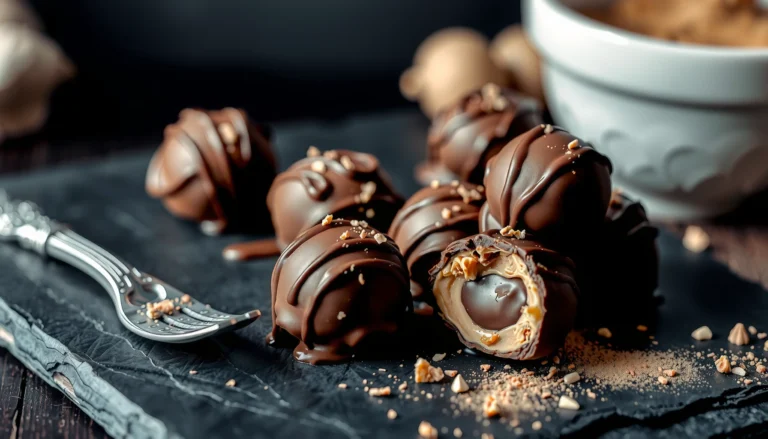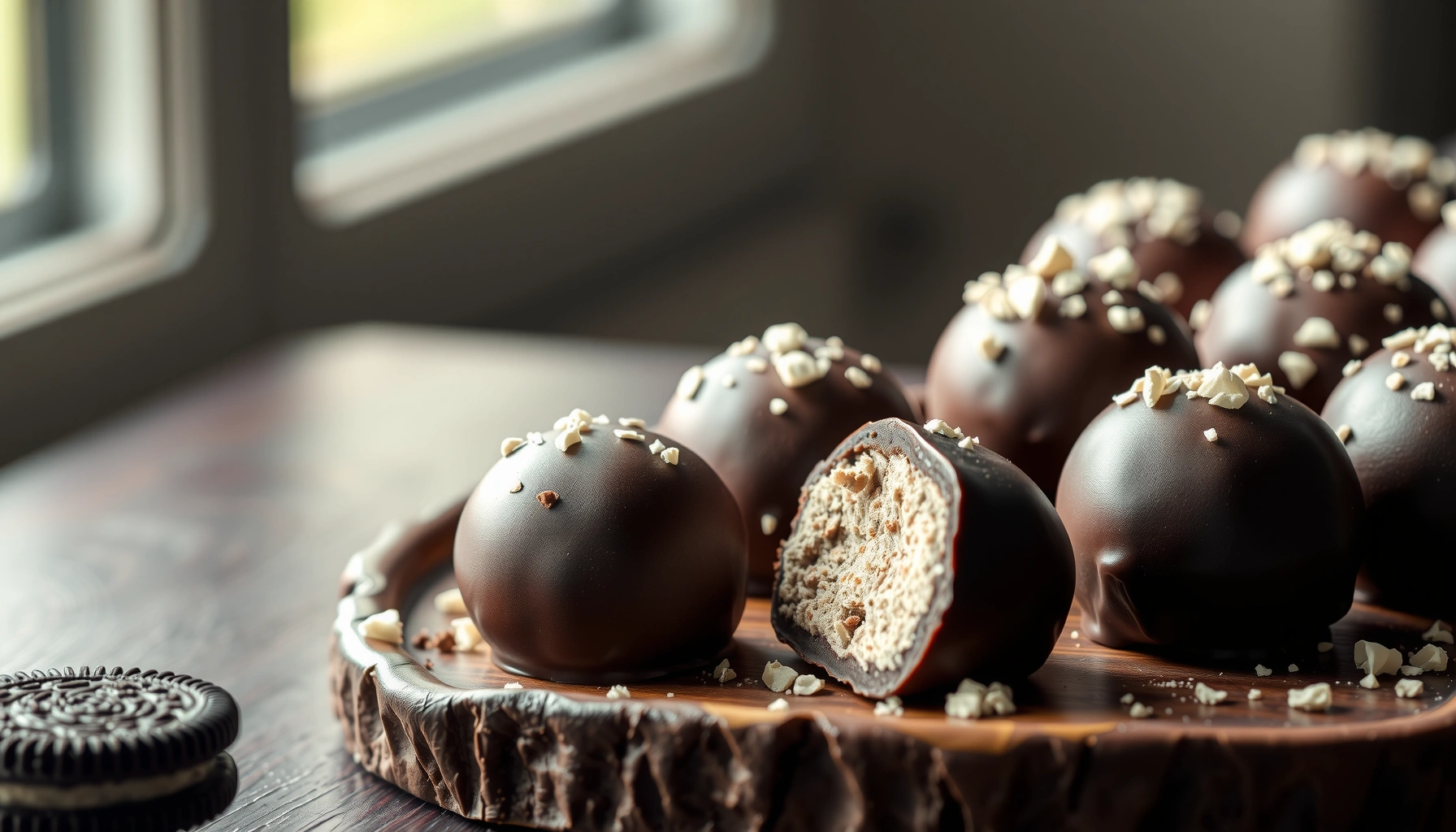
Get the best Oero ball recipe—simple, no-fuss, and reliably tasty—when you want a crowd-pleasing Oreo dessert without baking. This guide walks you through the exact ingredients and step-by-step process to make perfectly sized, creamy Oreo balls in minutes. If you’re making treats for parties, holidays, or gifting, this is the one method that delivers consistently.
Make Oreo balls by crushing Oreos, mixing them with softened cream cheese, rolling into bite-size portions, and chilling until firm—then coat for a polished finish. This guide walks you through the simplest ingredient ratio, the practical techniques that keep your mixture neat and creamy, and the coating options that make these no-bake treats look (and taste) store-bought.
What You Need for an Oero Ball Recipe

Oreo ball treats are intentionally simple: a cookie base (crushed Oreos) and a creamy binder (cream cheese) that transforms crumbs into a rollable filling. Because the texture matters, the “what you need” list is really about controlling consistency and hygiene for repeatable results—especially if you’re making them for a party, office event, or holiday platter.
Core components
– Oreos and cream cheese are the main ingredients
Oreos provide structure, sweetness, and the iconic cookie flavor. Cream cheese provides moisture and fat, binding crumbs into a cohesive ball that slices well and holds its shape during coating.
– Optional coatings like chocolate or sprinkles for finishing
Coatings improve visual appeal and add an extra flavor layer. They also help protect the cookie interior from drying out, which can be useful for make-ahead serving.
Basic tools that make a difference
– Mixing bowl, spoon, and parchment-lined tray
A bowl gives you the right mixing space without overhandling. A spoon helps fold crumbs into cream cheese without warming it too much. Parchment prevents sticking and keeps your coating process cleaner.
– Optional but highly recommended:
– Cookie scoop for uniform size (better portion control, faster chilling)
– Small offset spatula or fork for dipping and lifting coated balls
– Microwave-safe bowl for melting chocolate in controlled increments
To help you plan quantity (especially for offices and events), the table below summarizes practical yield ranges based on common batch sizes.
Oreo Ball Yield Estimates by Batch Size
| # | Batch Ingredients | Assumed Oreo Count | Cream Cheese | Estimated Balls |
|---|---|---|---|---|
| 1 | Starter batch (12–15 pcs total) | 12 Oreos | 4 oz (113 g) | 10–12 |
| 2 | Small get-together | 24 Oreos | 8 oz (227 g) | 22–26 |
| 3 | Party-ready | 36 Oreos | 12 oz (340 g) | 34–40 |
| 4 | Office event tray | 48 Oreos | 16 oz (454 g) | 46–56 |
| 5 | Large holiday platter | 60 Oreos | 20 oz (567 g) | 58–70 |
| 6 | Catered dessert spread | 72 Oreos | 24 oz (680 g) | 70–84 |
| 7 | Testing/variation batch | 18 Oreos | 6 oz (170 g) | 16–20 |
Ingredients and Helpful Measurements
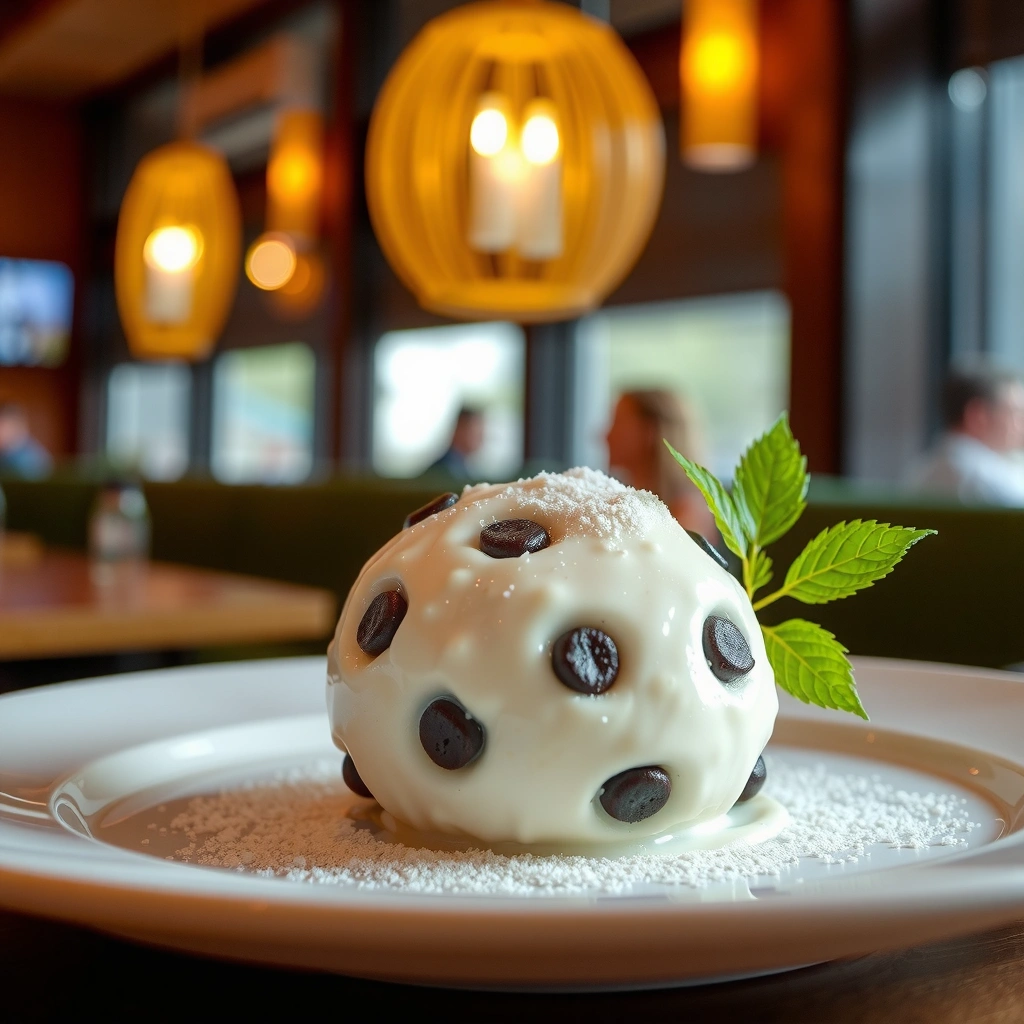
A reliable Oreo ball recipe depends on two measurements: the ratio of Oreo crumbs to cream cheese and the crush size of your cookies. If you nail those, the rest becomes straightforward.
Crush Oreos finely for a smooth, easy-to-roll texture
– Use a food processor for consistent crumb size.
– If crushing by hand, aim for fine crumbs—visible cookie chunks create rough edges and cause uneven rollability.
– For best results, include the filling (that’s part of what makes Oreo balls taste “right”).
Add cream cheese gradually until the mixture holds together
– Soften cream cheese until pliable, not melted.
– When you mix, stop once the crumbs look evenly dark and the mixture can be pressed together without wet streaks.
– In practice, cream cheese amount can vary slightly by humidity and crumb fineness. Gradual addition is the “quality control” method.
Use consistent amounts so each Oero ball tastes the same
– If you’re coating in different styles (sprinkles, crushed Oreos, chocolate), keeping the filling consistent matters more than the coating.
– Consider weighing ingredients for repeatability, especially if you’re serving multiple groups or producing for an event schedule.
Practical ratio guideline (easy to scale)
A dependable starting point for an Oreo ball treat is roughly:
– 1 part cream cheese to 3 parts Oreo crumbs by volume
– In “retail-friendly” terms: about 8 oz (227 g) cream cheese per 24 Oreos usually produces a rollable batch for bite-size balls.
Step-by-Step Instructions
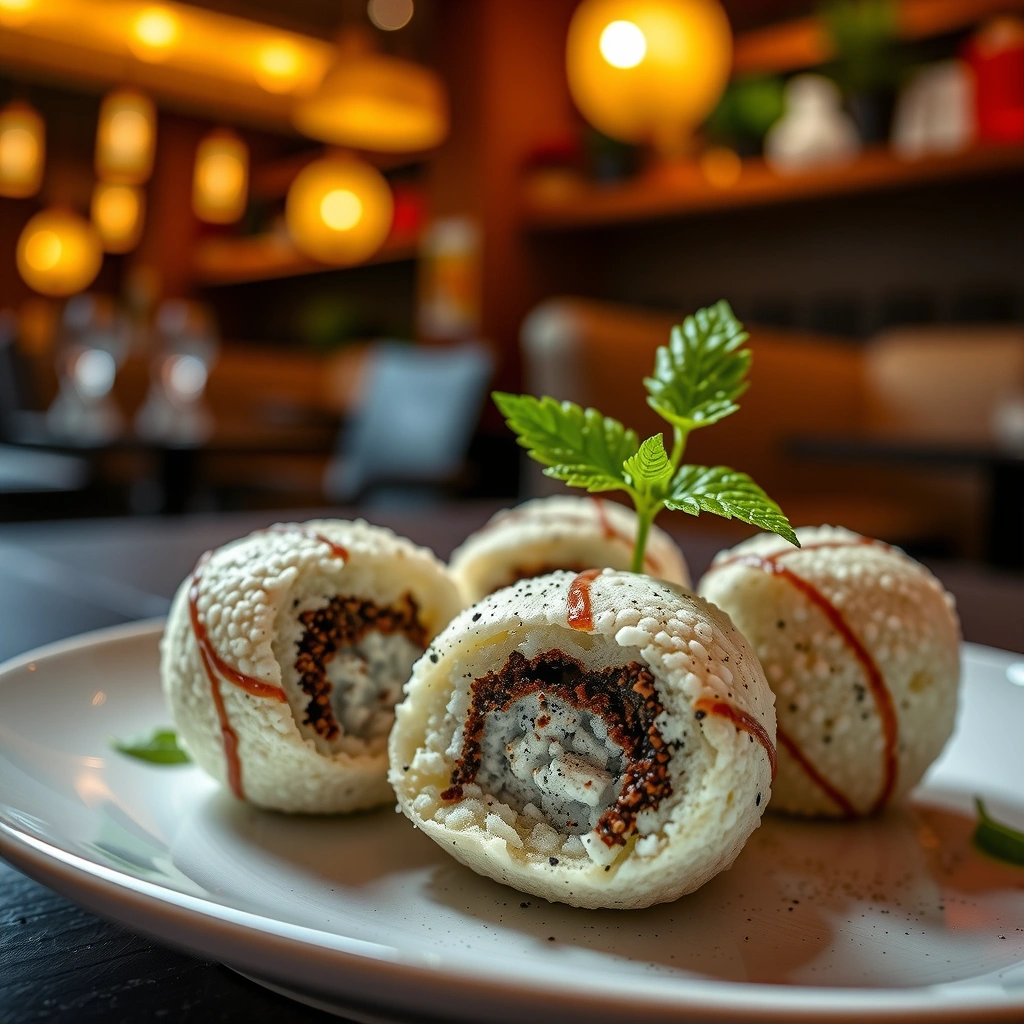
These steps are designed to protect texture—because Oreo balls fail most often when the mixture is too warm, overmixed, or not chilled long enough.
– Mix crushed Oreos with softened cream cheese until combined
Fold until the mixture is uniform. Stop as soon as there are no dry crumb pockets. Overmixing and excessive pressing can warm the cream cheese and soften the filling, making rolling difficult.
– Roll into uniform balls for even chilling and serving
Aim for consistent size so all Oreo balls chill at the same rate and coat evenly. If your mixture sticks, lightly coat your hands with a thin film of neutral oil (or use disposable gloves).
– Chill the balls until firm before coating (if using)
Chill until the balls are solid enough to handle without smearing. This typically takes 30–60 minutes depending on your fridge temperature and batch size. For best results, coat soon after removing from the fridge so the surface stays clean and dry.
Operational tip for events:
If you’re plating for guests, keep a small “production line” rhythm: roll → chill → coat → set. This reduces downtime where the filling softens on the counter.
Coating Options for Oero Balls
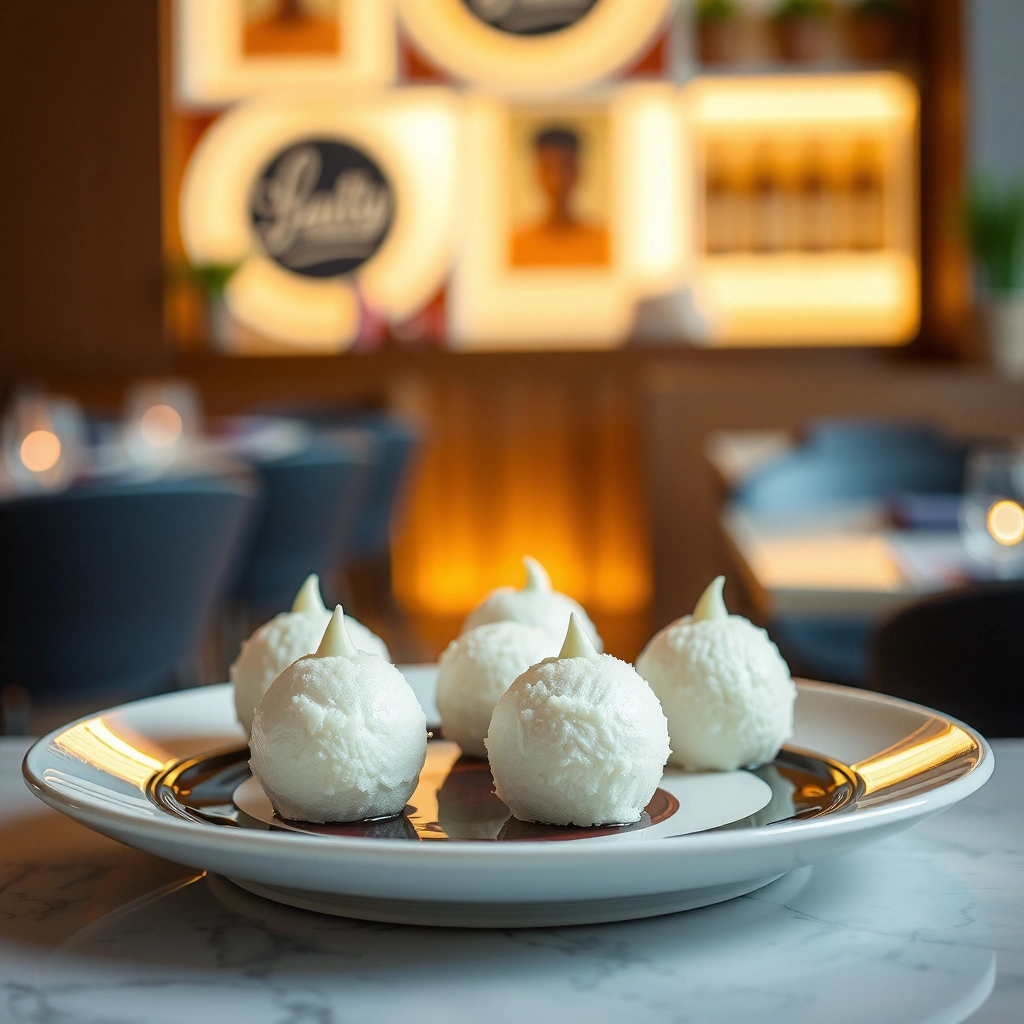
Coatings are where your Oreo balls shift from “homemade” to “presentation-ready.” Choose a coating that matches your serving timeline and required neatness.
– Dip in melted chocolate for a classic look and snap
Use chocolate (or chocolate chips) melted gently. If chocolate becomes thick, thin with a teaspoon of neutral oil or a small amount of coconut oil to improve flow.
– Set on parchment to avoid sticking.
– Allow a full set before stacking or transporting.
– Roll in sprinkles, crushed Oreos, or coconut for variety
For a quick, no-dip finish:
– Roll chilled balls in a shallow bowl of toppings.
– Press lightly so toppings adhere without flattening the ball.
– Let coatings set fully for less mess and better presentation
If you coat but rush the setting step, the exterior can smear. Refrigerating for 15–30 minutes after coating helps maintain crisp lines and clean edges—particularly important for office trays and gift boxes.
Best-fit guidance
– Chocolate dip: best for glossy, giftable appearance.
– Sprinkles: best for kids’ parties and themed events.
– Crushed Oreos: best for maximum Oreo flavor consistency.
– Coconut: best for a slightly lighter, texture-rich profile.
Storage and Make-Ahead Tips
Because Oreo balls are essentially a chilled, no-bake dessert, storage strategy strongly affects both texture and food safety. With the right approach, these treats can be made ahead without sacrificing quality.
– Store in an airtight container in the fridge
Keep them separated in layers with parchment paper so the coatings don’t stick together. Refrigerated Oreo balls typically stay fresh for up to 5–7 days depending on how they’re coated and how warm your kitchen is during assembly.
– Freeze for longer storage (thaw in the fridge before serving)
Freeze uncoated or coated balls in a single layer until firm, then transfer to a freezer-safe container or bag.
– Thaw in the refrigerator to prevent condensation on the chocolate surface.
– Make ahead and coat close to serving for best texture
If you want the cleanest look, prepare the filling and roll into balls ahead of time, then coat on the day of serving. Chilling the coated balls right before transport also reduces smearing risk.
Pro serving move:
For large events, pre-roll and chill overnight. Coat in batches when you’re within a couple of hours of serving so chocolate sets smoothly and the tray looks fresh.
Common Mistakes to Avoid
Even a simple Oreo ball recipe can go off-track if a few process details are missed. These are the most common issues—and why they happen.
– Overmixing can make the filling too soft to roll
Overmixing often warms cream cheese. When the fat softens, the mixture becomes greasy and sticky rather than cohesive. Mix until uniform, not until “smooth as frosting.”
– Not chilling long enough can cause crumbling or slipping coating
If balls aren’t firm, they deform when dipped or rolled. That leads to cracked surfaces, uneven topping coverage, and messy transfer points. Ensure they’re solid before coating.
– Uneven Oreo crushing may lead to inconsistent texture
Large crumbs create gritty bites and weak structural integrity, which can show up as crumbly edges. Consistent fine crushing helps every Oreo ball have the same chew and creaminess.
Quick troubleshooting
– If balls won’t hold shape: add a bit more finely crushed Oreo crumbs and chill again.
– If balls are too hard: let them sit at room temperature for 5–8 minutes, then re-roll (lightly) and re-chill briefly.
Oreo balls are one of the best “high-reliability” desserts for busy schedules: they don’t require baking, they scale easily for groups, and they deliver consistent crowd appeal with minimal equipment. By using finely crushed Oreos, gradually adding softened cream cheese, chilling until firm, and choosing a coating that matches your timeline, you’ll get neat, creamy Oreo ball treats that look impressive on a platter. Follow the ratio and process cues above, and you’ll be able to produce gifts, office snacks, or party desserts with dependable texture and clean presentation every time.
References
- Oreo
https://en.wikipedia.org/wiki/Oreo - Chocolate truffle
https://en.wikipedia.org/wiki/Chocolate_truffle - https://en.wikipedia.org/wiki/Truffle_(confectionery
https://en.wikipedia.org/wiki/Truffle_(confectionery - Chocolate
https://en.wikipedia.org/wiki/Chocolate - Confectionery
https://en.wikipedia.org/wiki/Confectionery - Cookie
https://en.wikipedia.org/wiki/Cookie - Ganache
https://en.wikipedia.org/wiki/Ganache - Google Scholar Google Scholar
https://scholar.google.com/scholar?q=oreo+balls+recipe - Google Scholar Google Scholar
https://scholar.google.com/scholar?q=oreo+truffles+recipe - Google Scholar Google Scholar
https://scholar.google.com/scholar?q=oreo+dessert+truffle+recipe