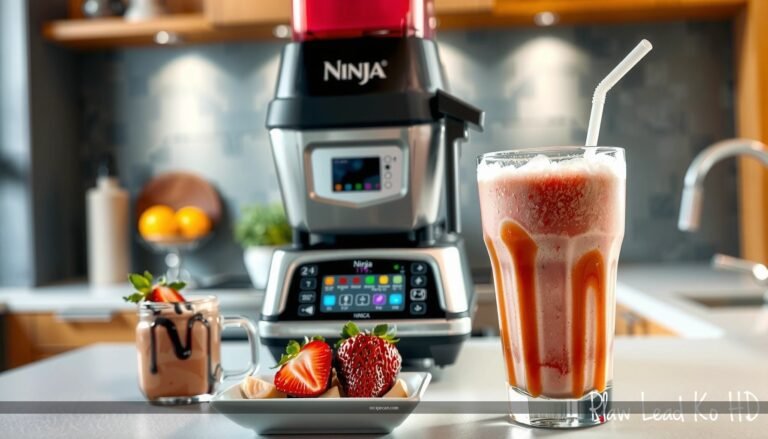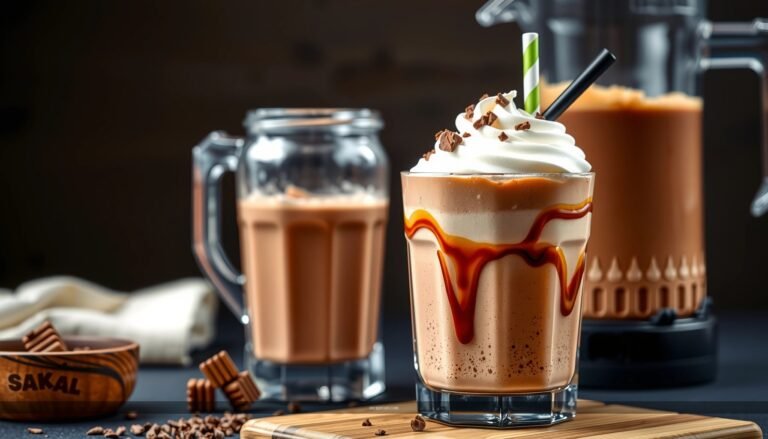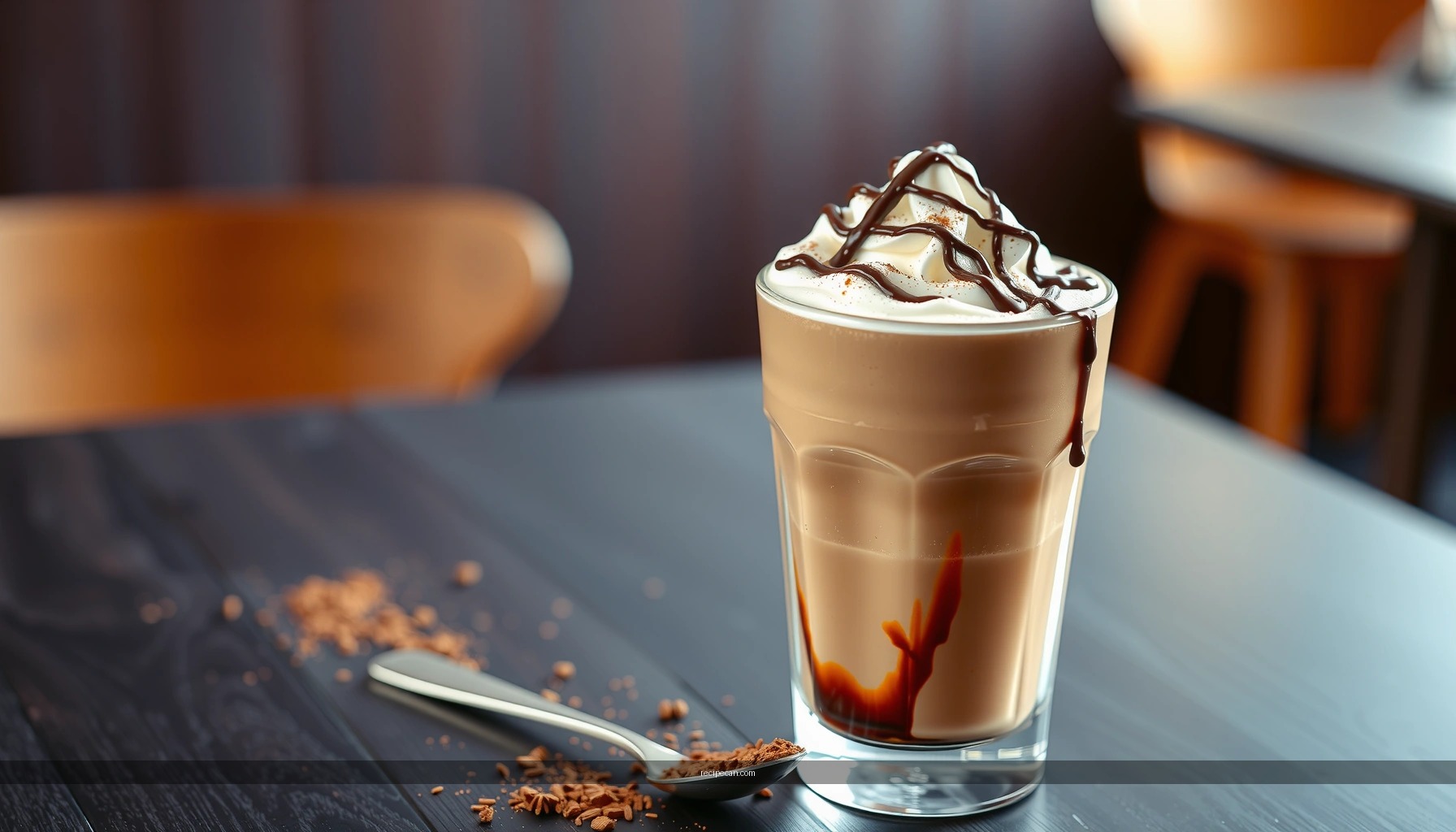
You want a simple chocolate milkshake recipe that’s quick, creamy, and actually easy—this one delivers. It answers how to make a rich, classic chocolate milkshake in minutes with just a few straightforward ingredients and no complicated steps. If you need a reliable go-to method for a smooth, spoonable shake, this is the winner.
A simple chocolate milkshake is ready in minutes—blend cold milk, chocolate flavor (cocoa and/or syrup), and ice cream until smooth and thick. For the creamiest results, use a cold, full-fat base and blend briefly (then fine-tune thickness with ice cream or milk) rather than over-blending until the texture thins.
Choose Your Chocolate Base

The chocolate “engine” of a milkshake is where most home cooks make the shake taste flat—or taste like a classic diner treat. Your choice also affects sweetness, thickness, and how the chocolate flavor blooms in the cold.
– Use cocoa powder for a classic chocolate taste
Cocoa powder delivers a deeper, less-sweet, bakery-like chocolate profile. Because cocoa is dry, it typically needs a little help: add it with the ice cream and blend long enough for it to fully hydrate. For a smoother cup, sift cocoa first or use finely ground cocoa.
– Use chocolate syrup for a sweeter, richer flavor
Chocolate syrup is pre-sweetened and already liquid, so it dissolves easily and creates a glossy, dessert-shop vibe. It’s also more forgiving if you’re adjusting sweetness on the fly.
– Combine both for a balanced, “dessert shop” style
Using both gives you cocoa depth plus syrup sweetness. A common “pro” approach is cocoa for flavor complexity (chocolate intensity without extra cloying sweetness) and syrup for color and mouthfeel. This combination also tends to taste richer even with slightly less added sugar because cocoa contributes more chocolate character.
Practical tip: If you’re using cocoa powder, consider adding a small pinch of salt. It doesn’t make the shake salty—it enhances chocolate aroma and improves perceived sweetness.
Gather the Simple Ingredients

This recipe is intentionally minimal, but the quality of each ingredient determines whether you get that thick, creamy spoon-coating texture or an icy drink.
– Cold milk (whole milk works best for creaminess)
Whole milk has more fat, which improves mouthfeel and slows down “thinning” after blending. If you use lower-fat milk, you’ll likely need either more ice cream or a short rest time to stabilize the texture. For dairy-free versions, choose a thick oat milk or a barista-style soy milk for better emulsification.
– Ice cream or vanilla frozen yogurt for thick texture
Ice cream is the most reliable for classic milkshake thickness because fat and stabilizers keep the texture dense. Vanilla frozen yogurt can work if it’s thick and straight-from-the-freezer, but it may produce a slightly tangier, softer shake. If your goal is a tight, thick result, ice cream is the safer choice.
– Optional toppings like whipped cream or chocolate chips
Toppings aren’t just visual—they also add contrast. Whipped cream increases perceived richness, while chocolate chips introduce small bursts of chocolate as you sip. If you’re serving to guests, toppings also signal “dessert,” even when the recipe stays quick and simple.
Milkshake Base Ratios for Thickness (1 Serving)
| # | Shake Style | Milk (mL) | Ice Cream (g) | Chocolate (Tbsp) | Expected Thickness |
|---|---|---|---|---|---|
| 1 | Ultra-thick (spoonable) | 60 | 200 | 2 cocoa* | ★★★★☆ |
| 2 | Classic diner-thick | 100 | 180 | 2 cocoa | ★★★★★ |
| 3 | Thick but drinkable | 140 | 150 | 2 syrup | ★★★★☆ |
| 4 | Creamy & balanced | 170 | 120 | 1.5 syrup | ★★★★☆ |
| 5 | Smooth & medium | 220 | 90 | 1 syrup | ★★★☆☆ |
| 6 | Light shake (runny) | 260 | 60 | 1 tbsp cocoa | ★★☆☆☆ |
| 7 | Frozen consistency hack | 90 | 180 | 1 cocoa + 1 syrup | ★★★★★ |
For cocoa-only shakes, keep chocolate at 2 Tbsp per serving for a bold profile; adjust to taste.
Step-by-Step: Blend to the Perfect Texture
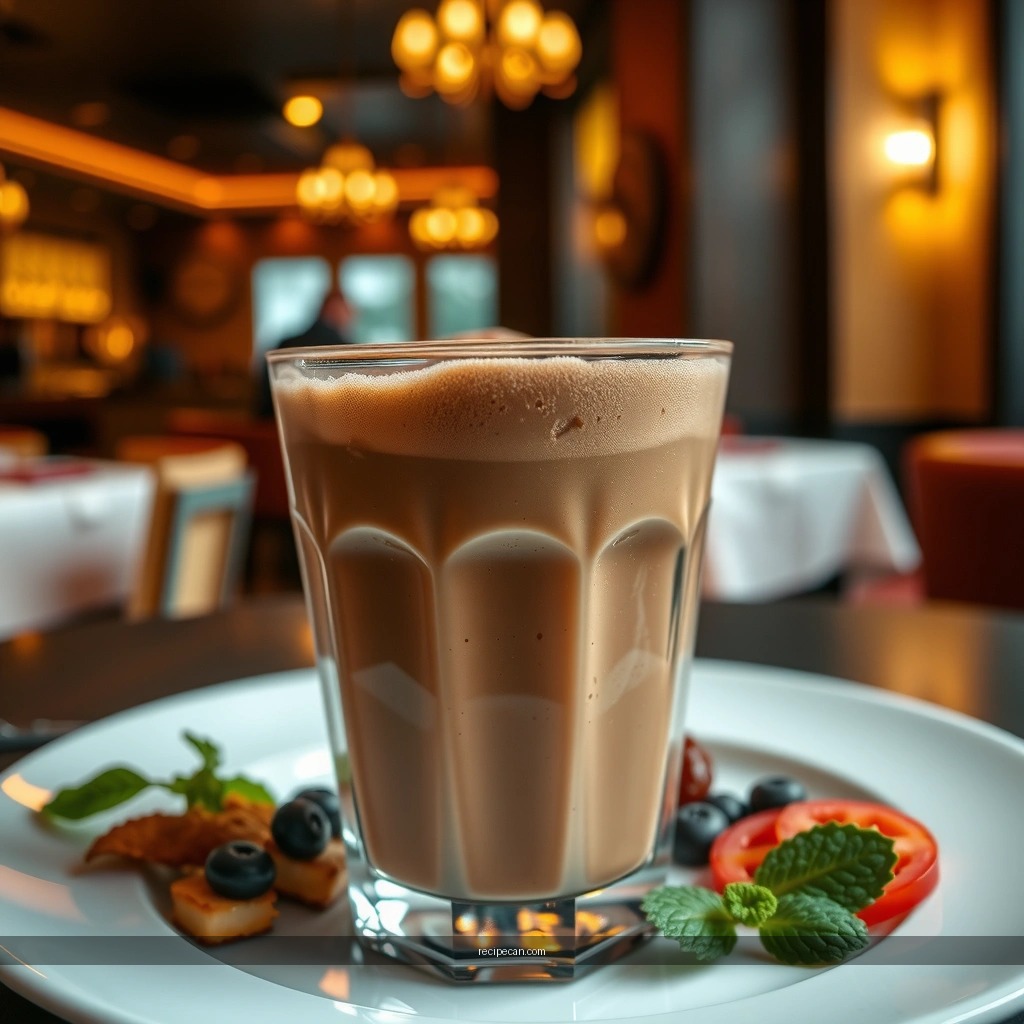
A great chocolate milkshake is equal parts ingredients and process. Over-blending warms the mix and turns a thick shake into a thinner, icier drink. Under-blending leaves cocoa powder grainy or streaky.
– Add milk first, then ice cream, then chocolate
Starting with milk helps the blender catch and circulate ingredients smoothly. Next, ice cream forms the body of the shake, and chocolate last ensures it disperses without getting stuck to dry blender surfaces.
– Blend 30–60 seconds until smooth and thick
Use a short, controlled blend. Most home blenders reach a stable texture in under a minute. If your blender struggles, pause once and scrape.
– Stop and scrape the blender sides if needed
Cocoa powder can cling to the sides early in blending. A quick scrape mid-process prevents “dry chocolate pockets” and improves mouthfeel. Finish with another 10–20 seconds.
Texture cue: When the shake looks glossy and pours slowly, it’s usually blended enough. If it looks foamy and thin, it likely needs less liquid or slightly less blending time.
Adjust Thickness and Sweetness
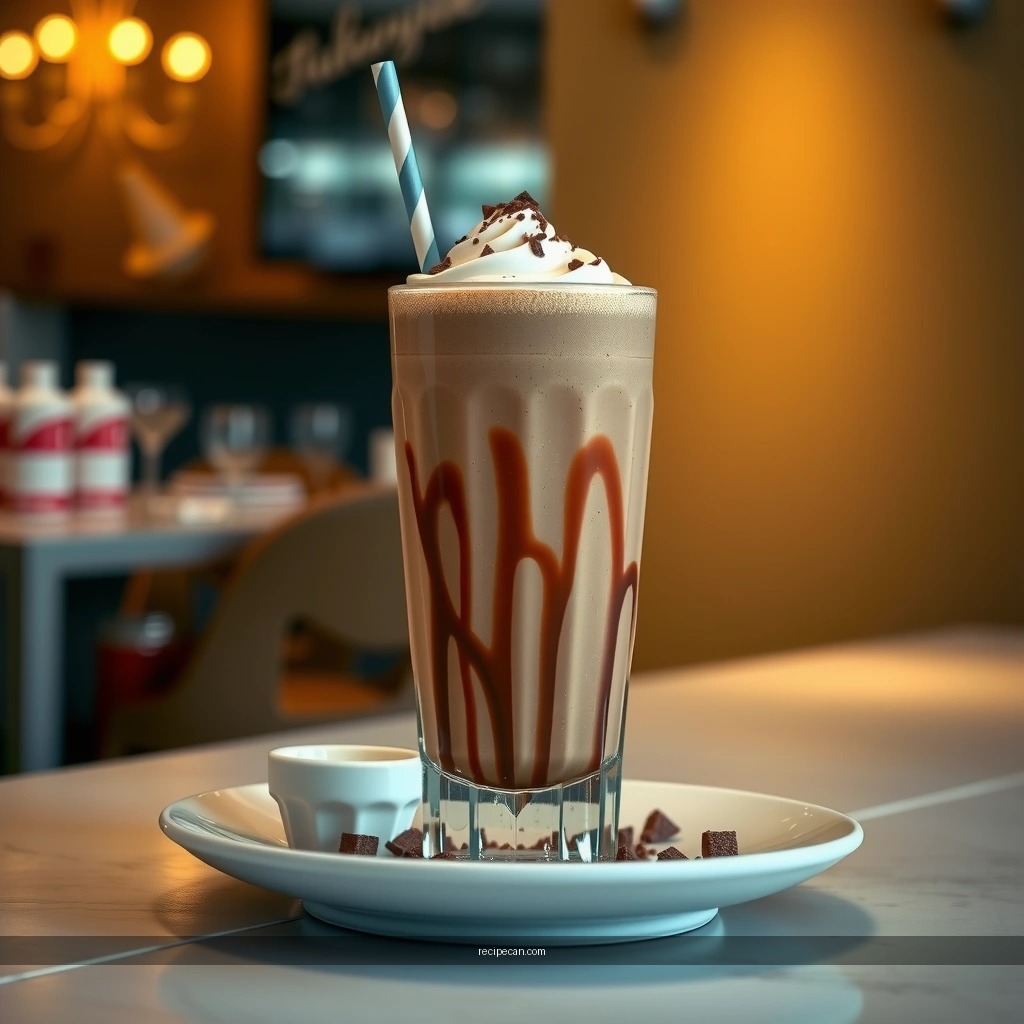
The best chocolate milkshake recipe is the one that adapts. Use small adjustments so you don’t overshoot.
– For thicker shakes, add more ice cream or fewer ice cubes
Extra ice cream increases fat and structure, creating that classic thick texture. If you use ice cubes, reduce them—ice dilutes quickly as it melts, leading to separation and a thinner finish.
– For thinner shakes, add a splash of milk and re-blend
Add milk in small increments (1–2 tablespoons at a time). Re-blend briefly to re-emulsify, especially if the shake has started to separate.
– Taste and tweak sweetness with extra syrup or a pinch of salt
If the shake tastes sharp or underwhelming, it often needs sweetness (more syrup) rather than more cocoa. If it tastes overly sweet, balance with a pinch of salt. This “sweet-salt” approach is common in pro kitchens for chocolate desserts.
Professional approach: Adjust chocolate intensity and sweetness separately. Cocoa increases intensity; syrup increases sweetness and viscosity. That separation helps you dial in without guesswork.
Serving Tips and Easy Variations
A milkshake is best as an experience: thick texture, strong chocolate aroma, and a finish that matches your preference. Serving temperature and add-ins matter.
– Serve immediately with a straw and whipped cream
Right after blending, the shake is at its most stable—smooth, thick, and properly aerated. Whipped cream adds an immediate visual cue and a complementary texture.
– Add a dash of vanilla for extra depth
Vanilla rounds out cocoa bitterness and makes chocolate taste more dimensional. Even a half teaspoon can elevate the entire profile, especially when using cocoa powder.
– Try a peanut butter swirl or mocha version for variety
For a peanut butter swirl, add a spoonful of peanut butter (or chocolate-peanut butter spread) before the final blend, then blend briefly for marbling. For a mocha version, add 1/2–1 teaspoon espresso powder or instant coffee granules with the cocoa—start small so you don’t overpower the chocolate.
Variation note: If you add strong flavors like espresso powder, blend just long enough to dissolve. Otherwise, you can end up with specks and uneven bitterness.
Make It Ahead (or Fix a Too-Thin Shake)
Milkshakes are typically “fresh best,” but you can still plan ahead with the right method—and rescue a shake that turned out too thin.
– For best texture, drink right after blending
As the ice cream warms slightly and air escapes, thickness can drop. Serving immediately ensures maximum creaminess and the cleanest chocolate flavor.
– If it separates, re-blend briefly until creamy again
Separation usually happens when fat and liquid drift apart. Re-blend for 10–20 seconds can restore the emulsion. If it’s still thin after re-blending, add a small spoonful of ice cream and blend again.
– Chill ingredients before blending for a thicker result
If you want to pre-measure ingredients, keep the milk cold and the ice cream well-frozen. Cold inputs slow melting and help your shake hold its structure longer.
Troubleshooting shortcut:
– Too icy/grainy? Blend longer and check your cocoa powder (sift it next time).
– Too runny? Add ice cream, not ice—ice usually makes it worse by diluting further.
– Too bitter? Add syrup gradually, then taste.
A simple chocolate milkshake is the quickest way to get a thick, creamy treat at home—blend your milk, ice cream, and chocolate until smooth, then tweak thickness and sweetness to your liking. Choose cocoa for classic depth, syrup for rich sweetness, or both for a balanced “dessert shop” flavor, and serve right away for the best texture. Make your next batch once, then use small ratio adjustments to match your perfect consistency every time.
References
- Milkshake
https://en.wikipedia.org/wiki/Milkshake - https://en.wikipedia.org/wiki/Chocolate_milk
https://en.wikipedia.org/wiki/Chocolate_milk - Milk
https://en.wikipedia.org/wiki/Milk - Ice cream
https://en.wikipedia.org/wiki/Ice_cream - https://www.britannica.com/topic/milkshake
https://www.britannica.com/topic/milkshake - https://www.britannica.com/topic/chocolate-milk
https://www.britannica.com/topic/chocolate-milk - Google Scholar Google Scholar
https://scholar.google.com/scholar?q=simple+chocolate+m️ilkshake+recipe - Google Scholar Google Scholar
https://scholar.google.com/scholar?q=milkshake+recipe+chocolate+milk+ice+cream+blender - Google Scholar Google Scholar
https://scholar.google.com/scholar?q=homemade+chocolate+m️ilkshake+ingredients+technique - Google Scholar Google Scholar
https://scholar.google.com/scholar?q=simple+chocolate+milkshake+recipe