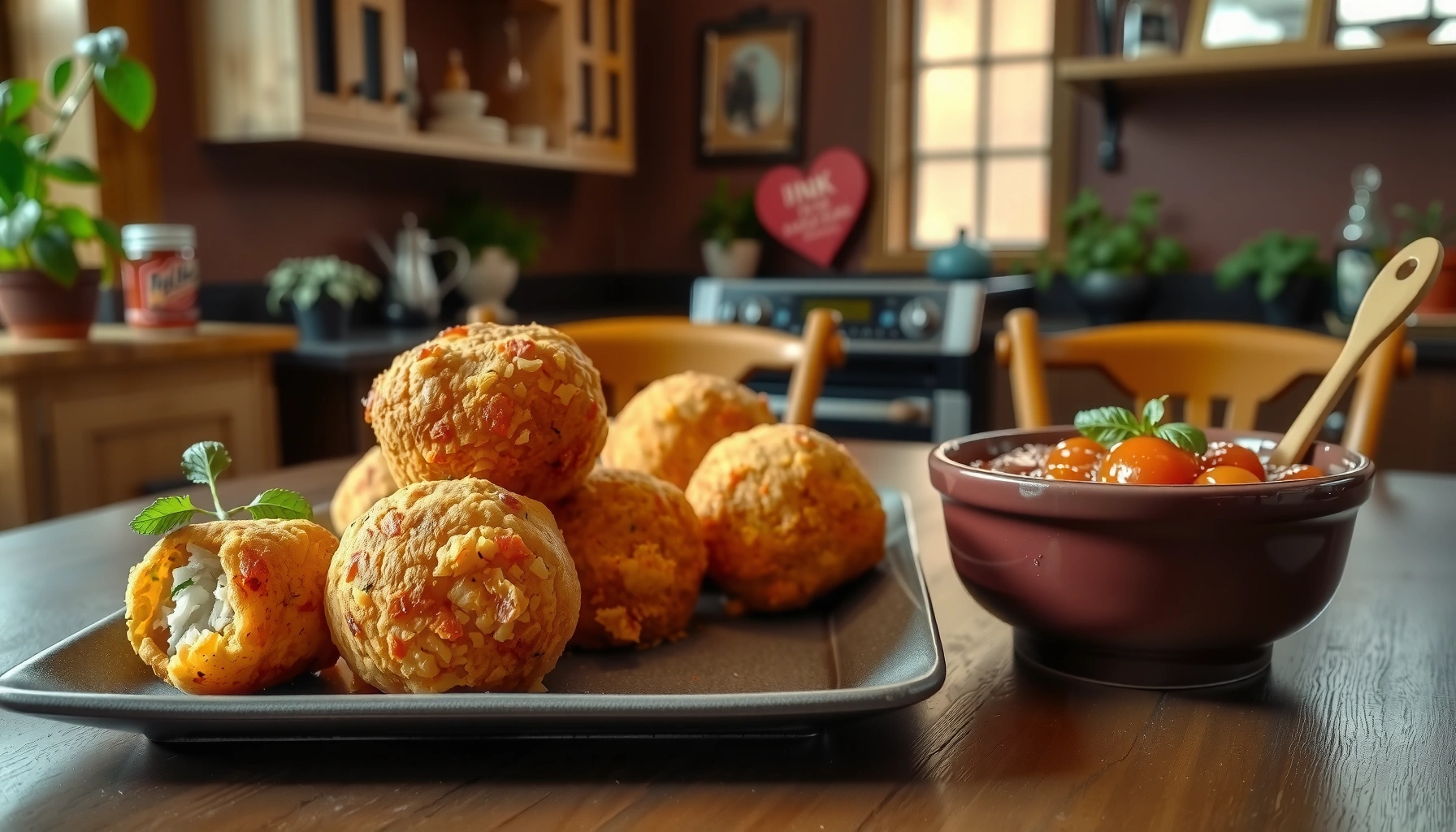
Looking for rice balls recipes Italian that deliver classic Sicilian arancini at home? This guide picks the single best method for shaping, filling, and frying them so the rice stays creamy and the exterior turns crisp every time. You’ll learn the right rice choice, the authentic ragù-style filling, and the timing that prevents soggy bites—whether you’re making them for dinner or a crowd.
Make classic Italian rice balls (arancini) by cooking risotto-style rice, shaping it, stuffing it with a traditional filling (cheese or ragù), and frying (or baking) until crisp. This guide walks you through reliable rice selection, precise shaping and sealing, and Italian-style coating techniques so your arancini hold together and deliver that signature crunchy exterior.
Choose the Right Rice and Base
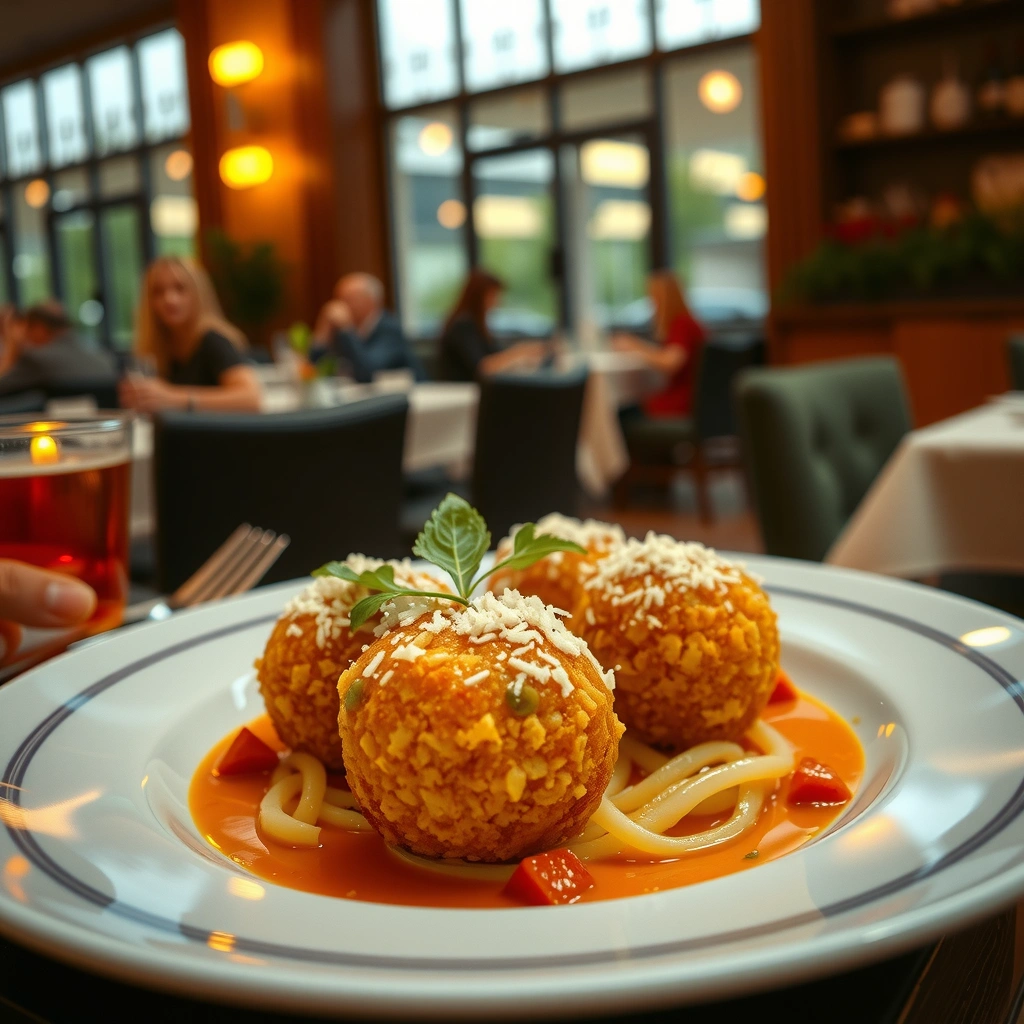
The foundation of any rice balls recipes Italian is rice that becomes creamy enough to bind, yet firm enough to hold a defined shape. In authentic arancini, cooks typically rely on short-grain Italian rice varieties (or close substitutes) such as Arborio, Carnaroli, or Vialone Nano. These grains release starch as they cook—creating the cohesive, risotto-like texture needed for shaping without falling apart.
Practical benchmarks for “shape-ready” risotto-style rice:
– Use short-grain rice (not long-grain). Long-grain rice stays separate and won’t form the dense interior you want.
– Cook to structure, not full softness. Arancini rice is usually cooked until tender but still able to be molded—often stopping slightly before “fully soft” for classic risotto.
– Rest/cool before shaping. Hot rice steams rapidly, making it sticky in the wrong way. Cooling by 10–20 minutes helps it firm up while remaining pliable.
A common operational failure in homemade arancini is overcooking the rice until it turns mushy—then stuffing leaks out and the outside coating won’t adhere properly. For best results, treat the base like a working dough: glossy, cohesive, and moldable, not loose and soupy.
Key preparation tip
If your risotto base looks too wet, spread it on a sheet pan and cool briefly; if it feels too stiff, gently fold in a tablespoon or two of warm broth. The goal is consistency that behaves like a thick risotto paste—ideal for shaping Italian rice balls.
Essential Ingredients for Italian Flavor
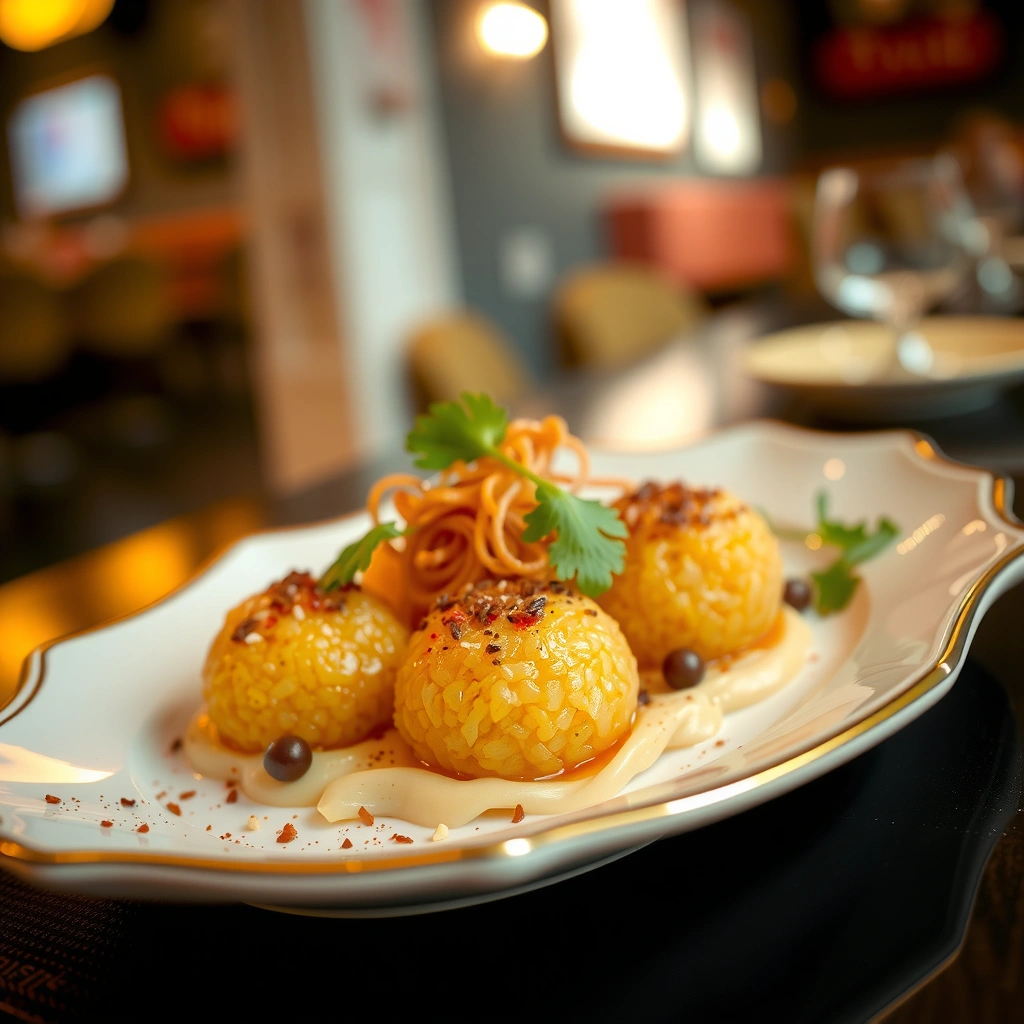
While arancini are “rice + technique,” the taste is driven by the filling and the seasoning embedded in the rice. Traditional Italian flavor typically revolves around Parmesan, broth, and savory aromatics, with fillings that deliver a satisfying contrast between crisp crust and molten center.
Classic fillings you’ll see in Italian rice balls recipes
– Mozzarella (or provolone) + peas: A popular combination because peas add sweetness and texture, while mozzarella melts into a stretchy core.
– Ragù (meat sauce) + Parmesan: A deeply savory option with rich, slow-cooked flavor. Ragù also helps arancini stay moist even after frying.
– Optional add-ons (for authenticity and balance):
– Parmesan in the rice for umami and structure.
– Garlic and onion in the risotto base (or broth infusion) for a classic Italian aroma.
– A pinch of nutmeg (especially with cheese fillings) for subtle warmth.
Why Parmesan matters
Parmesan isn’t just for flavor; it increases binding and improves browning on the fried exterior. When mixed into the hot rice and then cooled, it helps stabilize the surface so your breadcrumbs cling evenly.
Step-by-Step: Shape and Stuff Your Rice Balls
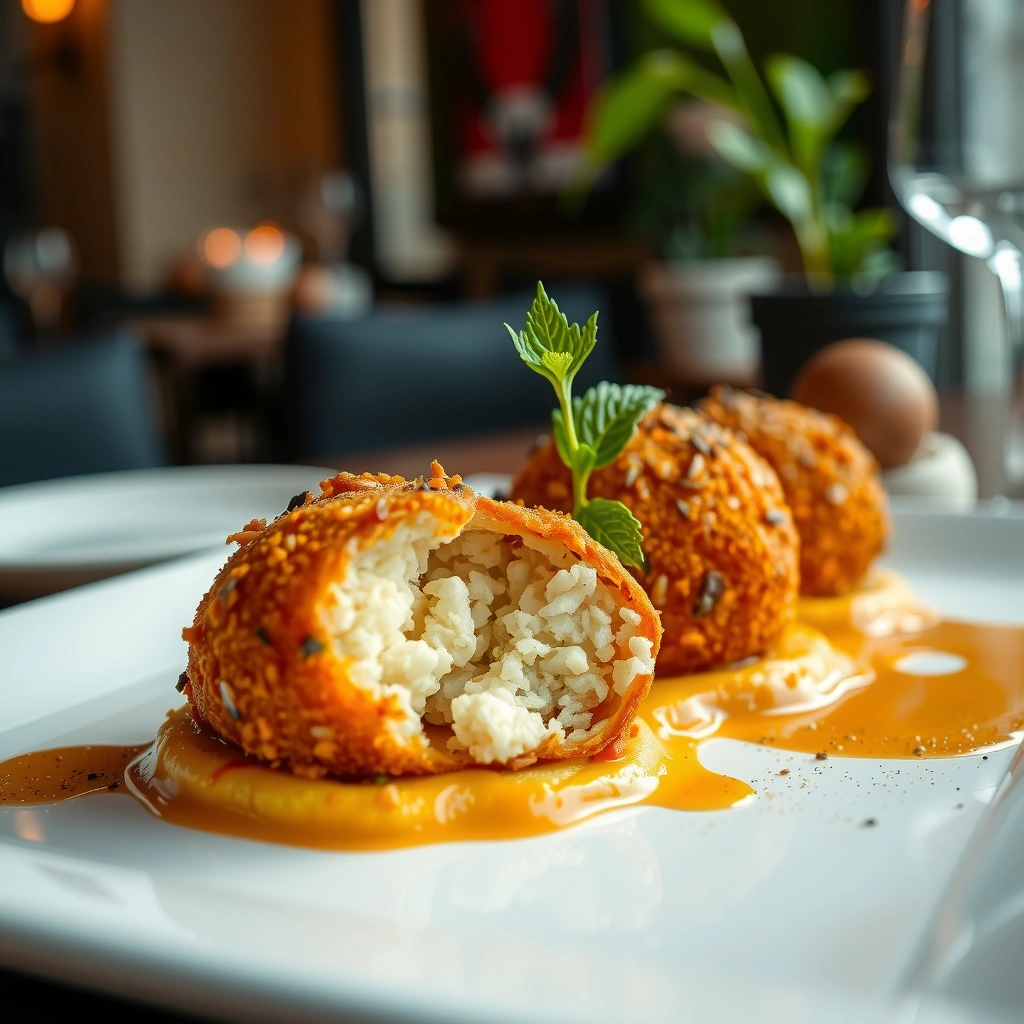
Arancini succeed or fail at the hands-on stage. The rice must be cool enough to handle and firm enough to shape, while the stuffing must be sealed so it doesn’t leak during frying.
Shaping workflow (reliable and repeatable)
1. Cool the cooked risotto-style rice. Let it rest until it’s warm-cool and moldable—often 10–20 minutes.
2. Prepare a small filling portion. For example:
– Cheese filling: a small cube of mozzarella (or mozzarella plus a spoonful of peas).
– Ragù filling: 1–2 tablespoons of ragù, cooled so it’s not runny.
3. Form a rice “shell.” Place a mound of rice in your palm and press it into a thin disk.
4. Add filling in the center. Keep the filling compact to avoid stretching the rice shell.
5. Seal thoroughly. Bring rice up and around the filling and compress gently but firmly so seams disappear.
6. Shape into even ovals or balls. Consistent size means even frying—crucial for that golden, crisp crust.
Sealing strategies that prevent blowouts
– Use “dry-ish” filling. Ragù that’s too wet will seep. Let ragù cool and, if necessary, simmer off excess liquid.
– Don’t overfill. A larger filling doesn’t guarantee more flavor—overfilling increases rupture risk.
– Press at the seam. Run your fingertips around the joint to close any gaps.
Fry-readiness check
A sealed arancino should feel firm and cohesive. If the seam peels or the rice shell looks thin, reshape with more rice before coating.
Italian Coating and Frying Method
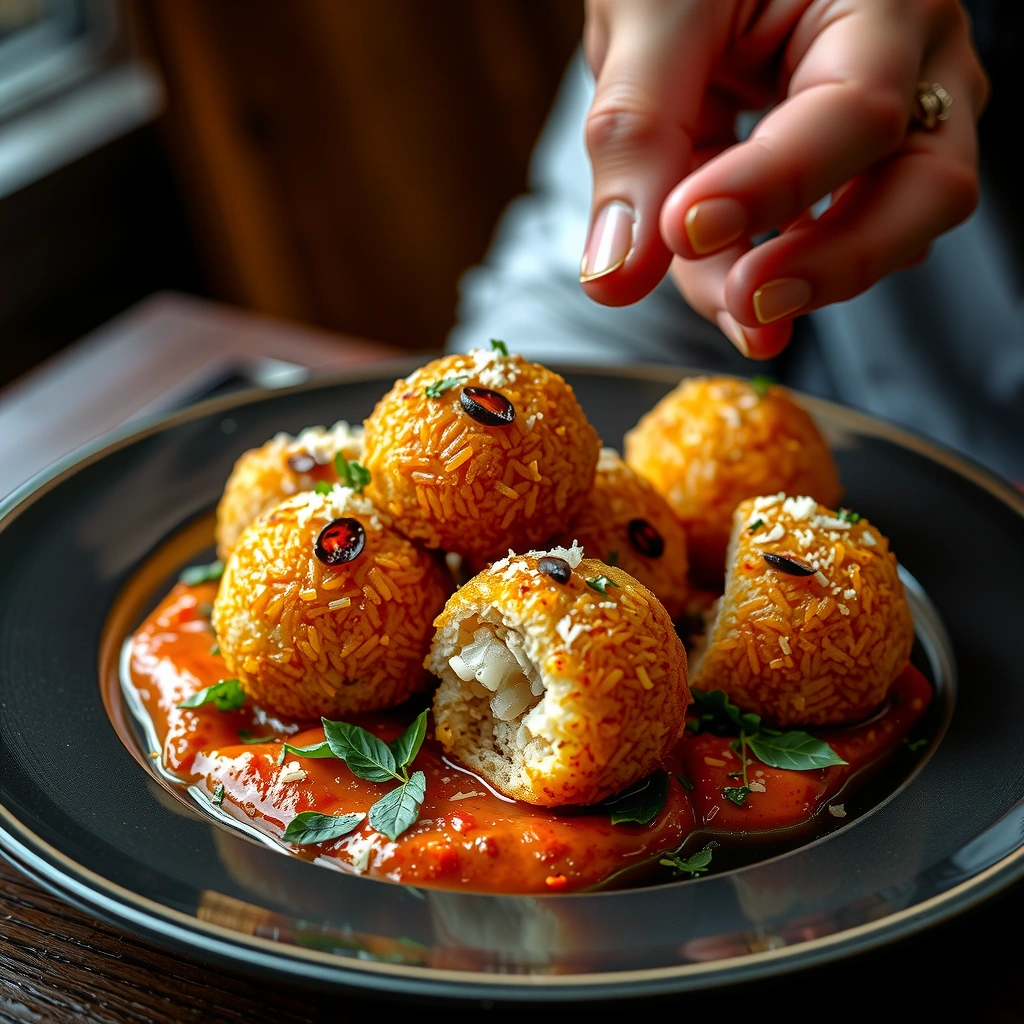
The classic exterior is crisp, golden, and slightly rough—achieved through correct coating and the right frying temperature. This is where many rice balls recipes Italian fall short, because uneven frying yields oily crusts or undercooked centers.
Coating options (two common approaches)
You’ll typically see either:
– Egg + breadcrumbs (most consistent crunch), or
– Breadcrumbs only (less common for traditional arancini, but workable if the surface is very tacky)
Recommended method for dependable results:
1. Roll the arancini into a smooth shape (seam-side down briefly).
2. Dip in beaten egg to fully coat the surface.
3. Roll in breadcrumbs until evenly covered.
4. Optional crisp boost: Double-coat by dipping again in egg and breadcrumbs for thicker crust.
Frying temperature: the make-or-break variable
Fry at a steady oil temperature to avoid soggy crusts. As a practical target:
– 170–180°C (340–355°F) is the common working range for crisp results.
What to watch:
– If oil is too cool, breadcrumbs absorb oil and turn greasy.
– If oil is too hot, the crust browns fast while the center stays cold.
Oil choice and equipment considerations
Use a neutral frying oil with good heat stability (e.g., sunflower, canola, or peanut). Maintain consistent temperature—ideally using a thermometer or a fryer with temperature control.
Oven-Baked Options (Lighter Rice Balls)
If you want the spirit of arancini with less oil, oven-baking can work—though it won’t fully replicate deep-fried crunch. The goal becomes “crisp-edged” rather than “restaurant crunch,” and technique matters.
How to bake arancini for best texture
1. Use the same shaping and sealing process (this remains essential).
2. Coat fully with egg and breadcrumbs to create a crust layer.
3. Lightly oil the surface (spray oil works well).
4. Bake on a preheated tray (preheat the sheet pan so the bottom sets quickly).
A practical approach:
– Bake around 200–220°C (390–425°F) until golden and crisp outside, turning once halfway through for even browning.
When baking is the smarter choice
Oven-baked Italian rice balls are ideal if you’re scaling for events, reducing mess, or managing dietary constraints. For the closest baked-to-fried experience, consider thick, even breadcrumbs and a double-coat.
Flavor Variations and Serving Suggestions
Once you can execute classic arancini, flavor variation becomes easy. The key is to keep the ratio consistent: risotto-style rice as binder, sealed filling as center, and crisp coating as shell.
High-impact filling variations
– Vegetarian arancini:
– Mozzarella + peas + a touch of lemon zest (bright, modern, still Italian-leaning).
– Roasted vegetables (zucchini, mushrooms) bound with Parmesan to avoid watery centers.
– Seafood-inspired arancini:
– Finely chopped shrimp or crab mixed into seasoned béchamel or tomato sauce, then sealed with rice.
– Use a thicker mixture to prevent leaking during frying.
– Spicy ragù variation:
– Add a small amount of chili oil or Calabrian chili (use sparingly to protect the balance of ragù).
Serving suggestions that elevate the experience
Serve arancini immediately for best texture—crisp outside and molten inside. For a true Italian finish:
– Pair with warm marinara or a classic tomato-basil sauce.
– Garnish with fresh basil, grated Parmesan, or a drizzle of olive oil.
– If serving in a business-style catering format, offer portion-size options and keep sauces in warm ramekins for consistency.
Data snapshot: what affects “crisp vs. crumble” most
Below is a practical, results-oriented view of how key variables influence the final outcome of homemade Italian rice balls. It’s designed to help you troubleshoot before you scale up.
Key Variables and Typical Impact on Homemade Arancini Texture
| # | Variable | Typical Result | Impact Score | Direction |
|---|---|---|---|---|
| 1 | Short-grain rice choice | More cohesive interior | 9/10 | Improves |
| 2 | Rice cooling before shaping | Better seam closure | 8/10 | Improves |
| 3 | Filling moisture level | Leak prevention | 8/10 | Improves |
| 4 | Breadcrumb coverage thickness | Crunch retention | 7/10 | Improves |
| 5 | Oil temperature stability | Even browning | 9/10 | Improves |
| 6 | Batch overcrowding in oil | Crust softness | -6/10 | Harms |
| 7 | Holding time before serving | Texture loss | -4/10 | Harms |
Rice balls recipes Italian: Classic Arancini at Home (quick “first batch” plan)
To make your first batch efficiently, decide on one filling—either cheese or ragù—and follow a tight production flow:
– Cook risotto-style rice; cool slightly.
– Shape rice into shells and seal your filling.
– Coat with egg and breadcrumbs.
– Fry at 170–180°C (340–355°F) until deep golden and crisp.
– Serve immediately with warmed marinara and fresh herbs.
This approach keeps variability low and maximizes your odds of getting that signature Italian rice balls texture: cohesive interior, sealed center, and a crust that crunches on the first bite.
Rice balls recipes Italian are all about sticky rice, a well-sealed stuffing, and crisp cooking—either fried or baked. Pick one filling (cheese or ragù), follow the shaping and coating steps, and make your first batch today for a classic Italian snack you’ll want to repeat.
References
- Arancini
https://en.wikipedia.org/wiki/Arancini - Supplì
https://en.wikipedia.org/wiki/Suppl%C3%AC - Rice ball
https://en.wikipedia.org/wiki/Rice_ball - Treccani, il portale del sapere – Treccani
https://www.treccani.it/enciclopedia/arancini/ - Treccani, il portale del sapere – Treccani
https://www.treccani.it/enciclopedia/suppli/ - https://www.britannica.com/topic/arancini
https://www.britannica.com/topic/arancini - Google Scholar Google Scholar
https://scholar.google.com/scholar?q=arancini+recipe+Italian+cuisine - Google Scholar Google Scholar
https://scholar.google.com/scholar?q=suppl%C3%AC+recipe+Italian+cuisine - Google Scholar Google Scholar
https://scholar.google.com/scholar?q=Italian+rice+balls+arancini+suppl%C3%AC+cultural+history+foodways - https://en.wikipedia.org/wiki/Arancini_di_riso
https://en.wikipedia.org/wiki/Arancini_di_riso