Want easy recipes for boudin balls that actually turn out crisp outside and steamy inside? This guide picks the best homemade boudin ball method and walks you through the straightforward ingredients and steps, whether you’re frying for a quick weeknight batch or making them for a crowd. You’ll get reliable flavor and texture fast—no guesswork.
You can make boudin balls at home by shaping seasoned boudin into bite-size forms, then breading and frying (or baking/air-frying) until crisp and golden. In this guide, you’ll get several dependable homemade boudin ball recipes—classic fried, cheese-stuffed, oven-baked, and air-fryer friendly—plus practical tips that improve flavor, prevent blowouts, and deliver consistent texture.
Classic Fried Boudin Balls Recipe
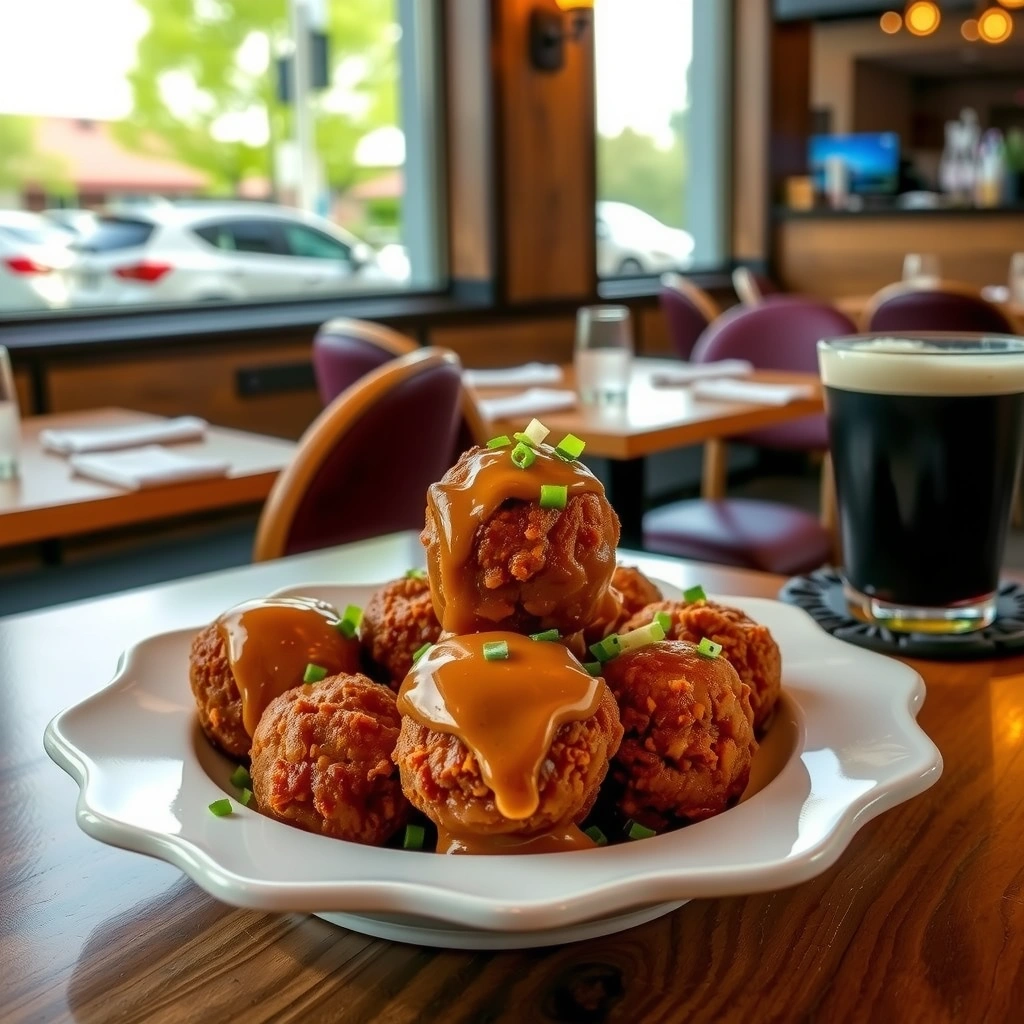
– Fill, bread, and fry boudin balls for a crispy, savory exterior
– Use a firm boudin texture and chill briefly before shaping for clean results
Homemade fried boudin balls are the benchmark: a crisp crust outside and warm, savory sausage filling inside. The key is treating boudin like a filling you shape, not like a batter you pour. When boudin is too soft, it smears during breading and can thin out in the fryer—leading to uneven browning and burst filling. For best results, use firm boudin from the casing or bulk, then chill the filling briefly so it firms up for clean shaping.
What you’ll need
– Firm boudin (about 1–1¼ lb for ~24 balls, depending on size)
– Breading set:
– 1 cup all-purpose flour (or fine cornmeal)
– 2 eggs, beaten with a pinch of salt
– 2–3 cups breadcrumbs (panko for extra crunch, or standard for classic texture)
– Frying oil (neutral oil such as canola or peanut)
Step-by-step (easy method)
1. Pre-chill the boudin: Slice into portions, then refrigerate 15–30 minutes to firm up.
2. Shape: Roll into balls about 1½–2 inches wide. Work quickly to keep the texture consistent.
3. Bread in layers:
– Roll in flour (light coating)
– Dip into egg
– Coat thoroughly in breadcrumbs, pressing lightly so the crumbs adhere.
4. Chill before frying: Refrigerate the breaded balls for 10 minutes. This reduces coating fallout.
5. Fry: Heat oil to 350°F (175°C). Fry in batches to maintain temperature. Cook 3–4 minutes, turning as needed, until deeply golden.
6. Drain and rest: Transfer to a rack or paper towels; rest 2 minutes so the crust sets.
Why this works (texture science, simplified)
The flour and egg create a “glue” layer so breadcrumbs hydrate slightly and form a stable crust. The chill time allows the sausage fat to firm, reducing the chance of gaps forming between filling and coating—one of the most common reasons boudin balls turn out greasy or burst.
Boudin Balls with Cheese-Stuffed Center
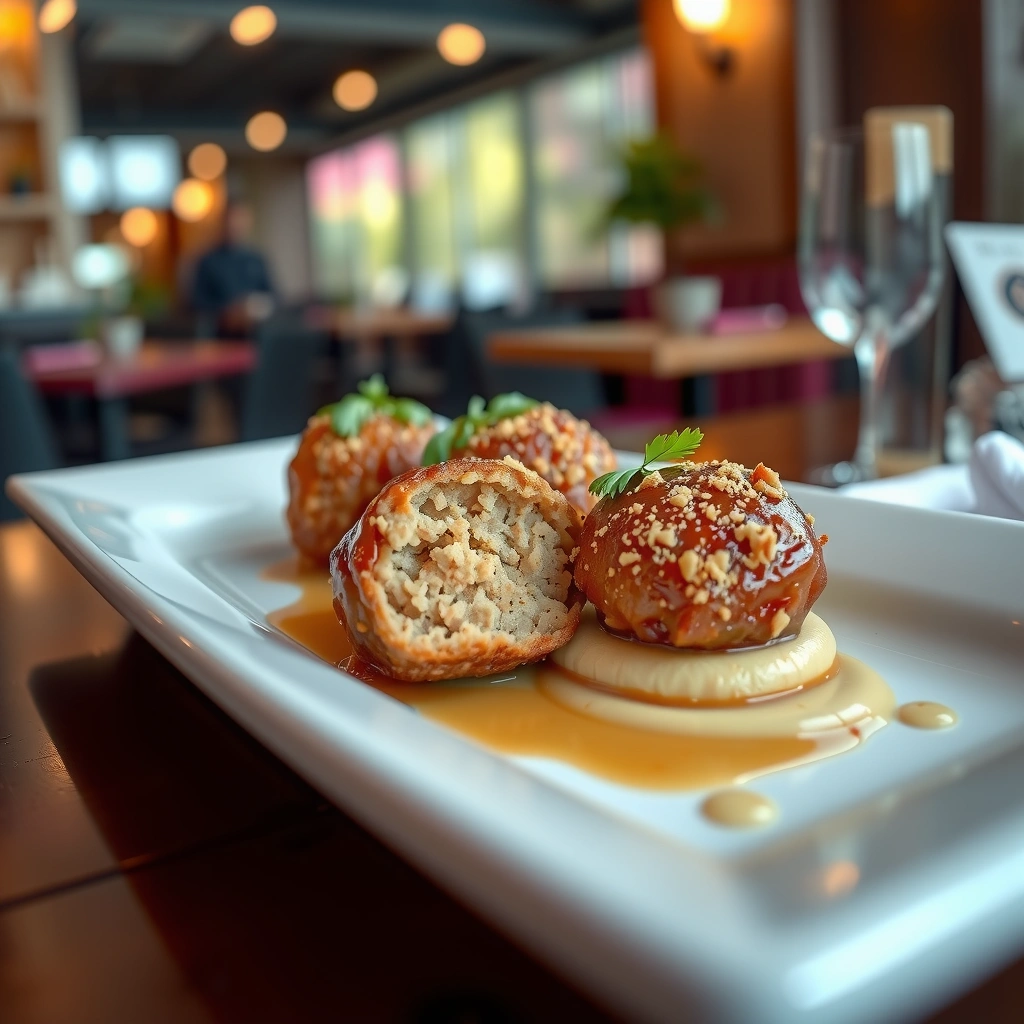
– Add a cheese cube to the middle to create a melty, flavorful pull
– Coat thoroughly to prevent cheese leaks during frying
Cheese-stuffed boudin balls deliver a satisfying contrast: rich sausage seasoning plus creamy melt. The goal is to keep cheese contained so it melts inside rather than escaping. That means portioning correctly, sealing tightly with boudin, and breading with enough coverage to withstand the fryer’s heat.
How to stuff without leaks
– Cut cheese into small cubes (about ½–¾ inch).
– Use a thicker layer of boudin around the cheese—think “pouch,” not “wrapper.”
– If your boudin is very soft, chill longer (up to 45 minutes) before shaping.
Recommended cheese options
– Cheddar: bold, melty, classic match with Cajun flavors.
– Monterey Jack: milder, stretches well.
– Pepper jack: adds gentle heat that complements seasoned pork sausage.
Build and fry/bake
1. Flatten a small portion of boudin in your palm.
2. Place a cheese cube in the center.
3. Fold and roll to fully encase the cheese.
4. Bread using the same three-step process as classic fried boudin balls.
5. Chill 15 minutes before cooking (especially important for cheese-stuffed versions).
6. Fry at 350°F until the crust is golden and the filling is hot.
> Tip: If you want to reduce bursting further, use a slightly firmer cheese (like cheddar) and avoid oversized cubes.
Storage note
Cheese-stuffed boudin balls can be frozen before cooking. Freeze on a tray until firm, then transfer to a freezer bag. Cook from frozen, adding about 1 minute to the fry time (or using a slightly longer bake/air-fry time—see later sections).
Oven-Baked Boudin Balls (Lighter Option)
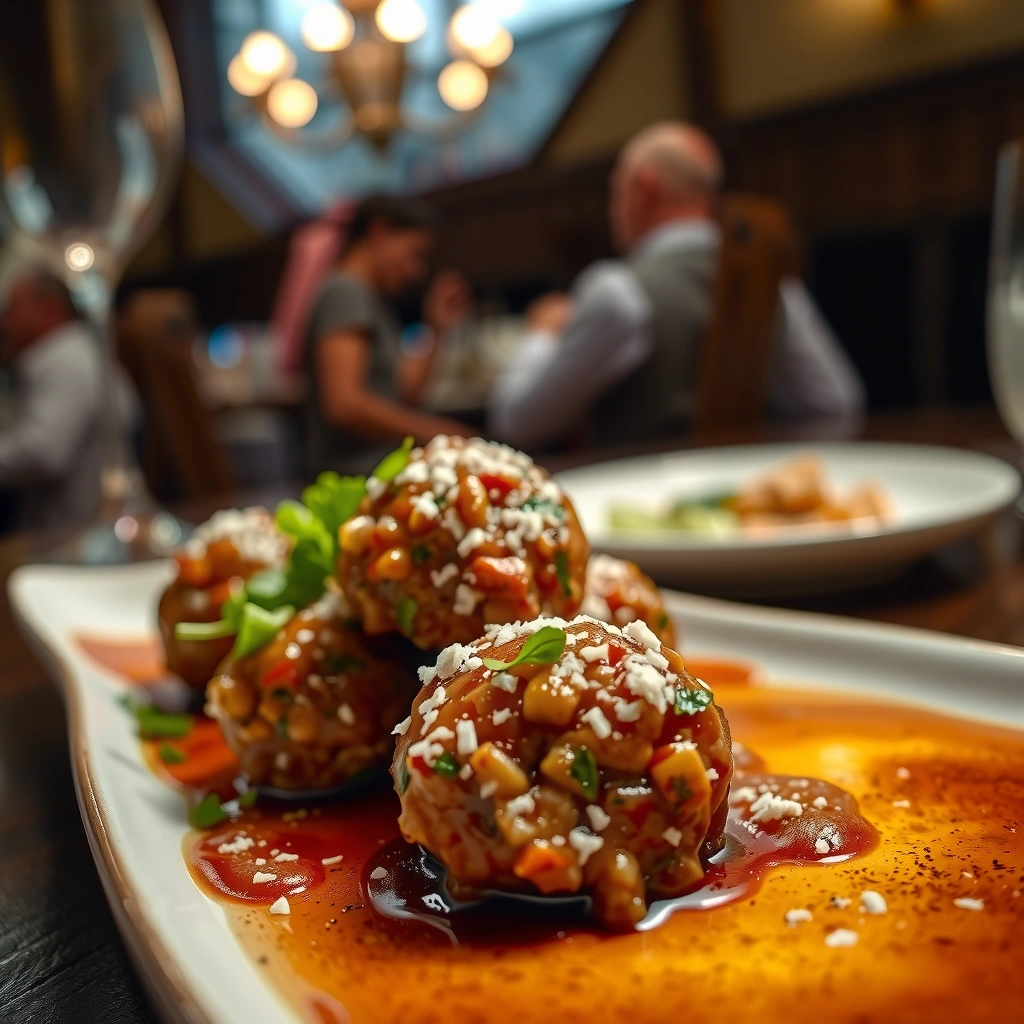
– Bake breaded boudin balls on a preheated sheet for even crisping
– Finish with a quick broil for extra browning and crunch
Baking is a strong option when you want homemade boudin balls with less oil and fewer frying steps. The trade-off is that the crust won’t automatically be as deep-fried-crisp—unless you bake with intention. That means preheating the pan, spacing the balls, and using a quick broil to drive browning.
Oven-baked method (reliable and consistent)
1. Preheat: Heat oven to 425°F (220°C). Place a sheet pan inside while it preheats.
2. Prep the pan: Lightly oil the hot sheet or use parchment (parchment helps prevent sticking, but oil helps browning).
3. Arrange: Place breaded boudin balls with space between them so hot air can circulate.
4. Bake: Cook 16–20 minutes, flipping once halfway.
5. Broil for crisp finish: Broil 1–2 minutes at the end until the crumbs darken and crisp.
How to improve crunch in the oven
– Use panko breadcrumbs for better surface texture.
– Spray the tops lightly with oil after breading (even for oven-baked).
– Ensure the balls are chilled before baking; a colder start helps the coating set.
When oven baking is best
– You’re feeding a crowd and want lower mess.
– You’d rather avoid deep frying at home.
– You’re planning a make-ahead batch for weeknight dinners.
Air Fryer Boudin Balls
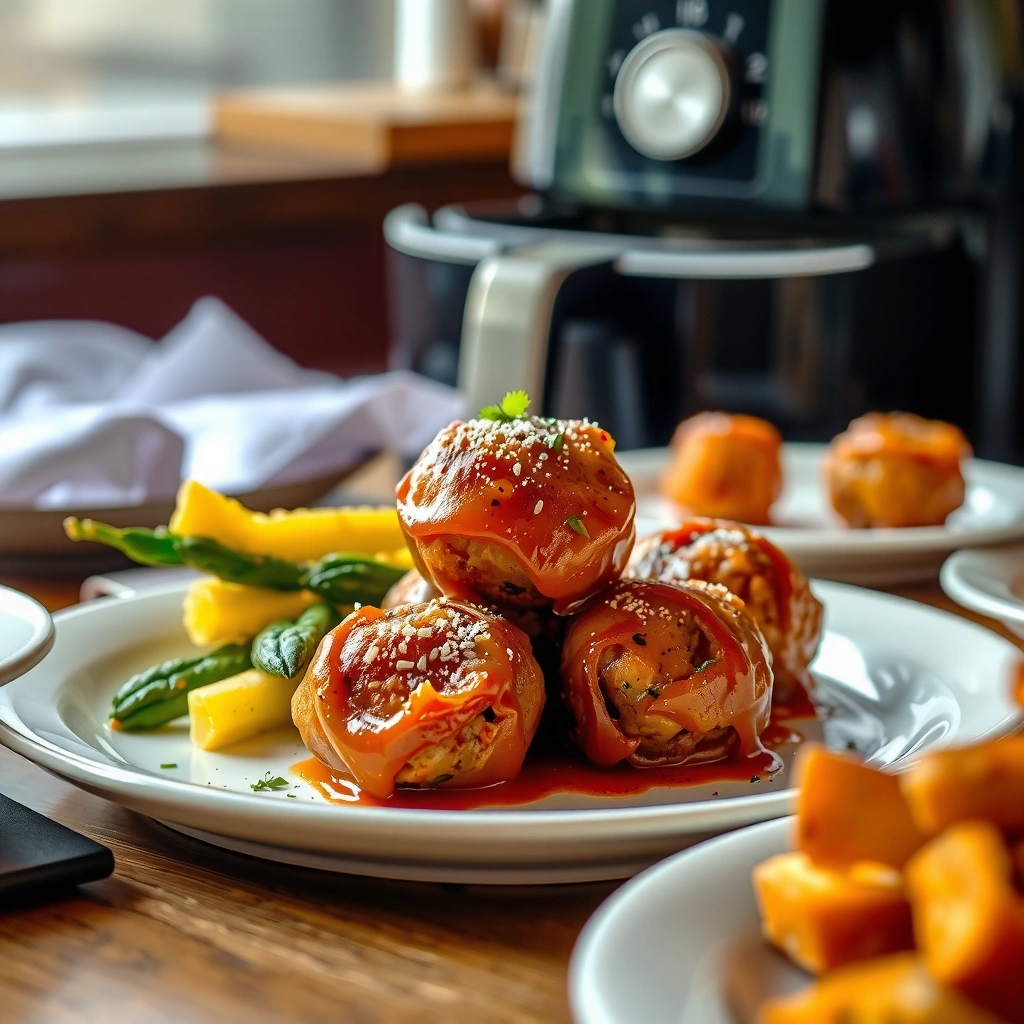
– Cook at high heat for crisp edges without deep frying
– Spray with oil and shake halfway for consistent texture
Air frying delivers a strong “fried-like” result by combining high heat with rapid circulation. For boudin balls, air fryers excel at producing crisp edges while keeping the interior juicy. The most important variables are oiling, avoiding overcrowding, and shaking/turning for even browning.Recommended air-fryer approach
1. Preheat (if your model allows): Set to 400°F (205°C) for 3–5 minutes.
2. Lightly oil the basket: Or line with a perforated air-fry liner if your model supports it.
3. Arrange in a single layer: Leave space for airflow.
4. Spray lightly with oil: A fine mist helps browning and crust formation.
5. Cook: Air fry 10–14 minutes, shaking or flipping halfway.
6. Rest: Let stand 2 minutes before serving—crust tightens as steam escapes.
Texture targets
– Outside: evenly golden, not pale
– Inside: hot and steaming without leaking filling
– Coating: audible crispness when bitten
> If your air fryer runs hot, start at 10 minutes and adjust in 1–2 minute increments.
Seasoning and Breading Tips
– Season the breading (cajun seasoning, garlic powder, pepper) to boost flavor
– Choose a coating mix (breadcrumbs, cornmeal, or panko) based on your preferred crunch
Even when your boudin is seasoned, breading can either amplify or mute the flavor. This is where homemade boudin balls become “restaurant-style.” Instead of relying solely on sausage seasoning, incorporate complementary spices into the coating so every bite tastes cohesive.
Season the coating (practical formulas)
Mix into breadcrumbs (or cornmeal) before coating:
– 1–2 tsp Cajun seasoning per 2 cups breadcrumbs
– ½ tsp garlic powder
– ¼–½ tsp black pepper
– Optional: paprika for color and mild sweetness
– Optional: a pinch of cayenne if you want noticeable heat
Choose your coating for the crunch you want
– Panko: thicker, lighter crumbs → extra crunch
– Breadcrumbs (fine/regular): classic coating → familiar bite
– Cornmeal: rustic texture → bolder “crunch” and flavor
– Combo method: 50% panko + 50% fine breadcrumbs for balance
Avoid common breading problems
– Cheese leaks: use smaller cheese, tighter sealing, and longer chill time.
– Coating falls off: too much moisture on the boudin—pat lightly if needed, and press crumbs gently.
– Greasy crust: oil temp too low or overcrowding. Keep 350°F for frying and cook in batches.
Performance benchmarks (what to look for)
– Golden crust, not dark-brown too early
– No visible cracks where filling oozes (especially for stuffed versions)
– Even browning around the entire ball
Cooking Method Benchmarks for Homemade Boudin Balls
| # | Method | Typical Temp | Cook Time | Crust Crispness (1–5) | Oil Use Level |
|---|---|---|---|---|---|
| 1 | Deep-Fried Classic | 350°F (175°C) | 3–4 min | 5 ★ | High |
| 2 | Air-Fryer | 400°F (205°C) | 10–14 min | 4 ★ | Low |
| 3 | Oven-Baked + Broil | 425°F (220°C) | 16–20 + 1–2 min | 3 ★ | Low |
| 4 | Oven-Baked (No Broil) | 425°F (220°C) | 18–22 min | 2 ★ | Low |
| 5 | Frozen → Air-Fryer | 400°F (205°C) | 12–16 min | 4 ★ | Low |
| 6 | Frozen → Oven + Broil | 425°F (220°C) | 20–26 + 1–2 min | 3 ★ | Low |
| 7 | Shallow-Fry (Skillet) | 325–340°F | 4–6 min | 4 ★ | Medium |
Serving Suggestions and Dipping Sauces
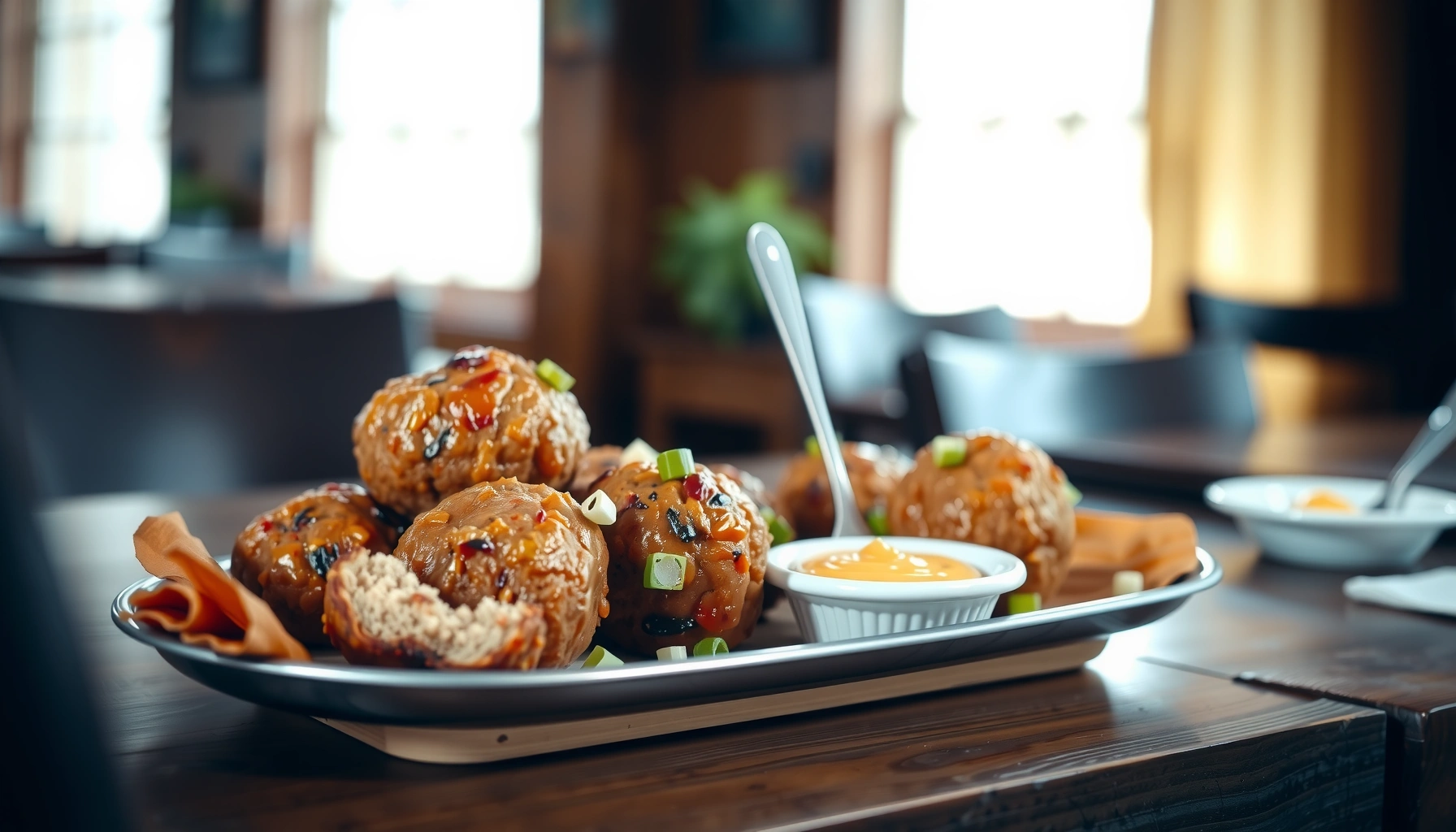
– Serve with mustard, remoulade, ranch, or a spicy cajun mayo
– Pair with sides like fries, slaw, or green onions for a complete bite
Boudin balls are best when your dipping sauce matches the sausage’s richness and seasoning. Think in layers: tangy, creamy, spicy, and herbal. The right dip makes the crust feel “intentional,” not just crunchy.
Classic dipping options
– Remoulade: bold, tangy, mayonnaise-based—excellent for Cajun seasoning.
– Spicy Cajun mayo: creamy heat that complements pork sausage without overpowering.
– Creole-style mustard: sharp and bright, especially if your boudin is seasoned heavily.
– Ranch (with black pepper or garlic): cool contrast for spice-forward versions.
Plating ideas for a complete meal
– Fries or seasoned wedges for a casual “basket” vibe
– Coleslaw to cut through richness with acidity and crunch
– Green onions for freshness and color
– Pickles or pickled peppers for an extra tangy bite
Make it business-ready for gatherings (practical)
If you’re hosting:
– Hold cooked boudin balls on a wire rack (not a closed container) to keep the crust crisp.
– Reheat in an air fryer or oven briefly at 375–400°F for 3–5 minutes to restore crunch.
– Offer 2–3 sauces so guests can tailor heat and tang preferences.
Boudin balls are easy to master once you focus on stuffing, breading, and cooking method—whether you fry, bake, or air fry. Try one recipe today, then adjust seasoning and coatings to match your ideal crunch and spice level.
No matter which method you choose, start with firm boudin, chill before cooking, and bake or fry at the right temperature to lock in texture. With classic fried for maximum crunch, cheese-stuffed for a melty upgrade, and oven/air-fryer options for lighter convenience, you’ll have reliable homemade boudin balls that taste consistent every time.
References
- Boudin
https://en.wikipedia.org/wiki/Boudin - Boudin
https://en.wikipedia.org/wiki/Boudin_blanc - https://en.wikipedia.org/wiki/Cajun_and_Creole_cuisine
https://en.wikipedia.org/wiki/Cajun_and_Creole_cuisine - Cajun cuisine
https://en.wikipedia.org/wiki/Cajun_cuisine - Culture of Louisiana
https://en.wikipedia.org/wiki/Cuisine_of_Louisiana - Andouille
https://en.wikipedia.org/wiki/Andouille - https://www.britannica.com/topic/boudin
https://www.britannica.com/topic/boudin - Google Scholar Google Scholar
https://scholar.google.com/scholar?q=boudin+balls+recipe - Google Scholar Google Scholar
https://scholar.google.com/scholar?q=boudin+ball+deep+fry+method - Google Scholar Google Scholar
https://scholar.google.com/scholar?q=Cajun+boudin+sausage+recipes