Craving a salmon ball recipe that delivers crispy, flavorful salmon balls without guesswork? This guide gives you a single, dependable method for shaping, seasoning, and frying—or baking—for a golden crust every time. You’ll get the exact mix and timing needed to turn simple salmon into satisfying bites with the right crunch and bold taste.
You can make perfectly golden salmon balls by mixing cooked salmon with the right binder (egg + breadcrumbs), seasoning to taste, and then cooking with either pan-frying, baking, or air-frying. This recipe walks you through practical ratios, how to shape for consistent results, and how to keep the centers juicy instead of dry.
Ingredients for a Salmon Ball Recipe
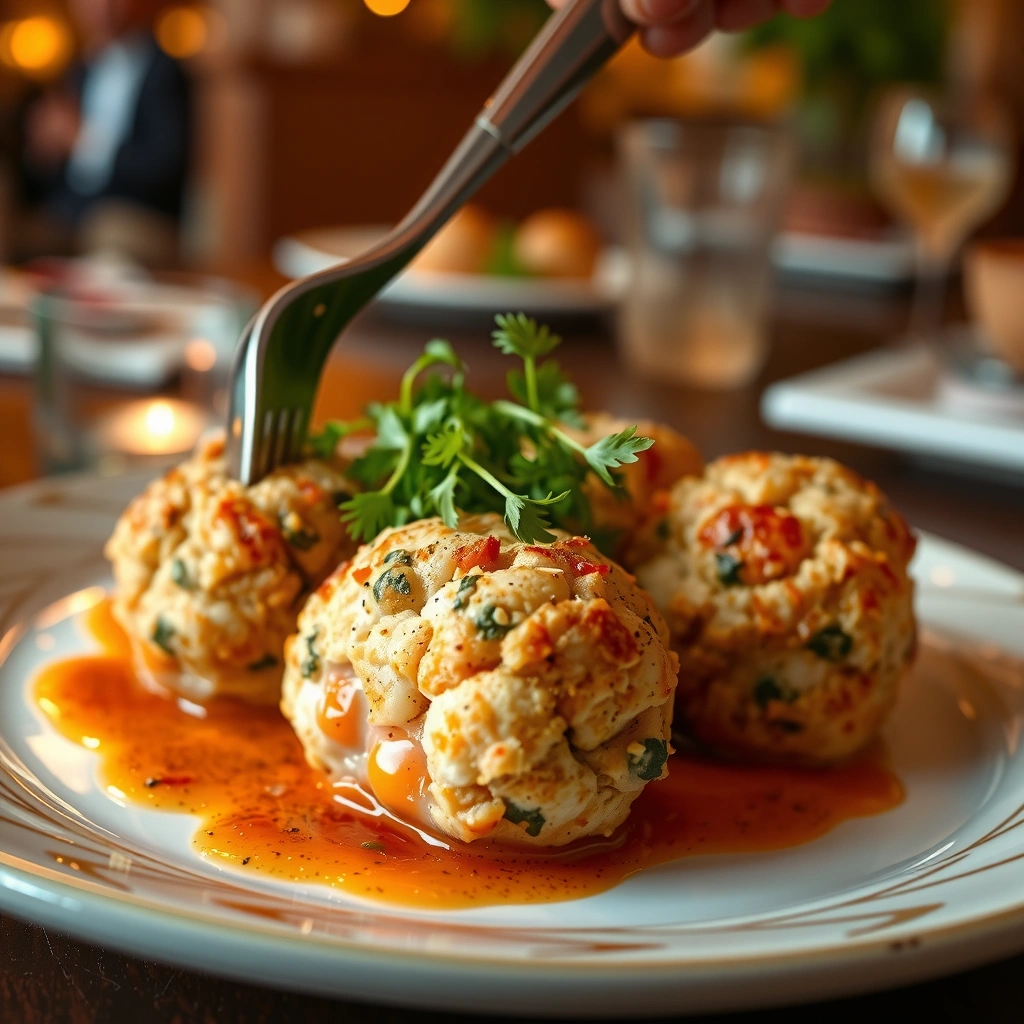
A great salmon ball starts with high-quality salmon (already cooked), then uses binders to hold together and flavor boosters to deliver “restaurant-style” punch. Because salmon can vary by flake size and moisture content, the ingredient ratios below are designed to be forgiving while still producing crisp exteriors.
– Use cooked salmon (canned or flaked leftover works great)
Aim for salmon that’s fully cooked and flakeable. Canned salmon is convenient and flavorful; leftover salmon is ideal for “use what you have” meals. Drain canned salmon well so the mixture doesn’t turn mushy.
– Add binders like egg and breadcrumbs (or crackers)
– Egg provides structure and helps the mixture bind as it cooks.
– Breadcrumbs add absorbency and crisp texture. Panko is especially effective for crunch.
– If using crackers, choose a neutral option (plain or lightly salted) and crush them finely so they distribute evenly.
– Choose flavor boosters: onion, garlic, herbs, salt, and pepper
These determine whether your salmon balls taste like “salmon patties” or “savory, craveable bites.” Common winners include:
– Finely minced onion (or onion powder for convenience)
– Garlic (fresh or garlic powder)
– Dried dill, parsley, or chives (excellent with salmon)
– Black pepper for depth
– Salt in measured amounts—especially if using seasoned salmon or salty crackers
Salmon Ball Binder Ratios for Stable Texture (Per 1 lb Cooked Salmon)
| # | Binder Approach | Eggs | Breadcrumbs / Crumbs | Expected Result | Cook-to-Crisp Rating |
|---|---|---|---|---|---|
| 1 | Classic: Egg + Panko | 2 large | 1 cup (80–100 g) | Crisp shell, holds shape | ★★★★☆ |
| 2 | Extra-Absorb: Egg + Fine Breadcrumbs | 2 large | 1 1/4 cups (95–115 g) | Drier-friendly, less crumbling | ★★★★☆ |
| 3 | Gentle: Egg + Crushed Crackers | 2 large | 3/4 cup (60–75 g) | More tender center, moderate crunch | ★★★☆☆ |
| 4 | High-Bind: Egg + Panko (heavier) | 3 large | 1 cup (80–100 g) | Very stable but can feel denser | ★★★★☆ |
| 5 | Moisture Control: Less Egg, More Crumb | 1 large | 1 1/2 cups (120–140 g) | Prevents slack mix, crispier edge | ★★★★☆ |
| 6 | Tender Focus: Egg + Panko (lighter) | 2 large | 3/4 cup (60–80 g) | Juicier, but watch for crumbling | ★★★☆☆ |
| 7 | Family-Style: Egg + Panko + Quick Starch | 2 large | 1 cup Panko + 2 tbsp potato starch | Extra crisp with reliable hold | ★★★★★ |
How to Make Salmon Balls (Step-by-Step)
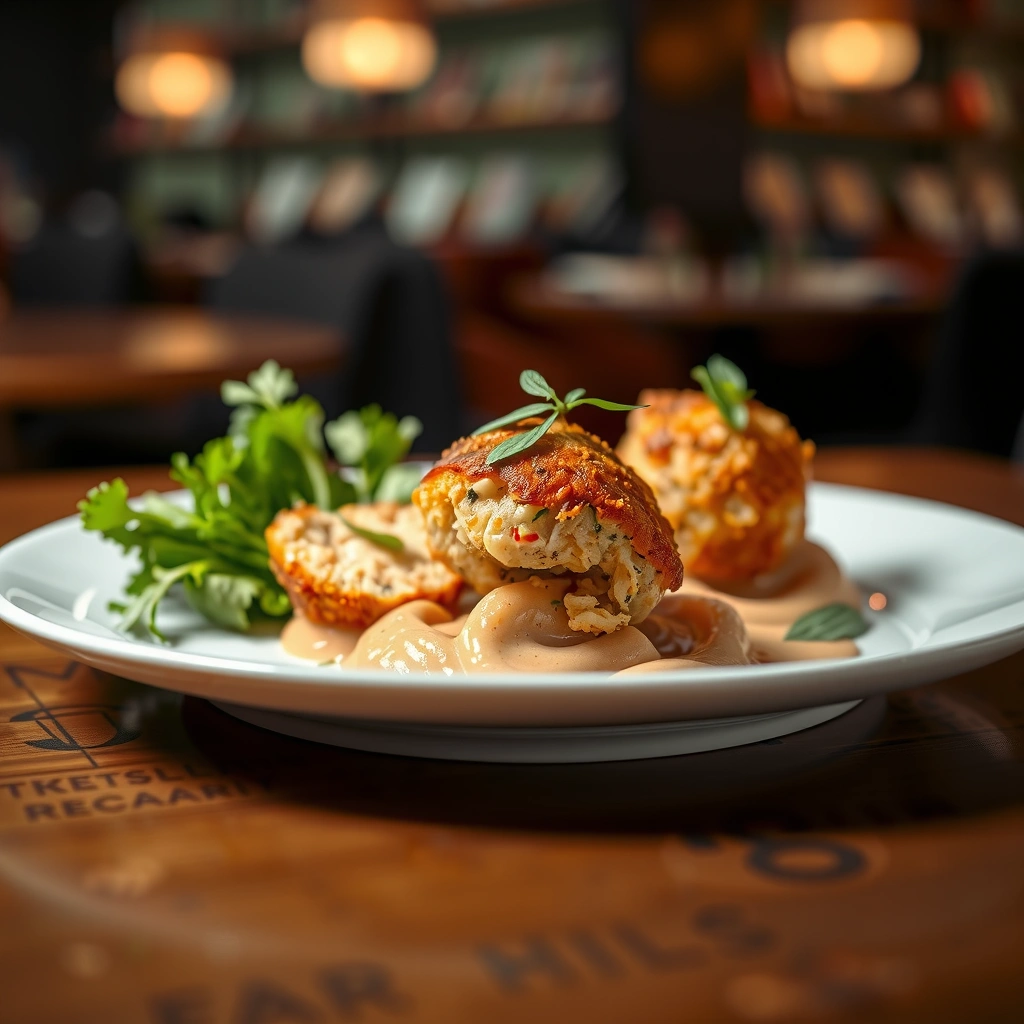
Creating salmon balls is mostly a sequencing problem: mix just enough for cohesion, shape consistently, then let the mixture rest so it cooks cleanly. Use the steps below as a repeatable process for any salmon source.
1. Flake and prep the salmon
– If using canned salmon, drain thoroughly and remove large bones if present (many cans include soft edible bones).
– If using leftover salmon, flake gently and discard any tough skin or overly dry parts.
2. Combine salmon, binders, and seasonings
– In a mixing bowl, combine salmon with egg, breadcrumbs, and your flavor boosters (onion, garlic, herbs, salt, pepper).
– Mix until the mixture is cohesive, not smooth. You want small salmon flakes to remain; they give texture and prevent “paste-like” results.
3. Shape into bite-size balls
– Portion into 2–3 tablespoons each (roughly golf-ball to small-bite size).
– Roll gently between your palms to avoid compressing the mixture too much. Consistent sizing helps everything cook evenly.
4. Chill briefly to help them hold together
– Refrigerate the shaped balls for 15–30 minutes.
– This rest firms up the egg and allows breadcrumbs to absorb moisture, which reduces crumbling during cooking.
5. Optional: set up a coating for extra crunch
– If you want a stronger crust, roll chilled balls lightly in extra panko right before cooking.
Best Cooking Methods for Salmon Balls
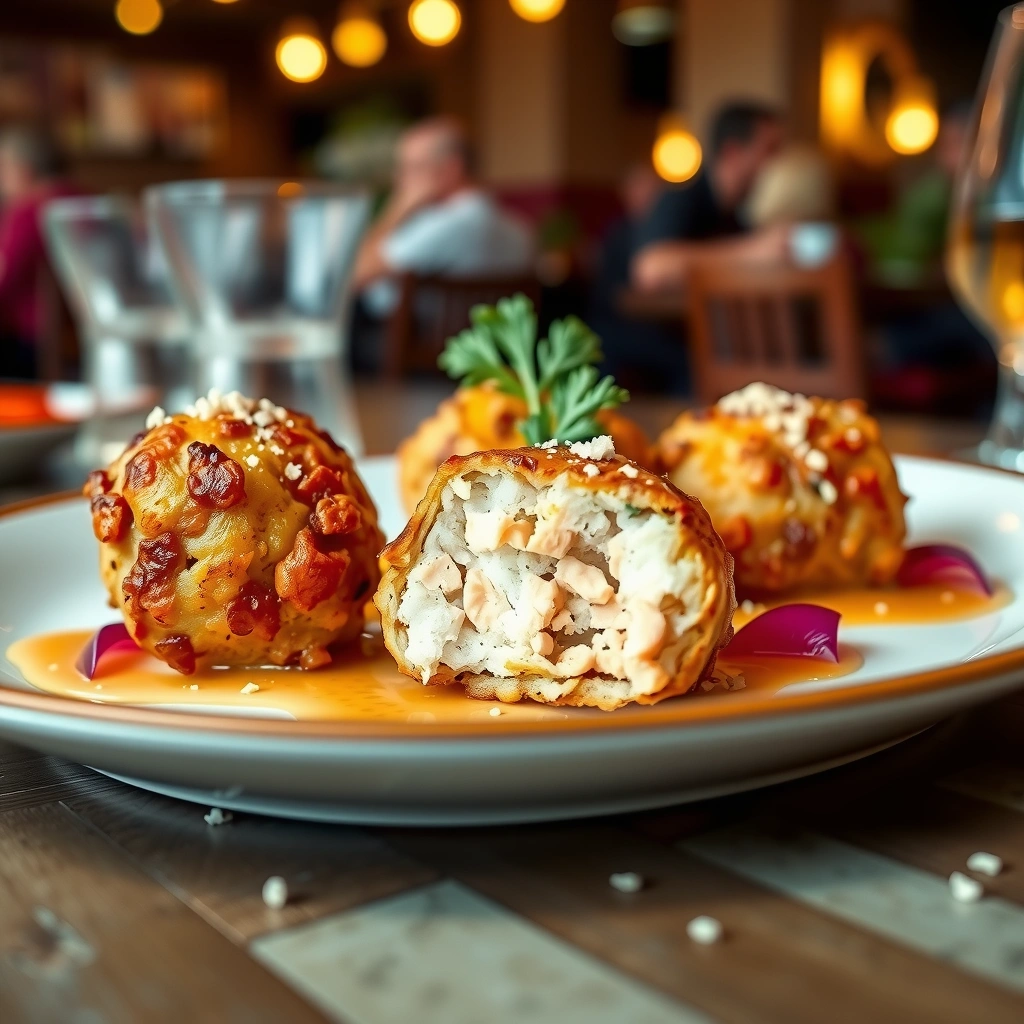
Different cooking methods produce different textures. Pan-frying maximizes crispness, baking is convenient and hands-off, and air-frying sits between both with less oil than traditional frying.
– Pan-fry for crispy edges and quick results
– Use a skillet with a thin layer of oil.
– Cook over medium heat so the outside crisps without drying the inside.
– Flip once when the first side is deeply golden. Typical cook time: 3–5 minutes per side, depending on size.
– Bake for a lighter option with less mess
– Preheat oven to 425°F / 220°C.
– Place on a lined baking sheet, spacing evenly.
– Lightly spray or brush tops with oil for browning.
– Bake 12–18 minutes, flipping halfway for more even crispness.
– Air-fry for a crisp finish with minimal oil
– Preheat air fryer to 400°F / 205°C.
– Arrange in a single layer.
– Air-fry 8–12 minutes, turning once.
– If you’re working from frozen (after shaping, before cooking), increase time and check for proper internal warmth.
Practical guidance:
If your goal is “crunch-first,” choose pan-frying or air-frying. If you’re optimizing for time and minimal mess, bake—and use panko plus a light oil spray for the best browning.
Tips to Prevent Crumbling and Boost Flavor
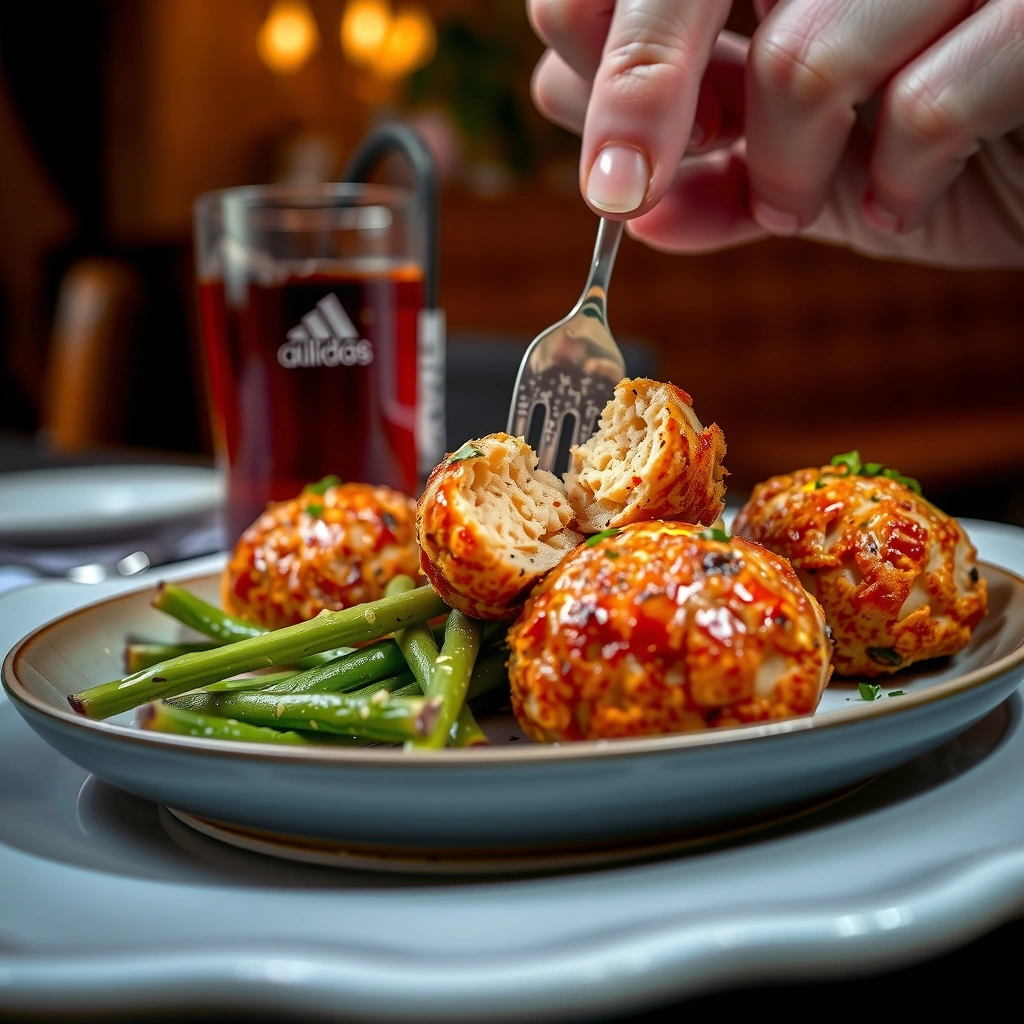
Salmon balls tend to crumble for predictable reasons: too little binder, too much moisture, or over-handling. Flavor gaps usually come from under-seasoning or letting onions/garlic dominate unevenly.
– Don’t overmix—just bind until cohesive
Overmixing can break down salmon too much and create a dense mixture that releases moisture during cooking. Mix until the ingredients look evenly distributed and the balls hold shape when pressed.
– Adjust breadcrumbs to fix too-soft or too-dry texture
– If the mix feels too soft/slack, add breadcrumbs a tablespoon at a time.
– If it feels too dry, add a teaspoon of water, lemon juice, or a splash of mayonnaise (lightly) to restore binding.
– Taste the mixture and fine-tune seasoning before shaping
Because the salmon is already cooked, you can safely taste the mixture. Adjust:
– More salt/pepper if it tastes flat
– A squeeze of lemon if you want brighter flavor
– Additional herbs if you prefer a Mediterranean profile
– Use the right heat to protect juiciness
Too-high heat can char the outside while the inside dries. For pan-frying, medium heat is the most consistent approach.
Doneness Check: What “Golden” Means for Salmon Balls
| ID | Cooking Method | Target Exterior | Typical Turn/Flip | Quality Indicator |
|---|---|---|---|---|
| A | Pan-fry | Deep golden crust | 1 flip | Crust doesn’t flake off when moved |
| B | Bake | Lightly browned, firm surface | Flip halfway | Bottom looks dry and set (not wet) |
| C | Air-fry | Crisp edges + even color | 1 turn | Exterior feels crisp within 1 minute of removal |
Serving Ideas and Easy Dips
Salmon balls are flexible: they work as appetizers, weeknight mains, or “snackable” party food. Pair the richness of salmon with bright, acidic dips to keep the flavor balanced.
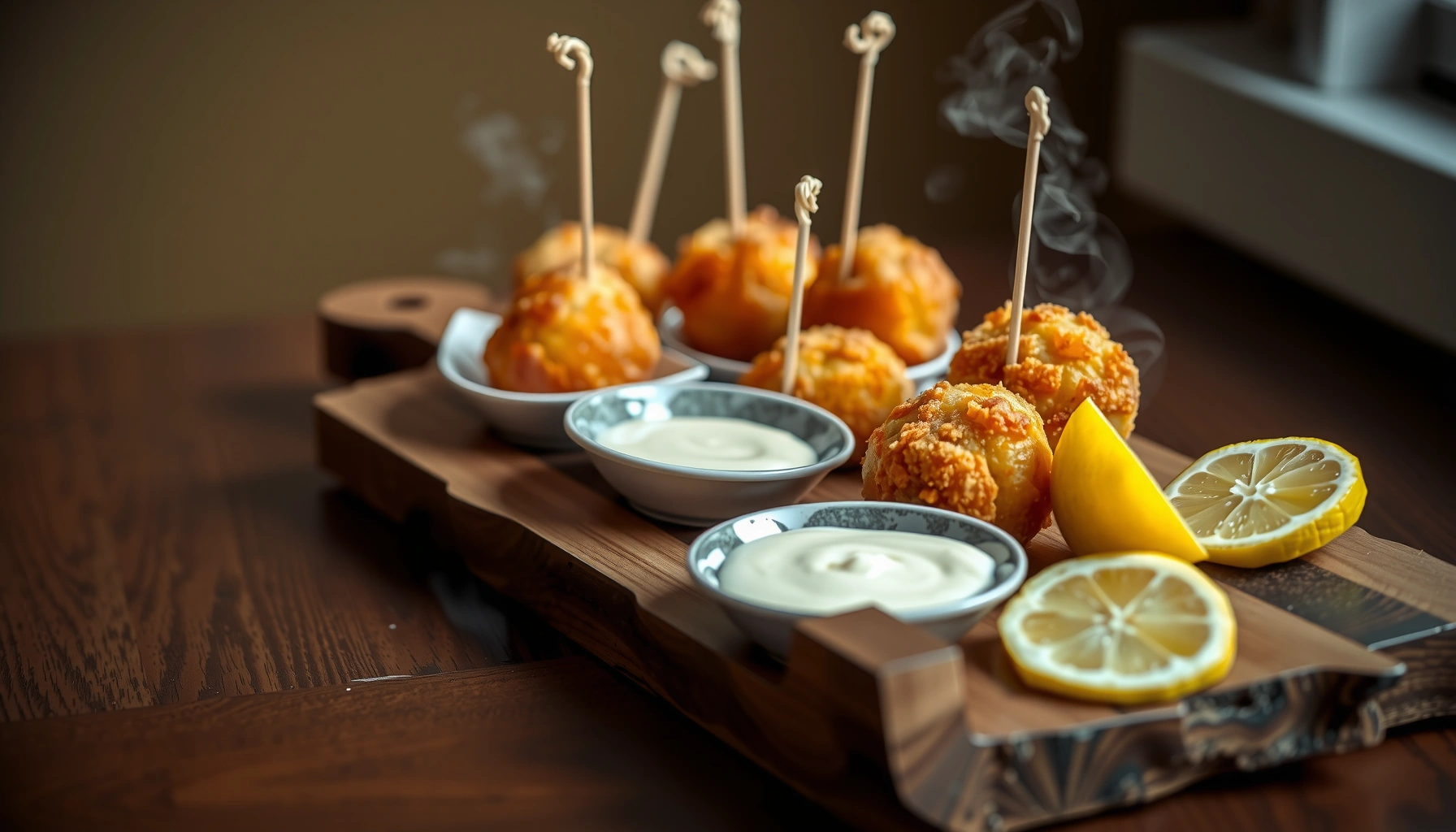
– Serve with tartar sauce, lemon yogurt, or sweet chili sauce
– Tartar sauce: classic and tangy—great with pan-fried crunch.
– Lemon yogurt: combine plain Greek yogurt with lemon juice, zest, salt, and a pinch of dill for a lighter, refreshing profile.
– Sweet chili sauce: adds heat and sweetness that complements savory herbs.
– Pair with rice, salad, or roasted vegetables
– Serve over steamed rice with cucumbers or shredded carrots for crunch.
– Add to a mixed greens salad with a citrus vinaigrette.
– For a hearty plate, serve alongside roasted asparagus, Brussels sprouts, or potatoes.
– Add garnishes like chopped green onion or lemon zest
Garnishes increase perceived freshness and give guests an aromatic “finishing note.” A light sprinkle of herbs on top right before serving makes a meaningful difference.
Storage and Reheating for Salmon Balls
Proper storage preserves texture and prevents the exterior from turning soggy. Because salmon balls contain moisture, reheating technique matters.
– Refrigerate leftovers in a sealed container up to a few days
Cool fully before sealing. This reduces condensation, which is the main enemy of crispness.
– Reheat in an oven/air-fryer to restore crispness
– Air-fryer: 350–375°F (175–190°C) for 6–10 minutes (turn once if needed).
– Oven: 400°F (205°C) for 10–15 minutes, on a preheated tray if possible.
Avoid microwaving if you want to maintain a crisp exterior.
– Freeze shaped (uncooked) balls or cooked leftovers for later
– Uncooked freeze: arrange on a tray, freeze until solid, then transfer to a bag. Cook straight from frozen, adding a few minutes.
– Cooked freeze: cool, portion, freeze in a sealed container, then reheat in an air fryer or oven for best results.
You’ll get perfectly shaped, flavorful salmon balls by using the right binder, chilling briefly, and choosing the cooking method that fits your cravings. Pick pan-fried for extra crisp or baked/air-fried for lighter results—then serve with a bright dip like lemon yogurt or a tangy sauce for best balance. If you want, tell me whether you’re using canned salmon or fresh, and I’ll tailor the ratios to your specific salmon moisture level for even better consistency.
References
- Google Scholar Google Scholar
https://scholar.google.com/scholar?q=salmon+ball+recipe - Google Scholar Google Scholar
https://scholar.google.com/scholar?q=salmon+croquettes+recipe - Google Scholar Google Scholar
https://scholar.google.com/scholar?q=salmon+cakes+recipe - https://www.myplate.gov/recipes/salmon-cakes
https://www.myplate.gov/recipes/salmon-cakes - Fishcake
https://en.wikipedia.org/wiki/Salmon_cake - Fish ball
https://en.wikipedia.org/wiki/Fish_ball - Not Found | American Heart Association | American Heart Association
https://www.heart.org/en/healthy-living/healthy-eating/recipes/salmon-cakes - https://pubmed.ncbi.nlm.nih.gov/?term=salmon+cakes+recipe
https://pubmed.ncbi.nlm.nih.gov/?term=salmon+cakes+recipe - https://pubmed.ncbi.nlm.nih.gov/?term=salmon+croquettes
https://pubmed.ncbi.nlm.nih.gov/?term=salmon+croquettes - salmon ball recipe – Search results
https://en.wikipedia.org/wiki/Special:Search?search=salmon+ball+recipe