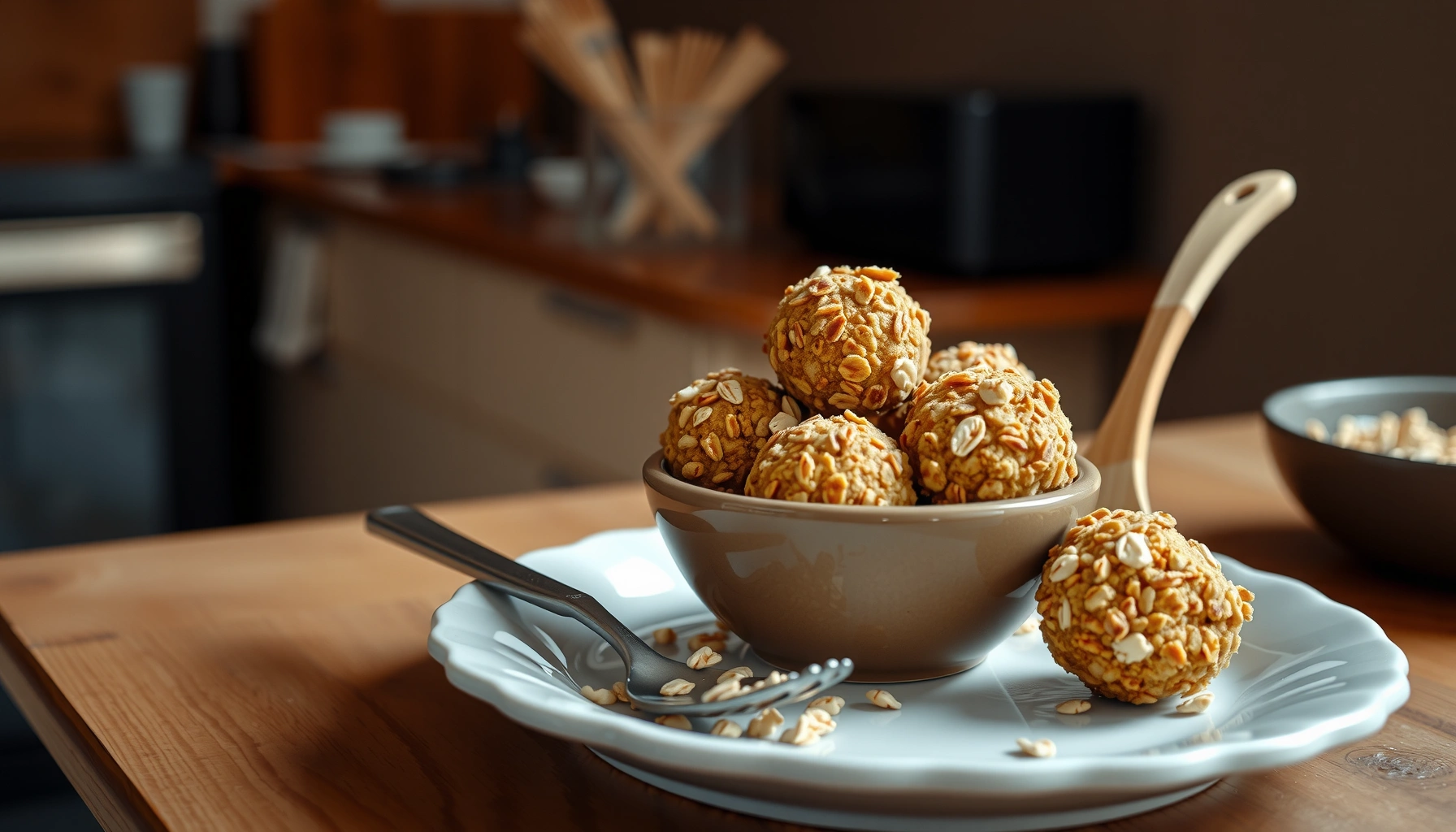
Get a reliable oatmeal balls recipe with easy, step-by-step instructions you can follow without guesswork. This version delivers tender, flavorful bites every time—whether you need a quick snack, an on-the-go breakfast, or a simple dessert. By the end, you’ll know exactly how to mix, shape, and bake or chill your oatmeal balls for the texture you want.
Oatmeal balls are a quick, reliable snack made by mixing oats with a binder (like nut butter or honey), rolling into bite-size balls, and setting them by baking or chilling. If you follow the step-by-step method below and choose the right binder for your desired texture, you’ll get consistently chewy centers with a firm, snackable bite.
Ingredients for Oatmeal Balls
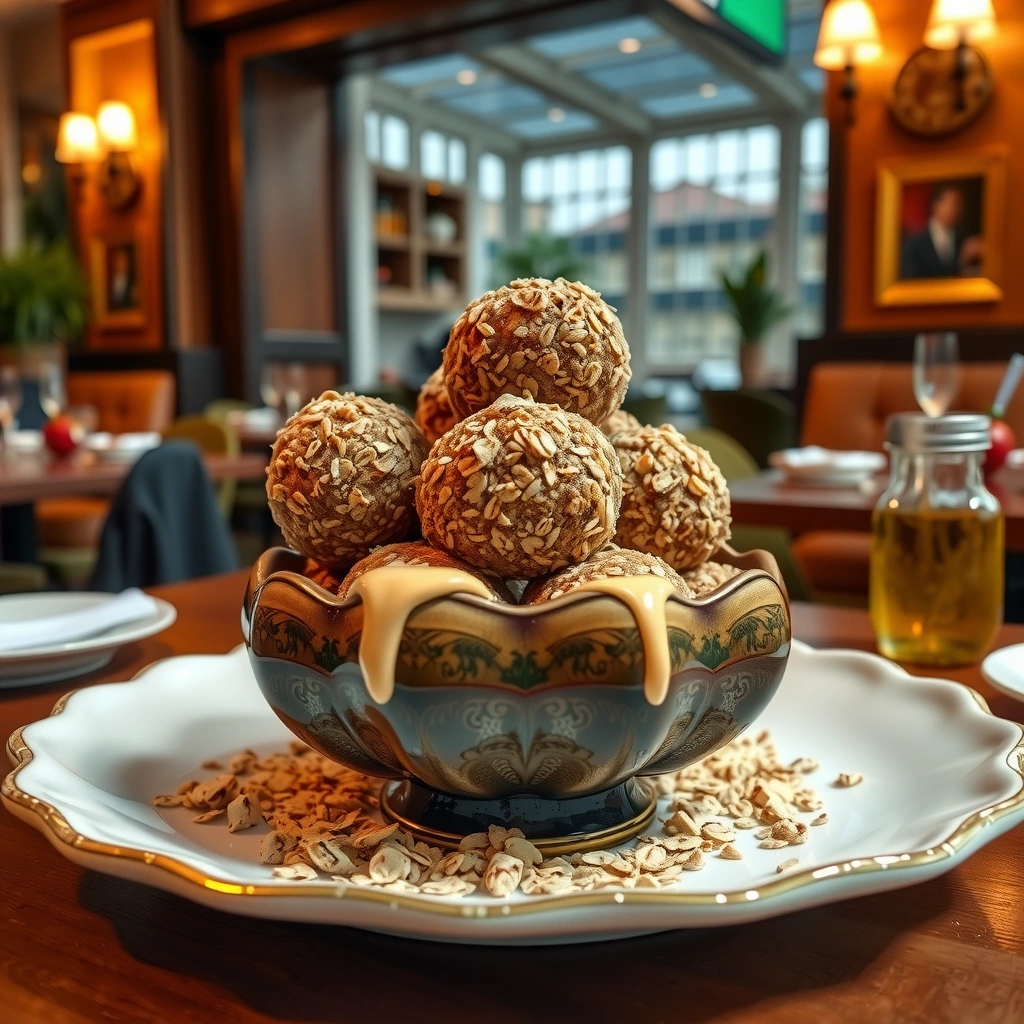
Oatmeal balls work because rolled oats provide structure while a binder provides cohesion—so the blend holds its shape and “sets” when baked or chilled. The exact combination matters: too little binder makes the balls crumble; too much can make them feel dense or sticky.
Core ingredients to keep the recipe dependable:
– Rolled oats (or quick oats): Rolled oats create more texture and a chewier bite after setting. Quick oats bind more uniformly and make a softer, smoother interior.
– Binder (pick one): Choose one binder based on flavor and setting method.
– Peanut butter or almond butter: Offers both flavor and strong binding power.
– Honey or maple syrup: Adds sweetness and stickiness; best for no-bake versions or for softer baked balls.
– Mashed banana: Adds natural moisture and binding, ideal for banana-forward flavor profiles.
– Optional binding helpers (use only if needed):
– Pinch of salt: Improves overall flavor and balances sweetness.
– Vanilla extract or warm spices: Enhances aroma and makes the balls taste “finished,” even with simple ingredients.
Recommended “build” approach for consistent results:
– Start with oats + binder, then add your flavor (like cinnamon) and any mix-ins (like chocolate chips).
– If the mixture feels dry, add binder in small increments. If it feels loose, add more oats.
Oatmeal Ball Binder Performance by Method (Practical Guidance)
| # | Binder Option | Best Method | Typical Oats:Binder Ratio | Set Firmness (1–5) |
|---|---|---|---|---|
| 1 | Peanut butter | Bake + Chill | 2:1 | 5 |
| 2 | Almond butter | Bake + Chill | 2.25:1 | 4 |
| 3 | Honey | No-bake / Chill | 3:1 | 4 |
| 4 | Maple syrup | No-bake / Chill | 3:1 | 3 |
| 5 | Mashed banana | No-bake / Light bake | 2.5:1 | 2 |
| 6 | Greek yogurt (thick) | Chill + Bake assist | 1:3 | 3 |
| 7 | Dates (paste) | Bake + Chill | 2.5:1 | 4 |
How to Make Oatmeal Balls (Step-by-Step)
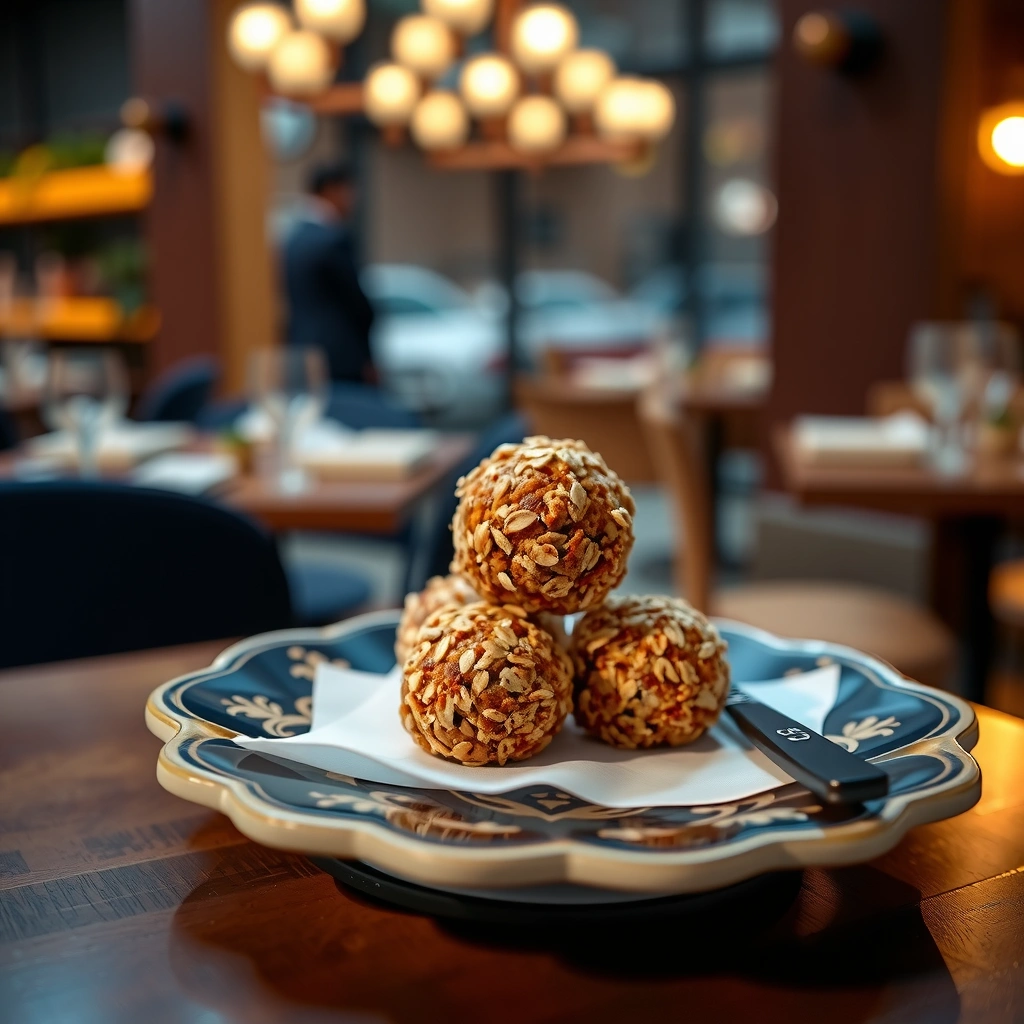
Making oatmeal balls is straightforward, but the technique determines the texture. The best results come from thoroughly combining the oats with the binder and using a consistent ball size so the set is even.
Step 1: Prepare your base
– Measure your oats and add them to a mixing bowl.
– If using mix-ins like chocolate chips, nuts, or dried fruit, decide whether they’ll be folded in now (most do) or after (sticky add-ins sometimes go in later).
Step 2: Add the binder
– Add your binder (peanut butter, honey, mashed banana, etc.) to the oats.
– Mix until the mixture looks cohesive and clumps when pressed between fingers.
Step 3: Adjust consistency before shaping
– If the mixture won’t form balls, add binder 1 tablespoon at a time (or a small splash of milk if you’re aiming for a softer batter-like texture).
– If the mixture feels too wet or sticky, add oats 1–2 tablespoons at a time.
Step 4: Shape
– Roll into bite-size balls, typically about 1 to 1.5 inches (roughly 25–40 grams each, depending on how large you want your snack).
– Press firmly enough that the balls hold together, but avoid overworking (oats can compact and turn tough).
Step 5: Set them
– For baked oatmeal balls: bake until set and lightly golden at the edges.
– For no-bake oatmeal balls: chill until firm enough to hold shape.
Step 6: Cool or chill for best structure
– Even baked oatmeal balls benefit from cooling time. Resting helps the binder firm up and stabilizes the chew.
Practical batch guidance
If you’re meal-prepping, keep ball size consistent and label containers by binder type (e.g., “honey” vs “peanut butter”), because texture can vary even with the same oats base.
Flavor Variations and Mix-Ins
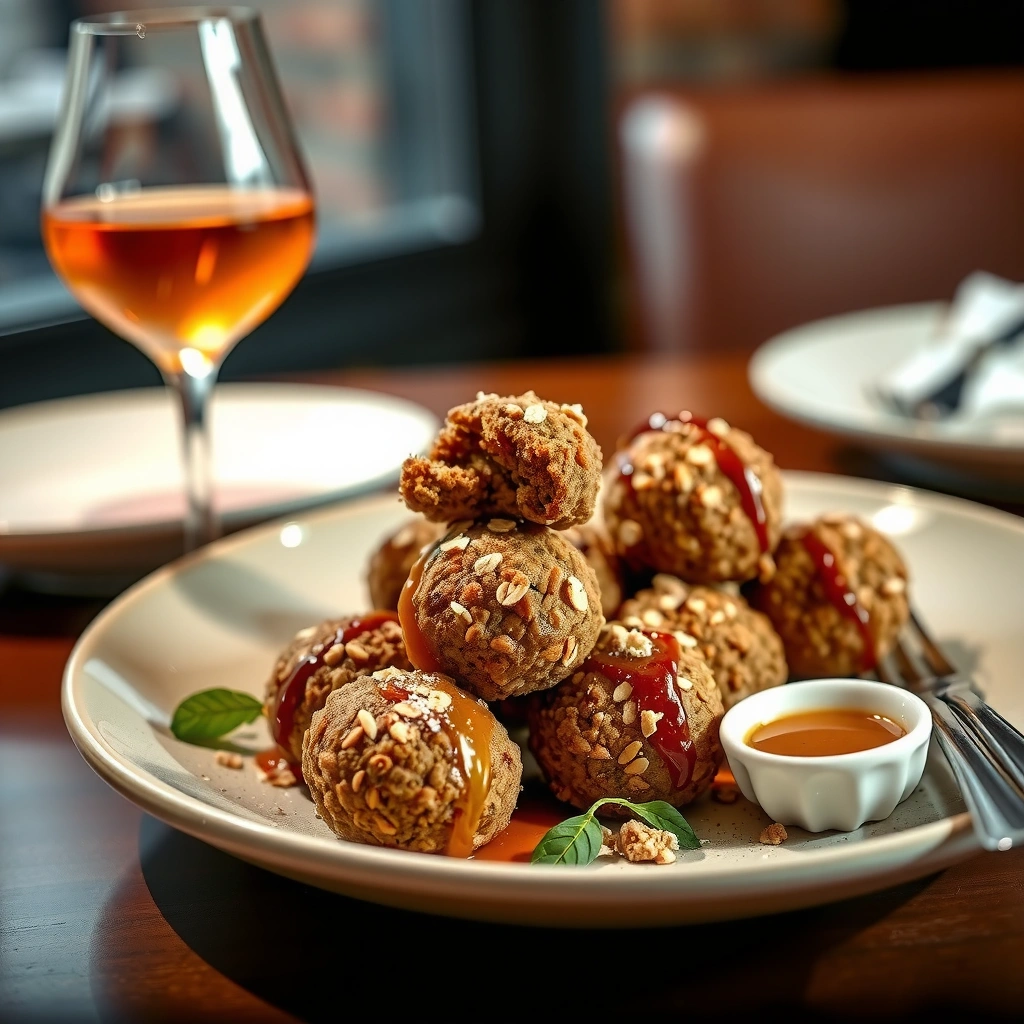
Once you understand the binder-and-oats foundation, oatmeal balls become a highly customizable product—useful for households, meal-prep routines, and even small-business snack programs where consistency matters.
High-impact mix-ins (choose 1–2 per batch):
– Chocolate chips: Best with peanut butter, dates paste, or banana for a classic dessert profile.
– Raisins or chopped dried apricots: Add sweetness and chewy pockets that contrast the oats.
– Chopped nuts (walnuts, pecans, almonds): Add crunch and improve mouthfeel.
– Dried cranberries: Offer tartness that balances honey sweetness.
Flavor upgrades that work every time:
– Cinnamon: A reliable “warm” flavor that pairs with oats and nut butters.
– Vanilla extract: Makes simple recipes taste richer, especially with honey or maple.
– Cocoa powder: Creates a chocolate oatmeal ball profile without needing extra chocolate chips.
Analytical note on texture balance
Mix-ins influence moisture and structure:
– Very wet add-ins (like extra fruit purée) can soften the ball too much.
– Very dry add-ins (like large amounts of chopped nuts) can reduce cohesiveness.
A controlled approach—keeping mix-ins to roughly 1/4 to 1/3 of the oat mixture by volume—tends to maintain a stable set.
Example flavor formulas you can replicate
– “Mocha” oatmeal balls: cocoa + vanilla + peanut butter + a small handful of chocolate chips.
– “Bakery-style” cinnamon balls: cinnamon + raisins + honey binder.
– “Trail mix” balls: chopped nuts + dried cranberries + nut butter.
Baking vs. No-Bake Oatmeal Balls
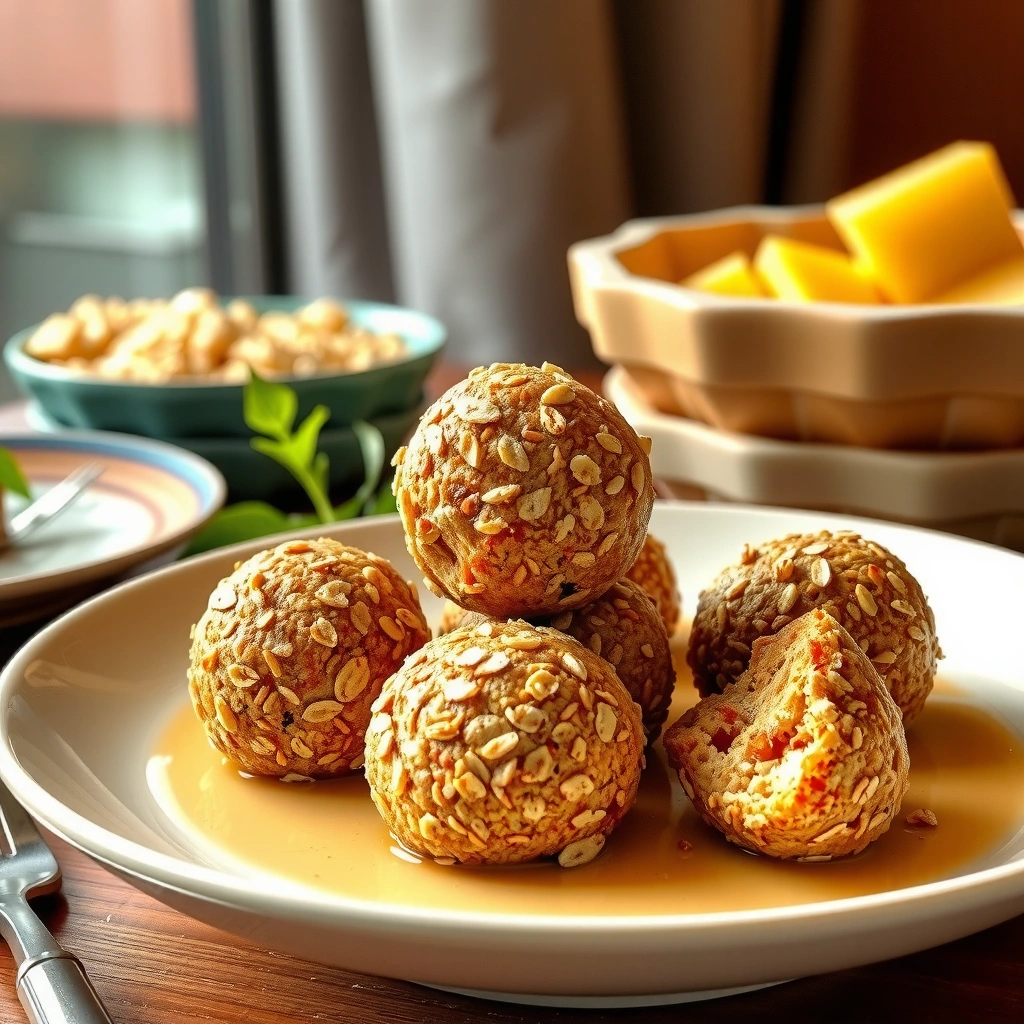
Choosing between baking and no-bake is less about preference and more about the final performance you want: exterior texture, chew level, and shelf life in real-world kitchens.
Baking oatmeal balls
– Produces a firmer, slightly crisp exterior and a more “set” chew.
– Helps the binder stabilize faster and can improve structural consistency for travel or packing.
– Best when you want a snack that feels less sticky at room temperature.
No-bake / chilling oatmeal balls
– Creates a softer, chewy bite that’s faster to prepare.
– Often tastes more like “energy bites” with a tender, spoonless texture.
– Requires thorough chilling to prevent crumbling.
Decision checklist (fast)
– Want crisper edges → bake.
– Want maximum chew and speed → no-bake.
– Using a binder like peanut butter → both methods work well.
– Using banana → no-bake (or short bake with careful timing) tends to preserve flavor but may be less firm.
Baked vs. No-Bake Oatmeal Balls: What Changes
| # | Feature | Baked | No-Bake |
|---|---|---|---|
| 1 | Set firmness | High | Medium |
| 2 | Exterior texture | Slightly crisp | Soft |
| 3 | Chew profile | More structured | Chewier |
| 4 | Prep time | Moderate | Fast |
| 5 | Cooling/chilling requirement | Needed | Crucial |
| 6 | Room-temperature stability | Better | More fragile |
| 7 | Best binder pairing | Nut butters | Honey / banana |
| 8 | Flavor development | More roasted notes | Bright & fresh |
| 9 | Portion control | Easier | Also good |
| 10 | Best For | Travel & firmer snacks | Quick prep & chewy bites |
Tips for the Best Texture
Texture is the make-or-break factor for oatmeal balls, and it’s controlled by three variables: binder amount, mixing thoroughness, and time for setting.
1) Dial in the right thickness
– If the mixture isn’t forming balls, it likely needs more binder.
– If it’s too wet, oats will rescue the structure—add a small amount and re-test.
2) Use binder consistency strategically
– Stir nut butter thoroughly before mixing; oil separation can cause uneven binding.
– Honey can vary in thickness—if your honey is runny, you may need slightly more oats or a longer chill.
3) Shape and press for reliable holding
– Roll firmly. Loose shaping leads to crumbling, especially for no-bake oatmeal balls.
4) Don’t rush the cooling/chilling
– Even if the balls look set, the internal moisture needs time to stabilize.
– A full chill typically improves firmness and slice-like “clean break” quality when packed.
5) Keep mix-ins from sabotaging structure
– Large chunks (especially wet dried fruit) can create weak points. Chop them smaller or reduce the quantity slightly for better uniformity.
Storage and Serving Ideas
Proper storage protects texture and prevents “dry-out” or stickiness. With oatmeal balls, fridge storage is the simplest way to maintain a consistent bite through the week.
Storage best practices
– Store in an airtight container in the fridge for grab-and-go snacks.
– Separate layers with parchment paper if the balls tend to stick.
– For best texture, consume within 3–5 days (chill-stable, flavor-consistent).
Freezing option
– Freeze in a single layer, then transfer to a freezer-safe container.
– Thaw in the refrigerator or at room temperature for 10–20 minutes, depending on binder type.
Serving ideas that elevate a simple snack
– Breakfast: Pair with Greek yogurt and berries for a higher-protein plate.
– Dessert-style: Serve with fruit and a drizzle of nut butter or yogurt.
– On-the-go: Pack with coffee or tea for a more satisfying morning routine.
Oatmeal Ball Prep Mode: Which One Fits Your Schedule?
| # | Criteria | Baking | No-Bake Chill |
|---|---|---|---|
| 1 | Hands-on mixing | ★★★★☆ | ★★★★★ |
| 2 | Active kitchen time | ★★★☆☆ | ★★★★★ |
| 3 | Set reliability | ★★★★★ | ★★★★☆ |
| 4 | Equipment dependency | Oven required | No oven |
| 5 | Texture at room temp | More stable | More soft |
| 6 | Flavor intensity | Deeper | Fresh |
| 7 | Best for meal-prep | ★ ★ ★ ★ ★ | ★ ★ ★ ★ ☆ |
| 8 | Cleanup complexity | Medium | Low |
| 9 | Scheduling flexibility | Needs bake window | Chill while busy |
| 10 | Verdict | Best texture control | Best speed & convenience |
Oatmeal balls are easy to customize and deliver a satisfying snack texture with the right binder and proper chilling or baking time. Follow the steps, choose one flavor variation to start, and make a batch you can store for quick, healthy treats all week—start your oatmeal balls recipe today.
References
- Google Scholar Google Scholar
https://scholar.google.com/scholar?q=oatmeal+balls+recipe - Google Scholar Google Scholar
https://scholar.google.com/scholar?q=oat+energy+balls+recipe - Google Scholar Google Scholar
https://scholar.google.com/scholar?q=oatmeal+energy+bites+no+bake+recipe - Oatmeal
https://en.wikipedia.org/wiki/Oatmeal - Energy bar
https://en.wikipedia.org/wiki/Energy_bar - https://www.hsph.harvard.edu/nutritionsource/what-are-oats/
https://www.hsph.harvard.edu/nutritionsource/what-are-oats/ - https://www.mayoclinic.org/healthy-lifestyle/nutrition-and-healthy-eating/in-depth/oatmeal/art-20049369
https://www.mayoclinic.org/healthy-lifestyle/nutrition-and-healthy-eating/in-depth/oatmeal/art-20049369 - https://www.britannica.com/topic/oat
https://www.britannica.com/topic/oat - https://pubmed.ncbi.nlm.nih.gov/?term=oatmeal+energy+balls
https://pubmed.ncbi.nlm.nih.gov/?term=oatmeal+energy+balls - https://www.myplate.gov/eat-healthy/grains/type/whole-grains/oats
https://www.myplate.gov/eat-healthy/grains/type/whole-grains/oats