Find the best sausage balls recipes—classic, easy, and flavorful—and get a clear winner for your next batch. This guide answers which formula produces the most tender, cheesy sausage balls with the simplest method, using the ingredients you likely have on hand. You’ll have a reliable baseline recipe and quick tweaks to nail the texture and taste every time.
Sausage balls are a quick, reliable appetizer you can make from pantry staples and cook until deeply golden in about 20–25 minutes. In this guide, you’ll get a proven classic sausage balls recipe plus practical variations (cheddar, spicy, and more) so you can adjust flavor, texture, and consistency with confidence.
Essential Ingredients for Sausage Balls Recipes
Sausage balls succeed because the ingredients are both simple and purpose-driven: one component provides salt and fat, another provides structure, and the cheese adds flavor plus melty “pockets” that make each bite feel indulgent rather than dry. If you want consistent results across different brands of baking mix and sausage, treat these as functional categories:
– Use ground sausage and biscuit/baking mix as the base for the classic flavor and texture
Ground sausage contributes seasoning, fat, and bite—especially if you choose a pork sausage that’s already well-spiced (sage, black pepper, and a touch of sweetness are common). Biscuit/baking mix acts as the binder and leavening system, creating that tender-yet-structured interior that holds shape during baking. For the most dependable outcome, use a baking mix you trust and avoid “self-rising flour” substitutions unless you’ve tested them.
– Add shredded cheddar for rich, melty centers
Shredded cheddar is ideal because it distributes more evenly than sliced cheese and melts predictably, forming a flavorful crust and gooey centers. A sharp or extra-sharp cheddar boosts tang and cuts through the richness of sausage. If you love a more complex profile, use a cheddar blend (e.g., cheddar + Monterey Jack) for smoother melt without sacrificing flavor.
To standardize your batch, aim for a dry-to-wet balance: the mixture should be cohesive enough to roll, with no visible pools of grease or crumbling dry pockets.
Sausage Ball Batch Guide (Yield, Bake Time, and Temperature)
| # | Batch (Cheddar + Baking Mix) | Recommended Sausage (lbs) | Total Bake Time | Expected Yield |
|---|---|---|---|---|
| 1 | 8 oz shredded cheddar + 2 cups baking mix | 0.75 | 20–23 min | ≈26 balls |
| 2 | 12 oz shredded cheddar + 3 cups baking mix | 1.00 | 22–25 min | ≈40 balls |
| 3 | 1 lb cheddar + 4 cups baking mix | 1.25 | 23–27 min | ≈52 balls |
| 4 | 6 oz cheddar + 1.5 cups baking mix | 0.50 | 18–21 min | ≈18 balls |
| 5 | 2 cups cheddar + 3 cups baking mix | 0.95 | 22–26 min | ≈38 balls |
| 6 | 10 oz cheddar + 2.5 cups baking mix | 0.80 | 21–24 min | ≈30 balls |
| 7 | 1.5 lb cheddar + 6 cups baking mix | 2.00 | 25–30 min | ≈86 balls |
Classic Sausage Balls Recipe (Best Basic Version)

A classic sausage balls recipe is your baseline: it establishes the correct structure so you can confidently swap in different cheeses, add heat, or experiment with mix-ins later. This version focuses on predictable browning and a tender center.
Classic Sausage Balls Recipe (Best Basic Version)
1. Preheat your oven to 400°F (205°C) and line a baking sheet with parchment paper or a lightly greased nonstick surface.
2. In a large mixing bowl, combine ground sausage with shredded cheddar.
3. Add biscuit/baking mix and mix just until the ingredients are fully combined and evenly distributed.
4. Scoop and roll into bite-size balls (aim for uniform diameter—roughly 1 to 1¼ inches).
5. Bake for 20–25 minutes, or until the tops are browned and the centers feel set (no wet dough pockets).
6. Rest for 3–5 minutes before serving so the cheese firms slightly and the texture stabilizes.
Why this method works: the sausage fat helps create tenderness and browning; the baking mix provides lift and binding; the cheddar melts and creates savory “strings” that set as they cool. Uniform rolling is more than a cosmetic step—it’s the most practical lever you have for consistent doneness.
Quick Tips for Perfect Texture
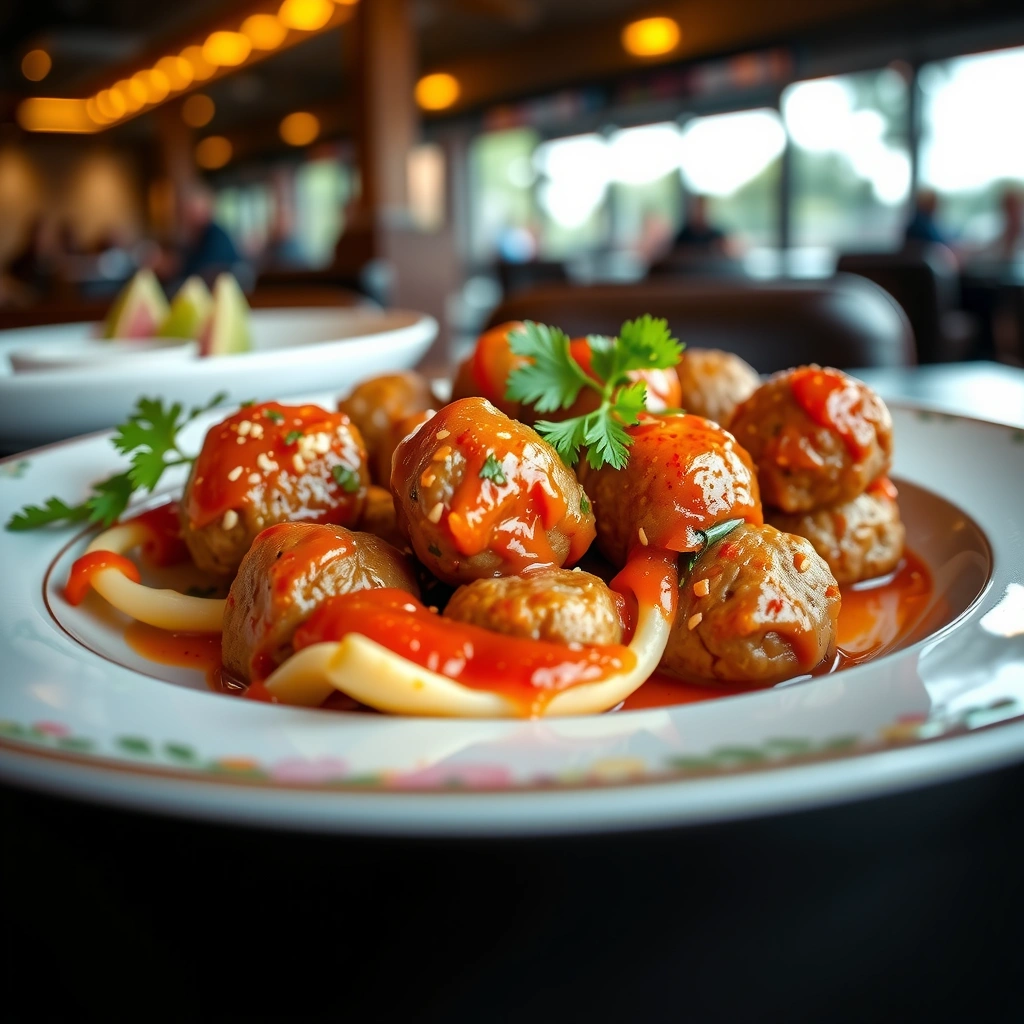
Getting sausage balls right is less about “magic” and more about process control. Small technique changes (mixing time, ball size, and moisture level) are what separate dense bites from tender, crisp-edged results.
– Don’t overmix—stops the balls from becoming dense
Overmixing develops the dough structure in the baking mix, making the interior tighter. Mix until combined and no dry pockets remain, then stop. If you’re using a mixer, switch to low speed for a short blend—or do it by hand for better feedback.
– Keep the ball sizes consistent so everything finishes baking at the same time
Even small size differences create big timing differences at 400°F. Use a cookie scoop to standardize portions, and bake on a middle rack for stable heat distribution. If you notice smaller balls browning faster, pull the tray earlier and let the rest catch up for a few extra minutes.
Practical texture checkpoints
– Cohesive, not sticky: The mixture should hold when rolled but not smear like paste.
– Clean shaping: If the mix is so sticky it coats your hands, it’s likely too wet—add a small spoonful of baking mix.
Easy Variations (Cheddar, Spicy, and More)
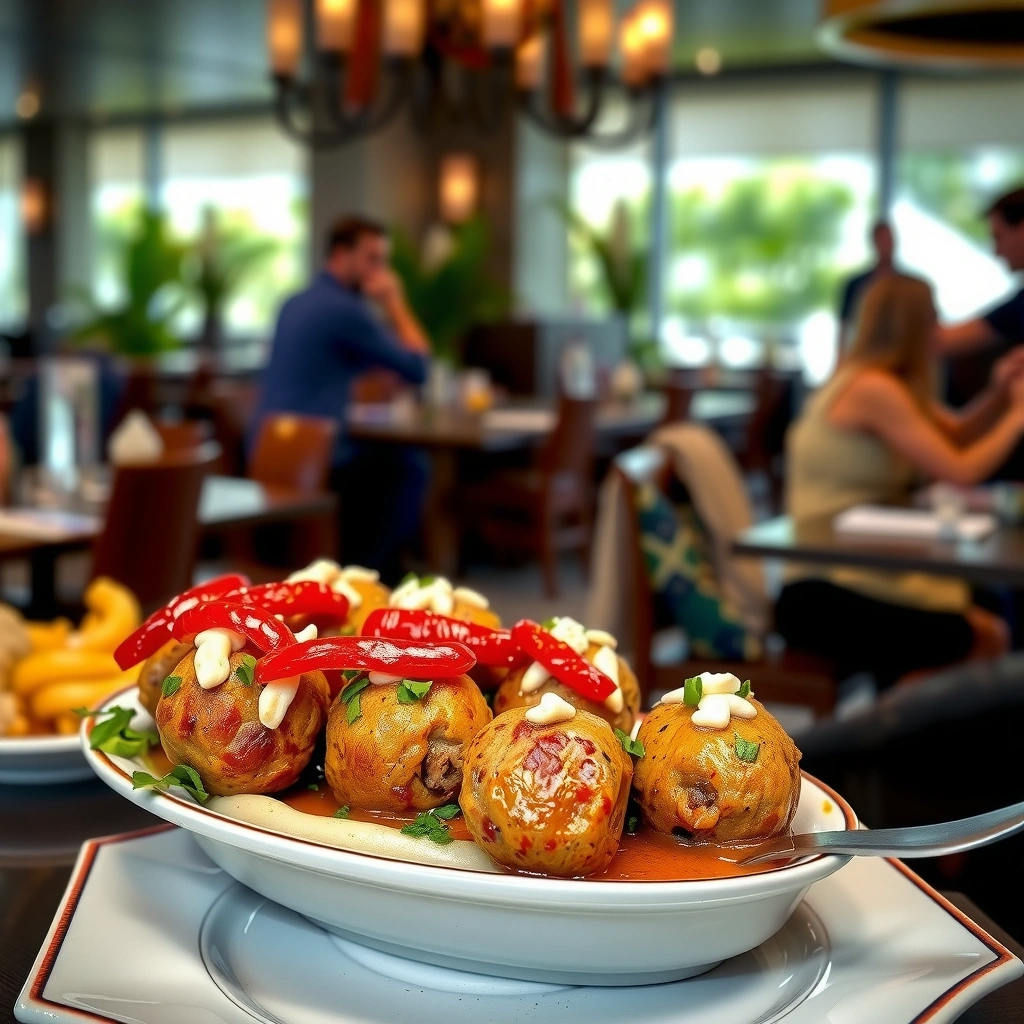
Once you’ve nailed the classic sausage balls recipe, variations become straightforward. Think in terms of two levers: flavor intensity (cheese type and seasoning) and heat level (spices and sauces). You can also improve variety by keeping structure intact while swapping only what affects flavor.
– Swap cheese levels or use a cheese blend for different flavor profiles
More cheese typically increases melty pockets and richness, but too much can loosen the mix. A practical approach is to adjust within a reasonable range—e.g., keep the total “cheese-to-baking mix” relationship consistent and then tweak type:
– Sharp cheddar for tang and stronger browned edges
– Colby Jack for milder flavor and smoother melt
– Smoked cheddar for a ham-like depth without changing the oven time much
– Add a little spice (like pepper flakes or hot sauce) for a kick
Spice works best when it’s integrated early so it distributes evenly:
– Stir in red pepper flakes for steady heat
– Add smoked paprika for warmth and color
– Use hot sauce sparingly (a teaspoon at a time). If you add liquid, compensate with a bit more baking mix to maintain rollable consistency.
Example flavor profiles you can implement quickly
– Cheddar-forward: Increase cheddar sharpness, keep everything else constant—great for “classic taste, upgraded.”
– Spicy kick: Add crushed pepper flakes and a touch of smoked paprika—great for game days.
– Herb balance: Add finely minced chives or parsley—great when serving alongside creamy dips.
Serving Ideas and Storage
Sausage balls are built for sharing, but the “how” of serving affects perception—texture, aroma, and dip pairing. With the right approach, they go from party food to a standout menu item.
– Serve with mustard, ranch, or a spicy dip for extra flavor
Choose dips based on contrast:
– Dijon or honey mustard for tang against the salty sausage
– Ranch for cooling creaminess
– Spicy mayo or buffalo-style dip if you want the heat to echo the sausage seasoning
– BBQ sauce (applied lightly) for a sweet-smoky finish—especially with smoked cheddar
For events, hold them warm in a covered dish so they don’t dry out. If you’re using a buffet setup, reheat in small batches so the edges stay crisp.
– Store leftovers in the fridge and reheat in the oven or microwave
Proper storage retains texture:1. Cool completely before refrigerating (prevents condensation).
2. Store in an airtight container for up to 3–4 days.
3. Reheat in the oven at 350°F (175°C) for 8–12 minutes for best crispness, or microwave briefly if convenience matters most.
Freezing tip (optional but highly practical): Freeze formed, unbaked balls on a tray until solid, then transfer to a freezer bag. Bake from frozen with a few extra minutes, and you’ll have a ready-to-go snack supply for busy weeks.
Common Mistakes to Avoid
Even a simple recipe can fail if a few variables are ignored. These issues are common in sausage balls because small differences in sausage fat content, baking mix moisture absorption, or oven behavior can shift results.
– Too-wet mix can cause spreading—adjust with a bit more baking mix if needed
If your balls flatten or spread excessively, your mixture likely contains too much moisture/grease relative to binding. Fix it fast:
– Add baking mix in small increments (1–2 tablespoons at a time)
– Mix briefly, then re-shape into balls
– Resume baking and watch for improved structure
– Skipping browning time can leave them soft instead of crisp
Sausage balls need time for the surface to brown and for the internal structure to set. If you pull them early, they may taste underdone and become slightly greasy as they cool. Use color as a primary indicator: aim for deep golden tops.
A quick “diagnose-and-correct” guide
– Dense interior: likely overmixed → mix less next time.
– Blows apart or crumbles: too dry → add a teaspoon of warm grease from sausage or a splash of water, then add a bit more mix as needed.
– Greasy plate: too fatty or over-formed → drain excess grease if using very fatty sausage and ensure correct baking sheet spacing.
Sausage balls recipes are simple: combine the right ingredients, shape evenly, and bake until deeply golden. Pick the classic version first, then try a variation to match your taste—make a batch for your next party and enjoy the quick, savory results.
Want, too? If you tell me whether you’re using pork sausage, turkey sausage, or a flavored sausage (like sage or spicy), I can tailor the exact ratio and expected bake time for your setup.
References
- Google Scholar Google Scholar
https://scholar.google.com/scholar?q=sausage+balls+recipe - Google Scholar Google Scholar
https://scholar.google.com/scholar?q=cheddar+sausage+balls+biscuit+mix+study - Google Scholar Google Scholar
https://scholar.google.com/scholar?q=sausage+balls+ground+meat+safety+internal+temperature - Sausage
https://en.wikipedia.org/wiki/Sausage - Cheddar cheese
https://en.wikipedia.org/wiki/Cheddar_cheese - https://www.fsis.usda.gov/food-safety/safe-food-handling-and-preparation/cooking-meat-poultry-and-eggs
https://www.fsis.usda.gov/food-safety/safe-food-handling-and-preparation/cooking-meat-poultry-and-eggs - https://www.foodsafety.gov/food-safety-charts/safe-minimum-internal-temperature-chart
https://www.foodsafety.gov/food-safety-charts/safe-minimum-internal-temperature-chart - https://www.cdc.gov/foodsafety/food-safety-basics.html
https://www.cdc.gov/foodsafety/food-safety-basics.html - Sausage | Description, Types, & Ingredients | Britannica
https://www.britannica.com/topic/sausage - https://pubmed.ncbi.nlm.nih.gov/?term=food%20safety%20ground%20meat%20cooking%20temperature
https://pubmed.ncbi.nlm.nih.gov/?term=food%20safety%20ground%20meat%20cooking%20temperature