Get a boudin balls recipe that actually turns out right with easy step-by-step instructions from mix to finish. This guide walks you through the exact prep, shaping, and frying or baking method so you get crisp, golden bites and hot, flavorful boudin every time. If you want the fastest reliable way to make boudin balls at home, this is the winner.
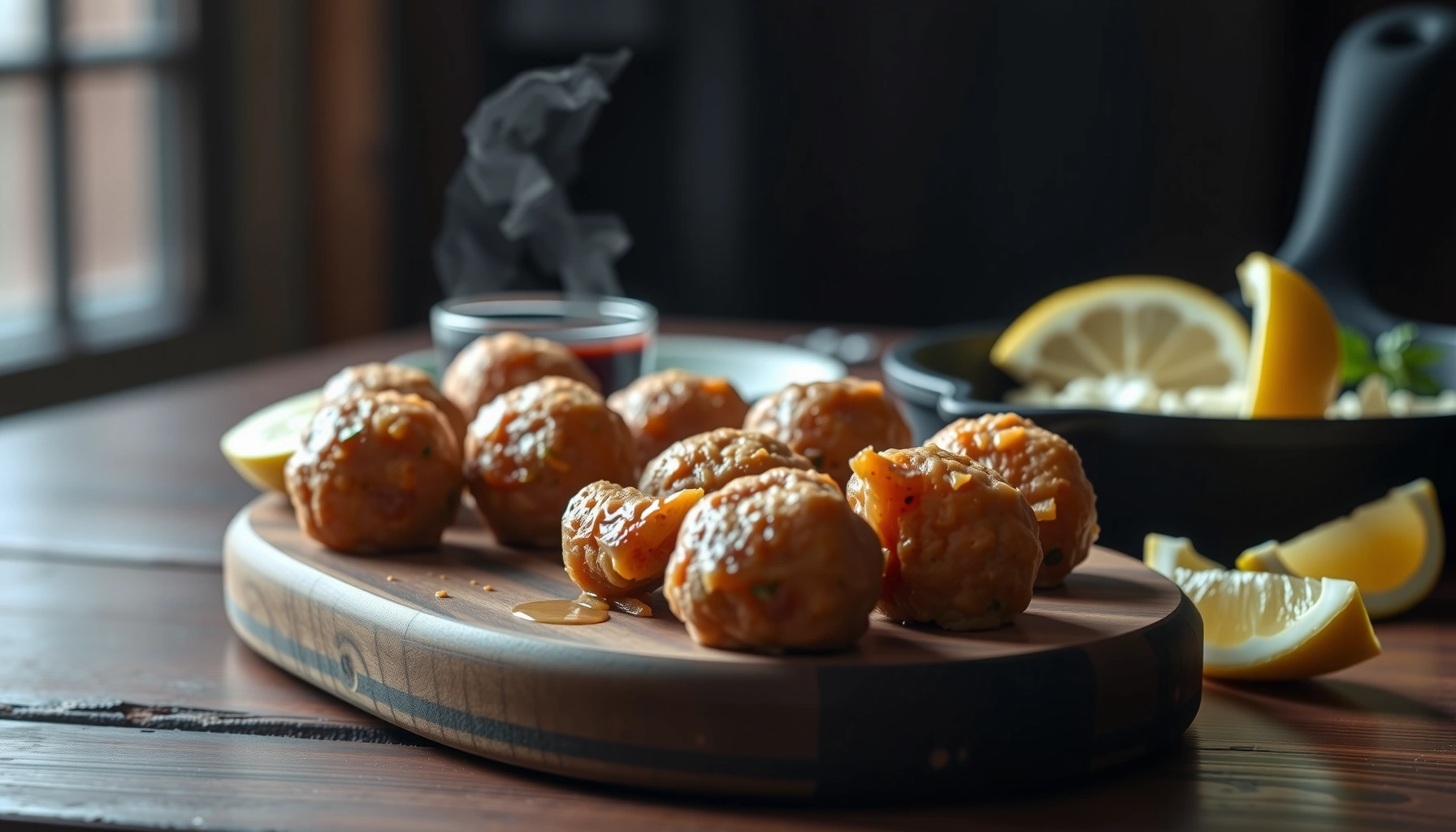
Boudin balls are the fastest way to turn classic boudin into a shareable, crispy snack—shape the sausage into bite-size rounds, coat them, then fry or bake until hot and golden. This boudin balls recipe walks you through seasoning, forming, coating, and cooking so you consistently get juicy centers with an evenly crisp crust, whether you choose deep-frying, air-frying, or baking.
Boudin (often a rice-and-seasoned-meat sausage associated with Louisiana) already carries bold flavor, but the “ball” format gives you a new texture experience: crisp exterior, tender interior, and better portability for parties, game day, or quick weeknight appetizers. The key to success is simple: treat the sausage gently, control moisture so the coating adheres, and cook to the right internal temperature without drying out the center.
What You Need for This Boudin Balls Recipe
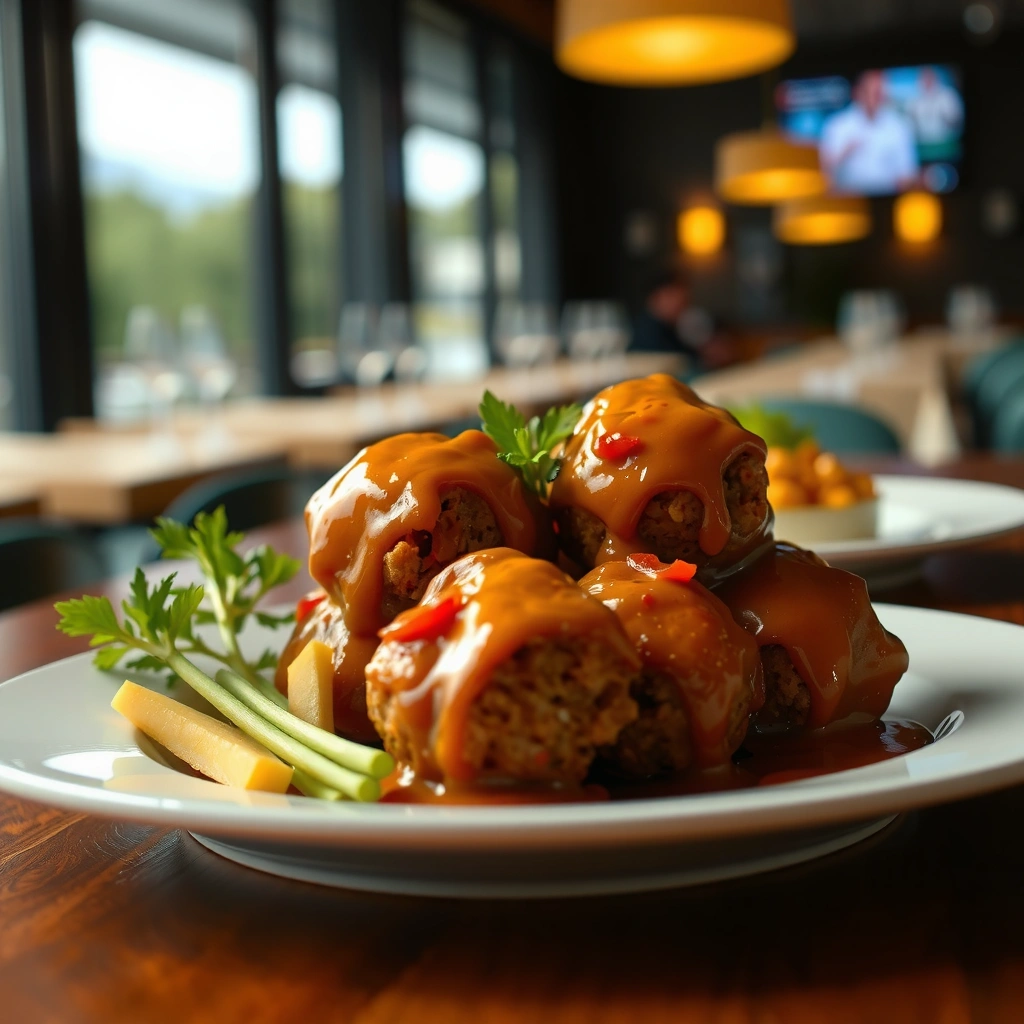
Before you start, assemble your ingredients and decide how you’ll cook—deep-fry, air-fry, or bake. The method you choose affects crispness, time, and how much oil (if any) you need.
– Boudin sausage (fresh or pre-cooked): Fresh boudin typically requires more time to heat through; pre-cooked boudin heats quickly, but still benefits from a crisp outer crust.
– Coating option (choose one):
– Classic breading: breadcrumbs (regular or panko-style)
– Cracker coat: crushed crackers (for a thicker, crunchier bite)
– Optional flour: a light flour dusting helps the egg adhere and reduces coating slippage.
– Egg (for binding): whisked for even coverage.
– Seasonings (optional but recommended): garlic powder, onion powder, black pepper, cayenne, or Cajun seasoning to tailor the flavor profile.
– Optional add-ins: chopped green onions, minced garlic, chopped parsley, or a pinch of smoked paprika.
– Cooking supplies:
– For frying: a heavy pot or deep fryer, thermometer (ideal), and paper towels or a wire rack
– For air-frying: a rack (if available) and a light spritz oil
– For baking: a lined sheet pan and a wire rack (helps airflow and crisping)
If you’re working with boudin casings, you’ll usually remove the casing first and shape the filling. If your boudin is already cooked and very moist, a short chill step becomes especially important so the balls hold their shape.
Boudin Balls: Method Comparison by Crispness & Efficiency
| # | Cooking Method | Typical Temp | Cook Time (Per Batch) | Oil Use | Crispness Score |
|---|---|---|---|---|---|
| 1 | Deep-Fry | 350°F (175°C) | 8–12 min | High | 9.3★ |
| 2 | Air-Fry | 380°F (193°C) | 12–16 min | Low | 8.1★ |
| 3 | Bake (Rack) | 425°F (218°C) | 18–25 min | Very Low | 7.1★ |
| 4 | Bake (No Rack) | 425°F (218°C) | 20–28 min | Very Low | 6.4★ |
| 5 | Two-Stage Fry (Crisp Boost) | 300°F → 375°F | 10–14 min | High | 9.6★ |
| 6 | Air-Fry + Light Flour First | 380°F (193°C) | 13–17 min | Low | 8.4★ |
| 7 | Air-Fry + Parmesan Dust | 380°F (193°C) | 13–18 min | Low | 8.6★ |
How to Make the Boudin Filling
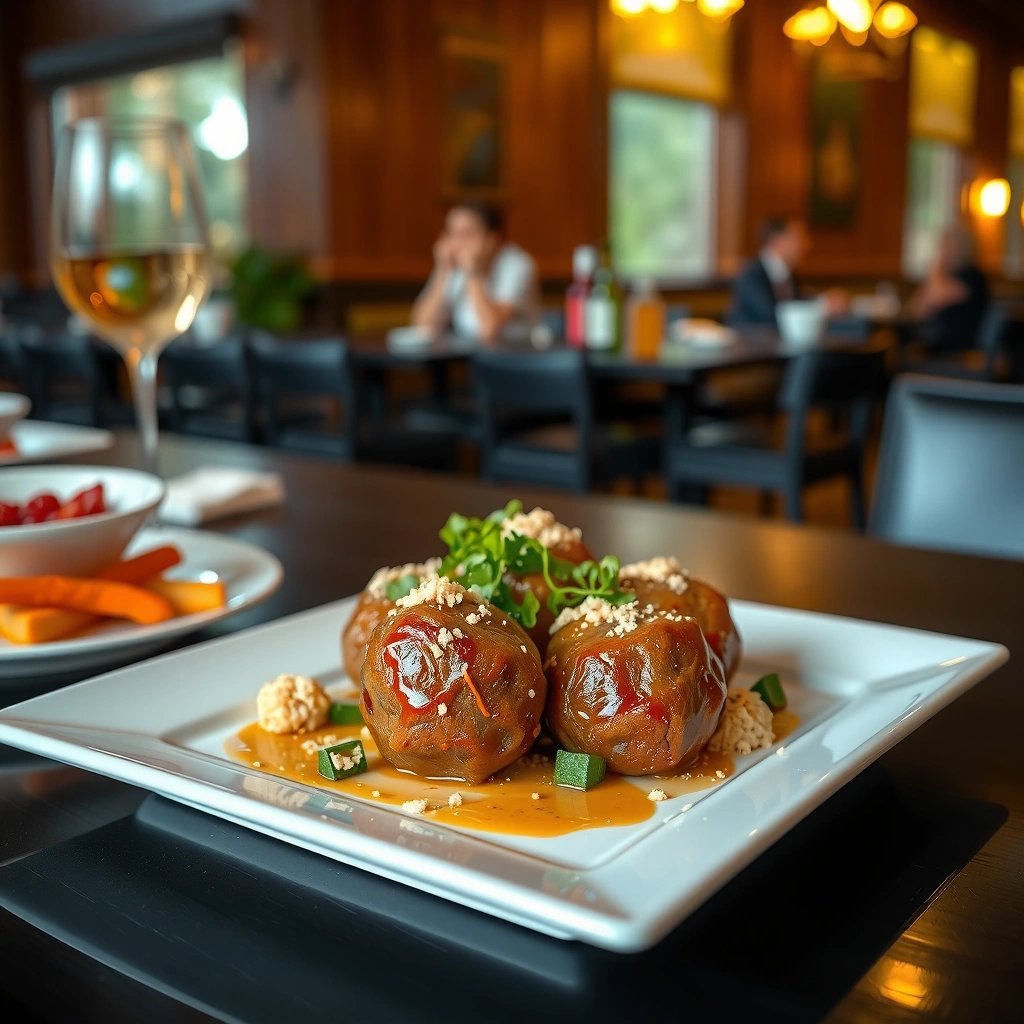
The boudin filling is where texture begins. Your goal is to create balls that are evenly sized and compact enough to survive coating and cooking.
– Mix and season the boudin if needed to boost flavor and texture
– If your boudin is already well-seasoned, avoid over-salting.
– A practical approach: stir in 1–2 teaspoons of Cajun seasoning per pound of boudin, plus a pinch of garlic powder and freshly cracked black pepper.
– If the filling seems loose, add 1–2 tablespoons of finely crushed crackers or breadcrumbs to absorb moisture.
– Form into balls with lightly greased hands
– Grease hands lightly with neutral oil. This reduces sticking and helps you shape quickly without overheating the filling.
– Aim for 1.5–2-inch balls—small enough to cook through fast, large enough to stay juicy.
– Chill the balls briefly to help them hold their shape during cooking
– Chill 15–30 minutes on a tray.
– This step firms the fat in the sausage, improving coating adhesion and preventing bursts.
Analytical tip: Many “coating falls off” problems come from two failures—the sausage is too warm and the egg layer isn’t fully set. Chilling addresses the first; the coating process addresses the second.
Coating and Shaping for Crispy Boudin Balls
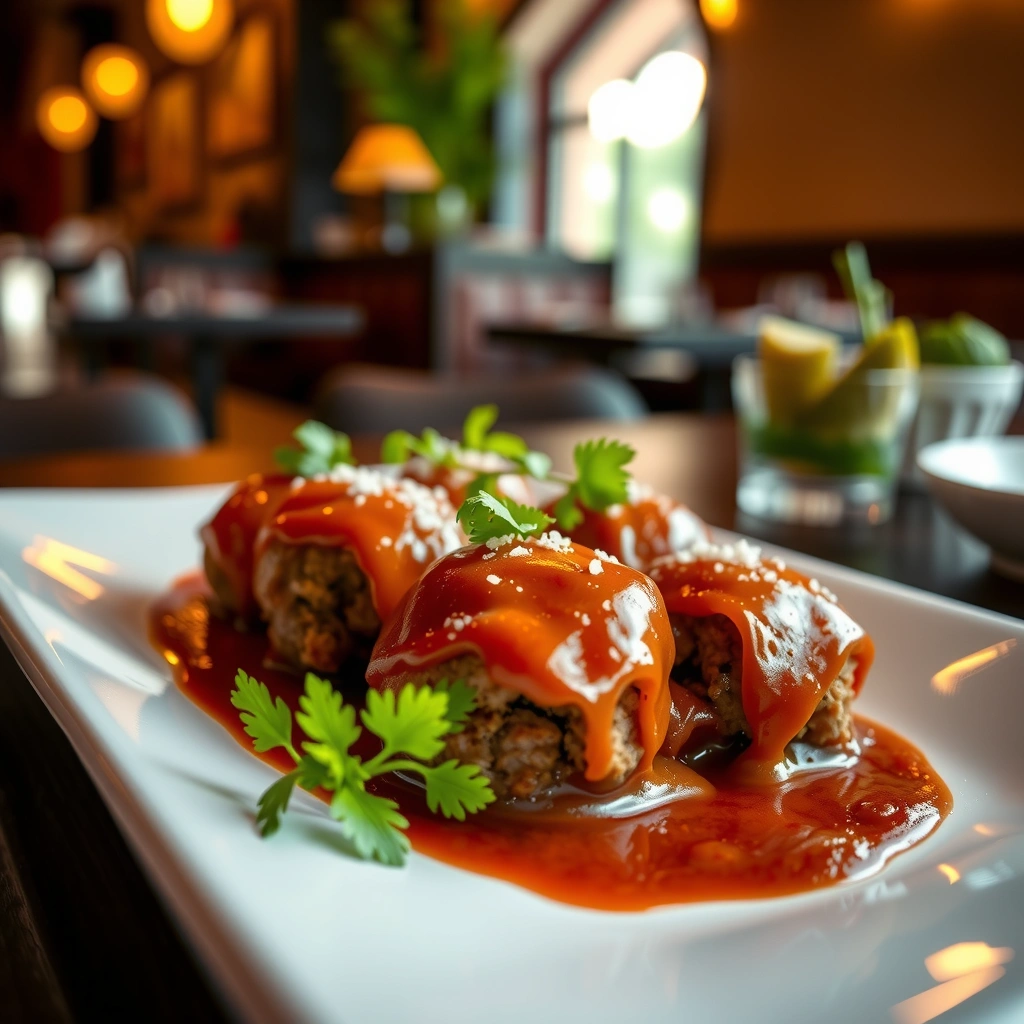
Coating is what turns boudin balls into a true appetizer with satisfying crunch. Think of it as a three-layer system: bind, cushion, and crunch.
– Roll each boudin ball in flour (optional) then egg, then breadcrumbs/crackers
– Flour provides a dry base so egg clings better.
– Egg acts as the adhesive.
– Breadcrumbs or crushed crackers create the crisp crust.
– Press lightly so the coating adheres for an even, crunchy crust
– Light pressure is important—too much can compact the ball unevenly.
– Keep coated balls refrigerated until ready to cook
– Refrigerate 10–20 minutes after coating.
– If you see wet spots or feel the coating sliding, stop and refrigerate longer before cooking.
For best results, use panko-style breadcrumbs for lighter, crispier texture, and crushed saltine-style crackers for a thicker crunch that feels classic and hearty.
Cooking Options: Fry, Air-Fry, or Bake
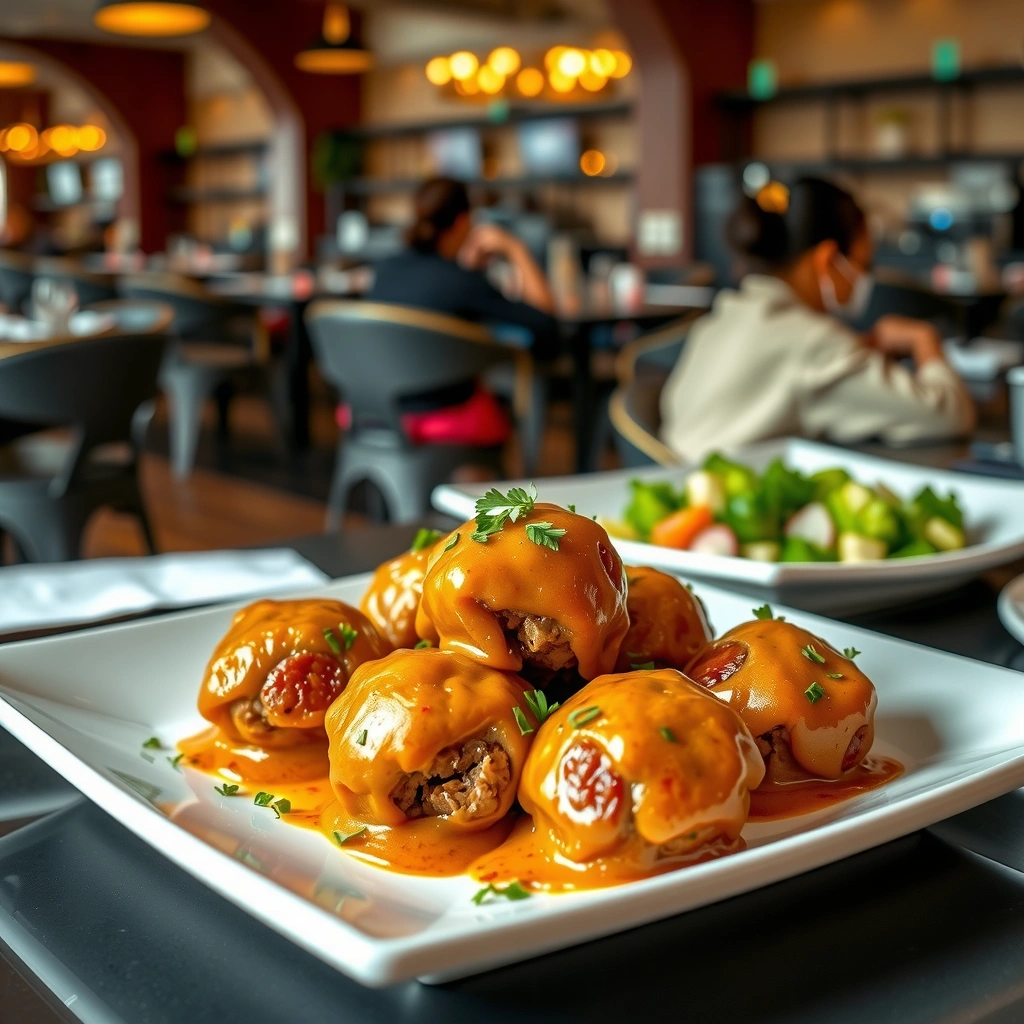
All three cooking options work, but each one has a different “physics” to crisping. Choose based on your time, equipment, and how crisp you want the finished product.
– Deep-fry until golden brown and heated through, turning once for even browning
– Heat oil to 350°F (175°C).
– Fry in small batches to keep oil temperature stable.
– Cook roughly 3–5 minutes depending on ball size, until golden and sizzling.
– Air-fry at high heat, spritzing lightly for crispness
– Preheat the air fryer if your model recommends it.
– Arrange balls with space between them.
– Spritz with oil before cooking (and lightly halfway if you want extra browning).
– Air-fry about 12–16 minutes at 380°F (193°C), turning once if possible.
– Bake on a lined tray, flipping halfway for better texture
– Bake at 425°F (218°C).
– Use a wire rack on the sheet pan to improve airflow under the balls.
– Bake 18–25 minutes, flipping halfway and spritzing with oil for browning.
Quality control: Regardless of method, the interior should be hot throughout. If you want a precise benchmark, target an internal temperature of about 165°F (74°C)—especially when starting with fresh boudin.
Serving Ideas and Flavor Boosts
Boudin balls are crowd-pleasing on their own, but the right dip and side make them feel restaurant-level. Use dips that balance richness with acidity and heat.
– Serve with remoulade, hot sauce, or a tangy mustard dip
– Remoulade adds creaminess and a bright tang.
– Hot sauce brings heat without heavy sweetness.
– Mustard-based dips (often with a touch of vinegar) cut through the sausage fat.
– Add sides like coleslaw, pickles, or potato salad for a classic pairing
– Coleslaw adds crunch and acidity.
– Pickles provide a briny snap that complements seasoning.
– Potato salad supports a hearty appetizer spread.
– Garnish with sliced green onions or parsley for freshness
– Fresh herbs and green onions don’t just look good—they also add a clean, aromatic finish.
Creative flavor boosts that still respect tradition:
– Mix a tiny pinch of cayenne into the breadcrumb layer for subtle heat.
– Add chopped green onions to the filling for freshness inside the ball.
– Dust baked or air-fried balls with a light layer of Cajun seasoning right after cooking so it sticks to the hot crust.
Storage and Reheating Tips
A well-made batch of boudin balls holds up well, especially when reheated with airflow. Plan ahead for parties or busy evenings.
– Store leftovers in an airtight container in the refrigerator up to a few days
– Let balls cool to room temperature first to avoid trapped steam.
– Use within 2–3 days for the best crust texture.
– Reheat in an oven or air-fryer to restore crisp coating
– Air-fryer: 350–380°F (175–193°C) for 6–10 minutes.
– Oven: 425°F (218°C) for 10–14 minutes, flipping once if needed.
– Freeze unbaked balls if you want an easy make-ahead option
– Freeze coated balls on a tray until firm, then transfer to a freezer bag.
– Cook from frozen: add 2–5 extra minutes depending on your method.
Practical note: Freezing coated balls helps with planning, but for the best crunch after thawing, avoid long refrigerator thaw times. Cook them promptly after partial thaw or directly from frozen.
Boudin balls are all about shaping seasoned boudin and cooking until crisp and hot. Follow the steps for seasoning, coating, and your preferred cooking method, then serve immediately with your favorite dip—try one batch today and adjust spices to make it your own.
References
- Google Scholar Google Scholar
https://scholar.google.com/scholar?q=boudin+balls+recipe - Google Scholar Google Scholar
https://scholar.google.com/scholar?q=boudin+sausage+recipe+traditional - Google Scholar Google Scholar
https://scholar.google.com/scholar?q=cajun+cuisine+deep+fried+food+recipe+boudin - Boudin
https://en.wikipedia.org/wiki/Boudin - Boudin
https://en.wikipedia.org/wiki/Boudin_blanc - https://www.britannica.com/topic/boudin
https://www.britannica.com/topic/boudin - Cajun cuisine
https://en.wikipedia.org/wiki/Cajun_cuisine - Louisiana Creole cuisine
https://en.wikipedia.org/wiki/Louisiana_cuisine - https://en.wikipedia.org/wiki/Deep-fried_food
https://en.wikipedia.org/wiki/Deep-fried_food - Sausage
https://en.wikipedia.org/wiki/Sausage