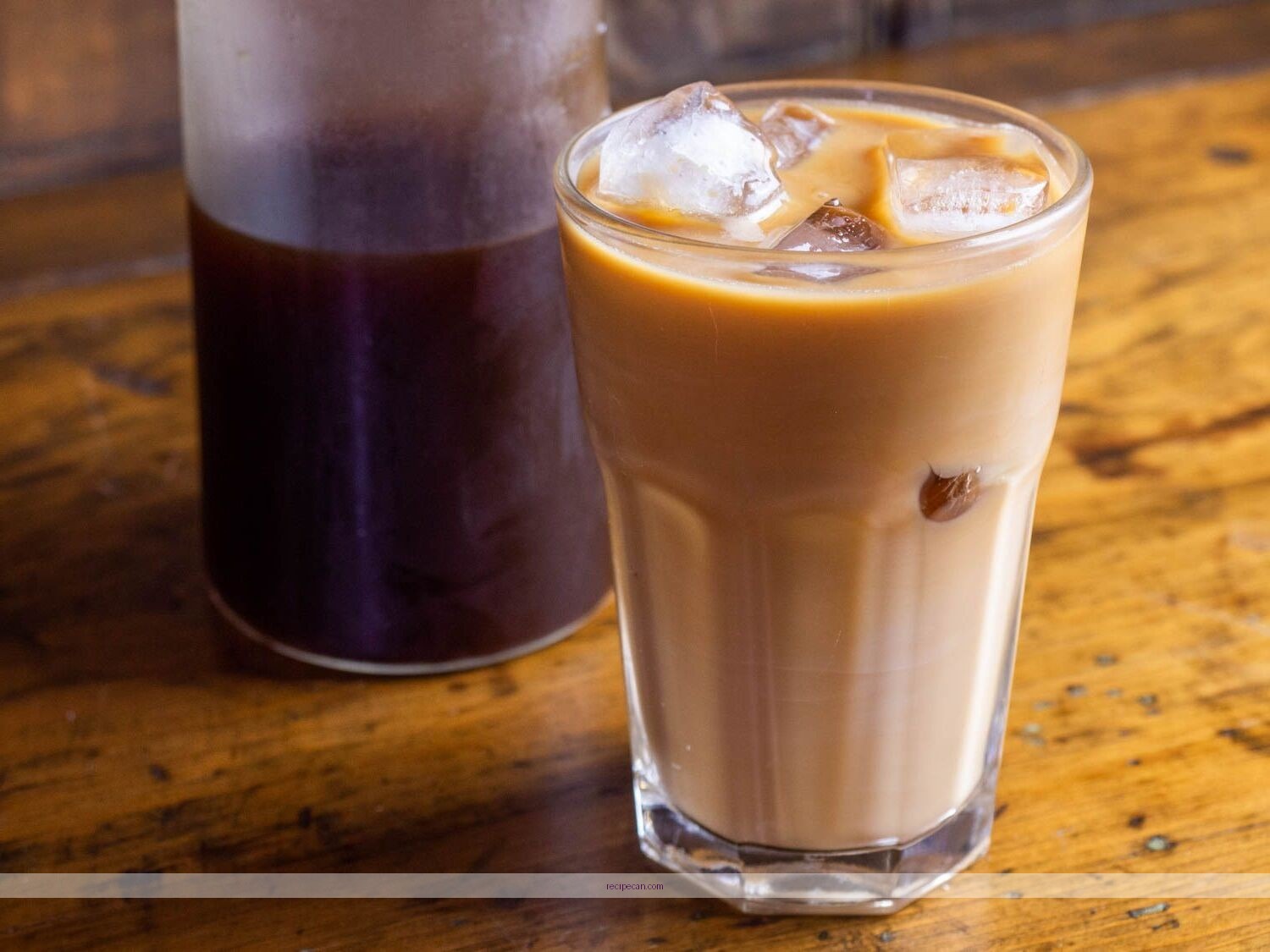
Crafting the perfect at-home iced coffee recipe elevates your daily brew to an art form, making every sip a refreshing delight. This expert guide provides step-by-step instructions, essential tips, and common pitfalls to avoid, ensuring your coffee is not just cold but truly exceptional. Following the right protocol matters because the quality of your ingredients and preparation techniques can transform an ordinary cup into a café-worthy experience.
What This Guide Covers (And What It Doesn’t)
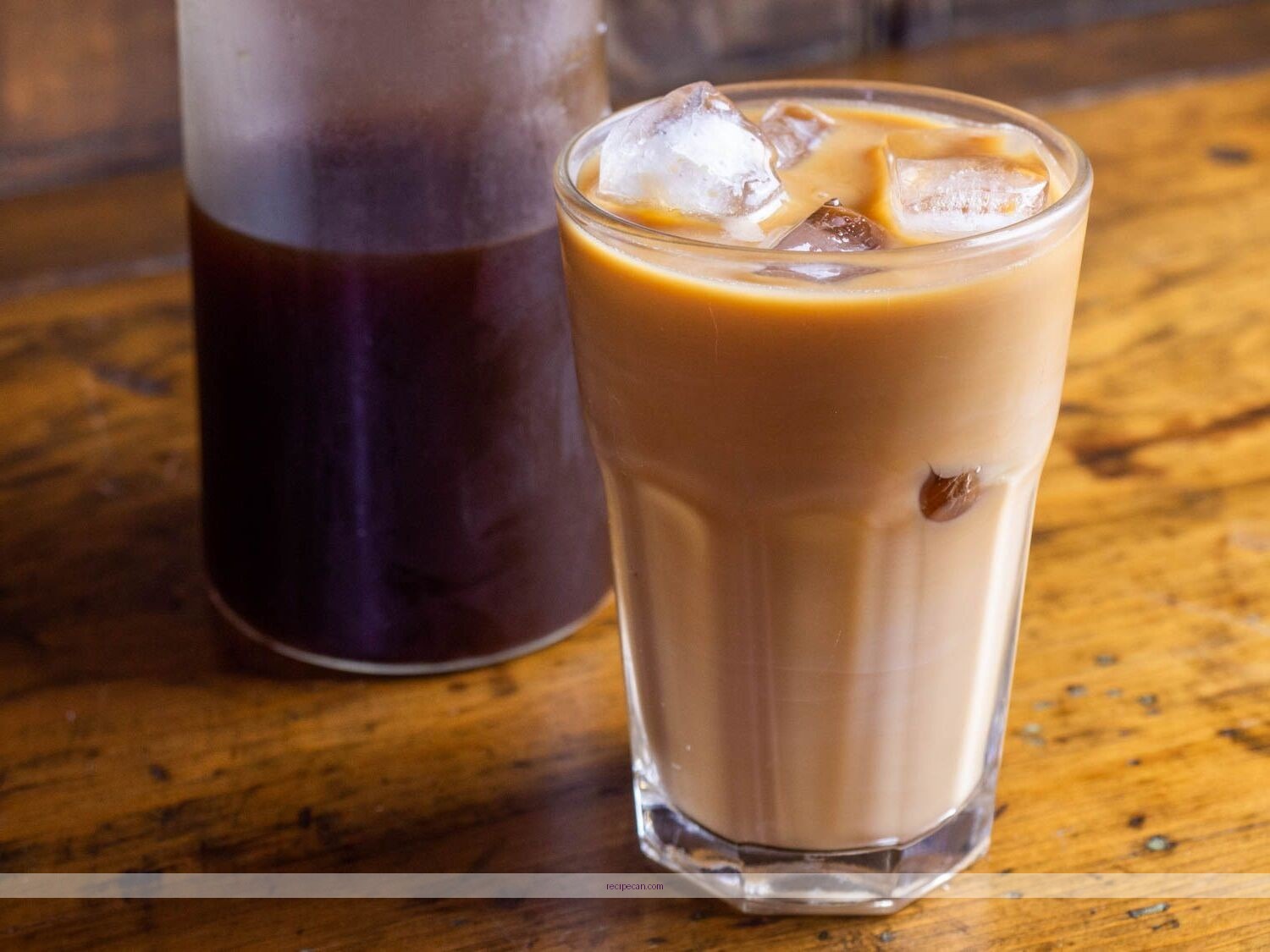
This guide offers a comprehensive look at making iced coffee at home, emphasizing ingredients, brewing methods, and flavor variations. It intentionally excludes commercial iced coffee products or pre-packaged options, focusing instead on homemade recipes that can be tailored to individual preferences. Designed for coffee enthusiasts, this guide aims to elevate your iced coffee experience beyond a mere caffeine fix.
Who Should Read This

This guide is perfect for home baristas with a basic understanding of coffee brewing techniques who want to expand their repertoire to include iced coffee. It’s also an excellent resource for those who enjoy experimenting with flavors and ingredients, such as syrups, milk alternatives, and spices, to create a personalized iced coffee. Readers seeking instant iced coffee solutions or those unfamiliar with brewing may find this guide less suited to their needs.
The Step-by-Step Protocol
1. Select Your Coffee: Start with 1 to 2 tablespoons (approximately 7 to 14 grams) of coarsely ground coffee beans per 6 ounces (approximately 180 milliliters) of water for optimal flavor extraction. Choose high-quality, freshly roasted coffee for the best results.
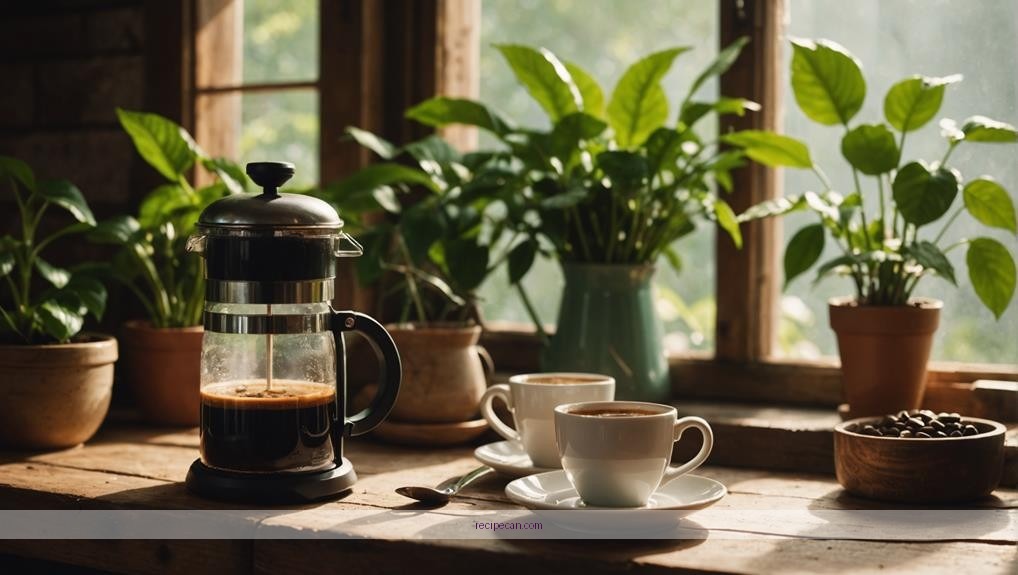
2. Brew the Coffee: Use either a French press or a cold brew method. For cold brew, steep the coarsely ground coffee in cold water for 12 to 24 hours in the refrigerator. If opting for a French press, combine the coffee and cold water in the press, stir gently, and allow it to steep for about 12 hours.
3. Chill the Coffee: After brewing, strain the coffee to remove the grounds if using a French press. Transfer the coffee to a clean container and chill it in the refrigerator for at least one hour before serving. This chilling step is vital to prevent melting ice from diluting the flavor.
4. Serve Over Ice: Fill a glass with ice cubes, preferably larger ones to minimize dilution. Pour the chilled coffee over the ice, leaving about an inch at the top for milk or cream if desired. Stir gently to combine.
5. Customize Your Drink: Now is the time to add optional ingredients. Flavored syrups, sweeteners, or milk alternatives can enhance your drink. If you prefer a sweeter iced coffee, add sugar or syrups after pouring the coffee over the ice to ensure proper dissolution.
6. Garnish and Enjoy: For an extra touch, consider garnishing with whipped cream, a sprinkle of cocoa powder, or a few coffee beans on top. Enjoy your iced coffee immediately for the best flavor experience.
Coffee Types and Their Flavor Profiles
| # | Coffee Type | Flavor Profile | Best Brewing Method | Caffeine Level |
|---|---|---|---|---|
| 1 | Arabica | Smooth, sweet, fruity | Cold brew, pour-over | Moderate |
| 2 | Robusta | Strong, bitter, earthy | Espresso, drip | High |
| 3 | Liberica | Floral, fruity, woody | French press, cold brew | Moderate |
| 4 | Excelsa | Fruity, tart, chocolatey | Cold brew, pour-over | Moderate |
| 5 | Blend | Complex, balanced | Drip, espresso | Varies |
| 6 | Decaf | Mild, smooth | Drip, espresso | Low |
| 7 | Single Origin | Unique, distinctive | Pour-over, French press | Varies |
Warning Signs: When Not to Follow This

If you have a sensitivity to caffeine, avoid this recipe and consider using decaffeinated coffee or herbal alternatives. Additionally, steer clear of this guide if you’re allergic to any of the listed ingredients, such as dairy or specific flavorings, as these could cause adverse reactions. Furthermore, lacking the proper equipment, such as a French press or brewing containers, may hinder your ability to achieve the desired results.
The Most Common Mistakes (And Their Consequences)
– Using overly fine coffee grounds can lead to a bitter taste and a muddy texture in the final product, making it less enjoyable. Always opt for coarsely ground coffee for iced coffee.
– Failing to chill the coffee adequately can result in dilution from melting ice, which diminishes flavor and overall experience. Ensure the coffee is properly chilled before serving.
– Adding sugar or sweeteners before chilling can alter the drink’s consistency and make it harder to dissolve, leading to uneven sweetness. For the best results, add sweeteners after pouring the coffee over ice.
Special Cases That Need a Different Approach
– If you enjoy sweeter iced coffee, consider using flavored syrups or adding sweeteners during the brewing process, adjusting the quantity to your taste. Caramel or vanilla syrups can provide a delightful twist.
– For a creamier texture, milk alternatives like oat or almond milk can change the flavor profile. Don’t hesitate to experiment with different types to find your preferred combination.
– If you’re pressed for time, a quick brew method using hot water can steep the coffee in just 5 minutes; however, this may not yield the same depth of flavor as a longer brew.
When You Need a Professional
If you’re new to coffee brewing and unsure about selecting the right beans or techniques, consider consulting a barista for personalized guidance. Additionally, if you experience negative health effects from caffeine, such as anxiety or insomnia, seek professional advice to explore alternatives. For those interested in advanced coffee-making techniques, such as espresso or nitro cold brew, taking a barista course can deepen your knowledge.
Sources and Further Reading
– “The Coffee Compass” for insights on coffee brewing techniques and flavor profiles.
– “Coffee: A Global History” by Jonathan Morris for contextual knowledge on coffee origins and its cultural significance.
– Specialty Coffee Association (SCA) for guidelines on brewing methods and standards in coffee preparation.
Frequently Asked Questions
What is the best way to make iced coffee at home?
The best way to make iced coffee at home is to brew your coffee using a method that allows for a strong flavor, such as a French press or pour-over. Once brewed, let it cool to room temperature, then pour it over ice. To enhance the flavor, consider adding milk, cream, or flavored syrups according to your taste preference.
How do I prevent my iced coffee from getting watery?
To prevent your iced coffee from getting watery, use coffee ice cubes instead of regular ice. Simply brew a strong batch of coffee, pour it into an ice cube tray, and freeze it. When you’re ready to enjoy your iced coffee, use these cubes to maintain flavor without dilution.
Why is my homemade iced coffee bitter?
Your homemade iced coffee may be bitter due to over-extraction during brewing or using low-quality coffee beans. To avoid bitterness, use a coarser grind for your coffee and steep it for the recommended time based on your brewing method. Opting for freshly roasted, high-quality beans can also improve the flavor profile of your iced coffee.
What ingredients can I add to enhance my iced coffee recipe?
To enhance your iced coffee recipe, consider adding flavored syrups, sweeteners like honey or agave, or a splash of vanilla or almond extract. You can also experiment with creamers, such as oat or coconut milk, and toppings like whipped cream or a sprinkle of cinnamon to customize your drink to your liking.
Which coffee brewing method is best for making iced coffee?
The best coffee brewing method for making iced coffee is cold brew, as it results in a smooth, less acidic flavor. Cold brew is made by steeping coarsely ground coffee in cold water for 12-24 hours, yielding a concentrated coffee that can be diluted with water or milk. This method allows for a refreshing iced coffee experience without the bitterness often associated with hot-brewed coffee poured over ice.
References
- Coffee
https://en.wikipedia.org/wiki/Coffee - https://www.sciencedirect.com/topics/agricultural-and-biological-sciences/iced-coffee
https://www.sciencedirect.com/topics/agricultural-and-biological-sciences/iced-coffee - https://www.nytimes.com/2020/06/24/dining/iced-coffee-recipe.html
https://www.nytimes.com/2020/06/24/dining/iced-coffee-recipe.html - https://www.bbc.com/food/recipes/iced_coffee_32891
https://www.bbc.com/food/recipes/iced_coffee_32891 - https://www.theguardian.com/food/2020/jul/02/how-to-make-the-perfect-iced-coffee
https://www.theguardian.com/food/2020/jul/02/how-to-make-the-perfect-iced-coffee - Asthma diet: Does what you eat make a difference? – Mayo Clinic
https://www.mayoclinic.org/healthy-lifestyle/nutrition-and-healthy-eating/expert-answers/coffee-nutrition/faq-20058105 - https://pubmed.ncbi.nlm.nih.gov/?term=iced+coffee+recipe
https://pubmed.ncbi.nlm.nih.gov/?term=iced+coffee+recipe - Google Scholar Google Scholar
https://scholar.google.com/scholar?q=iced+coffee+recipe - Google Scholar Google Scholar
https://scholar.google.com/scholar?q=at+home+iced+coffee - https://www.britannica.com/topic/coffee-food
https://www.britannica.com/topic/coffee-food