Mastering the keto diet coffee recipe protocol is essential for anyone aiming to enhance their low-carb lifestyle. This expert guide provides precise steps for crafting the perfect keto coffee, ensuring you maximize fat-burning benefits while enjoying a delicious beverage. Following this protocol not only supports your dietary goals but also elevates your daily routine, making it a vital resource for keto enthusiasts.
What This Guide Covers (And What It Doesn’t)
This guide offers clear and concise instructions for preparing a variety of keto diet coffee recipes that align with the principles of a ketogenic lifestyle. You’ll find detailed information on the necessary ingredients, preparation methods, and customization options to elevate your coffee experience while adhering to the low-carb framework of the keto diet. However, it does not delve into the broader benefits of the keto diet or extensive meal planning strategies beyond coffee. The emphasis remains squarely on enhancing your coffee routine with recipes crafted specifically for those following a ketogenic diet. Readers looking for a comprehensive overview of the keto diet or standard coffee recipes may find limited relevance here.
Who Should Read This
This guide is designed for individuals already embracing a ketogenic diet who want to incorporate coffee as a source of fat that complements their low-carb lifestyle. It’s especially useful for those experiencing energy dips and seeking to use coffee to maintain or boost their energy levels without disrupting ketosis. A basic understanding of macronutrients, particularly the roles of fats and carbohydrates in the keto diet, is essential for fully appreciating the recipes and their benefits. Those who are new to the keto diet or have not yet adopted low-carb eating patterns may find the content less applicable.
The Step-by-Step Protocol
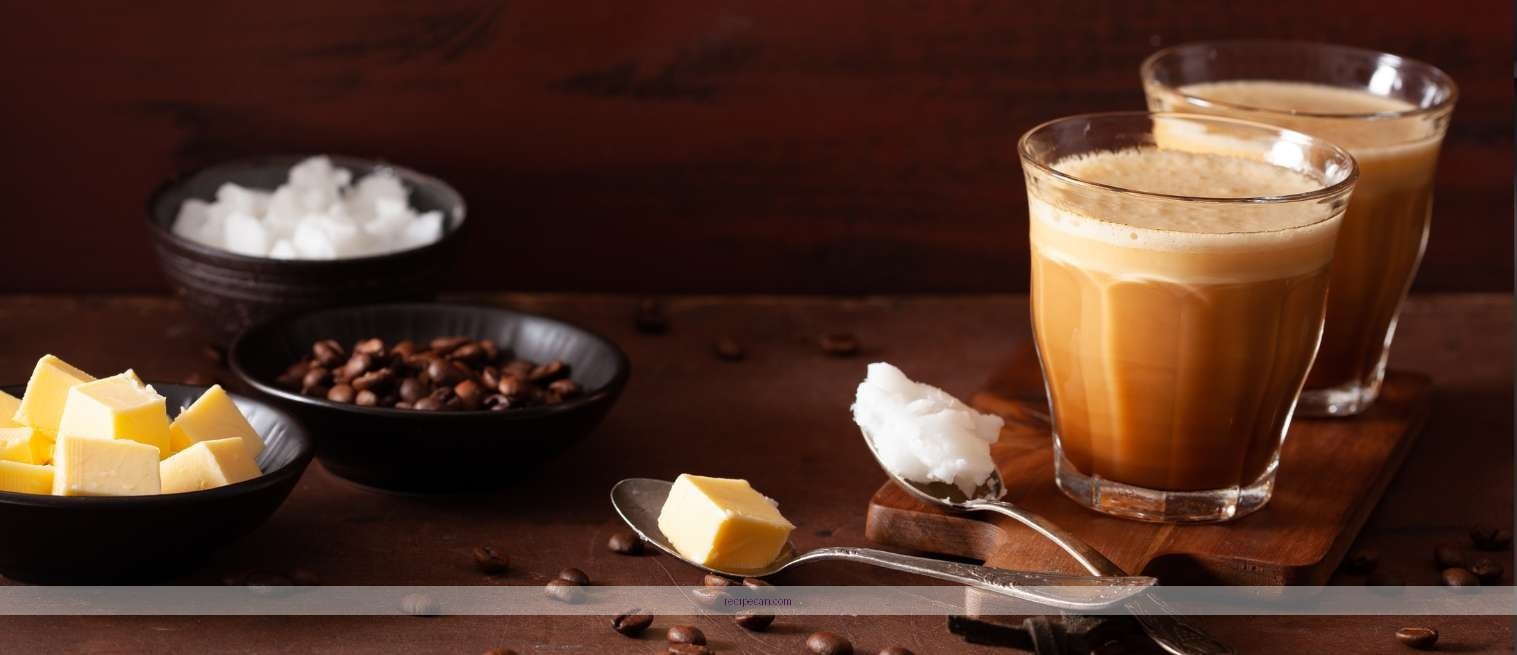
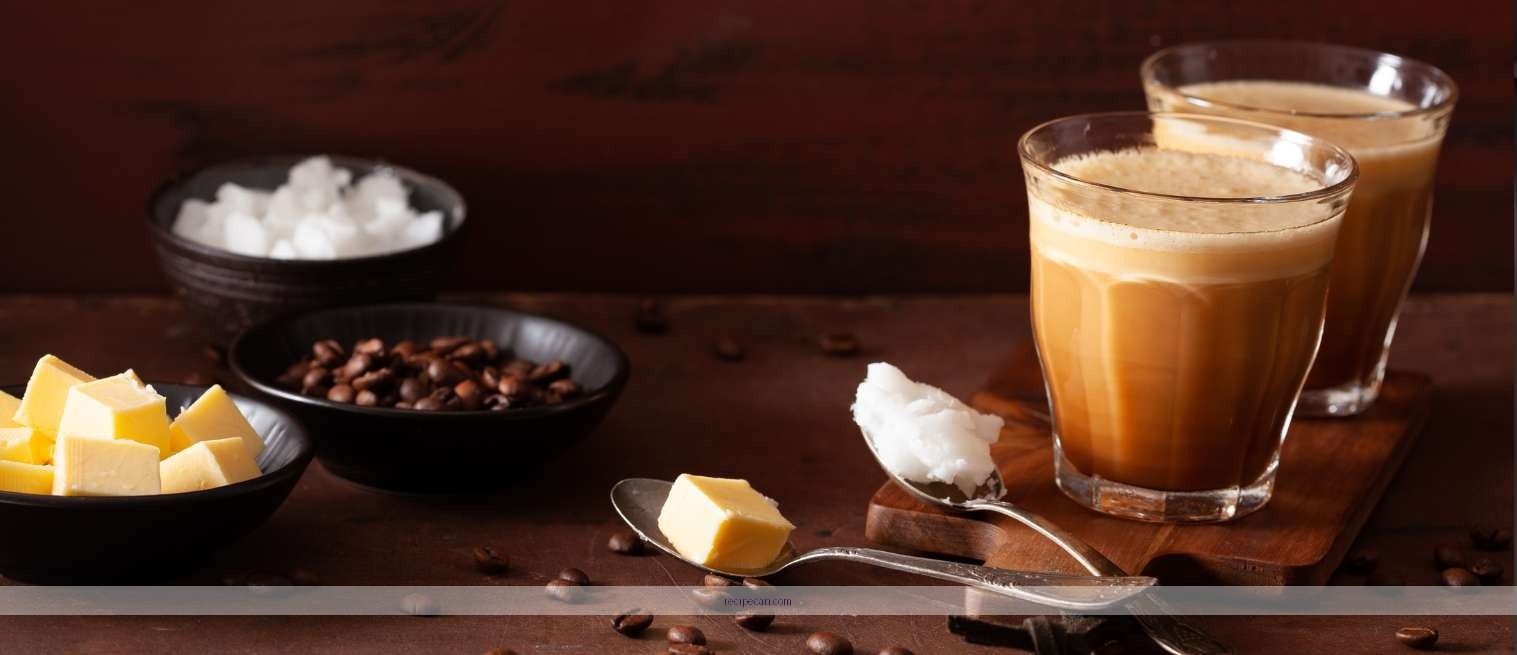
1. Select Your Coffee Base: Begin with 8-12 ounces of freshly brewed coffee. Choose organic, low-acid coffee beans to minimize acidity and enhance flavor. Brew your coffee hot for optimal blending.
2. Add Fats: Incorporate 1-2 tablespoons of unsalted grass-fed butter or ghee. You may also add 1-2 tablespoons of MCT oil or coconut oil for a creamy texture and additional healthy fats. This combination helps maintain satiety and energy levels.
3. Blend Thoroughly: Transfer the coffee and fats into a high-speed blender. Blend on high for 20-30 seconds until the mixture becomes frothy. Proper blending emulsifies the oils, creating a smooth texture and preventing separation.
4. Customize Flavor (Optional): For added flavor without increasing carbs, consider including a pinch of salt or 1-2 teaspoons of unsweetened cocoa powder or cinnamon. Blend again briefly to ensure all ingredients are thoroughly combined.
Top 7 Ingredients for Keto Coffee (Nutrition per Serving)
| # | Ingredient | Calories | Fat (g) | Carbs (g) | Protein (g) |
|---|---|---|---|---|---|
| 1 | Coffee (8 oz) | 2 | 0 | 0 | 0 |
| 2 | Grass-Fed Butter (1 tbsp) | 102 | 12 | 0 | 0.1 |
| 3 | MCT Oil (1 tbsp) | 115 | 14 | 0 | 0 |
| 4 | Coconut Oil (1 tbsp) | 117 | 14 | 0 | 0 |
| 5 | Ghee (1 tbsp) | 120 | 14 | 0 | 0 |
| 6 | Cocoa Powder (1 tsp) | 12 | 0.7 | 3 | 1 |
| 7 | Cinnamon (1 tsp) | 6 | 0.1 | 2 | 0.1 |
Warning Signs: When Not to Follow This

– Dairy Intolerance: If you have a dairy allergy or lactose intolerance, avoid using butter or ghee. Instead, consider substitutes like coconut cream or almond milk.
– Cholesterol Concerns: Those with high cholesterol or triglyceride levels should consult a healthcare provider before regularly incorporating high-fat coffee recipes into their diet.
– Gastrointestinal Issues: If MCT oil causes gastrointestinal discomfort, reduce the quantity or discontinue use, as it may lead to digestive issues for some individuals.
– Fasting Protocols: If you are following a strict fasting regimen that prohibits calorie intake, avoid this protocol, as the added fats will break your fast and negate its benefits.
The Most Common Mistakes (And Their Consequences)
– Adding Sugar: Incorporating regular sugar or high-carb sweeteners eliminates the low-carb benefits of keto coffee, potentially kicking you out of ketosis and undermining your dietary goals.
– Excessive MCT Oil: Beginners often misuse MCT oil, starting with too much and experiencing digestive distress. It’s best to begin with 1 teaspoon and gradually increase as tolerated to avoid gastrointestinal upset.
– Quality of Ingredients: Using low-quality coffee or oils can lead to poor flavor and potential health risks. Always select organic and high-grade options to maximize benefits.
– Skipping Blending: Neglecting to blend the coffee properly can result in the separation of fats, leading to an unpleasant texture that diminishes both the experience and effectiveness of the drink.
Special Cases That Need a Different Approach
– Pregnant or Nursing Women: Monitor caffeine intake carefully; consider limiting consumption or opting for decaffeinated coffee to avoid excessive caffeine levels.
– Individuals with Diabetes: While keto coffee may offer benefits, it’s essential to monitor blood sugar levels closely after consumption, particularly when trying new recipes or ingredients.
– Athletes in Training: Those engaged in rigorous training may require additional carbohydrates; consider adjusting the fat content or adding a small amount of protein powder for recovery.
– Travelers or Busy Professionals: For those on the go, pre-measuring coffee and fat components into portable containers can simplify preparation without compromising keto principles.
When You Need a Professional
– Digestive Issues: If you consistently experience gastrointestinal difficulties after consuming keto coffee, consult a healthcare provider to investigate any underlying conditions.
– Pre-existing Health Conditions: Individuals with existing health issues such as heart disease or metabolic disorders should seek professional advice before significantly altering their diet to include high-fat beverages.
– Dietary Integration: If you’re uncertain about how to effectively incorporate keto coffee into your current dietary plan—especially regarding caloric intake and macronutrient balance—consulting a registered dietitian can provide tailored guidance.
– Fatigue and Health Concerns: In cases of extreme fatigue or health issues following the adoption of a ketogenic diet, a professional medical evaluation is crucial to rule out other health concerns.
Sources and Further Reading
– “The Ketogenic Diet: A Complete Guide for the Dieter and Practitioner” by Eric Cressey and Dr. Anthony Gustin, which outlines the foundational principles of the keto diet.
– “Fat for Fuel” by Dr. Joseph Mercola, discussing the advantages of high-fat diets, including recipes and meal planning.
– National Institutes of Health (NIH) research articles exploring the effects of ketogenic diets on various health conditions, providing scientific insights into the diet’s impact.
– Online resources such as Keto Diet Blog and Diet Doctor that offer practical tips, recipes, and updates on ketogenic diet research and advancements.
By following this expert guide, you can confidently prepare keto coffee that not only supports your dietary goals but also enhances your daily coffee routine. Prioritize quality ingredients and consult professionals when necessary to ensure you make the best choices for your health.
Frequently Asked Questions
What is a keto diet coffee recipe and what are its benefits?
A keto diet coffee recipe typically includes coffee blended with high-fat ingredients like coconut oil or butter, known as “bulletproof coffee.” This type of coffee can help enhance mental clarity, provide sustained energy, and support ketosis by keeping carbohydrate intake low while increasing healthy fats.
How do I make a basic keto coffee at home?
To make a basic keto coffee, brew your favorite coffee and blend it with 1-2 tablespoons of unsalted butter or ghee and 1-2 tablespoons of MCT oil or coconut oil. Blend until frothy for a creamy texture that fits perfectly into your ketogenic lifestyle while providing a delicious, satisfying drink.
Why should I add fat to my coffee on a keto diet?
Adding fat to your coffee on a keto diet helps you meet your daily fat macros, which is essential for maintaining ketosis. It also promotes satiety, reduces hunger, and can provide a steady energy source without the crash associated with sugary coffee beverages.
What are the best ingredients to use for a keto coffee recipe?
The best ingredients for a keto coffee recipe include high-quality coffee, unsalted butter or ghee, MCT oil, and optional flavorings like vanilla extract or cocoa powder. These ingredients not only enhance the flavor but also ensure you stay within your ketogenic macro goals while enjoying a rich, satisfying drink.
Which keto coffee recipes are popular among ketogenic dieters?
Popular keto coffee recipes among ketogenic dieters include bulletproof coffee, keto iced coffee, and keto mocha. Each recipe can be customized with different flavors or sweeteners, like stevia or erythritol, to suit individual tastes while adhering to strict keto guidelines.
References
- Ketogenic diet
https://en.wikipedia.org/wiki/Ketogenic_diet - Checking your browser – reCAPTCHA
https://www.ncbi.nlm.nih.gov/pmc/articles/PMC6520721/ - A comparison of pain assessment by physicians, parents and children in an outpatient setting – PMC
https://www.ncbi.nlm.nih.gov/pmc/articles/PMC5502236/ - Page Not Found – Site Help – Mayo Clinic
https://www.mayoclinic.org/healthy-lifestyle/nutrition-and-healthy-eating/expert-answers/keto-diet/faq-20421840 - https://www.health.harvard.edu/staying-healthy/the-ketogenic-diet
https://www.health.harvard.edu/staying-healthy/the-ketogenic-diet - Impact of tobacco-specific nitrosamine–derived DNA adducts on the efficiency and fidelity of DNA …
https://www.ncbi.nlm.nih.gov/pmc/articles/PMC6052226/ - https://www.sciencedirect.com/science/article/pii/S2212267217300253
https://www.sciencedirect.com/science/article/pii/S2212267217300253 - Google Scholar Google Scholar
https://scholar.google.com/scholar?q=keto+diet+coffee+recipe - Google Scholar Google Scholar
https://scholar.google.com/scholar?q=keto+diet+benefits - Google Scholar Google Scholar
https://scholar.google.com/scholar?q=ketogenic+diet+recipes