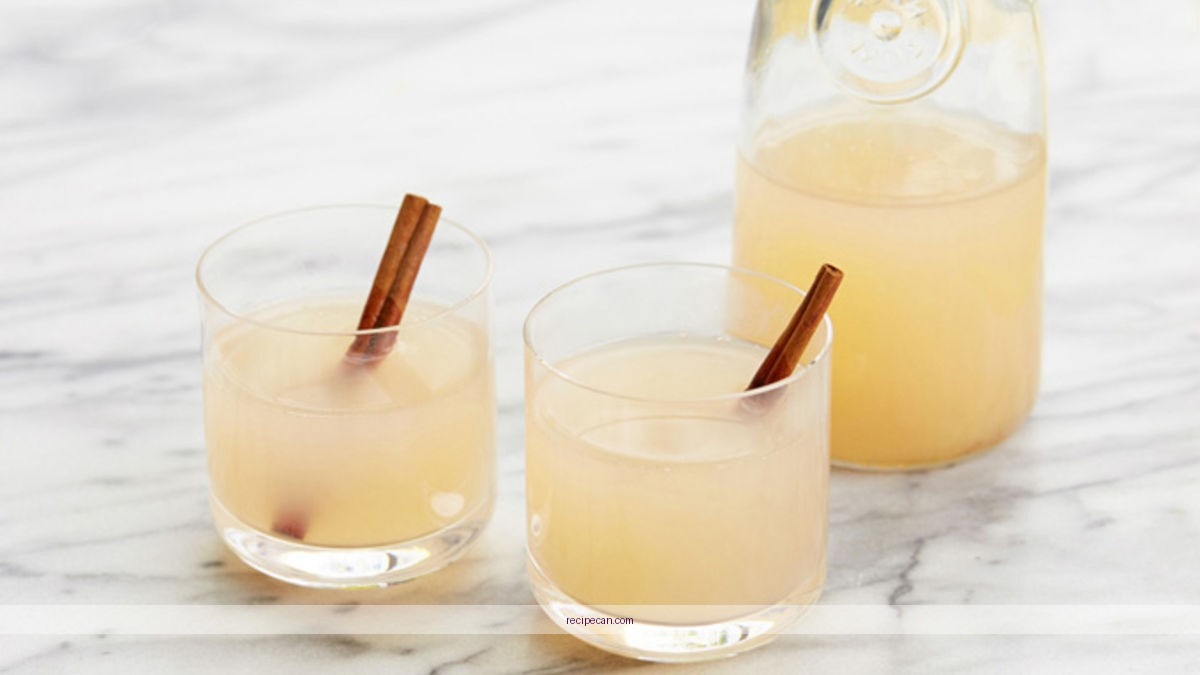
This easy homemade apple juice recipe triumphs over store-bought options, delivering fresher flavor and healthier ingredients. By following these simple steps, you’ll create a delicious beverage that’s free from preservatives and additives. Discover how to transform crisp apples into a refreshing drink that’s perfect for any occasion. Enjoy the satisfaction of crafting your own juice right at home.
Making delicious homemade apple juice is simple and rewarding. With just a few ingredients and steps, you can create a refreshing drink that’s perfect for any occasion. This recipe yields about 4 cups of juice, making it great for sharing with family or enjoying throughout the week.
Recipe Overview
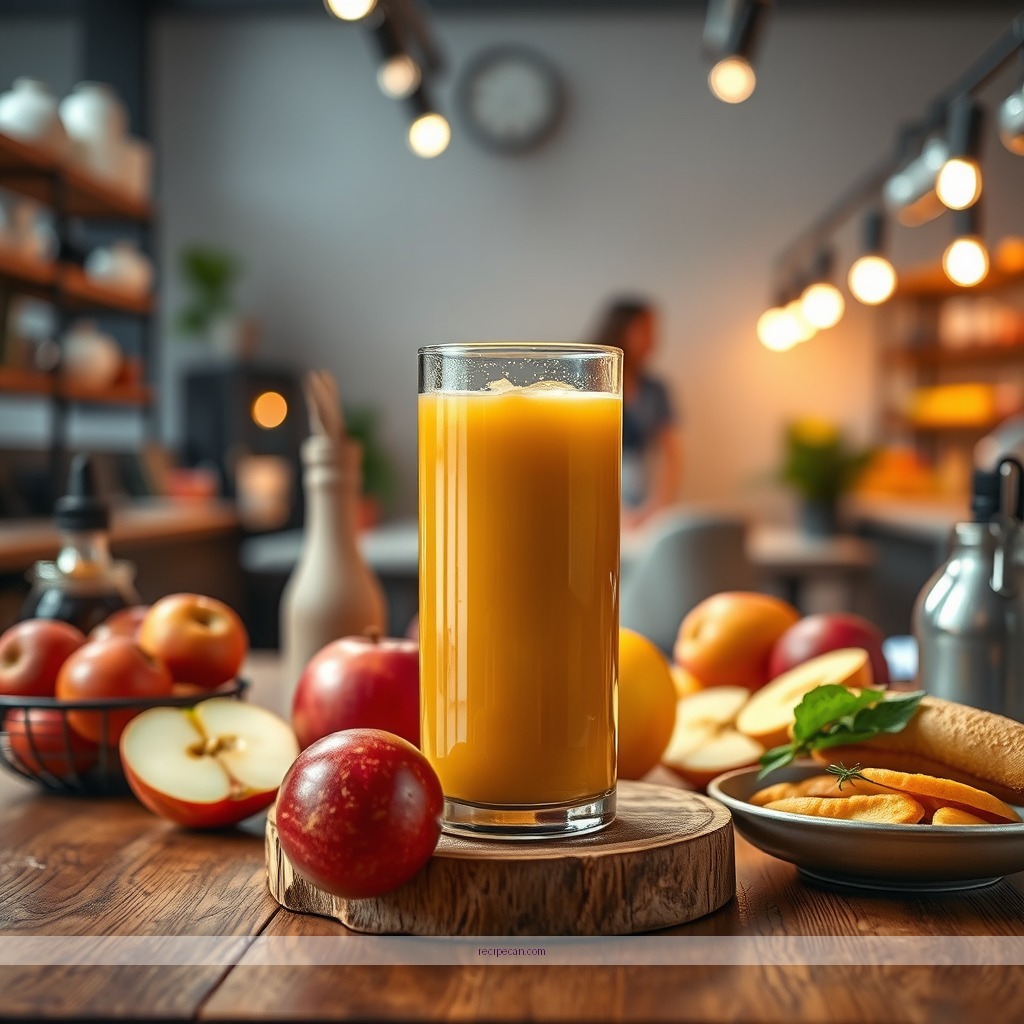
This apple juice recipe showcases the natural sweetness and flavor of fresh apples. Whether you’re using tart Granny Smiths or sweet Fuji apples, you’ll end up with a vibrant, homemade beverage. The process of juicing apples not only allows you to control the sweetness but also ensures that your drink is free of preservatives and artificial flavors. It’s an easy project that even kids can help with, and the result is far tastier than store-bought versions. This homemade juice is perfect for breakfast, a midday refreshment, or to accompany a family gathering.
Time Required

– 🕐 Prep Time : 10 minutes
– 🍳 Cook Time : 0 minutes (no cooking required)
– ⏱ Total Time : 10 minutes
Ingredients
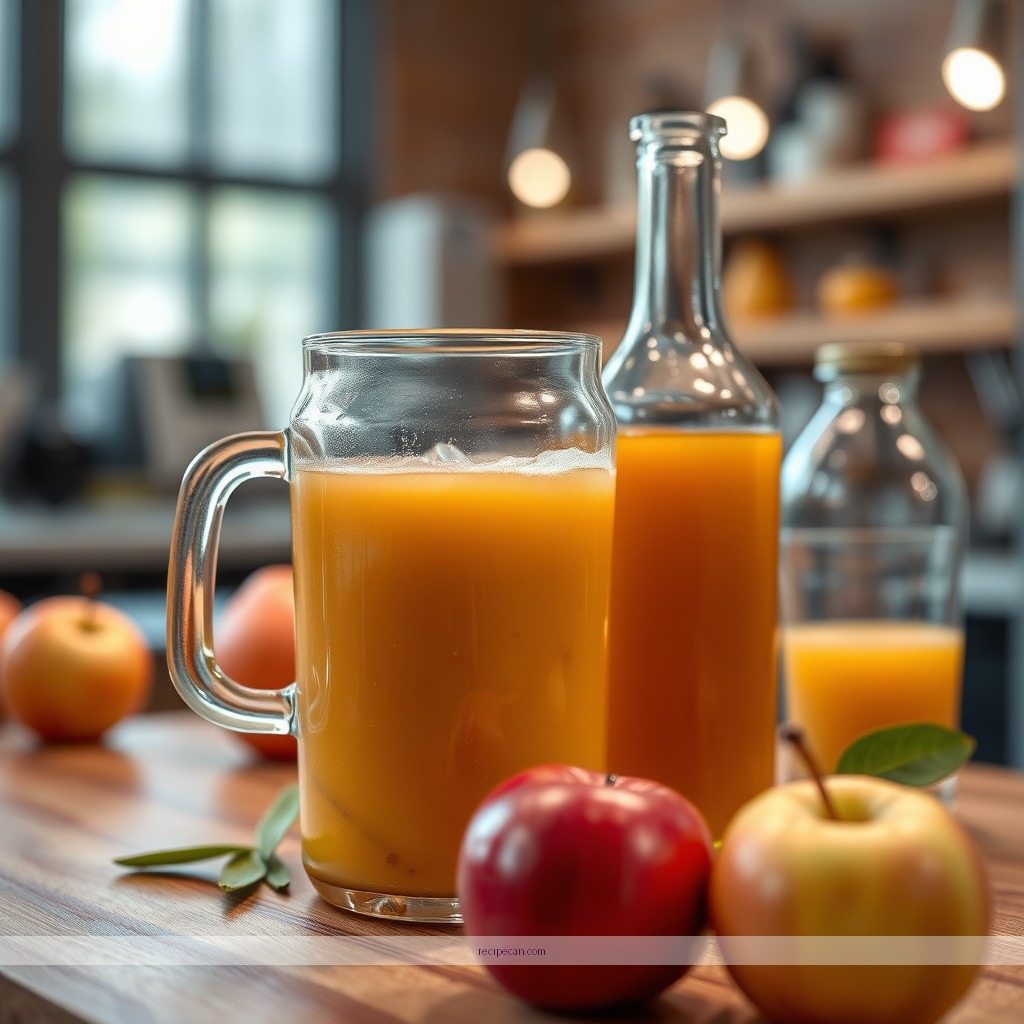
Fresh, quality ingredients are key to achieving the best flavor in your apple juice. Opt for organic apples when possible to avoid pesticides. You can mix different varieties for a unique taste, tailoring the juice to your personal preference. The balance of sweetness and acidity can be adjusted based on the types of apples you choose.
Main Ingredients
– 6 medium apples (any variety, washed and cored)
– 1-2 tablespoons of sugar (optional, adjust based on apple sweetness)
– 1 tablespoon of lemon juice (to enhance freshness)
Step-by-Step Instructions

1. Prepare the Apples: Start by washing your apples thoroughly. Core them and cut them into quarters. There’s no need to peel them, as the skin adds flavor and nutrients.
2. Juicing: If you have a juicer, simply process the apple quarters according to your machine’s instructions. If you don’t have a juicer, place the apple pieces in a blender with a little water and blend until smooth. This method is a great way to engage children in the kitchen, allowing them to see the transformation of whole fruit into juice.
3. Strain the Juice: Use a fine mesh sieve or cheesecloth to strain the blended apple mixture into a large bowl or pitcher. Press down gently to extract as much juice as possible. This step is crucial for achieving a smooth texture, as it removes the pulp and any larger bits of apple.
4. Sweeten & Serve: Taste your juice, and if you prefer it sweeter, stir in sugar and lemon juice. Mix well and serve chilled or over ice. Consider adding a few ice cubes for an extra refreshing touch.
What to Avoid & Precautions
Making apple juice is straightforward, but a few common pitfalls can affect the taste or texture.
Over-Processing
Blending too long can create a frothy texture. Stop blending as soon as the apples are smooth. If you’re using a blender, pulses can help control the consistency.
Skipping the Straining
Not straining the juice can lead to a pulpy drink. Ensure you take this step for a smoother finish. If you prefer a thicker juice, you can strain it less or use a fine sieve for a bit of texture.
Common Mistakes & How to Fix Them
Here are a few common mistakes to watch out for when making apple juice, along with how to avoid or fix them.
Using Low-Quality Apples
Using overripe or bruised apples can lead to off-flavors in your juice. Always select fresh, firm apples for the best results.
Not Adjusting for Sweetness
Every variety of apple has a different sweetness level. Taste your juice before adding sugar, and adjust accordingly. You can always add more, but it’s hard to take it out if you add too much.
Forgetting the Lemon Juice
Lemon juice not only adds a nice tang but also helps preserve the freshness of your juice. Don’t skip this ingredient, as it enhances the overall flavor profile.
How to Serve
Plating & Presentation
Serve your apple juice in clear glasses to showcase its beautiful color. You can add a slice of apple or a twist of lemon as garnish, which not only looks appealing but also adds a hint of extra flavor.
What Goes Well With It
This juice pairs wonderfully with breakfast items like pancakes, waffles, or oatmeal. It can also be a refreshing drink at a picnic or barbecue, complementing savory dishes beautifully.
Storage & Reheating
Store any leftover juice in an airtight container in the refrigerator for up to 3 days. Shake well before serving, as natural separation may occur. While apple juice is typically served cold, you can gently warm it on the stove for a cozy drink on a chilly day.
Top 7 Apple Varieties for Juicing
| # | Apple Variety | Taste Profile | Best For Juicing | Sugar Content (%) |
|---|---|---|---|---|
| 1 | Fuji | Sweet | Excellent | 10-15% |
| 2 | Gala | Crisp, Sweet | Great | 10-12% |
| 3 | Granny Smith | Tart | Balanced | 9-12% |
| 4 | Honeycrisp | Sweet, Juicy | Excellent | 12-14% |
| 5 | Braeburn | Sweet, Tart | Very Good | 10-13% |
| 6 | Jonagold | Sweet, Tangy | Good | 11-14% |
| 7 | McIntosh | Soft, Tart | Fair | 8-10% |
In conclusion, making your own apple juice is not only simple but also a delightful way to enjoy the fresh flavors of seasonal apples. With just a few steps and a handful of ingredients, you can create a refreshing beverage that is free from preservatives and tailored to your taste. Whether you drink it fresh or store it for later, homemade apple juice is sure to be a hit with family and friends. So gather those apples and get juicing — you’ll love the results!
Frequently Asked Questions
What ingredients do I need for a homemade apple juice recipe?
To make homemade apple juice, you will need fresh apples, preferably a mix of sweet and tart varieties for balanced flavor. Additionally, you may need water to help with juicing and sugar or honey for added sweetness, depending on your taste preferences. Optional ingredients include lemon juice for acidity and spices like cinnamon for flavor enhancement.
How do I make apple juice using a blender?
To make apple juice with a blender, start by washing and chopping your apples into smaller pieces, removing the seeds and core. Blend the apple pieces with a small amount of water until smooth, then strain the mixture through a fine mesh sieve or cheesecloth to separate the juice from the pulp. You can sweeten it to taste and enjoy your fresh apple juice!
Why is homemade apple juice healthier than store-bought?
Homemade apple juice is healthier than store-bought options because it does not contain added sugars, preservatives, or artificial flavors. By using fresh, organic apples, you can retain more nutrients and antioxidants, making it a wholesome beverage. Plus, you have control over the sweetness and can customize the flavor to your liking.
What is the best apple variety for making juice?
The best apple varieties for making juice include Fuji, Honeycrisp, and Granny Smith, as they provide a good balance of sweetness and acidity. Fuji apples are particularly sweet, while Granny Smith offers a tartness that can enhance the juice’s flavor profile. Mixing different varieties can also yield a more complex and flavorful juice.
Which kitchen tools do I need to extract juice from apples?
To extract juice from apples, you can use a juicer, which is the most efficient method. If you don’t have a juicer, a blender and a fine mesh sieve or cheesecloth will work well. Additionally, a knife for chopping, a cutting board, and a pitcher for collecting the juice will help streamline the process.
References
- Apple juice
https://en.wikipedia.org/wiki/Apple_juice - https://www.healthline.com/nutrition/apple-juice
https://www.healthline.com/nutrition/apple-juice - https://pubmed.ncbi.nlm.nih.gov/23589458/
https://pubmed.ncbi.nlm.nih.gov/23589458/ - Speed of word retrieval in multiple sclerosis – PMC
https://www.ncbi.nlm.nih.gov/pmc/articles/PMC3793370/ - https://www.sciencedirect.com/topics/agricultural-and-biological-sciences/apple-juice
https://www.sciencedirect.com/topics/agricultural-and-biological-sciences/apple-juice - https://www.mayoclinic.org/healthy-lifestyle/nutrition-and-healthy-eating/expert-answers/apple-juice/faq-20057837
https://www.mayoclinic.org/healthy-lifestyle/nutrition-and-healthy-eating/expert-answers/apple-juice/faq-20057837 - https://www.cdc.gov/nutrition/data-statistics/know-your-limit-for-juice.html
https://www.cdc.gov/nutrition/data-statistics/know-your-limit-for-juice.html - https://www.bbc.com/news/magazine-20690236
https://www.bbc.com/news/magazine-20690236 - Vapour undersaturation in primitive mid-ocean-ridge basalt and the volatile content of Earth’s up…
https://www.nature.com/articles/nature01073 - Google Scholar Google Scholar
https://scholar.google.com/scholar?q=apple+juice+recipe