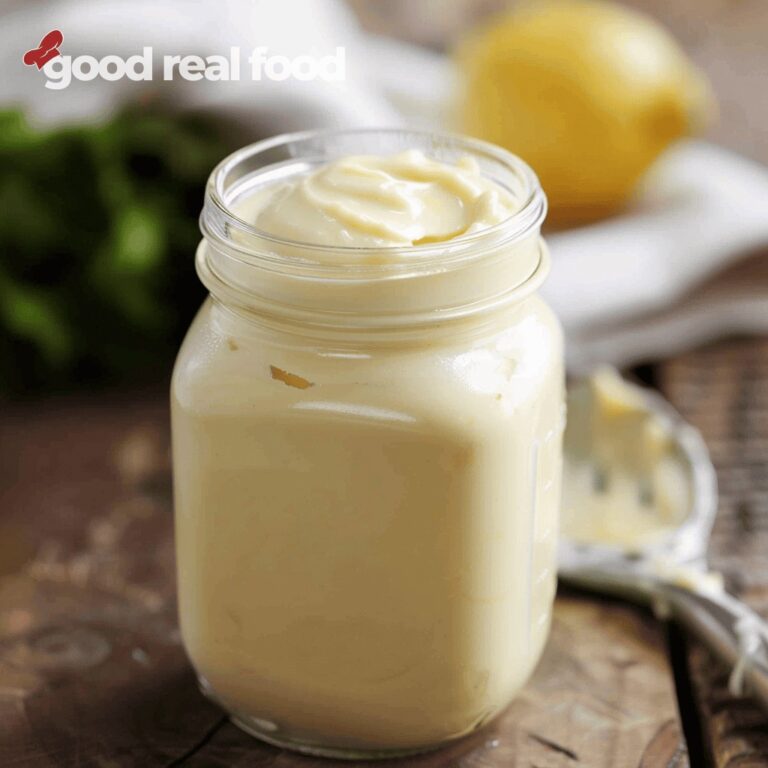
Mastering an easy Japanese mayonnaise recipe at home is a game changer for your culinary creations. This creamy, tangy condiment elevates everything from sushi to salads, and making it yourself ensures fresher flavors without the preservatives found in store-bought versions. Discover the simple steps to whip up this delicious mayonnaise and transform your dishes today.
Making Japanese mayonnaise at home is both quick and straightforward, requiring only a handful of ingredients: egg yolks, vinegar, and oil. This beloved condiment is renowned for its rich flavor and smooth texture, making it an excellent addition to salads, sushi, and dipping sauces. In this article, you will learn how to prepare authentic Japanese mayonnaise effortlessly, allowing you to enjoy this versatile condiment in your own kitchen.
Ingredients Needed for Japanese Mayonnaise
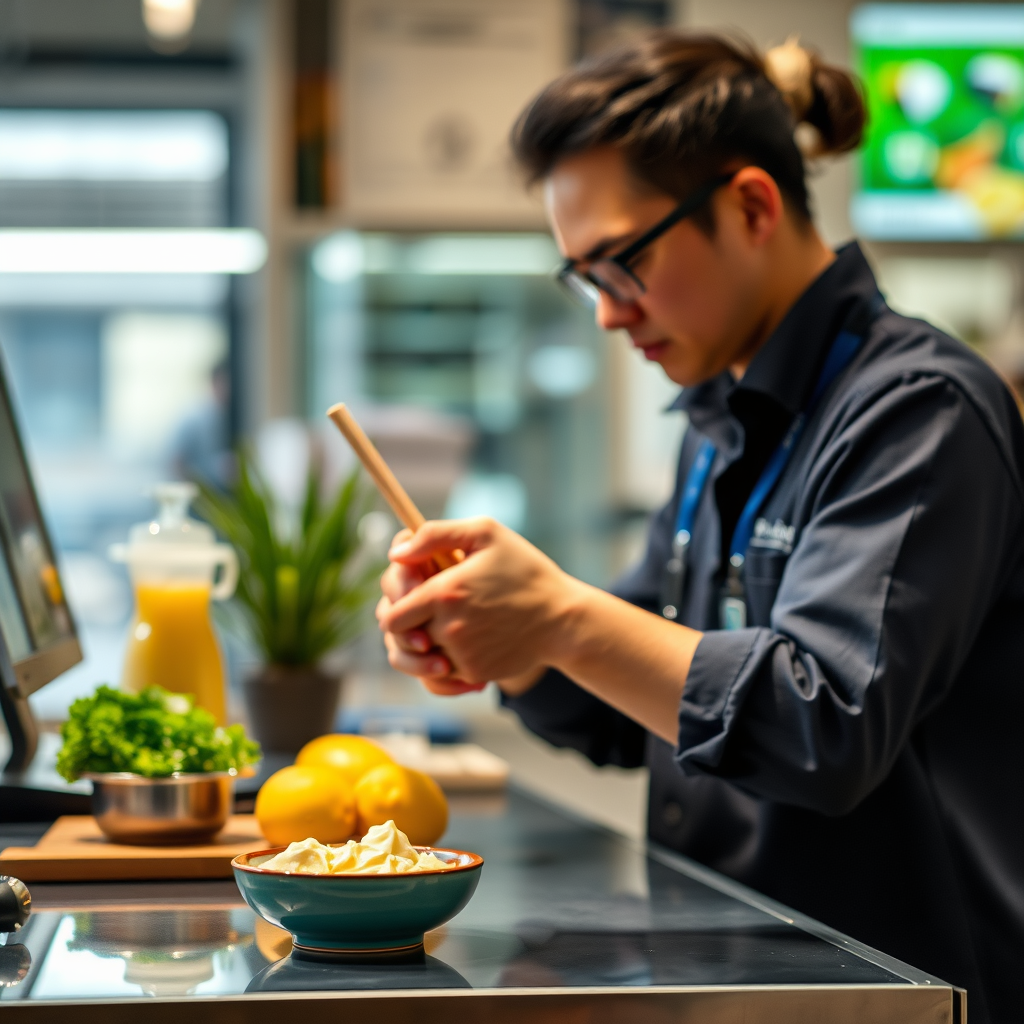
To create a delicious batch of Japanese mayonnaise, you will need the following ingredients:
– 2 large egg yolks: The foundation of the mayonnaise, egg yolks provide richness and help in emulsifying the ingredients.
– 1 tablespoon rice vinegar or apple cider vinegar: This adds acidity and tang, balancing the richness of the mayonnaise.
– 1 teaspoon Dijon mustard: Mustard not only enhances the flavor but also acts as an emulsifier.
– 1 cup vegetable oil (or a mix of oils): Oil is crucial for creating the creamy texture; you can use neutral oils like canola or sunflower, or mix with sesame oil for added flavor.
– Salt to taste: Essential for enhancing the overall flavor of the mayonnaise.
By using these simple ingredients, you can create a versatile mayonnaise that can elevate a variety of dishes.
Step-by-Step Preparation Process

Making Japanese mayonnaise involves a few easy steps that anyone can follow. Here’s how to do it:
1. Whisk the Ingredients: In a medium bowl, combine the two egg yolks, vinegar, and Dijon mustard. Use a whisk to blend these ingredients thoroughly until they are well combined and slightly frothy.
2. Emulsify the Mixture: This is the crucial step. While whisking continuously, slowly drizzle in the vegetable oil. Start with just a few drops and gradually increase the amount as the mixture begins to thicken. The continuous whisking helps to incorporate the oil into the egg yolks, creating a stable emulsion. The mixture should become thick and creamy, resembling traditional mayonnaise.
3. Season to Taste: Once you have achieved the desired consistency, add salt to taste. You can also experiment with additional seasonings or flavors at this stage.
4. Store or Serve: Your homemade Japanese mayonnaise is now ready to be used! If not using immediately, transfer it to an airtight container and store it in the refrigerator.
Tips for Achieving the Perfect Consistency
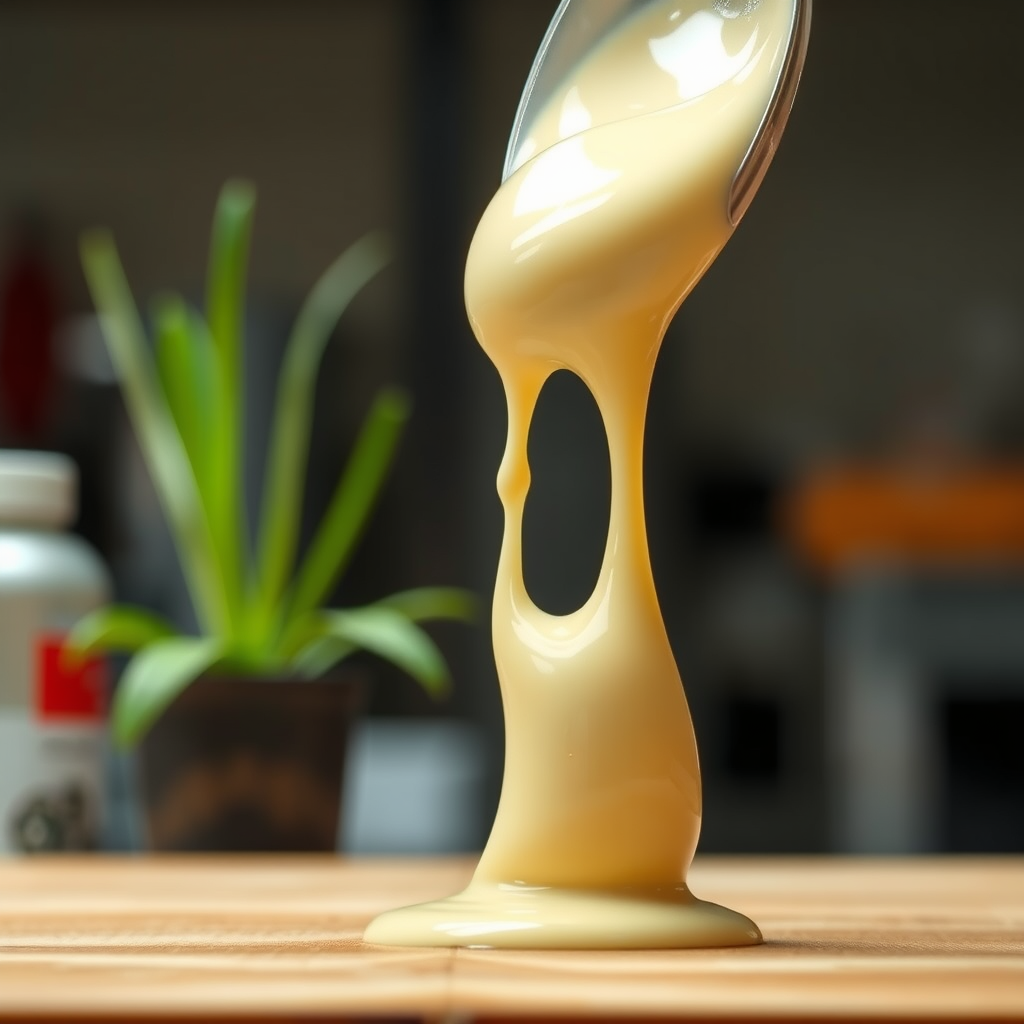
Achieving the ideal consistency for your mayonnaise can be influenced by several factors. Here are some tips to ensure success:
– Use Room Temperature Ingredients: Ingredients that are at room temperature emulsify more effectively than cold ones. Taking the egg yolks and oil out of the refrigerator beforehand can vastly improve your results.
– Control the Oil Addition: Gradually adding the oil is critical. If you add it too quickly, the emulsion may break, resulting in a runny mayonnaise. Start slowly and increase the flow as the mixture thickens. If the mayonnaise is too thick, you can always whisk in a bit more vinegar or water to adjust the texture.
Flavor Variations to Try

Once you master the basic recipe, you might want to explore different flavor profiles. Here are a few variations to consider:
– Umami Twist: Add a teaspoon of soy sauce to the mixture for a savory depth that complements Asian dishes perfectly.
– Miso Infusion: Incorporating a small amount of miso paste can create a richer flavor profile, ideal for dipping sauces or salads.
– Spicy Kick: For those who enjoy heat, consider mixing in a dash of sriracha or chili oil for a spicy mayonnaise that pairs well with seafood or grilled meats.
Storage and Shelf Life

Homemade Japanese mayonnaise can be a wonderful addition to your cooking repertoire, but proper storage is essential for maintaining its freshness:
– Refrigeration: Store your mayonnaise in an airtight container in the refrigerator. This will prevent contamination and help maintain its quality.
– Shelf Life: Typically, homemade mayonnaise lasts up to one week. Always check for signs of spoilage, such as an off smell or separation, before using.
Common Uses for Japanese Mayonnaise
The versatility of Japanese mayonnaise makes it a favorite among home cooks and chefs alike. Here are some common uses:
– Salad Dressing: Use it as a creamy dressing for salads or drizzle it over grilled vegetables to enhance their flavor.
– Sushi and Rice Dishes: It’s a classic accompaniment to sushi rolls, adding a rich creaminess that balances the dish.
– Dipping Sauce: Serve it as a dip for tempura, fried foods, or even fresh vegetables for a deliciously unique experience.
Troubleshooting Common Issues
Creating mayonnaise at home can sometimes lead to challenges. Here are some common issues and how to resolve them:
– Separation: If your mayonnaise separates, don’t despair! Try whisking in a teaspoon of warm water. The heat can help re-emulsify the mixture.
– Thickness: If your mayonnaise turns out too thick, you can easily adjust it by whisking in a little more vinegar or water until you reach the desired consistency.
Flavor Variations for Japanese Mayonnaise
| Variation | Key Ingredients | Flavor Profile | Best For |
|---|---|---|---|
| Soy Sauce | Soy Sauce | Savory, Umami | Sushi, Rice Dishes |
| Miso | Miso Paste | Rich, Earthy | Salads, Dipping Sauce |
| Spicy Sriracha | Sriracha | Spicy, Zesty | Dipping Sauce, Sandwiches |
| Garlic | Garlic Powder | Savory, Pungent | Salads, Fries |
| Herb Infusion | Fresh Herbs | Fresh, Fragrant | Sandwiches, Salads |
| Citrus | Lemon Zest | Bright, Tangy | Seafood, Salads |
| Avocado | Avocado | Creamy, Rich | Sandwiches, Dips |
Summarizing the key points, making Japanese mayonnaise at home is a rewarding and straightforward process. With just a few ingredients and some simple steps, you can enjoy this delicious condiment that elevates many dishes. Don’t hesitate to experiment with flavors and share your homemade mayo with friends and family!
Frequently Asked Questions
What ingredients are needed for a traditional Japanese mayonnaise recipe?
To make authentic Japanese mayonnaise, you’ll need egg yolks, rice vinegar or apple cider vinegar, Dijon mustard, vegetable oil (like canola or sunflower), and a pinch of salt. The use of rice vinegar gives it a distinct flavor, while the emulsification of the egg yolks and oil creates a creamy texture that is characteristic of this style of mayonnaise.
How do you make Japanese mayonnaise from scratch?
To prepare Japanese mayonnaise, start by whisking together egg yolks, mustard, and vinegar in a bowl until well combined. Gradually add the oil while continuously whisking to create an emulsion, then season with salt to taste. Make sure to add the oil slowly to ensure the mayonnaise thickens properly.
Why is Japanese mayonnaise different from regular mayonnaise?
Japanese mayonnaise differs from regular mayonnaise primarily in its ingredients and flavor profile. It often uses rice vinegar instead of distilled vinegar, giving it a slightly sweeter and richer taste, and it typically contains MSG for added umami, resulting in a creamier and more flavorful condiment.
What is the best way to store homemade Japanese mayonnaise?
To store homemade Japanese mayonnaise, transfer it to a clean, airtight container and refrigerate it immediately. It can last for about one week in the fridge, but always check for off odors or changes in texture before use to ensure freshness.
Which dishes pair well with Japanese mayonnaise?
Japanese mayonnaise is a versatile condiment that pairs well with a variety of dishes, including sushi, okonomiyaki (Japanese savory pancakes), and salads. It can also be used as a dip for fries or drizzled over grilled vegetables, enhancing flavors with its creamy and tangy profile.
References
- Mayonnaise
https://en.wikipedia.org/wiki/Mayonnaise - Mayonnaise | Description, Emulsion, & Variations | Britannica
https://www.britannica.com/topic/mayonnaise - https://pubmed.ncbi.nlm.nih.gov/28368107
https://pubmed.ncbi.nlm.nih.gov/28368107 - https://www.sciencedirect.com/topics/food-science/mayonnaise
https://www.sciencedirect.com/topics/food-science/mayonnaise - An Effective Model for Screening Obstructive Sleep Apnea: A Large-Scale Diagnostic Study – PMC
https://www.ncbi.nlm.nih.gov/pmc/articles/PMC3846620/ - Google Scholar Google Scholar
https://scholar.google.com/scholar?q=japanese+mayonnaise+recipe - Google Scholar Google Scholar
https://scholar.google.com/scholar?q=japanese+mayonnaise - Google Scholar Google Scholar
https://scholar.google.com/scholar?q=mayonnaise+recipes+in+japan - Breakdown of potential policies and strategies as presented to the RAM panel – Policies and strat…
https://www.ncbi.nlm.nih.gov/books/NBK539921/ - https://www.nytimes.com/2021/07/07/dining/japanese-mayonnaise-recipe.html
https://www.nytimes.com/2021/07/07/dining/japanese-mayonnaise-recipe.html