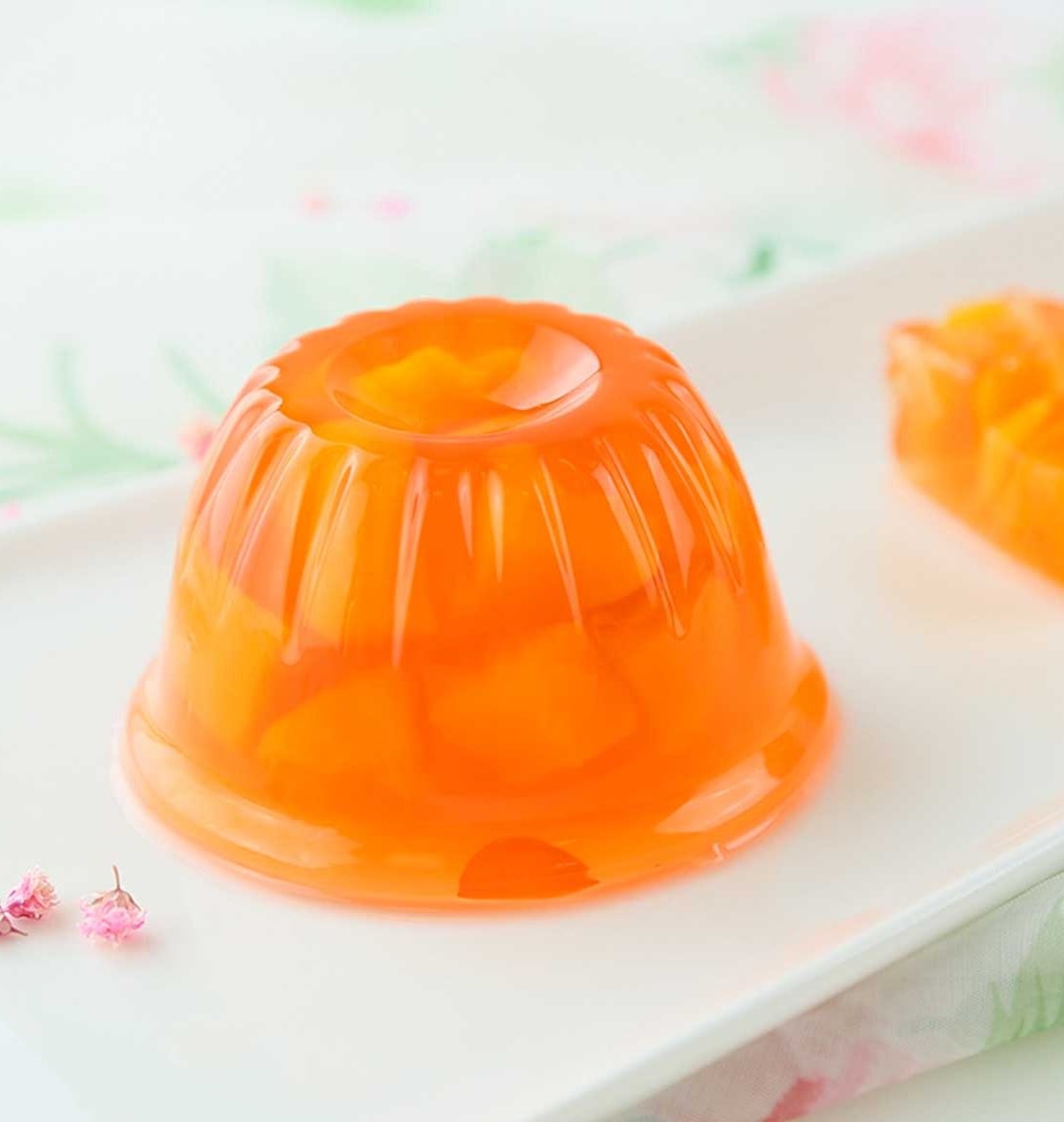
This complete expert guide to safely making peach jelly provides precise, step-by-step instructions for both novice and experienced canners. It emphasizes essential safety protocols to prevent spoilage and ensures a delicious, shelf-stable product. Master the art of peach jelly with expert tips on ingredient selection, cooking techniques, and proper canning methods that guarantee quality and safety.
What This Guide Covers (And What It Doesn’t)
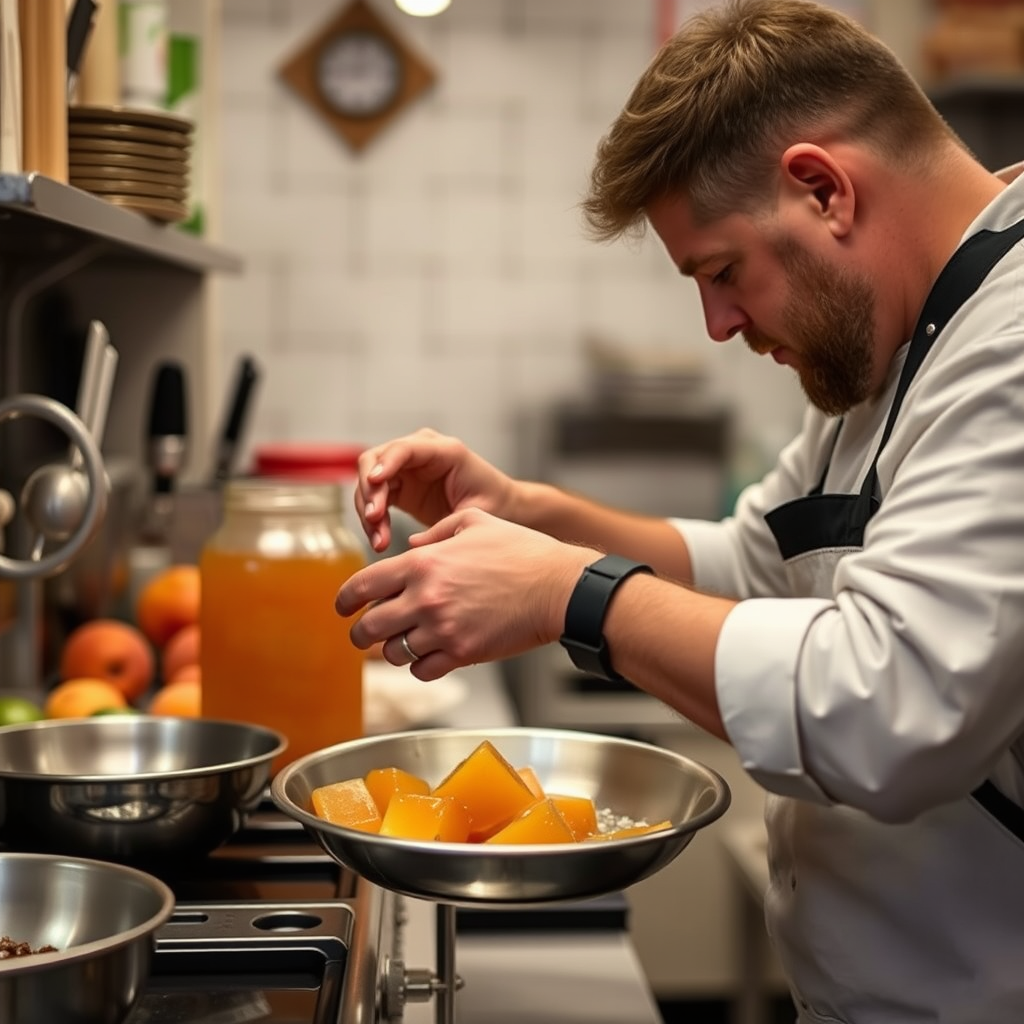
This guide delivers an in-depth, step-by-step recipe for crafting peach jelly, highlighting the specific ingredients, tools, and techniques necessary to achieve optimal flavor and texture. It also emphasizes the safety aspects of home canning, ensuring you grasp the essentials of proper sterilization, processing times, and sealing methods to prevent spoilage. Importantly, this guide does not delve into variations of peach jelly, such as incorporating other fruits or spices. Instead, it focuses exclusively on a classic peach jelly recipe using fresh peaches. Readers seeking non-jelly peach recipes or those interested in commercial jelly production will find this guide unsuitable, as it is tailored specifically for small-batch home canning.
Who Should Read This
This guide is crafted for home cooks who possess a basic understanding of canning and preserving, particularly those eager to make fruit preserves. It is ideal for individuals with access to fresh, high-quality peaches and the essential canning equipment, including jars, lids, and a water bath canner. If you’re new to canning but eager to learn, this guide serves as a valuable introductory resource—provided you are prepared to follow the steps diligently. Additionally, those with dietary restrictions or health concerns regarding sugar intake should consult a healthcare provider before attempting the recipe, as this jelly contains sugar.
The Step-by-Step Protocol
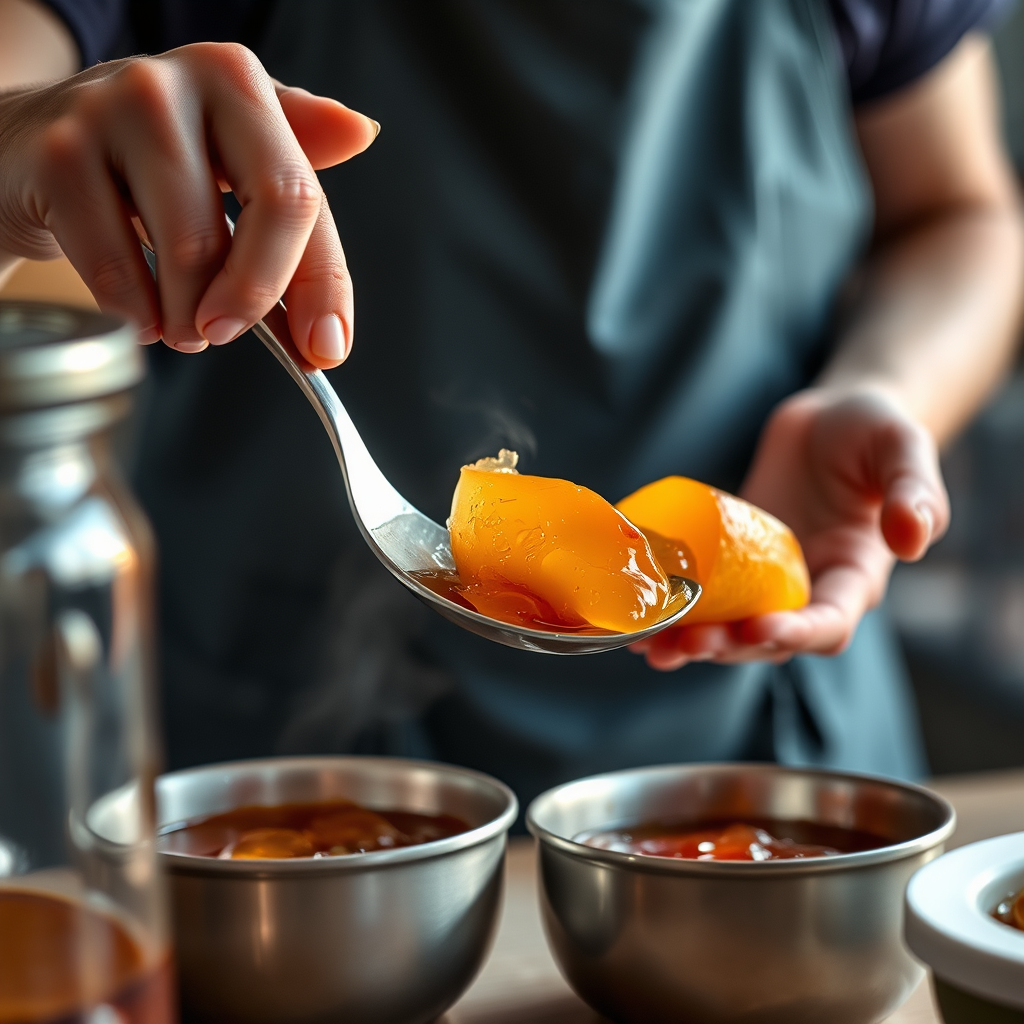
1. Gather Ingredients and Equipment: Collect 2 to 3 pounds of ripe peaches, 1/4 cup of lemon juice, 1 package (1.75 oz) of fruit pectin, and 4 cups of granulated sugar. Ensure you have sterilized canning jars (typically half-pint or pint sizes) and lids ready. A water bath canner is also necessary for processing.
2. Prepare the Peaches: Wash the peaches thoroughly under running water. Peel, pit, and chop them into small pieces. Measure out 4 cups of chopped peaches for the recipe, ensuring they are fresh and free of blemishes.
3. Cook the Mixture: In a large, heavy-bottomed pot, combine the chopped peaches and lemon juice. Cook over medium heat until the peaches soften and release their juices, about 10 minutes. Use a potato masher to crush the peaches for maximum juice extraction, creating a smooth mixture.
4. Add Pectin and Sugar: Stir in the fruit pectin and bring the mixture to a rolling boil. Once boiling, add all 4 cups of sugar at once, stirring continuously until fully dissolved. Boil the mixture for 1 minute, then remove from heat to prevent overcooking.
5. Can the Jelly: Ladle the hot peach jelly into sterilized jars, leaving a 1/4 inch of headspace. Wipe the rims of the jars with a clean cloth to remove any residue. Place the lids on the jars and process them in a water bath canner for 5-10 minutes, ensuring a proper seal. After processing, let the jars cool completely before storing.
Nutritional Information for Peach Jelly (Per Serving – 1 Tbsp)
| # | Nutrient | Amount | % Daily Value |
|---|---|---|---|
| 1 | Calories | 50 | 2% |
| 2 | Total Fat | 0g | 0% |
| 3 | Sodium | 0mg | 0% |
| 4 | Total Carbohydrates | 13g | 5% |
| 5 | Sugars | 12g | N/A |
| 6 | Protein | 0g | 0% |
| 7 | Vitamin C | 1mg | 2% |
| 8 | Calcium | 0mg | 0% |
| 9 | Iron | 0mg | 0% |
| 10 | Potassium | 20mg | 0% |
Warning Signs: When Not to Follow This
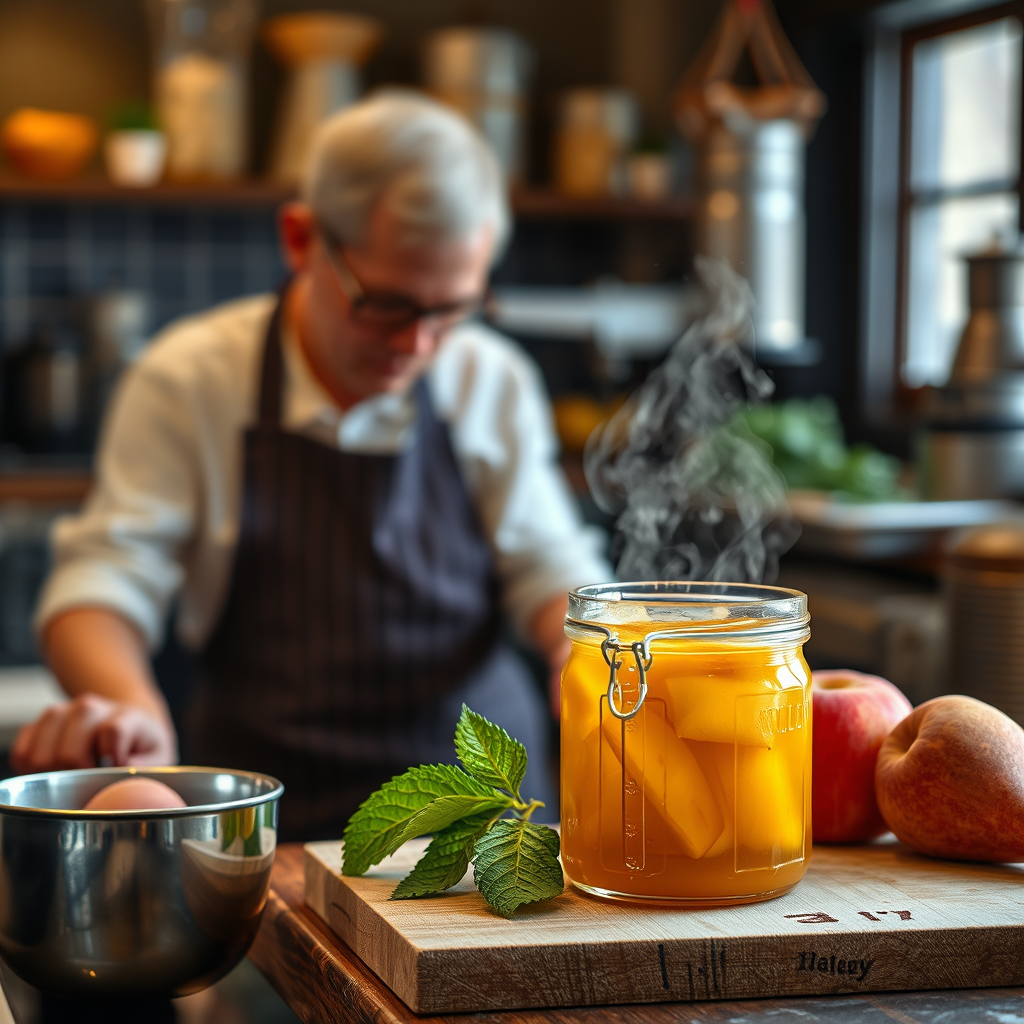
Avoid making peach jelly if the peaches you plan to use are overripe, bruised, or moldy, as this can lead to spoilage and safety risks. Additionally, refrain from canning if you lack the proper equipment, such as a water bath canner or jars specifically designed for canning, since this could compromise the seal. If you’re uncertain about the acidity level of your mixture—especially if you’re considering adding any non-standard ingredients—hold off on canning; unsafe acidity levels can lead to spoilage or foodborne illness. Furthermore, do not use alternative sweeteners or fruit substitutions without thorough research, as they may not set properly and could jeopardize the safety of the final product.
The Most Common Mistakes (And Their Consequences)
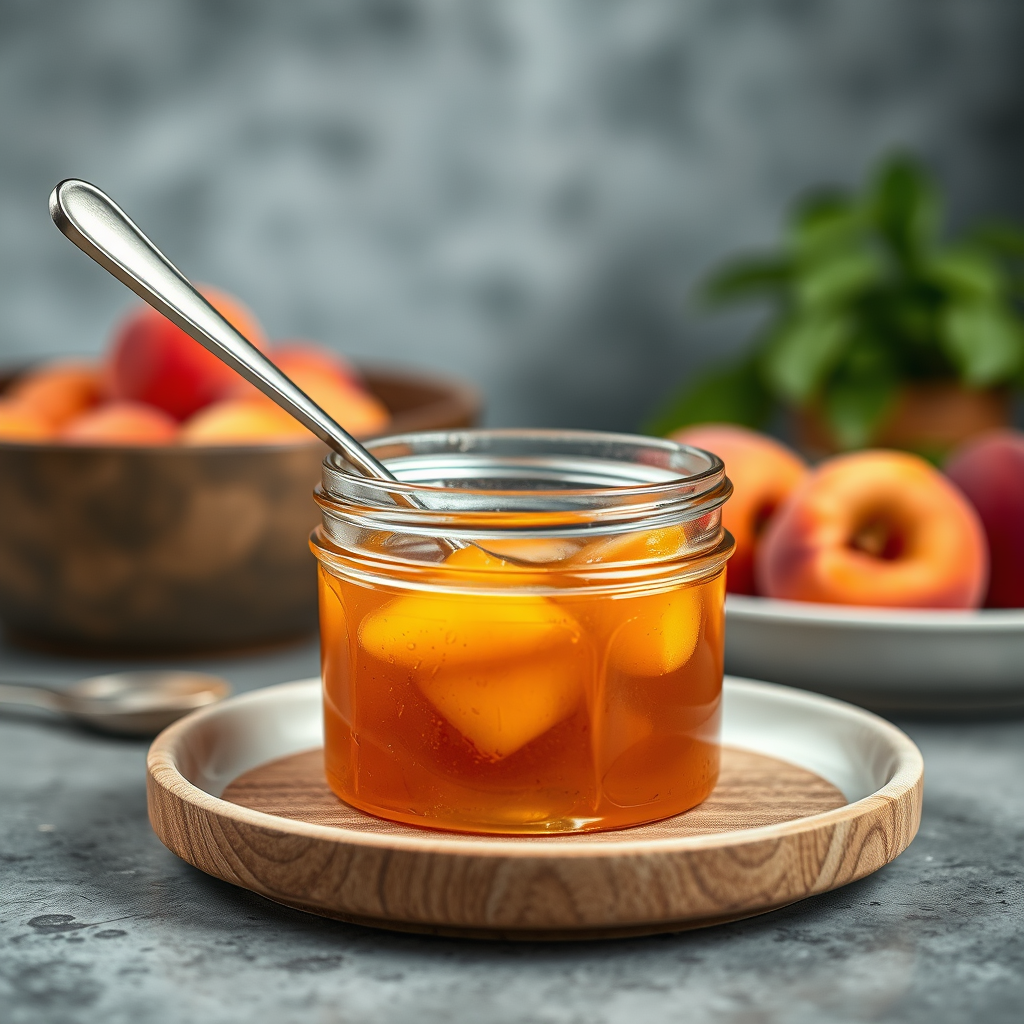
One prevalent mistake is failing to measure the sugar accurately, which can result in jelly that doesn’t set properly and leads to a runny consistency. Inadequate sterilization of jars and lids can introduce bacteria, risking spoilage and foodborne illness; always ensure jars are boiled for at least 10 minutes before filling. Not processing the jars long enough in the water bath can result in jars that do not seal properly, creating a risk of spoilage once cooled. Skipping the lemon juice can lead to insufficient acidity in the jelly, increasing the risk of botulism, so always use the recommended amount to ensure safety.
Special Cases That Need a Different Approach
If you’re using frozen peaches instead of fresh, thaw them completely and drain excess juice before measuring out 4 cups; this step helps avoid a watery jelly. For those living at high altitudes, adjustments in processing time may be necessary; refer to altitude guidelines to ensure proper sealing and safety. If you desire a sugar-free version, opt for a suitable pectin designed for low-sugar recipes and follow the package instructions carefully, as they differ from traditional recipes. If you wish to infuse flavors, such as vanilla or ginger, proceed with caution; be aware that this may affect the setting process, necessitating adjustments in pectin usage.
When You Need a Professional
If you’re new to canning and feel uncertain about your ability to follow the outlined procedures, consider enrolling in a local canning class or consulting with a food preservation expert beforehand. If you suspect your jelly did not seal properly after processing, do not consume it. Discard any jars that show signs of spoilage or emit an unusual odor, and consult a food safety professional if needed. For specific dietary concerns, such as diabetes or allergies to ingredients like pectin or sugar, consult a healthcare provider or nutritionist for tailored advice before making this recipe. Additionally, for large-scale production or if you plan to sell home-canned goods, it is crucial to consult with a food safety expert to comply with local health regulations and ensure the safety of your product.
Sources and Further Reading
– USDA Complete Guide to Home Canning: A resource for safe canning practices, including proper methods for making fruit preserves like peach jelly.
– National Center for Home Food Preservation: Provides guidelines on food preservation, including the science behind pH levels and safe canning practices.
– “The Ball Book of Canning and Preserving”: A comprehensive resource for home canning recipes, techniques, and troubleshooting tips.
– Local Cooperative Extension Services: Often provide workshops and resources on canning, including updated safety guidelines and seasonal produce usage.
By adhering to these guidelines and meticulously following the outlined steps, you can create delicious, safe peach jelly that captures the essence of summer in every jar.
Frequently Asked Questions
What ingredients do I need to make homemade peach jelly?
To make homemade peach jelly, you’ll need fresh peaches, sugar, lemon juice, and pectin. It’s important to use ripe peaches for the best flavor, and the pectin will help the jelly set properly. You may also want to include a pinch of salt to enhance the sweetness.
How do I properly prepare peaches for making jelly?
To prepare peaches for jelly, start by washing them thoroughly and removing the skins. You can blanch the peaches in boiling water for about 30 seconds to make peeling easier. After peeling, pit and chop the peaches into small pieces, which will help release their natural juices during the cooking process.
Why is pectin important in making peach jelly?
Pectin is essential in making peach jelly because it acts as a thickening agent that helps the jelly achieve its gel-like consistency. Without pectin, your jelly may not set properly and could remain runny. Using the right amount of pectin, as indicated in your recipe, is crucial for a successful batch of peach jelly.
What is the best way to store homemade peach jelly?
The best way to store homemade peach jelly is to keep it in sterilized glass jars with airtight lids. After canning, store the jars in a cool, dark place, such as a pantry or cupboard. Once opened, keep the jelly in the refrigerator and consume it within a few weeks for optimal freshness and flavor.
Which tools do I need for making and canning peach jelly?
For making and canning peach jelly, you’ll need a large pot for cooking the peaches, a jar lifter for safely handling hot jars, and a canning funnel to avoid spills. Additionally, having a food thermometer, measuring cups, and spoons, along with sterilized jars and lids, will ensure a smooth and safe canning process.
References
- Jelly
https://en.wikipedia.org/wiki/Jelly - https://pubmed.ncbi.nlm.nih.gov/26593183/
https://pubmed.ncbi.nlm.nih.gov/26593183/ - Salt Sensitive Tet-Off-Like Systems to Knockdown Primordial Germ Cell Genes for Repressible Trans…
https://www.ncbi.nlm.nih.gov/pmc/articles/PMC5484105/ - https://www.sciencedirect.com/science/article/pii/S2351978917302159
https://www.sciencedirect.com/science/article/pii/S2351978917302159 - Scoping implementation science for the beginner: locating yourself on the “subway line” of transl…
https://www.ncbi.nlm.nih.gov/pmc/articles/PMC6599376/ - Google Scholar Google Scholar
https://scholar.google.com/scholar?q=recipe+peach+jelly - Google Scholar Google Scholar
https://scholar.google.com/scholar?q=peach+jelly+preservation - Google Scholar Google Scholar
https://scholar.google.com/scholar?q=peach+jelly+health+benefits - UGA
https://www.uga.edu/ - https://www.extension.purdue.edu/extmedia/FN/FN-145-W.pdf
https://www.extension.purdue.edu/extmedia/FN/FN-145-W.pdf